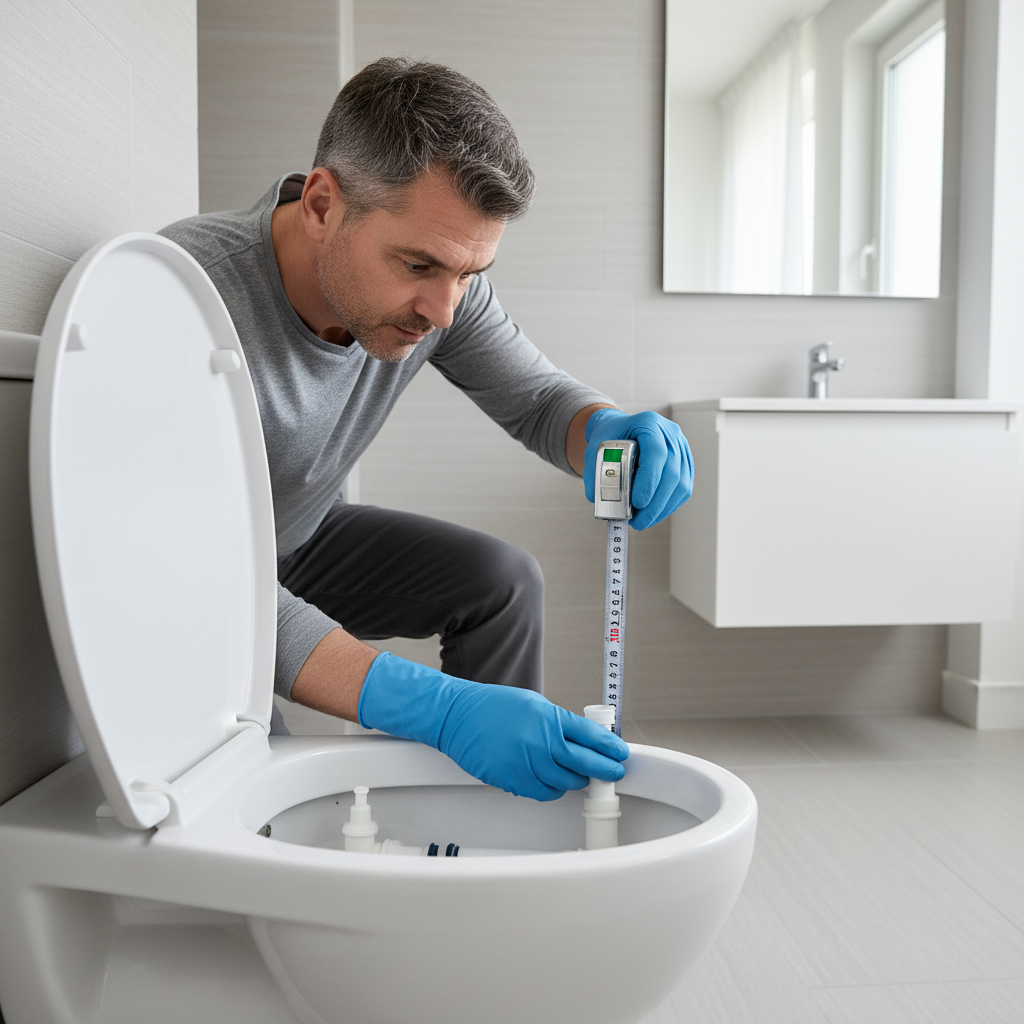
- Inspect the Water Level and Flapper in the Tank — Ensure proper water volume and a good seal.
- If water level is low: Gently bend the float arm or adjust the screw on the fill valve mechanism to increase the water level.
- If flapper is leaking: Purchase a universal flapper replacement from any hardware store. Turn off the water, flush the toilet to empty the tank, unhook the old flapper, and install the new one, ensuring a good seal.
Plumbing · Clog
| Project category | Plumbing |
|---|---|
| Problem type | Clog |
| Trade required | Plumbing |
| Urgency | Soon — within weeks |
| Safety risk | Low safety risk |
| DIY suitability | DIY friendly |
| Cost category | Low cost |
| Typical timeline | Same-day DIY attempt; pro visit within a day or two |
| Contractor type | Licensed plumber |
Repair option
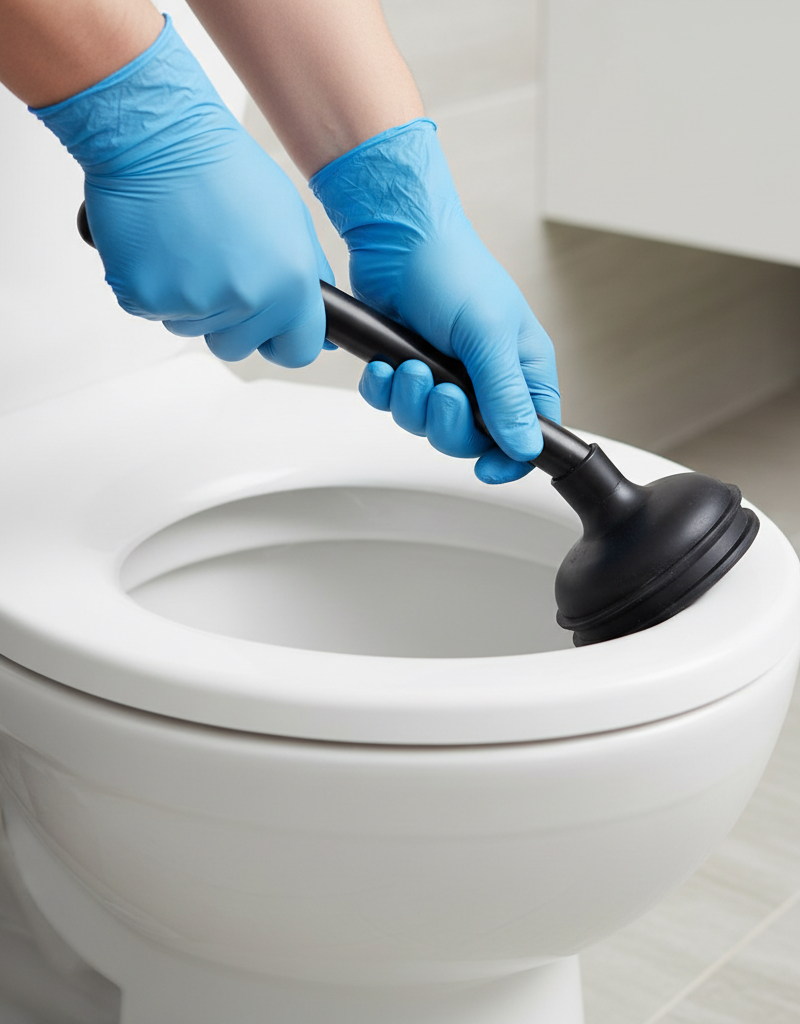
Plunger, hand auger, or trap cleanout before chemicals.
Replacement option
Line replacement when clogs return in the same spot repeatedly.
Common causes
- Hair and soap buildup in the trap
- Grease cooling in the branch line
- Flushed wipes or foreign objects
Relevant tools:diy difficultydiy or hire a pro
Published May 8, 2026Last updated August 18, 2026
Tools & materials you'll need
Affiliate linksAs an Amazon Associate FixlyGuide earns from qualifying purchases — at no extra cost to you. Prices and availability are accurate as of publication and subject to change.
Quick Answer
Recurring toilet clogs, happening every few days, are incredibly frustrating and usually signal a deeper issue than just too much toilet paper. Rather than tackling each clog as a separate incident, a systematic approach is needed. The most common underlying culprits are a weak flush caused by an improper water level in the tank, obstructed rim jets that reduce flush power, a partial blockage deep within the toilet's trapway, or, in some cases, venting problems or even issues in the main drain line. Identifying and fixing the root cause will save you from future headaches and repeated plunging.
The Problem
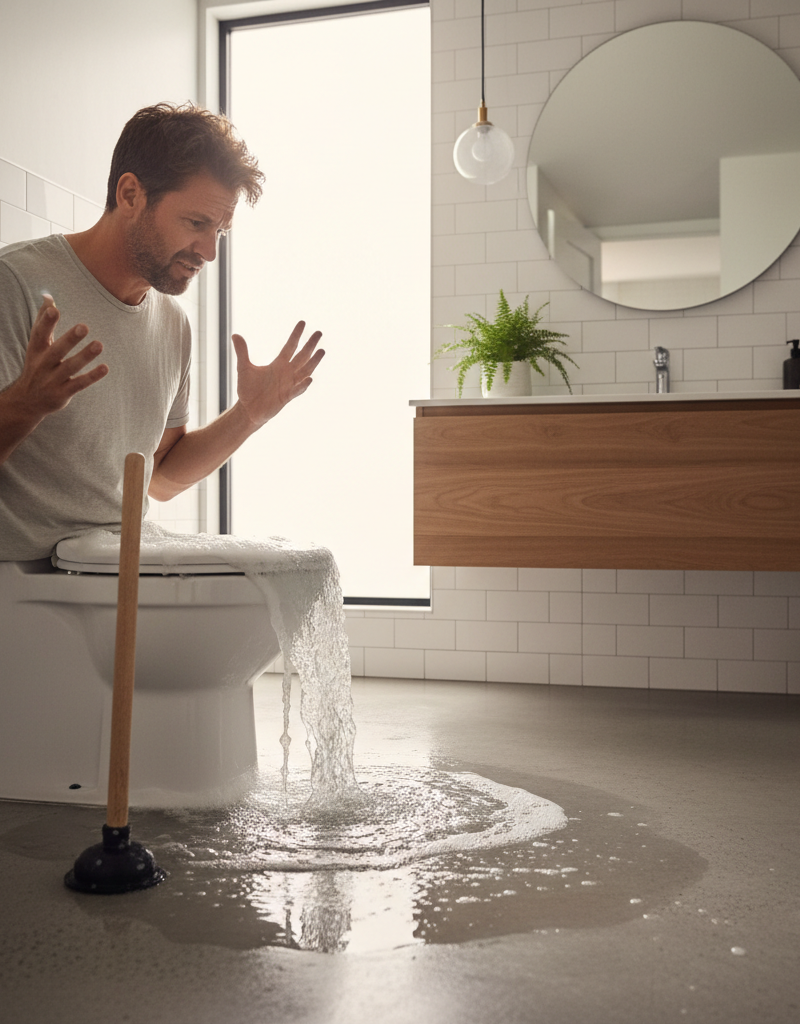
You're tired of reaching for the plunger every few days. Your toilet flushes, but not with the vigor it once had, or perhaps it struggles to clear even a modest amount of waste. This isn't just an inconvenience; it can be a sign of poor sanitation, increased water usage from multiple flushes, and potential water damage if a significant overflow ever occurs. A frequently clogging toilet often indicates a gradual buildup of material or a mechanical inefficiency that's making the toilet's job harder. The key is to move beyond mere symptom treatment (plunging) and diagnose the underlying reason why your toilet isn't performing as it should.
How It Works
Understanding how a toilet flushes is crucial to diagnosing recurring clogs. When you press the flush handle, a chain lifts the flapper valve inside the toilet tank. This allows the water stored in the tank to swiftly enter the toilet bowl. As this large volume of water rushes into the bowl, it's directed by two main pathways: the siphonic jet, a large opening at the bottom front of the bowl, and a series of smaller rim jets located under the rim of the bowl. The rapid influx of water from both the siphon jet and the rim jets creates a powerful swirling action that pushes the bowl's contents into the trapway—the S-shaped passage at the bottom of the toilet. This rush of water creates a siphoning effect, pulling the waste and water out of the bowl and into the drainpipe. Air pressure from the vent pipe then breaks the siphon, allowing the bowl to refill with fresh water. Issues at any point in this process—from insufficient water volume in the tank, to blocked rim jets reducing the flush's force, to a partial obstruction in the trapway itself, or even problems with the vent system—can lead to a weak flush and recurring clogs. For example, if the tank's water level is too low, the volume of water released into the bowl isn't enough to create a strong siphon, leaving waste behind. Similarly, if the rim jets are clogged with mineral deposits, the swirling action that clears the bowl is diminished, making the toilet less efficient at flushing.
Step-by-Step Fix
Before you begin, always prioritize safety. Wear rubber gloves when working with toilet water. Turn off the water supply to the toilet at the shut-off valve behind or under the toilet before performing any internal tank work.
-
Inspect the Water Level and Flapper in the Tank — Ensure proper water volume and a good seal. First, lift the tank lid. The water level should typically be about one inch below the top of the overflow tube. If it's lower, adjust the fill valve to raise the water level. Also, check the flapper valve. It should sit flush against the flush valve opening when closed. If it appears warped, stiff, or doesn't seal properly, it can cause leaks and reduce flush power. Test the flapper by dropping a few drops of food coloring into the tank and waiting 15-20 minutes without flushing. If color appears in the bowl, the flapper is leaking and needs replacement.
- If water level is low: Gently bend the float arm or adjust the screw on the fill valve mechanism to increase the water level.
- If flapper is leaking: Purchase a universal flapper replacement from any hardware store. Turn off the water, flush the toilet to empty the tank, unhook the old flapper, and install the new one, ensuring a good seal.
-
Clean the Rim Jets — Restore full flush power to your toilet bowl. Mineral deposits (limescale, rust) can build up in the small holes under the toilet rim, restricting water flow and weakening the flush. Look under the rim of the bowl; you'll see a series of small holes. Use a small mirror to see the ones at the back. Carefully use a coat hanger wire or a small Allen wrench to poke and clear these jets of any buildup. For stubborn clogs, pour a cup of distilled white vinegar into the overflow tube in the tank (or directly into the tank water if the bowl is empty) and let it sit for 30 minutes to an hour before scrubbing with a toilet brush and flushing.
- Safety Note: Wear eye protection when poking under the rim to prevent debris from falling into your eyes.
- If jets are severely clogged: Repeat the vinegar treatment overnight or use a dedicated toilet bowl cleaner that targets hard water stains, ensuring it's safe for your toilet's internal components.
-
Check the Siphon Jet — Clear obstructions at the bottom of the bowl. The large opening at the bottom of the toilet bowl, where the water initially rushes in, is the siphon jet. Sometimes, foreign objects or significant waste can get caught here, impeding the initial powerful thrust of water. With a gloved hand (and after ensuring the water is off and the bowl is as empty as possible), feel around the opening for any obstructions. A bent wire hanger can also be carefully used to probe this area, but be gentle to avoid scratching the porcelain.
- If you find an object: Try to remove it with needle-nose pliers or a pair of tweezers. If it's too deep, you may need a closet auger.
-
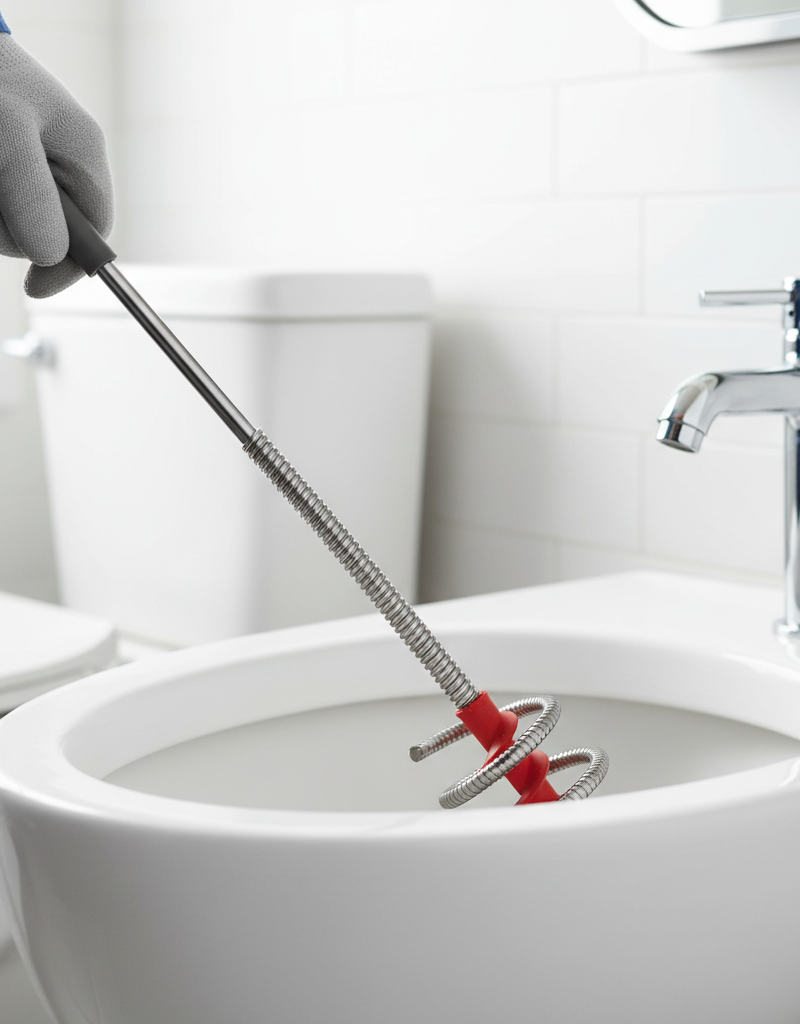
Use a Closet Auger (Toilet Auger) — Clear clogs deep within the trapway. For clogs that resist a plunger, especially recurring ones, a closet auger is your next best tool. This specialized snake is designed to navigate the toilet's trapway without scratching the porcelain. Extend the auger tip into the drain opening, crank the handle to feed the cable, and gently push until you feel resistance. Continue turning and pushing to break up or retrieve the clog. Always follow the manufacturer's instructions.
- Caution: Never use a standard plumbing snake, as it can severely scratch or damage the toilet bowl. A closet auger has a protective sleeve.
- If clog persists: The obstruction might be further down the drain line, beyond the toilet's trapway. This points to a main drain or vent issue.
-
Inspect the Toilet's Seal (Wax Ring) — Ensure a proper seal for effective flushing. While less common for recurring clogs, a failing wax ring can cause issues if it partially obstructs the drain opening or leads to an unstable toilet that can shift, affecting drainage. If your toilet wobbles, or if you notice water leaking from the base of the toilet when you flush, the wax ring likely needs replacement. This is a more involved step that requires removing the toilet.
- Safety Note: This is a two-person job due to the weight of the toilet. Turn off water, disconnect water supply line, remove tank bolts, and lift toilet carefully.
- If replacing the wax ring: Clean the flange thoroughly, apply a new wax ring (with or without a plastic horn), and carefully reseat the toilet, ensuring it's level and secure.
-
Check for Vent Pipe Issues — Restore proper air pressure for effective siphoning. A clogged or partially blocked vent pipe can lead to a weak flush, gurgling sounds, and recurring clogs because air cannot enter the drain system to break the siphon efficiently. Signs include other drains in the house gurgling when the toilet flushes, or persistent sewer gas odors. While clearing a vent pipe often requires roof access and is best left to a professional, you can sometimes identify symptoms yourself. If you suspect a vent issue, it's time to call a plumber.
- Pro Tip: If you have access to your roof and feel comfortable, gently spray water down the vent stack to see if it's obstructed. However, this is only for advanced DIYers.
Common Causes
- Low Water Level in Tank: Insufficient water volume means a weak flush that can't create a strong enough siphon to clear the bowl completely. This is one of the most frequent culprits for recurring clogs.
- Clogged Rim Jets or Siphon Jet: Mineral, rust, or debris buildup restricts water flow into the bowl, reducing the force of the flush and preventing proper clearing of waste.
- Partial Trapway Obstruction: Something, often non-flushable items or an accumulation of tissue and waste over time, is caught in the toilet's internal S-bend, narrowing the passage and causing things to back up frequently.
- Excessive Toilet Paper/Non-Flushable Items: While usually a one-off clog, consistently using too much toilet paper or flushing wipes/feminine hygiene products will lead to constant blockages.
- Weak Flapper or Faulty Fill Valve: A flapper that doesn't seal properly allows water to leak into the bowl, preventing the tank from filling fully, or a fill valve that doesn't allow the tank to fill to the correct level.
- Vent Pipe Issues: A partially or fully blocked vent pipe prevents air from entering the drain system, disrupting the siphonic action and leading to slow drainage and gurgling.
- Main Drain Line Obstruction: Less common for only the toilet, but a partial clog in the main sewer line can cause backups in lower fixtures, including toilets, especially when multiple fixtures are used simultaneously.
Common Mistakes
- Using a Standard Drain Snake Instead of a Closet Auger: A standard snake a metal cable with a bare tip, which will scratch and permanently damage your toilet's porcelain finish. Always use a purpose-designed closet auger.
- Ignoring Low Tank Water Levels: Many homeowners overlook this simple fix, repeatedly plunging when the root cause is a weak flush due to insufficient water volume. Always check the water level first.
- Over-reliance on Chemical Drain Cleaners: These harsh chemicals can damage rubber flappers, wax rings, and even PVC pipes over time. They are rarely effective on solid toilet clogs and can pose a health hazard if the toilet overflows. Avoid them for toilet issues.
- Forgetting to Clean Rim Jets: These small, hidden holes are critical for a strong flush, yet they are often neglected. Over time, mineral buildup severely hampers flusher efficiency.
- Not Checking for a Leaky Flapper: A flapper that doesn't seal allows water to slowly escape the tank, leading to an incomplete refill and a weak flush. It's an easy check that can save you a lot of frustration.
- Assuming Every Clog is from Toilet Paper: While common, recurring clogs often point to systemic issues like vent problems, trapway obstructions, or mechanical failures rather than just misuse.
Cost & Time Breakdown
| Task | DIY Cost | Pro Cost | Time |
|---|---|---|---|
| Inspect Tank & Adjust W. Level | $0 | $75–$150 | 5–15 minutes |
| Replace Flapper | $8–$20 | $100–$180 | 15–30 minutes |
| Clean Rim Jets | $0–$5 | $75–$150 | 15–45 minutes |
| Use Closet Auger | $0 (if owned) –$40 | $150–$300 | 30–60 minutes |
| Replace Wax Ring | $10–$25 | $200–$400+ | 1–2 hours |
| Vent Pipe Inspection/Clearing | N/A | $250–$600+ | 1–3 hours (pro) |
Tips & Prevention
- Regular Tank Maintenance: Periodically check the water level and the condition of the flapper and fill valve. A simple visual inspection can prevent many common issues.
- Weekly Rim Jet Cleaning: A quick scrub with a toilet brush under the rim, coupled with an occasional vinegar flush, can keep mineral buildup at bay.
- Educate Household Members: Remind everyone to flush only human waste and toilet paper. Keep a small trash can by the toilet for non-flushable items like wipes, dental floss, and feminine hygiene products.
Related Articles
Keep troubleshooting with these hand-picked guides from FixlyGuide:
- The Nasty Truth About Your Smelly Bathroom Sink: It's Not Always the Drain — Uncover the surprising culprits behind your stinky bathroom sink and learn how to banish those foul odors with simple, effective troublesho…
- The Secret Reason Your Chimney Leaks During Rain (It's Not Always the Obvious Culprit) — A leaking chimney during rain can be a frustrating mystery, but often the root cause isn't what you think, leading to costly misdiagnosis.
- The Secret Reason Your Sump Pump Runs When It’s Not Raining — If your sump pump runs constantly even on a dry day, it's not a ghost; it's a sign of a stuck switch, a failed valve, or a surprisingly hig…
- The Secret Culprit Behind Your Dishwasher's Standing Water (It's Not Always a Clog) — Don't assume a clog is the only reason your dishwasher isn't draining; often, the fix is simpler than you think.
- The #1 Overlooked Reason Your Chimney Leaks (It Rots Your Roof!) — Discover the surprising, often-missed culprit behind your leaky chimney and how this common issue can silently damage your home.
- The Secret Reason Your Interior Door Sticks (It's Not Always Humidity) — Before you blame humidity, learn the true culprits behind a sticky interior door and how to fix them with simple DIY steps.
Should you do this yourself?
Answer five quick questions before you start. Safety outranks savings every time.
Your experience with work like this
How high do you have to work?
Does the job involve any of these?
Will it need a permit?
Specialty tools
Free and instant. Educational guidance only — not a quote, inspection, or professional diagnosis.
What should this project cost?
Enter your project details for a realistic cost range before you call anyone.
Common repairs run $150–$650; repipes and water-heater replacements reach $1,500–$4,500.
- Regional adjustment
- National average
- Labor share (typical)
- ~$754
- Quotes to collect
- 3 written estimates
Educational estimate based on national averages — not a binding quote. Always confirm with written local estimates.
Fixly Project Decision Box
- DIY difficulty
- Moderate
- Estimated time
- 30 minutes – half a day
- Cost level
- Moderate
Main tools / materials
- Adjustable wrench
- Plunger or drain auger
- Bucket and towels
- Thread tape
When to stop and call a pro
- Water you cannot shut off at the fixture or main
- Sewage backing up into more than one fixture
- Water near electrical panels or outlets
- Gas water heater work beyond relighting a pilot
Need professional help?
Get a Licensed PlumberBefore you start
Check the difficulty, permits, and safety risk — then decide whether to call a pro.
- Estimate this projectGet a cost range for your scope and ZIP before you call anyone.Open
- Get local estimatesSend one request and compare written estimates from vetted pros.Open
Free, no signup required. Estimates are educational guidance, not a quote or an inspection.
Get the print-ready PDF of this guide
A clean, ad-free, printable version you can keep on your phone or pin to the workshop wall. Free with a FixlyGuide account.
- Print-optimized layout
- Tools, materials & every step included
- Saved to your account
Frequently asked questions
Why does my toilet clog every other day?+
A toilet that clogs every other day often indicates a weak flush due not enough water in the tank, clogged rim jets reducing water flow, or a partial obstruction deep in the trapway. Less common but possible causes include vent pipe issues or even a minor main drain problem affecting only the toilet.
Can a toilet suddenly start clogging frequently?+
Yes, a toilet can suddenly start clogging frequently. This usually points to a gradual buildup of mineral deposits in the rim jets, a slowly failing flapper causing a weak flush, or a small object becoming lodged in the trapway that gradually accumulates other waste around it.
How do you clear a constantly clogging toilet?+
To clear a constantly clogging toilet, first check the water level in the tank and adjust it if low. Then, clean the rim jets under the bowl's rim using a wire. If clogs persist, use a closet auger (a specialized toilet snake) to clear any obstructions in the trapway. If these steps fail, consider a professional for vent pipe or main drain inspection.
Does a weak flush cause recurring clogs?+
Absolutely. A weak flush is one of the primary causes of recurring toilet clogs. If the toilet doesn't dispense enough water with sufficient force, it cannot create the necessary siphonic action to completely clear the waste and toilet paper from the bowl and trapway, leading to buildup and frequent blockages.
When should I call a plumber for frequent toilet clogs?+
You should call a plumber if you've tried adjusting the water level, cleaning the rim jets, and using a closet auger, but the toilet still clogs frequently. Also, if you notice gurgling from other drains, sewer odors, or if multiple fixtures are backing up, it could indicate a main drain or vent pipe issue requiring professional diagnosis and repair.
Discussion
Loading comments…