- Toilet Keeps Clogging? Common Causes & Easy Fixes for Homeowners — A toilet that clogs frequently can be a frustrating and unsanitary problem, often indicating an underlying issue from flushing habits to pl…
- Dishwasher Not Draining? Easy Fixes for a Clogged Drain — A dishwasher that won't drain at the end of a cycle is a common problem, often caused by simple clogs or blockages that homeowners can fix…
- The Secret Reason Your Toilet Clogs Every Few Days (It’s Not What You Think) — Frequent toilet clogs often point to issues beyond simple blockages, from vent pipe problems to a failing flush mechanism, demanding a clos…
- The Secret Culprit Behind Your Kitchen Sprayer’s Drab Drizzle (It’s Not Clogging!) — Don't replace that kitchen sink sprayer head just yet! Low pressure often stems from a few hidden, easily fixable issues within your faucet…
- The 1 Mistake Homeowners Make with a Slow Kitchen Drain (And the Simple Fix) — A slow kitchen sink drain is frustrating, but often an easy fix if you avoid common mistakes and know where to look first.
Plumbing · Clog
| Project category | Plumbing |
|---|---|
| Problem type | Clog |
| Trade required | Plumbing |
| Urgency | Soon — within weeks |
| Safety risk | Low safety risk |
| DIY suitability | DIY friendly |
| Cost category | Low cost |
| Typical timeline | Same-day DIY attempt; pro visit within a day or two |
| Contractor type | Licensed plumber |
Repair option
Plunger, hand auger, or trap cleanout before chemicals.
Replacement option
Line replacement when clogs return in the same spot repeatedly.
Common causes
- Hair and soap buildup in the trap
- Grease cooling in the branch line
- Flushed wipes or foreign objects
Relevant tools:diy difficultydiy or hire a pro
Published April 22, 2026Last updated August 17, 2026
Tools & materials you'll need
Affiliate linksAs an Amazon Associate FixlyGuide earns from qualifying purchases — at no extra cost to you. Prices and availability are accurate as of publication and subject to change.
How it works
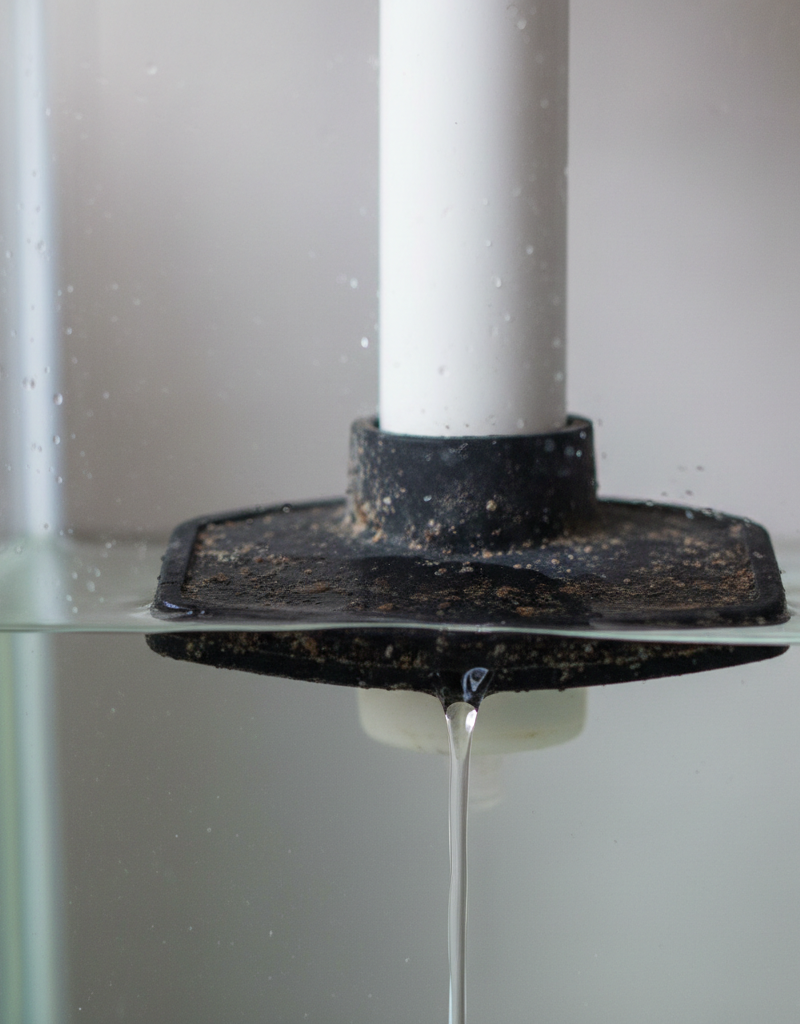
A standard gravity-fed toilet operates on a simple but effective siphon principle, using the weight of water to generate flushing power. When you press the flush handle, it lifts a lever inside the tank connected by a chain to the flapper. The flapper is a rubber or plastic seal covering the flush valve opening at the bottom of the tank. With the flapper lifted, approximately 1.6 gallons of water (in modern toilets) rushes from the tank into the toilet bowl below.
This water enters the bowl through two primary routes: small holes under the rim, called rim jets, and a larger siphon jet at the bottom of the bowl. The rim jets release water in a swirl, cleaning the sides of the bowl. Simultaneously, the siphon jet directs a powerful stream of water towards the trapway—the molded P-shaped channel at the toilet's base. This sudden, high-volume influx of water raises the water level in the bowl above the top of the trapway, creating a full-pipe siphonic action. This siphon pulls the contents of the bowl out and into the main drain line.
As the tank empties, the flapper settles back onto the flush valve, sealing it. The fill valve then activates, refilling the tank with fresh water. A small portion of this water is diverted through a refill tube down the overflow pipe to replenish the standing water in the bowl, creating a seal against sewer gases. A frequent clog indicates a disruption in this process—insufficient water volume, inadequate water velocity, or an obstruction in the trapway or drain.
Step-by-Step Fix
Follow these steps in order, from the simplest remedies to more involved mechanical repairs, to diagnose and resolve your recurring toilet clogs.
-
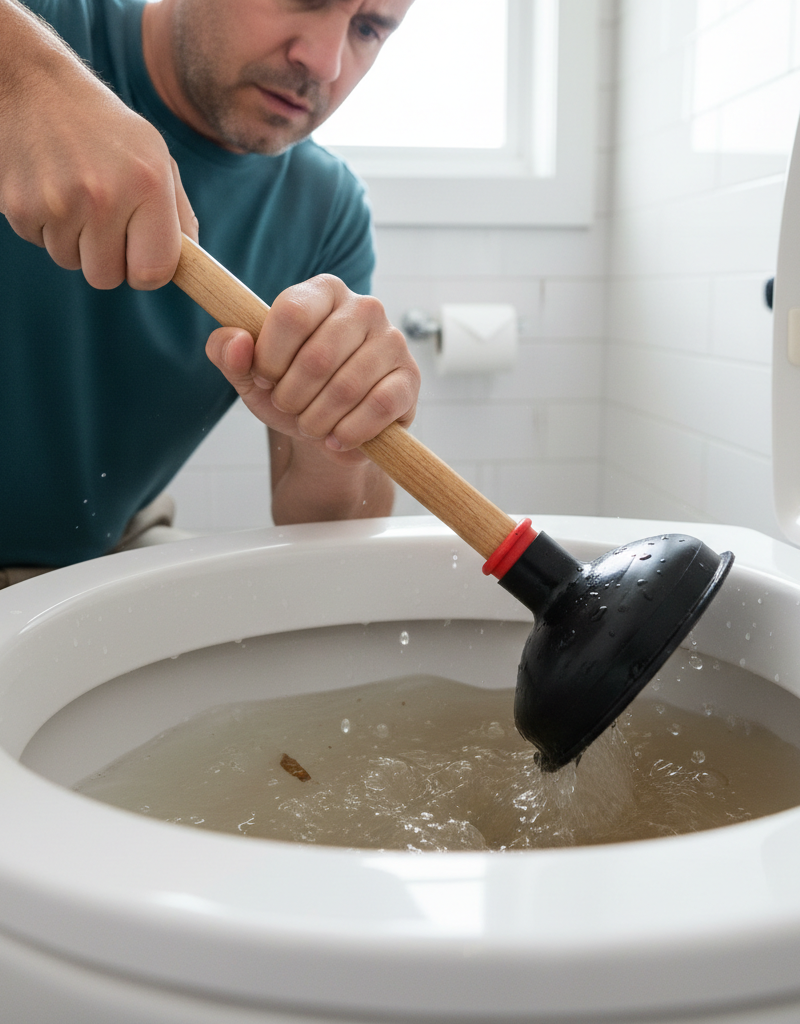
Plunge the Right Way — Before disassembling anything, ensure any current clog is fully cleared. A flange plunger, which has a smaller cup that extends from the main bell, is essential for toilets.
- Technique: Place the plunger in the bowl and ensure the flange is inside the drain opening to create a seal. The bell should be submerged in water; add water to the bowl if necessary. Push down gently to expel air, then begin a series of 6-8 firm, rhythmic push-pull motions. The goal is to use water pressure to dislodge the clog, not just air. Pulling up sharply on the last stroke can help break the clog loose.
-
Evaluate Flushable Materials — The most common cause of repeated clogs is user habit. Only human waste and toilet paper should be flushed.
- Audit Usage: "Flushable" wipes are a primary offender; they do not break down like toilet paper and should always be thrown in the trash. The same applies to paper towels, cotton swabs, dental floss, feminine hygiene products, and hair.
- Paper Test: Test your toilet paper. Some ultra-plush, thick-ply varieties can resist breaking down. Place a few squares in a jar of water and shake it. If it doesn't begin to disintegrate within a minute, consider switching to a faster-dissolving or "septic-safe" brand.
-
Check and Adjust the Tank Water Level — A weak flush is often caused by insufficient water volume. A low water level in the tank starves the flush of the power needed to initiate a strong siphon.
- Inspect: Remove the tank lid. Most toilets have a waterline mark stamped into the back of the tank porcelain or on the fill valve shaft. The water level should be about 0.5 to 1 inch below the top of the overflow pipe.
- Adjust: If the level is low, adjust the fill valve float. For older ball-float types, gently bend the brass rod down to raise the fill level. For modern float-cup valves, find the adjustment screw or clip on the side of the fill valve stem and turn or slide it to raise the float cup, which will increase the water level.
-
Test the Flapper and Chain — The flapper controls how long and how fast the tank water is released. A faulty flapper or improper chain length will sabotage the flush.
- Observe: Flush the toilet and watch the flapper. It should lift fully and stay up until about 80% of the tank water has drained, then drop securely into place. If it drops too quickly, the flush will be short and weak.
- Chain Check: The chain should have about 0.5 inches of slack. If it's too tight, the flapper won't seal, causing a slow leak that lowers the tank level (often called a "ghost flush"). If it's too loose, it can get caught under the flapper or fail to lift it high enough for a full flush. Adjust the clip position on the lever arm as needed.
-
Replace the Flapper — If the flapper appears warped, brittle, or drops too quickly even with a correct chain setting, it is likely waterlogged or worn out and needs replacement. This is an inexpensive and highly effective repair.
- Tools/Parts: New flapper (ensure it's the correct 2-inch or 3-inch size for your flush valve), sponge, towel.
- Procedure: Turn off the water supply at the wall valve behind the toilet. Flush the toilet to drain the tank completely. Use a sponge to mop up the last bit of water. Unhook the chain from the lever arm and unclip the old flapper from the two pegs on the sides of the overflow pipe. Install the new flapper, reconnect the chain (adjusting for proper slack), and turn the water supply back on.
-
Clean Mineral Buildup from Jets — In areas with hard water, mineral deposits (limescale) can clog the rim and siphon jets, reducing the velocity and volume of water entering the bowl.
- Inspect: Use a small handheld mirror to look up under the rim of the toilet bowl to see the condition of the rim jets.
- Clean: Shut off the water supply and flush to drain the tank. Use a piece of a wire coat hanger or a small Allen wrench to poke into each rim jet and the siphon jet to physically break up deposits. Then, carefully pour 1-2 cups of heated white vinegar or a calcium/lime/rust remover (CLR) down the overflow pipe in the tank. Let it sit for at least an hour (overnight is better), then use a small stiff brush to scrub the jets before turning the water on and flushing several times.
-
Address a Faulty Fill Valve — A fill valve that is clogged with sediment or failing mechanically may fill the tank too slowly. This becomes a problem in busy households where the toilet is flushed again before the tank has had time to completely refill, resulting in a weak flush.
- Diagnose: If the tank takes more than 90 seconds to fill, makes hissing noises long after filling, or runs intermittently, the fill valve may need to be cleaned or replaced.
- Replace: Replacing a fill valve is a common DIY task. After turning off the water and draining the tank, you'll unscrew the water supply line and a locking nut from the bottom of the tank, lift the old valve out, and install the new one following the manufacturer's instructions.
-
Use a Toilet Auger for Deeper Clogs — If you suspect a persistent, partial clog in the toilet's built-in trapway that a plunger can't move, a toilet auger (or closet auger) is the next step.
- Safety: The auger has a protective rubber sleeve to prevent it from scratching the porcelain bowl. Make sure it is positioned correctly at the bottom of the drain.
- Operate: Extend the auger cable by cranking the handle while pushing gently. You will feel resistance when you hit the clog. Continue to crank and push to break through it or hook onto it. Carefully retract the cable to pull the obstruction out. Do not attempt to use a standard drain snake, as its unshielded metal cable will permanently scratch the bowl.
Common mistakes
- Using Chemical Drain Cleaners: Avoid pouring harsh chemical drain openers into your toilet. They are largely ineffective against clogs made of paper and waste, and their caustic nature can damage older pipes and the porcelain glaze. They also present a serious chemical burn hazard if you later need to plunge or auger the toilet.
- Using the Wrong Plunger: Using a standard cup plunger designed for flat surfaces like sinks and tubs is a common error. It cannot create an effective seal over the curved toilet drain. You must use a flange plunger, which has an extended flap that fits into the drain opening, to generate the necessary hydraulic pressure.
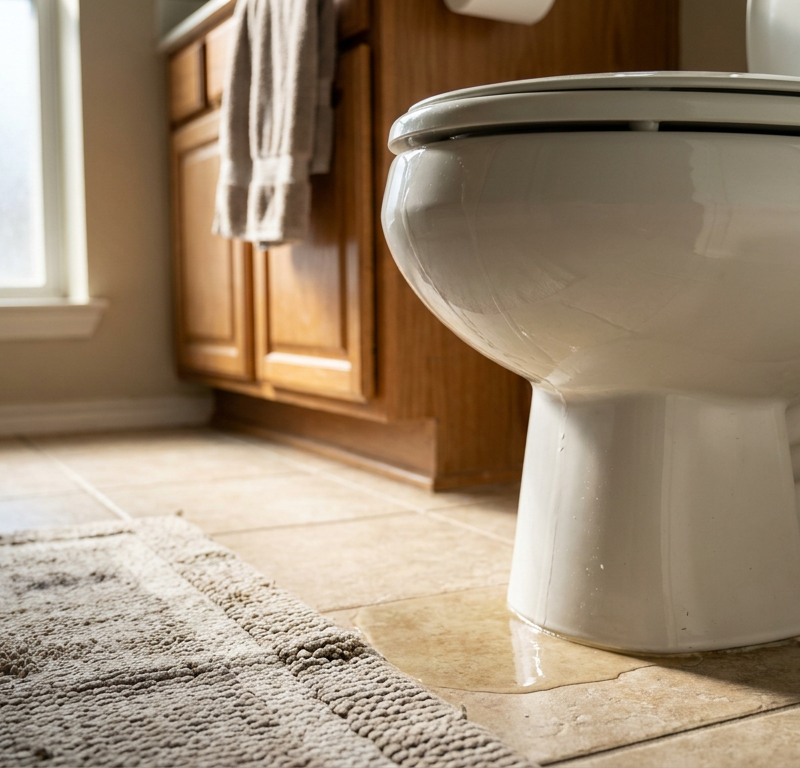
- Ignoring a Wobbly Toilet: If your toilet rocks or moves when you sit on it, the wax ring seal at its base is compromised. This can cause sewer gas leaks, water damage to your subfloor, and create an uneven edge where waste can snag, contributing to blockages. The toilet must be removed and the wax ring replaced.
- Aggressively Using a Standard Drain Snake: A common power drill drain snake is not designed for toilets. Its sharp, spinning head will gouge and permanently scratch the visible porcelain of the bowl and trapway. Only use a closet auger (toilet auger), which is specifically designed with a protective sleeve for this task.
- Setting the Water Level Above the Overflow Tube: In an attempt to maximize flushing power, some people adjust the fill valve to raise the water level above the overflow tube. This does not add power and is wasteful, as excess water will simply drain continuously down the overflow tube, leading to a high water bill.
- Buying the Wrong Size Flapper: Toilets primarily use either a 2-inch or 3-inch flush valve. Installing a 2-inch flapper on a 3-inch valve (or vice-versa) will result in a poor seal and a weak, incomplete flush. Check your toilet's specifications or measure the flush valve opening before purchasing a replacement.
Cost & time breakdown
The cost and time for fixing a frequently clogging toilet vary depending on the underlying cause. Many solutions are fast, cheap, and well within DIY capabilities.
| Task | DIY Cost | Pro Cost | Time |
|---|---|---|---|
| Flapper Replacement | $5 – $20 | $125 – $200 | 15–30 minutes |
| Fill Valve Replacement | $15 – $40 | $150 – $300 | 30–60 minutes |
| Clearing with a Toilet Auger | $25 – $60 (to buy tool) | $125 – $250 | 15–45 minutes |
| Resetting Toilet with New Wax Ring | $10 – $25 (for ring/bolts) | $150 – $350 | 1–3 hours |
| Clearing Main Sewer Line | $75 – $150 (large auger rental) | $250 – $600+ | 2–5 hours |
| Replace Old Low-Flow Toilet | $200 – $500+ (for toilet) | $450 – $800+ | 2–4 hours |
When to call a pro
While many causes of a clogging toilet are DIY-friendly, certain symptoms point to larger problems that require professional diagnosis and equipment. It's time to call a licensed plumber if you encounter any of the following:
-
Multiple Fixtures Are Affected: If sinks, showers, and tubs are also draining slowly or backing up when the toilet is flushed, the blockage is not in the toilet itself. It is located further down in the branch drain or main sewer line. This requires a powerful, long-reach auger and often a camera inspection to resolve.
-
Water Backs Up Elsewhere: When you flush the toilet, if water gurgles up or backs into your shower or tub drain, this is a definitive sign of a main line clog. Stop using your water immediately and call a professional to prevent a sewage backup into your home.
-
A Toilet Auger Fails to Clear the Clog: A standard toilet auger has a reach of 3 to 6 feet. If you have correctly used the auger and the clog persists, the obstruction is located beyond the toilet in the drainpipe, where only a professional-grade power auger can reach.
-
You Suspect a Blocked Vent Stack: If you notice gurgling drains, sewer odors in your home, and very slow flushes, your plumbing vent stack may be blocked. Clearing this often requires getting on the roof, which carries significant safety risks. A professional has the proper safety equipment and experience for this task.
-
You've Exhausted All DIY Fixes: If you have replaced the flapper and fill valve, confirmed the water level is correct, and augered the toilet trap without success, the problem is more complex. A professional can provide a definitive diagnosis and solution.
Prevention & maintenance
An ounce of prevention is worth a pound of cure, especially with plumbing. Follow these maintenance practices to keep your toilet flushing reliably.
- Annual Tank Inspection: Once a year, remove the tank lid and observe a full flush cycle. Check that the flapper seats properly, the fill valve shuts off completely without hissing, and the water level returns to the correct mark. Gently wipe the flapper; if your fingers come away with black, gummy residue, the rubber is deteriorating and should be replaced before it fails.
- Proactive Hard Water Treatment: If you live in an area with hard water, descale your toilet's jets every 6 to 12 months. Pour a quart of white vinegar into the overflow tube in the tank and let it sit overnight. This will dissolve mineral deposits in the siphon and rim jets, maintaining flush velocity.
- Enforce Strict Flushing Rules: The toilet is not a garbage can. Ensure everyone in the household understands that only human waste and toilet paper are flushable. Keep a lined wastebasket prominently in every bathroom for non-flushable items like wipes, paper towels, and sanitary products.
- Listen for "Ghost Flushing": A toilet that refills intermittently on its own is a sign of a slow leak, usually from a worn-out flapper or a poorly adjusted fill valve. This not only wastes hundreds of gallons of water but can also prevent the tank from being full when you need to flush, leading to a clog.
- Address a Loose Toilet Base Promptly: Periodically check if the toilet is secure to the floor. Face the bowl and gently try to rock it side-to-side. If there is any movement, the bolts at the base may be loose or the wax ring may have failed. Tighten the floor bolts carefully (do not overtighten and crack the porcelain) or plan to replace the wax ring to prevent leaks and future clogs.
- Consider Upgrading an Early-Generation Low-Flow: If your home has toilets from the mid-1990s, they may be first-generation 1.6 GPF (gallons per flush) models, which were notoriously underpowered. Modern WaterSense-certified toilets use 1.28 GPF or less but have far superior flush engineering, making them much less prone to clogging.
Related Articles
Keep troubleshooting with these hand-picked guides from FixlyGuide:
- Toilet Keeps Clogging? Common Causes & Easy Fixes for Homeowners — A toilet that clogs frequently can be a frustrating and unsanitary problem, often indicating an underlying issue from flushing habits to pl…
- Dishwasher Not Draining? Easy Fixes for a Clogged Drain — A dishwasher that won't drain at the end of a cycle is a common problem, often caused by simple clogs or blockages that homeowners can fix…
- The Secret Reason Your Toilet Clogs Every Few Days (It’s Not What You Think) — Frequent toilet clogs often point to issues beyond simple blockages, from vent pipe problems to a failing flush mechanism, demanding a clos…
- The Secret Culprit Behind Your Kitchen Sprayer’s Drab Drizzle (It’s Not Clogging!) — Don't replace that kitchen sink sprayer head just yet! Low pressure often stems from a few hidden, easily fixable issues within your faucet…
- The #1 Mistake Homeowners Make with a Slow Kitchen Drain (And the Simple Fix) — A slow kitchen sink drain is frustrating, but often an easy fix if you avoid common mistakes and know where to look first.
- Washing Machine Not Draining? Fix It in 5 Simple Steps — A washing machine that won’t drain leaves you with a tub full of soggy clothes. Often, this common problem has a simple DIY fix.
Should you do this yourself?
Answer five quick questions before you start. Safety outranks savings every time.
Your experience with work like this
How high do you have to work?
Does the job involve any of these?
Will it need a permit?
Specialty tools
Free and instant. Educational guidance only — not a quote, inspection, or professional diagnosis.
What should this project cost?
Enter your project details for a realistic cost range before you call anyone.
Common repairs run $150–$650; repipes and water-heater replacements reach $1,500–$4,500.
- Regional adjustment
- National average
- Labor share (typical)
- ~$754
- Quotes to collect
- 3 written estimates
Educational estimate based on national averages — not a binding quote. Always confirm with written local estimates.
Fixly Project Decision Box
- DIY difficulty
- Moderate
- Estimated time
- 30 minutes – half a day
- Cost level
- Moderate
Main tools / materials
- Adjustable wrench
- Plunger or drain auger
- Bucket and towels
- Thread tape
When to stop and call a pro
- Water you cannot shut off at the fixture or main
- Sewage backing up into more than one fixture
- Water near electrical panels or outlets
- Gas water heater work beyond relighting a pilot
Need professional help?
Get a Licensed PlumberGet the print-ready PDF of this guide
A clean, ad-free, printable version you can keep on your phone or pin to the workshop wall. Free with a FixlyGuide account.
- Print-optimized layout
- Tools, materials & every step included
- Saved to your account
Frequently asked questions
Why does my toilet keep clogging every few days?+
Frequent toilet clogging is usually caused by flushing non-flushable items, using too much toilet paper, or a weak flush due to low tank water levels or a faulty flapper. Addressing these common issues can often resolve the problem.
How do I make my toilet flush stronger?+
To make your toilet flush stronger, first ensure the water level in the tank is set correctly (about an inch below the overflow tube). If the level is fine, check if the flapper is old or closing too quickly, and replace it if necessary. Also, clear any mineral buildup from the rim jets under the toilet rim.
Can hard water cause toilet clogs?+
Yes, hard water can contribute to toilet clogs and a weak flush. Mineral deposits from hard water can build up in the toilet's rim jets and trapways, restricting water flow and making the toilet less efficient at clearing waste.
Discussion
Loading comments…