- Apply the Caulk Smoothly — Consistency is key for a strong bond.
- If your caulk bead is too thin or breaks: You might not be applying enough pressure or moving too fast. Go over the section again, focusing on a consistent bead.
- If your caulk bead is too thick or messy: You might have cut the tip too large or are applying too much pressure. Try to move a bit faster or apply less pressure. You can use a caulk tool to remove excess.
General remodeling · Renovation planning
| Project category | General remodeling |
|---|---|
| Problem type | Renovation planning |
| Trade required | General contracting |
| Urgency | Planned project |
| Safety risk | Low safety risk |
| DIY suitability | Pro recommended |
| Cost category | Major investment |
| Typical timeline | Design and permitting often 2–4 months before work starts |
| Contractor type | General contractor |
Repair option
Phase the work and fix the building envelope first.
Replacement option
Full renovation with permits, design, and a general contractor.
Common causes
- Space no longer fits how the household lives
- Resale preparation
- Deferred maintenance stacking up
Relevant tools:project cost estimatorcompare quoteshome improvement material prices
Published May 11, 2026Last updated August 17, 2026
Tools & materials you'll need
Affiliate linksAs an Amazon Associate FixlyGuide earns from qualifying purchases — at no extra cost to you. Prices and availability are accurate as of publication and subject to change.
Quick Answer
Many homeowners rush the recaulking process, neglecting the crucial steps of complete old caulk removal and meticulous surface preparation. To recaulk a bathtub correctly, you must first eliminate all traces of previous caulk, thoroughly clean the area with rubbing alcohol or mineral spirits, and ensure it's bone dry. Applying painter's tape provides crisp edges, and using a high-quality 100% silicone caulk, tooled immediately after application, will create a durable and watertight seal that resists mold and mildew for years.
The Problem
Is your bathtub caulk looking cracked, discolored, or peeling away? Are you noticing black specks of mold appearing despite your best cleaning efforts? These are tell-tale signs that your bathtub caulk has failed. Beyond being an eyesore, compromised caulk allows water to seep into the gaps between your tub and surrounding surfaces. This seemingly minor issue can lead to significant problems: wood rot in your subfloor or wall studs, unsightly mold and mildew growth that can impact indoor air quality, and even structural damage over time. Ignoring failing caulk is like ignoring a slow leak – it will only get worse and more expensive to fix down the line. The good news is that recaulking a bathtub is a highly effective, affordable DIY project, provided you avoid common pitfalls and follow the correct procedures.
How It Works
Caulk, in the context of a bathtub, serves as a flexible sealant, creating a watertight barrier between dissimilar surfaces that are prone to movement – typically the tub or shower base and the tile or wall surround. Bathtubs expand and contract with temperature changes from hot water, and the house itself settles, creating minor shifts. Caulk is designed to accommodate these movements without cracking or losing its adhesion. Modern bathtub caulk is usually a silicone or siliconized acrylic latex compound. Silicone caulk is generally preferred for bathrooms because it offers superior flexibility, water resistance, and often contains mildewcides to inhibit mold growth. Acrylic latex caulk, while easier to clean up and paint over, is less durable and flexible in high-moisture environments. The caulk adheres to the clean, dry surfaces, forming a seamless, flexible gasket. When applied correctly, this gasket prevents water from penetrating the joint, protecting the underlying wall and floor structures from moisture damage and preventing mold and mildew from taking root in damp, concealed spaces. The key to its long-term performance lies in its ability to bond securely to both surfaces and maintain its elasticity despite constant exposure to water and minor structural shifts.
Step-by-Step Fix
Before you begin, remember to wear appropriate safety glasses and gloves, especially when working with sharp tools and chemical solvents.
-
Remove All Old Caulk — This is the most critical step overlooked by DIYers.
- Use a utility knife or a specialized caulk removal tool to carefully cut along both edges of the old caulk bead. Always cut away from your body. Start by scoring and then prying up sections. For stubborn caulk, heat it gently with a hairdryer to soften it, making removal easier. Prioritize thoroughness over speed here; any old caulk left behind will prevent the new caulk from bonding properly.
- Once the bulk is removed, scrape away any remaining residue with a plastic putty knife or an old credit card to avoid scratching the tub or tile. For tiny remnants, a stiff brush or even a dry rag can help rub them off.
-
Clean the Surface Meticulously — Ensure no debris or soap scum remains.
- After removing all old caulk, clean the area thoroughly with a strong bathroom cleaner to remove soap scum, mildew, and grime. Rinse well with water.
- Next, saturate a clean cloth with rubbing alcohol or mineral spirits and wipe down the entire joint. This step is crucial for removing any residual oils, cleaners, or invisible film that could compromise the new caulk's adhesion. Repeat this step until your cloth comes away clean.
-
Dry the Area Completely — Moisture is the enemy of a good caulk seal.
- Allow the joint to air dry for several hours, ideally 24 hours. For faster drying, use a hairdryer on a cool setting. You must ensure the area is bone dry before proceeding. Any trapped moisture underneath the new caulk will lead to premature failure and mold growth.
-
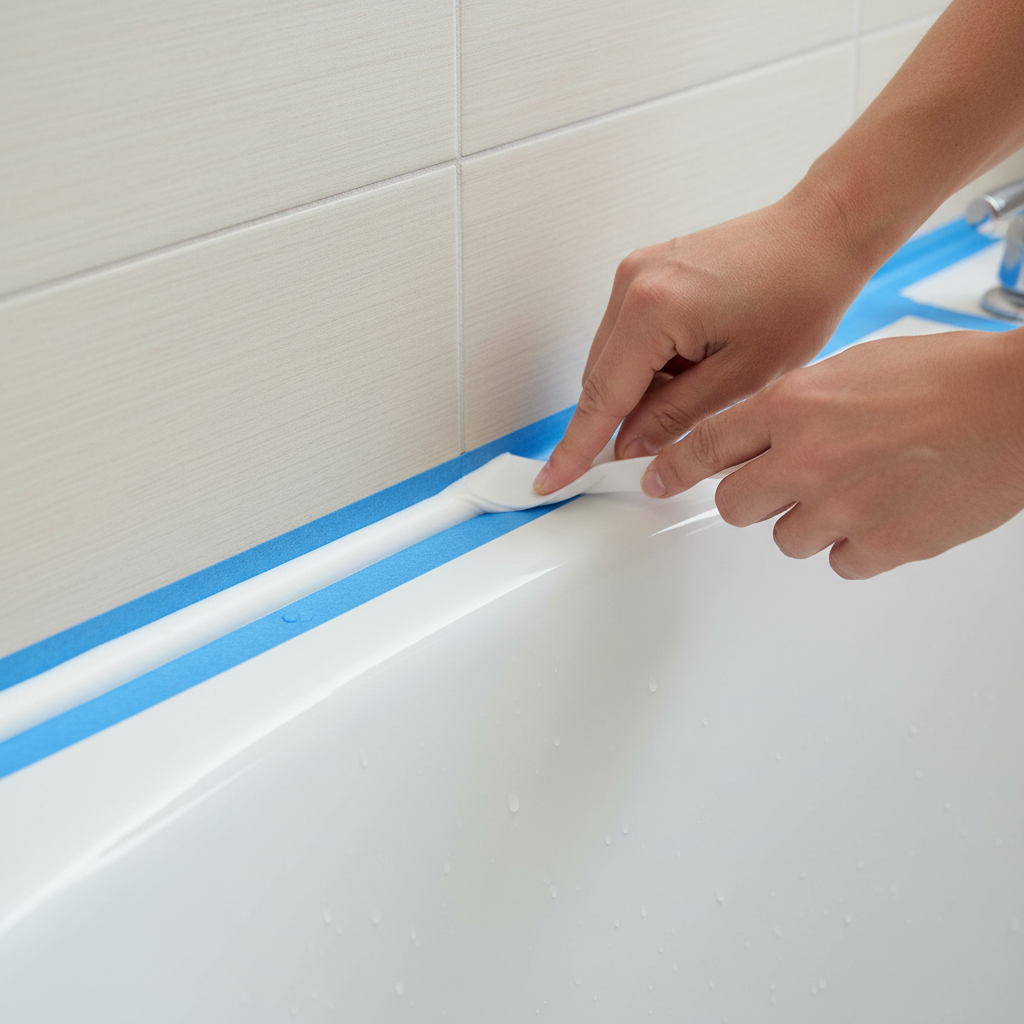
Apply Painter's Tape for Crisp Lines — The secret to a professional-looking finish.
- This step is often skipped, but it's a game-changer for a clean, straight caulk bead. Apply painter's tape parallel to the joint, about 1/8 to 1/4 inch away from the edge of the tub/tile. This creates a neat border that will guide your caulk gun and allow you to tool a perfectly straight line. Ensure the tape is pressed down firmly to prevent caulk from seeping underneath.
-
Prepare the Caulk Gun and Tube — Select the right caulk and cut the tip correctly.
- Choose a high-quality 100% silicone caulk specifically designed for bathrooms and kitchens, ideally with mold and mildew resistance. Cut the tip of the caulk tube at a 45-degree angle, making a small opening initially – about 1/8 to 3/16 inch. You can always cut it larger if needed. Puncture the inner seal with the long wire on your caulk gun (or a nail).
-
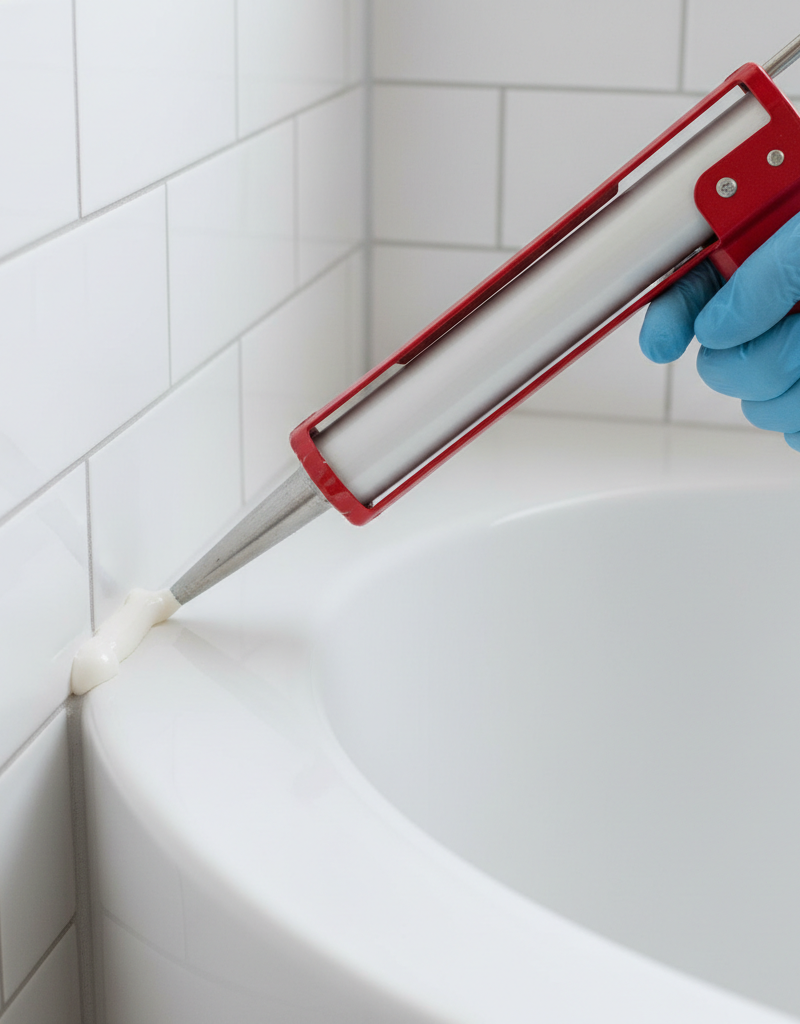
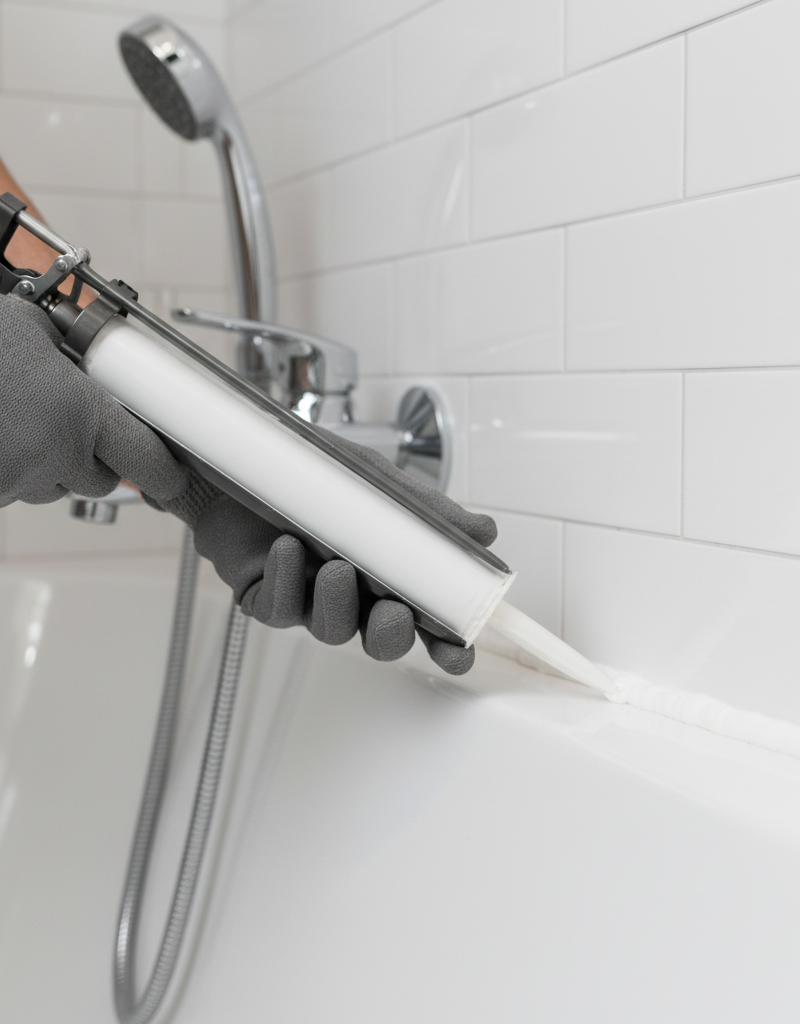
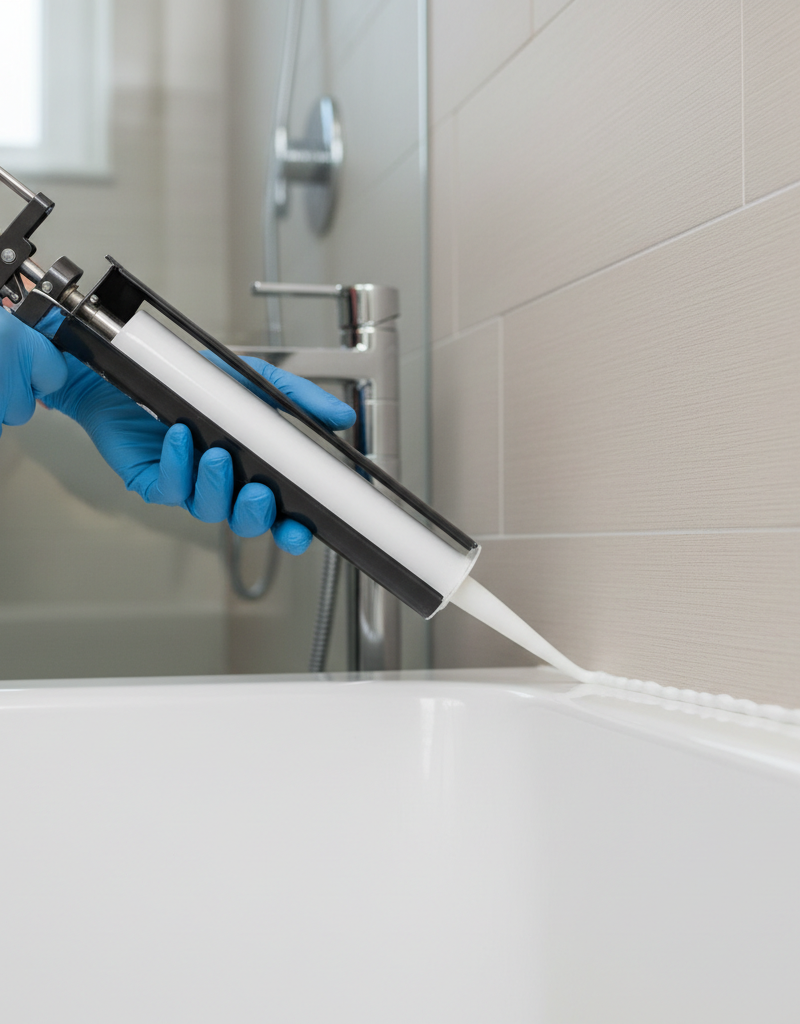
Apply the Caulk Smoothly — Consistency is key for a strong bond.
- Place the caulk tube into the caulk gun. Hold the gun at a 45-degree angle to the joint, with the tip pointing slightly into the joint. Apply steady, even pressure to the trigger and pull the gun smoothly along the joint in one continuous motion. Aim for a consistent bead that fills the gap completely. Avoid starting and stopping frequently, as this creates uneven lines.
- If your caulk bead is too thin or breaks: You might not be applying enough pressure or moving too fast. Go over the section again, focusing on a consistent bead.
- If your caulk bead is too thick or messy: You might have cut the tip too large or are applying too much pressure. Try to move a bit faster or apply less pressure. You can use a caulk tool to remove excess.
-
Tool the Caulk Immediately — Don't let it skin over.
- This step is crucial for pressing the caulk into the joint and creating a smooth, professional finish. Immediately after applying the caulk (within 5-10 minutes, before it starts to skin over), use a caulk tooling tool, a gloved finger, or the back of a plastic spoon to smooth the bead. Apply gentle, consistent pressure, pulling the tool along the entire length of the bead. This action forces the caulk into the gap and creates a concave surface that sheds water effectively.
- Alternative tooling methods: Some pros use a wet, gloved finger. If using your finger, keep a damp cloth nearby to wipe off excess caulk frequently.
-
Remove the Painter's Tape — The reveal for perfect lines.
- Crucially, remove the painter's tape immediately after tooling the caulk, while the caulk is still wet. Pull the tape slowly at a 45-degree angle away from the freshly applied caulk. If you wait for the caulk to dry, removing the tape can pull up parts of the new caulk bead, ruining your clean line.
-
Allow for Full Curing — Patience prevents premature failure.
- Most silicone caulks require 12-24 hours before exposure to water, but always check the manufacturer's specific instructions. Do not use the shower or bathtub until the caulk is fully cured. Premature exposure to water will wash away the caulk or prevent it from forming a strong, watertight bond, leading to early failure.
Common Causes
- Age and Wear: Even high-quality caulk has a lifespan, typically 5-10 years for silicone. Constant expansion and contraction, exposure to water, and cleaning chemicals gradually break down its elasticity and adhesion.
- Improper Application: This is the most prevalent cause of premature caulk failure. If the surface wasn't cleaned thoroughly, if moisture was trapped underneath, or if the bead wasn't properly tooled, the caulk won't bond effectively or won't be durable.
- Wrong Type of Caulk: Using acrylic latex caulk in a high-moisture, high-flex area like a bathtub surround will almost certainly lead to early failure compared to 100% silicone caulk.
- Lack of Ventilation: Poor bathroom ventilation contributes to high humidity, creating an ideal environment for mold and mildew to grow on and within the caulk, degrading it over time.
- Harsh Cleaners: Abrasive or very strong chemical cleaners can erode the caulk's surface and compromise its integrity.
Common Mistakes
- Not Removing ALL the Old Caulk: This is the cardinal sin of recaulking. New caulk will not adhere properly to old caulk, leading to peeling and a weak seal. Take your time with this step.
- Not Cleaning and Drying Thoroughly: Any soap scum, mildew, dust, or moisture left on the surface will prevent the new caulk from bonding, causing it to fail quickly.
- Using the Wrong Caulk: Opting for cheap acrylic latex caulk instead of 100% silicone caulk formulated for bathrooms. While acrylic is easier to work with, it won't last in a wet environment.
- Cutting the Caulk Tip Too Large: A large opening leads to an overly thick, messy bead that's hard to tool smoothly and wastes caulk. Start small and enlarge if necessary.
- Not Tooling the Caulk: Just running a bead isn't enough. Tooling presses the caulk into the joint for better adhesion and creates the necessary concave shape for water runoff.
- Removing Tape After the Caulk Dries: If you wait, the caulk will adhere to the tape, and removing it will tear the caulk bead, creating an uneven and compromised seal.
- Not Waiting for Full Cure: Using the shower or tub before the caulk has fully cured (often 24 hours) will wash away the caulk or prevent it from setting properly, leading to failure.
Cost & Time Breakdown
| Task | DIY cost | Pro cost | Time |
|---|---|---|---|
| Caulk removal & surface prep | $0 | $50–$100 (part of service) | 1–2 hours |
| Caulk & tools | $15–$30 | N/A | N/A |
| Caulk application & tooling | $0 | $100–$250 | 30–60 minutes |
| Total | $15–$30 | $150–$350+ | 1.5–3 hours |
Tips & Prevention
- Ventilate Properly: Always run your bathroom fan during and for at least 15-20 minutes after showers to reduce humidity and prevent mold growth on caulk.
- Routine Cleaning: Clean your caulk regularly with a non-abrasive bathroom cleaner to prevent soap scum and mildew buildup.
- Spot Check Annually: Once a year, inspect your caulk for any signs of cracking, peeling, or discoloration. Address minor issues early to prevent bigger problems.
- Choose High-Quality Caulk: Invest in 100% silicone caulk with mildew resistance for maximum longevity and performance in wet areas.
- Keep it Dry: After showering, use a squeegee or a towel to wipe down the tub and shower walls, including the caulk lines, to minimize standing water.
When to Call a Professional
You can typically handle routine recaulking yourself. However, it's time to call a professional if you suspect water damage behind the walls due to prolonged caulk failure. Signs include soft or spongy walls/flooring around the tub, persistent musty odors that don't dissipate, or visible staining on ceilings below the bathroom. If you're dealing with fiberglass tubs that have significant flexing or complex shower surrounds with intricate tile work, a professional may ensure a longer-lasting, more aesthetically pleasing seal. Also, if you've attempted recaulking multiple times and continue to experience issues like persistent mold or peeling caulk, a professional can diagnose underlying problems and apply specialized techniques for a durable fix.
Related Articles
Keep troubleshooting with these hand-picked guides from FixlyGuide:
- The #1 Mistake Homeowners Make When Spotting Soffit Damage — Ignoring early soffit and fascia damage can lead to costly structural repairs, but many homeowners misdiagnose the problem, compounding the…
- The #1 Backsplash Mistake Most DIYers Make (And How to Fix It Before It's Too Late) — Discover the most overlooked mistake in beginner backsplash installations and how to prevent or fix it for a professional-looking finish.
- The 7 Critical Home Inspection Mistakes Most Homeowners Make (and How to Spot Them) — Discover the crucial home inspection mistakes homeowners commonly overlook and learn how to identify potential problems before they become…
- The 7 Critical Home Inspection Checks Most Homeowners Miss (And How to Spot Them) — Discover the crucial annual home inspection checks often overlooked by homeowners, and learn how to identify potential issues before they b…
- That 'Vinegar Hack' Could Ruin Your Home — Discover why the internet's favorite cleaning hack, vinegar, can cause irreversible damage to stone, wood, and other common surfaces in you…
- The #1 Mistake Homeowners Make Caulking a Bathroom Sink (And How to Fix It) — Discover the most common caulking mistake homeowners make around bathroom sinks and how to achieve a waterproof, professional-looking seal…
Should you do this yourself?
Answer five quick questions before you start. Safety outranks savings every time.
Your experience with work like this
How high do you have to work?
Does the job involve any of these?
Will it need a permit?
Specialty tools
Free and instant. Educational guidance only — not a quote, inspection, or professional diagnosis.
What should this project cost?
Enter your project details for a realistic cost range before you call anyone.
Mid-range remodels commonly $12,000–$22,000; small repairs often under $600.
- Regional adjustment
- National average
- Labor share (typical)
- ~$5,603
- Quotes to collect
- 3 written estimates
Educational estimate based on national averages — not a binding quote. Always confirm with written local estimates.
Before you start
Check the difficulty, permits, and safety risk — then decide whether to call a pro.
- Estimate this projectGet a cost range for your scope and ZIP before you call anyone.Open
- Get local estimatesSend one request and compare written estimates from vetted pros.Open
Free, no signup required. Estimates are educational guidance, not a quote or an inspection.
Get the print-ready PDF of this guide
A clean, ad-free, printable version you can keep on your phone or pin to the workshop wall. Free with a FixlyGuide account.
- Print-optimized layout
- Tools, materials & every step included
- Saved to your account
Recommended for DIYers & woodworkers
Sponsored
The Top 20 Tools for Workshops of Any Budget
No stationary machines or power tools required — plus 3 fundamental tools that can't be bought at any price.
Get the free guide
Ted's Woodworking — The #1 Woodworking Resource
Detailed instructions, dimensioned drawings, materials & cutting lists, and 3D schematics for every skill level.
See the plansSponsored: links above are affiliate links. FixlyGuide may earn a commission on qualifying purchases — at no extra cost to you.
Frequently asked questions
How long does bathtub caulk last?+
High-quality 100% silicone caulk typically lasts 5-10 years, though its lifespan depends on application quality, ventilation, and cleaning habits. Acrylic latex caulk generally lasts significantly less time.
What's the best caulk for a bathtub?+
For bathtubs and showers, 100% silicone caulk is highly recommended. It offers superior flexibility, water resistance, and often contains mildewcides for mold prevention, outperforming acrylic latex caulks in wet environments.
How long before I can use the shower after recaulking?+
Most silicone caulks require 12-24 hours to fully cure before exposing them to water. Always check the specific cure time listed on your caulk's manufacturer instructions.
Can I caulk over old caulk?+
No, you should never caulk over old caulk. New caulk will not adhere properly to old, degraded caulk, leading to a weak seal that will fail prematurely. Thorough removal of old caulk is essential for a lasting bond.
Discussion
Loading comments…