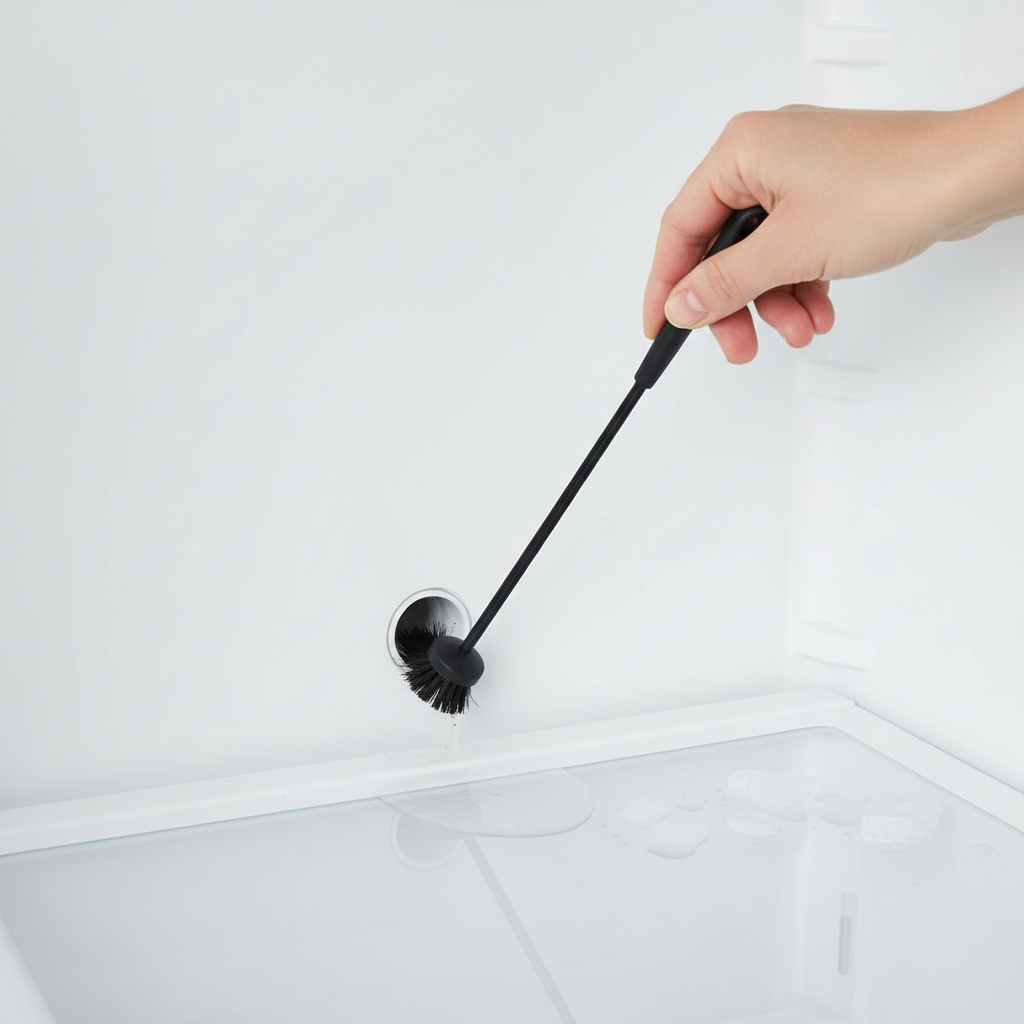
- Look inside the freezer for ice buildup or pooling water on the bottom. This often indicates a clogged defrost drain.
- Check the back of the refrigerator for wetness around water lines, connections, or the drain pan. A flashlight can be very helpful here.
- Observe if the leak only occurs when the ice maker is used or water is dispensed, which could signal an issue with the water supply line or ice maker assembly.
Plumbing · Leak
| Project category | Plumbing |
|---|---|
| Problem type | Leak |
| Trade required | Plumbing |
| Urgency | Emergency — act now |
| Safety risk | High safety risk |
| DIY suitability | DIY for experienced homeowners |
| Cost category | Low cost |
| Typical timeline | Shut water off now; repair usually same or next day |
| Contractor type | Licensed plumber |
Repair option
Isolate at the shutoff, replace the failed component, and dry the cavity fully.
Replacement option
Repipe the run or the branch when corrosion is widespread.
Common causes
- Failed supply line or shutoff valve
- Worn washers, cartridges, or P-trap connections
- Pinhole corrosion in older copper
Relevant tools:emergency checklistdiy or hire a pro
Published May 13, 2026Last updated August 17, 2026
Tools & materials you'll need
Affiliate linksAs an Amazon Associate FixlyGuide earns from qualifying purchases — at no extra cost to you. Prices and availability are accurate as of publication and subject to change.
Quick Answer
Refrigerator leaks can be frustrating, especially when it seems to come from nowhere. The most frequent culprit is a clogged defrost drain hose, which prevents melted frost from reaching the drain pan and instead forces it to pool on the freezer floor and eventually leak onto your kitchen floor. Other common causes include a damaged water supply line feeding the ice maker or water dispenser, a cracked or overflowing drip pan, or a refrigerator that isn't level. Identifying the exact source is key to a quick and lasting repair.
The Problem
You walk into your kitchen to find a puddle of water seeping out from under your refrigerator. It's a common and annoying problem that can lead to ruined flooring, mold growth, and a general headache. While the appearance of a leak can be alarming, most refrigerator leaks are not major appliance failures but rather minor issues that homeowners can address with a bit of troubleshooting and a few simple tools. Understanding the mechanics of your refrigerator's defrost system and water supply is the first step toward diagnosing and fixing the problem effectively.
How It Works
Your refrigerator operates on a basic principle of refrigeration, using a refrigerant to absorb heat from inside the compartments and expel it outside. During this process, especially in the freezer, frost naturally accumulates on the evaporator coils. To prevent excessive ice buildup that would hinder efficiency, refrigerators employ an automatic defrost cycle. Typically, every 8-10 hours, a heating element warms the evaporator coils for a short period, melting the frost. This melted water then drains through a small opening at the bottom of the freezer compartment, often called the defrost drain, down a tube, and into a shallow drain pan located beneath the refrigerator, near the compressor. The heat generated by the compressor then causes this water to evaporate. For refrigerators with an ice maker or water dispenser, a separate water supply line (usually a thin plastic or copper tube) connects to your home's water supply and routes water to these features. Any blockage in the defrost drain line, damage to the water supply line, or issues with the drain pan itself can disrupt this system and cause water to escape, leading to those unwelcome puddles on your floor.
Step-by-Step Fix
Safety First — Always unplug your refrigerator before attempting any repairs. Water and electricity are a dangerous combination.
1. Diagnose the Source — Pinpoint the leak's origin.
- Look inside the freezer for ice buildup or pooling water on the bottom. This often indicates a clogged defrost drain.
- Check the back of the refrigerator for wetness around water lines, connections, or the drain pan. A flashlight can be very helpful here.
- Observe if the leak only occurs when the ice maker is used or water is dispensed, which could signal an issue with the water supply line or ice maker assembly.
2. Clear a Clogged Defrost Drain — The most common culprit.
- Locate the drain opening: Inside the freezer, remove any drawers or shelves necessary to access the back wall or bottom panel. You'll typically find a small hole or trough at the bottom center, often partially obscured by ice or food debris.
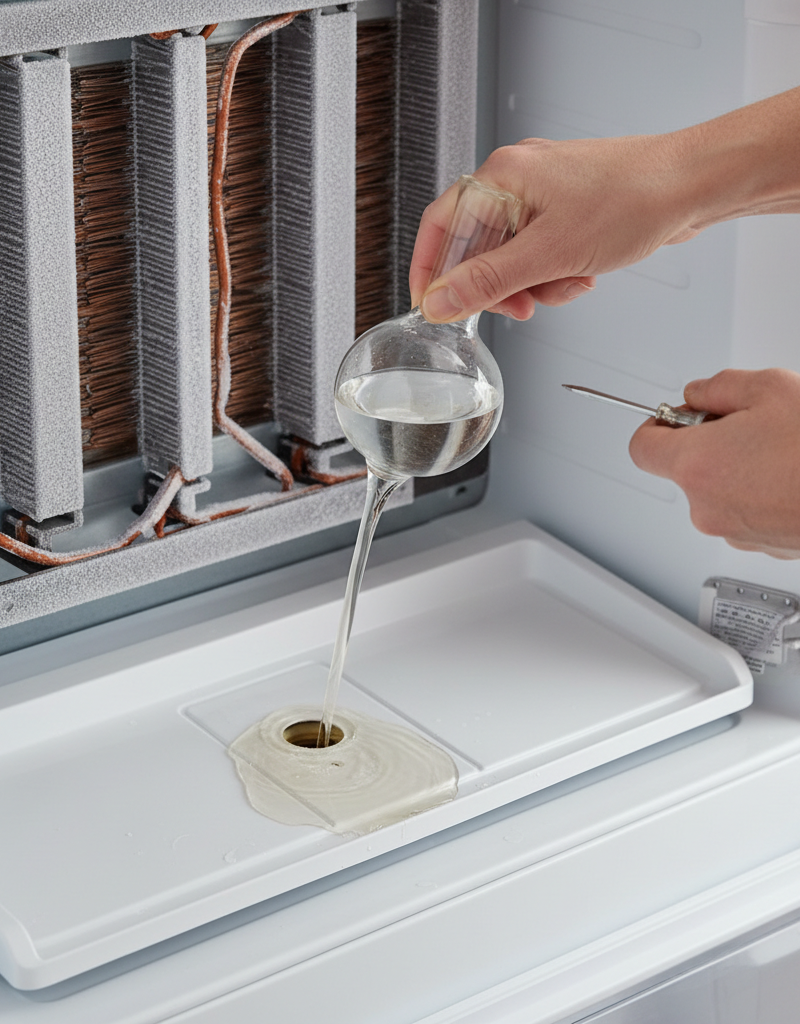
- Melt ice blockages: Use a hairdryer on a low setting (keep it moving to avoid damaging plastic) or pour a turkey baster full of warm (not boiling) water into the drain opening. Be patient, as it may take several applications to melt stubborn ice.
- Clear debris: Once melted, use a small, flexible brush (like a bottle brush or a refrigerator drain cleaning tool) to gently push through the drain tube. You can also try flushing with a mixture of warm water and a little baking soda (about 1 tablespoon per cup of water) to dislodge any remaining gunk.
- Access from the back: If the blockage is persistent, you might need to pull the refrigerator away from the wall and remove the back access panel. Locate the drain tube where it empties into the drain pan. You can usually clear it from this end with a brush or by gently squeezing the rubber end to dislodge debris.
3. Inspect the Water Supply Line — Check for damage.
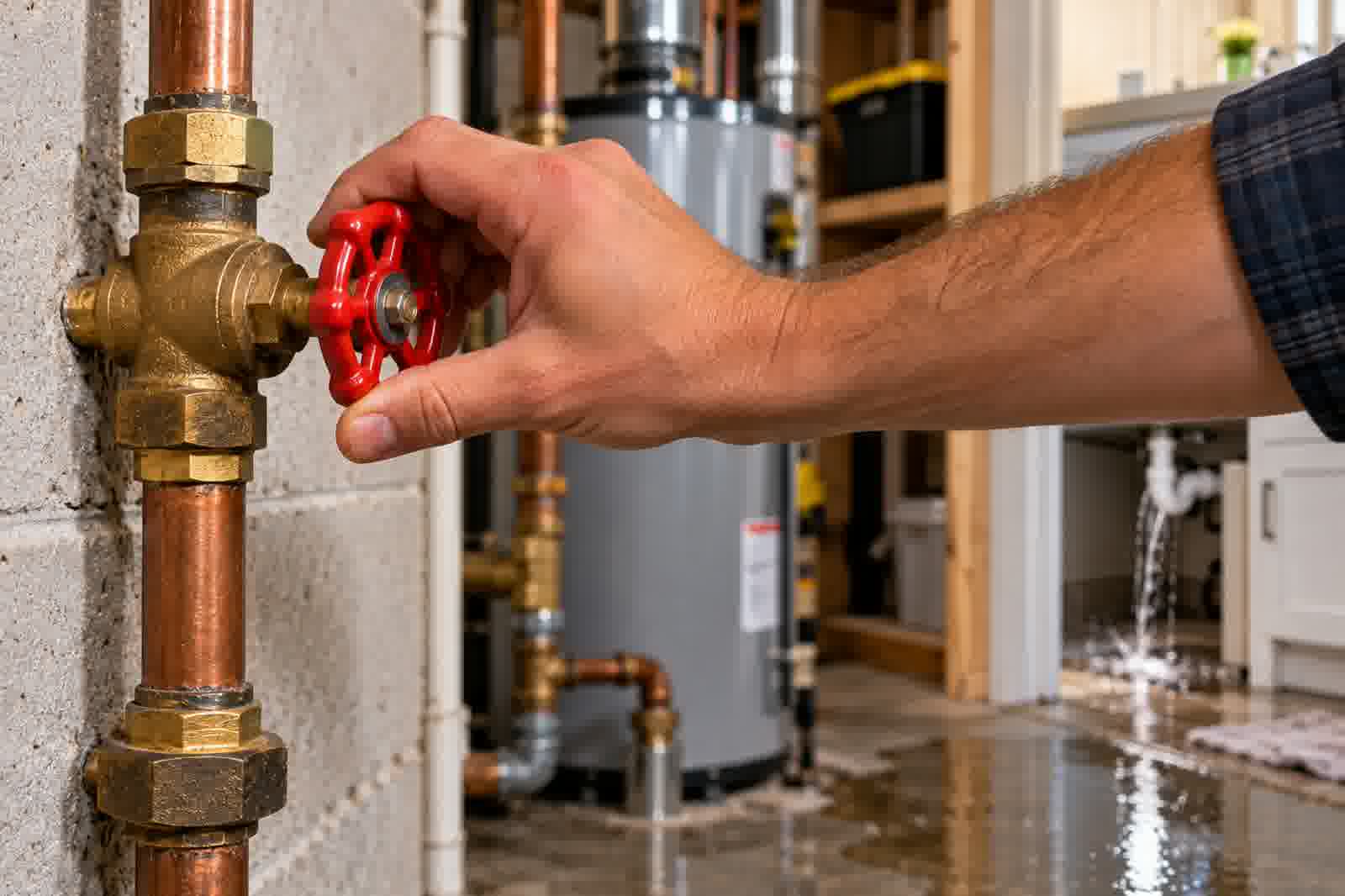
- Turn off the water supply: Locate the shut-off valve for your refrigerator, usually under the sink or behind the fridge. Turn it off completely.
- Examine the line: Carefully pull the refrigerator away from the wall. Visually inspect the entire length of the water supply line, from the wall connection to where it enters the refrigerator. Look for kinks, cracks, punctures, or loose connections.
- Tighten connections: Use an adjustable wrench to gently tighten any loose fittings at the wall valve or where the line connects to the refrigerator's water inlet valve. Do not overtighten, as this can strip threads or crack plastic components.
- Replace damaged line: If you find any visible damage, you'll need to replace the entire section of the line. Ensure you get the correct diameter and material (typically 1/4-inch plastic or braided stainless steel).
4. Check and Empty the Drain Pan — Prevent overflow.
- Locate the pan: The drain pan is usually a shallow plastic tray situated beneath the refrigerator, often above the compressor. You'll need to pull the refrigerator out and remove the lower back access panel to see it.
- Inspect for cracks/damage: While rare, a cracked drain pan can cause leaks. If damaged, it will need to be replaced.
- Clear obstructions/overflow: Ensure the pan isn't overflowing. While it should evaporate water from the defrost cycle, excessive water could indicate the defrost cycle isn't working correctly or the drain line is completely blocked. Empty any accumulated water and clean out any debris or mold growth with warm soapy water.
5. Level the Refrigerator — Prevent minor pooling.
- Use a level: Place a carpenter's level on top of your refrigerator, both front-to-back and side-to-side.
- Adjust leveling feet: Most refrigerators have adjustable leveling feet or rollers at the bottom. Use a wrench to turn them up or down until the appliance is perfectly level. Some models recommend a slight tilt backward (about 1/4 inch) to help the doors close properly and aid in drainage.
Common Causes
- Clogged Defrost Drain Line: This is by far the most frequent issue. Food particles, ice, or mold can block the small drain tube that carries melted frost to the drain pan, causing water to back up and spill into the freezer compartment and then onto the floor.
- Damaged or Loose Water Supply Line: The thin plastic or copper tubing that brings water to your ice maker and water dispenser can kink, crack, or become loose over time, leading to leaks.
- Cracked or Misplaced Drain Pan: While less common, the pan designed to catch the defrost water can crack, or it might be improperly seated, causing water to miss it entirely.
- Faulty Ice Maker Inlet Valve: The valve that controls water flow to the ice maker can stick open or crack, resulting in continuous drips or a steady leak.
- Unlevel Refrigerator: If the refrigerator isn't level, especially if it's tilted forward, water from spills or even the defrost cycle might not flow correctly into the drain pan.
Common Mistakes
- Ignoring the Leak: A small puddle can quickly become a large problem, potentially damaging flooring, subflooring, and cabinetry, and encouraging mold growth. Address leaks immediately.
- Using Boiling Water for Clogs: Pouring boiling water directly into a plastic drain tube can warp or damage the plastic components, exacerbating the problem.
- Overtightening Water Connections: Applying too much force when tightening water lines can strip threads, crack plastic fittings, or damage the connection, leading to more leaks.
- Forgetting to Unplug: Skipping the crucial step of unplugging the refrigerator before working on it creates a serious electrical shock hazard.
- Not Checking Level: Overlooking the simple solution of leveling the appliance can lead to persistent drainage issues, even after other repairs.
- Assuming a Major Repair: Many homeowners immediately assume a leak means an expensive compressor or sealed system issue when often it's a simple, inexpensive fix.
Cost & Time Breakdown
| Task | DIY Cost | Pro Cost | Time |
|---|---|---|---|
| Clear Defrost Drain | $0–$10 | $100–$250 | 20–45 minutes |
| Replace Water Supply Line | $15–$50 | $150–$300 | 30–60 minutes |
| Replace Drain Pan | $30–$80 | $120–$280 | 45–90 minutes |
| Tighten Loose Connections | $0 | $100–$200 | 15–20 minutes |
| Level Refrigerator | $0 | $80–$150 | 10–20 minutes |
Tips & Prevention
- Regular Drain Cleaning: Annually, or if you notice slow drainage, pour a cup of warm water with a tablespoon of baking soda down the defrost drain to prevent clogs.
- Check Water Line Connections: Periodically inspect the water supply line and its connections for any signs of wear, kinks, or drips, especially behind the fridge.
- Keep Refrigerator Level: Ensure your refrigerator remains level, as shifting can occur over time. A slight tilt backward (about 1/4 inch) is often recommended to help doors seal and improve drainage.
- Don't Overfill Freezer: Overfilling the freezer can sometimes impede air circulation, leading to excessive frost buildup and potential drain blockages.
- Check Door Gaskets: Ensure door gaskets are sealing properly. A poor seal can allow warm, moist air into the freezer, leading to more frost and eventually more defrost water to manage.
When to Call a Professional
While many refrigerator leaks are DIY-friendly, there are specific situations where calling a licensed appliance repair technician is the smartest and safest option. If you've tried all the troubleshooting steps for a clogged drain or faulty water line and the leak persists, it might indicate a more complex internal issue, such as a problem with the defrost heater, thermostat, or the main water inlet control valve. If you observe water leaking from an unknown internal source, hear unusual noises, or if the refrigerator isn't cooling properly in conjunction with the leak, these are all signs that a professional diagnosis is needed. Additionally, if the leak is substantial and you're uncomfortable working with water lines or moving heavy appliances, a pro can safely and efficiently resolve the problem, preventing potential water damage or further appliance issues.
Related Articles
Keep troubleshooting with these hand-picked guides from FixlyGuide:
- The Secret Culprit Behind Your Leaky Refrigerator (It’s Not Always a Hose) — Discover the hidden causes of your refrigerator leaking water and how to fix them with our comprehensive troubleshooting guide.
- The 3 Hidden Reasons Your Refrigerator Leaks Water (And How to Fix Them in 30 Minutes) — Discover the most common culprits behind a leaking refrigerator and learn how to diagnose and fix them quickly with this comprehensive guid…
- The 4 Hidden Reasons Your Toilet Tank Fills Slowly (And How to Fix Them in Under an Hour) — A toilet tank that fills slowly is a common, annoying plumbing problem, often caused by easily fixable issues within the fill valve or wate…
- The Secret Culprit Behind Your Slow Toilet Fill (It's Not Clogs!) — A slow-filling toilet tank is usually caused by issues with the fill valve, not clogs, affecting both water pressure and flush efficiency.…
- The $2 Trick to Stop a Running Toilet (Plumbers Don't Want You to Know) — Discover the simple, two-dollar fix that can stop your running toilet in minutes, saving water and preventing costly repairs.
- The #1 Mistake Homeowners Make When Their Ice Maker Stops (And the Easy Fix) — Is your refrigerator ice maker on strike? Often, a simple oversight or minor clog is the culprit, easily fixable with basic tools.
Should you do this yourself?
Answer five quick questions before you start. Safety outranks savings every time.
Your experience with work like this
How high do you have to work?
Does the job involve any of these?
Will it need a permit?
Specialty tools
Free and instant. Educational guidance only — not a quote, inspection, or professional diagnosis.
Questions to ask before you sign
Ask every contractor the same questions and the cheapest bid stops looking cheapest. Check them off as you go — your progress is saved on this device.
Free, no signup. Bring this to every walkthrough so you compare bids on the same terms.
What should this project cost?
Enter your project details for a realistic cost range before you call anyone.
Common repairs run $150–$650; repipes and water-heater replacements reach $1,500–$4,500.
- Regional adjustment
- National average
- Labor share (typical)
- ~$754
- Quotes to collect
- 3 written estimates
Educational estimate based on national averages — not a binding quote. Always confirm with written local estimates.
Fixly Project Decision Box
- DIY difficulty
- Moderate
- Estimated time
- 30 minutes – half a day
- Cost level
- Moderate
Main tools / materials
- Adjustable wrench
- Plunger or drain auger
- Bucket and towels
- Thread tape
When to stop and call a pro
- Water you cannot shut off at the fixture or main
- Sewage backing up into more than one fixture
- Water near electrical panels or outlets
- Gas water heater work beyond relighting a pilot
Need professional help?
Get a Licensed PlumberHandle this before it gets worse
First steps that limit damage, then a way to reach a qualified pro.
- Emergency repair checklistThe first steps that limit damage before a pro arrives.Open
- Get local estimatesSend one request and compare written estimates from vetted pros.Open
- Estimate this projectGet a cost range for your scope and ZIP before you call anyone.Open
Free, no signup required. Estimates are educational guidance, not a quote or an inspection.
Frequently asked questions
Why is my refrigerator leaking water inside the fridge?+
If water is pooling inside your refrigerator, especially at the bottom of the fresh food compartment, it's almost certainly due to a clogged defrost drain. The melted ice from the freezer compartment can't exit, so it backs up and flows into the refrigerated section instead.
How do I find the defrost drain in my refrigerator?+
The defrost drain opening is typically located at the bottom of the freezer compartment, often near the back wall or under a removable panel. It's a small hole or trough designed to collect melted frost. You may need to remove freezer shelves or drawers to access it.
Can a clogged water filter cause a refrigerator to leak?+
Yes, a poorly installed or cracked water filter, or an issue with the filter housing itself, can cause leaks. If you notice leaks specifically around the filter area after a replacement, check the filter's seating and the integrity of the housing.
When should I call a professional for a refrigerator leak?+
Call a professional if you've cleared the defrost drain and checked water lines, but the leak persists. Also, if you suspect an internal component failure (like a defrost heater or water inlet valve), or if you're uncomfortable performing the repairs yourself, a licensed appliance technician can diagnose and fix the issue safely.
Discussion
Loading comments…