- Inspect the Chimney Cap and Crown — Look for obvious damage.
- Carefully climb onto your roof (or use binoculars from the ground if unable to safely access the roof) and examine the very top of your chimney.
- Chimney Cap: Check for missing sections, rust holes, bent metal, or a top that has detached from its base. A damaged cap allows rain to pour directly into the flue.
- If a damaged cap is found: A simple replacement cap can often be purchased at a home improvement store and secured with basic tools. This is a common and relatively easy fix.
- If crown cracks are found: For small cracks, a high-quality crown sealant (elastomeric, specifically designed for chimney crowns) can be applied. For severely damaged or improperly built crowns, professional replacement may be necessary.
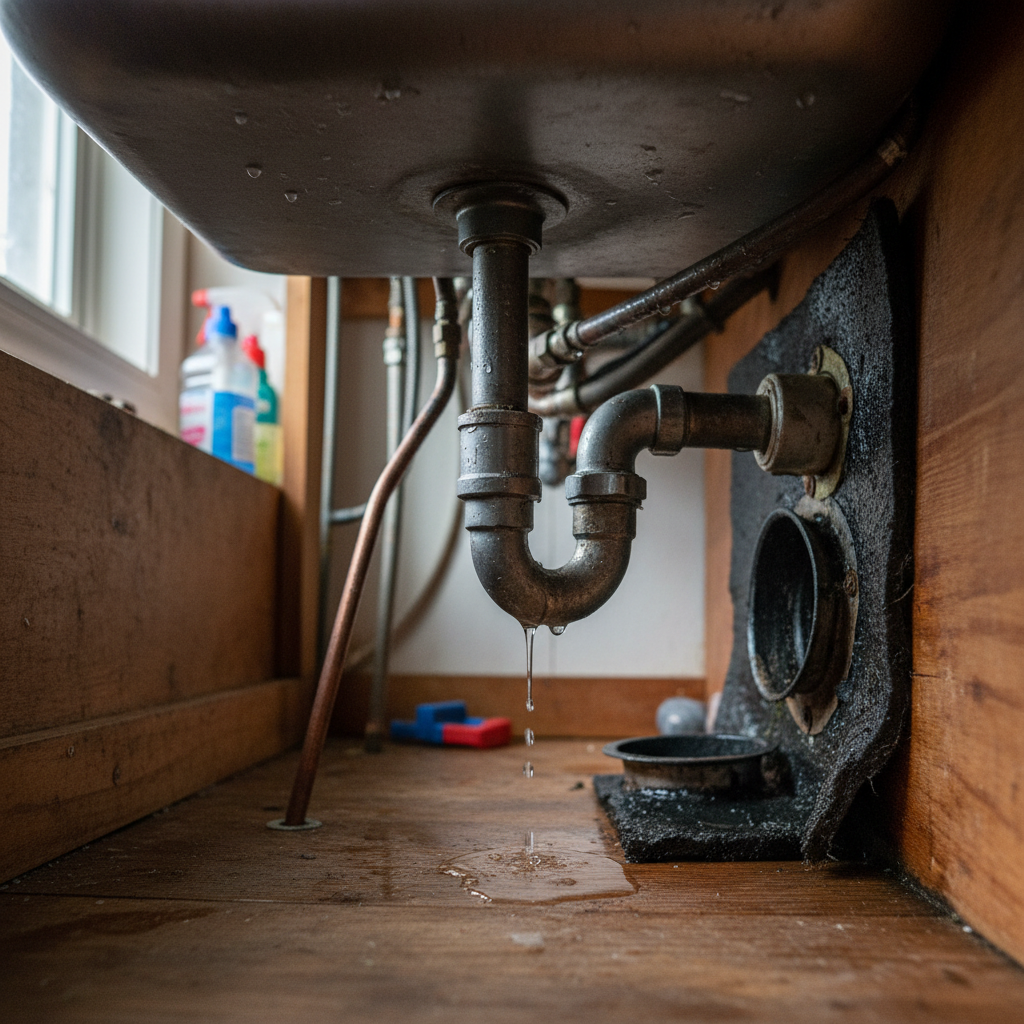
Plumbing · Leak
| Project category | Plumbing |
|---|---|
| Problem type | Leak |
| Trade required | Plumbing |
| Urgency | Emergency — act now |
| Safety risk | High safety risk |
| DIY suitability | DIY for experienced homeowners |
| Cost category | Low cost |
| Typical timeline | Shut water off now; repair usually same or next day |
| Contractor type | Licensed plumber |
Repair option
Isolate at the shutoff, replace the failed component, and dry the cavity fully.
Replacement option
Repipe the run or the branch when corrosion is widespread.
Common causes
- Failed supply line or shutoff valve
- Worn washers, cartridges, or P-trap connections
- Pinhole corrosion in older copper
Relevant tools:emergency checklistdiy or hire a pro
Published May 2, 2026Last updated August 17, 2026
Quick Answer
A leaking chimney during rain can be a frustrating mystery, but often the root cause isn't what you think, leading to costly misdiagnosis. While flashing is a common suspect, frequently the culprit lies elsewhere, such as a damaged chimney cap, deteriorated mortar joints, or a compromised crown. Water can also wick into the chimney system through porous brick, leading to interior damage. Diagnosing the exact entry point requires careful inspection, often from the roof, to identify the specific component that has failed and is allowing water in.
The Problem
There's nothing quite like the sound of rain on the roof, unless that sound is accompanied by the unwelcome drip, drip, drip of water inside your home, specifically from around your fireplace or through your chimney chase. A leaky chimney isn't just an annoyance; it can lead to significant structural damage, mold growth, and costly repairs if left unaddressed. Homeowners often jump to the conclusion that the flashing—the metal seals around the chimney's base where it meets the roof—is to blame. While flashing is certainly a common failure point, it's far from the only one. Many other components of your chimney system, from the very top cap down to the brickwork, can allow water to penetrate, creating a complex diagnostic challenge. Understanding how water infiltrates and the specific areas prone to failure is critical for an accurate and lasting repair. Ignoring a chimney leak will only escalate the problem, leading to saturated insulation, damaged drywall, warped wood, and compromised structural integrity.
How It Works
To understand why your chimney might be leaking, it's helpful to first grasp how a healthy chimney system repels water. Think of your chimney as a multi-layered defense against precipitation.
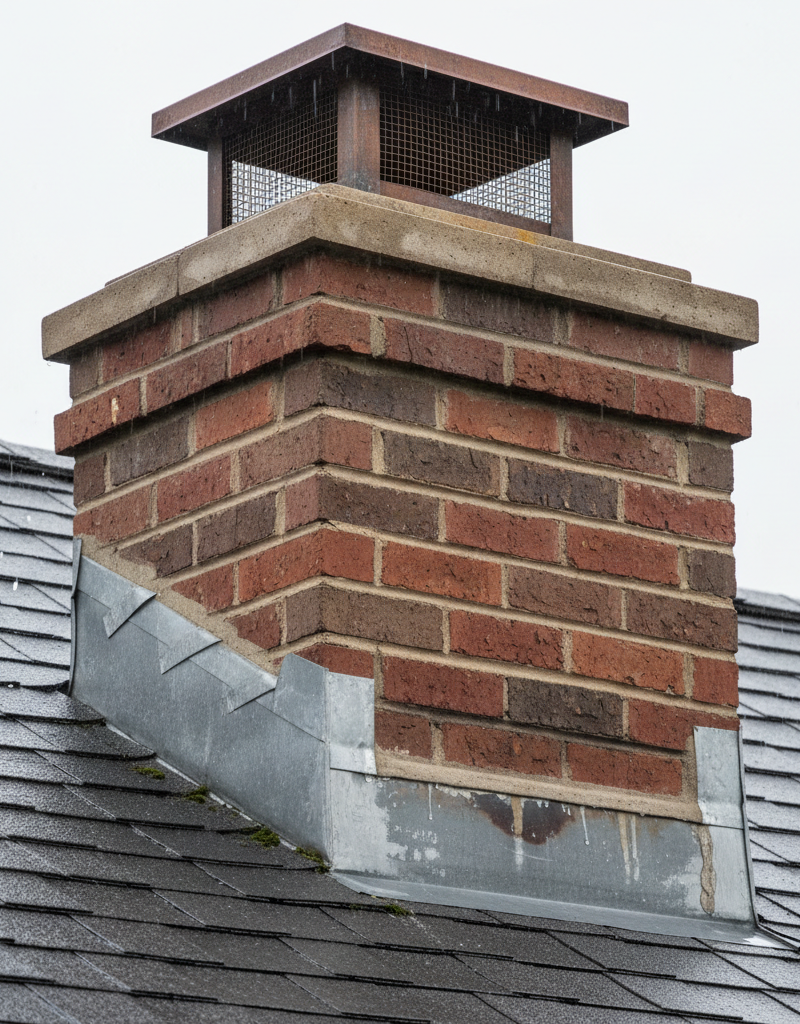
At the very top, the chimney cap (or rain cap) is your first line of defense. It's designed to prevent rain and snow from falling directly into the flue liner and keep animals out. Most caps have a mesh screen to deter birds and small animals, and a top that acts like an umbrella. Below the cap is the chimney crown, a concrete or metal slab that sits atop the masonry chimney structure. Its primary function is to protect the top of the chimney from water penetration, diverting rain away from the vulnerable flue tiles and the masonry below. A properly constructed crown will have an overhang (drip edge) that allows water to drip clear of the chimney's sides, preventing it from running down the brickwork.
The flue liner itself is typically clay tile, metal, or a cast-in-place material. While its main job is to safely vent combustion byproducts, a cracked or damaged liner can also become an indirect pathway for water.
The main body of the chimney is constructed from masonry—bricks and mortar. While bricks appear solid, they are porous and can absorb water over time, especially if not properly maintained or sealed. Mortar joints, the "glue" between the bricks, are particularly susceptible to deterioration from weather exposure. As mortar ages, it can crack, crumble, and recede, creating direct pathways for water to enter the chimney structure and eventually the interior of your home.
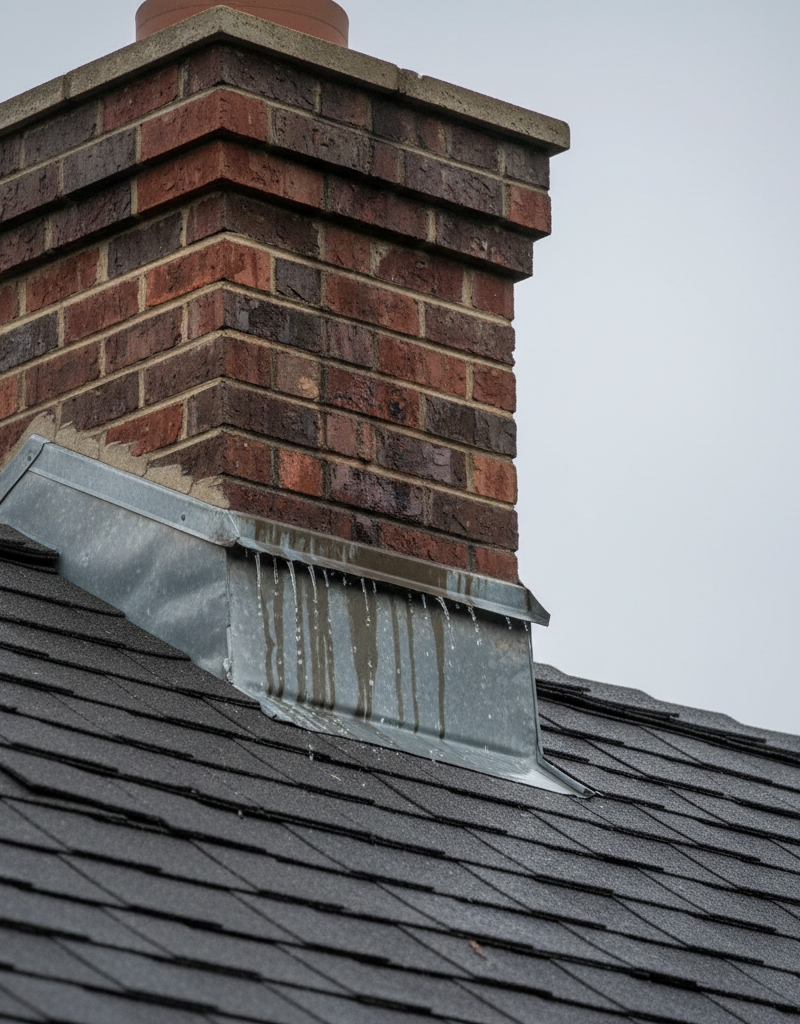
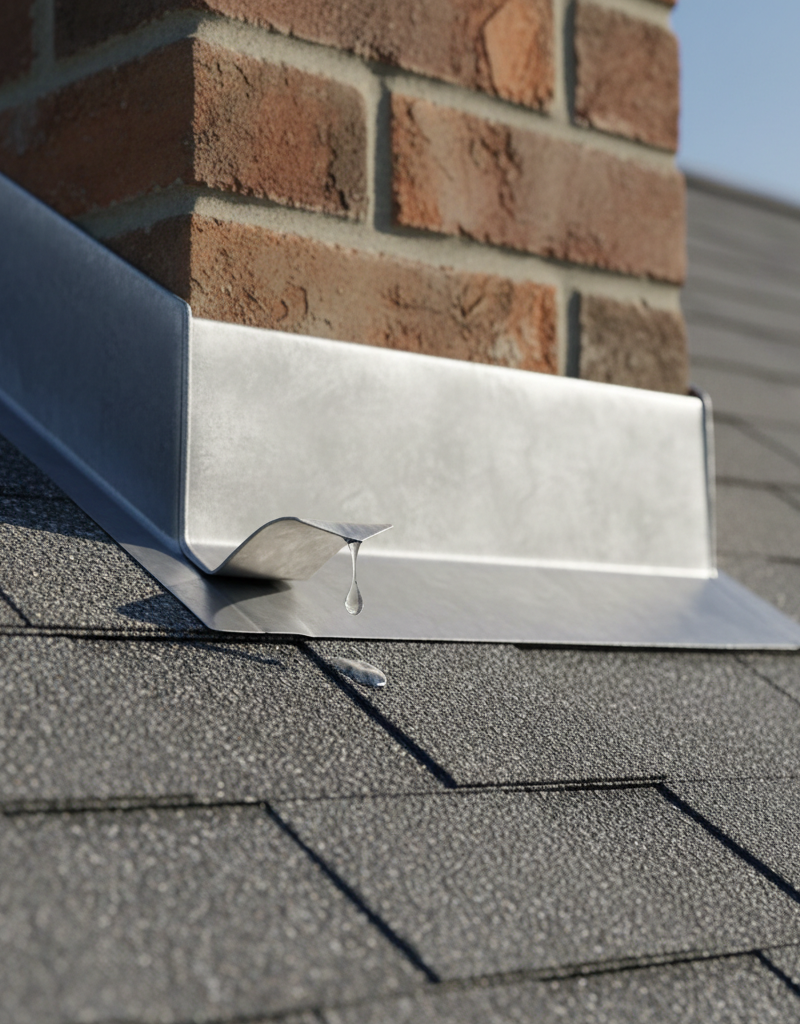
Where the chimney penetrates the roof, flashing provides a watertight seal. This involves a combination of step flashing (interwoven with shingles) and counter flashing (bent down from the chimney and overlapping the step flashing). This layered approach allows for roof expansion and contraction while maintaining a watertight barrier. If any of these layers are compromised, water will find its way in.
Finally, the chimney chase (for factory-built metal chimneys) is often clad in siding materials that also need to be properly sealed and maintained. Any breach in these siding panels or their seams can allow water to enter the chase and drip into your home. The interaction of these components, all working in concert, is what keeps your chimney watershed-proof. When one element fails, the entire system can become compromised.
Step-by-Step Fix
Before attempting any roof work, prioritize safety. Ensure you have a stable ladder, wear non-slip shoes, and work with a spotter if possible. Never work on a wet or icy roof.
-
Inspect the Chimney Cap and Crown — Look for obvious damage.
- Carefully climb onto your roof (or use binoculars from the ground if unable to safely access the roof) and examine the very top of your chimney.
- Chimney Cap: Check for missing sections, rust holes, bent metal, or a top that has detached from its base. A damaged cap allows rain to pour directly into the flue.
- Chimney Crown: Look for cracks, especially around the flue liner, and make sure it has a proper overhang (drip edge) that prevents water from running down the sides of the chimney. Thin hairline cracks are common and can be repaired, but large cracks or crumbling sections indicate a major failure.
- If a damaged cap is found: A simple replacement cap can often be purchased at a home improvement store and secured with basic tools. This is a common and relatively easy fix.
- If crown cracks are found: For small cracks, a high-quality crown sealant (elastomeric, specifically designed for chimney crowns) can be applied. For severely damaged or improperly built crowns, professional replacement may be necessary.
-
Examine Mortar Joints and Bricks — Seek out deterioration.
- Visually inspect all visible mortar joints for signs of crumbling, missing sections, or deep cracks. Pay close attention to the top few feet of the chimney, as this area is most exposed to weather.
- Check individual bricks for spalling (flaking or crumbling of the brick face), which indicates water penetration and freeze-thaw damage.
- If mortar deterioration is significant (more than 1/4-inch deep): This is called "repointing" or "tuckpointing." Using a cold chisel and hammer, carefully remove the deteriorated mortar to a depth of at least 1/2 inch. Mix new mortar (Type N or S, depending on existing mortar type – consult a masonry supply store) and pack it firmly into the joints using a tuckpointing trowel. Tool the joints to match the existing profile for proper water shedding.
- If bricks are spalling: Severely spalled bricks should be carefully removed and replaced with new matching bricks. This is a more involved masonry repair.
-
Hydrophobic Sealer Application — Prevent future water absorption.
- After any necessary mortar or brick repairs, consider applying a breathable, hydrophobic (water-repellent) sealer to the entire unglazed brick surface of your chimney.
- Ensure the chimney surface is clean and completely dry before application.
- Use a low-pressure sprayer or roller, applying the sealer according to manufacturer instructions. This barrier will prevent bricks from absorbing water while still allowing the masonry to breathe.
- Safety Note: Never use a non-breathable sealer, as it can trap moisture within the chimney and exacerbate freeze-thaw damage.
-
Inspect Flashing (Step and Counter Flashing) — The common suspect.
- Visually inspect the metal flashing where the chimney meets the roof. Look for:
- Loose or missing flashing: Any gaps where water can enter.
- Rust: Can lead to holes or weakened areas.
- Bent or damaged flashing: From storms, falling debris, or improper installation.
- Missing or cracked sealant: Old caulk around the counter flashing can fail.
- Pay close attention to the corners and where the flashing overlaps.
- If minor gaps or old caulk are found: Use a high-quality, exterior-grade polyurethane sealant or flashing cement to seal small gaps or re-caulk.
- If flashing is severely damaged, rusted, or improperly installed: Repair or replacement of the flashing is often best left to a professional roofer or chimney specialist, as it involves removing shingles and correctly fitting new metalwork. Improper flashing installation is a leading cause of leaks.
- Visually inspect the metal flashing where the chimney meets the roof. Look for:
-
Examine the Chimney Chase (for framed chimneys) — Beyond the masonry.
- If your chimney is sided (wood, vinyl, stucco), inspect the siding panels for cracks, holes, or loose sections.
- Check the top of the chase for any caps or shrouds that might be damaged or allowing water entry.
- Inspect any trim or fascia boards around the chase section for rot, which indicates prolonged water exposure.
- If siding gaps or holes are found: Minor gaps can be filled with an appropriate exterior sealant. Larger holes may require patch-and-paint or siding panel replacement.
-
Interior Inspection & Water Tracing — Confirming the entry point.
- Once rain starts, go into your attic or the interior space near the chimney.
- Using a powerful flashlight, look for water stains, drips, or wet insulation.
- Try to trace the path of the water from the stain back to its entry point. This can sometimes confirm the source identified during exterior inspection or reveal a new one.
- If you see water on electrical wiring or near gas lines, immediately proceed to call a professional. Do not touch it.
Common Causes
- Damaged Chimney Cap: The simplest and most frequently overlooked cause. A missing, rusted, or poorly fitted cap allows rain to fall directly into the flue, which can then exit into the home.
- Cracked or Deteriorated Chimney Crown: The concrete slab at the top of the chimney is constantly exposed to weather. Cracks allow water to seep into the masonry below, leading to interior leaks and freeze-thaw damage.
- Compromised Mortar Joints (Spalling/Tuckpointing Needs): Over time, weather erodes mortar. When mortar joints crumble or become deeply cracked, they allow water to penetrate the brickwork, eventually finding its way indoors.
- Porous Bricks & Lack of Sealer: Bricks themselves can absorb significant amounts of water, especially older or lower-quality bricks. Without a breathable water repellent, saturated bricks can transfer moisture inward.
- Improperly Installed or Damaged Flashing: This is a classic leak point. Flashing that's bent, rusted, missing, or installed incorrectly (not properly "woven" into shingles) allows water to easily penetrate the roof-to-chimney seal.
- Damaged Firebox or Smoke Chamber: While less common for immediate rain leaks, cracks in the firebox or smoke chamber (especially in older chimneys) can sometimes allow water that has entered higher up in the chimney to migrate into the living space.
- Condensation (Mimicking a Leak): In some cases, especially with high-efficiency furnaces or gas fireplaces venting through an unlined or oversized chimney, condensation can form inside the flue. This condensation, when significant, can mimic a leak, staining ceilings and walls. This requires a professional assessment and potential flue liner upgrade.
Common Mistakes
- Assuming Flashing is Always the Culprit: Many homeowners (and even some general contractors) immediately assume flashing is the issue without a thorough inspection of the entire chimney system. This leads to costly and ineffective flashing replacements when the real problem lies elsewhere. Always check the cap and crown first.
- Using Non-Breathable Sealers on Masonry: Applying a regular paint sealant or waterproofing product not specifically designed for masonry will trap moisture inside the bricks, leading to accelerated freeze-thaw damage, efflorescence (white mineral deposits), and even structural failure. Always use a breathable, hydrophobic masonry sealer.
- Ignoring Small Cracks in the Crown or Mortar: What seems like a minor hairline crack today can quickly become a major water entry point after a few freeze-thaw cycles. Address these small issues promptly.
- Improper Mortar Mix for Repointing: Using the wrong type of mortar for repointing (e.g., a mix that's too hard for the existing, softer bricks) can cause new cracks to form in the bricks themselves. Always match mortar composition to the existing masonry or consult a masonry expert.
- Attempting DIY Flashing Repair Without Experience: Flashing is a complex, multi-layered system designed to allow for roof movement. Improperly installed new flashing, or simply caulking over damaged flashing, will almost certainly fail again. This is often a job for experienced roofers or chimney masons.
- Not Addressing Interior Water Stains Promptly: Water stains around the fireplace or on the ceiling adjacent to the chimney are not just cosmetic issues. They indicate ongoing water intrusion that can lead to mold, rot, and structural damage that worsens rapidly.
Cost & Time Breakdown
| Task | DIY Cost | Pro Cost | Time |
|---|---|---|---|
| Chimney Cap Replacement | $30–$200 | $150–$400 | 1–2 hours |
| Crown Repair/Sealing | $20–$100 | $300–$800 | 2–4 hours |
| Mortar Repointing (minor) | $50–$150 | $500–$1,500+ | 4–8 hours |
| Hydrophobic Sealer Application | $50–$200 | $200–$500 | 1–3 hours |
| Flashing Repair/Replacement | (High Risk) | $400–$1,500+ | 4–8 hours |
| Professional Inspection | N/A | $100–$300 | 1–2 hours |
Tips & Prevention
- Annual Chimney Inspection: Have your chimney professionally inspected by a certified chimney sweep or masonry expert at least once a year. They can spot potential problems early.
- Regular Cleaning: While primarily for fire safety, sweeping removes creosote and debris that can sometimes trap moisture or hide deterioration.
- Proper Chimney Cap: Ensure your chimney has a well-fitting, rust-resistant cap that extends past the flue tiles to provide good rain protection.
- Maintain Your Crown: Inspect your chimney crown annually for cracks. Address small cracks with elastomeric crown sealant before they become large problems.
- Check Mortar Joints: Periodically (every few years), visually inspect your chimney's mortar joints for erosion or cracking. Repoint minor sections as needed.
- Apply a Breathable Sealer: Consider applying a high-quality, breathable masonry water repellent to the exposed brickwork every 5–10 years to minimize water absorption.
- Keep Gutters Clean: Clogged gutters can cause water to overflow and cascade down your chimney face or behind flashing, exacerbating leaks.
When to Call a Professional
You should call a professional chimney sweep, mason, or roofer if you suspect a chimney leak but cannot confidently identify the source, if the leak persists after your attempts at repair, or if the repairs required are beyond your skill level. Specifically, if the flashing is severely damaged or improperly installed, if there's extensive mortar deterioration requiring significant repointing, if bricks are spalling throughout the chimney, or if you suspect structural damage to the chimney, it's time to call in an expert. Additionally, any signs of water near electrical wiring or gas lines, or if you suspect the leak is actually condensation from an appliance, warrant immediate professional assessment to ensure safety and proper diagnosis. A certified professional has the tools, experience, and knowledge to safely and effectively diagnose and repair complex chimney leaks, ensuring the integrity and safety of your home.
Related Articles
Keep troubleshooting with these hand-picked guides from FixlyGuide:
- The Secret Culprit Behind Your Leaky Chimney (It’s Not Always the Obvious Fix) — A leaky chimney during rain can indicate several issues, from simple flashing problems to complex crown damage, requiring homeowners to dia…
- The Secret Culprit Behind Your Leaky Chimney (It’s Not Always the Obvious Flashing) — Discover the often-overlooked causes of chimney leaks during rain and how to tackle them with effective DIY solutions and prevention tips.
- The #1 Overlooked Reason Your Chimney Leaks (It Rots Your Roof!) — Discover the surprising, often-missed culprit behind your leaky chimney and how this common issue can silently damage your home.
- The Secret Culprit Behind Your Leaky Chimney (It's Not Always the Obvious Fix) — Discover the often-overlooked causes of a leaky chimney during rain and learn how to diagnose and fix these common problems yourself.
- The Secret Cause of Your Leaky Chimney (It's Not Always the Obvious Suspect) — A leaking chimney during rain can signify several issues, often stemming from a deteriorated crown rather than just flashing.
- The Secret Culprit Behind Your AC Blowing Warm Air (It’s Not What You Think) — Discover the unexpected reason your air conditioner is blowing warm air and how a simple, often overlooked fix can restore your home’s cool…
Should you do this yourself?
Answer five quick questions before you start. Safety outranks savings every time.
Your experience with work like this
How high do you have to work?
Does the job involve any of these?
Will it need a permit?
Specialty tools
Free and instant. Educational guidance only — not a quote, inspection, or professional diagnosis.
Questions to ask before you sign
Ask every contractor the same questions and the cheapest bid stops looking cheapest. Check them off as you go — your progress is saved on this device.
Free, no signup. Bring this to every walkthrough so you compare bids on the same terms.
What should this project cost?
Enter your project details for a realistic cost range before you call anyone.
Common repairs run $150–$650; repipes and water-heater replacements reach $1,500–$4,500.
- Regional adjustment
- National average
- Labor share (typical)
- ~$754
- Quotes to collect
- 3 written estimates
Educational estimate based on national averages — not a binding quote. Always confirm with written local estimates.
Fixly Project Decision Box
- DIY difficulty
- Professional Recommended
- Estimated time
- Inspection 1–2 hours · repairs 1–3 days
- Cost level
- High
Main tools / materials
- Binoculars for a ground-level look
- Flashlight for attic checks
- Moisture meter
- Roofing cement (temporary patch only)
When to stop and call a pro
- Active leak near lights, fans, or any wiring
- Sagging, bulging, or water-filled ceiling
- Steep, wet, or two-story roof — do not climb it
- Storm or hail damage you plan to claim on insurance
Need professional help?
Free roof assessment first — no phone calls until you ask for them.
Get Local Roofing HelpGet help with your roof now
Stay off the roof. These free tools help you protect the house and reach the right professional fast.
- Emergency repair checklistThe first steps that limit damage before a pro arrives.Open
- Repair or replace your roof?Answer 10 questions about age, leaks, and damage to get a clear next step.Open
- Get local estimatesSend one request and compare written estimates from vetted pros.Open
Free, no signup required. Estimates are educational guidance, not a quote or an inspection.
Frequently asked questions
Why does my chimney only leak during heavy rain?+
Chimneys often leak only during heavy or prolonged rain because lesser rainfall may not be enough to penetrate minor weaknesses in the cap, crown, mortar joints, or flashing. Heavy rain provides more water volume and pressure, allowing it to exploit even tiny cracks or gaps that would otherwise hold up to lighter precipitation.
Can a chimney leak cause a smell?+
Yes, a chimney leak can absolutely cause a musty, earthy, or moldy smell. This happens when water saturates the interior components of the chimney, such as insulation, wood, or drywall, creating a damp environment perfect for mold and mildew growth. The smell often becomes more pronounced on humid days or during rain events.
How much does it cost to fix a leaking chimney?+
The cost to fix a leaking chimney varies widely depending on the source and extent of the damage. Simple fixes like replacing a chimney cap might cost $150-$400, while repairing a cracked crown could be $300-$800. More extensive issues like significant mortar repointing or flashing replacement can range from $500 to over $1,500, especially if scaffolding is required or there's internal damage.
Can I waterproof my chimney myself?+
You can apply a breathable, hydrophobic masonry sealer to your chimney after cleaning and repair. This can help prevent bricks from absorbing water. However, this is a preventative measure, not a fix for an active leak. Never use non-breathable sealers, as they can trap moisture and cause more severe damage.
What are the signs of a chimney leak inside the house?+
Signs of a chimney leak inside the house include water stains on the ceiling or walls near the fireplace or chimney chase, peeling paint or wallpaper in those areas, a musty odor, damp spots on the firebox interior, or rust accumulation on the damper or fireplace components. In the attic, you might see wet insulation or wood rot around the chimney.
Discussion
Loading comments…