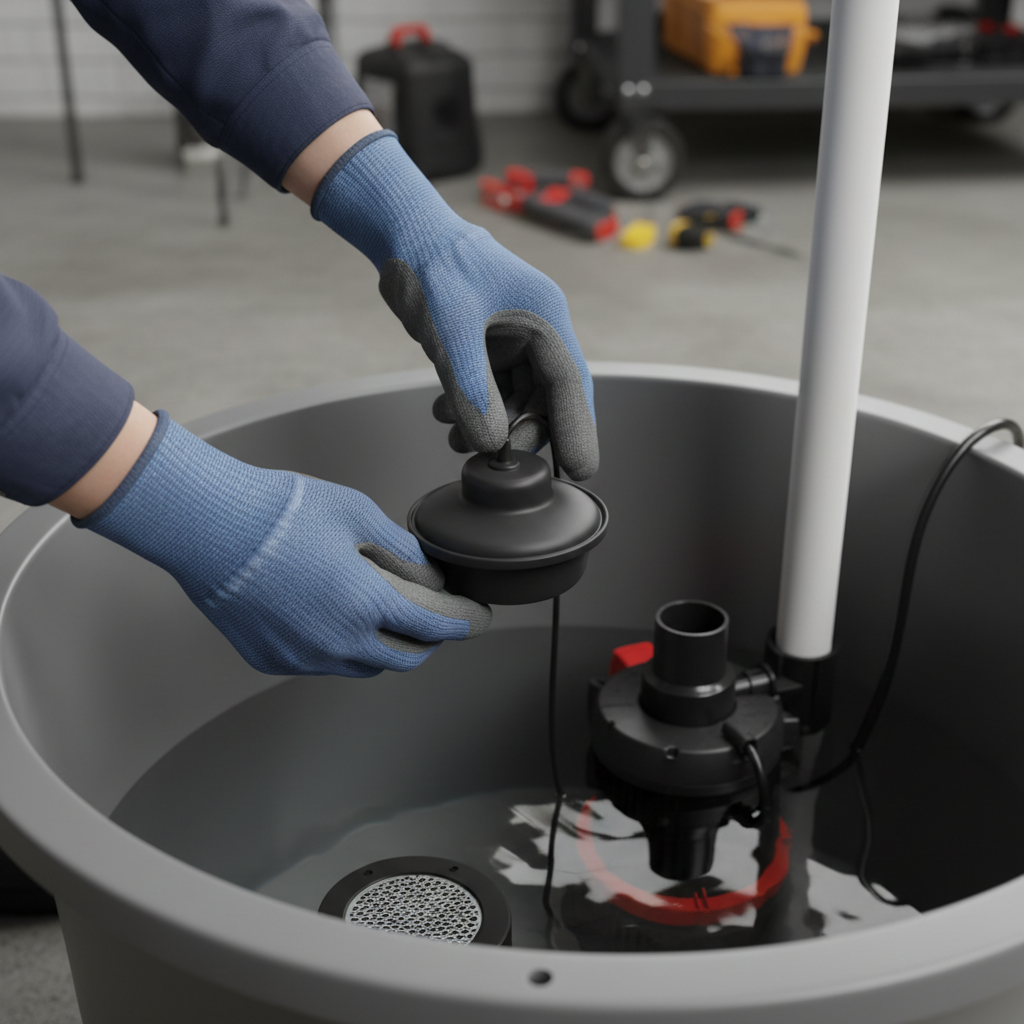
- Stuck or Obstructed Float Switch: This is the most frequent culprit. Debris, wires, or even the pump itself can stop the float from rising, preventing activation.
- Power Failure: During heavy storms, power outages are common. Without a battery backup, your sump pump is useless.
- Clogged Intake Screen or Impeller: Dirt, gravel, and other sediment can block the pump's intake or jam the impeller, drastically reducing its efficiency or stopping it entirely.
- Discharge Line Blockages: The exit pipe can become clogged with debris, frozen in winter, or even overgrown with roots, preventing water from being pumped out.
- Aging Pump or Motor Failure: Like any mechanical device, sump pumps wear out over time. Motors can burn out, bearings can fail, or various internal components can degrade.
General remodeling · Renovation planning
| Project category | General remodeling |
|---|---|
| Problem type | Renovation planning |
| Trade required | General contracting |
| Urgency | Planned project |
| Safety risk | Low safety risk |
| DIY suitability | Pro recommended |
| Cost category | Major investment |
| Typical timeline | Design and permitting often 2–4 months before work starts |
| Contractor type | General contractor |
Repair option
Phase the work and fix the building envelope first.
Replacement option
Full renovation with permits, design, and a general contractor.
Common causes
- Space no longer fits how the household lives
- Resale preparation
- Deferred maintenance stacking up
Relevant tools:project cost estimatorcompare quoteshome improvement material prices
Published May 24, 2026Last updated August 17, 2026
Tools & materials you'll need
Affiliate links- Amazon5-gallon bucketFor filling the sump pit
- AmazonShop-Vac (optional)For cleaning stubborn debris
- AmazonFlashlightFor better visibility in the pit
- AmazonStiff brushFor scrubbing the pit walls if needed
- AmazonGarden hose (optional)If convenient for filling the pit
- AmazonGFCI outlet tester (optional)To verify outlet function
- AmazonWork glovesTo protect hands during cleaning
As an Amazon Associate FixlyGuide earns from qualifying purchases — at no extra cost to you. Prices and availability are accurate as of publication and subject to change.
Quick Answer
Before the rainy season, regularly testing your sump pump is essential to prevent basement flooding. The quickest and most effective method involves manually filling the sump pit with water to ensure the float switch activates the pump, the pump efficiently removes the water, and the discharge line is clear. This simple test helps identify potential issues like a stuck float, clogged impeller, or blocked discharge line before a storm overwhelms your system.
The Problem
Imagine a torrential downpour, the kind that turns streets into rivers, and the creeping dread when you realize your basement might be vulnerable. Your sump pump, the silent guardian of your lower level, sits idle for months, sometimes years, only to be called into action during the most severe weather. The problem isn't just about water; it's about the costly aftermath: damaged personal belongings, ruined flooring, mold growth, and the immense stress of a flooded home. Many homeowners assume their sump pump will work when needed, but without regular testing, crucial components can fail unnoticed. A stuck float switch, a clogged impeller, or a blocked discharge line can render even a brand-new pump useless, turning a heavy rain into a catastrophic event. Proactive testing ensures these vital systems are ready, saving you thousands in potential damage and providing priceless peace of mind.
How It Works
A sump pump system is deceptively simple in its operation, yet critical in its function. At its core, the system consists of a sump pit, a pump, and a float switch. The sump pit, typically a basin dug into the lowest part of your basement or crawl space floor, collects excess groundwater that seeps in from around your foundation. This water can come from hydrostatic pressure pushing against foundation walls, leaks, or even indoor plumbing issues. The pump itself, usually an electric submersible unit, sits inside this pit.
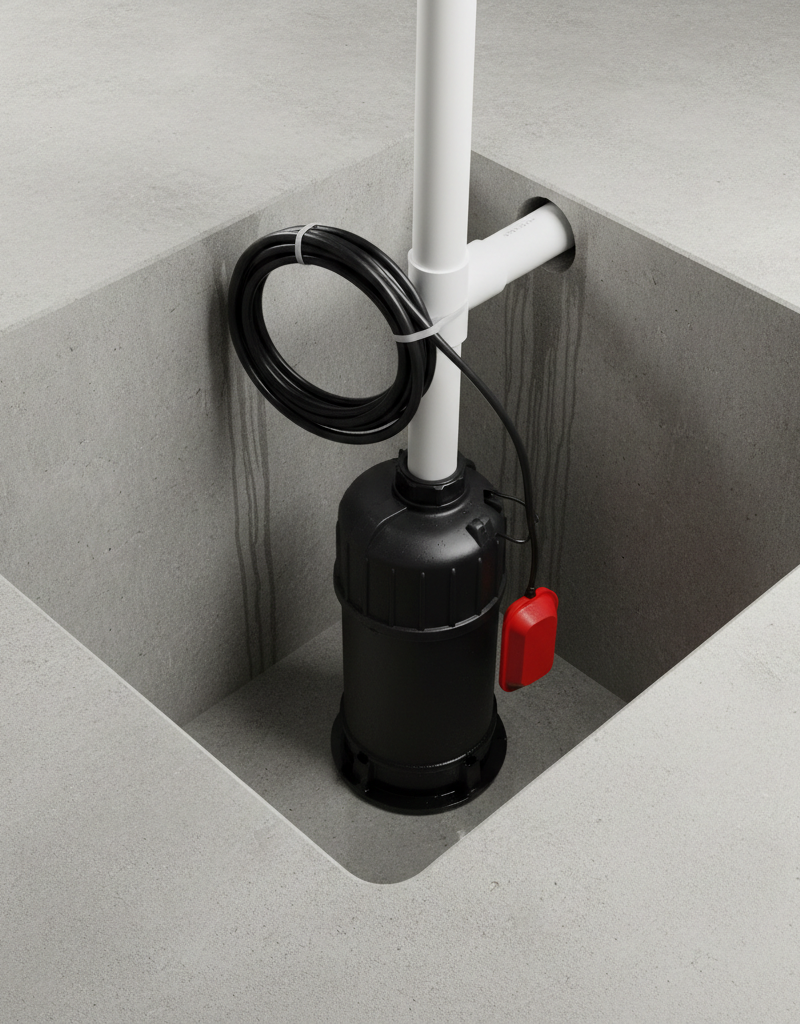
The magic happens with the float switch. As water fills the sump pit, the water level rises, lifting a buoyant float. When this float reaches a predetermined activation point, it triggers a switch, turning on the sump pump's motor. The pump then draws water from the pit through an intake screen, pushes it through an impeller, and forces it up a discharge pipe. This discharge pipe typically routes the water away from your foundation, often to a storm drain, a dry well, or a sloped area of your yard, preventing it from recirculating back into the ground near your home. Once the water level in the pit drops below the float's deactivation point, the switch disengages, and the pump turns off, awaiting the next influx of water. Modern sump pumps often include a check valve in the discharge line, which prevents water from flowing back into the pit once the pump shuts off, ensuring efficient operation. Battery backup systems are also common, providing a crucial safeguard during power outages – a common occurrence during severe storms when the pump is needed most.
Step-by-Step Fix
1. Safety First — Before touching anything electrical, ensure your safety.
Always disconnect the sump pump from its power source by unplugging it from the GFCI outlet. Even if you're just inspecting, an accidental activation could cause injury. Wear rubber-soled shoes and avoid standing in water. If there's any visible fraying on the power cord or exposed wiring, do not proceed and call a qualified electrician.
2. Clear the Pit — Remove any debris from the sump pit.
With the pump unplugged, visually inspect the sump pit. Remove any leaves, dirt, small rocks, or other debris that may have accumulated. This debris can clog the pump's intake screen or interfere with the float switch's movement. Use a shop vac or your hands (wearing gloves) to clean the bottom and sides of the pit thoroughly. A clean pit ensures the float can move freely and the pump's intake isn't restricted.
3. Inspect the Float Switch — Verify the float switch moves freely.
This is a critical component often overlooked. Manually lift and lower the float switch several times. It should move smoothly and without obstruction. Ensure it's not pressing against any pipes, wires, or the pit wall. If the float switch is tethered, check the tether for kinks or excessive slack. A sticky or obstructed float switch is a primary cause of sump pump failure, as it won't activate the pump when water levels rise.
4. Check the Check Valve — Examine the one-way valve in the discharge line.
Locate the check valve on the discharge pipe, typically a few inches above the pump. This valve prevents water from flowing back into the pit after the pump turns off. Inspect it for any signs of leakage or damage. While you can't test its full function without the pump running, ensure it's oriented correctly (there's usually an arrow indicating flow direction) and that it's not obviously broken. If it's old or leaking, it might be worth replacing.
5. Examine the Discharge Line — Ensure the exterior discharge line is clear and directed properly.
Follow the discharge pipe from your basement or crawl space to its exterior exit point. Check for any visible blockages like leaves, dirt, or snow/ice buildup. Ensure the pipe extends far enough from your foundation (at least 10-20 feet) to prevent water from re-entering the soil around your home. The discharge point should be downhill from your foundation. If you have an underground discharge line, check the opening. Critically, ensure your discharge line is not connected directly to your municipal sewer system, which is often illegal and can cause municipal backups.
6. The Water Test — Restore power and manually fill the pit to simulate a flood.
Plug the sump pump back into the GFCI outlet. Now, using buckets or a garden hose, slowly fill the sump pit with water. As the water level rises, watch the float switch. It should lift evenly. When the water reaches the float's activation point, the pump should turn on, pumping the water out through the discharge line. Listen for the pump's motor – it should sound strong and consistent, not strained or gurgling. If the pump doesn't turn on immediately, try gently nudging the float (if safe to do so). Continue filling until the pump activates and successfully removes the water from the pit. Once the water level drops below the deactivation point, the pump should turn off.
7. Monitor Performance — Observe the pump's efficiency and sound.
While the pump is running, pay attention to how quickly it empties the pit. It should be relatively fast and strong. Listen for any unusual noises – grinding, clanking, or excessive vibration. These could indicate an issue with the impeller (e.g., debris trapped in it) or motor bearings. If the pump struggles or makes strange noises, unplug it immediately and inspect the impeller and intake screen again. A weak pump might clear a small amount of water but fail during heavy rainfall.
8. Repeat for Backup System (If Applicable) — Test your battery backup sump pump system.
If you have a battery backup sump pump, unplug the main pump's power cord. Then, repeat the water test (Step 6) for the backup system. Ensure it activates and pumps water effectively using its battery power. Check the battery's charge indicator; if it's low, replace or recharge as needed. This step is crucial, as the backup pump is your last line of defense during a power outage.
9. Reset and Review — Ensure everything is in its proper place and ready for action.
After testing, ensure all power cords are securely plugged in and routed safely, not interfering with the float switch. The sump pit lid (if you have one) should be replaced to prevent debris from entering. Mark your calendar for the next test, ideally every 2-3 months or before any predicted heavy rain season.
Common Causes
- Stuck or Obstructed Float Switch: This is the most frequent culprit. Debris, wires, or even the pump itself can stop the float from rising, preventing activation.
- Power Failure: During heavy storms, power outages are common. Without a battery backup, your sump pump is useless.
- Clogged Intake Screen or Impeller: Dirt, gravel, and other sediment can block the pump's intake or jam the impeller, drastically reducing its efficiency or stopping it entirely.
- Discharge Line Blockages: The exit pipe can become clogged with debris, frozen in winter, or even overgrown with roots, preventing water from being pumped out.
- Aging Pump or Motor Failure: Like any mechanical device, sump pumps wear out over time. Motors can burn out, bearings can fail, or various internal components can degrade.
- Electrical Problems: A tripped GFCI outlet, loose wiring, or a wiring fault can prevent the pump from receiving power.
- Improper Installation: An incorrectly sized pump for the volume of water, poor placement, or an improperly installed check valve can lead to chronic issues.
Common Mistakes
- Neglecting Regular Testing: Assuming the pump works because it's been quiet. It needs to be tested at least quarterly and before significant weather events.
- Ignoring Unusual Noises: Hearing grinding, humming, or short-cycling and dismissing it. These are often early warning signs of impending failure.
- Failing to Maintain the Battery Backup: Not checking the charge or condition of the backup battery, rendering it useless during a power outage.
- Discharging Water Too Close to Foundation: Pumping water directly next to your house, which allows it to seep right back into the ground and re-enter the sump pit, creating a continuous loop and unnecessarily straining the pump.
- Connecting to Sanitary Sewer: Illegally connecting the sump pump discharge to your home's sanitary sewer system. This can overwhelm the municipal system, lead to backups, and is often subject to hefty fines.
- Not Cleaning the Sump Pit: Allowing mud, silt, and debris to accumulate in the pit, which can obstruct the float switch or clog the pump's intake.
- Using an Extension Cord: Plugging the sump pump into an extension cord, especially a light-duty one. Sump pumps require a dedicated, properly grounded GFCI outlet, and extension cords can cause voltage drop or overheating.
Cost & Time Breakdown
| Task | DIY cost | Pro cost | Time |
|---|---|---|---|
| Visual Inspection & Cleaning | $0 | N/A | 10–15 min |
| Manual Water Test | $0 | N/A | 10–20 min |
| Battery Backup Check | $0 | N/A | 5 min |
| Replacing a Check Valve | $20–$50 | $100–$200 | 30 min–1 hr |
| Replacing a Sump Pump (DIY) | $150–$400 | $300–$800 | 1–2 hours |
| Replacing a Sump Pump (Pro) | N/A | $500–$1,200 | 1–3 hours |
Tips & Prevention
- Quarterly Testing: Make it a habit to test your sump pump every three months, or specifically before periods of heavy rain or snowmelt.
- Keep the Pit Clean: Regularly remove any debris, dirt, or sediment from the sump pit to ensure the float switch and pump remain unobstructed.
- Check the Alarm: If your backup system has an alarm, test it periodically to ensure it's functioning and audible.
- Ensure Proper Discharge: Verify that the discharge pipe extends at least 10-20 feet away from your foundation and deposits water onto a downward slope, ensuring it doesn't flow back towards your house.
- Install a Battery Backup: A battery-powered backup sump pump is a vital investment to protect your basement during power outages.
- Consider a Water Alarm: Place a simple water alarm near your sump pit or in the lowest part of your basement to alert you to any water accumulation, especially if you're away from home frequently.
- Annual Professional Inspection: Even with regular DIY maintenance, consider scheduling an annual inspection with a licensed plumber to catch potential issues early and ensure optimal performance.
When to Call a Professional
You should call a licensed plumber if your sump pump fails the water test, makes unusual loud noises (grinding, clanking), or if you notice any burning smells or visible electrical damage. If the pump runs continuously without emptying the pit, or runs for very short cycles, it indicates a serious problem best addressed by an expert. Should you suspect a major discharge line blockage deep underground or an issue with your home's main drainage system, a professional has the specialized equipment to diagnose and clear the problem safely. Furthermore, any issues involving the permanent electrical wiring to the sump pump should always be handled by a licensed electrician to avoid serious hazards.
Related Articles
Keep troubleshooting with these hand-picked guides from FixlyGuide:
- The 30-Second Sump Pump Trick Most Homeowners Forget Before Rain Hits — Discover surprising reasons your sump pump might fail and how a simple 30-second test prevents costly flood damage before the rainy season…
- The 30-Second Sump Pump Test That Prevents Flooding (Most Homeowners Skip It) — Discover how a simple 30-second test can prevent catastrophic basement flooding by ensuring your sump pump is ready for the rainy season.
- The #1 Hidden Culprit Behind Your Whole-House Low Water Pressure (It's Not Your City!) — Discover the most common, often overlooked cause of low water pressure throughout your entire home and how to fix it yourself.
- The 4 Hidden Signs Your Soffit & Fascia Are Failing (And What To Do) — Spotting early signs of soffit and fascia damage can prevent costly repairs and protect your home's structure from water and pest intrusion.
- Is Your Roofline Hiding a $10,000 Secret? 7 Warnings Your Soffit & Fascia Are Failing — Discover the critical signs of soffit and fascia damage that could indicate widespread problems and how to properly address them before the…
- The #1 Reason Your AC Blows Warm Air (And It's Not What You Think) — A dirty air filter is often the overlooked culprit behind an air conditioner blowing warm air, hindering its ability to cool your home effi…
Should you do this yourself?
Answer five quick questions before you start. Safety outranks savings every time.
Your experience with work like this
How high do you have to work?
Does the job involve any of these?
Will it need a permit?
Specialty tools
Free and instant. Educational guidance only — not a quote, inspection, or professional diagnosis.
Questions to ask before you sign
Ask every contractor the same questions and the cheapest bid stops looking cheapest. Check them off as you go — your progress is saved on this device.
Free, no signup. Bring this to every walkthrough so you compare bids on the same terms.
What should this project cost?
Enter your project details for a realistic cost range before you call anyone.
Cost depends heavily on which system turns out to be the source.
- Regional adjustment
- National average
- Labor share (typical)
- ~$1,620
- Quotes to collect
- 3 written estimates
Educational estimate based on national averages — not a binding quote. Always confirm with written local estimates.
Handle this before it gets worse
First steps that limit damage, then a way to reach a qualified pro.
- Emergency repair checklistThe first steps that limit damage before a pro arrives.Open
- Get local estimatesSend one request and compare written estimates from vetted pros.Open
- Estimate this projectGet a cost range for your scope and ZIP before you call anyone.Open
Free, no signup required. Estimates are educational guidance, not a quote or an inspection.
Recommended for DIYers & woodworkers
Sponsored
The Top 20 Tools for Workshops of Any Budget
No stationary machines or power tools required — plus 3 fundamental tools that can't be bought at any price.
Get the free guide
Ted's Woodworking — The #1 Woodworking Resource
Detailed instructions, dimensioned drawings, materials & cutting lists, and 3D schematics for every skill level.
See the plansSponsored: links above are affiliate links. FixlyGuide may earn a commission on qualifying purchases — at no extra cost to you.
Frequently asked questions
How often should I test my sump pump?+
You should test your sump pump at least every three months, especially before the rainy season or any predicted heavy rainfall. Regular testing ensures the float switch, pump, and discharge line are all functioning correctly.
What if my sump pump turns on but no water comes out?+
If your sump pump turns on but doesn't pump water, it likely indicates a clog. Unplug the pump, clear any debris from the intake screen, and check the impeller for obstructions. Also, verify the discharge line is not blocked or frozen. If the problem persists, the pump motor or internal components may be faulty, requiring professional attention.
Can I use an extension cord with my sump pump?+
No, it is highly recommended not to use an extension cord with a sump pump. Extension cords can lead to voltage drop, overheating, and are not designed for the continuous load of a sump pump. Always plug your sump pump directly into a dedicated, properly grounded GFCI outlet.
How do I know if my sump pump needs to be replaced?+
Signs a sump pump needs replacement include frequent cycling, unusual loud noises (grinding, clanking), visible rust or corrosion, tripping the GFCI breaker repeatedly, or simply failing to activate during a test. Most sump pumps have a lifespan of 7-10 years.


Discussion
Loading comments…