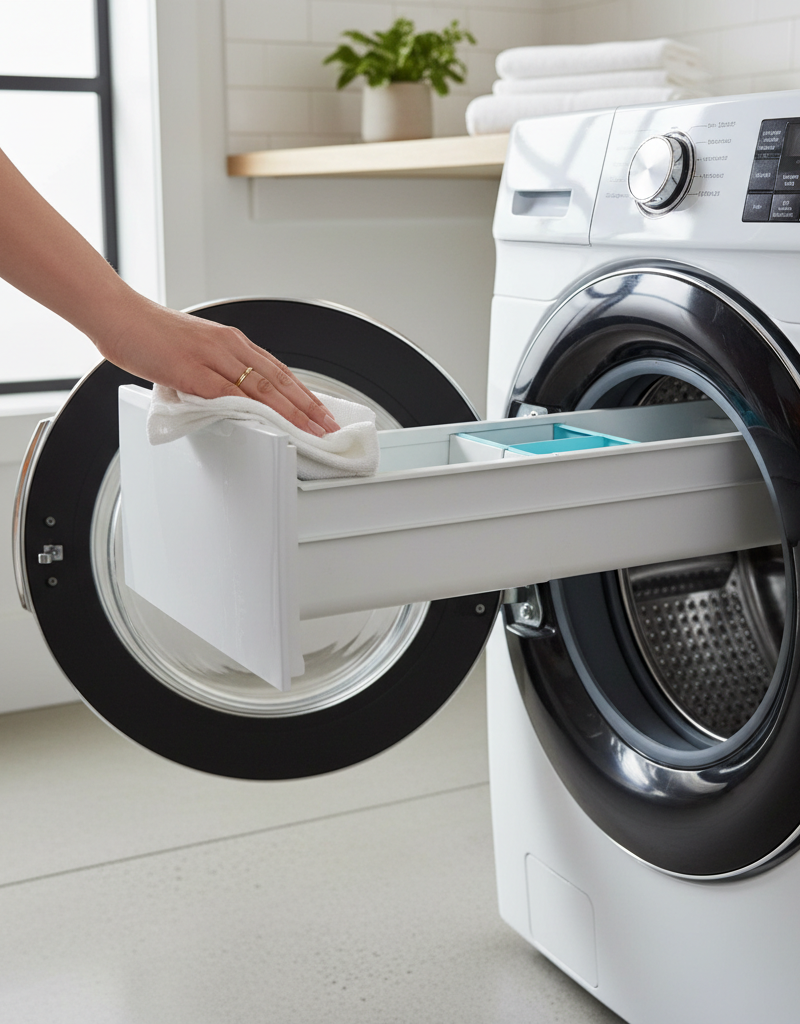
- Clean the Detergent Dispenser — Prevent clogs and mildew buildup
- Safety First: Unplug the washing machine from the power outlet before starting.
- For most top-loaders and some front-loaders, the dispenser drawer can be pulled out completely. If not, consult your owner's manual for removal instructions or how to access it for cleaning.
- Wipe down the inside of the dispenser housing in the machine with a damp cloth. For tough buildup, use a spray bottle with a 50/50 white vinegar and water solution.
- Dry all parts before reassembling. Perform this step monthly or every few weeks if you wash frequently.
General remodeling · Renovation planning
| Project category | General remodeling |
|---|---|
| Problem type | Renovation planning |
| Trade required | General contracting |
| Urgency | Planned project |
| Safety risk | Low safety risk |
| DIY suitability | Pro recommended |
| Cost category | Major investment |
| Typical timeline | Design and permitting often 2–4 months before work starts |
| Contractor type | General contractor |
Repair option
Phase the work and fix the building envelope first.
Replacement option
Full renovation with permits, design, and a general contractor.
Common causes
- Space no longer fits how the household lives
- Resale preparation
- Deferred maintenance stacking up
Relevant tools:project cost estimatorcompare quoteshome improvement material prices
Published June 26, 2026Last updated August 17, 2026
Tools & materials you'll need
Affiliate linksAs an Amazon Associate FixlyGuide earns from qualifying purchases — at no extra cost to you. Prices and availability are accurate as of publication and subject to change.
Quick Answer
Extend your washing machine's lifespan and avoid costly repairs by focusing on preventing the most common culprits of premature failure: detergent overuse, hard water mineral buildup, and neglected internal cleanliness. Regularly clean the detergent dispenser, washing machine drum, and lint/coin traps. Always use the manufacturer-recommended amount and type of detergent, and perform routine maintenance cycles with vinegar or a specialized washing machine cleaner. These simple steps can drastically reduce wear and tear, keeping your appliance running efficiently for years.
The Problem
Many homeowners treat their washing machine like a set-it-and-forget-it appliance, only thinking about it when a load doesn't come out clean or, worse, when it breaks down. The reality is, without routine care, your washing machine is quietly accumulating a deadly combination of detergent residue, mineral deposits from hard water, mold, and mildew. These aren't just cosmetic issues; they directly contribute to premature wear on critical components like pumps, hoses, seals, and even the motor. This insidious buildup acts as the number one 'washing machine killer,' slowly but surely degrading its performance, efficiency, and ultimately, its lifespan. Neglecting these seemingly minor maintenance tasks can knock years off your machine's life, leading to inconvenient breakdowns and expensive service calls or even premature replacement.
How It Works
Understanding how your washing machine operates illuminates why maintenance is so crucial. When you start a cycle, water enters the drum, mixes with detergent (often dispensed from a dedicated compartment), and then agitation (either through a central agitator or the drum's rotation in high-efficiency models) works to loosen dirt from clothes. The dirty water is then drained out, and a rinse cycle introduces fresh water to flush away remaining soap and soil. Finally, the spin cycle removes most of the water, preparing clothes for drying.
Detergent, while essential for cleaning, leaves behind residue, especially if overused or if you have hard water. Hard water contains high levels of minerals like calcium and magnesium, which react with soap to form 'soap scum' – a sticky, waxy substance that adheres to surfaces. Over time, this scum, along with undissolved detergent, lint, and even body oils, builds up in various hidden parts of the machine: the detergent dispenser, the drum's crevices, under the gasket of front-loaders, and in the drain pump filter.
This buildup creates several problems. First, it hinders the machine's cleaning ability and can transfer odors to your supposedly clean laundry. Second, mold and mildew thrive in the dark, damp environments created by this residue, leading to unpleasant smells and potential health concerns. Third, and most critically for longevity, these deposits can clog drain hoses and filters, strain the drain pump, and even abrade seals, leading to leaks. Mineral deposits can also coat heating elements (in machines that heat water) and sensors, reducing efficiency. The constant presence of moisture and residue accelerates the degradation of rubber seals and hoses, leading to cracks and leaks that can flood your laundry room. Regular maintenance targets these specific areas of accumulation, ensuring smooth operation and preventing the silent killer from taking hold.
Step-by-Step Fix
Here are the critical steps to maintain your washing machine and prevent premature failure:
-
Clean the Detergent Dispenser — Prevent clogs and mildew buildup
- Safety First: Unplug the washing machine from the power outlet before starting.
- For most top-loaders and some front-loaders, the dispenser drawer can be pulled out completely. If not, consult your owner's manual for removal instructions or how to access it for cleaning.
- Remove any trays or inserts from the dispenser. Rinse them thoroughly under warm running water to remove caked-on detergent and fabric softener residue. Use an old toothbrush or a small brush to scrub away stubborn grime and mildew, especially in corners and dispenser holes.
- Wipe down the inside of the dispenser housing in the machine with a damp cloth. For tough buildup, use a spray bottle with a 50/50 white vinegar and water solution.
- Dry all parts before reassembling. Perform this step monthly or every few weeks if you wash frequently.
-
Deep Clean the Washing Machine Drum — Eliminate odors, mold, and mineral deposits
- Safety First: Ensure the drum is empty of clothing.
- For front-loaders and top-loaders with a 'clean cycle': Add a specialized washing machine cleaner (like Affresh or a similar product) directly to the detergent dispenser or drum, following product instructions. Run the machine's dedicated 'clean cycle' or 'tub clean' cycle. This cycle uses hot water and specific agitation patterns to effectively flush the drum.
- For machines without a 'clean cycle': Add two cups of distilled white vinegar directly to the detergent dispenser or drum. Set the machine to the hottest water setting and the largest load size. Start a full wash cycle without any clothes. Allow the cycle to complete. For extra cleaning power, pause the cycle midway through the wash portion and let the vinegar water sit in the drum for an hour before resuming.
- After the vinegar cycle, run a second cycle with half a cup of baking soda added directly to the drum (not the dispenser) to help neutralize any lingering odors and scrub away residue. Again, use the hottest water setting and a full cycle.
- Perform this deep cleaning once every 1-3 months, depending on usage and water hardness.
-
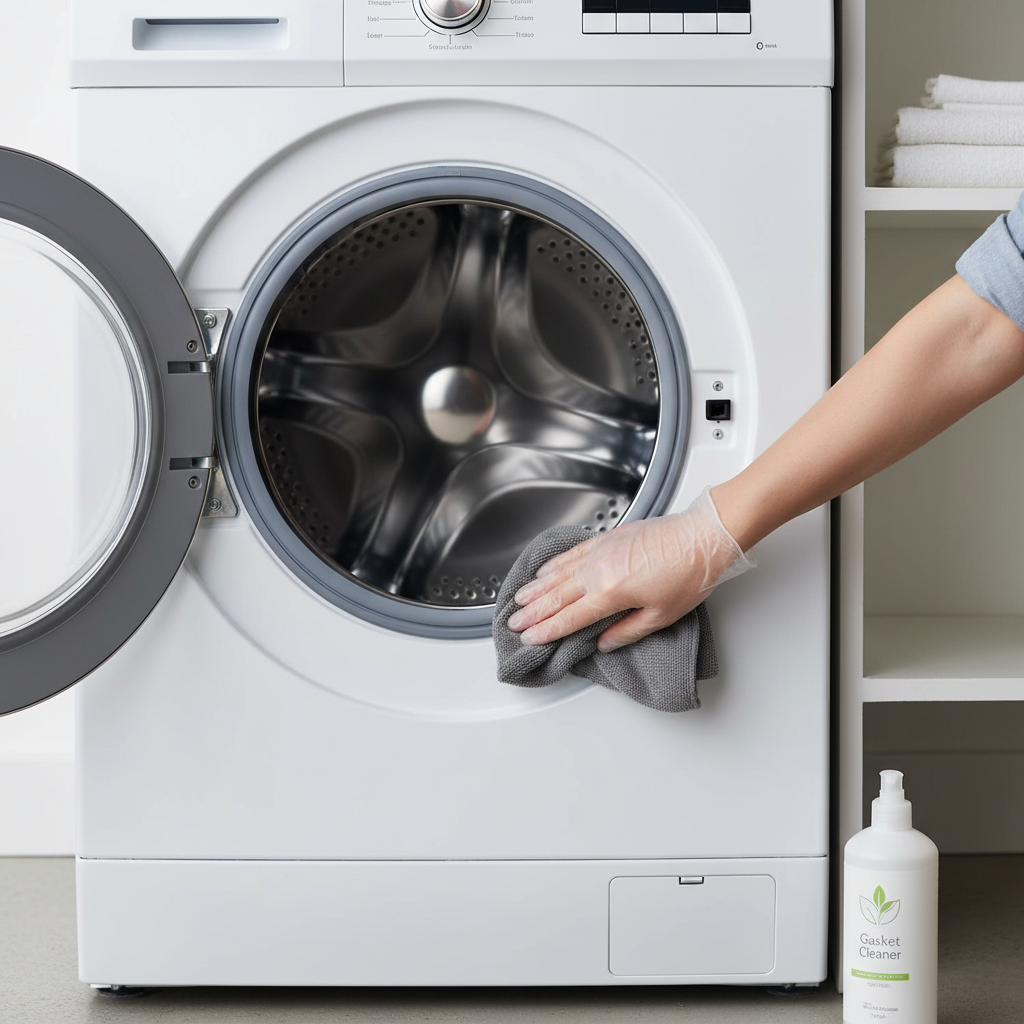
Inspect and Clean the Door Gasket/Boot (Front-Loaders) — Prevent mold, mildew, and leaks
- Safety First: Unplug the washing machine. Wear gloves if you prefer.
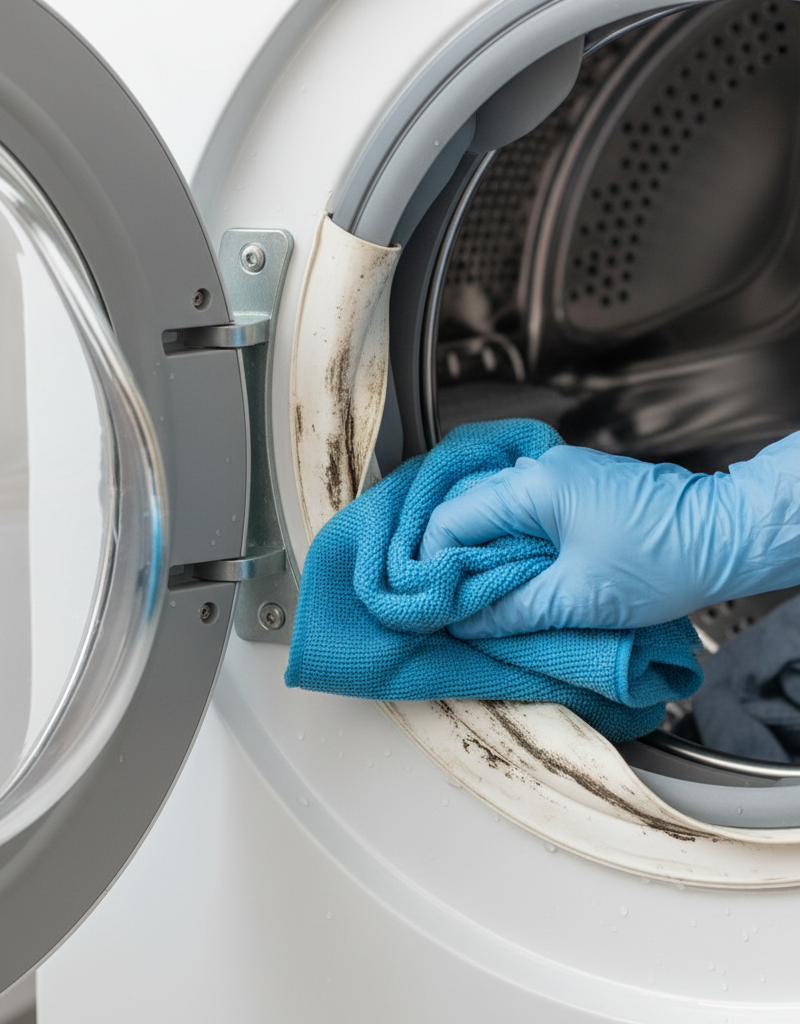
- Pull back the rubber gasket around the door opening. You'll likely find trapped lint, hair, small items, and a slimy buildup of mold and mildew.
- Wipe down the entire gasket, inside and out, with a cloth dampened with a solution of 50/50 white vinegar and water, or a mild bleach solution (1 part bleach to 10 parts water, but never mix bleach and vinegar). Pay close attention to the bottom folds where water tends to collect.
- Use an old toothbrush to scrub stubborn spots. Dry the gasket thoroughly with a clean cloth. Leaving the door ajar after each wash helps prevent future mold growth.
- Clean weekly or bi-weekly.
-
Clean the Drain Pump Filter/Coin Trap — Crucial for drainage and pump longevity
- Safety First: Unplug the washer and have towels and a shallow pan ready. Expect some water to drain out.
- Locate the filter. It's usually behind a small access panel at the bottom front of the machine. Consult your owner's manual if you can't find it.
- Place towels and the pan beneath the access panel. Slowly unscrew the filter cover or drain plug (some models have a small hose for draining first). Be prepared for water to gush out.
- Once the water has drained, remove the filter completely. Clean off any lint, coins, buttons, hair, or other debris that has collected. Rinse the filter under running water. Inspect the housing for any debris and wipe it clean.
- Carefully screw the filter back in until it's secure. Close the access panel.
- Clean this filter every 2-3 months to prevent drainage issues and protect the pump.
-
Check Hoses and Leveling — Prevent leaks and reduce wear
- Safety First: Unplug the washing machine. Turn off the water supply valves behind the machine.
- Carefully pull the machine away from the wall enough to inspect the back. Check both the hot and cold water inlet hoses for any signs of cracks, bulges, or leaks at the connections. If hoses are rubber and older than five years, consider replacing them with stainless steel braided hoses for added safety.
- Ensure all hose connections are hand-tight (do not overtighten).
- While the machine is accessible, gently rock it from corner to corner. If it wobbles, it's not level. Adjust the leveling feet (usually found at the bottom corners) by screwing them in or out until the machine is stable. A level machine reduces vibration, which can prolong the life of internal components.
- Reconnect hoses, turn on water, and plug in the machine. Check for leaks around connections.
- Perform this inspection every 6-12 months.
Common Causes
- Detergent Overuse: Using too much detergent is perhaps the most common mistake. Excess soap creates too many suds, which don't rinse away effectively. This leads to residue buildup inside the drum, dispenser, and drain system, promoting mold, mildew, and clogs. It also forces the machine to work harder, straining the motor and pump.
- Hard Water: High mineral content in water reacts with detergent, forming soap scum that adheres to internal components. This mineral buildup can clog spray jets, coat sensors, and accelerate the degradation of seals and hoses, leading to reduced efficiency and potential leaks.
- Neglected Filters and Traps: The drain pump filter (or coin trap) is designed to catch lint, coins, and other small items before they damage the pump. If this filter becomes clogged, it restricts drainage, overworks the pump, and can cause odors and poor cleaning performance.
- Leaving the Door Closed (Front-Loaders): Trapping moisture inside the drum and around the door gasket creates a perfect breeding ground for mold and mildew, leading to foul odors and deterioration of the rubber seal.
- Overloading the Machine: Consistently stuffing the washing machine beyond its capacity puts excessive strain on the motor, agitator/tubs, and suspension system, leading to premature wear and potential breakdowns.
- Ignoring Warning Signs: Strange noises, water pooling, clothes not getting clean, or persistent odors are all indicators that something is wrong. Ignoring these early warning signs allows minor issues to escalate into major, costly repairs.
Common Mistakes
- Using Too Much Detergent: This common mistake leads to residue buildup, odors, and inefficient rinsing. Always check the detergent instructions and your washer's manual for proper dosing, especially with concentrated HE detergents.
- Never Cleaning the Drain Pump Filter: Many homeowners don't even know this filter exists! Neglecting it leads to drainage problems, pump strain, and potential flooding. Make it a routine part of your maintenance.
- Leaving the Washer Door Closed (Front-Loaders): This traps moisture, promoting rampant mold and mildew growth around the gasket and inside the drum, causing foul smells and potentially damaging the gasket.
- Mixing Bleach and Vinegar for Cleaning: Never combine these two chemicals, as they create dangerous chlorine gas. Always use them separately and rinse thoroughly in between if using both.
- Ignoring the Machine's Levelness: An unlevel machine vibrates excessively, which not only causes annoying noise but also puts undue stress on internal components, accelerating wear and tear.
- Procrastinating on Small Issues: A minor leak or a strange sound can quickly escalate into a major repair if left unaddressed. Regular checks and prompt attention to small problems can save you significant time and money.
Cost & Time Breakdown
| Task | DIY cost | Pro cost | Time |
|---|---|---|---|
| Clean Detergent Dispenser | $0–$5 | N/A | 5–10 minutes |
| Deep Clean Drum (Vinegar/Baking Soda) | $2–$10 | N/A | 1–2 hours |
| Clean Door Gasket | $0–$5 | N/A | 10–15 minutes |
| Clean Drain Pump Filter | $0–$5 | N/A | 15–30 minutes |
| Inspect Hoses & Leveling | $0–$30 (for new hoses) | N/A | 15–30 minutes |
| Replace Inlet Hoses (if needed) | $20–$40 | $100–$200+ | 30 minutes |
Tips & Prevention
- Use HE Detergent for HE Machines: Always use high-efficiency (HE) detergent in HE washers. These produce fewer suds, which are critical for water-saving HE designs and prevent residue buildup.
- Measure Detergent Accurately: Read the detergent label and your washer's manual. Err on the side of using slightly less, especially if you have soft water or lightly soiled loads.
- Leave the Door Ajar: After every wash cycle, leave the washer door (and detergent dispenser drawer) open for a few hours or until the interior is completely dry. This is especially vital for front-loaders to prevent mold and mildew.
- Wipe Down after Each Wash: Quickly wipe down the inside of the drum and around the door gasket (front-loaders) after the last load of the day to remove residual moisture.
- Run a Hot Cycle Regularly: Even if you mostly wash in cold water, run an empty cycle with hot water and white vinegar or a machine cleaner periodically to sanitize the tub and flush out buildup.
- Check Pockets Before Washing: Coins, keys, and other small items are common culprits for clogging the drain pump filter and potentially damaging the drum or pump.
When to Call a Professional
While routine maintenance can prevent many issues, some problems warrant the expertise of a licensed appliance technician. If your washing machine is exhibiting significant water leaks that you can't identify or stop, if the machine isn't draining at all even after cleaning the pump filter, if you hear loud grinding or banging noises coming from the motor or transmission, or if the machine is failing to complete cycles consistently and the above steps haven't helped, it's time to call a pro. Attempting complex repairs on internal electrical components, sealed systems, or motor issues can be dangerous and costly, often requiring specialized tools and diagnostic knowledge. A professional can accurately diagnose the root cause and ensure repairs are done safely and correctly, preventing further damage to the appliance or your home. If a repair approaches or exceeds half the cost of a new machine, consider replacement.
Related Articles
Keep troubleshooting with these hand-picked guides from FixlyGuide:
- The #1 Washing Machine Killer (and 5 Ways to Stop It) — Extend your washing machine's life and prevent costly breakdowns with these essential maintenance tips, focusing on the most common cause o…
- The #1 Washing Machine Killer (It's Not Overloading!) — And How to Prevent It — Discover the surprising culprit behind premature washing machine failure and learn simple, actionable steps to extend its lifespan and keep…
- The 3 Washing Machine Mistakes That Cost You Hundreds (And How to Fix Them Forever) — Avoid costly repairs and premature replacement by learning three common washing machine mistakes and how to fix them for good.
- That Funky Smell in Your Washing Machine — Tired of your washing machine making your 'clean' clothes smell musty? We'll show you how often you should actually deep clean your washi…
- The 7 Critical Spring Home Maintenance Tasks Most Homeowners Forget — Prepare your home for warmer weather and prevent costly repairs with a comprehensive spring maintenance checklist that goes beyond surface-…
- The Secret Culprit Behind Your Leaking Washing Machine (and the $15 Fix) — Discover the often-overlooked cause of washing machine leaks from the bottom and how a simple, affordable fix can save you from costly repa…
Your seasonal maintenance checklist
The small jobs that prevent the expensive repairs. Tick them off — progress saves on this device.
Free, no signup. Skip anything that requires roof access or working near live electrical.
What should this project cost?
Enter your project details for a realistic cost range before you call anyone.
Cost depends heavily on which system turns out to be the source.
- Regional adjustment
- National average
- Labor share (typical)
- ~$1,620
- Quotes to collect
- 3 written estimates
Educational estimate based on national averages — not a binding quote. Always confirm with written local estimates.
Before you start
Check the difficulty, permits, and safety risk — then decide whether to call a pro.
- Is this a safe DIY job?Check permits, tools, and risk before you start the steps below.Open
- Estimate this projectGet a cost range for your scope and ZIP before you call anyone.Open
- Get local estimatesSend one request and compare written estimates from vetted pros.Open
Free, no signup required. Estimates are educational guidance, not a quote or an inspection.
Get the print-ready PDF of this guide
A clean, ad-free, printable version you can keep on your phone or pin to the workshop wall. Free with a FixlyGuide account.
- Print-optimized layout
- Tools, materials & every step included
- Saved to your account
Recommended for DIYers & woodworkers
Sponsored
The Top 20 Tools for Workshops of Any Budget
No stationary machines or power tools required — plus 3 fundamental tools that can't be bought at any price.
Get the free guide
Ted's Woodworking — The #1 Woodworking Resource
Detailed instructions, dimensioned drawings, materials & cutting lists, and 3D schematics for every skill level.
See the plansSponsored: links above are affiliate links. FixlyGuide may earn a commission on qualifying purchases — at no extra cost to you.
Frequently asked questions
How often should I clean my washing machine?+
You should deep clean your washing machine drum every 1-3 months, clean the detergent dispenser once a month, and clean the door gasket (for front-loaders) weekly or bi-weekly. The drain pump filter should be cleaned every 2-3 months.
Can I use bleach to clean my washing machine?+
Yes, you can use bleach to clean your washing machine, but never mix it with vinegar or other cleaners containing ammonia, as this creates dangerous chlorine gas. For mold and mildew on the door gasket, a diluted bleach solution (1 part bleach to 10 parts water) can be effective. For drum cleaning, many commercial washing machine cleaners contain bleach or similar sanitizers.
Why does my front-load washing machine smell bad?+
A common cause for bad smells in front-load washing machines is mold and mildew growth around the rubber door gasket and inside the drum. This occurs when moisture is trapped. To prevent this, always leave the door ajar after use, wipe down the gasket, and run regular hot water cleaning cycles with vinegar or a specialized cleaner.
How can I prevent mold in my washing machine?+
To prevent mold, always leave the washer door and detergent dispenser open after each use to allow moisture to evaporate. Regularly wipe down the door gasket and interior. Use the correct amount of HE detergent and perform monthly deep cleaning cycles with hot water and white vinegar or a commercial washing machine cleaner.
What happens if I use too much detergent?+
Using too much detergent can lead to excessive suds, which don't rinse away completely. This leaves behind a sticky residue inside the washer drum, hoses, and dispenser. This residue promotes mold and mildew growth, causes odors, can clog components, and makes your machine work harder, reducing its lifespan and cleaning effectiveness.
Discussion
Loading comments…