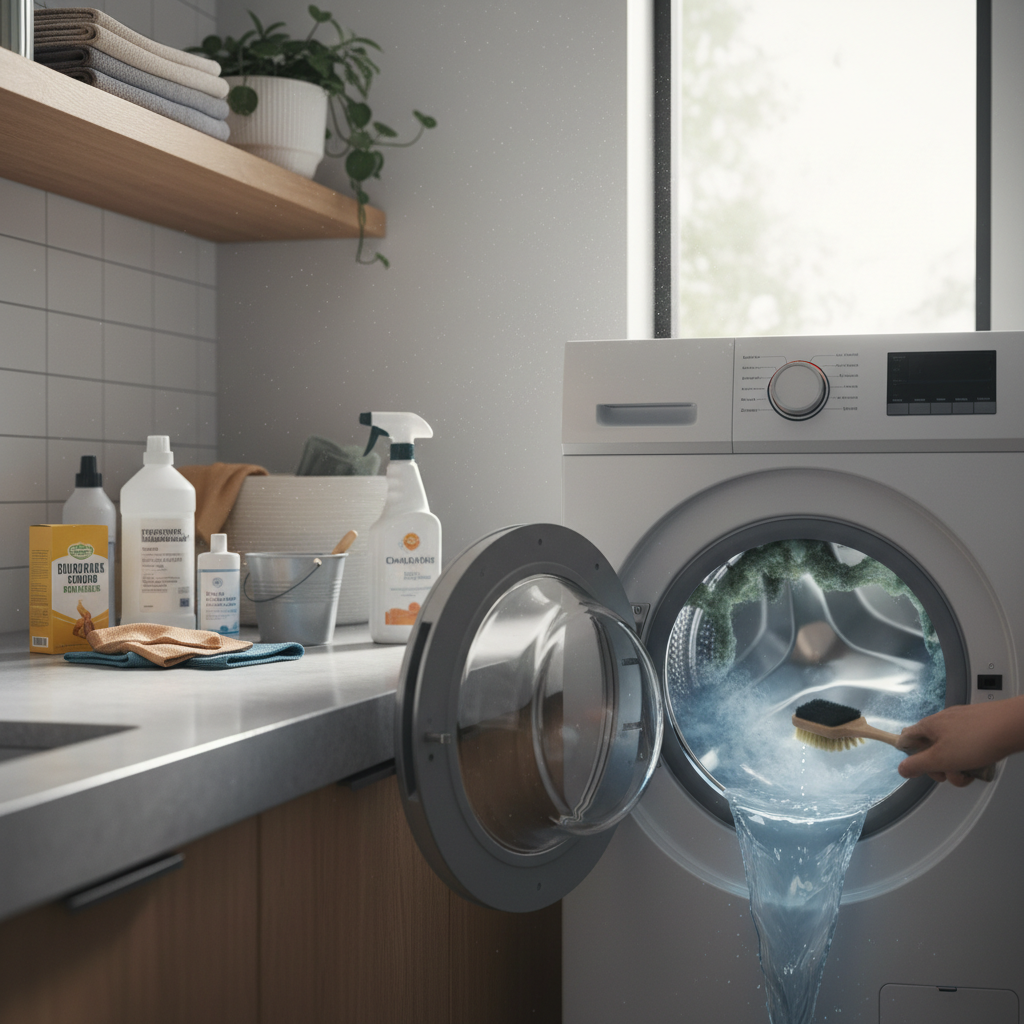
- Using Too Much Detergent: This is the 1 cause. Excess detergent doesn’t get rinsed away, creating a sticky film (biofilm) that traps dirt and bacteria and becomes a food source for mold.
- Using the Wrong Detergent: Modern HE machines require HE detergent, which is low-sudsing. Using regular detergent in an HE machine creates a massive amount of suds that the machine can't rinse out, leaving a thick residue.
- Exclusive Use of Cold Water: While great for energy savings, cold water doesn’t kill bacteria or effectively dissolve soap scum and body oils. This allows the organic buildup to accumulate much faster.
- Liquid Fabric Softener: These products work by coating fabrics with a waxy, oily residue. That same residue also coats the inside of your washer drum and hoses, creating a waterproof layer that traps moisture and feeds mildew.
- Closing the Door After Use: This is especially true for front-loaders. Shutting the door traps moisture and creates a dark, humid environment—the ideal breeding ground for mold and mildew on the door gasket and within the drum.
General remodeling · Renovation planning
| Project category | General remodeling |
|---|---|
| Problem type | Renovation planning |
| Trade required | General contracting |
| Urgency | Planned project |
| Safety risk | Low safety risk |
| DIY suitability | Pro recommended |
| Cost category | Major investment |
| Typical timeline | Design and permitting often 2–4 months before work starts |
| Contractor type | General contractor |
Repair option
Phase the work and fix the building envelope first.
Replacement option
Full renovation with permits, design, and a general contractor.
Common causes
- Space no longer fits how the household lives
- Resale preparation
- Deferred maintenance stacking up
Relevant tools:project cost estimatorcompare quoteshome improvement material prices
Published May 5, 2026Last updated August 17, 2026
Tools & materials you'll need
Affiliate linksAs an Amazon Associate FixlyGuide earns from qualifying purchases — at no extra cost to you. Prices and availability are accurate as of publication and subject to change.
'''
Quick Answer
You should deep clean your washing machine once a month to prevent the buildup of mold, mildew, soap scum, and bacteria that cause foul odors. For both front-load and top-load machines, a monthly cleaning cycle is the most effective way to keep smells at bay and ensure your laundry comes out fresh. This regular maintenance schedule breaks down the residue that laundry detergents and fabric softeners leave behind and eliminates the damp, dark environment where smelly microbes thrive.
The Problem
It’s one of the great, frustrating ironies of homeownership: the machine designed to do all the cleaning gets dirty and smelly itself. You expect to pull out a load of fresh, clean-smelling laundry, but instead, you're hit with a wave of musty, mildewy funk. The smell has clung to your clothes, and it’s even stronger inside the washer drum. You might even see visible signs—black or gray specks on the rubber seal of your front-loader or a slimy film in the detergent drawer.
This isn't just an unpleasant smell; it's a sign of a microbial party happening inside your washer. Bacteria, mold, and mildew have taken root, feeding on a buffet of leftover detergent, fabric softener residue, body oils, and trapped lint. Every time you run a load with cold water (which is most of the time for many households), you’re creating the perfect breeding ground. The machine gets the clothes wet but doesn't get hot enough to sanitize itself. Over time, this buildup—called a biofilm—becomes a persistent source of odor that not only makes your laundry stink but can also shorten the lifespan of your appliance by degrading seals and clogging components.
How It Works
To understand why your washer stinks, you need to understand the environment inside it. Modern high-efficiency (HE) washing machines, both top-load and front-load, are engineered to use significantly less water than their older counterparts. While this is great for your water bill, it means there’s less water to wash away dirt, soap, and residue, making them more susceptible to buildup.
Here’s the science of the stink: each load of laundry introduces body soil, hair, and lint. You then add detergent and perhaps fabric softener. When the cycle ends, not all of this gets flushed away. A thin, slimy layer of this organic and chemical soup—the biofilm—begins to coat the parts of the washer that you can’t see, like the outer tub and drain lines. Because the inside of a washer is dark and damp, it’s the perfect habitat for mold and mildew to grow.
Front-loading machines have a unique vulnerability: the rubber door gasket. This seal creates a watertight closure, but its folds are notorious for trapping water, lint, and debris. If you shut the door right after a cycle, that trapped moisture has nowhere to go, creating a paradise for mildew. Top-loaders aren't immune; they can develop biofilm on the agitator and in the hidden basin beneath the main drum. The common denominator is moisture and a food source (residue), which is why a monthly deep clean is essential to disrupt this cycle and keep your machine—and your clothes—smelling clean.
Step-by-Step Fix
Follow these steps to thoroughly deep clean your washing machine and eliminate the source of the odor. This process should be done monthly.
-
Prepare the Machine. Remove any laundry from the washer. Ensure the drum is completely empty before you begin the cleaning process.
-
Run a Cleaning Cycle. You have two main options for this. You can use a commercial washing machine cleaning tablet (like Affresh or Tide) or a DIY solution. For the DIY method, add 2 cups of distilled white vinegar directly into the washer drum. Do NOT mix vinegar and bleach. Run the washer on its longest, hottest, and largest load setting. The hot water and vinegar will work to dissolve soap scum, kill mold, and disinfect the interior.
-
Clean the Gasket (Front-Loaders). This is the most crucial step for front-load washer owners. After the first cycle, dip a microfiber cloth in a solution of equal parts water and white vinegar. Carefully pull back the rubber door seal and wipe down every fold and crevice. You will likely find a surprising amount of grime, hair, and possibly black mildew spots. For stubborn spots, use a soft-bristled brush.
-
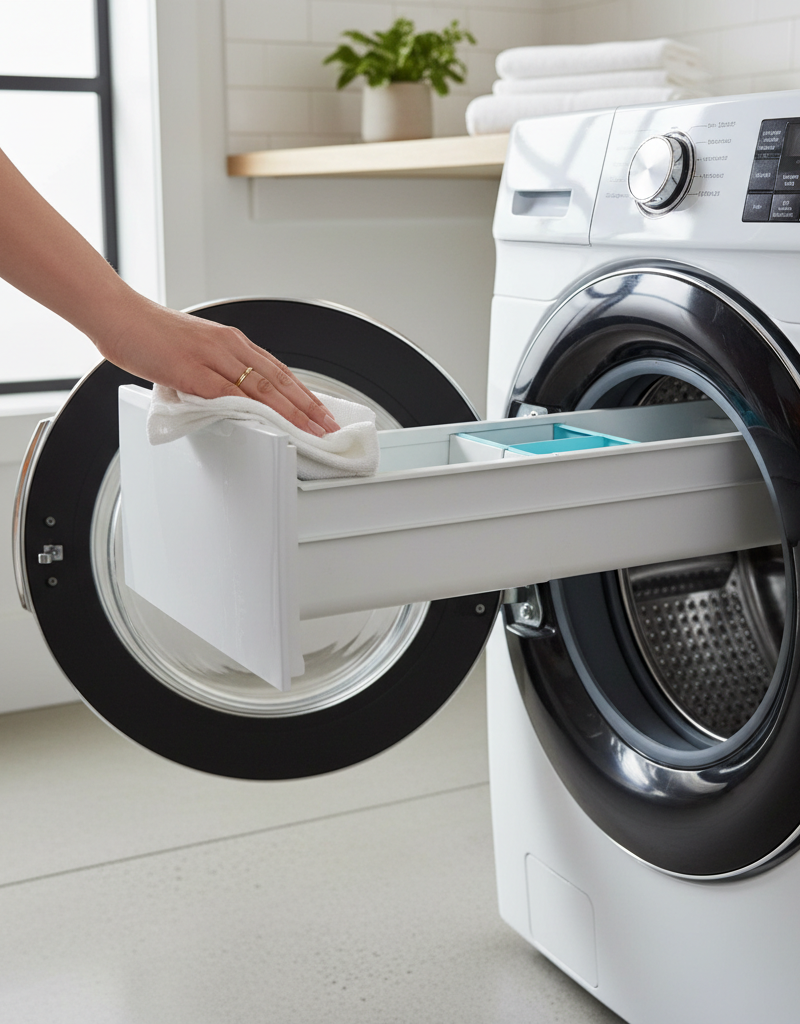
Clean the Dispenser Drawer(s). Remove the detergent, bleach, and fabric softener dispenser drawer. If you're not sure how, consult your owner's manual; most have a release tab. Soak the drawer in a sink of hot, soapy water for 30 minutes. Use a small brush (an old toothbrush works great) to scrub away all the caked-on, gunky residue. Rinse it thoroughly, dry it, and place it back in the washer.
-
Clean the Drain Pump Filter. This is a commonly missed step and a major source of odors. On most front-loaders, this is behind a small access door on the bottom-front of the machine. SAFETY NOTE: Place a shallow pan and a thick towel underneath it before opening, as it will release trapped water. Slowly twist the filter cap counter-clockwise to remove it. Be prepared for about a cup of smelly water. Pull out any lint, hair, coins, or other gunk you find. Rinse the filter under running water, wipe out the filter housing area, and screw the filter securely back in place.
-
Second Cleaning Cycle (Optional but Recommended). To neutralize the vinegar and further clean, sprinkle a half-cup of baking soda directly into the drum. Run another hot, long cycle. The baking soda will help scrub the interior and neutralize any lingering odors from the vinegar.
-
Scrub the Inner Drum. After the cycles are complete, inspect the inside of the drum. If you still see any residue, use your vinegar-water solution and a microfiber cloth to manually wipe it down. Pay attention to the areas around the paddles or agitator.
-
Wipe Down the Exterior. Use an all-purpose cleaner or your vinegar solution to wipe down the outside of the machine, including the door and the control panel.
-
Air It Out. Crucially, after all your hard work, leave the washing machine door slightly ajar. This allows air to circulate and the interior to dry out completely, preventing new mildew growth. If you have a front-loader, also wipe the inside of the door and the gasket dry with a cloth after each laundry day.
Common Causes
Understanding what causes the smell in the first place is key to preventing its return. The primary culprits are usually your laundry habits and routine.
- Using Too Much Detergent: This is the #1 cause. Excess detergent doesn’t get rinsed away, creating a sticky film (biofilm) that traps dirt and bacteria and becomes a food source for mold.
- Using the Wrong Detergent: Modern HE machines require HE detergent, which is low-sudsing. Using regular detergent in an HE machine creates a massive amount of suds that the machine can't rinse out, leaving a thick residue.
- Exclusive Use of Cold Water: While great for energy savings, cold water doesn’t kill bacteria or effectively dissolve soap scum and body oils. This allows the organic buildup to accumulate much faster.
- Liquid Fabric Softener: These products work by coating fabrics with a waxy, oily residue. That same residue also coats the inside of your washer drum and hoses, creating a waterproof layer that traps moisture and feeds mildew.
- Closing the Door After Use: This is especially true for front-loaders. Shutting the door traps moisture and creates a dark, humid environment—the ideal breeding ground for mold and mildew on the door gasket and within the drum.
- Leaving Wet Clothes in the Washer: Forgetting a load of wet laundry in the machine, even for just a few hours, is enough to start the mildew process. The smell can then transfer to the machine itself.
Common Mistakes
When trying to tackle washer odors, homeowners often make a few key mistakes that are ineffective or can even cause damage.
- Only Cleaning the Drum: Running a cleaning tablet and thinking the job is done. The real odor sources are often in the gasket, dispenser drawer, and drain pump filter, which all require manual cleaning.
- Using Straight Bleach: While bleach kills mildew, it can be harsh on rubber seals and gaskets, causing them to degrade and become brittle over time. A diluted vinegar solution is safer for monthly use. Always check your manufacturer's guide; some explicitly advise against using bleach.
- Ignoring the Dispenser Drawer: This is a hotbed for caked-on detergent and softener residue, which turns into a slimy, moldy mess. If it isn't removed and scrubbed, it will continue to contribute to the problem.
- Forgetting the Drain Pump Filter: Many owners don't even know this part exists. It's designed to catch foreign objects, but it also traps a disgusting amount of wet lint and hair that rots and creates a powerful, sewer-like smell.
- Mixing Cleaning Agents: Never mix bleach with vinegar. This combination creates toxic chlorine gas. Stick to one cleaning agent per cycle.
Cost & Time Breakdown
Cleaning your washing machine is an incredibly cost-effective DIY task. The main investment is time, most of which is passive while the machine runs its cycles. A professional diagnostic call for an odor issue would likely start at $150 and go up from there.
| Task | DIY Cost | Pro Cost (Diagnostic Call) | Time |
|---|---|---|---|
| Cleaning Supplies | $5 - $20 (Vinegar, Baking Soda, or Cleaning Tablets) | N/A | 5 minutes to purchase |
| First Cleaning Cycle | ~$1 in water/electricity | N/A | 1 - 2 hours (passive) |
| Manual Scrubbing | Included in supplies | N/A | 20-30 minutes |
| Filter & Drawer Cleaning | Included in supplies | N/A | 15-20 minutes |
| Second Rinse Cycle | <$1 in water/electricity | N/A | 1 hour (passive) |
| TOTAL | $5 - $22 | $150 - $300+ | Approx. 3 Hours (45 mins active) |
Tips & Prevention
Once your machine is sparkling clean, you need to adopt new habits to keep the stink from returning.
- Measure Your Detergent: Use the correct, recommended amount of HE detergent. More does not mean cleaner. For most loads, you only need about two tablespoons.
- Leave the Door Open: After every single use, leave the door of your front-loader ajar. For top-loaders, leave the lid open. This is the single most effective preventative measure.
- Wipe Down the Gasket: For front-loader users, make a habit of quickly wiping the rubber gasket and the inside of the glass door with a dry cloth after your last load of the day.
- Use Hot Water Weekly: Try to run at least one hot water cycle per week for items that can handle it, like white towels or cotton sheets. The heat helps sanitize the machine.
- Ditch the Fabric Softener: Consider switching to wool dryer balls to soften clothes in the dryer. If you must use a softener, white vinegar is a fantastic substitute—add a half-cup to the softener dispenser. It softens clothes, cuts residue, and is great for your machine.
- Clean the Filter Quarterly: Don't wait for it to get smelly. Mark your calendar to clean the drain pump filter every three months.
When to Call a Professional
While most washing machine smells are a DIY fix, there are times when you need to call an appliance repair professional. If you have followed all the deep cleaning steps meticulously and the musty or rotten smell persists, it could indicate a more serious problem. The odor might be coming from a partial clog deep within the machine's drain hose or even in the P-trap of the standpipe, which is beyond the reach of a simple cleaning.
Furthermore, if the smell is more of a burning or sharp electrical odor, stop using the machine immediately and call for service. This could signal a problem with the motor, belt, or control board. You should also call a professional if you notice water leaking, hear loud grinding or banging noises during a cycle, or see persistent error codes on the display. These are signs of mechanical failure, not a cleanliness issue. While a smell is usually just a smell, it's important to recognize when it might be a symptom of a larger, more hazardous problem.
SAFETY NOTE: This guide is for cleaning and maintenance. Any work involving diagnosing mechanical failures, replacing parts, or dealing with the machine's electrical or plumbing connections should be handled by a qualified appliance technician. '''
Related Articles
Keep troubleshooting with these hand-picked guides from FixlyGuide:
- That Musty Smell From Your Fan? It's Not Just Dust — A musty smell from your bathroom fan is a major red flag for hidden mold and mildew growth in the fan housing or ductwork, often caused by…
- The 3 Washing Machine Mistakes That Cost You Hundreds (And How to Fix Them Forever) — Avoid costly repairs and premature replacement by learning three common washing machine mistakes and how to fix them for good.
- Washing Machine Not Draining? Fix It in 5 Simple Steps — A washing machine that won’t drain leaves you with a tub full of soggy clothes. Often, this common problem has a simple DIY fix.
- Your Windows Are Crying? The Hidden Cause of Condensation — Window condensation isn't just a harmless annoyance; it's a clear signal that your home's indoor humidity is too high, potentially leading…
- The Secret Cause of Your Constantly Dying LED Bulbs (It's Not Overheating!) — Discover the surprising reasons why your LED bulbs might be failing prematurely, and how simple fixes can save you money and hassle.
- That Mildew Smell in Your Washer? Here's the Real Fix. — Tired of 'clean' laundry smelling musty? The problem isn't your detergent; it's trapped bacteria and mold inside your washing machine. We'l…
What should this project cost?
Enter your project details for a realistic cost range before you call anyone.
Cost depends heavily on which system turns out to be the source.
- Regional adjustment
- National average
- Labor share (typical)
- ~$1,620
- Quotes to collect
- 3 written estimates
Educational estimate based on national averages — not a binding quote. Always confirm with written local estimates.
Get the print-ready PDF of this guide
A clean, ad-free, printable version you can keep on your phone or pin to the workshop wall. Free with a FixlyGuide account.
- Print-optimized layout
- Tools, materials & every step included
- Saved to your account
Recommended for DIYers & woodworkers
Sponsored
The Top 20 Tools for Workshops of Any Budget
No stationary machines or power tools required — plus 3 fundamental tools that can't be bought at any price.
Get the free guide
Ted's Woodworking — The #1 Woodworking Resource
Detailed instructions, dimensioned drawings, materials & cutting lists, and 3D schematics for every skill level.
See the plansSponsored: links above are affiliate links. FixlyGuide may earn a commission on qualifying purchases — at no extra cost to you.
Frequently asked questions
Can I just use bleach to clean my washing machine?+
It's generally not recommended for regular use. Bleach can be harsh on the rubber gaskets and seals, causing them to degrade over time. White vinegar is a safer and effective alternative for monthly cleaning. Always check your appliance manual, as some manufacturers specifically advise against bleach.
Are front-loading washers smellier than top-loading ones?+
Front-loading washers are more prone to developing smells. Their watertight door seal is excellent at keeping water in during a cycle, but it also traps moisture in its folds after the cycle, creating a perfect breeding ground for mold and mildew if not wiped dry and left open to air out.
What is the white, chalky residue in my washer?+
That white, chalky buildup is most likely a combination of two things: un-dissolved detergent residue and mineral deposits from hard water (limescale). A thorough cleaning with vinegar will help dissolve this buildup.
How do I know if I'm using too much detergent?+
A good test is to take a 'clean' towel from a recent load, put it in a bowl of warm water, and see if the water turns cloudy or sudsy. If it does, you're using too much detergent. For most HE machines, you only need one or two tablespoons per load.
Discussion
Loading comments…