
- Water Damage: The number one culprit. Slow leaks from drain seals, faucet bases, or shutoff valves cause particleboard or MDF vanities to swell, blister, and fall apart.
- Outdated Aesthetics: A vanity often defines the style of a bathroom. An old, yellowed cultured marble top or dark, heavy wood cabinet can make the entire room feel dated.
- Material Failure: Laminate peeling, finish wearing off, integrated sink bowls developing hairline cracks (crazing), or hardware breaking.
- Incorrect Size: A previous owner may have installed a vanity that is too large for a small powder room or too small for a master bath, creating functional and aesthetic problems.
- Need for Better Storage: A simple cabinet doesn’t cut it anymore. Homeowners often upgrade to vanities with more drawers and smart storage solutions.
Bathroom · Bathroom remodel
| Project category | Bathroom |
|---|---|
| Problem type | Bathroom remodel |
| Trade required | General contracting |
| Urgency | Planned project |
| Safety risk | Low safety risk |
| DIY suitability | Pro recommended |
| Cost category | High cost |
| Typical timeline | Typically 2–4 weeks on site |
| Contractor type | Bathroom remodeler or licensed plumber |
Repair option
Refresh fixtures, grout, and vanity without moving plumbing.
Replacement option
Gut remodel when the pan leaks or the layout changes.
Common causes
- Dated finishes
- Failing tile or pan
- Accessibility needs
Relevant tools:project cost estimatorcompare quotes
Published May 5, 2026Last updated August 17, 2026
Tools & materials you'll need
Affiliate linksAs an Amazon Associate FixlyGuide earns from qualifying purchases — at no extra cost to you. Prices and availability are accurate as of publication and subject to change.
'''
Quick Answer
Yes, you can absolutely replace a bathroom vanity without a plumber, provided you are not moving the existing water supply or drain lines. The process involves turning off the water, disconnecting the P-trap and supply lines, removing the old unit, and installing the new one by reversing the process. Success hinges on choosing a new vanity that fits your existing plumbing rough-in and carefully reconnecting the new drain and faucet. The key is understanding how the simple compression fittings on the drain and supply lines work, allowing for easy disassembly and reassembly with basic hand tools. A typical replacement takes about 8-10 hours, making it a perfect weekend project for a handy homeowner.
The Problem
The existing bathroom vanity is often the most dated and worn-out fixture in the room. It might be a victim of the 1980s oak trend, or its particleboard construction is swelling and disintegrating from years of moisture exposure. The countertop could be stained, cracked, or a hideous shade of avocado green. Functionally, it might be too small, offering inadequate storage and counter space, or the integrated sink may have hairline cracks. Minor but persistent leaks from the faucet base or drain assembly can cause hidden water damage, leading to soft spots in the cabinet base or floor. For many homeowners, the desire to replace it is strong, but the perceived complexity of the plumbing—the mysterious maze of pipes underneath—is a major source of intimidation that stops a simple, high-impact upgrade in its tracks.
How It Works
Understanding the plumbing under your sink demystifies the entire process. It’s a surprisingly simple system composed of two parts: water supply and drain waste.
1. Water Supply: Hot and cold water are delivered to the faucet through two independent lines. Coming out of the wall (or sometimes the floor) are two small pipes capped with shutoff valves, also known as angle stops. These are your control gates. Turning their handles clockwise shuts off all water to the faucet, allowing you to work without flooding the house. From these valves, flexible supply lines (often braided steel for durability) run up to the threaded connections on the underside of the faucet. These use compression fittings, which create a watertight seal simply by tightening a nut.
2. Drain Waste Vent (DWV): This is the exit route for used water. It starts with the pop-up drain in the sink basin. This connects to a vertical pipe called the tailpiece. The tailpiece flows directly into the most recognizable component: the P-trap. This J-shaped pipe is a crucial, clever device. Its curve intentionally holds a small amount of water, creating a seal that blocks unpleasant (and potentially harmful) sewer gases from entering your bathroom. From the P-trap, a horizontal pipe called the trap arm runs into a sanitary tee fitting inside the wall. This connects it to your home’s main drain and vent system. The connections on the P-trap and tailpiece are almost always slip joint compression fittings—plastic or metal nuts that, when tightened, squeeze a tapered washer to create a seal. They are designed to be hand-tightened, with a final quarter-turn from a pair of channel-lock pliers, making them perfect for DIY replacement.
By learning to manage these three connection points—the two supply lines and the one P-trap—you have mastered all the "plumbing" necessary to replace a bathroom vanity.
Step-by-Step Fix
Safety First: Before you begin, clear the work area. If your vanity has built-in lighting or is near an outlet, consider turning off the corresponding breaker at your electrical panel as a precaution. Have towels ready for residual water.
1. Measure and Plan:
- The Crucial Step: Before you buy anything, measure your existing vanity’s width, depth, and height. More importantly, measure the "rough-in" plumbing locations. Note the height of the shutoff valves and the drain pipe center from the floor, and their distance from the center of the sink. Buy a new vanity with a similar or larger opening in the back to accommodate this layout without major modifications.
2. Shut Off Water & Clear Out:
- Stop the Flow: Reach under the sink and turn the handles of the hot and cold shutoff valves clockwise until they stop. Turn on the faucet to verify the water is off; the stream should trickle to a stop. Clear everything out of the old vanity cabinet and off the countertop.
3. Disconnect All Plumbing:
- Catch the Drips: Place a small bucket or pan directly under the P-trap. Using channel-lock pliers, loosen the two large slip nuts—one connecting the trap to the sink’s vertical tailpiece, and one connecting it to the trap arm going into the wall. A small amount of water will spill out. Once loose, unscrew them by hand and remove the P-trap.
- Disconnect Supplies: Use an adjustable wrench or basin wrench to disconnect the two flexible supply lines from the underside of the faucet. Then, disconnect the other end from the shutoff valves.
4. Remove the Old Vanity Top:
- Break the Seal: Most vanity tops are sealed to the wall with a bead of caulk. Use a utility knife to carefully score this line. Look inside the cabinet; some tops are also secured with small clips or adhesive. If you find clips, unscrew them.
- Pry with Care: Gently insert a stiff putty knife or small pry bar between the countertop and the cabinet base and lift. Work your way around. Have a helper ready to assist in lifting the top off. If you have a one-piece cultured marble top and vanity, it will be removed as a single unit.
5. Detach the Vanity Cabinet from the Wall:
- Find the Fasteners: Look along the top back rail inside the cabinet. You should find two to four screws driven through this rail into the wall studs. Use a drill/driver to remove them. The vanity should now be free.
- Pull it Out: Carefully pull the old cabinet away from the wall and remove it from the bathroom.
6. Prep the Area for the New Vanity:
- Clean and Inspect: This is your chance to deep clean the floor and wall that were hidden. Inspect for any signs of water damage or mold. If you find significant issues, you must address them before proceeding. Use a stud finder to re-confirm and mark the stud locations on the wall with a pencil.
7. Position and Level the New Cabinet:
- Dry Fit: Carefully move the new vanity cabinet into place. Check if it’s level both front-to-back and side-to-side using a 2-foot level. If it isn’t, use wood shims under the base to make it perfectly level. This is critical to ensure the doors hang straight and items don’t roll off the future countertop.
8. Secure the New Cabinet:
- Anchor it Down: Once level, use your drill to drive 2.5-inch or 3-inch cabinet screws through the top back rail of the vanity into the wall studs you marked earlier. Two screws into two separate studs is ideal. This prevents the vanity from ever tipping or shifting.
9. Install Faucet and Drain on the New Top:
- Work Smart: It is infinitely easier to install the faucet and the sink drain assembly onto the vanity top before the top is placed on the cabinet. Lay the top upside down on a soft surface like a towel or the cardboard box it came in.
- Follow Instructions: Carefully follow the manufacturer’s instructions for your specific faucet and drain. For the drain flange in the sink, use a snake of plumber's putty or the supplied rubber gasket to create a seal. Tighten the retaining nuts from below, but do not overtighten.
10. Set the New Vanity Top:
- Get Sticky: Apply a continuous bead of silicone adhesive along the top edge of the vanity cabinet.
- Place and Press: With a helper, carefully lower the new countertop (with faucet and drain now attached) onto the cabinet, aligning it so it has an equal overhang on each side. Press down firmly to ensure a good bond with the silicone.
11. Connect the New Plumbing:
- The Final Stretch: This is where it all comes together. Start by installing your new P-trap kit. You may need to trim the new sink tailpiece or the trap arm with a hacksaw to get the perfect fit—dry-fit everything first! Ensure the trap arm has a slight downward slope (about ¼ inch per foot) towards the wall drain. Hand-tighten all slip nuts, then give them one last quarter-turn with pliers. Do not crank on them.
- Hook up Water: Connect your new braided steel supply lines to the faucet and the shutoff valves. The fittings should be tightened firmly with a wrench, but again, avoid excessive force.
12. Test, Seal, and Celebrate:
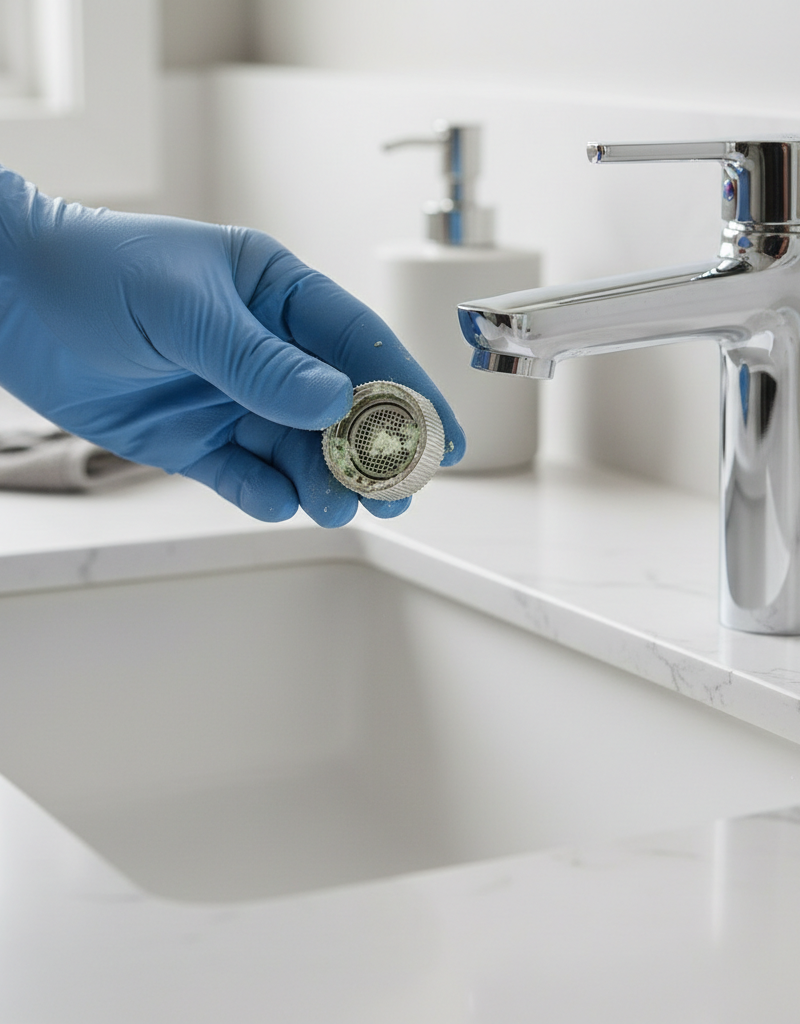
- The Moment of Truth: Remove the aerator from the tip of the faucet (to prevent clogs from debris). Place your bucket under the P-trap again. Slowly turn the shutoff valves counter-clockwise. Check for leaks at every connection point: both ends of both supply lines and all three P-trap nuts. Let the water run for a few minutes. If all is dry, you’ve succeeded. Reinstall the aerator.
- Finishing Touch: Apply a neat bead of bathroom-grade silicone caulk along the backsplash and where the sides of the top meet the wall. This prevents water from dripping down behind the vanity. Let it cure as directed. Your project is complete.
Common Causes for Replacement
- Water Damage: The number one culprit. Slow leaks from drain seals, faucet bases, or shutoff valves cause particleboard or MDF vanities to swell, blister, and fall apart.
- Outdated Aesthetics: A vanity often defines the style of a bathroom. An old, yellowed cultured marble top or dark, heavy wood cabinet can make the entire room feel dated.
- Material Failure: Laminate peeling, finish wearing off, integrated sink bowls developing hairline cracks (crazing), or hardware breaking.
- Incorrect Size: A previous owner may have installed a vanity that is too large for a small powder room or too small for a master bath, creating functional and aesthetic problems.
- Need for Better Storage: A simple cabinet doesn’t cut it anymore. Homeowners often upgrade to vanities with more drawers and smart storage solutions.
Common Mistakes
- Ignoring the Rough-In: Buying a beautiful new vanity only to find the drain pipe in the wall is 4 inches too high for the new sink and won’t fit without cutting the vanity’s internal shelf.
- Not Leveling the Cabinet: A slightly wobbly cabinet will cause vanity doors to hang crookedly and can stress the countertop, potentially leading to cracks over time.
- Overtightening Fittings: The most common DIY plumbing mistake. Cranking down on the plastic slip nuts of a P-trap will crack them. Overtightening supply line nuts will destroy the rubber seal inside, causing a leak.
- Forgetting Plumber's Putty/Sealant: Skipping the putty or gasket under the sink drain flange is a guaranteed recipe for a slow leak that will damage your new cabinet.
- Misaligning the P-Trap: Forcing the P-trap connections to align under stress will cause the seals to fail. The pipes should line up naturally before you tighten the nuts.
- Damaging Walls During Removal: Being too aggressive with a pry bar can gouge drywall or crack tiles, creating another repair project.
Cost & Time Breakdown
This breakdown assumes a direct replacement without moving plumbing or electrical.
| Task | DIY Cost | Pro Cost | Time (DIY) |
|---|---|---|---|
| New Vanity Cabinet & Top | $250 - $1,500+ | Same | 2-3 hours (shopping) |
| New Faucet & Drain Assembly | $75 - $400 | Same | - |
| Plumbing Supplies (P-trap kit, lines, caulk) | $30 - $50 | Included in Labor | 1 hour |
| Labor for Removal & Installation | $0 | $400 - $1,000+ | 8-10 hours |
| Total | $355 - $1,950+ | $755 - $2,950+ | 1-2 Days |
Tips & Prevention
- Photograph the "Before": Before you disconnect anything, take a few clear photos of the existing plumbing setup. It’s a great reference if you get confused later.
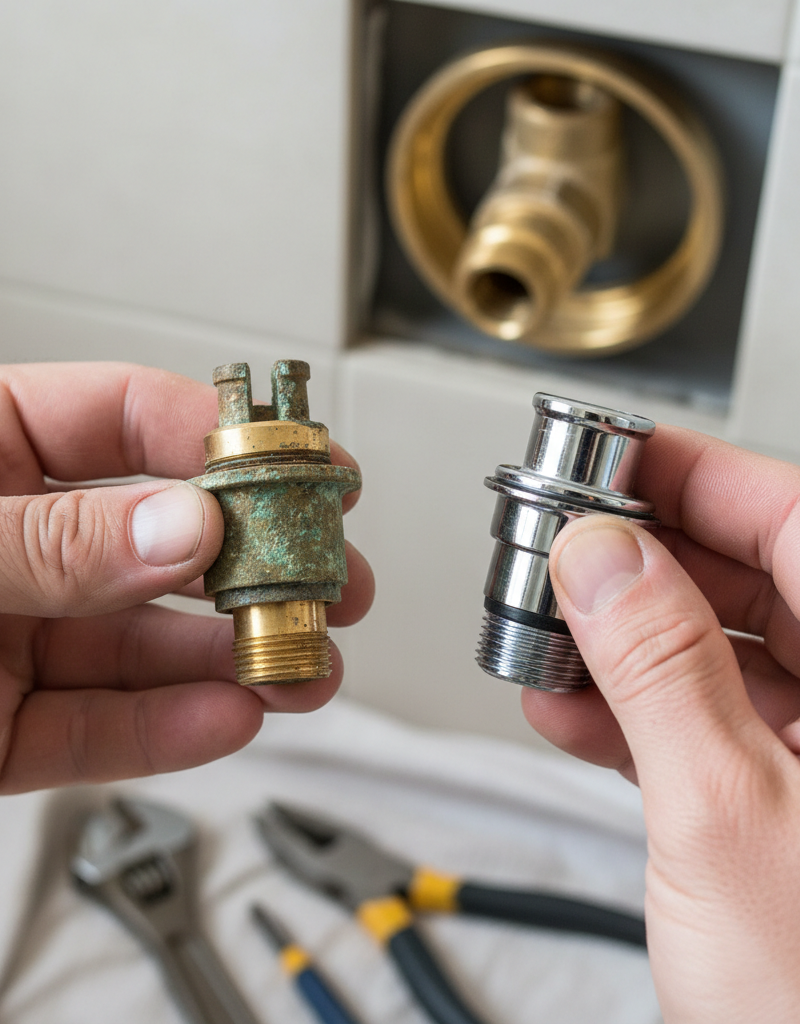
- Test Your Shutoffs First: Days before you start, test the shutoff valves. If they are frozen, drip when closed, or don’t stop the water flow completely, you must replace them. This is a more advanced job that may require a plumber.
- Always Buy New Supplies: Don’t try to reuse the old, brittle P-trap or the old supply lines. For $30, new supplies provide peace of mind and ensure leak-free connections.
- Unbox and Inspect Immediately: Open your new vanity and top as soon as you get it home. Check for shipping damage, scratches, or manufacturing defects. It’s better to find out now than after you’ve removed your old one.
- Dry-Fit Everything: Before applying any sealant or making final connections, assemble the drain parts loosely to ensure they fit. Cut pipes to length now, not when you have silicone on your hands.
- Use a Basin Wrench: For tightening the faucet nuts in the tight space behind the sink, a basin wrench is a specialized tool that makes the job much easier than standard pliers or wrenches.
When to Call a Professional
While a standard swap is a great DIY project, certain situations warrant a call to a licensed plumber. Don't risk a major flood or code violation to save a few hundred dollars.
Call a pro if:
- Your shutoff valves are not working. If they are seized, leaking, or won’t fully close, they need to be replaced. This typically requires shutting off water to the entire house and involves soldering or advanced compression fittings.
- You need to move supply or drain lines. If your new vanity’s design requires the plumbing in the wall to be relocated, this is no longer a simple swap. Cutting and re-routing pipes inside a wall is a job for a professional.
- You discover significant water damage. If, after removing the old vanity, you find a soft, rotted subfloor, moldy drywall, or damaged joists, a carpenter and/or mold remediation specialist should be called before the plumber can even begin.
- The existing drain lines are old galvanized or soldered copper. Modern PVC traps are easy to work with. If you have old metal pipes that are corroded or soldered together, a plumber will have the tools and experience to cut and adapt them to new materials correctly.
- The project involves significant electrical work, like moving an outlet to accommodate the new vanity design. In most areas, this work requires a licensed electrician. '''
Related Articles
Keep troubleshooting with these hand-picked guides from FixlyGuide:
- Swap Your Leaky Faucet This Weekend, No Plumber Needed — Ready to stop that annoying drip and give your kitchen an instant upgrade? This guide shows you how to replace a kitchen faucet yourself. W…
- That 'Wet Edge' Trick: Paint a Room in a Single Day — Tired of paint jobs that drag on all weekend? The secret to a flawless, fast finish isn't working harder—it's using the pro 'wet edge' syst…
- The 7 Mistakes That Ruin a Perfect Paint Job (and How to Fix Them) — Painting a room like a pro isn't just about technique—it's about avoiding common pitfalls that lead to streaks, drips, and uneven finishes.…
- Your Floating Shelves Failed? 3 Hidden Drywall Mistakes. — Learn how to safely and securely install floating shelves into drywall using the right anchors and tools, avoiding common mistakes.
- This Caulking Trick Stops Bathtub Mold & Cracks for Good — Tired of cracked, moldy caulk around your tub? Our guide reveals the pro secrets to a durable, waterproof seal. Learn the right material to…
- The One Trick to Silence a Humming Garbage Disposal (Without Calling a Plumber) — A humming garbage disposal is usually jammed. Learn how to quickly and safely clear the obstruction yourself with basic tools.
Repair or replace this system?
Plug in four numbers and see which choice holds up financially.
Free and instant. Educational guidance only — not a quote, inspection, or professional diagnosis.
Questions to ask before you sign
Ask every contractor the same questions and the cheapest bid stops looking cheapest. Check them off as you go — your progress is saved on this device.
Free, no signup. Bring this to every walkthrough so you compare bids on the same terms.
What should this project cost?
Enter your project details for a realistic cost range before you call anyone.
Common repairs run $150–$650; repipes and water-heater replacements reach $1,500–$4,500.
- Regional adjustment
- National average
- Labor share (typical)
- ~$754
- Quotes to collect
- 3 written estimates
Educational estimate based on national averages — not a binding quote. Always confirm with written local estimates.
Fixly Project Decision Box
- DIY difficulty
- Moderate
- Estimated time
- 30 minutes – half a day
- Cost level
- Moderate
Main tools / materials
- Adjustable wrench
- Plunger or drain auger
- Bucket and towels
- Thread tape
When to stop and call a pro
- Water you cannot shut off at the fixture or main
- Sewage backing up into more than one fixture
- Water near electrical panels or outlets
- Gas water heater work beyond relighting a pilot
Need professional help?
Get a Licensed PlumberRepair or replace?
Run the age, cost ratio, and repair history through the calculator before you commit.
- Estimate this projectGet a cost range for your scope and ZIP before you call anyone.Open
- Get local estimatesSend one request and compare written estimates from vetted pros.Open
Free, no signup required. Estimates are educational guidance, not a quote or an inspection.
Recommended for DIYers & woodworkers
Sponsored
The Top 20 Tools for Workshops of Any Budget
No stationary machines or power tools required — plus 3 fundamental tools that can't be bought at any price.
Get the free guide
Ted's Woodworking — The #1 Woodworking Resource
Detailed instructions, dimensioned drawings, materials & cutting lists, and 3D schematics for every skill level.
See the plansSponsored: links above are affiliate links. FixlyGuide may earn a commission on qualifying purchases — at no extra cost to you.
Frequently asked questions
Can I reuse my old faucet and drain?+
Yes, you can reuse the faucet if it is in good working condition and the hole configuration (single-hole, 4" centerset, or 8" widespread) matches the new vanity sink. However, it is highly recommended to use a new drain assembly and p-trap kit, as the old seals will be compressed and brittle, making a leak-free seal difficult.
What if my new vanity is a different size than the old one?+
This guide is for a similarly sized replacement. If your new vanity is smaller, you will need to patch and paint the wall and possibly patch the flooring. If it's larger, ensure it doesn't obstruct doorways or toilets. A different size may also expose the old flooring edge, which can be covered with quarter-round trim.
Do I need plumber’s putty or silicone for the drain?+
Always follow the drain manufacturer's instructions. Traditionally, plumber's putty was used to seal the drain flange to the sink basin. However, many modern drains come with high-quality foam or silicone gaskets that do not require putty. Using putty on a surface not designed for it can sometimes damage plastics or stone, so read the directions carefully.
My shutoff valves don't have handles, just a slot. How do I turn them off?+
Those are likely older-style multi-turn stops. You can use a flathead screwdriver to turn the slotted stem clockwise to shut it off. Be gentle, as they can be delicate. If you feel a lot of resistance or it starts to drip from the stem, it is best to call a plumber to have it replaced with a modern quarter-turn ball valve.

Discussion
Loading comments…