- Severe Weather: Thunderstorms, ice storms, heavy snow, high winds, and hurricanes are the leading causes of widespread power outages. Falling trees and branches can damage power lines and utility poles.
- Equipment Failure: Aging infrastructure, transformers failing, or lines breaking due to wear and tear are significant contributors, especially in older neighborhoods.
- Vehicle Accidents: Cars striking utility poles or other electrical equipment can cause localized but impactful outages.
- Dig-Ins: Unearthing underground electrical lines during construction or landscaping projects is a surprisingly common cause, often preventable with a simple call to 811 before digging.
- Overloaded Grid: During extreme heat or cold waves, high demand for heating or air conditioning can sometimes overwhelm the grid, leading to rolling blackouts or widespread failures.
HVAC · High energy usage
| Project category | HVAC |
|---|---|
| Problem type | High energy usage |
| Trade required | HVAC |
| Urgency | Planned project |
| Safety risk | Low safety risk |
| DIY suitability | DIY for experienced homeowners |
| Cost category | High cost |
| Typical timeline | Assessment within weeks; replacement planned off-season |
| Contractor type | Licensed HVAC technician |
Repair option
Duct sealing, insulation, and a tune-up before touching the equipment.
Replacement option
High-efficiency replacement sized by a load calculation, not a rule of thumb.
Common causes
- Aging, low-efficiency equipment
- Leaking ducts losing conditioned air
- Insufficient attic insulation
- Oversized system short-cycling
Relevant tools:project cost estimatorrepair or replace
Published May 13, 2026Last updated August 17, 2026
Tools & materials you'll need
Affiliate links- AmazonProfessional electrical tools (multimeter, wire strippers, conduit bender, torque wrench)For licensed professionals only
As an Amazon Associate FixlyGuide earns from qualifying purchases — at no extra cost to you. Prices and availability are accurate as of publication and subject to change.
Quick Answer
Whole-home battery systems offer a reliable solution to power outages, keeping your essential home appliances running when the main grid fails. These systems store electrical energy, either generated by solar panels or drawn from the utility grid, and then automatically switch to battery power the moment an outage is detected. This ensures continuous operation of critical circuits, providing peace of mind and preventing common outage-related inconveniences like food spoilage or loss of heating/cooling.
The Problem
Recent years have seen an increase in the frequency and duration of power outages across the United States, driven by aging infrastructure, severe weather events, and increasing demand on the electrical grid. For homeowners, a power outage is more than just an inconvenience; it can lead to significant problems. Refrigerators and freezers can lose hundreds of dollars worth of food. Sump pumps can fail, resulting in basement flooding. Medical equipment may cease to function, posing serious health risks. Even basic necessities like lighting, internet, and heating or air conditioning can become unavailable, making homes uncomfortable or even unsafe. Traditional generators offer a solution, but they come with their own drawbacks: noise, fuel requirements, maintenance, and exhaust fumes. What if there was a quieter, cleaner, and more integrated way to keep your home powered when the lights go out?
How It Works
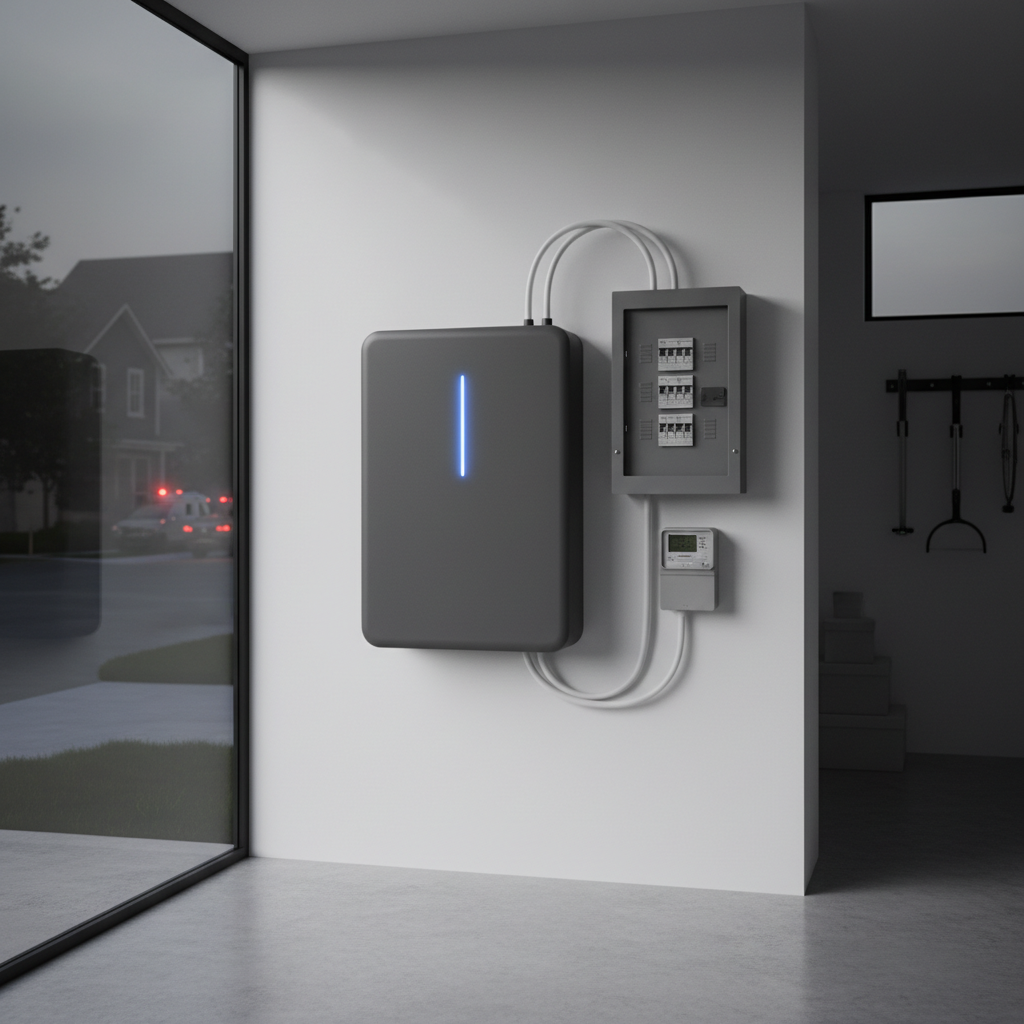
A whole-home battery system operates on a sophisticated principle of energy storage and management. At its core, the system consists of large-capacity lithium-ion batteries, similar to those found in electric vehicles, designed for long-term power delivery. These batteries are connected to an inverter, which is a crucial component that converts the direct current (DC) electricity stored in the batteries into alternating current (AC) electricity, the type used by most household appliances.
The system typically integrates with your home's electrical panel. During normal operation, when the grid is active, the batteries can be charged in a couple of ways. If you have solar panels, the excess energy generated during the day, beyond what your home consumes, can be routed to charge the battery bank. Alternatively, the batteries can charge directly from the utility grid during off-peak hours when electricity rates are lower, a strategy known as 'time-of-use' arbitrage.
When a power outage occurs, specialized transfer switches within the battery system immediately detect the loss of grid power. In milliseconds, these switches disconnect your home from the grid and seamlessly switch to drawing power from the battery bank. This transition is often so fast that sensitive electronics might not even register a flicker. The inverter then supplies AC power to pre-selected 'essential' circuits in your home – typically lights, refrigerator, a few outlets, and perhaps your furnace fan or a well pump. The system continuously monitors the battery's state of charge and the home's power demand, ensuring efficient power delivery until grid power is restored or the battery is depleted. Advanced systems also offer mobile app monitoring, allowing homeowners to see real-time power flow, battery level, and even prioritize loads remotely. This intelligent power management is what distinguishes modern whole-home battery systems from simpler backup solutions.
Step-by-Step Fix
Installing a whole-home battery system is a complex task that should always be handled by a qualified, licensed electrician. This is not a DIY project due to the high voltages, complex wiring, and safety considerations involved.
-
Understand Your Energy Needs – Determine what appliances truly matter during an outage.
- Before even considering a battery system, homeowners need to audit their critical loads. This means identifying which appliances must run during an outage. Common examples include refrigerators, a few lights, internet router, phone chargers, and possibly a well pump or furnace fan. For each item, note its wattage. Your electrician will use this to size the battery system correctly.
-
Consult with a Licensed Electrician – Seek professional assessment and design.
- Contact several licensed electricians specializing in home energy solutions or solar installations. They will assess your home's existing electrical panel, wiring, and overall energy consumption. They'll also discuss solar integration options if you have or plan to install solar panels. Avoid any installer who doesn't conduct a thorough on-site evaluation.
-
System Design and Quotation – Review proposed systems and costs.
- Based on your energy audit and home assessment, the electrician will design a system tailored to your needs. This includes battery capacity (measured in kilowatt-hours, kWh), inverter size, and necessary transfer switches. Get detailed quotes that itemize equipment, installation labor, permitting fees, and estimated completion time.
-
Permitting and Approvals – Ensure all local regulations are met.
- Your chosen installer will handle the necessary permits from your local municipality and utility company. This step is critical for safety and compliance. Installation without proper permits can lead to fines, insurance issues, and safety hazards.
-
Professional Installation – Allow skilled technicians to integrate the system.
- Once permits are approved, the installation team will mount the battery units (often in a basement, garage, or on an exterior wall), install the inverter and transfer switches, and connect the entire system to your home's main electrical panel. They will configure the system to prioritize essential circuits as planned.
- Safety Note: Never attempt to touch or modify any part of the installed system yourself. High voltages are present, even when the system appears to be off.
-
System Commissioning and Testing – Verify proper operation.
- After installation, the technicians will meticulously test the system to ensure all components are communicating correctly and the automatic transfer switch functions as expected during a simulated power outage. They will also guide you through the monitoring app and explain basic system operation and maintenance.
-
Ongoing Monitoring and Maintenance – Stay informed and keep your system healthy.
- Most modern battery systems come with a digital interface or mobile app for monitoring performance. Regularly check its status, especially battery charge levels. While largely maintenance-free, annual check-ups by a professional can ensure peak performance and longevity.
Common Causes
Power outages are far more common than most homeowners realize, and understanding their causes can help appreciate the value of a backup system:
- Severe Weather: Thunderstorms, ice storms, heavy snow, high winds, and hurricanes are the leading causes of widespread power outages. Falling trees and branches can damage power lines and utility poles.
- Equipment Failure: Aging infrastructure, transformers failing, or lines breaking due to wear and tear are significant contributors, especially in older neighborhoods.
- Vehicle Accidents: Cars striking utility poles or other electrical equipment can cause localized but impactful outages.
- Dig-Ins: Unearthing underground electrical lines during construction or landscaping projects is a surprisingly common cause, often preventable with a simple call to 811 before digging.
- Overloaded Grid: During extreme heat or cold waves, high demand for heating or air conditioning can sometimes overwhelm the grid, leading to rolling blackouts or widespread failures.
- Animal Interference: Squirrels, birds, and other wildlife can cause short circuits by coming into contact with transformers and power lines.
Common Mistakes
- Underestimating Power Needs: Many homeowners only consider large appliances and forget smaller, but crucial, items like internet routers, phone chargers, or medical devices. Instead, perform a thorough energy audit documenting all essential loads and their wattage.
- Ignoring Local Regulations: Attempting to install a whole-home battery without proper permits can lead to safety hazards, legal issues, voided warranties, and problems with your homeowners insurance. Always work with a licensed professional who will handle all permitting.
- Placing Batteries Indoors Without Proper Ventilation: While many modern batteries are safer, some still require specific ventilation or temperature controls. Improper placement can lead to overheating or reduced efficiency. Follow manufacturer guidelines and your installer's recommendations for placement.
- Not Understanding Warranty Terms: Battery systems are a significant investment. Not knowing what the warranty covers (e.g., cycle life, capacity degradation, labor) can lead to unexpected costs down the line. Read the warranty carefully and ask your installer to explain any ambiguities.
- DIY Installation of Critical Components: Attempting to wire a whole-home battery system yourself, especially into the main electrical panel, is extremely dangerous and can result in electrocution, fire, or damage to your home's electrical system. This is a job for licensed electricians only.
- Failing to Conduct Regular System Checks: While often automated, it's a mistake to
Related Articles
Keep troubleshooting with these hand-picked guides from FixlyGuide:
- The Secret Power Tool Hiding in Your Garage for a Speedier Clean — Unlock the hidden potential of your cordless drill to tackle stubborn household grime, soap scum, and dirt with specialized cleaning attach…
- The Single Cedar Board Secret to Attracting Bluebirds to Your Yard — Discover how to construct an ideal bluebird nesting box using just one cedar board, providing a safe and inviting habitat for these cherish…
- The Single Cedar Board Secret to Attracting Bluebirds to Your Yard — Discover how a single cedar board can transform your backyard into a haven for bluebirds, offering them a safe and welcoming nesting site.
- The 4 Critical Dimensions of a Bluebird House (Most DIY Plans Miss One) — Discover the precise measurements and often-overlooked design elements essential for building a bluebird house that truly attracts nesting…
- The Single Cedar Board Secret to Attracting Bluebirds This Spring — Discover how a single cedar board can be transformed into a welcoming home for bluebirds, enriching your yard with their vibrant presence a…
- The Secret Reason Your Oven Fails to Heat (It's NOT Always the Element) — Discover why your oven isn't reaching its set temperature, from common part failures to overlooked calibration issues, and how to fix it.
What should this project cost?
Enter your project details for a realistic cost range before you call anyone.
Service calls and common repairs run $150–$900; full system replacement typically $6,000–$12,000.
- Regional adjustment
- National average
- Labor share (typical)
- ~$1,935
- Quotes to collect
- 3 written estimates
Educational estimate based on national averages — not a binding quote. Always confirm with written local estimates.
Fixly Project Decision Box
- DIY difficulty
- Advanced
- Estimated time
- Homeowner checks 20–30 minutes
- Cost level
- Moderate
Main tools / materials
- Clean air filter
- Garden hose for condenser coils
- Shop vac for the condensate line
When to stop and call a pro
- Burning smell, smoke, or a tripping breaker
- Refrigerant lines iced over or hissing
- Any work inside the sealed refrigerant circuit (EPA-licensed only)
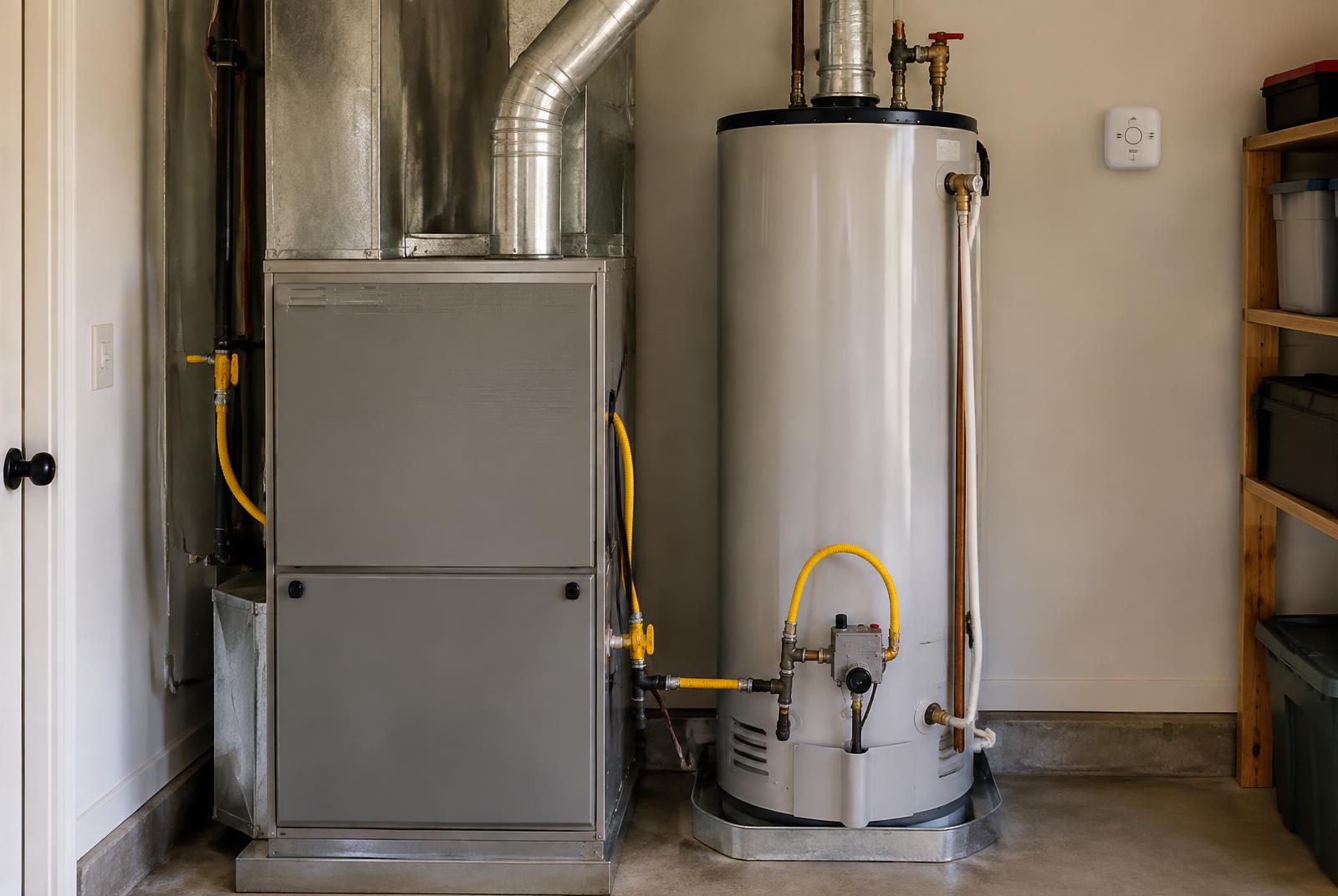
- Gas smell near a furnace — leave and call the utility
Need professional help?
Find an HVAC Pro Near YouGet the print-ready PDF of this guide
A clean, ad-free, printable version you can keep on your phone or pin to the workshop wall. Free with a FixlyGuide account.
- Print-optimized layout
- Tools, materials & every step included
- Saved to your account
This article was independently written by FixlyGuide based on the source topic.
Frequently asked questions
How long can a whole-home battery power my house?+
The duration depends on the battery's capacity and your home's power consumption during an outage. A typical system can power essential circuits for 12–48 hours, depending on usage. Your installer can help size the system to your specific needs.
Can a whole-home battery replace a generator?+
Yes, for many homeowners, a whole-home battery can be a superior alternative to a traditional generator. They are quieter, require no fuel, produce no emissions, and operate automatically and seamlessly during an outage.
Do I need solar panels for a whole-home battery?+
No, while whole-home battery systems integrate seamlessly with solar panels for optimal efficiency and charging, they can also be charged directly from the utility grid. This allows you to store energy when rates are low and use it during peak times or outages.
What is the lifespan of a whole-home battery?+
Most modern whole-home batteries are designed to last 10–15 years, often coming with warranties that guarantee a certain percentage of capacity retention over that period. Factors like usage patterns and environmental conditions can influence their longevity.
Are whole-home batteries safe?+
When professionally installed and maintained according to manufacturer guidelines, whole-home battery systems are very safe. They undergo rigorous testing and meet strict safety standards. Never attempt DIY installation due to the high voltages involved.


Discussion
Loading comments…