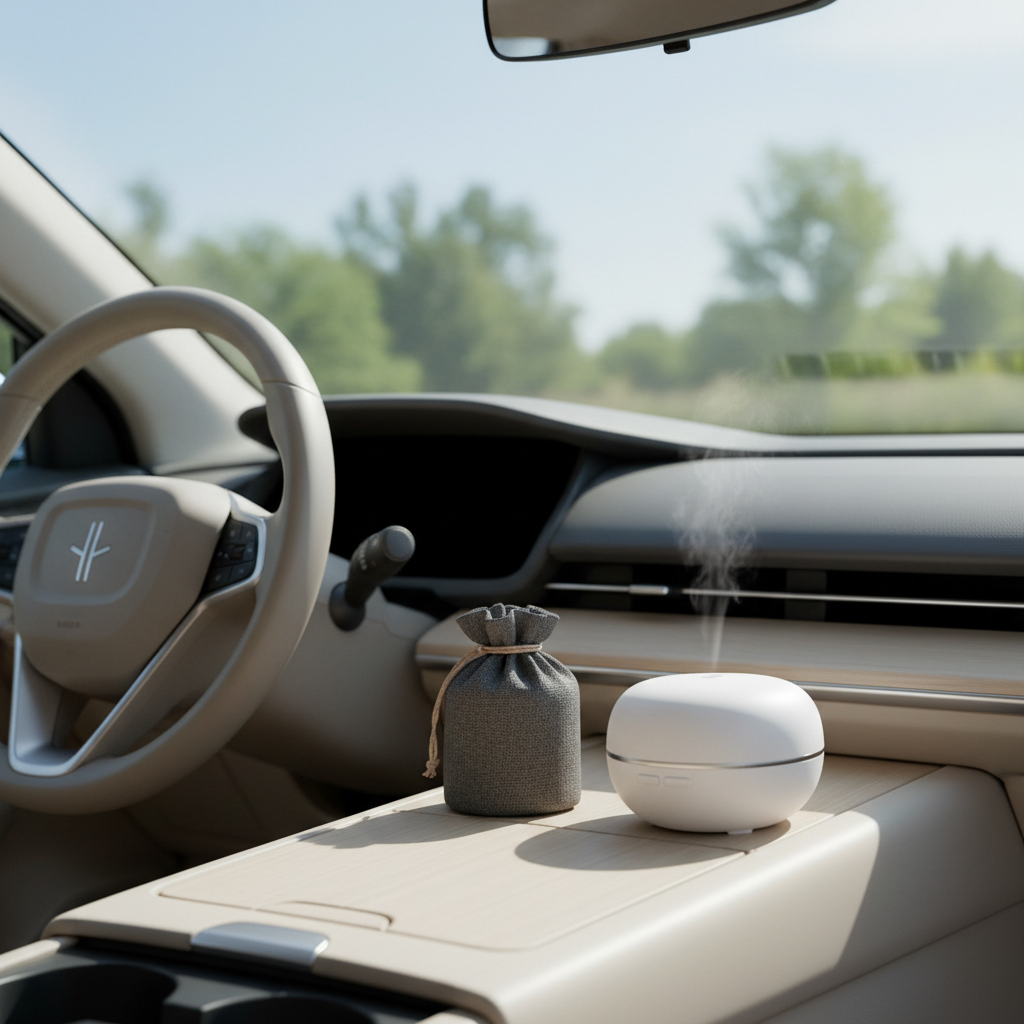
- Assess Your Current Air Freshener Use — Identify the culprits
- Before making changes, take note of all air freshening products currently in your car: hanging fresheners, vent clips, under-seat gels, or sprays. Removing these is the first crucial step.
- Safety Note: If you experience severe symptoms like extreme dizziness, shortness of breath, or persistent coughing when using a particular product, remove it immediately and air out your car thoroughly.
Published May 31, 2026Last updated August 17, 2026
Tools & materials you'll need
Affiliate linksAs an Amazon Associate FixlyGuide earns from qualifying purchases — at no extra cost to you. Prices and availability are accurate as of publication and subject to change.
Quick Answer
Many popular car air fresheners emit a cocktail of volatile organic compounds (VOCs) and phthalates, chemicals known to cause respiratory irritation, headaches, dizziness, and even more serious long-term health effects. The confined space of a car amplifies exposure, making these products particularly problematic. Switching to natural options like essential oil diffusers, activated charcoal bags, or simply improving ventilation can drastically improve your in-car air quality and minimize potential health risks.
The Problem
Imagine stepping into your car and being greeted by an overwhelmingly sweet "new car" scent or a powerful "pine forest" aroma. While these smells might seem pleasant, they often mask a hidden danger: the chemicals used to create them. Traditional car air fresheners, from hanging cardboard trees to vent clips and spray cans, are designed to continuously release fragrances into your vehicle's interior. However, these fragrances aren't just benign perfumes; they're frequently complex mixtures of synthetic compounds, many of which are known irritants or even hazardous to human health.
The problem isn't just a bad sniffle. For sensitive individuals, or even those exposed regularly, these chemicals can trigger a range of immediate symptoms, including headaches, nausea, dizziness, and eye, nose, and throat irritation. Over time, chronic exposure to certain VOCs, particularly in the enclosed environment of a car, has been linked to more serious health concerns such as exacerbated asthma, allergic reactions, and even potential impacts on development and endocrine function due to chemicals like phthalates. The smaller the car's interior, and the less frequently you air it out, the higher the concentration of these potentially harmful substances becomes, turning your daily commute into a low-grade chemical exposure chamber.
How It Works
To understand why car air fresheners pose a risk, it helps to know what they're made of and how they release scent. Most conventional air fresheners rely on a few key mechanisms:
-
Evaporation of Volatile Organic Compounds (VOCs): Many fragrances are formulated with VOCs, which are organic chemicals that have a high vapor pressure at room temperature. This allows them to easily evaporate and disperse into the air, carrying the scent. Common VOCs found in air fresheners include formaldehyde, acetaldehyde, benzene, toluene, and xylene. Formaldehyde, for instance, is a known carcinogen, while others can irritate mucous membranes or affect the central nervous system. The continuous evaporation ensures a constant release of scent (and chemicals) into the car cabin.
-
Phthalate Ester Release: Phthalates are a group of chemicals often used in air fresheners as "fragrance carriers" or plasticizers. They help make scents last longer and adhere to surfaces. Phthalates are not chemically bound to the product; instead, they are slowly released into the air over time. Once inhaled or absorbed through the skin, phthalates can mimic hormones, potentially disrupting the endocrine system, and have been linked to reproductive and developmental issues, particularly in vulnerable populations like children and pregnant women.
-
Aerosolized Sprays: Spray air fresheners, while providing an instant burst of fragrance, often contain propellants in addition to the VOCs and phthalates. These fine mists can be easily inhaled, delivering a concentrated dose of chemicals directly into the respiratory system. The particles can also settle on interior surfaces, only to be re-released into the air later.
In the enclosed space of a car, with limited air circulation unless windows are down, these released chemicals accumulate. The smaller the volume of air, the higher the concentration of these substances becomes. When you breathe in this chemically-laden air, your body absorbs these compounds. The effects can be immediate, such as irritation or headaches, or they can contribute to long-term health issues with sustained exposure.
Step-by-Step Fix
If you're experiencing symptoms or simply want to create a healthier environment in your car, here's how to ditch the chemical air fresheners and embrace safer, more natural alternatives.
-
Assess Your Current Air Freshener Use — Identify the culprits
- Before making changes, take note of all air freshening products currently in your car: hanging fresheners, vent clips, under-seat gels, or sprays. Removing these is the first crucial step.
- Safety Note: If you experience severe symptoms like extreme dizziness, shortness of breath, or persistent coughing when using a particular product, remove it immediately and air out your car thoroughly.
-
Thoroughly Air Out Your Vehicle — Ventilate to clear old chemicals
- Open all car doors and windows for at least 30 minutes, especially on a breezy day. Park in a safe, open area.
- Run the car's fan on high, with the fresh air intake (not recirculation) engaged, for another 10-15 minutes to help flush out lingering chemical residues from the ventilation system.
-
Deep Clean the Interior — Eliminate trapped odors and residues
- Vacuum all carpets, floor mats, and upholstery to remove accumulated dust, dirt, and any settled chemical residues from previous air fresheners. Pay attention to crevices.
- Wipe down all hard surfaces (dashboard, door panels, console) with a mild, unscented all-purpose cleaner and a microfiber cloth. Allow surfaces to dry completely.
- Consider cleaning fabric upholstery or carpets with a steam cleaner or an enzymatic odor remover if strong odors persist, but ensure any products used are unscented or naturally derived.
-
Introduce Activated Charcoal Bags — Natural odor absorption
- Place several small bags of activated charcoal (often bamboo charcoal) in your car. Position them under seats, in door pockets, or on the dashboard.
- Tip: Recharge charcoal bags by placing them in direct sunlight for a few hours every month or two. This releases trapped odors and refreshes their absorbing power.
- If this doesn't work: For very persistent odors like smoke, you may need a larger quantity of charcoal or professional detailing service that includes ozone treatment.
-
Use an Essential Oil Car Diffuser — Add natural fragrance safely
- Purchase a small, USB-powered or vent-clip essential oil diffuser designed for cars. Avoid putting pure essential oils directly on surfaces.
- Use 100% pure, therapeutic-grade essential oils. Options like lemon, peppermint, lavender, or tea tree oil can provide pleasant, natural scents and some even have air-purifying properties.
- Caution: Use essential oils sparingly. A few drops are usually sufficient. Essential oils are potent and can be irritating if used in excess. If you have pets that ride in the car regularly, research pet-safe essential oils or avoid diffusing while they are present.
-
Maintain Fresh Air & Ventilation — Ongoing prevention
- Regularly open your car windows when driving, even for short periods, to allow fresh air circulation.
- Ensure your cabin air filter is clean and replace it every 12–15,000 miles or as recommended by your vehicle manufacturer. A clogged filter can harbor odors and reduce fresh airflow.
- Keep your car tidy: promptly remove trash, food wrappers, and anything that can produce odors.
-
Consider Natural Scent Sources — Simple, safe options
- Place a small, open container of baking soda under a seat to passively absorb odors.
- Hang a sachet filled with dried herbs like lavender or cedar chips (ensure they are securely contained).
- A small, breathable bag of coffee beans can also absorb odors and provide a pleasant aroma.
Common Causes
- Volatile Organic Compounds (VOCs) in Fragrances: The primary culprit. Synthetic fragrances are complex mixtures, often containing dozens or even hundreds of different chemicals, many of which are VOCs like benzene, toluene, formaldehyde, and phthalates. These compounds easily off-gas into the air.
- Phthalate Esters: Used as carriers for fragrances and plastic softeners, these chemicals are not chemically bound and gradually leach into the air. They are endocrine disruptors and affect developmental health.
- Poor Ventilation in Enclosed Spaces: Cars are relatively small, sealed environments. Without proper airflow (e.g., windows closed, recirculation on), chemicals released from air fresheners quickly accumulate to higher, more problematic concentrations.
- Continuous Release Mechanisms: Products like hanging fresheners, vent clips, and gel cans are designed for continuous, slow release, meaning constant exposure to these chemicals over time.
- Lack of Regulation: The fragrance industry is largely self-regulated, and manufacturers are not required to disclose all ingredients, especially for "fragrance" components, making it difficult for consumers to identify potentially harmful chemicals.
- Masking vs. Eliminating Odors: Air fresheners don't remove odors; they simply overpower them with stronger scents. This means that underlying odor sources (e.g., spills, mold, stale smells) are still present, adding to the chemical cocktail in the air.
Common Mistakes
- Believing "Natural" Scent Means "Natural" Ingredients: Many products labeled "natural fragrance" or "infused with essential oils" still contain synthetic chemicals, VOCs, or phthalates. Always check ingredient lists for transparency; if one isn't available, assume it's not entirely natural.
- Overuse of Products: Thinking that more air fresheners will solve a smell problem. This only increases the concentration of chemicals. One strong air freshener is bad, but multiple products are worse.
- Ignoring Underlying Odors: Using air fresheners to cover up smells from spills, pet accidents, or mildew without actually cleaning the source. The combination of stale odors and synthetic chemicals creates an even more unhealthy environment.
- Relying on Recirculated Air: Running the car's HVAC system on "recirculate" for extended periods without introducing fresh air. This traps and concentrates indoor pollutants, including those from air fresheners.
- Not Airing Out the Car: Seldom opening windows or doors, especially after parking in the sun where heat can accelerate the release of VOCs from interior materials and air fresheners.
- Discounting Subtle Symptoms: Attributing mild headaches, fatigue, or sniffles during drives to general stress or allergies, when they might actually be a reaction to car air freshener chemicals.
Cost & Time Breakdown
| Task | DIY cost | Pro cost | Time |
|---|---|---|---|
| Remove old air fresheners | $0 | $0 | 5 minutes |
| Air out vehicle | $0 | $0 | 30–60 minutes |
| Deep clean interior | $10–$30 | $100–$250 | 1–2 hours |
| Purchase activated charcoal | $15–$30 | N/A | 5 minutes |
| Essential oil diffuser + oils | $20–$50 | N/A | 5 minutes |
| Replace cabin air filter | $15–$40 | $60–$100 (part+labor) | 15–30 minutes |
Tips & Prevention
- Prioritize Cleaning: The best way to eliminate bad odors and reduce the need for air fresheners is to keep your car's interior clean. Regularly vacuum, wipe down surfaces, and immediately clean up spills.
- Regular Ventilation: Get into the habit of opening your car windows frequently, even for just a few minutes, to flush out stale air and chemical buildup. Use fresh air mode on your HVAC whenever possible.
- Replace Cabin Air Filter: Ensure your car's cabin air filter is replaced according to your owner's manual recommendations (typically every 12,000 to 15,000 miles, or annually). A clean filter improves air quality and prevents musty odors from the HVAC system.
- DIY Scent Alternatives: Beyond essential oils and charcoal, consider placing a small bowl of white vinegar (it absorbs odors, scent dissipates quickly), a few cloves, or cotton balls with a few drops of real vanilla extract in strategic, out-of-the-way spots.
- Avoid Smoking in the Car: Smoke permeates upholstery and surfaces, creating stubborn odors that are difficult to remove and often lead to an overuse of air fresheners.
- Monitor Symptoms: Pay attention to how you and your passengers feel in the car. If headaches, nausea, or respiratory irritation are common, it's a strong sign your air quality needs improvement.
When to Call a Professional
While eliminating problematic air fresheners and implementing natural solutions solves most issues, there are times when professional help is warranted. If, despite thorough cleaning and using natural odor absorbers, you still detect persistent, strong, or unusual odors (e.g., a musty, mildew smell that indicates a water leak, a burning smell that suggests an electrical issue, or a sweet, syrupy smell hinting at a coolant leak), it's time to consult a professional. These odors can point to underlying mechanical problems that require expert diagnosis and repair, not just masking. A professional detailer can also provide deep interior cleaning, including upholstery extraction and ozone treatments, to neutralize ingrained odors from smoke or spills that DIY methods can
Related Articles
Keep troubleshooting with these hand-picked guides from FixlyGuide:
- The 7 Critical Household Filters You're Forgetting (And What They Cost You) — Neglected household filters are quietly costing you money, diminishing air quality, and paving the way for expensive repairs. Discover the…
- 7 Hidden Equity Drains Costing You Thousands Annually — Your home is an asset, but silent problems like minor leaks, poor insulation, and deferred maintenance can drain its value. Discover the se…
- The 3 Hidden Ways Your — Uncover the surprising habits and hidden household issues that are silently increasing your homeownership costs and learn how to fix them.
- The 12 Checks That Prevent 80% of Costly Home Repairs — Don't wait for a disaster. Our comprehensive monthly home maintenance checklist reveals the surprising, simple tasks that catch small issue…
- The Hidden Culprit Behind Your AC Not Cooling (and How to Find It) — If your central AC isn't cooling your home, the issue often stems from a surprisingly simple problem that's easy to overlook. Learn how to…
- The 7 Critical Home Inspection Checks Most Homeowners Miss (And How to Spot Them) — Discover the crucial annual home inspection checks often overlooked by homeowners, and learn how to identify potential issues before they b…
Questions to ask before you sign
Ask every contractor the same questions and the cheapest bid stops looking cheapest. Check them off as you go — your progress is saved on this device.
Free, no signup. Bring this to every walkthrough so you compare bids on the same terms.
What should this project cost?
Enter your project details for a realistic cost range before you call anyone.
Cost depends heavily on which system turns out to be the source.
- Regional adjustment
- National average
- Labor share (typical)
- ~$1,620
- Quotes to collect
- 3 written estimates
Educational estimate based on national averages — not a binding quote. Always confirm with written local estimates.
Check these numbers against your project
National averages are a starting point. These tools narrow it to your scope and ZIP.
- Estimate this projectGet a cost range for your scope and ZIP before you call anyone.Open
- Get local estimatesSend one request and compare written estimates from vetted pros.Open
Free, no signup required. Estimates are educational guidance, not a quote or an inspection.
Get the print-ready PDF of this guide
A clean, ad-free, printable version you can keep on your phone or pin to the workshop wall. Free with a FixlyGuide account.
- Print-optimized layout
- Tools, materials & every step included
- Saved to your account
This article was independently written by FixlyGuide based on the source topic.
Frequently asked questions
Are car air fresheners really bad for you?+
Yes, many car air fresheners contain volatile organic compounds (VOCs) and phthalates, which can cause immediate symptoms like headaches and respiratory irritation, and potentially more serious long-term health issues with prolonged exposure due to the enclosed environment of a car.
What are the common symptoms of car air freshener exposure?+
Common symptoms include headaches, dizziness, nausea, eye irritation, sore throat, coughing, and respiratory difficulties. For individuals with asthma or allergies, these symptoms can be significantly worse.
What can I use instead of a chemical car air freshener?+
Safer alternatives include activated charcoal bags for odor absorption, car diffusers with pure essential oils, baking soda, dried herbs, or simply regular ventilation by opening windows. Prioritize deep cleaning your car to eliminate odor sources.
How do I get rid of the chemical smell in my car?+
Start by removing all existing air fresheners. Then, thoroughly air out your car with windows down, deeply clean the interior (vacuum, wipe surfaces), and place activated charcoal bags to absorb residual chemicals and odors. Regularly replace your cabin air filter.


Discussion
Loading comments…