- Purchase a new filter with the correct dimensions and an appropriate MERV rating for your system (typically MERV 8-11 for residential).
- Slide the new filter into place, ensuring the airflow arrow on the filter points in the direction of the airflow, usually towards the furnace/air handler.
- Inspect monthly and replace every 1–3 months, depending on pet ownership and allergies.
Published May 19, 2026Last updated August 17, 2026
Tools & materials you'll need
Affiliate linksAs an Amazon Associate FixlyGuide earns from qualifying purchases — at no extra cost to you. Prices and availability are accurate as of publication and subject to change.
Quick Answer
Neglecting the various filters throughout your home is a silent drain on your wallet and a hidden threat to your home's efficiency and air quality. From your HVAC system to your refrigerator and washing machine, unkempt filters can hike up energy bills, reduce appliance lifespan, and even compromise your family's health. Identifying and routinely maintaining these critical filters is one of the easiest, most impactful home maintenance tasks you can undertake, potentially saving you hundreds of dollars in energy and repair costs each year.
The Problem
Imagine trying to breathe through a thick, dirty blanket, or running a marathon with clogged lungs. That's essentially what your home's systems are doing when their filters are neglected. An overflowing HVAC filter forces your furnace or AC to work overtime, consuming more electricity and shortening its lifespan. A blocked dryer lint trap isn't just a fire hazard; it drastically increases drying time and energy consumption. Clogged water filters can lead to off-tasting water and even damage to appliances like ice makers. Yet, many homeowners are unaware of the full array of filters in their homes or the critical role they play, leading to diminished performance, higher utility bills, and avoidable repair expenses.
How It Works
Filters operate on a simple but powerful principle: they serve as a barrier, allowing a desired substance (like air or water) to pass through while trapping unwanted particles. This separation is crucial for both the efficiency of the system and the quality of the output. In an HVAC system, for example, the furnace filter uses a woven mesh of fibers to capture dust, pollen, pet dander, and other airborne particulates before they circulate into your living space or, critically, accumulate on the furnace's heat exchanger or air conditioner's evaporator coils. When these coils are insulated by a layer of grime, their ability to transfer heat is severely impaired, forcing the compressor and fan to run longer and harder. Each filter has a 'Minimum Efficiency Reporting Value' (MERV) rating, ranging from 1 to 20, indicating its effectiveness at capturing smaller particles. A higher MERV rating means better filtration but can also restrict airflow if not paired with a powerful enough system, requiring more frequent changes.
Similarly, a refrigerator's water filter, typically made of activated carbon, works by adsorption—trapping impurities, chlorine, and sediment in its porous structure as water flows through, improving taste and reducing odors. The dryer's lint screen, usually a fine mesh, physically blocks fibers shed from clothes, preventing them from entering the exhaust duct where they pose a serious fire risk and restrict airflow, making the dryer less efficient. Water heater sediment filters, often simple mesh or cartridge types, prevent mineral buildup from settling at the bottom of the tank, which can reduce heating efficiency and corrode the tank over time. Dishwashers and washing machines often have small filters or traps designed to catch food debris or lint, preventing them from recirculating and redepositing on dishes or clothes, or from clogging drain pumps.
Step-by-Step Fix
-
Locate All Key Filters — Take a comprehensive tour of your home to identify every filter. Start with the obvious: HVAC intake vents, refrigerator water/ice dispenser, dryer lint trap. Then, look for less obvious ones: washing machine pump filter (usually a small access panel near the bottom), dishwasher filter (in the basin), water heater sediment filter (often an inline filter on the cold water supply), range hood grease filters, and even vacuum cleaner HEPA filters.
- Safety Note: Always unplug appliances before accessing internal components or filters, especially washing machines and refrigerators.
-
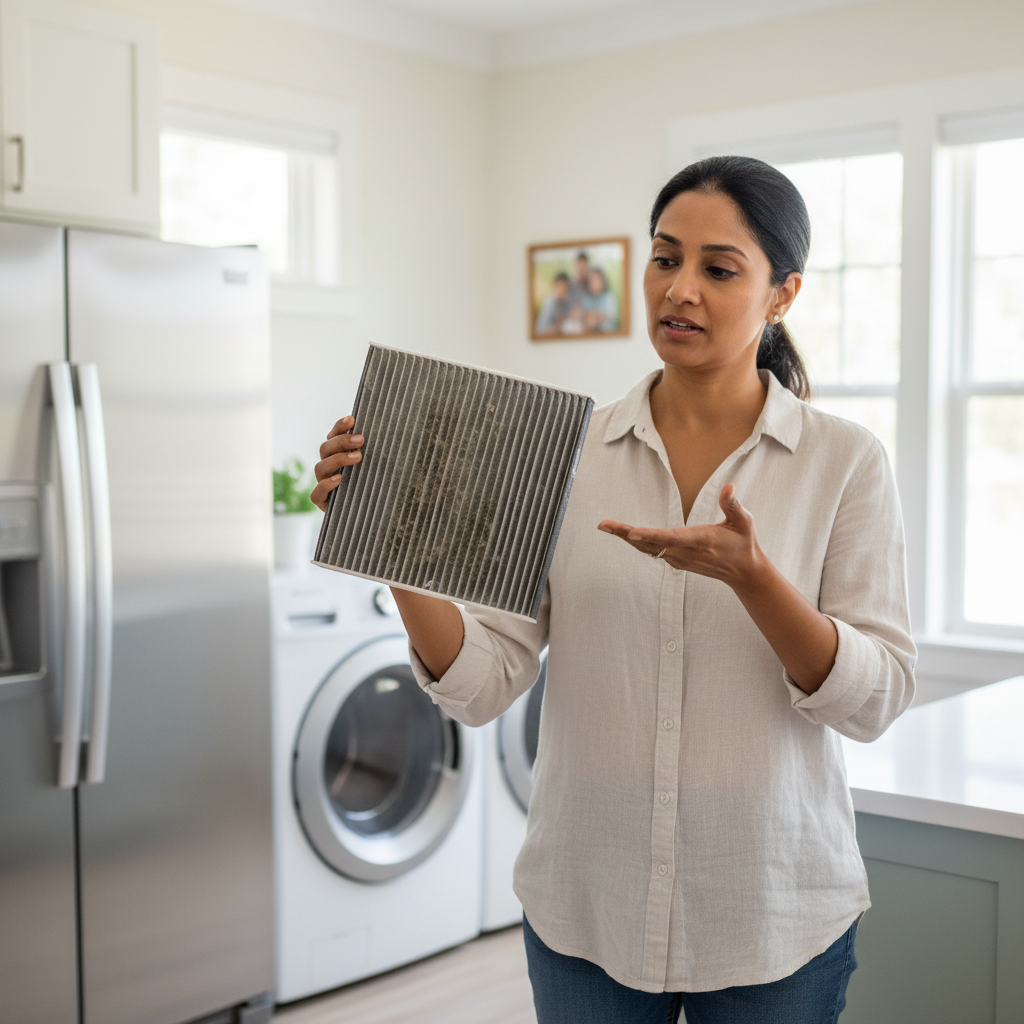
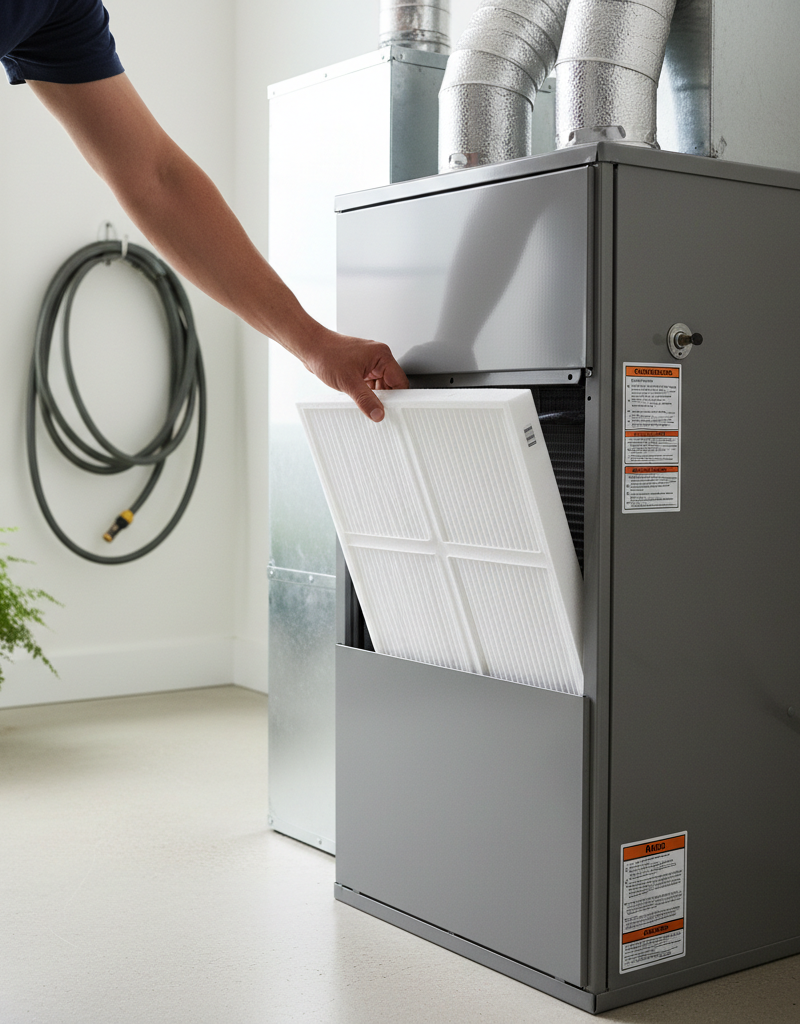
HVAC Air Filter Inspection & Replacement — Remove your existing HVAC filter and hold it up to a light source. If you can't see light passing through or if it's visibly caked with dust and debris, it needs changing. Note the filter dimensions (e.g., 20x25x1) and the MERV rating.
- Purchase a new filter with the correct dimensions and an appropriate MERV rating for your system (typically MERV 8-11 for residential).
- Slide the new filter into place, ensuring the airflow arrow on the filter points in the direction of the airflow, usually towards the furnace/air handler.
- Inspect monthly and replace every 1–3 months, depending on pet ownership and allergies.
-
Refrigerator Water Filter Change — Consult your refrigerator's manual for the specific filter location and replacement procedure, as designs vary widely. Common locations include inside the fridge compartment, in a base grille panel, or behind a hidden access panel.
- Twist or push the old filter out, then insert the new filter until it clicks securely into place.
- Run several gallons of water through the dispenser to flush out air and carbon dust before drinking.
- Aim for replacement every 6 months, or when the dispenser light indicates a change is needed, or if water flow slows.
-
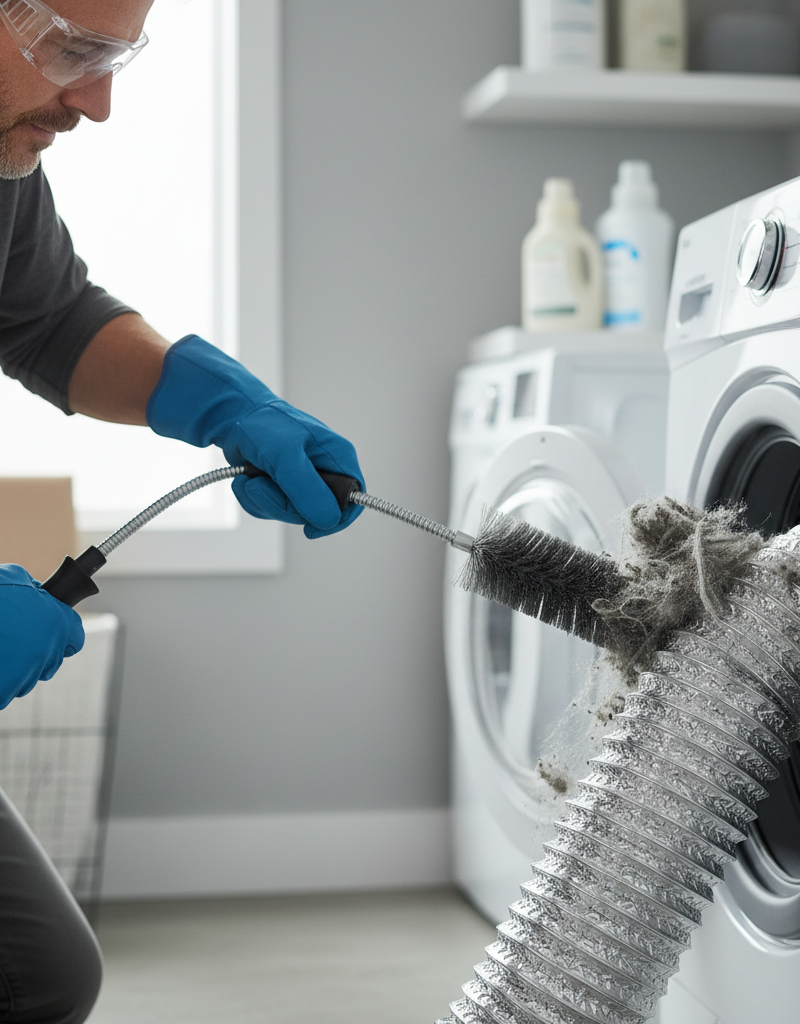
Clothes Dryer Lint Trap & Vent Cleaning — After every load, pull out the lint trap (usually just inside the dryer door) and remove all accumulated lint. For a deeper clean, gently scrub the screen with a brush and warm, soapy water every few months.
- If this doesn't work: Disconnect the dryer vent hose from the wall and the dryer. Use a dryer vent cleaning brush kit (available at hardware stores) to clear lint from the hose and the vent duct in the wall. This is a critical fire prevention step.
- Safety Note: Ensure the dryer is unplugged before disconnecting the vent hose.
-
Washing Machine Pump Filter Maintenance — For front-load washing machines, locate the small access panel near the bottom front of the machine. Open it to reveal a drain hose and a large filter cap.
- Have towels ready and a shallow pan or bowl to catch water.
- Unscrew the filter slowly, allowing water to drain. Carefully remove any lint, hair, or small objects.
- Screw the filter back in tightly and close the access panel.
- Clean every 3–6 months to prevent drainage issues and odors.
-
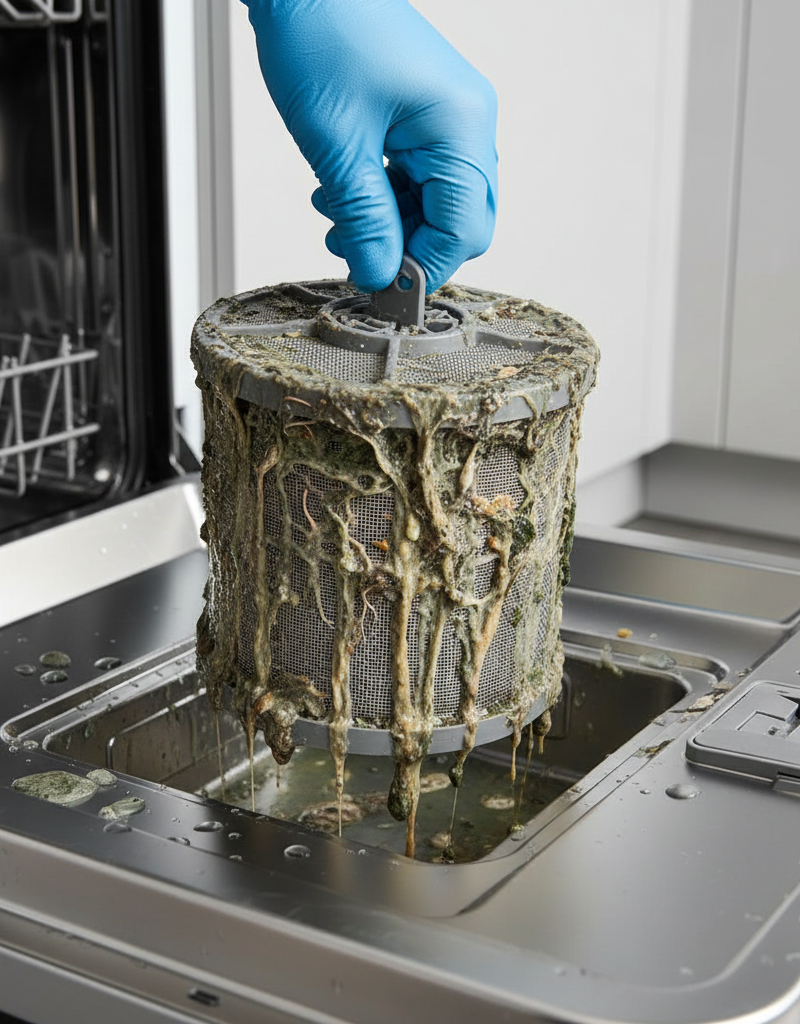
Dishwasher Food Trap/Filter Cleaning — Most modern dishwashers have a removable filter assembly, often located in the center of the bottom basin. Refer to your manual for exact instructions.
- Twist or lift out the filter components. Rinse them thoroughly under running water, scrubbing gently with a brush if necessary to remove food particles and grease.
- Reassemble and secure the filter in its place.
- Clean monthly to ensure optimal cleaning performance and prevent odors.
-
Water Heater Sediment Filter Care (If Applicable) — If you have an inline sediment filter on your cold water supply line to the water heater, follow the manufacturer's instructions for periodic flushing or cartridge replacement.
- Safety Note: If your water heater doesn't have an accessible external sediment filter, consider annual flushing of the tank itself by a professional to remove sediment buildup. This DIY task can be complex and potentially dangerous if not done correctly.
-
Range Hood Grease Filter Deep Clean — Grease filters (usually metal mesh) in your range hood capture airborne grease particles. Remove them (often by pulling a tab or lever) and soak them in hot, soapy water or run them through the dishwasher.
- Allow to dry completely before replacing.
- Clean every 1–3 months depending on cooking frequency.
Common Causes
- Forgetfulness: Most common cause simply forgetting filters exist or need regular changes. Out of sight, out of mind.
- Lack of Awareness: Many homeowners genuinely don't know about all the different filters that need attention in their homes.
- Perceived High Cost: Some homeowners try to extend filter life to save money, not realizing the larger costs incurred by inefficient systems.
- Pet Ownership/Allergies: Homes with pets or allergy sufferers generate more dander and dust, requiring more frequent filter changes than average.
- Construction/Renovation Dust: Nearby construction or recent home renovations significantly increase airborne particulates, rapidly clogging filters.
- Infrequent Use: Paradoxically, appliances used infrequently can still accumulate dust or sediment, and their filters may still degrade over time, warranting inspection.
Common Mistakes
- Ignoring the Airflow Arrow on HVAC Filters: Installing the filter backward restricts airflow and forces debris into the system, damaging the HVAC unit. Always follow the arrows.
- Washing Disposable Filters: Attempting to wash and reuse disposable pleated HVAC or water filters can damage the filter media, making them ineffective or even introducing harmful particles into your system.
- Not Flushing Refrigerator Water Filters: Failing to run several gallons of water through a new refrigerator filter can result in drinking cloudy water with carbon particles and an odd taste.
- Neglecting Dryer Vent Cleaning: Only cleaning the lint trap is a mistake; the entire dryer vent duct needs periodic cleaning to prevent fire hazards and improve efficiency.
- Over-tightening Water Filters: Forcing water filters too tightly can damage seals or filter housings, leading to leaks. Hand-tighten until snug.
- Using the Wrong MERV Rating: Installing an HVAC filter with too high a MERV rating can choke off airflow to an older or underpowered HVAC system, leading to equipment strain, reduced efficiency, and potential damage. Consult your HVAC professional.
Cost & Time Breakdown
| Task | DIY cost | Pro cost | Time (DIY) |
|---|---|---|---|
| HVAC Filter Replacement | $10–$40 | Included in service | 5 minutes |
| Refrigerator Water Filter | $25–$60 | Included in service | 10 minutes |
| Dryer Lint Trap Cleaning | $0 | Included in service | 1 minute |
| Dryer Vent Cleaning (Duct) | $0–$30 (kit) | $100–$200 | 30–60 minutes |
| Washing Machine Pump Filter | $0 | $150–$300 | 15 minutes |
| Dishwasher Food Trap Cleaning | $0 | $100–$200 | 5 minutes |
| Range Hood Grease Filter | $0 | $50–$100 | 15 minutes |
Tips & Prevention
- Set Reminders: Use your phone's calendar, smart home assistant, or even sticky notes to remind you when each filter is due for inspection or replacement.
- Buy in Bulk: Purchase common filters (like HVAC and refrigerator filters) in multi-packs or subscribe to replacement services to save money and ensure you always have a fresh one on hand.
- Monitor Appliance Performance: Pay attention to telltale signs of clogged filters: reduced airflow from vents, slow water dispensing, longer dryer cycles, or unpleasant odors from appliances.
- Keep Manuals Handy: Store appliance manuals in an easily accessible folder or digitized on your computer. They contain specific filter locations, types, and replacement instructions.
- Check MERV Ratings: For HVAC, understand your system's recommended MERV rating. Higher isn't always better if your system isn't designed for the increased airflow restriction.
- Regular Vacuuming and Dusting: Reducing the overall dust and pet dander in your home through regular cleaning will naturally extend the life of your air filters, though it won't eliminate the need for changes.
When to Call a Professional
While many filter replacements are straightforward DIY tasks, there are specific situations where a professional's expertise is warranted. If you notice a significant drop in your HVAC system's performance even after changing the filter, or if you hear unusual noises from the unit, call a licensed HVAC technician. They can diagnose underlying issues like a faulty blower motor or a dirty evaporator coil that a new filter can't fix. For dryer vent ducts that are excessively long, routed through difficult-to-reach areas, or have never been professionally cleaned, call a dryer vent cleaning specialist to ensure thorough removal of accumulated lint, as this is a significant fire hazard. If you suspect an issue with an internal appliance filter that is difficult to access or remove, or if you encounter water leaks after a filter change, it's best to consult an appliance repair technician to prevent further damage or flooding.
Related Articles
Keep troubleshooting with these hand-picked guides from FixlyGuide:
- 7 Inspection Red Flags That Secretly Signal a $20,000 Bill — Don't let your dream home become a money pit. Many buyers and even some inspectors overlook subtle home inspection red flags that lead to f…
- 7 Hidden Equity Drains Costing You Thousands Annually — Your home is an asset, but silent problems like minor leaks, poor insulation, and deferred maintenance can drain its value. Discover the se…
- The 12 Checks That Prevent 80% of Costly Home Repairs — Don't wait for a disaster. Our comprehensive monthly home maintenance checklist reveals the surprising, simple tasks that catch small issue…
- The 4 Critical Dimensions of a Bluebird House (Most DIY Plans Miss One) — Discover the precise measurements and often-overlooked design elements essential for building a bluebird house that truly attracts nesting…
- Is a Wall-Mounted Pressure Washer Right for Your Garage? The Unvarnished Truth — Discover if a wall-mounted pressure washer is the right cleaning solution for your home, offering a powerful and space-saving alternative t…
- The #1 HVAC Mistake Costing You Hundreds (And How Often to Really Change Your Filter) — Discover the crucial mistake most homeowners make with HVAC filters, leading to higher energy bills, poor air quality, and system damage. L…
Estimate your own project cost
National averages are a starting point. Enter your details for a range that fits your house.
HVAC replacement cost
- Equipment$2,200 – $3,800
- Installation labor$1,200 – $2,500
Always insist on a Manual J load calculation — sq-ft sizing is only a rough check. Federal heat-pump rebates may reduce cost significantly.
Educational estimate only — always confirm with written local bids.
Questions to ask before you sign
Ask every contractor the same questions and the cheapest bid stops looking cheapest. Check them off as you go — your progress is saved on this device.
Free, no signup. Bring this to every walkthrough so you compare bids on the same terms.
What should this project cost?
Enter your project details for a realistic cost range before you call anyone.
Service calls and common repairs run $150–$900; full system replacement typically $6,000–$12,000.
- Regional adjustment
- National average
- Labor share (typical)
- ~$1,935
- Quotes to collect
- 3 written estimates
Educational estimate based on national averages — not a binding quote. Always confirm with written local estimates.
Fixly Project Decision Box
- DIY difficulty
- Advanced
- Estimated time
- Homeowner checks 20–30 minutes
- Cost level
- Moderate
Main tools / materials
- Clean air filter
- Garden hose for condenser coils
- Shop vac for the condensate line
When to stop and call a pro
- Burning smell, smoke, or a tripping breaker
- Refrigerant lines iced over or hissing
- Any work inside the sealed refrigerant circuit (EPA-licensed only)
- Gas smell near a furnace — leave and call the utility
Need professional help?
Find an HVAC Pro Near YouCheck these numbers against your project
National averages are a starting point. These tools narrow it to your scope and ZIP.
Free, no signup required. Estimates are educational guidance, not a quote or an inspection.
Get the print-ready PDF of this guide
A clean, ad-free, printable version you can keep on your phone or pin to the workshop wall. Free with a FixlyGuide account.
- Print-optimized layout
- Tools, materials & every step included
- Saved to your account
This article was independently written by FixlyGuide based on the source topic.
Frequently asked questions
How often should I change my HVAC filter?+
Most HVAC filters should be changed every 1–3 months. Homes with pets, children, or allergy sufferers may need changes more frequently, sometimes as often as every 30 days. Visually inspect your filter monthly; if it looks visibly dirty or you can't see light through it, it's time for a replacement.
Can a dirty filter really increase my energy bill?+
Absolutely. A dirty HVAC filter restricts airflow, forcing your furnace or air conditioner to work harder and run longer to heat or cool your home. This increased strain directly translates to higher energy consumption and elevated utility bills, often by 5–15% or more.
What happens if I don't clean my dryer's lint trap?+
Neglecting the dryer's lint trap and vent can lead to several problems: significantly longer drying times, higher energy usage, accelerated wear on your dryer, and critically, a major fire hazard. Lint is highly flammable, and buildup in the vent duct is a leading cause of house fires.
Are all refrigerator water filters the same?+
No, refrigerator water filters are specific to the make and model of your appliance. Always check your refrigerator's manual or the existing filter for the correct part number to ensure proper fit and effective filtration.
How do I know if my washing machine has a filter?+
Many modern front-load washing machines have a pump filter designed to catch lint and small items before they can clog the drain. It's typically located behind a small access panel at the bottom front of the machine. Consult your appliance manual for its exact location and cleaning instructions.
Is it safe to wash reusable filters in the dishwasher?+
Some metal mesh filters, like those found in range hoods, are designed to be dishwasher safe. However, always check the manufacturer's instructions for your specific filter. Never put disposable pleated filters (like most HVAC filters) in the dishwasher; they are not designed for reuse after washing.
Discussion
Loading comments…