- The 9 Sneaky Filters Stealing Your Home's Efficiency (And How to Fix It) — Unseen or neglected filters throughout your home can secretly inflate utility bills, degrade air quality, and lead to expensive appliance b…
- The Hidden Reason Your AC Isn't Cooling (And Why Most Homeowners Get It Wrong) — Is your central AC blowing warm air or struggling to cool your home? The culprit is often a silent but serious issue many homeowners overlo…
- The Hidden Reason Your GFCI Trips (It's Not Always a Faulty Outlet) — A continuously tripping GFCI outlet is a critical safety warning, often indicating moisture, a faulty appliance, or a wiring problem that r…
- The Hidden Reason Your AC Isn't Cooling (It's Not Just Freon) — A central AC system that isn't cooling your home can often be traced back to a surprising culprit: airflow obstruction, which mistakenly le…
- The Secret to Lush Raised Beds? It's Not Just About How You Water — Smart irrigation for raised garden beds isn't just about automation; it's about delivering the right amount of water precisely when your pl…
Published May 19, 2026Last updated August 17, 2026
Tools & materials you'll need
Affiliate links- AmazonSoft brush1 · For cleaning dryer lint screen occasionally
As an Amazon Associate FixlyGuide earns from qualifying purchases — at no extra cost to you. Prices and availability are accurate as of publication and subject to change.
Quick Answer
Many homeowners are unaware of just how many filters are silently working in their homes, protecting appliances and improving the living environment. Beyond the obvious HVAC filter, critical filters in your refrigerator, dryer, and water supply lines often go unnoticed until a problem arises. Regularly inspecting and replacing these essential filters every 1 to 6 months, depending on the specific filter and household usage, is crucial for maintaining appliance efficiency, extending their lifespan, improving indoor air quality, and preventing costly repairs. This proactive maintenance can significantly reduce energy consumption and safeguard your family's health.
The Problem
You know your car needs oil changes and tire rotations, but what about the hidden maintenance tasks your house requires? Often, the unsung heroes of your home are its various filters. Out of sight, out of mind, these filters quietly trap dust, debris, allergens, and contaminants, protecting expensive appliances and safeguarding your indoor air and water quality. The problem arises when these filters are neglected. A clogged HVAC filter chokes your furnace or air conditioner, making it work harder, increasing energy bills, and potentially leading to system failure. A blocked dryer lint filter isn't just a fire hazard; it extends drying times and wastes electricity. A saturated refrigerator water filter delivers stale-tasting water and ice, while its air filter allows odors to mingle. Over time, ignored filters can transform a healthy, efficient home into one plagued by poor air quality, skyrocketing utility bills, and unexpected repair costs. The real issue isn't the filters themselves, but the homeowner's lack of awareness about their importance and the simple maintenance required.
How It Works
Understanding how different filters function provides a clearer picture of their importance. At a basic level, a filter is a device that removes impurities from a fluid (like air or water) by passing it through a medium that traps undesirable particles. The effectiveness of a filter is often measured by its MERV (Minimum Efficiency Reporting Value) rating for air filters, or micron rating for water filters, indicating the size of particles it can capture.
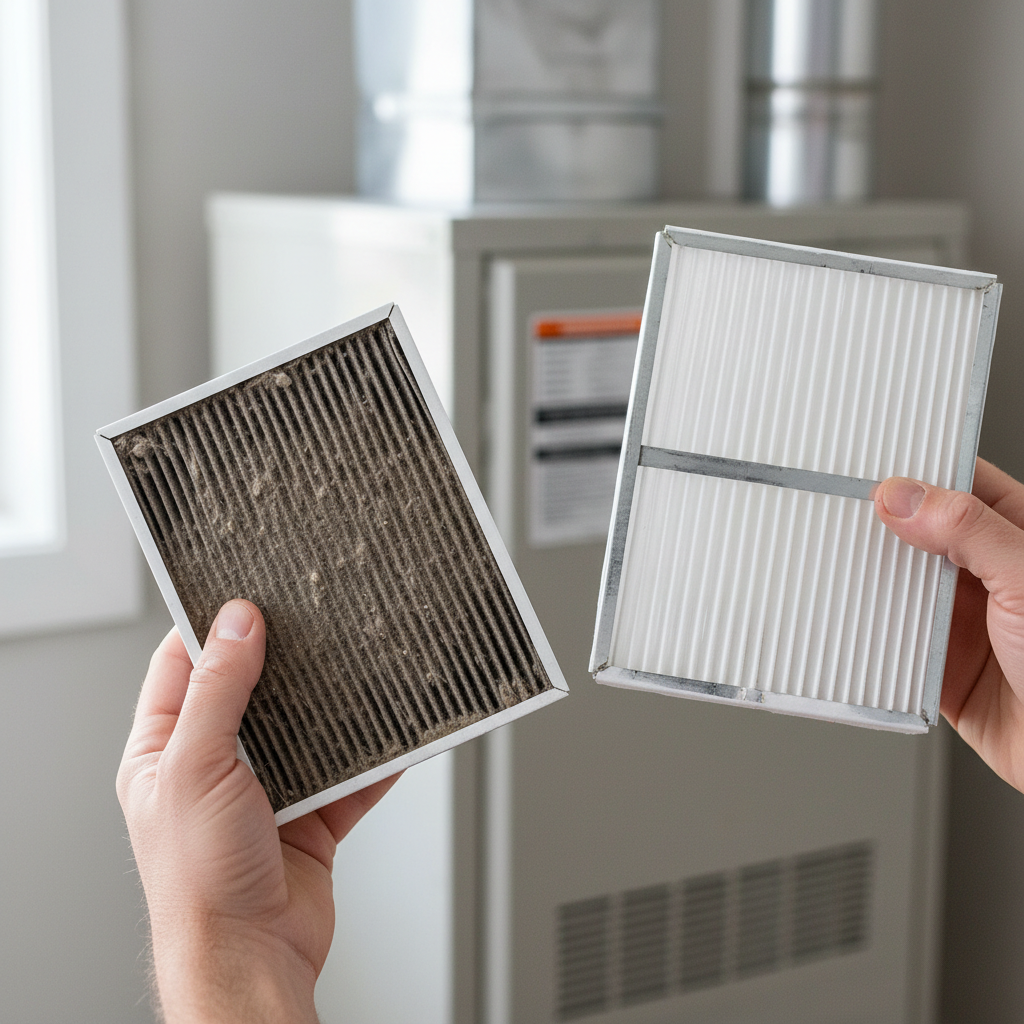
HVAC Filters: Your heating, ventilation, and air conditioning (HVAC) system circulates air throughout your home. The air filter, typically located in the return air duct or at the air handler, is the first line of defense. As air is drawn into the system, it passes through this pleated medium (fiberglass, cotton, or synthetic materials). The filter's design creates a labyrinth of small pathways, trapping dust, pet dander, pollen, mold spores, and other airborne particulates. A cleaner filter allows for unrestricted airflow, letting your HVAC system operate efficiently. A dirty filter restricts this flow, forcing the blower motor to work harder, increasing energy consumption, and reducing the system's ability to heat or cool effectively. This added strain can prematurely wear out components, leading to expensive repairs.
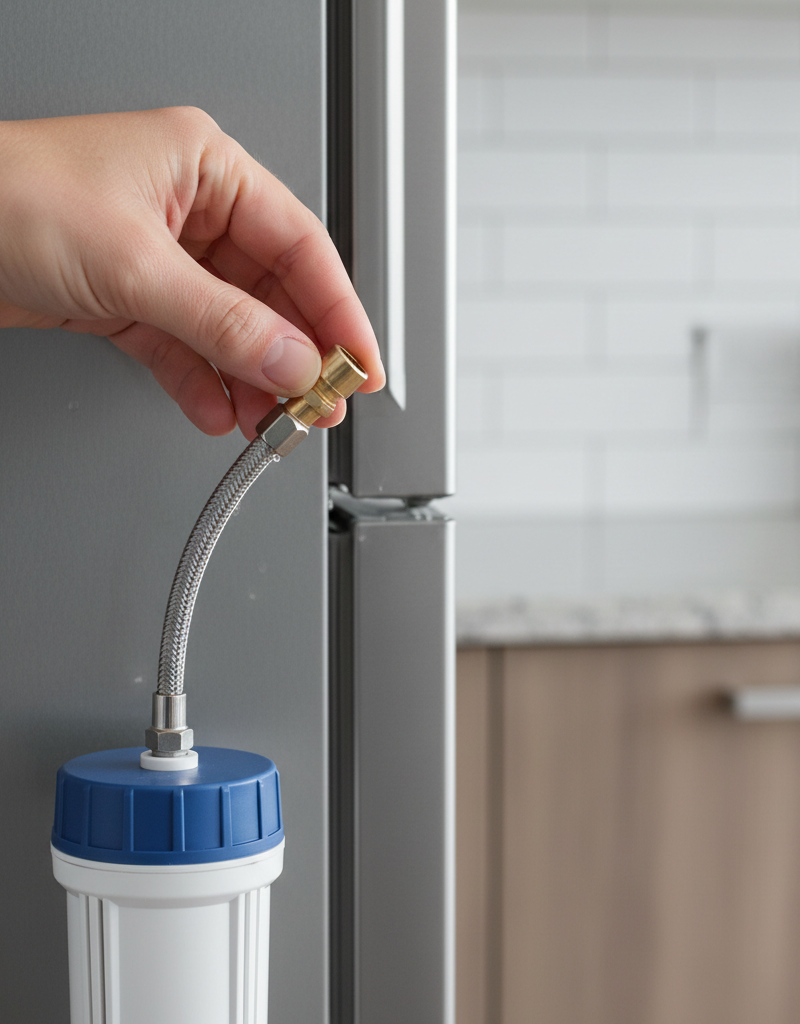
Refrigerator Filters: Modern refrigerators often include two types of filters: a water filter and an air filter. The water filter is usually a carbon block or granular activated carbon (GAC) filter. As water from your home's supply line enters the refrigerator for ice making or dispensing, it flows through this carbon medium. Carbon is highly porous and exceptionally good at adsorbing chlorine, sediment, volatile organic compounds (VOCs), and other taste- and odor-causing impurities. It fundamentally improves the taste and smell of your drinking water and ice. The air filter, if present, works on a similar principle, often using activated carbon to absorb odors within the refrigerator compartment, preventing foods from picking up unwanted smells from each other.
Dryer Lint Filters: The lint filter in your clothes dryer is a fine mesh screen designed to capture lint – tiny fibers shed from clothing during the drying process. As hot, moist air tumbles clothes, these fibers become dislodged. The air is then pulled through the lint filter before being exhausted. This filter acts as a physical barrier, preventing the highly flammable lint from accumulating in the dryer's exhaust ductwork, which could cause a fire. It also helps maintain proper airflow, ensuring clothes dry efficiently. A clogged lint filter drastically reduces airflow, extending drying times, increasing energy use, and critically, elevating the risk of fire.
Step-by-Step Fix
1. Locate and Inspect HVAC Filter — Many HVAC filters are in the return air vent, but some are in the furnace/air handler itself. Find yours first.
Look for a large vent grill on a wall or ceiling, usually central to your home. Alternatively, check the furnace or air handler unit in your utility closet, attic, or basement. The filter will be housed in a slot, typically with an arrow indicating airflow direction. Pull it out and visually inspect it. Hold it up to a light source; if you can't see light through it, it's definitely time for a change. Note the size (e.g., 20x25x1) and MERV rating for replacement. During peak heating or cooling seasons, check monthly; replace every 1–3 months, or more often if you have pets or allergies.
2. Replace HVAC Filter — Ensuring proper airflow is critical for efficiency and system longevity.
Slide the old filter out of its slot. Observe the arrow printed on the filter frame, which indicates the direction of airflow towards the furnace/air handler. Insert the new filter, making sure the arrow points in the same direction. Secure the filter compartment door or replace the vent cover. Always use the size and MERV rating recommended by your HVAC manufacturer, or a slightly higher MERV for improved air quality, balancing it with your system's airflow capacity. If replacing a high-MERV filter in an older system, monitor for reduced airflow.
3. Clean Dryer Lint Filter — A simple, crucial step before every load to prevent fire hazards and improve drying efficiency.
Before or after every load of laundry, grasp the lint filter, usually located just inside the dryer door or on top of the dryer. Pull it straight out. Using your fingers, peel off the accumulated layer of lint. Dispose of the lint. For heavily soiled filters (e.g., from fabric softener residue that leaves a film), gently scrub the mesh with a soft brush and warm, soapy water, then rinse thoroughly and allow to air dry completely before reinserting. Never operate the dryer without the lint filter in place, as this can allow lint to enter and clog the dryer's internal components and exhaust ductwork.
4. Access Refrigerator Water Filter — Filter location varies widely by refrigerator brand and model.
Consult your refrigerator's owner's manual for the exact location and replacement procedure. Common locations include: a compartment inside the refrigerator ceiling, a grille at the bottom front of the refrigerator, or sometimes a hidden compartment within one of the crisper drawers. Twist or push a button to release the old filter. Have a small towel ready to catch any drips.
5. Replace Refrigerator Water Filter — Ensure clean, good-tasting water and ice.
Remove the old filter. Before inserting the new filter, it's often recommended to run water through it (if the design allows) or prime it by filling partway with water to prevent air bubbles and sputtering when first used. Insert the new filter according to your manual's instructions, ensuring a snug fit. Reset the
Related Articles
Keep troubleshooting with these hand-picked guides from FixlyGuide:
- The 9 Sneaky Filters Stealing Your Home's Efficiency (And How to Fix It) — Unseen or neglected filters throughout your home can secretly inflate utility bills, degrade air quality, and lead to expensive appliance b…
- The Hidden Reason Your AC Isn't Cooling (And Why Most Homeowners Get It Wrong) — Is your central AC blowing warm air or struggling to cool your home? The culprit is often a silent but serious issue many homeowners overlo…
- The Hidden Reason Your GFCI Trips (It's Not Always a Faulty Outlet) — A continuously tripping GFCI outlet is a critical safety warning, often indicating moisture, a faulty appliance, or a wiring problem that r…
- The Hidden Reason Your AC Isn't Cooling (It's Not Just Freon) — A central AC system that isn't cooling your home can often be traced back to a surprising culprit: airflow obstruction, which mistakenly le…
- The Secret to Lush Raised Beds? It's Not Just About How You Water — Smart irrigation for raised garden beds isn't just about automation; it's about delivering the right amount of water precisely when your pl…
- The #1 Reason Your AC Blows Warm Air (And It's Not What You Think) — A dirty air filter is often the overlooked culprit behind an air conditioner blowing warm air, hindering its ability to cool your home effi…
Your seasonal maintenance checklist
The small jobs that prevent the expensive repairs. Tick them off — progress saves on this device.
Free, no signup. Skip anything that requires roof access or working near live electrical.
Estimate your own project cost
National averages are a starting point. Enter your details for a range that fits your house.
HVAC replacement cost
- Equipment$2,200 – $3,800
- Installation labor$1,200 – $2,500
Always insist on a Manual J load calculation — sq-ft sizing is only a rough check. Federal heat-pump rebates may reduce cost significantly.
Educational estimate only — always confirm with written local bids.
What should this project cost?
Enter your project details for a realistic cost range before you call anyone.
Service calls and common repairs run $150–$900; full system replacement typically $6,000–$12,000.
- Regional adjustment
- National average
- Labor share (typical)
- ~$1,935
- Quotes to collect
- 3 written estimates
Educational estimate based on national averages — not a binding quote. Always confirm with written local estimates.
Fixly Project Decision Box
- DIY difficulty
- Advanced
- Estimated time
- Homeowner checks 20–30 minutes
- Cost level
- Moderate
Main tools / materials
- Clean air filter
- Garden hose for condenser coils
- Shop vac for the condensate line
When to stop and call a pro
- Burning smell, smoke, or a tripping breaker
- Refrigerant lines iced over or hissing
- Any work inside the sealed refrigerant circuit (EPA-licensed only)
- Gas smell near a furnace — leave and call the utility
Need professional help?
Find an HVAC Pro Near YouStay ahead of the next repair
Turn this guide into a schedule you will actually follow.
Free, no signup required. Estimates are educational guidance, not a quote or an inspection.
This article was independently written by FixlyGuide based on the source topic.
Frequently asked questions
How often should I change my HVAC filter?+
For most homes, every 1-3 months is ideal. If you have pets, allergies, or live in a dusty area, consider checking and replacing it monthly. During periods of heavy HVAC use, more frequent checks are beneficial.
Can I wash and reuse my dryer lint filter?+
You should clean your dryer lint filter by hand after every load. While you can occasionally wash it with warm, soapy water to remove fabric softener residue, it's not designed to be a reusable filter like some HVAC filters. Always ensure it's completely dry before reinserting.
How do I know when to replace my refrigerator water filter?+
Most refrigerators have an indicator light that turns on when it's time for a replacement, typically every 6 months. You might also notice a decrease in water flow or a change in the taste or smell of your water and ice, which are clear signs it's due for a change.
What happens if I don't change my home's filters?+
Neglecting filters can lead to several problems: increased energy bills due to appliances working harder, reduced appliance lifespan, poor indoor air quality, and potential system breakdowns or fire hazards (especially with dryer lint).
Are all MERV ratings suitable for my HVAC system?+
While higher MERV ratings capture more particles, they also restrict airflow more. Always check your HVAC system's manufacturer recommendations. Using a MERV rating that's too high for your system can strain the blower motor and reduce efficiency.

Discussion
Loading comments…