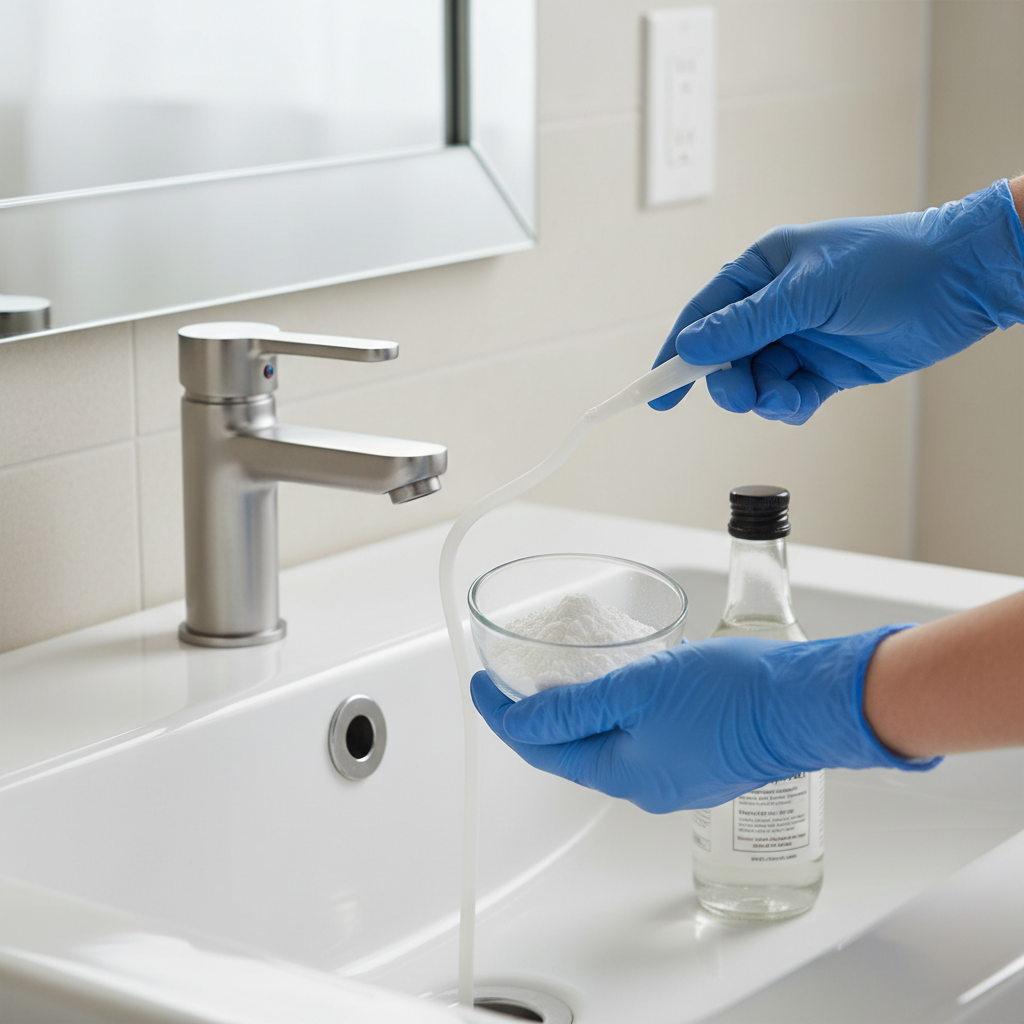
- Baking Soda & Vinegar Volcano — A classic, safe, and effective enzymatic cleaner.
- First, pour 1/2 cup of baking soda into the clogged drain.
- Follow with 1/2 cup of white vinegar. The mixture will fizz vigorously – this is a chemical reaction that helps break down clogs.
- Immediately cover the drain with a plug or rag to contain the reaction and force it downwards.
- Wait 30 minutes to an hour (or even overnight for stubborn clogs).
Plumbing · Leak
| Project category | Plumbing |
|---|---|
| Problem type | Leak |
| Trade required | Plumbing |
| Urgency | Emergency — act now |
| Safety risk | High safety risk |
| DIY suitability | DIY for experienced homeowners |
| Cost category | Low cost |
| Typical timeline | Shut water off now; repair usually same or next day |
| Contractor type | Licensed plumber |
Repair option
Isolate at the shutoff, replace the failed component, and dry the cavity fully.
Replacement option
Repipe the run or the branch when corrosion is widespread.
Common causes
- Failed supply line or shutoff valve
- Worn washers, cartridges, or P-trap connections
- Pinhole corrosion in older copper
Relevant tools:emergency checklistdiy or hire a pro
Published June 10, 2026Last updated August 17, 2026
Tools & materials you'll need
Affiliate linksAs an Amazon Associate FixlyGuide earns from qualifying purchases — at no extra cost to you. Prices and availability are accurate as of publication and subject to change.
Quick Answer
Chemical drain cleaners often cause more long-term damage to your pipes than they solve. Their highly corrosive ingredients create exothermic reactions that can warp PVC, erode metal pipes over time, and even bake clogs into harder, more stubborn blockages. For true savings and pipe longevity, homeowners should stop using these products and instead invest in a simple drain snake or harness the power of baking soda and vinegar.
The Problem
It's a common scenario: your sink or tub is draining slowly, and a brightly colored bottle of drain cleaner promises a quick fix. You pour it down, hear some fizzing, and maybe the water drains a bit better. But what you can't see is the silent damage occurring beneath your sink. These powerful concoctions, often containing harsh acids or lye (sodium hydroxide), generate heat and aggressively react with organic matter. While they might temporarily clear a partial clog, they are indiscriminate, attacking not just the clog but also your pipes. This leads to weakened seals, brittle PVC, or corroded metal, setting the stage for bigger, much more expensive plumbing disasters down the line.
How It Works
Understanding how your household drains function is key to appreciating why chemical cleaners are problematic. Your sinks, tubs, and showers rely on gravity and a series of traps (P-traps or S-traps) to route wastewater away. These traps hold a small amount of water to prevent sewer gases from entering your home. Pipes are typically made of PVC, ABS, copper, or galvanized steel. When a clog forms, it's usually a combination of hair, grease, soap scum, and food particles building up within the narrow confines of these pipes, particularly in the P-trap or further down the line.
Chemical drain cleaners work by initiating a chemical reaction. Lye-based cleaners, for example, are highly alkaline and generate heat, essentially 'saponifying' fats and grease (turning them into soap) and dissolving hair. Acid-based cleaners, less common for consumer purchase but still existing, work by chemically degrading organic material. The problem is twofold: first, the intense heat can warp and soften PVC pipes, making them prone to cracking. Second, if the cleaner doesn't totally clear the clog, it can sit in the pipe, continuously corroding the material. Over time, this constant exposure thins pipe walls, weakens joints, and compromises the integrity of your entire drainage system, leading to leaks, bursts, and ultimately, the need for professional pipe replacement long before its natural lifespan.
Step-by-Step Fix
- Safety First! — Before tackling any drain, put on rubber gloves and eye protection. Clear the area around the drain. Ensure adequate ventilation. Never mix different chemical drain cleaners, and never try to use a plunger after pouring a chemical cleaner down a drain, as it can splash corrosive chemicals back at you.
- Boiling Water Blast — For minor grease clogs, a simple kettle of boiling water can work wonders. Slowly pour 1-2 quarts (about 1-2 liters) of boiling water down the drain. Wait 5-10 minutes. If water drains faster, repeat. For porcelain fixtures, use very hot tap water, not boiling, to prevent cracking.
- Baking Soda & Vinegar Volcano — A classic, safe, and effective enzymatic cleaner.
- First, pour 1/2 cup of baking soda into the clogged drain.
- Follow with 1/2 cup of white vinegar. The mixture will fizz vigorously – this is a chemical reaction that helps break down clogs.
- Immediately cover the drain with a plug or rag to contain the reaction and force it downwards.
- Wait 30 minutes to an hour (or even overnight for stubborn clogs).
- Flush thoroughly with very hot water. Repeat if necessary.
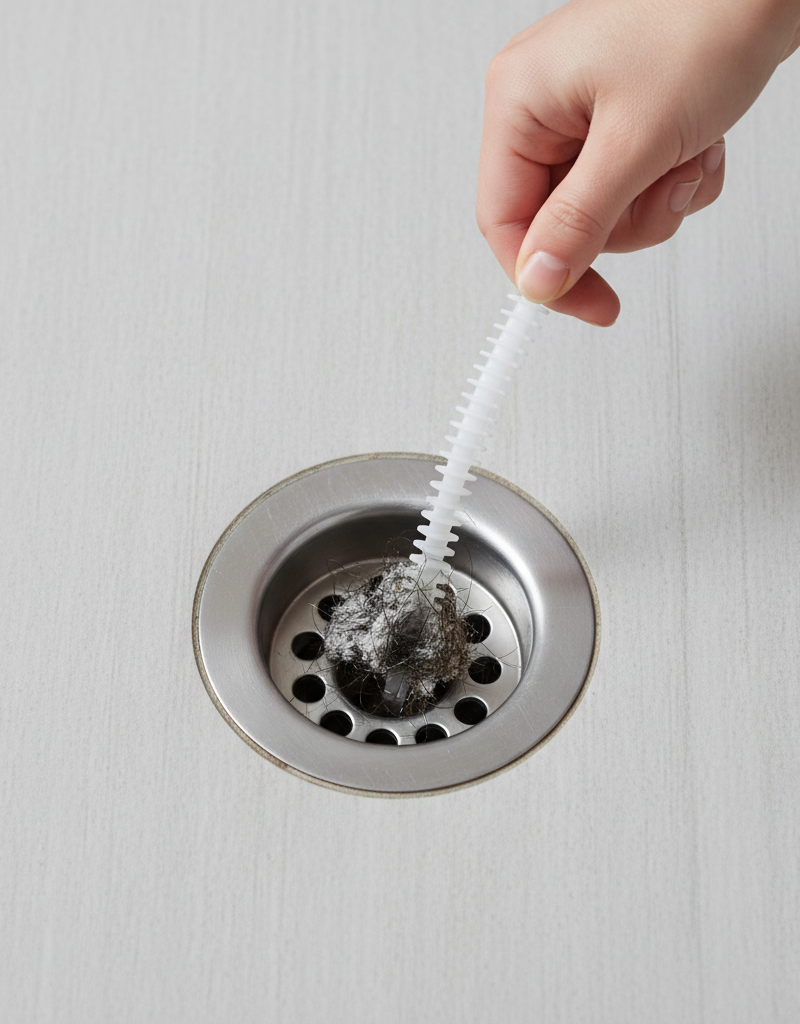
- The Drain Snake (or Zip-It Tool) Maneuver — For hair and soap scum blockages, a drain snake is often the most effective tool.
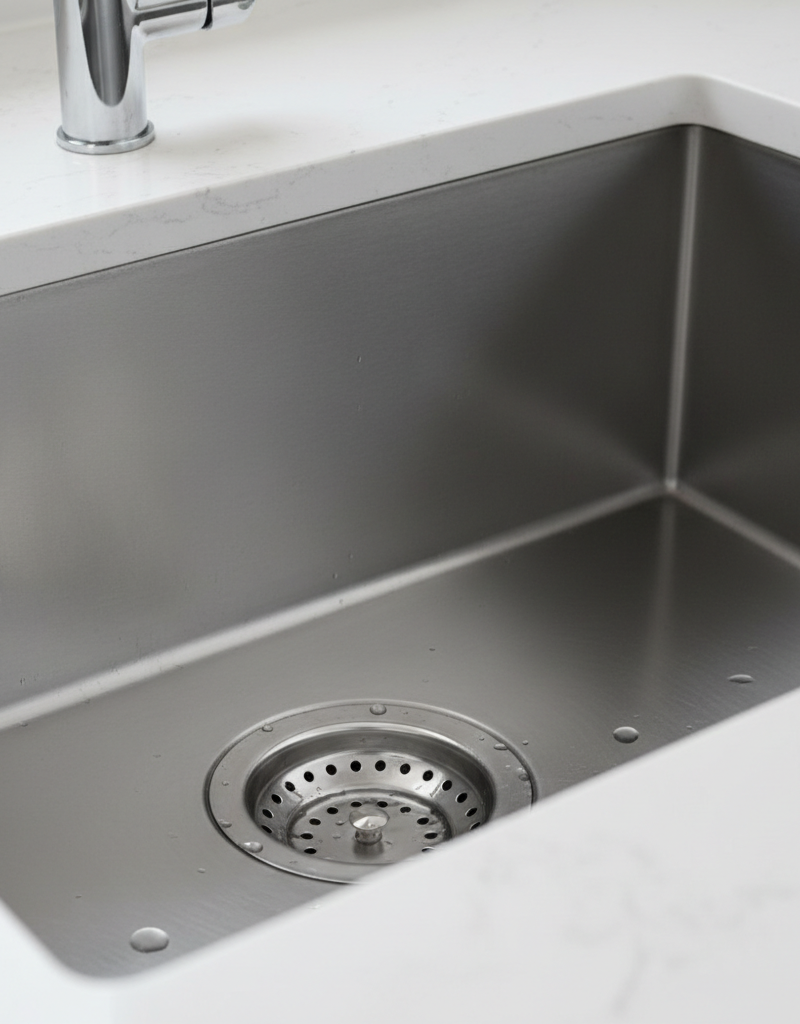
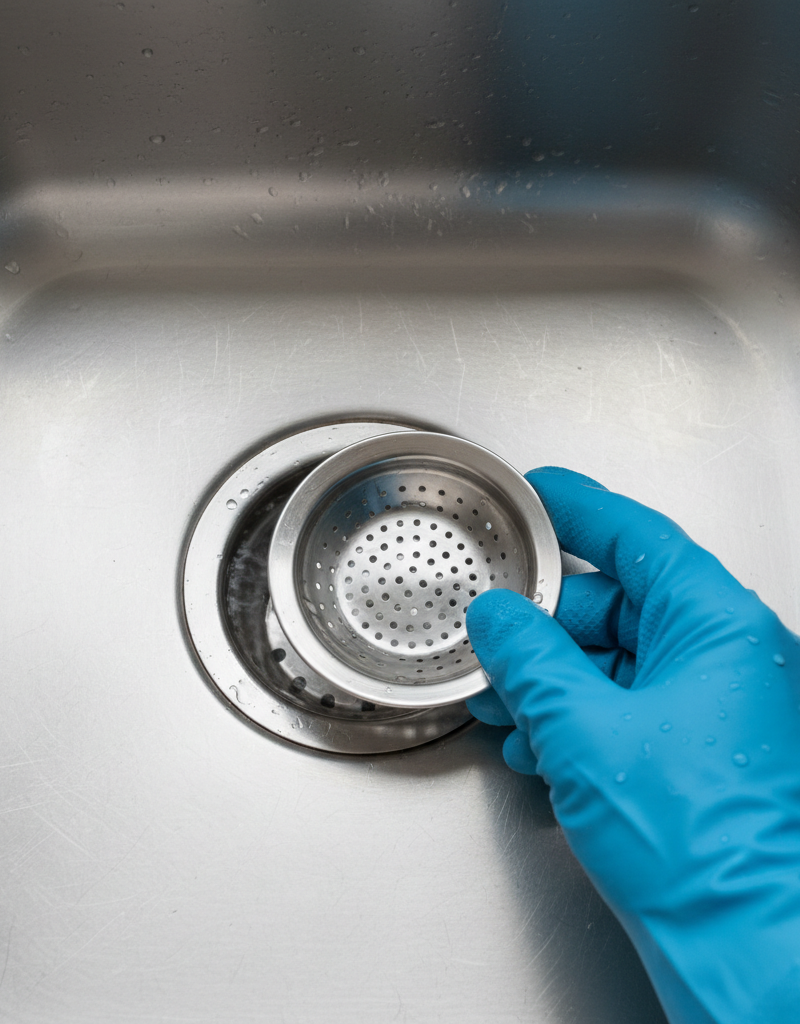
- Carefully insert the snake into the drain opening. For sinks, you might need to remove the stopper.
- Feed the snake down until you feel resistance.
- Rotate the snake’s handle to hook onto the clog. This could be a spinning motion for a hand snake or cranking for a larger auger.
- Slowly pull the snake back out, hopefully bringing the clog with it.
- Clean off any retrieved gunk.
- Repeat until the drain flows freely. Flush with hot water.
- Remove and Clean the P-Trap — Often, the P-trap directly under your sink is where clogs accumulate.
- Place a bucket directly underneath the P-trap to catch any water.
- Using adjustable pliers or a basin wrench, carefully loosen the slip nuts on both ends of the P-trap.
- Remove the P-trap.
- Use a brush or coat hanger to clear out any debris inside the trap.
- Reattach the P-trap, ensuring rubber washers are correctly seated for a watertight seal. Hand-tighten, then give a quarter-turn with pliers – do not overtighten.
- Enzymatic Drain Cleaner Application — If mechanical methods aren't working, consider an enzymatic (bacterial) drain cleaner. These cleaners use beneficial bacteria to digest organic matter slowly and safely.
- Follow the manufacturer's instructions carefully.
- Typically, you'll pour it in at night and let it work overnight.
- These are best for maintaining clear drains, less for deeply entrenched clogs.
- Vent Pipe Check (for recurring issues) — If multiple drains are slow or gurgling, a blocked vent pipe might be the culprit. Blocked vent pipes prevent air from entering the drain system, leading to slow drainage and odors.
- This usually requires roof access and a long professional snake, so this is often a professional job. Only attempt if you are comfortable and have proper safety gear for working on a roof.
Common Causes
- Hair and Soap Scum Accumulation: The leading cause of bathroom drain clogs. Hair binds with soap residue to form stubborn blockages.
- Grease and Food Particles: In kitchen sinks, cooking oils, fats, and small food scraps congeal and stick to pipe walls, gradually narrowing the opening.
- Mineral Buildup: Hard water can leave mineral deposits inside pipes, especially in older homes, creating rough surfaces where other debris can snag.
- Foreign Objects: Accidental drops of small items (jewelry, toys, dental floss) can create immediate blockages or serve as anchors for future clogs.
- Tree Root Intrusion: For main sewer lines, tree roots seeking water can infiltrate tiny cracks, creating a massive blockage over time. (Not fixable with chemical cleaners).
Common Mistakes
- Using Chemical Cleaners Regularly: This is the most damaging mistake. Frequent use corrodes pipes, especially PVC, and can even harden some clogs into impenetrable masses, making professional removal harder and more costly.
- Ignoring Slow Drains: A slow drain is a warning sign. Addressing it early with simple methods like baking soda and vinegar or a zip-it tool prevents it from becoming a full blockage.
- Over-Tightening P-Trap Nuts: When reinstalling a P-trap, overtightening the slip nuts can crack the plastic components or strip threads, leading to leaks.
- Forcing a Plunger: While plungers are effective, using excessive force on a severely clogged drain can push the clog further down or damage seals, leading to leaks.
- Not Using a Strainer: Simple drain strainers in sinks and showers can catch most hair and food particles before they enter the drain, significantly reducing clog frequency.
- Pouring Grease Down the Drain: Even small amounts of grease, when cooled, solidify and cling to pipe walls, creating the foundation for major blockages. Always dispose of grease in the trash.
Cost & Time Breakdown
| Task | DIY cost | Pro cost | Time |
|---|---|---|---|
| Boiling water flush | $0 | N/A | 5–10 minutes |
| Baking soda & vinegar | $2–$5 | N/A | 30 min – 1 hour |
| Drain snaking (DIY) | $5–$20 | N/A | 20–40 minutes |
| P-trap cleaning/replacement | $10–$30 | $100–$250 | 30–60 minutes |
| Enzymatic cleaner (DIY) | $15–$30 | N/A | Overnight |
| Professional drain clearing | N/A | $150–$400 | 1–3 hours |
| Main sewer line root removal | N/A | $300–$800+ | 2–4 hours |
Tips & Prevention
- Regular Flushing: Once a week, run hot water down your drains for a few minutes, especially after using the kitchen sink with greasy items. This helps move minor buildup through.
- Use Drain Strainers: Install strainers in all sinks and shower drains to catch hair, food particles, and other debris before they enter the plumbing system. Clean them regularly.
- Dispose of Grease Properly: Never pour cooking grease or oil down any drain. Let it cool and solidify, then scrape it into the trash.
- Avoid Coffee Grounds: Despite common myths, coffee grounds do not help clear drains; they accumulate and contribute to clogs. Dispose of them in the trash or compost.
- Baking Soda & Vinegar Maintenance: Perform a baking soda and vinegar flush monthly on frequently used drains as a preventive measure.
- Mind What Goes Down: Be mindful of what goes down the drain – dental floss, 'flushable' wipes (they aren't!), cotton balls, and other non-biodegradable items can cause significant problems.
When to Call a Professional
While many drain issues are DIY-friendly, certain situations warrant calling a licensed plumber immediately. If you have several clogged drains simultaneously, particularly affecting toilets and lower-level drains, it often indicates a main sewer line blockage, which is beyond the scope of chemical cleaners or homeowner snaking. Any signs of sewage backing up into your fixtures, strong sewer odors that persist, or gurgling sounds from unused drains after flushing a toilet are serious indicators of a main line issue. Additionally, if you've attempted all safe DIY methods and the clog remains, or if you suspect a broken or leaking pipe due to a chemical cleaner, a professional can accurately diagnose the problem using camera inspections and safely clear the blockage without further damaging your plumbing system. Don't risk further damage or messy sewage backups; a pro has the right tools and expertise for complex clogs.
Related Articles
Keep troubleshooting with these hand-picked guides from FixlyGuide:
- 7 Hidden Equity Drains Costing You Thousands Annually — Your home is an asset, but silent problems like minor leaks, poor insulation, and deferred maintenance can drain its value. Discover the se…
- The 7 Critical Household Filters You're Forgetting (And What They Cost You) — Neglected household filters are quietly costing you money, diminishing air quality, and paving the way for expensive repairs. Discover the…
- 7 Inspection Red Flags That Secretly Signal a $20,000 Bill — Don't let your dream home become a money pit. Many buyers and even some inspectors overlook subtle home inspection red flags that lead to f…
- The Secret Window AC Trick That Slashes Your Summer Electric Bill By 30% — Mastering simple window AC maintenance can significantly reduce your cooling costs and extend the life of your unit, often by more than 30%.
- The 12 Checks That Prevent 80% of Costly Home Repairs — Don't wait for a disaster. Our comprehensive monthly home maintenance checklist reveals the surprising, simple tasks that catch small issue…
- The #1 Lawn Aeration Mistake Most Homeowners Make (And How to Fix It) — Timing is everything when it comes to lawn aeration, and doing it at the wrong time can do more harm than good for your grass.
What should this project cost?
Enter your project details for a realistic cost range before you call anyone.
Common repairs run $150–$650; repipes and water-heater replacements reach $1,500–$4,500.
- Regional adjustment
- National average
- Labor share (typical)
- ~$754
- Quotes to collect
- 3 written estimates
Educational estimate based on national averages — not a binding quote. Always confirm with written local estimates.
Fixly Project Decision Box
- DIY difficulty
- Moderate
- Estimated time
- 30 minutes – half a day
- Cost level
- Moderate
Main tools / materials
- Adjustable wrench
- Plunger or drain auger
- Bucket and towels
- Thread tape
When to stop and call a pro
- Water you cannot shut off at the fixture or main
- Sewage backing up into more than one fixture
- Water near electrical panels or outlets
- Gas water heater work beyond relighting a pilot
Need professional help?
Get a Licensed PlumberGet the print-ready PDF of this guide
A clean, ad-free, printable version you can keep on your phone or pin to the workshop wall. Free with a FixlyGuide account.
- Print-optimized layout
- Tools, materials & every step included
- Saved to your account
This article was independently written by FixlyGuide based on the source topic.
Frequently asked questions
Are chemical drain cleaners really bad for pipes?+
Yes, chemical drain cleaners contain harsh chemicals (like lye or acid) that can corrode pipes, especially PVC and older metal pipes. The heat generated by their reactions can also warp plastic pipes, leading to leaks and costly damage over time.
What can I use instead of chemical drain cleaners?+
Safer alternatives include pouring boiling water for grease clogs, using a baking soda and vinegar mixture, or employing mechanical tools like a drain snake or zip-it tool to physically remove hair and debris. Enzymatic cleaners are also a gentler option for maintenance.
How often should I clean my drains?+
For prevention, flush drains with hot water regularly. A monthly baking soda and vinegar treatment can help maintain clear pipes. Address slow drains immediately with DIY methods before they become full clogs.
When should I call a plumber for a clogged drain?+
Call a plumber if you have multiple clogged drains, sewage backup, persistent foul odors, or if DIY methods fail to clear the blockage. These can indicate a main sewer line issue that requires professional tools like camera inspections and specialized augers.
Discussion
Loading comments…