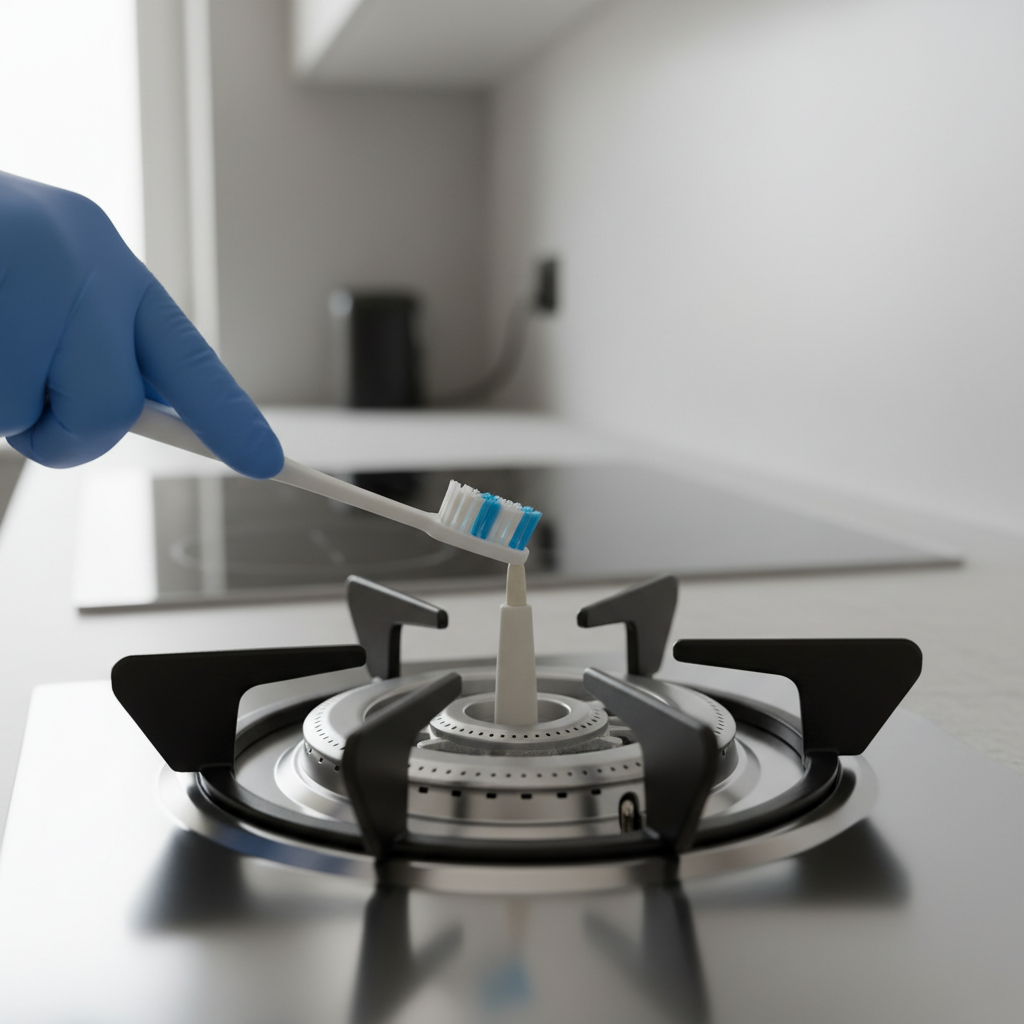
- Allow the stovetop to cool completely if it's been recently used.
- Lift off the grates and then the burner caps (the flat, usually black discs) from the affected burner. Some caps may have a small locating pin – note its position for reassembly.
- Carefully lift out the burner head (the larger metal piece with gas ports). Set these aside on a clean cloth.
Electrical · Panel or service upgrade
| Project category | Electrical |
|---|---|
| Problem type | Panel or service upgrade |
| Trade required | Electrical |
| Urgency | Planned project |
| Safety risk | High safety risk |
| DIY suitability | Licensed pro only |
| Cost category | High cost |
| Typical timeline | Permit plus utility scheduling, commonly 2–6 weeks |
| Contractor type | Licensed electrician |
Repair option
Add a subpanel when the main service is adequate.
Replacement option
Full service upgrade with utility coordination and permits.
Common causes
- Obsolete or recalled panel brands
- Service capacity too small for added loads
- No room for required AFCI/GFCI breakers
Relevant tools:project cost estimatorcompare quotes
Published May 3, 2026Last updated August 18, 2026
Tools & materials you'll need
Affiliate linksAs an Amazon Associate FixlyGuide earns from qualifying purchases — at no extra cost to you. Prices and availability are accurate as of publication and subject to change.
Quick Answer
When a gas stove burner refuses to light, the culprit is often a simple obstruction or moisture around the igniter. Food spills, grease, or even cleaning products can block the delicate spark that ignites the gas. A thorough cleaning of the igniter and surrounding burner components, followed by complete drying, will typically restore your burner to working order.
The Problem
You turn the knob, you hear the gas, but there's no satisfying 'click-click-click-whoosh' of ignition. Instead, you're left with a faint hiss and no flame on your gas stove burner. This common household frustration can disrupt meal prep and lead to unnecessary service calls if the underlying issue isn't properly diagnosed. While it seems like a complex problem, the vast majority of cases stem from surprisingly simple causes that a homeowner can fix with minimal effort and tools.
How It Works
Understanding how your gas stove burner ignites is key to troubleshooting. When you turn the burner knob to the 'light' or 'ignite' position, two things happen simultaneously. First, the gas valve opens, allowing natural gas (or propane, depending on your setup) to flow through the burner head, exiting tiny ports around the burner cap. Second, an electrical circuit is completed, sending a small amount of electricity to the igniter.
Each burner has a dedicated igniter, a small, usually off-white ceramic electrode with a metal tip, positioned near the gas ports. When electricity reaches this tip, it creates a high-voltage spark that jumps a tiny gap to the grounded burner assembly. This spark heats the gas mixture to its ignition temperature, causing it to combust and produce a flame. The continuous 'click-click-click' you hear is the igniter repeatedly sparking until a stable flame is established, at which point a flame sensor (often integrated into the igniter or a separate component) signals the control module to stop sparking. If the igniter is obstructed, wet, or damaged, it cannot produce this critical spark, and the gas will simply dissipate without igniting. The control module, often located behind the stove's control panel, manages the timing and voltage of these sparks. Gas lines supply the raw fuel, passing through individual valves that regulate flow, and pressure regulators ensure a consistent supply. The burner caps and heads are designed to distribute the gas evenly for an optimal flame. Any disruption in this chain—from gas flow to spark generation—will result in a burner that won't light.
Step-by-Step Fix
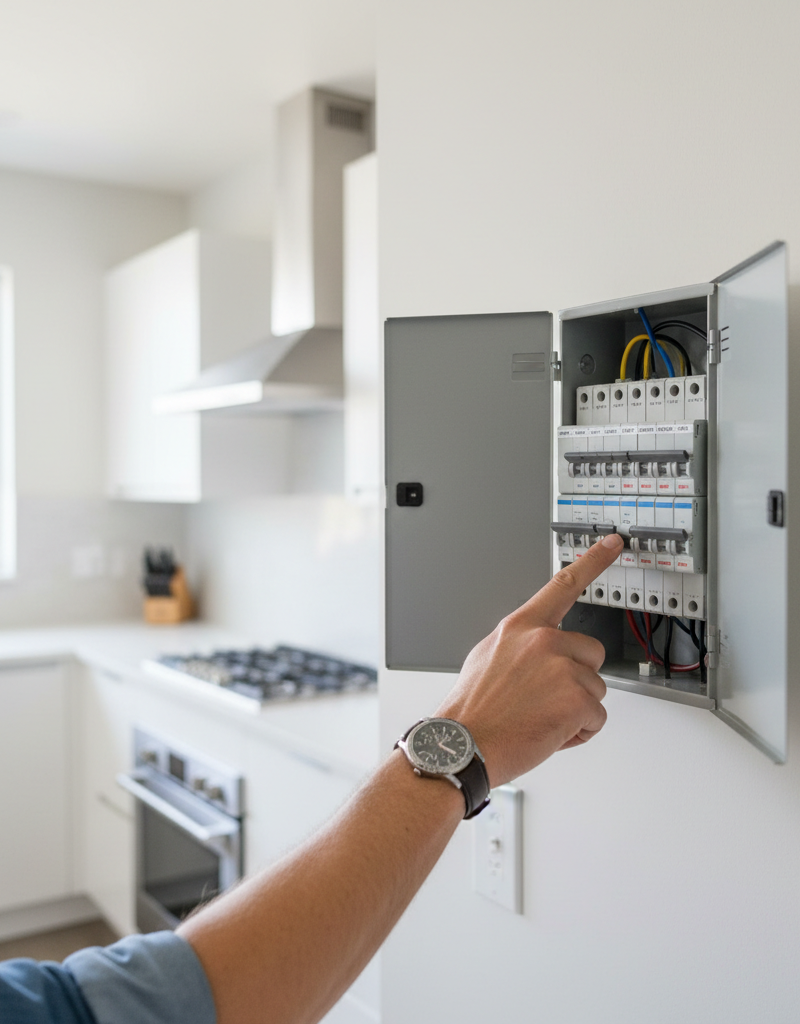
1. Safety First – Always disconnect power to your stove. * Unplug the stove from the wall outlet. If it's hardwired, flip the corresponding circuit breaker off in your electrical panel. This prevents accidental shocks and gas ignition during cleaning. * If you smell gas at any point, immediately open windows, turn off the gas supply to the stove (usually a small valve behind it or in the basement), and contact your gas company or an emergency plumber.
2. Remove Burner Components – Clear the way for inspection. * Allow the stovetop to cool completely if it's been recently used. * Lift off the grates and then the burner caps (the flat, usually black discs) from the affected burner. Some caps may have a small locating pin – note its position for reassembly. * Carefully lift out the burner head (the larger metal piece with gas ports). Set these aside on a clean cloth.
3. Locate and Inspect the Igniter – Identify the problem area. * The igniter is a small, off-white ceramic rod with a metal tip, usually protruding through a small opening in the stovetop base, near the gas ports. * Examine the igniter for visible signs of food debris, grease, charring, or moisture. Check for cracks in the ceramic or corrosion on the metal tip. A perfectly clean igniter will appear uniform in color without any buildup.
4. Clean the Igniter – Remove obstructions to spark generation. * Use a dry, soft-bristled toothbrush or a cotton swab to gently scrub away any food particles, grease, or grime from the ceramic igniter and its metal tip. Be careful not to bend or damage the igniter. * For stubborn, baked-on residue, slightly dampen the toothbrush with rubbing alcohol (isopropyl alcohol) – ensure the stove is unplugged and the area is well-ventilated. Allow it to air dry completely for at least 15-20 minutes before proceeding. Moisture is a common cause of igniter failure, so thorough drying is critical. * You can also use a can of compressed air to clear out any small particles from around the igniter and inside the burner head ports.
5. Clean Burner Ports – Ensure even gas flow. * Inspect the small holes (ports) around the burner head. These can also become clogged with food or grease, leading to uneven gas distribution or preventing ignition entirely. * Use a straightened paperclip or a sewing needle to carefully clear any blockages in these ports. Do not use a wooden toothpick, as it can break off inside. Be gentle to avoid scratching or enlarging the holes.
6. Clean Burner Caps and Grates – Prevent future issues. * Wash the burner caps and grates with warm, soapy water to remove any grease or spills. Rinse them thoroughly and dry them completely before reassembling. Residual moisture can cause problems.
7. Reassemble the Burner – Put it all back together carefully. * Place the clean, dry burner head back onto the stovetop base, ensuring it sits properly. The igniter often has a specific slot it aligns with. * Replace the burner cap, making sure it's centered and level on top of the burner head. Some caps have 'keyways' that mate with pegs on the burner head – align these correctly. * Return the grates to their positions.
8. Test the Burner – Check your work. * Plug the stove back into the electrical outlet or flip the circuit breaker back on. * Turn the knob for the problematic burner. Listen for the distinct 'click-click-click' of the igniter and observe if the gas ignites. It might take a few seconds longer than usual initially as air clears from the gas lines. * If it still doesn't light, repeat the cleaning process, focusing on ensuring no moisture remains and all ports are clear. If only a single igniter is failing, but others work, it strongly points to a local issue rather than a broad power problem.
Common Causes
- Food Debris & Spills: The most frequent culprit. Boilovers, grease splatters, and general cooking mess can directly block the igniter's spark gap or clog the small gas ports on the burner head.
- Moisture: Water or cleaning solutions that seep into the igniter assembly can short out the electrical spark. This is especially common after wiping down the stovetop.
- Worn or Damaged Igniter: Over time, the ceramic can crack, or the metal electrode can corrode or become damaged, preventing it from sparking correctly. Physical impact (e.g., dropping a heavy pot) can also damage it.
- Clogged Gas Ports: The tiny holes on the burner head, which the gas flows through, can become obstructed. If the gas can't reach the igniter consistently, it won't light.
- Loose Electrical Connections: Less common for a single burner, but wiring to the igniter could become loose, interrupting the electrical current.
- Faulty Burner Knob/Switch: The switch behind the knob that activates the igniter could be defective. If other burners light fine and the igniter itself looks clean, this might be a possibility.
Common Mistakes
- Ignoring the Safety Step: Forgetting to disconnect power is a serious hazard. Always unplug or trip the breaker before cleaning near electrical components or gas lines.
- Using Abrasive Cleaners or Sharp Objects on Igniters: Harsh chemicals or metal tools can damage the delicate ceramic or corrode the metal tip of the igniter, making the problem worse.
- Not Drying Components Thoroughly: Reassembling burners while the igniter or burner components are still damp will simply recreate the problem, as moisture prevents sparking.
- Overlooking Clogged Gas Ports: Focusing only on the igniter and forgetting to clear the fine gas ports on the burner head, which are crucial for even gas distribution and ignition.
- Bending the Igniter Tip: Being too aggressive during cleaning can inadvertently bend or break the brittle ceramic igniter, requiring a replacement.
- Applying Excessive Force During Reassembly: Forcing burner caps or grates can damage the igniter or the stovetop surface. Components should fit back together smoothly.
Cost & Time Breakdown
| Task | DIY cost | Pro cost | Time |
|---|---|---|---|
| Clean Igniter & Burner | $0–$5 | $100–$250 | 15–30 minutes |
| Replace Single Igniter | $20–$50 | $150–$300+ | 30–60 minutes |
| Inspect Wiring/Switch | $0 | Included | 15 minutes |
| Full Stove Diagnosis | N/A | $100–$200 | 30–60 minutes |
Tips & Prevention
- Routine Cleaning: Make it a habit to wipe down your stovetop after each use, paying attention to the area around the burner igniters, to prevent food buildup.
- Careful with Boilovers: Always monitor pots to prevent boilovers, which are a major cause of igniter blockages and clogged ports.
- Proper Cleaning Solutions: Use mild soap and water for general stovetop cleaning. Avoid spraying cleaners directly onto the igniters; instead, apply to a cloth and wipe.
- Check for Cracks: Periodically inspect the ceramic igniters for any hairline cracks, which can indicate impending failure and warrant proactive replacement.
- Ventilation: Ensure good ventilation when cooking, especially when using gas, to help dissipate any moisture or residue in the air.
- Annual Check-up: Consider an annual check-up by a qualified appliance technician, especially if your stove is older, to ensure all components, including igniters and gas lines, are in good working order.
When to Call a Professional
While many igniter issues are DIY-friendly, certain situations warrant calling a licensed appliance repair technician. If you've thoroughly cleaned the igniter and burner components, ensured they are completely dry, and the burner still fails to light, the problem might be more complex. This could indicate a faulty igniter that needs replacement, a broken igniter switch behind the control knob, or a deeper electrical issue with the stove's control module. Furthermore, if you detect any gas odors, even faint ones, or suspect a gas leak during your troubleshooting, immediately cease all work, turn off the main gas supply to your home, and contact your gas utility company and a certified professional. Never attempt to diagnose or repair a gas leak yourself. Issues with main gas lines, pressure regulators, or the internal wiring of the stove's control panel are beyond the scope of safe DIY and require the expertise of a professional to prevent serious hazards.
Related Articles
Keep troubleshooting with these hand-picked guides from FixlyGuide:
- The 3 Hidden Reasons Your Gas Burner Won't Light (Beyond a Clog) — Before you call a technician, discover the most common culprits behind a gas stove burner that refuses to ignite and learn how to fix them…
- The 3 Hidden Reasons Your Gas Burner Won't Light (Beyond a Clogged Pilot) — Before you call a technician, learn the common culprits behind a gas stove burner that refuses to light, from simple clogs to ignition comp…
- Gas Burner Won't Light? You're Making 1 of 5 Mistakes — Troubleshoot and fix a gas stove burner that won't light with simple DIY steps, addressing common igniter and clog issues.
- Fix Flickering Lights Throughout Your House: A DIY Guide — Flickering lights throughout your house are usually caused by loose connections. This guide will help you diagnose and fix the most common…
- How to Fix a Wobbly Ceiling Fan: A DIY Guide — A wobbly ceiling fan can be annoying and, in some cases, unsafe. Learn how to diagnose and fix the most common causes of ceiling fan wobble…
- The #1 Mistake Homeowners Make When Their Ice Maker Stops (And the Easy Fix) — Before you call for service, learn the most common and easily fixable reason your refrigerator's ice maker isn't producing ice.
Should you do this yourself?
Answer five quick questions before you start. Safety outranks savings every time.
Your experience with work like this
How high do you have to work?
Does the job involve any of these?
Will it need a permit?
Specialty tools
Free and instant. Educational guidance only — not a quote, inspection, or professional diagnosis.
Frequently asked questions
Why is my gas stove burner clicking but not lighting?+
If your gas stove burner is clicking but not lighting, it usually means the igniter is working, but the gas isn't igniting. This is most often due to clogged burner ports preventing gas from reaching the igniter, or the igniter itself being partially obstructed by debris or moisture, thus preventing a proper spark to ignite the gas.
Discussion
Loading comments…