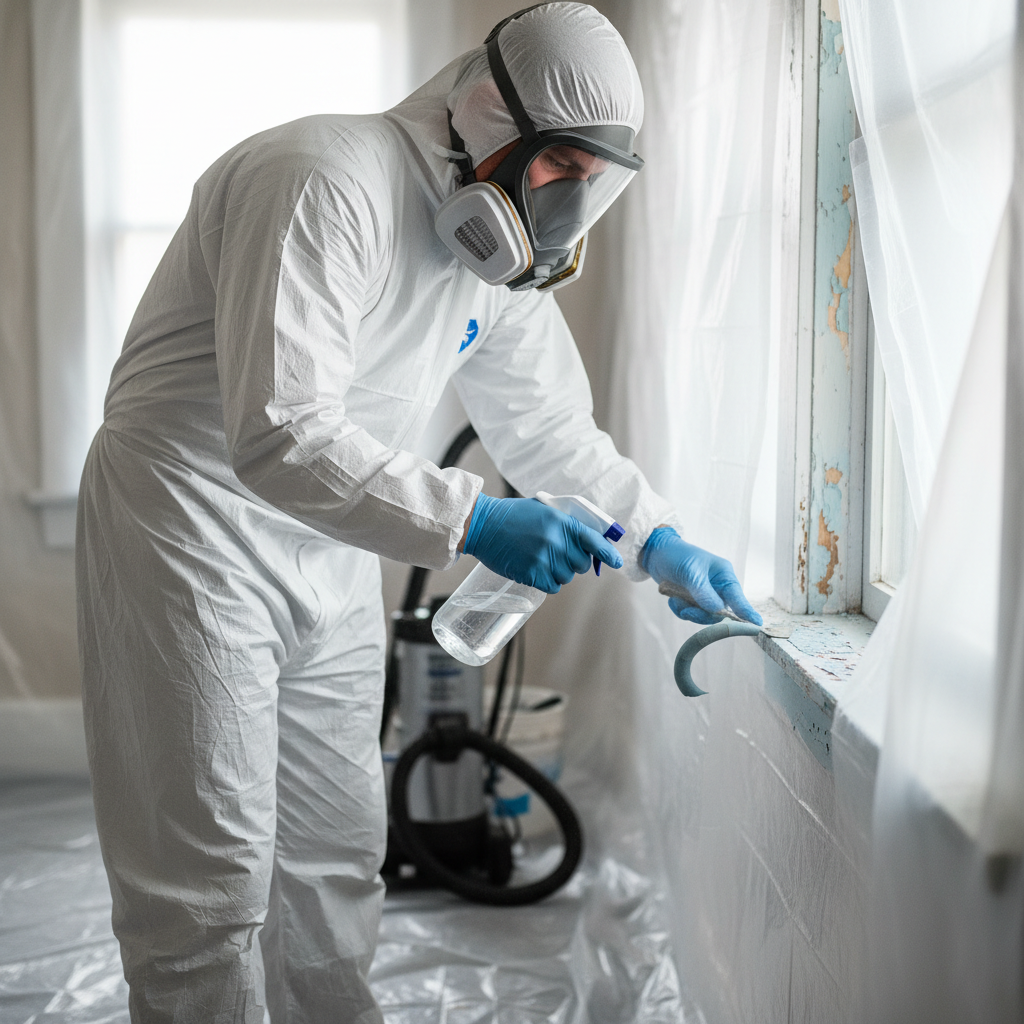
- Stop Before You Start – Before touching any paint.
- If you've already started: Stop immediately. Secure the area, don a respirator, and begin preparing for testing and safe work practices.
- Pro Tip: Even if you plan to hire a professional, understanding the testing process is vital for ensuring they follow proper protocols.
Published June 26, 2026Last updated August 17, 2026
Tools & materials you'll need
Affiliate linksAs an Amazon Associate FixlyGuide earns from qualifying purchases — at no extra cost to you. Prices and availability are accurate as of publication and subject to change.
Quick Answer
For homes built before 1978, assume lead paint is present, particularly on exterior surfaces, windows, doors, and trim. The primary danger isn't intact lead paint, but rather the creation of lead dust or chips during renovation activities like sanding, scraping, or demolition. Always test for lead before disturbing painted surfaces and follow strict containment and cleanup protocols if lead is found, wearing appropriate PPE and sealing off work areas to prevent widespread contamination.
The Problem
You've just bought a charming 1950s bungalow, brimming with character and ripe for renovation. You're eager to scrape away years of old paint to reveal the original wood trim or perhaps create a smooth surface for a fresh, modern color. What you might not realize is that beneath those layers of history lies a silent, invisible threat: lead-based paint. Until 1978, lead was a common additive to house paint, prized for its durability, vibrant color, and resistance to moisture. While intact lead paint, undisturbed and in good condition, generally poses a minimal risk, the moment you introduce friction—through sanding, scraping, drilling, or even just heavy foot traffic on a painted floor—you release microscopic lead particles into the air and onto surfaces. These particles, far too small to see, can be inhaled or ingested, leading to a host of severe health problems. Children are especially vulnerable, as their developing nervous systems are more susceptible to lead's toxic effects, even at very low exposure levels. The problem isn't just in the immediate work area; lead dust can travel throughout your home, contaminating carpets, furniture, and ventilation systems, creating a long-term hazard for every occupant.
How It Works
Lead, a heavy metal, was incorporated into paint formulations primarily as a pigment (white lead) and to enhance durability and drying time. When paint containing lead is new and adheres well to a surface, the lead remains bound within the paint film. The danger emerges when this paint deteriorates or is disturbed. As paint ages, it can chip, peel, or chalk, releasing lead dust or flakes. Mechanical actions, such as sanding, scraping, grinding, drilling, or even vigorous cleaning, generate a significant amount of lead dust and small paint chips. Even less obvious actions, like opening and closing a lead-painted window, can cause friction that releases lead dust from sashes and frames. Furthermore, impact activities, like demolition or hammering, can aerosolize lead particles. Once airborne, these microscopic particles can be inhaled, settling deep into the lungs. If ingested, which is common for children who put their hands or objects in their mouths, lead is absorbed into the bloodstream. Lead is a neurotoxin, interfering with brain development and function, particularly in children. It can also affect the kidneys, reproductive system, and cardiovascular system. In adults, chronic exposure can lead to high blood pressure, joint pain, muscle pain, and memory issues. The body has difficulty eliminating lead, so it accumulates over time, even at low-level, long-term exposures, making ongoing vigilance crucial in older homes. The half-life of lead in bones can be decades, meaning lead stored in the skeleton can be released back into the blood long after initial exposure, especially during periods of stress, pregnancy, or aging-related bone demineralization.
Step-by-Step Fix
-
Stop Before You Start – Before touching any paint. The single most important step in lead safety is to assume lead paint is present if your home was built before 1978. Do not begin any project involving disturbing painted surfaces (sanding, scraping, drilling, demolition) until you have tested for lead.
- If you've already started: Stop immediately. Secure the area, don a respirator, and begin preparing for testing and safe work practices.
- Pro Tip: Even if you plan to hire a professional, understanding the testing process is vital for ensuring they follow proper protocols.
-
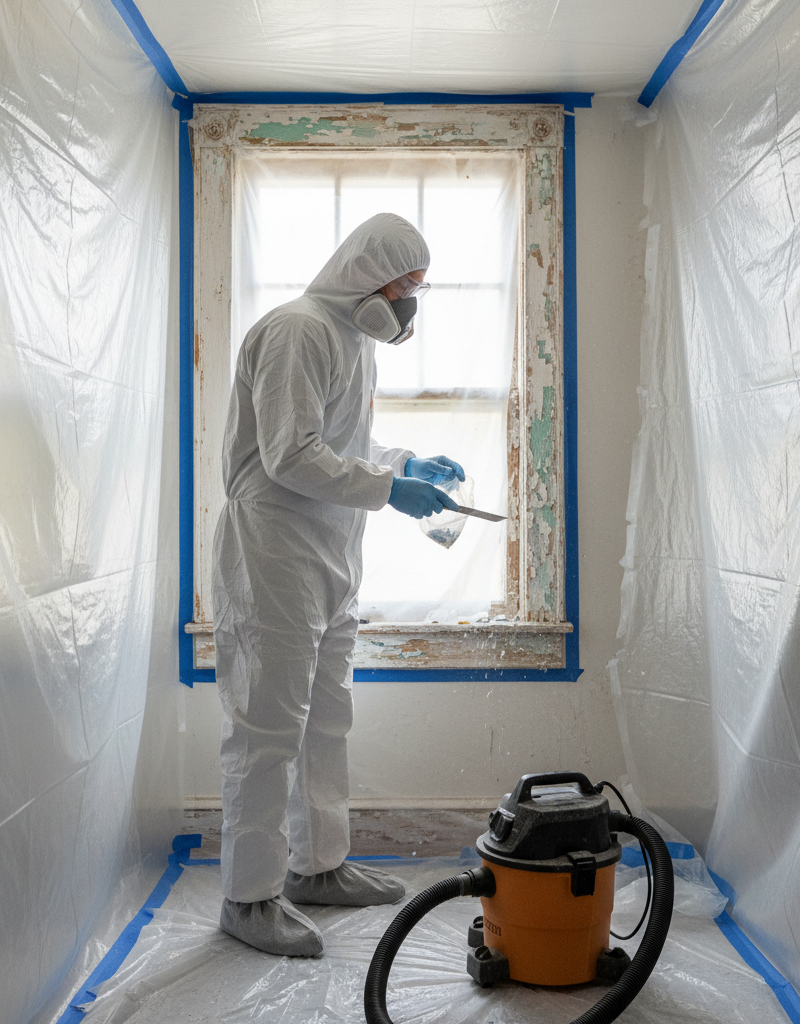
Test for Lead Paint – Ensure you know what you're dealing with. Purchase a reliable EPA-recognized lead test kit from a hardware store. These often involve rubbing a chemical swab on a sanded area of paint; a color change indicates lead. Test multiple layers of paint, as newer, lead-free paint might cover older lead layers. For more definitive results, consider a professional lead inspection.
- Required Material: EPA-recognized lead test kit.
- How To: Lightly sand a small, inconspicuous area to expose underlying paint layers. Follow the test kit instructions precisely.
- If the test is positive: Proceed with extreme caution. This article outlines DIY safety for small projects. For large-scale renovations, professional lead abatement is highly recommended.
-
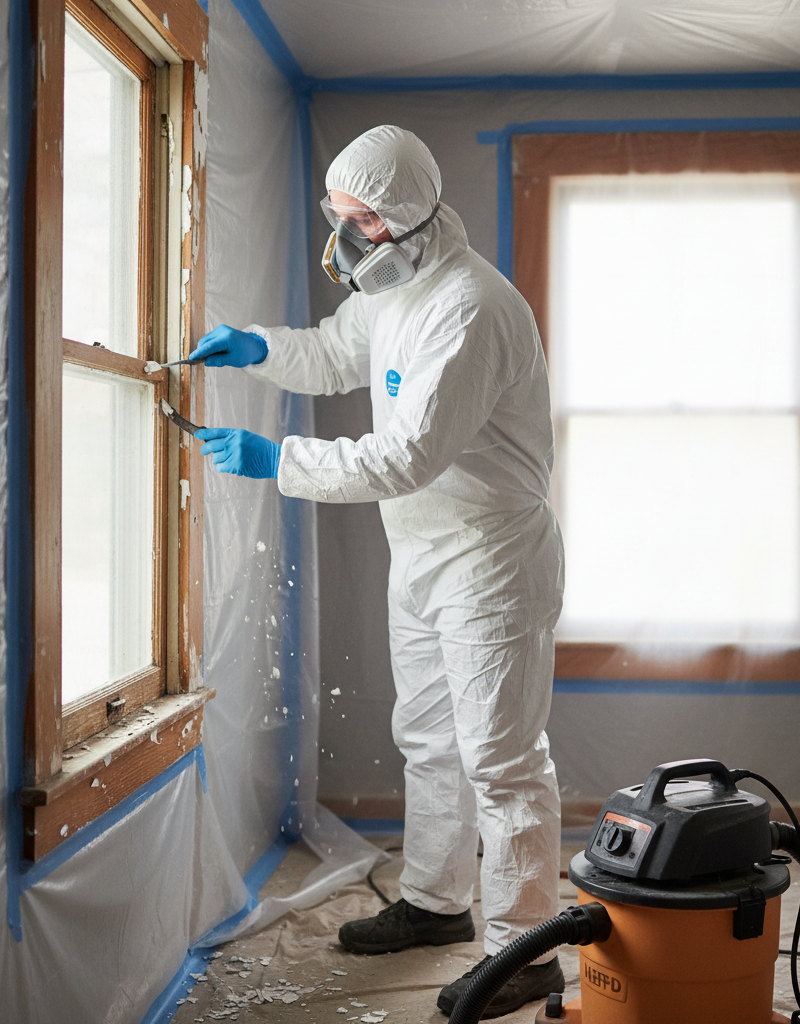
Establish a Containment Zone – Prevent lead dust spread. Before any work begins, seal off the area where you'll be working. Close doors, windows, and HVAC vents. Use 6-mil plastic sheeting to create a barrier, taping it securely with painter's tape to walls, floors, and doorways. Overlap sheets by at least 6 inches and tape seams.
- Tools: 6-mil plastic sheeting, painter's tape.
- Safety: Ensure only essential personnel are in the containment zone. Remove children and pets from the home entirely during lead remediation.
-
Wear Personal Protective Equipment (PPE) – Protect yourself from inhalation and contact. Always wear a NIOSH-approved N100 or P100 respirator, not just a dust mask. Complement this with disposable coveralls, safety goggles, and disposable gloves. Change into clean clothes outside the work zone after each session.
- Required Materials: NIOSH-approved N100 or P100 respirator, disposable coveralls, safety goggles, disposable gloves.
- Important: Regular dust masks offer insufficient protection against lead dust.
-
Use Wet Methods & Specialized Tools – Minimize airborne dust. When scraping, keep the painted surface damp with a spray bottle of water to prevent dust from becoming airborne. Use chemical paint strippers (designed for lead paint) instead of dry sanding or grinding. For drilling, use a shroud with a HEPA vacuum attachment. Avoid heat guns above 1100°F (593°C), as they can vaporize lead.
- Tools: Spray bottle, chemical paint strippers (lead-safe formula), HEPA vacuum.
- Safety Note: Always ensure good ventilation when using chemical strippers.
- If this doesn't work: If wet methods don't loosen paint sufficiently, consider encapsulating the lead paint with a new, lead-safe coating rather than removing it.
-
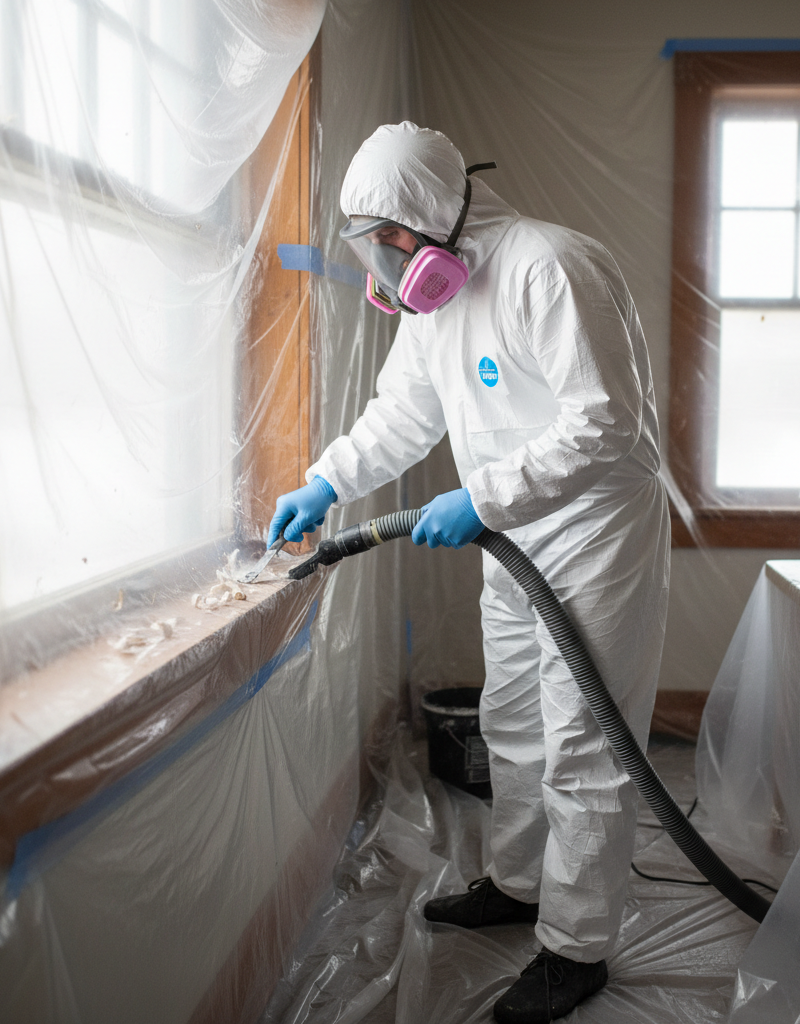
Collect and Package Debris Carefully – Isolating contaminated waste. Immediately upon creation, collect all paint chips and debris. Use heavy-duty plastic bags (like contractor bags) and seal them tightly. Do not use a standard household vacuum cleaner, as it will simply re-aerosolize lead dust. Only use a vacuum equipped with a HEPA filter.
- Required Materials: Heavy-duty plastic bags (6-mil), duct tape.
- Pro Tip: Double-bagging waste provides an extra layer of protection.
-
HEPA Vacuuming and Wet Wiping – Thorough cleaning is paramount. After collecting all visible debris, thoroughly vacuum the entire containment area with a HEPA-filtered vacuum. Follow this by wet wiping all surfaces—walls, floors, tools—with a damp cloth and a general all-purpose cleaner. Rinse rags frequently in a dedicated bucket of water.
- Tool: HEPA-filtered vacuum.
- Material: All-purpose cleaner, disposable rags.
-
Dispose of Waste Properly – Follow local regulations. Lead-contaminated waste is considered hazardous. Contact your local waste management facility or health department for specific instructions on disposal. Do not simply throw it in household trash.
- Important: Improper disposal can lead to fines and environmental contamination.
Common Causes
Age of Home: The most significant factor. Homes built before 1978 almost certainly contain lead paint, with the highest concentrations found in homes built before 1950.
Deterioration: Chipping, cracking, peeling, or chalking paint naturally releases lead dust and flakes over time, even without direct disturbance.
Friction & Impact: Areas with high wear and tear, such as window sashes rubbing against frames, doors hitting doorjambs, or painted floors, create lead dust through constant abrasion. Impact from demolition or drilling also liberates lead.
Previous Renovation Practices: Prior DIY projects where lead paint wasn't properly contained or cleaned can leave behind a legacy of lead dust in carpets, air ducts, or behind walls.
External Contamination: Lead-contaminated soil from exterior paint deterioration can be tracked inside, especially near foundations or drip lines.
Common Mistakes
- Failing to Test: Assuming a house is lead-free or that only visible peeling paint is a problem. Always test, especially if renovating in a pre-1978 home.
- Dry Sanding/Scraping: Using abrasive methods like dry sanding or grinding creates massive amounts of airborne lead dust, which is the most dangerous form of exposure. Always use wet methods or chemical strippers.
- Using a Regular Vacuum: Household vacuums lack HEPA filters and will simply spread lead dust throughout the house, making the problem worse.
- Inadequate PPE: Relying on flimsy dust masks instead of a NIOSH-approved N100 or P100 respirator. Not wearing disposable coveralls can lead to tracking lead dust outside the work zone.
- Ignoring Containment: Not sealing off the work area thoroughly allows lead dust to permeate other parts of the home, contaminating furniture, carpets, and air ducts.
- Improper Waste Disposal: Throwing lead-contaminated debris into regular trash, which can expose sanitation workers and contaminate landfills.
Cost & Time Breakdown
| Task | DIY cost | Pro cost | Time |
|---|---|---|---|
| Lead Test Kit | $20–$50 | Included (Pro Test) | 5–10 minutes |
| PPE (Respirator, Coveralls, Gloves, Goggles) | $50–$100 | Included | 5 minutes per use |
| Containment Materials (Plastic Sheeting, Tape) | $30–$70 | Included | 30–60 minutes |
| Wet Scraping/Chemical Stripping Supplies | $50–$150 | Included | Varies (project dependent) |
| HEPA Vacuum Rental (if needed) | $40–$70/day | Included | N/A |
| Hazardous Waste Disposal | $0–$100 | Included | 10–20 minutes |
Tips & Prevention
- Regular Inspections: Periodically check painted surfaces in older homes for signs of chipping, peeling, or chalking, especially high-friction areas like windows and doors. Address deterioration promptly and safely.
- Wet Cleaning: Regularly wet-wipe floors, windowsills, and other horizontal surfaces with a general all-purpose cleaner. This helps remove any settled lead dust before it becomes airborne.
- Careful Renovation Planning: Before any DIY project in an older home, assume lead paint is present. Plan your approach to minimize paint disturbance. Consider encapsulation (painting over existing lead paint with a new, lead-safe product) as an alternative to removal.
- Foot Mats: Place doormats inside and outside all entryways to help prevent lead-contaminated soil from being tracked into the home.
- Good Hygiene: Encourage frequent handwashing, especially for children, to prevent accidental ingestion of lead dust from hands. Wash toys and pacifiers regularly.
- Ventilation: If working on encapsulated or intact lead paint (e.g., painting over it), ensure adequate ventilation, even if not disturbing the lead directly.
When to Call a Professional
While small, localized lead paint issues can be managed by a careful DIYer, there are clear instances where calling a licensed lead abatement professional is not just recommended, but essential for safety and compliance. If lead paint is widespread throughout your home, involves large areas (e.g., entire rooms, exterior siding), or is present in critical components like windows and doors that will be heavily disturbed, the risk of significant lead exposure is too great for a DIY approach. Professionals have specialized training, equipment (like negative air machines and comprehensive air monitoring), and experience to safely remove or encapsulate lead paint while adhering to all federal, state, and local regulations. Additionally, if children or pregnant women reside in the home, or if you simply feel overwhelmed by the strict protocols required, err on the side of caution and consult with a certified lead risk assessor or abatement contractor to protect your family's health.
Related Articles
Keep troubleshooting with these hand-picked guides from FixlyGuide:
- 7 Inspection Red Flags That Secretly Signal a $20,000 Bill — Don't let your dream home become a money pit. Many buyers and even some inspectors overlook subtle home inspection red flags that lead to f…
- The Hidden Reason Your AC Isn't Cooling (And 7 Fixes Homeowners Miss) — If your central AC isn't cooling your home, the culprit often lies in an overlooked issue that's simple to fix, preventing costly professio…
- The Hidden Culprit Behind Your AC Not Cooling (and How to Find It) — If your central AC isn't cooling your home, the issue often stems from a surprisingly simple problem that's easy to overlook. Learn how to…
- The Hidden Reason Your AC Isn't Cooling (And Why Most Homeowners Get It Wrong) — When your central AC unit isn't cooling, the culprit often isn't what you think, leading to frustration and unnecessary repair calls.
- 7 Hidden Equity Drains Costing You Thousands Annually — Your home is an asset, but silent problems like minor leaks, poor insulation, and deferred maintenance can drain its value. Discover the se…
- That Ceiling Stain Isn't a Leak: 5 Hidden Causes — A mysterious ceiling stain can be alarming, especially when there's no active leak. The real culprits are often hidden issues like attic co…
What should this project cost?
Enter your project details for a realistic cost range before you call anyone.
Cost depends heavily on which system turns out to be the source.
- Regional adjustment
- National average
- Labor share (typical)
- ~$1,620
- Quotes to collect
- 3 written estimates
Educational estimate based on national averages — not a binding quote. Always confirm with written local estimates.
Get the print-ready PDF of this guide
A clean, ad-free, printable version you can keep on your phone or pin to the workshop wall. Free with a FixlyGuide account.
- Print-optimized layout
- Tools, materials & every step included
- Saved to your account
This article was independently written by FixlyGuide based on the source topic.
Frequently asked questions
How do I know if my home has lead paint?+
The most reliable way is to test. Assume any home built before 1978 has lead paint on some surfaces. You can use an EPA-recognized lead test kit or hire a professional lead inspector for a comprehensive assessment.
Is intact lead paint dangerous?+
Intact, undisturbed lead paint in good condition typically poses a low risk. The danger arises when the paint chips, peels, or is disturbed by activities like sanding, scraping, or drilling, which create hazardous lead dust and chips.
What are the common symptoms of lead poisoning?+
Symptoms can vary and often mimic other illnesses. In children, common signs include developmental delays, learning difficulties, irritability, loss of appetite, weight loss, abdominal pain, vomiting, constipation, and fatigue. In adults, symptoms may include high blood pressure, joint and muscle pain, memory difficulties, and headaches.
Can I remove lead paint myself?+
For very small, localized areas, careful DIY removal following strict safety protocols (testing, containment, PPE, wet methods, HEPA vacuuming, proper disposal) is possible. However, for larger areas or extensive renovations, hiring a certified lead abatement professional is strongly recommended due to the significant health risks and complex regulations involved.
What should I do if my child has been exposed to lead?+
If you suspect your child has been exposed to lead, contact your pediatrician immediately. They can perform a blood test to determine lead levels and recommend appropriate medical interventions or follow-up actions.
Discussion
Loading comments…