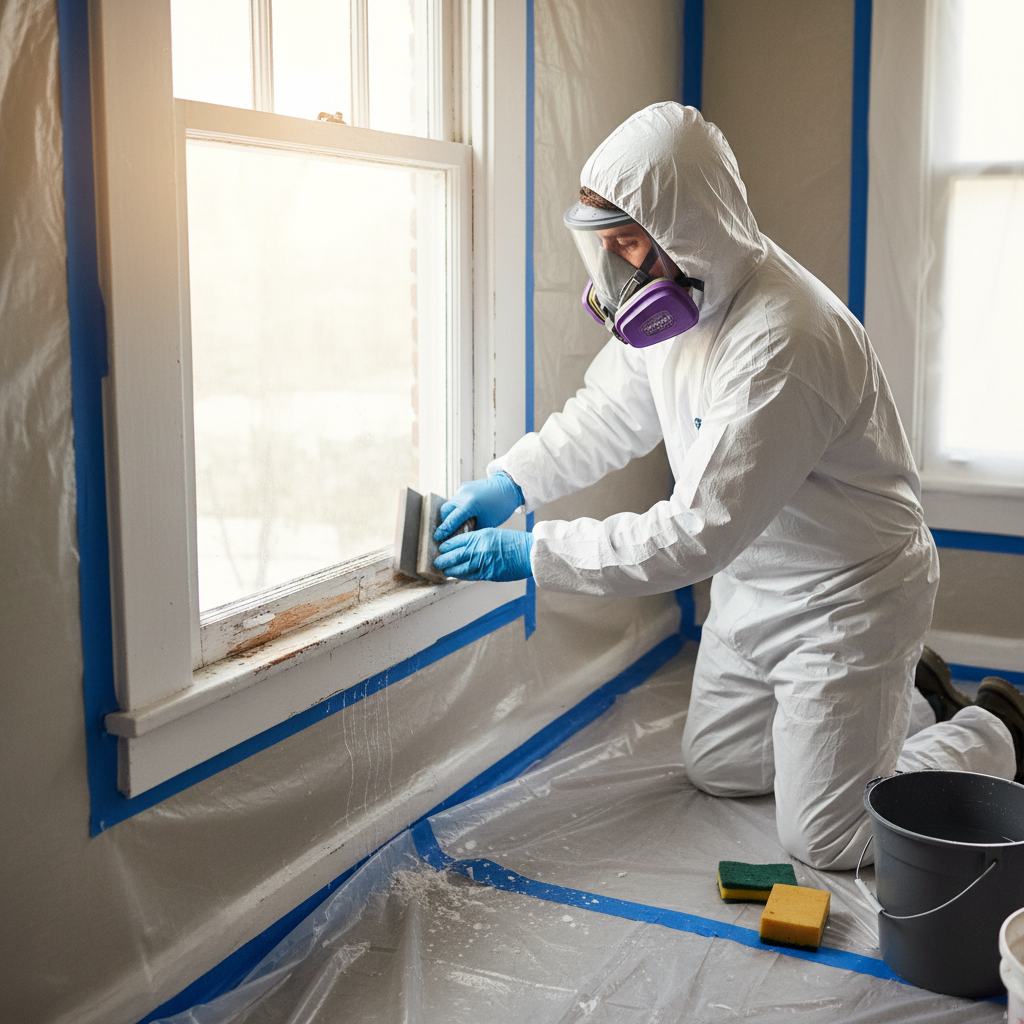
- Test for Lead — Don't Guess: Before any work begins, determine if lead paint is present. While visual inspection can hint at older paint layers, only testing is definitive.
- Tools: EPA-recognized lead test kits (check for independent certification) or professional lead inspection services.
- Safety: Always follow the test kit instructions precisely. If using a professional, ensure they are certified.
- If this doesn't work: If the test result is inconclusive or you suspect a false negative, retest with a different kit or call a certified lead inspector.
General remodeling · Renovation planning
| Project category | General remodeling |
|---|---|
| Problem type | Renovation planning |
| Trade required | General contracting |
| Urgency | Planned project |
| Safety risk | Low safety risk |
| DIY suitability | Pro recommended |
| Cost category | Major investment |
| Typical timeline | Design and permitting often 2–4 months before work starts |
| Contractor type | General contractor |
Repair option
Phase the work and fix the building envelope first.
Replacement option
Full renovation with permits, design, and a general contractor.
Common causes
- Space no longer fits how the household lives
- Resale preparation
- Deferred maintenance stacking up
Relevant tools:project cost estimatorcompare quoteshome improvement material prices
Published June 27, 2026Last updated August 18, 2026
Tools & materials you'll need
Affiliate linksAs an Amazon Associate FixlyGuide earns from qualifying purchases — at no extra cost to you. Prices and availability are accurate as of publication and subject to change.
Quick Answer
If your home was constructed before 1978, there's a significant chance lead-based paint was used. While intact lead paint generally poses a low risk, any activity that disturbs it—such as sanding, scraping, drilling, or demolition—can release microscopic lead particles into the air and onto surfaces, creating a toxic dust that is particularly dangerous to children and pregnant women. Professional testing is the most accurate way to confirm its presence, but prudent homeowners should always assume lead is present and take strict precautions.
The Problem
You're excited about that kitchen remodel or finally tackling the peeling paint in the kids' room. But if your home predates 1978, the very act of improving it could be creating an insidious health hazard: lead dust. Lead-based paint was once common, prized for its durability and vibrant colors. However, once disturbed, it becomes a silent threat. This invisible dust can settle on floors, toys, and hands, and when ingested or inhaled, lead can cause severe and irreversible health problems. Children are especially vulnerable due to their developing nervous systems and tendency to put hands and objects into their mouths. Even small amounts of lead exposure can lead to learning disabilities, behavioral problems, and developmental delays. For adults, lead exposure can cause kidney damage, nervous system issues, and reproductive problems. Understanding this danger isn't about fear-mongering; it's about empowering you to renovate safely and protect the health of everyone in your home.
How It Works
Lead is a heavy metal that was widely used in consumer products, especially paint, until it was banned for residential use in 1978 in the United States. Lead was added to paint for several reasons: it made the paint more durable, helped it dry faster, and produced richer, more vibrant colors. When this paint is intact and in good condition, it generally doesn't pose an immediate hazard if it's not flaking, chipping, or otherwise deteriorating. The danger arises when the paint film is broken or disrupted. Activities like sanding, scraping, drilling, cutting, or even vigorous cleaning can pulverize the lead paint into microscopic particles. These particles are too small to see with the naked eye but can become airborne. Once airborne, they can travel throughout your home, settling on surfaces like floors, furniture, and toys. They can also be inhaled directly. When these lead particles are ingested, either directly from hands that have touched contaminated surfaces or through food and drink, your body absorbs the lead. Unlike essential minerals, the body cannot excrete lead efficiently, so it accumulates in bones and soft tissues over time, leading to a build-up that can reach toxic levels. This accumulation can disrupt various bodily systems, including the neurological, cardiovascular, and reproductive systems, causing a range of health issues. The dust can remain a hazard for years if not properly cleaned. For example, a single teaspoon of lead dust on a single square foot of floor can create hazardous conditions if the lead content is high enough. Even if you clean the visible dust, without specialized HEPA vacuums and cleaning methods, you might be spreading the invisible lead dust further, inadvertently creating a larger contamination problem.
Step-by-Step Fix
Addressing lead paint hazards safely requires careful planning and execution. If you suspect lead paint, always test first. If confirmed, consider professional abatement for large projects. For small, localized repairs, follow these steps.
-
Test for Lead — Don't Guess: Before any work begins, determine if lead paint is present. While visual inspection can hint at older paint layers, only testing is definitive.
- Tools: EPA-recognized lead test kits (check for independent certification) or professional lead inspection services.
- Safety: Always follow the test kit instructions precisely. If using a professional, ensure they are certified.
- If this doesn't work: If the test result is inconclusive or you suspect a false negative, retest with a different kit or call a certified lead inspector.
-
Isolate the Work Area — Create a Containment Zone: Prevent lead dust from spreading to other parts of your home. This is crucial for maintaining indoor air quality.
- Materials: Heavy-duty plastic sheeting (6 mil minimum), painter's tape, zippered entry system for plastic sheeting.
- Process: Clear the room of all furniture, rugs, and personal items. Cover floors with overlapping plastic sheeting, extending it up the walls by at least 6 inches. Seal all vents, doors, and windows leading out of the work area with plastic and tape. Create a "decompression" zone just outside the main work area by adding another layer of plastic and opening a window for ventilation (if safe).
-
Gear Up Safely — Personal Protective Equipment (PPE): Protect yourself from inhaling or ingesting lead particles.
- Materials: N95 or P100 respirator, disposable coveralls, disposable shoe covers, safety glasses, chemical-resistant gloves.
- Safety: Ensure your respirator is properly fitted and sealed. Change disposable items regularly, especially if they become torn or heavily soiled. Never wear contaminated clothes outside the work area.
-
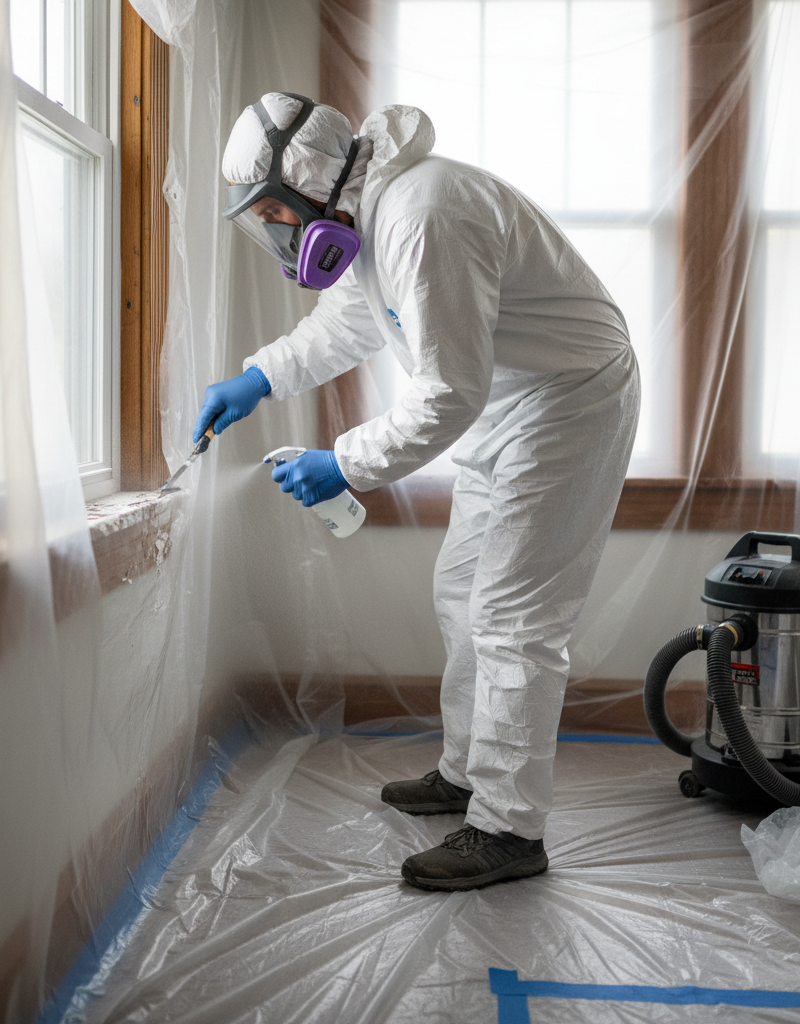
Wet the Surface — Suppress Dust Generation: Moisten painted surfaces before scraping or sanding to minimize airborne dust.
- Tools/Materials: Spray bottle with water and a few drops of dish soap.
- Process: Lightly mist the area you plan to work on. Avoid soaking the surface, as this can create a mess, but ensure it's damp enough to keep dust from clouding. Reapply water as needed during work.
-
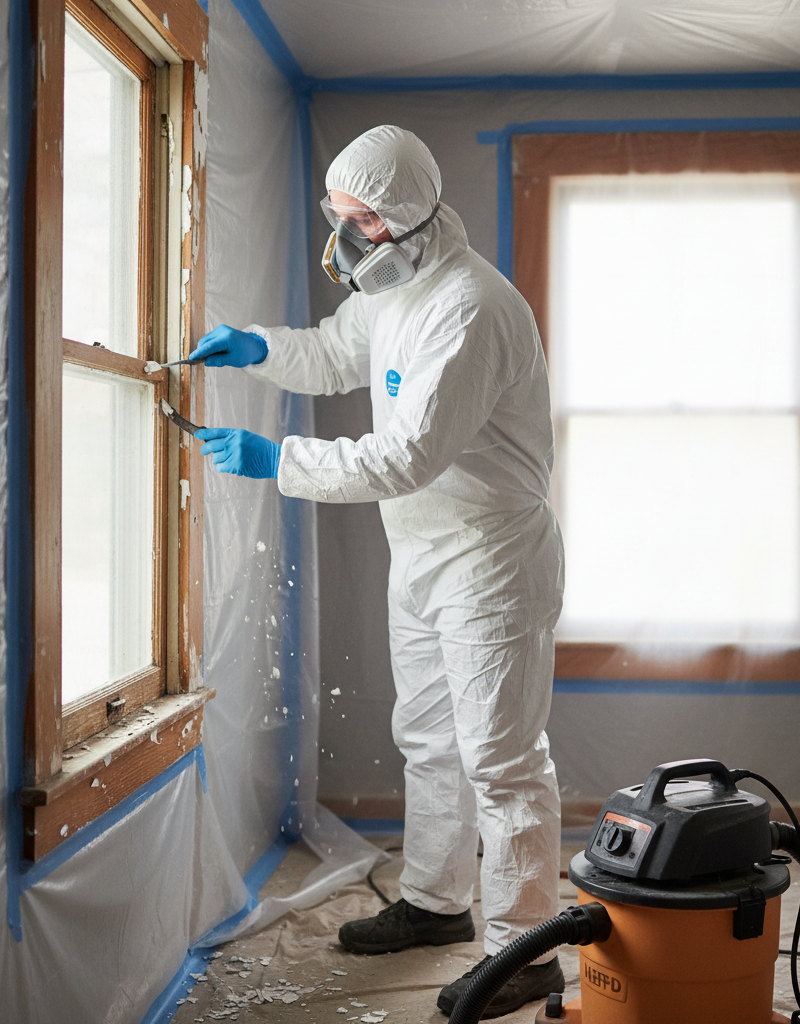
Remove Paint Carefully — Minimize Disturbance: Use techniques that generate the least amount of dust.
- Tools: HEPA-filtered sander (if sanding is unavoidable), chemical paint strippers (check for methylene chloride-free options), heat guns (use with extreme caution and low settings), scrapers, utility knives.
- Safety: Never dry sand or use power sanders without HEPA attachments. Avoid open-flame torching or high-temperature heat guns, as this can volatilize lead. Work slowly and methodically. Collect all chips and debris immediately in a heavy-duty plastic bag.
-
Contain Debris — Double Bag and Seal: Proper disposal is essential to prevent re-contamination.
- Materials: Heavy-duty plastic bags (6 mil), duct tape.
- Process: Place all lead-contaminated debris (paint chips, dust, used plastic sheeting, PPE) into one heavy-duty plastic bag. Seal it tightly with duct tape. Place this bag into a second heavy-duty plastic bag and seal that one as well. Check local regulations for proper disposal of lead-contaminated waste; often, it must go to a hazardous waste facility.
-
Clean Meticulously — HEPA Vacuum and Wet Wipe: Lead dust is insidious and requires specialized cleaning.
- Tools/Materials: HEPA vacuum (certified for lead dust), buckets, sponges, lead-specific cleaning solution (or plain warm water with a general-purpose cleaner), disposable cleaning cloths.
- Process: After removing loose debris, thoroughly vacuum all surfaces in the containment area (floors, walls, any remaining fixtures) with a HEPA vacuum. Never use a regular household vacuum, as it will simply spread fine lead particles. After vacuuming, wet-wipe all surfaces repeatedly using the lead-specific cleaner and disposable cloths, rinsing sponges frequently in a separate bucket of clean water. Change cleaning water often. Repeat the wet-wiping process at least twice more with fresh cloths and clean water. Dispose of all used cloths, sponges, and cleaning solutions as lead waste.
-
Final Inspection & Clearance Testing — Ensure Safety: For significant projects, consider professional clearance testing.
- Tools/Materials: Lead dust sampling kits (for professional use) or a certified lead risk assessor.
- Process: Visually inspect the area for any remaining dust or debris. For peace of mind, especially after larger renovations or if children reside in the home, hire a certified lead risk assessor to conduct post-renovation dust wipe tests. This confirms that the area is safe for re-occupancy.
Common Causes
The primary cause of lead exposure in homes is the disturbance of existing lead-based paint. Here are the specific activities and conditions that most commonly create lead hazards:
- Sanding, Scraping, and Chipping: These are the most common culprits. Dry sanding or scraping old paint generates fine lead dust that can become airborne and settle on surfaces.
- Demolition and Renovation: Tearing down walls, removing windows, or gutting rooms in older homes will inevitably disturb lead paint, releasing large quantities of dust.
- Friction and Impact Surfaces: Painted surfaces that rub together (e.g., old windows and doors) or are frequently impacted (e.g., door frames, railings) can create lead dust over time, even without explicit renovation.
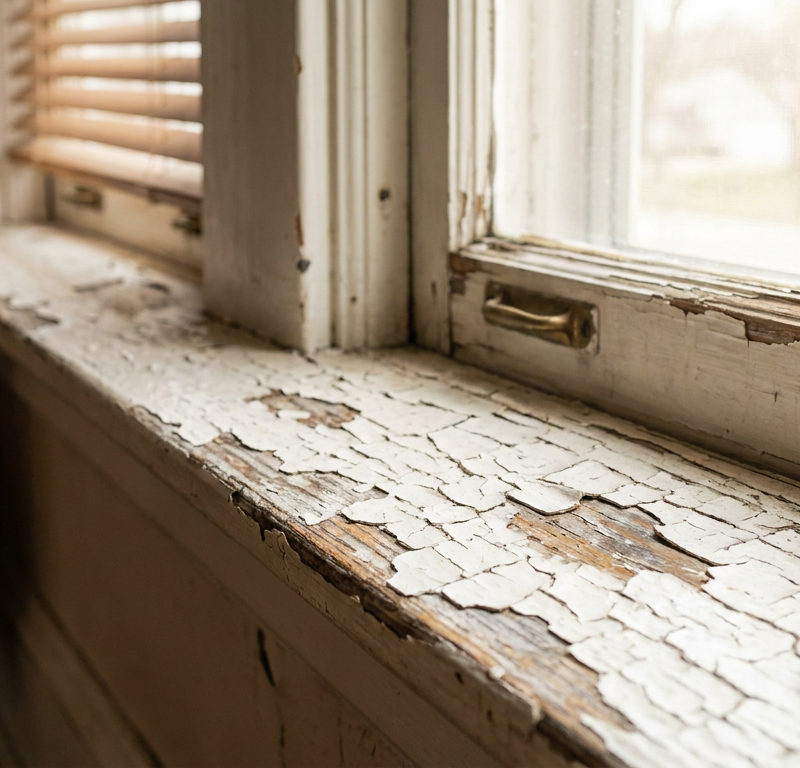
- Peeling, Chipping, or Deteriorating Paint: When lead paint naturally breaks down, small flakes and dust are released, particularly hazardous on surfaces accessible to children.
- Improper Renovation Techniques: Using high-heat guns (above 700°F), open-flame torches, or uncontained power tools on lead-painted surfaces.
- Lead Dust Tracked In: Dust from exterior lead paint on sidewalks, soil, or even from industrial sources can be tracked into the home on shoes and clothing.
Common Mistakes
Amateur renovators often make critical errors when dealing with lead paint. Avoid these common mistakes to protect your family's health:
- Not Testing First: Assuming there's no lead paint because the house "doesn't look that old" or because you "don't see any peeling." Always test if built before 1978.
- Dry Sanding or Scraping: This is the absolute worst thing you can do. It aerosolizes lead particles, ensuring widespread contamination.
- Using a Regular Vacuum Cleaner: Standard vacuums (even those with "HEPA-like" filters) are not equipped to capture microscopic lead dust particles; they will simply circulate them into the air.
- Inadequate Containment: Failing to seal off the work area properly allows lead dust to escape into other living spaces, spreading the contamination.
- Ignoring Personal Protective Equipment (PPE): Working without a proper respirator, disposable coveralls, and gloves means you're directly exposing yourself to lead.
- Improper Disposal: Throwing lead-contaminated waste into regular trash, or not double-bagging and sealing it, can expose sanitation workers and potentially contaminate landfills.
- Cleaning with Only a Damp Cloth: While wet wiping is good, it must follow HEPA vacuuming and be thorough, repeated multiple times with clean water and cloths, and properly disposed of.
Cost & Time Breakdown
| Task | DIY cost | Pro cost | Time |
|---|---|---|---|
| Lead Test Kits (DIY) | $20–$50 | $300–$600+ | 15 mins |
| Containment Setup (DIY) | $50–$150 | Included in job | 1–2 hours |
| PPE (DIY) | $30–$80 | Included in job | 0 hours |
| Paint Removal (DIY - small) | $0–$50 | $1,000–$10,000+ | 1–4 hours/area |
| HEPA Vacuum Buy/Rent | $200–$600+ / $40–$60/day | Included in job | 0 hours |
| Disposal (DIY) | $0–$50 | Included in job | Varies |
| Professional Clearance Testing | N/A | $200–$500+ | 1–2 hours |
Tips & Prevention
Preventing lead exposure is far easier and safer than remediation. Incorporate these practices into your home maintenance routine:
- Regular Cleaning: Regularly wet-wipe floors, windowsills, and other surfaces, especially in older homes, to remove any settled dust. Use a HEPA vacuum if you have one.
- Maintain Paint in Good Condition: Ensure all painted surfaces are intact and free of chipping or peeling. Address any deterioration promptly by either removing the lead paint safely or encapsulating it.
- Wash Hands Frequently: Encourage all family members, especially children, to wash hands often, particularly before eating and after playing outdoors.
- Test Children's Blood Lead Levels: If you live in an older home, talk to your pediatrician about routine blood lead level testing for your children.
- Be Lead-Safe Outdoors: If your home's exterior has lead paint, or if there's lead in the soil from industrial sources or old paint, prevent children from playing in bare soil. Consider planting grass or using wood chips.
- Choose Lead-Safe Contractors: For any renovation work in an older home, always hire EPA Lead-Safe Certified Renovators who are trained in lead-safe work practices.
- Encapsulate, Don't Just Paint Over: If you choose to manage intact lead paint, consider encapsulation products specifically designed to seal in lead, rather than just painting over it, which offers only temporary cosmetic improvement.
When to Call a Professional
While small, localized repairs might be manageable for a dedicated DIYer with strict adherence to lead-safe practices, there are definite instances where professional intervention is not just recommended, but essential for your family's safety. You should immediately call an EPA Lead-Safe Certified Renovator or a licensed lead abatement contractor if you are dealing with large areas of deteriorating lead paint, particularly if it's widespread chipping or peeling. Any project involving the complete removal of lead paint from significant surfaces, such as walls, windows, or doors, should also be handled by professionals. If you're undertaking major renovation or demolition in a pre-1978 home, the scale of potential lead dust generation is too high for DIY methods. Furthermore, if you have young children or pregnant individuals in the home, or if you've already identified elevated blood lead levels in a family member, do not attempt any lead-related DIY work—the risk is simply too great. Professionals have the specialized training, equipment (including advanced containment and HEPA filtration systems), and disposal protocols to safely manage and remove lead hazards without contaminating your home or exposing occupants.
Related Articles
Keep troubleshooting with these hand-picked guides from FixlyGuide:
- 7 Inspection Red Flags That Secretly Signal a $20,000 Bill — Don't let your dream home become a money pit. Many buyers and even some inspectors overlook subtle home inspection red flags that lead to f…
- 7 Hidden Equity Drains Costing You Thousands Annually — Your home is an asset, but silent problems like minor leaks, poor insulation, and deferred maintenance can drain its value. Discover the se…
- The Hidden Culprit Behind Your AC Not Cooling (and How to Find It) — If your central AC isn't cooling your home, the issue often stems from a surprisingly simple problem that's easy to overlook. Learn how to…
- The 12 Checks That Prevent 80% of Costly Home Repairs — Don't wait for a disaster. Our comprehensive monthly home maintenance checklist reveals the surprising, simple tasks that catch small issue…
- The Surprising Trick to Cutting Your Dryer Bill By $100 Per Year — Installing a clothesline can significantly reduce your energy bills and add a fresh scent to your laundry. This guide covers how to choose…
- The 7 Critical Home Inspection Mistakes Most Homeowners Make (and How to Spot Them) — Discover the crucial home inspection mistakes homeowners commonly overlook and learn how to identify potential problems before they become…
Should you do this yourself?
Answer five quick questions before you start. Safety outranks savings every time.
Your experience with work like this
How high do you have to work?
Does the job involve any of these?
Will it need a permit?
Specialty tools
Free and instant. Educational guidance only — not a quote, inspection, or professional diagnosis.
Estimate your own project cost
National averages are a starting point. Enter your details for a range that fits your house.
Interior paint estimator
- Paint$96
- Supplies (tape, rollers, drop cloth)$35
- Estimated total (DIY)$131
Hiring a pro? Add roughly $1.50–$4.00/sq ft for labor depending on prep work and trim detail.
Educational estimate only — always confirm with written local bids.
What should this project cost?
Enter your project details for a realistic cost range before you call anyone.
Cost depends heavily on which system turns out to be the source.
- Regional adjustment
- National average
- Labor share (typical)
- ~$1,620
- Quotes to collect
- 3 written estimates
Educational estimate based on national averages — not a binding quote. Always confirm with written local estimates.
Before you start
Check the difficulty, permits, and safety risk — then decide whether to call a pro.
Free, no signup required. Estimates are educational guidance, not a quote or an inspection.
Get the print-ready PDF of this guide
A clean, ad-free, printable version you can keep on your phone or pin to the workshop wall. Free with a FixlyGuide account.
- Print-optimized layout
- Tools, materials & every step included
- Saved to your account
This article was independently written by FixlyGuide based on the source topic.
Frequently asked questions
How do I know if my house has lead paint?+
The only definitive way to know if your house has lead paint is by testing. You can use an EPA-recognized lead test kit for a preliminary check, or hire a certified lead inspector for more accurate results and proper risk assessment, especially if your home was built before 1978.
Is it safe to live in a house with lead paint?+
It can be safe to live in a house with intact lead paint that is not peeling, chipping, or otherwise deteriorating. The danger primarily arises when lead paint is disturbed, creating lead dust that can be inhaled or ingested. Proper maintenance and lead-safe practices are key.
What are the health risks of lead paint exposure?+
Lead paint exposure can cause serious health problems, especially in children and pregnant women. Children may experience developmental delays, learning disabilities, and behavioral issues. Adults can suffer from kidney damage, nervous system problems, and reproductive issues. Even low levels of exposure can be harmful.
Can I remove lead paint myself?+
For very small, isolated areas of intact lead paint, a diligent DIYer can follow strict lead-safe work practices, including containment, wet scraping, and HEPA cleaning. However, for larger areas, deteriorating paint, or major renovations, it is highly recommended to hire an EPA Lead-Safe Certified Renovator or a professional lead abatement contractor to ensure safety and compliance.
What should I do if I find lead paint in my home?+
If you find lead paint, avoid disturbing it. If it's intact, consider encapsulating it with a specialized product or repainting with a non-lead paint. If it's peeling or you plan renovations, either follow strict lead-safe work practices for small areas or, preferably, hire an EPA Lead-Safe Certified contractor for professional abatement.
Discussion
Loading comments…