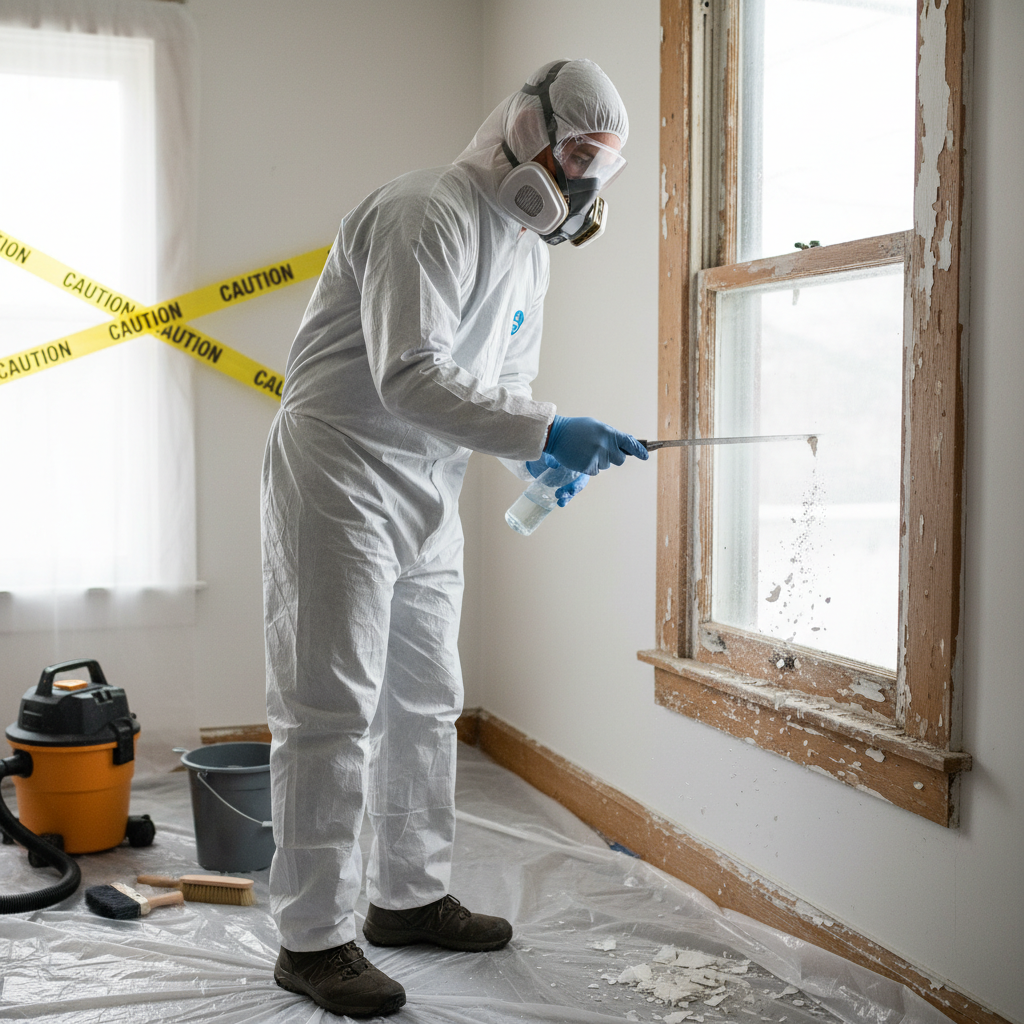
- Safety First: Remove all furniture, curtains, rugs, and personal items. If items cannot be removed, cover them completely with two layers of 6-mil plastic sheeting and seal with painter's tape.
- Close and seal all HVAC vents in the work area with plastic sheeting and tape. Turn off forced-air heating/cooling systems.
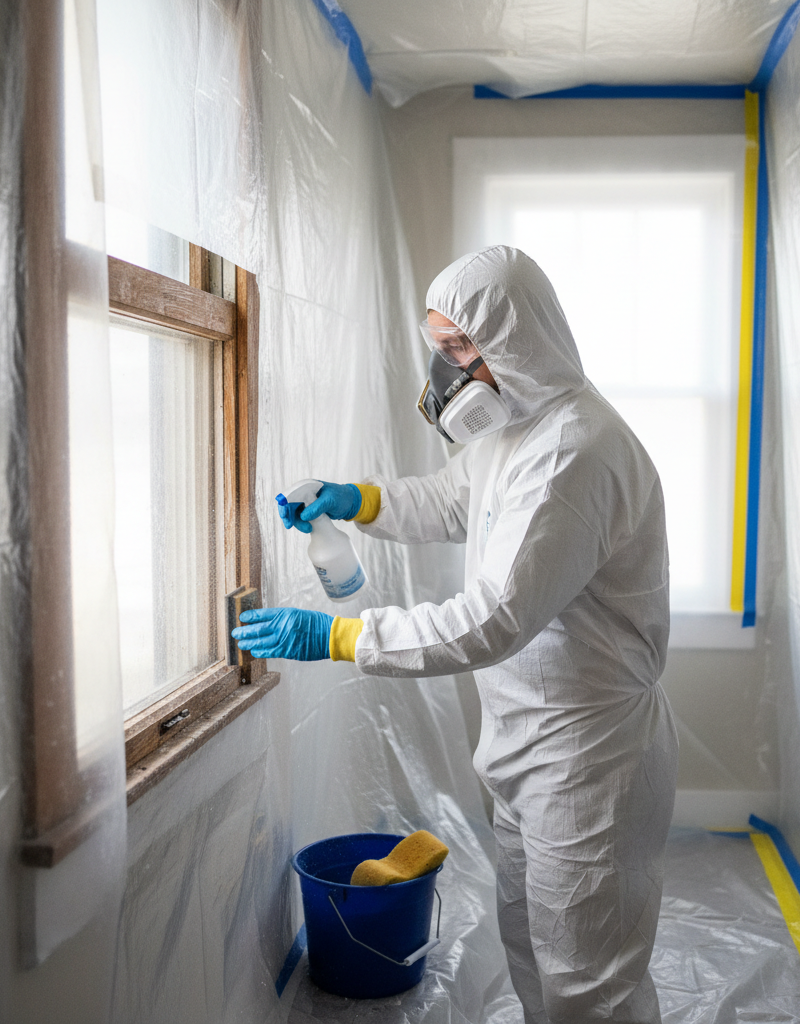
- Seal doorways, windows, and any openings to other parts of the house with two layers of 6-mil plastic sheeting, creating an airtight barrier. Overlap plastic by at least 12 inches and seal all seams with tape.
- Cover the floor of the work area with two layers of 6-mil plastic sheeting, taping the edges to the baseboards. Extend plastic at least 6 feet beyond the work site if possible.
General remodeling · Renovation planning
| Project category | General remodeling |
|---|---|
| Problem type | Renovation planning |
| Trade required | General contracting |
| Urgency | Planned project |
| Safety risk | Low safety risk |
| DIY suitability | Pro recommended |
| Cost category | Major investment |
| Typical timeline | Design and permitting often 2–4 months before work starts |
| Contractor type | General contractor |
Repair option
Phase the work and fix the building envelope first.
Replacement option
Full renovation with permits, design, and a general contractor.
Common causes
- Space no longer fits how the household lives
- Resale preparation
- Deferred maintenance stacking up
Relevant tools:project cost estimatorcompare quoteshome improvement material prices
Published June 1, 2026Last updated August 17, 2026
Tools & materials you'll need
Affiliate linksAs an Amazon Associate FixlyGuide earns from qualifying purchases — at no extra cost to you. Prices and availability are accurate as of publication and subject to change.
Quick Answer
Disturbing lead-based paint during home renovations, particularly in homes built before 1978, creates hazardous lead dust and chips that are highly toxic, even in small amounts. The most dangerous activities involve friction, impact, or pulverization of painted surfaces. Homeowners must identify lead paint through testing and follow stringent lead-safe work practices, including proper containment, personal protective equipment, and specialized cleanup, to prevent lead poisoning.
The Problem
Imagine a microscopic enemy lurking beneath old layers of paint, invisible to the naked eye but capable of causing serious health problems. That's the reality of lead-based paint, a common feature in millions of homes constructed before 1978. While intact lead paint generally poses a low risk, the moment you begin a DIY renovation project—whether it's sanding down an old door frame, scraping peeling paint from a window sill, or even drilling into a wall—you risk releasing this insidious toxin into your living space. This isn't just about ingesting paint chips, a well-known danger for young children; it's primarily about inhaling the fine, invisible dust that becomes airborne during these activities. This lead-contaminated dust can settle on every surface, contaminate soil around your home, and be tracked throughout the house, presenting a long-term hazard to everyone, particularly children and pregnant women. The problem is insidious because lead exposure often has no immediate symptoms, but its effects on the brain, nervous system, and other organs can be permanent and devastating, making awareness and prevention absolutely critical for any homeowner undertaking work in an older property.
How It Works
Lead-based paint typically consists of lead carbonate, lead sulfate, or other lead compounds mixed into an oil-based binder. When this paint is intact and undisturbed, the lead particles are encapsulated, posing minimal risk. However, the physical act of renovation disrupts this stable state. For example, sanding with even a fine-grit sandpaper generates microscopic paint particles that become airborne. Scraping, whether with a hand scraper or a power tool, creates both dust and larger chips. Drilling produces fine powder that can travel surprisingly far. Demolition, with its impact and fracturing forces, releases a significant volume of dust and debris.
Once lead-laden dust particles are released, their small size allows them to remain suspended in the air for extended periods, making them easily inhalable. They also settle onto surfaces like floors, furniture, toys, and even food preparation areas. Children are particularly vulnerable because they frequently put their hands or objects in their mouths, inadvertently ingesting lead dust. The digestive system then absorbs the lead into the bloodstream. In adults, inhalation is the primary pathway, where lead is absorbed directly into the lungs and then circulated throughout the body.
Inside the body, lead mimics other essential metals like calcium and zinc, allowing it to bypass natural defenses and accumulate in bones, blood, and soft tissues. It interferes with various bodily functions, most notably the development of the brain and nervous system, especially in young children. Even low levels of lead exposure can lead to learning disabilities, behavioral problems, and reduced IQ. In adults, chronic exposure can cause high blood pressure, kidney damage, reproductive issues, and neurological problems. Because lead is stored in bones, it can be released into the bloodstream years later, particularly during pregnancy when the mother's body draws on calcium reserves.
Step-by-Step Fix
1. Test Before You Touch — Never assume your home is lead-free if it was built before 1978. Before any renovation, test painted surfaces. * Pro Tip: Purchase EPA-recognized lead test kits from hardware stores. They're quick and can give you an indication, but for comprehensive results, consider professional lead testing, especially for large projects. * If your home was built after 1978: While unlikely to have lead paint, some building materials might contain trace amounts from other sources. Still, the primary concern is pre-1978 homes.
2. Prepare Your Work Area for Containment — Isolate the renovation space to prevent dust spread. This is crucial even for small jobs. * Safety First: Remove all furniture, curtains, rugs, and personal items. If items cannot be removed, cover them completely with two layers of 6-mil plastic sheeting and seal with painter's tape. * Close and seal all HVAC vents in the work area with plastic sheeting and tape. Turn off forced-air heating/cooling systems. * Seal doorways, windows, and any openings to other parts of the house with two layers of 6-mil plastic sheeting, creating an airtight barrier. Overlap plastic by at least 12 inches and seal all seams with tape. * Cover the floor of the work area with two layers of 6-mil plastic sheeting, taping the edges to the baseboards. Extend plastic at least 6 feet beyond the work site if possible.
3. Gear Up with Personal Protective Equipment (PPE) — Protect yourself from inhaling or ingesting lead particles. * Must-Have: Wear a properly fitted N100 or P100 respirator. Simple dust masks are not sufficient. Fit-test your respirator according to manufacturer instructions. * Wear disposable coveralls or old clothing that can be bagged and discarded/washed separately (hot water, heavy duty detergent). Wear safety glasses or goggles, disposable gloves, and shoe covers.
4. Minimize Dust Generation — Prioritize techniques that keep lead paint intact or minimize dust. * Wet Methods: Dampen surfaces before scraping or sanding. Use a spray bottle with water and a few drops of dish soap. This significantly reduces airborne dust. * Heat Guns (Low Temp): If removing paint, use a low-temperature heat gun (under 1100°F / 593°C) to soften paint for scraping. High temperatures can vaporize lead and are extremely dangerous. Never use open-flame torches. * Chemical Strippers: Consider non-methylene chloride chemical strippers for smaller areas. Always follow manufacturer instructions and ensure adequate ventilation. * Power Tools: If essential, use power tools equipped with a HEPA-filtered vacuum attachment. Do not use unequipped sanders or grinders.
5. Clean As You Go (and Thoroughly After) — Lead dust is insidious and requires specialized cleaning methods. * Immediate Cleanup: Regularly mist surfaces with water and wipe with disposable wet wipes or rags. Place all debris (chips, dust, wipes) into heavy-duty plastic bags while still wet. Seal bags tightly. * Cleanup Steps: After work, mist all surfaces (walls, floors, unsealed items) with water. Wipe down all surfaces three times with a wet cleaning solution (e.g., all-purpose cleaner). Use new wipes/rags for each wipe. Change cleaning solution frequently. Vacuum the entire area with a HEPA-filtered vacuum cleaner (not a regular shop vac or household vacuum) until no visible dust remains.
6. Dispose of Waste Properly — Lead-contaminated waste cannot go into regular trash. * Sealed Bags: Double-bag all contaminated materials (plastic sheeting, disposable PPE, rags, paint chips, vacuum bags) in heavy-duty plastic garbage bags. Seal them tightly with tape. * Check Local Regulations: Contact your local waste management facility or health department for specific guidance on disposing of lead-contaminated waste in your area. Regulations vary greatly.
7. Final Verification (Optional but Recommended) — Ensure your efforts were successful. * Professional Clearance: For extensive renovations, consider hiring a certified lead risk assessor to conduct a post-renovation lead dust clearance test. This involves taking dust samples that are analyzed by a lab to confirm the area is safe.
Common Causes
- Home Age: The most significant factor; homes built before 1978 are highly likely to contain lead-based paint. The older the home, the higher the probability and concentration of lead. Data suggests homes built before 1950 have the highest concentrations.
- Friction Surfaces: Windows and doors are prime culprits. Opening and closing windows or doors causes painted surfaces to rub together, creating friction and releasing microscopic lead dust onto sills and frames, which can then be easily tracked or ingested.
- Impact Surfaces: Door frames, bannisters, and trim around stairs are areas that experience frequent bumps and wear. This impact can chip or abrade lead paint, creating hazards.
- Peeling/Chipping Paint: Deteriorated lead paint, especially on exterior surfaces exposed to weather or interior surfaces suffering from moisture, will naturally peel and chip, creating easily accessible and highly toxic flakes.
- Inadequate Preparation for Renovation: Beginning any renovation work (sanding, scraping, drilling) on painted surfaces in an older home without first testing for lead and implementing proper containment procedures is a leading cause of lead exposure.
- Improper Cleanup: Using regular vacuums (which spread fine lead dust rather than containing it), dry sweeping, or inadequate wiping after disturbing lead paint leaves invisible lead particles behind, perpetuating the hazard.
Common Mistakes
- Assuming No Lead: Many homeowners believe that just because paint isn't visibly peeling, it's safe. Lead paint can be present under layers of newer paint and disturbed during any invasive work.
- Using a Regular Vacuum: Household vacuums and standard shop vacs are designed to pick up larger debris, not microscopic lead dust. Their filters are inadequate, and they will exhaust harmful lead particles back into the air.
- Dry Sanding/Scraping: This is one of the quickest ways to create large amounts of airborne lead dust. Always use wet methods or tools with HEPA-filtered attachments.
- Poor Containment: Failing to properly seal off the work area with plastic sheeting allows lead dust to escape and contaminate other rooms, increasing the risk for the entire household.
- Inadequate PPE: A flimsy dust mask offers almost no protection against lead dust. An N100 or P100 respirator is essential, along with disposable clothing and gloves.
- Improper Disposal: Throwing lead-contaminated waste directly into regular household trash is irresponsible and potentially illegal. It exposes waste handlers and can contaminate landfills.
- Not Cleaning Thoroughly Enough: A single wipe-down isn't enough. Multiple passes with wet rags and a HEPA vacuum are necessary to remove lingering lead dust.
Cost & Time Breakdown
| Task | DIY cost | Pro cost | Time |
|---|---|---|---|
| Lead Test Kit | $20–$50 | $300–$600 (pro test) | 5–10 minutes |
| PPE (Respirator, gloves, suit) | $40–$80 | Included | 5 minutes |
| Containment Supplies (Plastic, tape) | $30–$70 | Included | 30–60 minutes |
| Wet Cleaning Supplies (Rags, cleaner) | $15–$30 | Included | 1–2 hours |
| HEPA Vacuum Rental | $40–$70/day | Included | 1–4 hours |
| Waste Disposal | $0–$50 (special pick-up) | Included | Varies |
| Total (DIY) | $145–$300+ | $675–$1,200+ | 2.5–8 hours+ |
Tips & Prevention
- Test All Unknown Surfaces: Before painting, sanding, or disturbing any painted surface in a pre-1978 home, use a lead test kit. Don't eyeball it.
- Maintain Intact Paint: The best prevention is to keep lead-based paint in good condition. Regularly inspect painted surfaces for chipping, peeling, or deterioration. If intact, painting over it can encapsulate the lead, though this is not a permanent solution for friction surfaces.
- Focus on High-Risk Areas: Pay special attention to windows, doors, baseboards, and areas with painted ornate trim. These are common points of wear and lead dust accumulation.
- Regular Wet Cleaning: In older homes, routinely wet-wipe floors, window sills, and other horizontal surfaces that might accumulate settled lead dust. This is especially important if you have young children.
- Wash Hands Frequently: Encourage all household members, especially children, to wash their hands frequently, particularly before eating. This reduces the risk of ingesting lead dust.
- Use Doormats: Place sturdy doormats at all entrances and encourage family members and guests to wipe their feet, or better yet, remove shoes before entering the house. This reduces tracking in lead-contaminated soil.
- Landscape Thoughtfully: If your yard has bare soil near an older home, it might be contaminated. Cover it with sod, mulch, or gravel, or create raised garden beds to prevent exposure to contaminated soil.
When to Call a Professional
While this guide provides comprehensive steps for DIY lead-safe work practices, certain situations warrant calling a certified lead abatement professional. If your renovation project involves extensive demolition, removal of large areas of lead paint, or working with lead paint on exterior surfaces where containment is challenging, a professional is highly recommended. You should also call a pro if you're dealing with lead paint on intricate architectural details that require specialized removal techniques, or if you simply don't feel confident in your ability to strictly adhere to all lead-safe protocols. Furthermore, if a lead test reveals very high lead levels, or if children under six years old or pregnant women reside in the home, engaging a professional for any lead paint disturbance is the safest course of action to ensure complete and verifiable lead removal and clearance. They have specialized equipment, training, and certifications to handle lead hazards effectively and safely, minimizing risks that DIY efforts might miss. Ignoring these signs can have lasting health consequences.
Related Articles
Keep troubleshooting with these hand-picked guides from FixlyGuide:
- 7 Hidden Equity Drains Costing You Thousands Annually — Your home is an asset, but silent problems like minor leaks, poor insulation, and deferred maintenance can drain its value. Discover the se…
- 7 Inspection Red Flags That Secretly Signal a $20,000 Bill — Don't let your dream home become a money pit. Many buyers and even some inspectors overlook subtle home inspection red flags that lead to f…
- The Hidden Reason Your AC Isn't Cooling (And 7 Fixes Homeowners Miss) — If your central AC isn't cooling your home, the culprit often lies in an overlooked issue that's simple to fix, preventing costly professio…
- The Hidden Culprit Behind Your AC Not Cooling (and How to Find It) — If your central AC isn't cooling your home, the issue often stems from a surprisingly simple problem that's easy to overlook. Learn how to…
- The 12 Checks That Prevent 80% of Costly Home Repairs — Don't wait for a disaster. Our comprehensive monthly home maintenance checklist reveals the surprising, simple tasks that catch small issue…
- That Ceiling Stain Isn't a Leak: 5 Hidden Causes — A mysterious ceiling stain can be alarming, especially when there's no active leak. The real culprits are often hidden issues like attic co…
What should this project cost?
Enter your project details for a realistic cost range before you call anyone.
Cost depends heavily on which system turns out to be the source.
- Regional adjustment
- National average
- Labor share (typical)
- ~$1,620
- Quotes to collect
- 3 written estimates
Educational estimate based on national averages — not a binding quote. Always confirm with written local estimates.
This article was independently written by FixlyGuide based on the source topic.
Frequently asked questions
How do I know if my home has lead paint?+
The only way to definitively know is to test. Purchase an EPA-recognized lead test kit from a hardware store for a quick indication, or hire a certified lead inspector for professional testing, especially if your home was built before 1978.
What parts of my house are most likely to have lead paint?+
Lead paint is commonly found on windows and door frames (due to friction), baseboards, trim, walls, and exterior siding, particularly in homes built before 1978.
Can I just paint over lead paint?+
Encapsulating intact lead paint with new paint can be a temporary solution, but it doesn't eliminate the hazard. It's not recommended for friction surfaces like windows or doors, as movement will still create lead dust. For long-term safety, lead-safe removal or enclosure is better.
Is lead dust invisible?+
Yes, lead dust is microscopic and largely invisible to the naked eye. This is why it's so dangerous during renovation; you can be exposed without realizing it's in the air or on surfaces.
What's the difference between a regular vacuum and a HEPA vacuum for lead dust?+
Regular vacuums have filters that are not fine enough to trap microscopic lead particles; they will exhaust lead dust back into the air. HEPA (High-Efficiency Particulate Air) vacuums have specialized filters designed to capture 99.97% of particles 0.3 microns or larger, effectively containing lead dust.


Discussion
Loading comments…