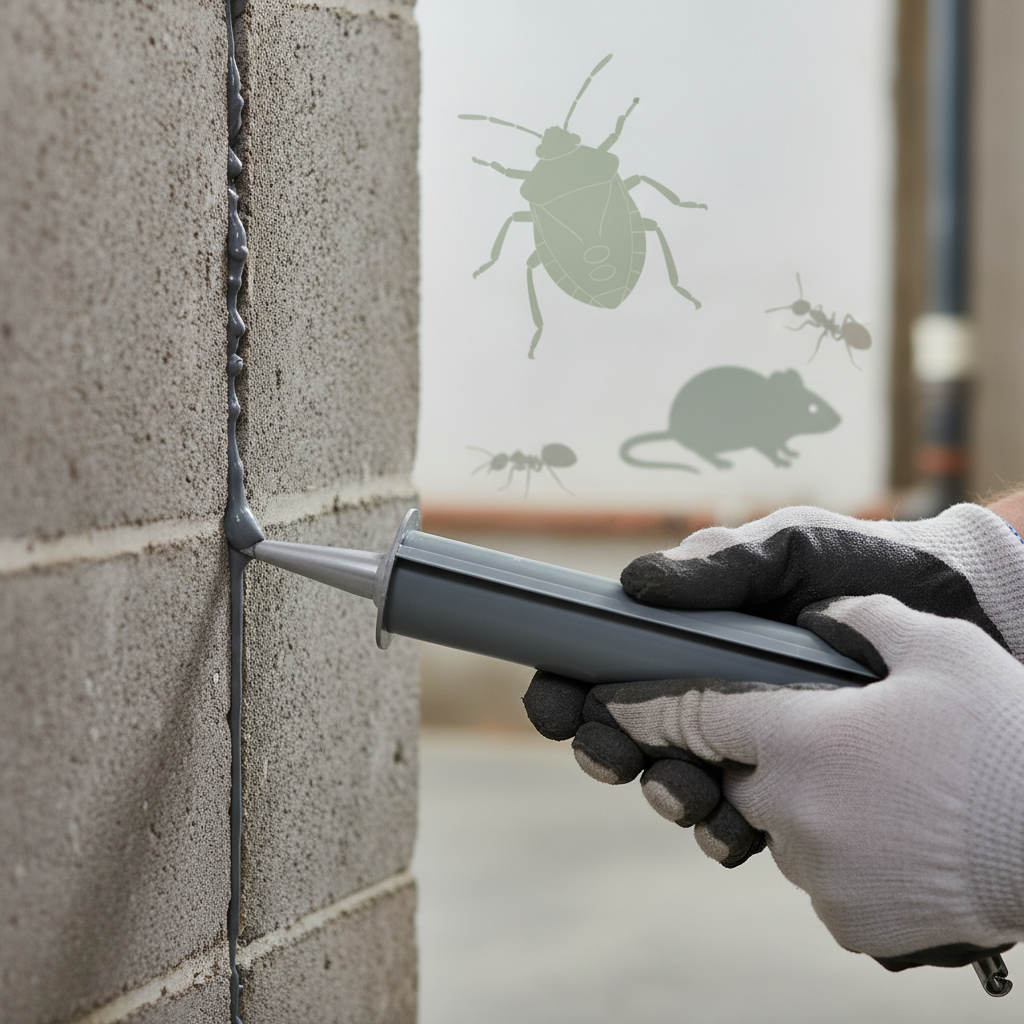
- Before you can treat, you must know your enemy. Are they stink bugs, ants, roaches, or mice? Look for physical evidence: droppings (pepper-like for roaches, larger for mice), shed skins, gnaw marks, or the live pests themselves.
- Pay close attention to where you see them most often. Is it the kitchen, bathroom, basement, or around specific windows?
- Tools: Flashlight, magnifying glass (optional).
- If you're unsure: Take a clear photo of the pest and consult an online pest identification guide or local extension office.
Published May 8, 2026Last updated August 17, 2026
Tools & materials you'll need
Affiliate linksAs an Amazon Associate FixlyGuide earns from qualifying purchases — at no extra cost to you. Prices and availability are accurate as of publication and subject to change.
Quick Answer
While public attention often fixates on highly visible invasive species like the spotted lanternfly, the reality in most homes is different. Pest control experts consistently find themselves tackling a different set of invaders: the brown marmorated stink bug, Asian lady beetle, German cockroach, odorous house ant, and, surprisingly often, the common house mouse. These pests, though perhaps less 'glamorous,' pose significant threats to your home's comfort, hygiene, and even structural integrity. Proactive identification and prevention are your best defense.
The Problem
Homeowners frequently misjudge which pests are the most likely to breach their defenses. The media spotlight often shines on dramatic newcomers, leading many to overlook the persistent, often insidious threats posed by less-talked-about, yet far more common, invaders. This disconnect can lead to wasted effort on non-issues while actual infestations grow unchecked. For example, while the spotted lanternfly receives considerable press, its impact on the interior of most homes is minimal compared to, say, a thriving colony of German cockroaches. The real problem isn't just the presence of a few bugs; it's the potential for rapid multiplication, property damage, health risks, and the sheer psychological discomfort of sharing your living space with unwanted guests. Understanding the true 'most wanted' list of home invaders allows you to direct your protective efforts where they will have the greatest impact, saving you time, money, and stress.
How It Works
Invasive pests succeed by exploiting vulnerabilities in our home environments, often leveraging their biology to thrive indoors. This isn't just about random chance; it's about environmental factors, entry points, and resource availability. Let's break down how these common invaders operate:
Brown Marmorated Stink Bugs (BMSB): These shield-shaped insects are primarily agricultural pests, but as temperatures drop in late summer and fall, they seek shelter. They are drawn to the warmth and protection of homes, entering through cracks, gaps around windows, and openings in siding. Once inside, they typically don't reproduce but overwinter in wall voids, attics, and basements. Their most notable defense mechanism is their foul odor, released when disturbed, which can permeate a home. They are strong fliers and can crawl into surprisingly small spaces.
Asian Lady Beetles: Often mistaken for beneficial ladybugs, Asian lady beetles are also fall invaders. Like stink bugs, they aggregate on the sunny sides of homes, seeking warmth before squeezing through tiny openings. Once indoors, they overwinter in wall voids or attics. When temperatures rise, they can emerge into living spaces. They also release a foul-smelling, yellowish fluid (hemolymph) when agitated, which can stain surfaces and trigger allergies in some individuals. They are excellent at finding the smallest crevices.
German Cockroaches: These are arguably one of the most problematic indoor pests. Unlike many outdoor cockroach species, German cockroaches prefer and thrive only indoors, particularly in kitchens and bathrooms. They are small, fast-reproducing, and highly resilient. They seek out warmth, moisture, food scraps, and dark harborage areas like behind appliances, inside cabinets, and even within electronics. Their flat bodies allow them to squeeze into incredibly tight spaces, making them difficult to eradicate. They contaminate food, spread bacteria, and can trigger asthma and allergies.
Odorous House Ants: These tiny, dark brown ants forage for sweets but will eat almost anything. They are particularly attracted to sugary spills and crumbs. What makes them challenging is their ability to establish multiple satellite colonies, making them appear to be everywhere. They emit a rotten coconut-like odor when crushed, hence their name. They often enter homes through foundation cracks, utility penetrations, and gaps around windows and doors, forming trails to food sources. Their colonies can grow very large and spread quickly.
Common House Mouse: While not an insect, the house mouse is a pervasive invasive pest. They are opportunistic scavengers, constantly seeking food, water, and shelter. Homes provide an ideal environment with abundant resources and protection from predators. Mice can squeeze through incredibly small openings—as small as a dime-sized hole—and are excellent climbers, often entering through gaps in foundations, utility lines, open garage doors, or even small gaps under siding. They cause structural damage by gnawing on wires, pipes, and wood, contaminate food and surfaces with urine and feces, and carry various diseases.
The common thread for all these invaders is their ability to exploit weaknesses in a home's seal, their drive to find warmth and food, and their incredible reproductive rates (for insects) or adaptability (for mice). Understanding these behaviors is the first step toward effective prevention and control.
Step-by-Step Fix
Addressing a pest infestation requires a multi-pronged approach, focusing on exclusion, sanitation, and targeted treatment. For large infestations or specific pests, professional help may be necessary.
Step 1: Inspect and Identify — Pinpoint the pest and their entry points.
- Before you can treat, you must know your enemy. Are they stink bugs, ants, roaches, or mice? Look for physical evidence: droppings (pepper-like for roaches, larger for mice), shed skins, gnaw marks, or the live pests themselves.
- Pay close attention to where you see them most often. Is it the kitchen, bathroom, basement, or around specific windows?
- Tools: Flashlight, magnifying glass (optional).
- If you're unsure: Take a clear photo of the pest and consult an online pest identification guide or local extension office.
Step 2: Seal All Entry Points — Block their access to your home.
- This is the most critical preventative step. Walk around your entire home, inside and out. Look for cracks in the foundation, gaps around utility lines, loose siding, torn window screens, and warped door sweeps.
- Use silicone caulk for small cracks and gaps (up to 1/4 inch). For larger openings, use steel wool or copper mesh followed by expanding foam sealant.
- Repair or replace damaged window and door screens. Ensure door sweeps and weatherstripping create a tight seal when doors are closed.
- Materials: Silicone caulk, caulk gun, expanding foam sealant, steel wool or copper mesh, new door sweeps/weatherstripping, screen repair kit.
- Safety Note: When using expanding foam, wear gloves and eye protection. Ensure good ventilation.
Step 3: Eliminate Food and Water Sources — Starve them out.
- Pests, especially German cockroaches and ants, are constantly searching for food and water. Keep your kitchen meticulously clean. Wipe up spills immediately, sweep floors daily, and don't leave dirty dishes in the sink overnight.
- Store all food in airtight containers, including pet food. Don't leave fruit bowls or pet food bowls out overnight.
- Fix any leaky faucets, pipes, or toilets. Reduce humidity in bathrooms and basements with exhaust fans or dehumidifiers.
- Empty trash cans frequently and use bins with tight-fitting lids.
- Tools: Cleaning supplies, airtight food storage containers, dehumidifier (if needed).
- If persistent: Consider a professional-grade dehumidifier for very damp basements or crawl spaces.
Step 4: Reduce Harborage Areas (Clutter) — Take away their hiding spots.
- Decluttering reduces the places pests can hide, nest, and breed. This is especially important for cockroaches and mice.
- Store items in plastic bins with lids, not cardboard boxes, which can absorb moisture and become hiding spots.
- Keep basements, attics, and garages organized and clear of unnecessary items.
- Trim back vegetation or ivy that touches the house, as these can provide bridges for pests to enter.
- Tools: Storage bins, pruning shears.
Step 5: Trap or Bait Strategically — Target active infestations.
- For Mice: Use snap traps or bait stations. Place them along walls where mice travel, in secluded areas, and near potential food sources. Always follow label instructions carefully. Check traps daily.
- Safety Note: Position traps in areas inaccessible to children and pets. If using bait, ensure it's in tamper-resistant bait stations.
- For German Cockroaches: Gels baits are highly effective. Apply small dots of bait in cracks, crevices, and behind appliances where you've seen activity. Avoid spraying insecticides where you place bait, as it can deter roaches from the bait.
- For Ants: Use ant baits specifically designed for odorous house ants. Place them along ant trails. The ants will take the bait back to the colony.
- For Stink Bugs/Lady Beetles: Vacuuming them up is often the best method once they are inside, rather than crushing them (to avoid odor/stains). Seal the vacuum bag immediately and dispose of it outdoors. Insecticides are generally not recommended inside for these overwintering pests, as they provide little long-term control.
- Materials: Mouse traps (snap or bait stations), cockroach gel bait, ant bait stations, vacuum cleaner.
- If methods fail: If you're still seeing significant activity after a few weeks, the infestation might be too large for DIY methods, or you might be missing critical harborage areas. It's time to call a professional.
Step 6: Maintain Vigilance — Ongoing protection is key.
- Pest control isn't a one-time fix. Regularly inspect your home for new entry points or signs of pest activity.
- Maintain outdoor areas by clearing debris, ensuring proper drainage, and keeping gutters clean.
- Regularly check weatherstripping and door sweeps for wear and tear.
- Tools: Flashlight, visual inspection.
Common Causes
Many pest problems boil down to a few core vulnerabilities that homeowners often unknowingly provide:
- Unsealed Entry Points: The single biggest culprit. Gaps in foundations, cracks around windows and doors, unsealed utility penetrations, and poorly screened vents are open invitations for pests seeking shelter.
- Food and Water Access: Leaving out pet food, unsealed pantry items, dirty dishes, food crumbs, and stagnant water (from leaks or high humidity) provides essential resources that allow pests to thrive.
- Excessive Clutter: Piles of boxes, old newspapers, unused furniture, or stored items in basements and garages create ideal hiding and breeding grounds for many pests, especially cockroaches and rodents.
- Landscaping Too Close to the House: Shrubs, trees, or ivy touching the exterior of your home act as
Related Articles
Keep troubleshooting with these hand-picked guides from FixlyGuide:
- The Secret to Lush Raised Beds? It's Not Just About How You Water — Smart irrigation for raised garden beds isn't just about automation; it's about delivering the right amount of water precisely when your pl…
- The Hidden Reason Your GFCI Trips (It's Not Always a Faulty Outlet) — A continuously tripping GFCI outlet is a critical safety warning, often indicating moisture, a faulty appliance, or a wiring problem that r…
- The 5 Essential Tools Every New Gardener Needs (And 3 You Can Skip) — Starting a garden doesn't require a huge investment in tools; savvy new gardeners can thrive with just a few key items and save money by kn…
- The Hidden Reason Your GFCI Trips (It’s Not Always a Bad Outlet) — A tripping GFCI outlet is a safety mechanism doing its job, often indicating a problem like moisture, a faulty appliance, or a wiring issue…
- The 4 Common Hummingbird Food Mistakes (And How to Make Nectar They'll Love) — Avoid common pitfalls when making hummingbird food to ensure a healthy and attractive treat for your backyard visitors.
- The 5 Autumn Lawn Mistakes That Invite Winter Pests (And How to Fix Them in 90 Minutes) — Ignoring these crucial fall yard cleanup steps can create a perfect breeding ground for pests, leading to costly problems come spring.
What should this project cost?
Enter your project details for a realistic cost range before you call anyone.
Cost depends heavily on which system turns out to be the source.
- Regional adjustment
- National average
- Labor share (typical)
- ~$1,620
- Quotes to collect
- 3 written estimates
Educational estimate based on national averages — not a binding quote. Always confirm with written local estimates.
This article was independently written by FixlyGuide based on the source topic.
Frequently asked questions
Are 'invasive bugs' inside my house always a big problem?+
Not all invasive bugs pose a severe threat, but even a few can quickly multiply or indicate larger entry point issues. Pests like German cockroaches and mice are always a concern due to health risks and potential damage, while occasional invaders like stink bugs are more of a nuisance.

Discussion
Loading comments…