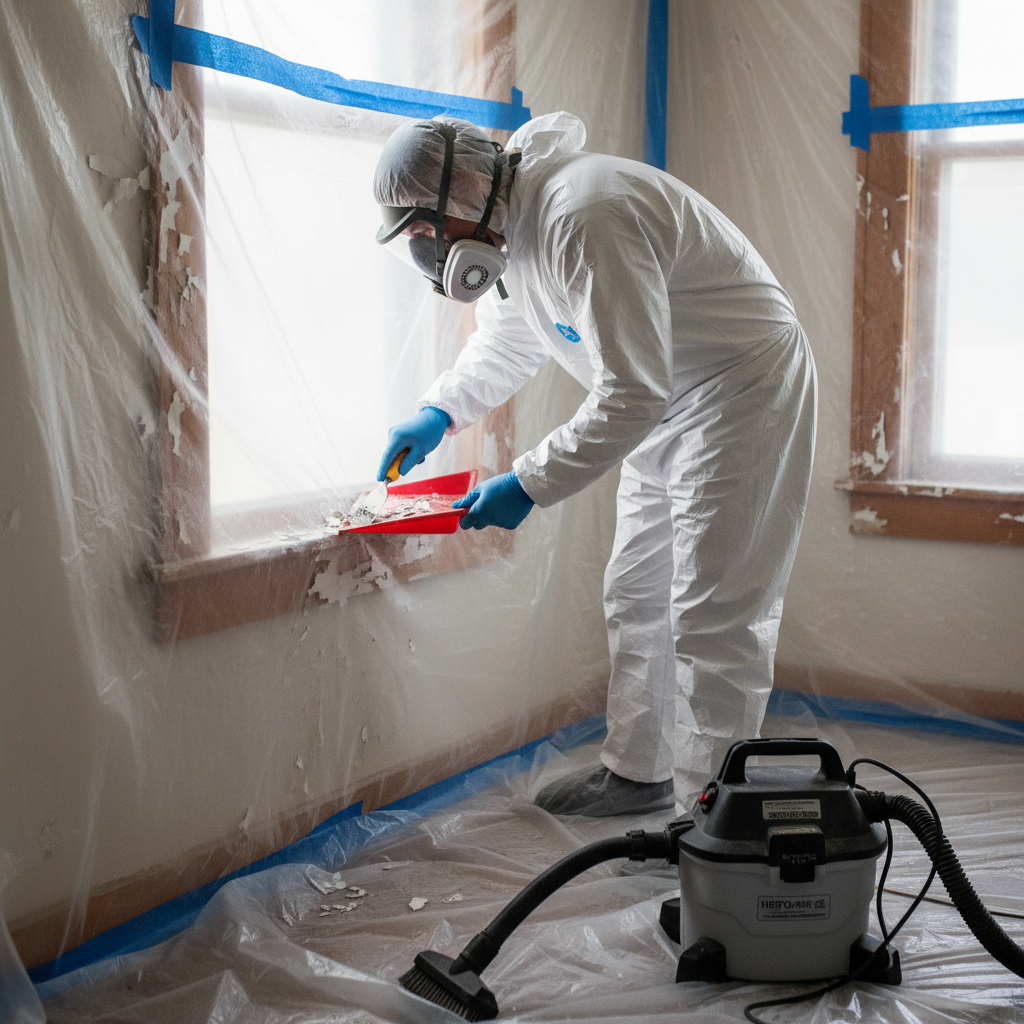
- Immediate collection: Place all removed paint chips, dust, and debris directly into heavy-duty 6-mil plastic bags as you work. Double-bag to prevent tears and leaks.
- Seal bags: Twist the top of the inner bag, bend it over, and secure it tightly with duct tape. Then place it into a second bag and seal that one as well.
- Labeling: Label bags clearly as
General remodeling · Renovation planning
| Project category | General remodeling |
|---|---|
| Problem type | Renovation planning |
| Trade required | General contracting |
| Urgency | Planned project |
| Safety risk | Low safety risk |
| DIY suitability | Pro recommended |
| Cost category | Major investment |
| Typical timeline | Design and permitting often 2–4 months before work starts |
| Contractor type | General contractor |
Repair option
Phase the work and fix the building envelope first.
Replacement option
Full renovation with permits, design, and a general contractor.
Common causes
- Space no longer fits how the household lives
- Resale preparation
- Deferred maintenance stacking up
Relevant tools:project cost estimatorcompare quoteshome improvement material prices
Published June 1, 2026Last updated August 17, 2026
Tools & materials you'll need
Affiliate linksAs an Amazon Associate FixlyGuide earns from qualifying purchases — at no extra cost to you. Prices and availability are accurate as of publication and subject to change.
Quick Answer
Lead paint, a pervasive issue in homes constructed before 1978, can be an invisible threat during DIY repairs. The danger isn't primarily from intact paint, but from the microscopic lead dust generated when paint is disturbed by activities such as sanding, scraping, drilling, or demolition. This dust, if inhaled or ingested, can lead to serious health problems, particularly for children and pregnant women. Safe handling involves proper identification, containment of the work area, use of personal protective equipment, and meticulous lead-safe cleaning practices to prevent contamination.
The Problem
You're tackling a home renovation project – maybe scraping old paint, replacing a window, or even just drilling a new hole in a wall. What you might not realize is that if your home predates 1978, there's a good chance you're disturbing lead-based paint, even if it's buried under layers of newer paint. This isn't just an abstract regulatory concern; it's a real health hazard. Lead poisoning can cause a wide range of symptoms, including developmental delays in children, learning difficulties, abdominal pain, nerve damage, and even kidney damage. For homeowners, the problem is most acute during repairs or renovations because these activities aerosolize lead, creating an invisible, toxic dust that can travel throughout your home, linger on surfaces, and contaminate soil outside. Undisturbed, well-maintained lead paint often poses little risk, but the moment you introduce friction or impact, the danger becomes immediate and severe. Understanding this underlying mechanism is crucial for protecting yourself and your family.
How It Works
Lead-based paint typically contains lead carbonate, a white pigment that was prized for its durability, quick drying time, and ability to resist moisture, corrosion, and pests. Manufacturers continued to use it extensively until 1978, when it was banned for residential use in the United States. When this paint deteriorates or is disturbed, it doesn't just flake off; it releases microscopic lead particles into the air. These particles are too small to see with the naked eye, measuring mere microns in diameter. For context, a single human hair is about 50-70 microns thick. These tiny lead dust particles can easily be inhaled, or they can settle on surfaces like floors, furniture, and toys, where they can be ingested inadvertently, particularly by young children through hand-to-mouth contact. Lead is a neurotoxin, and once it enters the bloodstream, the body struggles to excrete it, leading to its accumulation in bones and soft tissues over time. Children are especially vulnerable because their developing nervous systems are more susceptible to lead's toxic effects, and their bodies absorb lead more efficiently than adults. Even low-level exposure can have lasting consequences on cognitive function and behavior. Beyond dust, lead can also leach into soil around the exterior of older homes from chipping exterior paint, creating another exposure pathway.
Step-by-Step Fix
1. Identify Potential Lead Paint — Before you even think about starting a project, determine if lead paint is a concern.
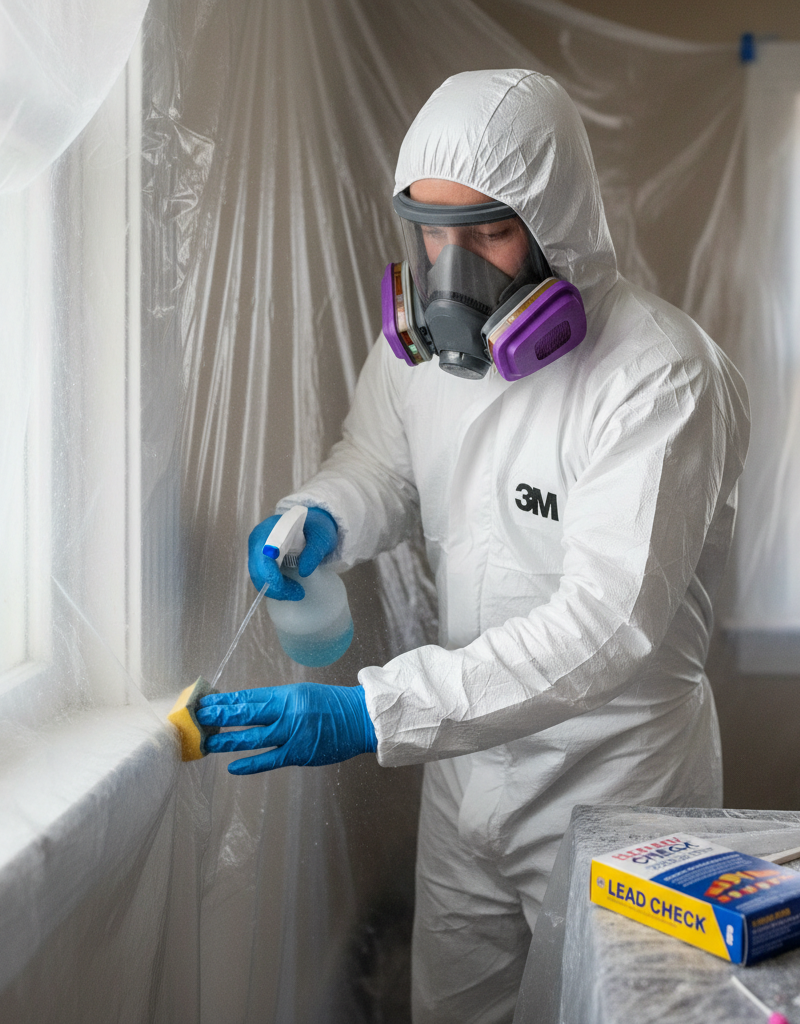
- Test older homes: If your home was built before 1978, assume lead paint is present unless tested otherwise. You can buy EPA-recognized lead test kits at most hardware stores. They're quick and generally reliable for a preliminary check. Apply the swab to a small, inconspicuous area and follow manufacturer instructions carefully. A red or pink reaction usually indicates lead.
- Professional assessment: For larger projects or definitive results, consider a professional lead inspection. A certified lead inspector can use X-ray fluorescence (XRF) devices to accurately identify lead paint on various surfaces without damaging them.
2. Prepare the Work Area — Lead containment is paramount. This isn't just about tidiness; it's about life safety.
- Clear the room: Remove all furniture, curtains, rugs, and personal items from the work area. If items cannot be removed, cover them completely with two layers of 6-mil plastic sheeting and seal with painter's tape.
- Isolate the area: Seal off the work area from the rest of the house using two layers of 6-mil plastic sheeting and painter's tape. Cover doorways, air vents, and any openings. Ensure fresh air doesn't carry dust into other rooms.
- Protect floors: Cover the floor with two layers of heavy-duty 6-mil plastic sheeting. Extend the sheeting at least 6 feet beyond the work area in all directions, or cover the entire floor if working in a smaller room. Secure it with painter's tape.
3. Don Your Personal Protective Equipment (PPE) — Treat lead dust as an invisible enemy. Protection is key.
- Respirator: Always wear an N100 or P100 particulate respirator. A simple dust mask is NOT sufficient. Ensure it's properly fitted to create a seal around your nose and mouth.
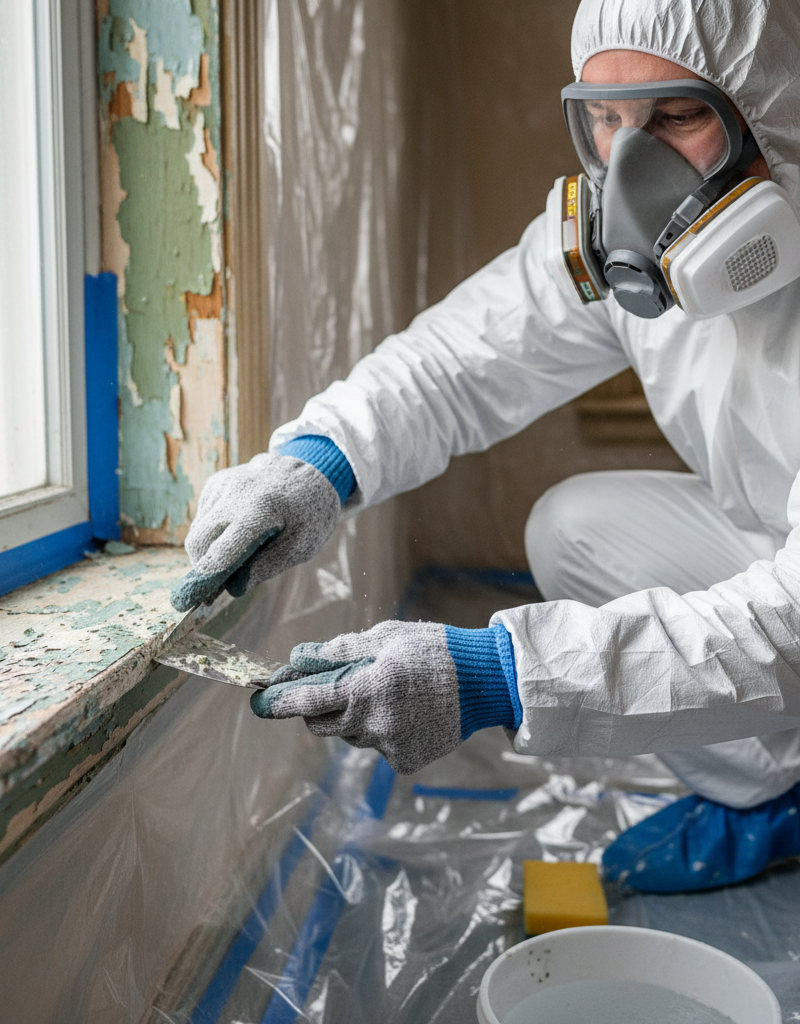
- Protective clothing: Wear disposable coveralls with a hood and foot coverings. If disposable coveralls aren't available, wear dedicated work clothes that can be laundered separately from other clothing and kept in the contaminated area until ready for washing.
- Gloves and eyewear: Use disposable gloves (nitrile or latex) and unvented safety goggles or a full face shield to protect your eyes from dust.
4. Safely Disturb Lead Paint — Minimize dust generation at all costs.
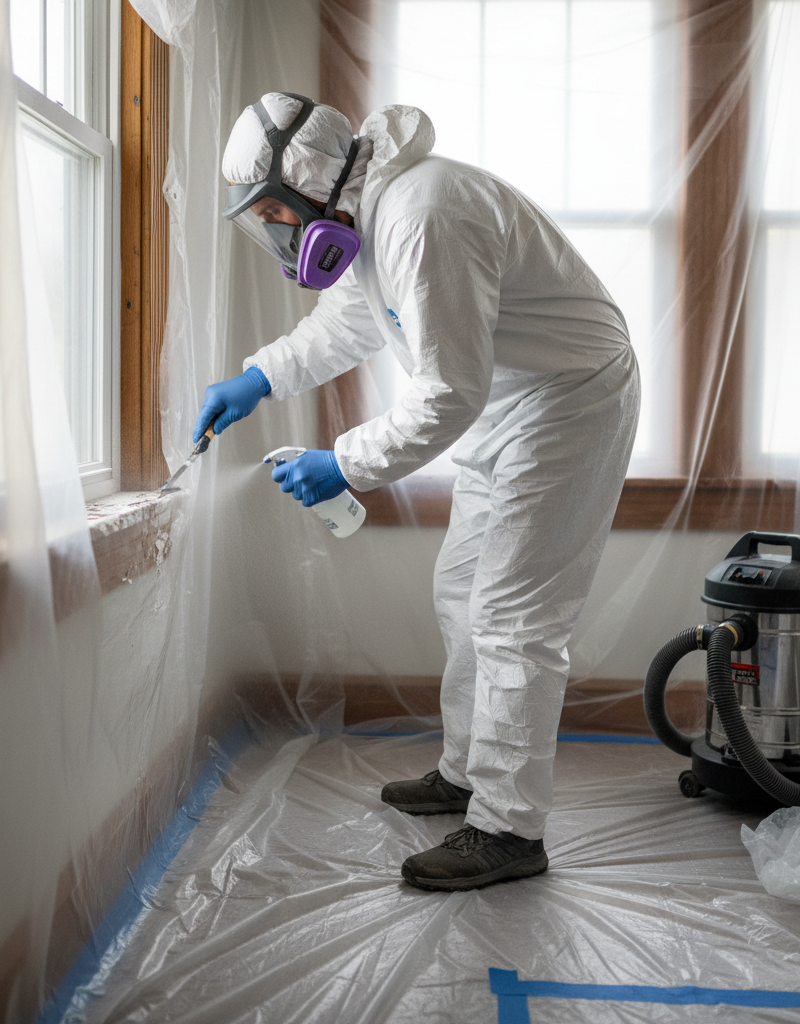
- Wet methods: Whenever possible, use wet methods for scraping or sanding. Lightly mist the painted surface with water before disturbing it. This helps to bind the lead dust and prevent it from becoming airborne. Do not use excessive water that could cause more widespread contamination.
- Specialized tools: If using power tools, ensure they are equipped with HEPA-filtered vacuum attachments. Avoid open-bladed tools for cutting painted materials.
- Avoid certain methods: NEVER use open-flame torch burning, high-temperature heat guns (over 1,100°F), power sanding/grinding without HEPA vacuum, or dry scraping/sanding on lead paint. These methods create massive amounts of dangerous lead dust.
5. Contain and Collect Debris — Keep all lead-contaminated materials isolated.
- Immediate collection: Place all removed paint chips, dust, and debris directly into heavy-duty 6-mil plastic bags as you work. Double-bag to prevent tears and leaks.
- Seal bags: Twist the top of the inner bag, bend it over, and secure it tightly with duct tape. Then place it into a second bag and seal that one as well.
- Labeling: Label bags clearly as
Related Articles
Keep troubleshooting with these hand-picked guides from FixlyGuide:
- The 5 Essential Tools Every New Gardener Needs (And 3 You Can Skip) — Starting a garden doesn't require a huge investment in tools; savvy new gardeners can thrive with just a few key items and save money by kn…
- The Hidden Reason Your GFCI Trips (It's Not Always a Faulty Outlet) — A continuously tripping GFCI outlet is a critical safety warning, often indicating moisture, a faulty appliance, or a wiring problem that r…
- The 3-Ingredient Secret to Sparking Clean Carpets (That Most Don't Know) — Unlock the secret to brilliantly clean carpets with a simple, potent three-ingredient homemade solution that effectively tackles stains and…
- The 6-Minute Secret to a Sparkling Bathroom (It’s Not What You Think) — Unleash the hidden power of your cordless drill to tackle stubborn household grime, from tile grout to dryer vents, with specialized attach…
- The Secret 5 Bugs Invading Homes (It's Not Just Lanternflies) — Discover the five most common invasive bugs pest professionals treated last year that homeowners often overlook, and learn how to protect y…
- The 3 Missing Shingles: Why Ignoring Them Costs You $10,000 — Ignoring even a few missing roof shingles after a storm can lead to thousands in water damage and rot – here’s how to safely fix them yours…
Should you do this yourself?
Answer five quick questions before you start. Safety outranks savings every time.
Your experience with work like this
How high do you have to work?
Does the job involve any of these?
Will it need a permit?
Specialty tools
Free and instant. Educational guidance only — not a quote, inspection, or professional diagnosis.
Estimate your own project cost
National averages are a starting point. Enter your details for a range that fits your house.
Interior paint estimator
- Paint$96
- Supplies (tape, rollers, drop cloth)$35
- Estimated total (DIY)$131
Hiring a pro? Add roughly $1.50–$4.00/sq ft for labor depending on prep work and trim detail.
Educational estimate only — always confirm with written local bids.
What should this project cost?
Enter your project details for a realistic cost range before you call anyone.
Cost depends heavily on which system turns out to be the source.
- Regional adjustment
- National average
- Labor share (typical)
- ~$1,620
- Quotes to collect
- 3 written estimates
Educational estimate based on national averages — not a binding quote. Always confirm with written local estimates.
Before you start
Check the difficulty, permits, and safety risk — then decide whether to call a pro.
Free, no signup required. Estimates are educational guidance, not a quote or an inspection.
This article was independently written by FixlyGuide based on the source topic.
Frequently asked questions
How do I know if my home has lead paint?+
If your home was built before 1978, it's highly likely to contain lead-based paint. The best way to know for sure is to use an EPA-recognized lead test kit, available at most hardware stores, or hire a certified lead inspector for a professional assessment using specialized equipment like an XRF analyzer.
What are the most dangerous activities involving lead paint?+
Activities that create lead dust or fumes are the most dangerous. This includes sanding, scraping, grinding, drilling, demolishing painted surfaces, using heat guns above 1100°F, or open-flame burning. Any action that pulverizes or vaporizes lead paint can release hazardous particles into the air.
Can I paint over lead paint to make it safe?+
Encapsulation, or painting over intact lead paint with a specialized sealant or thick paint, can cover and stabilize the lead, reducing the risk of dust. However, this is only a temporary measure for intact paint. If the underlying lead paint becomes chipped or damaged, the hazard returns. It's not a permanent solution for surfaces that will be routinely disturbed.
How do I dispose of lead-contaminated waste?+
All lead-contaminated debris, including paint chips, dust, plastic sheeting, and disposable PPE, must be triple-bagged in heavy-duty plastic bags, sealed with duct tape, and clearly labeled. Contact your local waste management facility or health department for specific instructions on disposal, as regulations vary by municipality. Do not put it in regular household trash.
What are the long-term health effects of lead exposure?+
Long-term lead exposure, even at low levels, can have severe health consequences. In children, it can lead to developmental delays, learning disabilities, behavioral problems, and lower IQ. In adults, it can cause high blood pressure, kidney damage, reproductive issues, and nerve disorders. Lead accumulates in the body over time, making even small, repeated exposures dangerous.
Discussion
Loading comments…