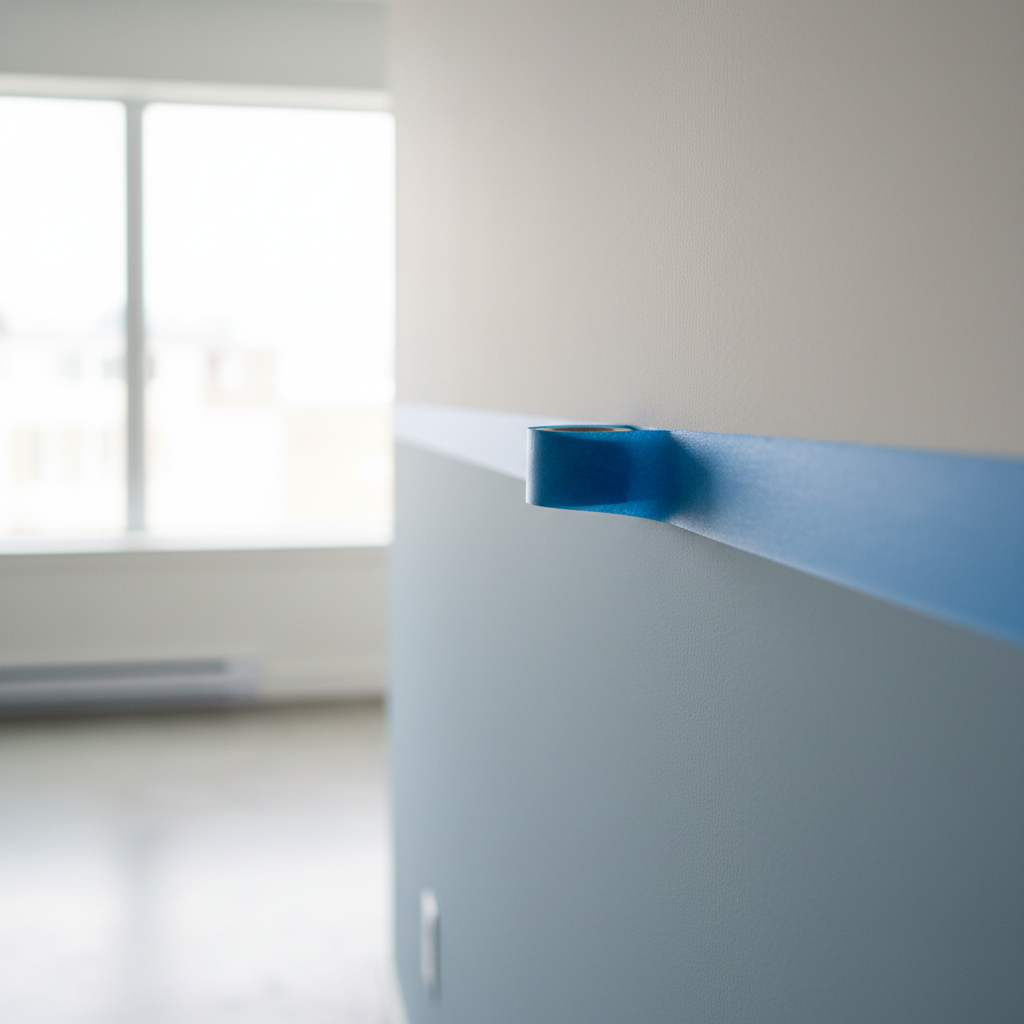
- High-Quality Tape: Invest in good quality painter's tape, specifically designed for clean lines and easy removal (e.g., FrogTape or ScotchBlue Platinum). Cheaper tapes are more prone to bleeding and leave residue.
- Pro Tip: For extra-sharp lines, consider a delicate surface tape (blue) if your base paint is fresh and fully cured (at least 7 days). For fully cured, hard surfaces, a multi-surface tape (green) works well.
- If this doesn't work: You likely haven't pressed firmly enough, or the wall surface is too textured. Try going over the tape edge multiple times with firm pressure.
Published May 12, 2026Last updated August 17, 2026
Tools & materials you'll need
Affiliate linksAs an Amazon Associate FixlyGuide earns from qualifying purchases — at no extra cost to you. Prices and availability are accurate as of publication and subject to change.
Quick Answer
Painting stripes on a wall can transform a room, but often leads to frustrating issues like fuzzy edges or uneven lines. The core problem usually stems from three areas: inadequate surface preparation, imprecise measuring and taping, and failing to properly seal the tape before applying the stripe color. By addressing these critical steps—cleaning and priming, meticulously laying out your design, and using a base coat to seal your tape lines—you can achieve the crisp, professional stripes you envision without the common DIY pitfalls.
The Problem
Imagine spending hours carefully measuring, taping, and painting stripes, only to pull off the tape and find fuzzy, bleeding edges. Or perhaps the stripes, once admired from afar, reveal themselves to be subtly uneven upon closer inspection. These common disappointments often leave homeowners wondering if painting stripes is a skill reserved only for professionals. The frustration isn't just about wasted time and paint; it's about the visual impact of an otherwise beautifully decorated space being undermined by imperfect lines. Many DIY guides gloss over the crucial details that make the difference between an acceptable job and a truly stunning one, leading to repeated attempts and a sense of defeat.
How It Works
Understanding how paint interacts with surfaces and tape is fundamental to achieving clean lines. Modern latex paints, while convenient, have a certain viscosity and surface tension. When applied, paint tends to wick into microscopic gaps, especially between painter's tape and the wall surface. This wicking action is the primary cause of bleeding edges. High-quality painter's tape is designed with a low-tack adhesive that minimizes residue while still providing a barrier. However, even the best tape can't entirely prevent wicking if there are tiny imperfections in the wall surface or if the tape isn't perfectly adhered.
The 'sealing' technique counters this wicking by creating a barrier with the base wall color. After applying the tape for your stripes, you paint a thin coat of the original wall color (or a clear sealant) directly over the tape edges. This initial coat, being the same color as the background, seeps into any tiny gaps under the tape. Once dry, it effectively seals those microscopic pathways. When you then apply your stripe color, it can't wick under the tape because the gaps are already filled and sealed with the matching base color, ensuring a perfectly crisp line when the tape is removed. The texture of your wall also plays a role; highly textured walls present more opportunities for paint to bleed, making meticulous sealing even more critical.
Step-by-Step Fix
1. Prepare Your Canvas — Don't skip the dirty work; a clean, smooth wall is your best friend.
- Clean the Wall: Use a mild all-purpose cleaner and a damp cloth to wipe down the entire wall surface. Even seemingly clean walls can have dust, oils, or grime that prevent tape from adhering properly, leading to bleed. Let the wall dry completely. For grease-prone areas like kitchens, a degreaser might be necessary.
- Repair Imperfections: Fill any nail holes or cracks with spackle. Sand smooth once dry. Even tiny bumps or depressions can create gaps under your tape, causing wicks and uneven lines. A perfectly smooth surface is paramount for sharp stripes.
- Prime if Necessary: If you're painting over a dark color with a light stripe, or if the wall is spackled, a coat of primer will ensure uniform adhesion and true color representation. Allow adequate drying time as per the primer manufacturer's instructions.
2. Plan Your Stripes Meticulously — Precision now prevents regret later. Your layout determines the final look.
- Measure and Mark: Decide on your stripe width and the spacing between them. Use a tape measure and a pencil to lightly mark your starting points along the top of the wall. For consistent results, consider marking at the top, middle, and bottom of the wall, then using a laser level or a long straightedge to connect these points.
- Level and Plumb: Use a 4-foot level to ensure your vertical lines are perfectly plumb and horizontal lines are perfectly level. Imperfectly plumb lines are glaringly obvious and can make a room feel off-kilter. Lightly mark the outer edges of where your stripes will be, not the center.
- Consider Optical Illusions: For very tall rooms, wider stripes can feel more proportionate. In smaller rooms, thinner stripes can add a sense of height. Avoid stripes that are so narrow they become hard to tape accurately.
3. Tape with Surgical Precision — This is where crisp lines are truly made or broken.
- High-Quality Tape: Invest in good quality painter's tape, specifically designed for clean lines and easy removal (e.g., FrogTape or ScotchBlue Platinum). Cheaper tapes are more prone to bleeding and leave residue.
- Pro Tip: For extra-sharp lines, consider a delicate surface tape (blue) if your base paint is fresh and fully cured (at least 7 days). For fully cured, hard surfaces, a multi-surface tape (green) works well.
- Apply Along Markings: Carefully apply the tape along the outside edge of your pencil marks. Ensure the tape is perfectly straight and covers the area you want to remain the base color. The paint for your stripe will go up to the tape's inner edge.
- Burnish the Edges: This is a crucial step! Once the tape is down, use a plastic putty knife, a credit card, or your fingernail to firmly press down the entire edge of the tape that will be next to the painted stripe. This compresses the adhesive and seals any microscopic gaps, significantly reducing the chance of paint bleed.
- If this doesn't work: You likely haven't pressed firmly enough, or the wall surface is too textured. Try going over the tape edge multiple times with firm pressure.
4. Seal the Tape (The 'Secret Weapon') — This prevents bleed-through like magic.
- Apply Base Color: Using a small brush or roller, apply a very thin coat of the original wall color (the color of the wall before you paint the stripe) directly over the edge of the painter's tape that will meet your stripe color. This seals the tape by filling any potential gaps with the exact color of the background.
- Alternatively, Clear Sealant: If you don't have the original wall color, a clear acrylic sealant or even a clear topcoat can work. However, the base color is always best for an invisible seal.
- Let It Dry Completely: Allow this sealing coat to dry to the touch, usually 30-60 minutes, before moving on. This step is non-negotiable for truly crisp lines.
5. Apply Your Stripe Color — Now for the fun part, but still with care.
- Thin Coats: With a high-quality angled brush for edges and a small roller for wider stripes, apply your stripe color in thin, even coats. Two thin coats are always better than one thick coat, as thick coats are more prone to bleeding and leave noticeable texture.
- Feather Edges: When rolling, feather the paint lightly along the tape edge, but don't overload the roller near the tape. Avoid pushing too much paint against the tape, which can force it under.
- Recoat as Needed: Allow the first coat to dry sufficiently (check paint can instructions) before applying a second coat. Ensure full, even coverage.
6. The Timed Tape Removal — Timing is everything for that perfect reveal.
- Remove While Paint is Still Wet (or Fully Cured): This is another critical timing decision. The best time to remove painter's tape for crisp lines is usually when the final coat of stripe paint is still slightly wet but not tacky. This prevents the paint from bonding firmly to the tape and potentially tearing off pieces of your new stripe or the base coat.
- If paint is too wet: It can smear or drip. Wait a few more minutes.
- If paint is too dry (fully cured): The dried paint film can bond to the tape, resulting in jagged edges or the paint peeling away. If you missed the
Related Articles
Keep troubleshooting with these hand-picked guides from FixlyGuide:
- The 3 Critical Mistakes Wrecking Your Lawn (And the Liquid Fix) — Unlock the secret to a verdant lawn by learning how to avoid critical fertilization errors and choosing the right liquid solution.
- The Secret to Lush Raised Beds? It's Not Just About How You Water — Smart irrigation for raised garden beds isn't just about automation; it's about delivering the right amount of water precisely when your pl…
- The 6-Minute Secret to a Sparkling Bathroom (It’s Not What You Think) — Unleash the hidden power of your cordless drill to tackle stubborn household grime, from tile grout to dryer vents, with specialized attach…
- The 6 Cleaning Secrets Hiding in Your Power Drill (Plus Attachments to Master) — Your power drill isn't just for DIY projects; with the right attachments, it's a powerful and efficient cleaning tool for tackling tough gr…
- The 5 Essential Tools Every New Gardener Needs (And 3 You Can Skip) — Starting a garden doesn't require a huge investment in tools; savvy new gardeners can thrive with just a few key items and save money by kn…
- The 7 Mistakes That Ruin a Paint Job (Before You Even Open the Can) — Proper wall preparation is the unseen foundation of a flawless interior paint job, preventing issues like peeling, uneven finishes, and vis…
Should you do this yourself?
Answer five quick questions before you start. Safety outranks savings every time.
Your experience with work like this
How high do you have to work?
Does the job involve any of these?
Will it need a permit?
Specialty tools
Free and instant. Educational guidance only — not a quote, inspection, or professional diagnosis.
Estimate your own project cost
National averages are a starting point. Enter your details for a range that fits your house.
Interior paint estimator
- Paint$96
- Supplies (tape, rollers, drop cloth)$35
- Estimated total (DIY)$131
Hiring a pro? Add roughly $1.50–$4.00/sq ft for labor depending on prep work and trim detail.
Educational estimate only — always confirm with written local bids.
What should this project cost?
Enter your project details for a realistic cost range before you call anyone.
Cost depends heavily on which system turns out to be the source.
- Regional adjustment
- National average
- Labor share (typical)
- ~$1,620
- Quotes to collect
- 3 written estimates
Educational estimate based on national averages — not a binding quote. Always confirm with written local estimates.
Before you start
Check the difficulty, permits, and safety risk — then decide whether to call a pro.
Free, no signup required. Estimates are educational guidance, not a quote or an inspection.
This article was independently written by FixlyGuide based on the source topic.
Frequently asked questions
How do you keep paint from bleeding under painter's tape?+
The most effective method is to seal the tape edge with the original wall color (or a clear sealant) before applying the stripe color. This fills any microscopic gaps under the tape, preventing the stripe color from wicking underneath.
What kind of tape is best for painting stripes?+
Use a high-quality painter's tape designed for clean lines, such as FrogTape or ScotchBlue Platinum. For delicate surfaces or freshly painted walls, a low-tack blue tape is recommended. Always ensure the tape is rated for the correct removal time to avoid residue or paint pulling.
Why are my painted stripes not straight?+
Uneven stripes are almost always due to improper measurement and marking, or failing to use a level. Meticulously measure and lightly mark your stripe outlines at multiple points along the wall, then use a long level or laser level to ensure all lines are perfectly plumb (vertical) or level (horizontal) before applying tape.
Should I remove painter's tape wet or dry?+
Ideally, remove painter's tape when the final coat of paint is still slightly wet but not tacky. This prevents the paint from bonding too strongly to the tape and ensures a clean break. If the paint has fully dried, you risk peeling or jagged edges. If you have to remove dry paint, score the edge with a utility knife first.
Discussion
Loading comments…