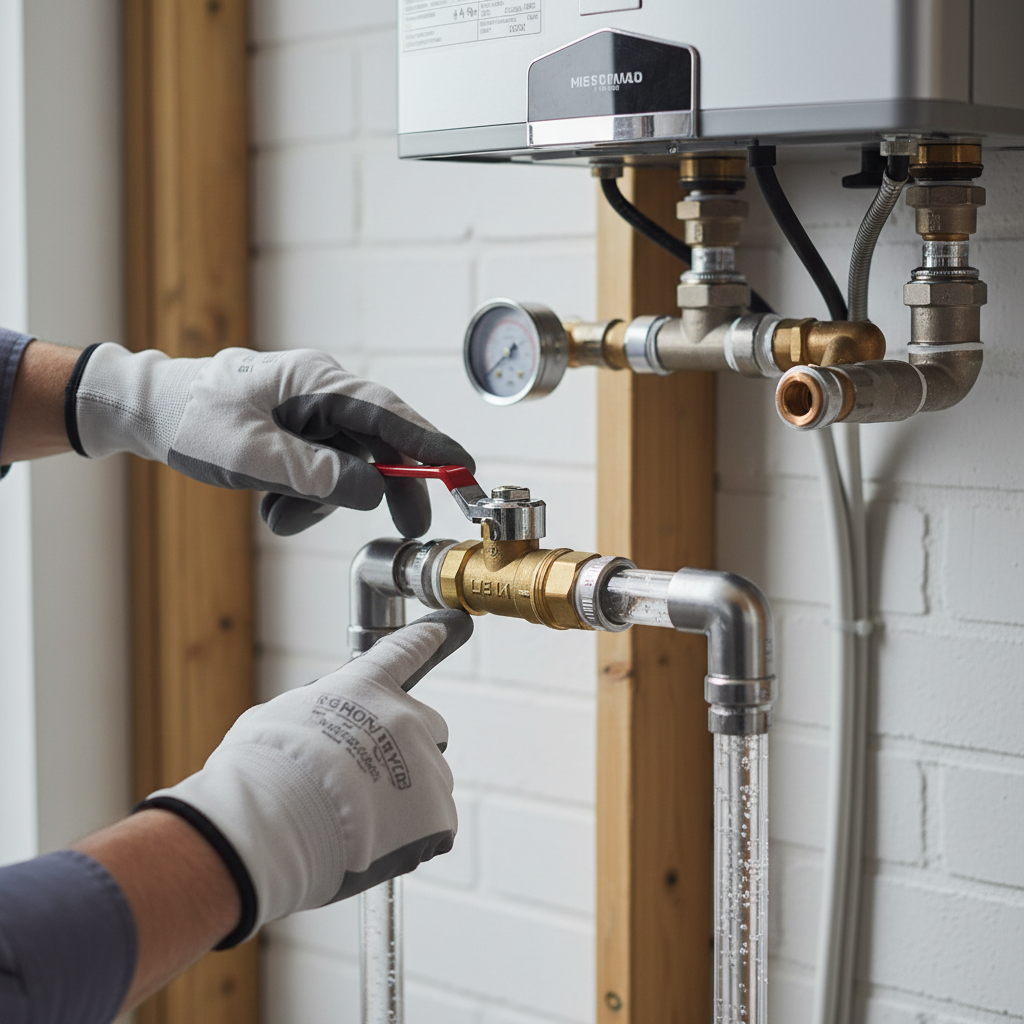
- Partially Closed Main Shut-Off Valve: Often bumped accidentally during other maintenance or left partially closed after a repair.
- Clogged Whole-House Water Filter: Overdue for replacement, accumulating sediment and restricting flow.
- Failing Pressure Reducing Valve (PRV): Internal components wear out, causing it to restrict flow or fail to maintain proper outgoing pressure.
- Issues With Municipal Supply: Work on neighborhood water mains, pipe bursts outside your property, or temporary pressure reductions by the utility.
- Corroded or Sediment-Filled Pipes (Older Homes): Galvanized steel pipes in older homes can accumulate rust and mineral deposits, effectively narrowing the pipe's internal diameter over decades.
Plumbing · Low water pressure
| Project category | Plumbing |
|---|---|
| Problem type | Low water pressure |
| Trade required | Plumbing |
| Urgency | Soon — within weeks |
| Safety risk | Low safety risk |
| DIY suitability | DIY friendly |
| Cost category | Low cost |
| Typical timeline | DIY checks in under an hour; PRV replacement a half day |
| Contractor type | Licensed plumber |
Repair option
Clean aerators, then test static pressure before replacing the PRV.
Replacement option
Repipe when scaling in galvanized lines is the cause.
Common causes
- Clogged aerators or fixture screens
- Failing pressure-reducing valve
- Partially closed main shutoff
- Galvanized pipe scaling in older homes
Relevant tools:diy difficulty
Published June 30, 2026Last updated August 17, 2026
Tools & materials you'll need
Affiliate linksAs an Amazon Associate FixlyGuide earns from qualifying purchases — at no extra cost to you. Prices and availability are accurate as of publication and subject to change.
Quick Answer
The most frequent cause of sudden, widespread low water pressure in a home is a partially closed main water shut-off valve or a clogged whole-house water filter. These issues restrict the water flow at the point of entry into your home, affecting all fixtures simultaneously. Before calling a plumber, check these two common culprits yourself; the fix is often simple and free.
The Problem
Imagine stepping into the shower, expecting a refreshing cascade, only to be met with a pathetic trickle. Or running the dishwasher while trying to wash your hands, and both barely work. Low water pressure throughout your entire home isn't just an annoyance; it can impact everyday tasks, from bathing and cleaning to landscaping and even fire suppression. When multiple fixtures, or even all of them, experience a noticeable drop in pressure, it indicates a problem at the main supply point or a system-wide issue, rather than an isolated faucet aerator or showerhead problem. This article will guide you through diagnosing and fixing the most common causes of this frustrating issue.
How It Works
Your home's water supply system is a network designed to deliver water at a consistent pressure to every fixture. Water typically enters your property from a municipal supply line or a well, passing through a main shut-off valve and often a pressure regulator (PRV) or a whole-house filter before branching out. Pressure is essentially the force with which water is pushed through these pipes. When everything is working correctly, the water enters your home at a certain PSI (pounds per square inch) and maintains sufficient flow to all points of use.
Think of it like a highway system. The main water line is the interstate, and the smaller pipes are the exits and local roads. If there's a blockage or a lane closure on the interstate (the main line or filter), traffic (water flow) slows down for everyone. Similarly, if the main shut-off valve isn't fully open, it's like a gatekeeper only letting a fraction of the cars through. A properly functioning system ensures that enough water volume and pressure reach all parts of your home, even when multiple fixtures are in use. Problems arise when something obstructs this flow or reduces the overall pressure entering your property.
Step-by-Step Fix
1. Confirm It's a Whole-House Issue — Don't assume; verify the scope before troubleshooting.
First, test multiple fixtures in different areas of your home. Check faucets in bathrooms, the kitchen sink, a shower, and even an outdoor hose spigot. If only one or two fixtures have low pressure, the problem is likely localized (e.g., a clogged aerator or showerhead) and not a whole-house issue. This guide focuses on system-wide low pressure.
2. Check With Your Neighbors & Utility — Rule out external factors before looking indoors.
Talk to your immediate neighbors. Are they experiencing similar low water pressure? If so, the problem might be with the municipal water supply, a broken main line in the street, or scheduled maintenance. Contact your water utility company to inquire about any known issues or work in your area. This simple step can save you hours of unnecessary troubleshooting.
3. Inspect Your Main Water Shut-Off Valve — The most common culprit for sudden, widespread low pressure.
Locate your home's main water shut-off valve. This is typically found where the water line enters your house, often in the basement, utility closet, or near the water meter outside. It might be a gate valve (with a round handle) or a ball valve (with a lever handle). Ensure the valve is fully open. For gate valves, turn the handle counter-clockwise until it stops. For ball valves, the handle should be parallel to the pipe. A valve that is even slightly closed can significantly restrict flow. Sometimes, these valves get bumped or partially closed during other home maintenance tasks. If it was partially closed, open it fully and recheck the pressure.
- Safety Note: If the valve is old and stiff, don't force it excessively. Older gate valves can sometimes fail if over-torqued, leading to a much bigger problem. A slight turn is usually enough to reseat it. If it seems stuck, a professional plumber may be needed to service or replace it.
4. Examine Your Water Meter Valve — An often-overlooked valve directly impacting your home's supply.
Some homes have a second shut-off valve located directly at the water meter, sometimes on the street side of the meter. Check if this valve is also fully open. As with your main shut-off, a partially closed meter valve will restrict the overall water flow into your home.
- Note: In some municipalities, the meter valve is owned and operated by the water utility. If you suspect it's partially closed and you can't easily open it, contact your water company before attempting to force it. They may need to send a technician.
5. Clean or Replace Your Whole-House Water Filter — A clogged filter chokes your entire water supply.
If your home has a whole-house water filter, it's a prime suspect for reduced pressure. These filters remove sediment, rust, and other particles from your water before it circulates throughout your plumbing. Over time, the filter cartridge becomes clogged, restricting water flow. Locate your whole-house filter housing, usually near the main water shut-off valve. Turn off the main water supply, then use the filter wrench to unscrew the housing. Remove the old cartridge and inspect it. If it's discolored and clogged with sediment, replace it with a new, matching cartridge. Clean the housing with a mild bleach solution if needed before reassembling. Restore water supply and check for leaks, then test the pressure.
- Tools: Whole-house filter wrench, new filter cartridge, bucket, old rags.
- If this doesn't work: Ensure you've installed the new cartridge correctly and that the O-ring is properly seated for a good seal.
6. Check Your Pressure Reducing Valve (PRV) — A failing PRV can incorrectly limit your home's pressure.
Many homes have a Pressure Reducing Valve (PRV) installed on the main water line, typically after the main shut-off valve. This device is designed to reduce high incoming municipal water pressure to a safer, more consistent level for your home's plumbing (usually 40-70 PSI). Over time, PRVs can fail, either by sticking in a partially closed position or by failing to regulate pressure correctly, leading to low pressure throughout the house. A failing PRV often requires replacement, though sometimes adjustment is possible. You can buy a basic water pressure gauge that screws onto an outdoor hose spigot to test your home's water pressure. If it's consistently below 40 PSI throughout the house, your PRV is a strong suspect. Adjusting a PRV usually involves loosening a lock nut and turning an adjustment screw, but if you're uncomfortable, a plumber is best.
- Safety Note: Incorrectly adjusting a PRV can lead to dangerously high pressure and potential damage to your home's plumbing and appliances. If in doubt, call a professional.
7. Inspect for Leaks — A significant hidden leak can steal your pressure.
While less common as a cause of widespread low pressure unless it's a very large leak, a substantial hidden leak in your main supply line (under the slab, in the yard) can divert enough water to noticeably reduce pressure throughout the house. Look for unexplained wet spots in your yard, unusually lush patches of grass, sudden increases in your water bill, or the sound of running water when no fixtures are in use. If you suspect a serious leak, call a professional as this typically requires specialized leak detection and repair.
Common Causes
- Partially Closed Main Shut-Off Valve: Often bumped accidentally during other maintenance or left partially closed after a repair.
- Clogged Whole-House Water Filter: Overdue for replacement, accumulating sediment and restricting flow.
- Failing Pressure Reducing Valve (PRV): Internal components wear out, causing it to restrict flow or fail to maintain proper outgoing pressure.
- Issues With Municipal Supply: Work on neighborhood water mains, pipe bursts outside your property, or temporary pressure reductions by the utility.
- Corroded or Sediment-Filled Pipes (Older Homes): Galvanized steel pipes in older homes can accumulate rust and mineral deposits, effectively narrowing the pipe's internal diameter over decades.
- Major Hidden Water Leak: A significant leak in the main supply line can cause a substantial drop in overall pressure.
Common Mistakes
- Assuming a Fixture Issue: Many homeowners immediately think of a clogged aerator or showerhead, wasting time disassembling individual fixtures when the problem is system-wide.
- Ignoring the Main Shut-Off Valve: Overlooking this critical valve is the most frequent diagnostic mistake. Always check it first!
- Overlooking the Water Meter Valve: This secondary valve can also be a culprit, especially if municipal work was recently performed.
- Forgetting About the Whole-House Filter: Neglecting routine replacement of filter cartridges will inevitably lead to pressure problems.
- Aggressively Forcing Old Valves: Ancient gate valves can break if too much force is applied, leading to a much larger, more expensive emergency.
- Misdiagnosing a PRV: Replacing a PRV without properly testing the pressure or confirming it's the issue can be an unnecessary expense.
Cost & Time Breakdown
| Task | DIY cost | Pro cost | Time |
|---|---|---|---|
| Check shut-off valves | $0 | $0 (if part of service call) | 5–10 min |
| Replace whole-house filter | $20–$70 | $150–$250 | 15–30 min |
| Adjust/Replace PRV | $0 (adjust) / $150–$350 (parts) | $300–$800 | 30 min (adjust) / 2–4 hrs (replace) |
| Diagnose major leak | $0 (visual) | $200–$500 | Varies |
| Main line repair (major leak) | DANGER - CALL PRO | $500–$5,000+ | Varies |
Tips & Prevention
- Know Your Shut-Offs: Locate and periodically operate (turn fully off, then fully on) your main water shut-off valve and your water meter valve. This keeps them from seizing up and ensures you know where they are in an emergency.
- Regular Filter Maintenance: If you have a whole-house filter, establish a routine replacement schedule (e.g., every 3-6 months, or as recommended by the manufacturer) and stick to it.
- Monitor Water Bills: Keep an eye on unusually high water bills, which can be an early indicator of a hidden leak affecting pressure.
- Test Pressure Annually: Consider purchasing an inexpensive water pressure gauge (usually under $15) to periodically test your home's water pressure at an outdoor spigot. A consistent reading below 40 PSI or above 80 PSI warrants investigation.
- Look for PRV Weep Holes: Some PRVs have a small weep hole. If you see water consistently dripping or spraying from it, the diaphragm is likely compromised, and the PRV needs replacement.
When to Call a Professional
You should call a licensed plumber if, after checking your main shut-off valves and replacing your whole-house filter, the low water pressure issue persists throughout your home. Specifically, if you suspect a failing pressure-reducing valve, a significant hidden leak (especially if you hear running water or see unexplained wet spots), or severe corrosion in your main supply lines, a professional is essential. Plumbers have specialized tools for diagnosing PRV failures, locating hidden leaks without destructive methods, and safely repairing or replacing primary plumbing components—tasks that are beyond the scope and safety limits of most DIY efforts. Attempting complex repairs on your main water supply can lead to significant damage and costly consequences.
Related Articles
Keep troubleshooting with these hand-picked guides from FixlyGuide:
- The #1 Hidden Culprit Behind Your Whole-House Low Water Pressure (It's Not Your City!) — Discover the most common, often overlooked cause of low water pressure throughout your entire home and how to fix it yourself.
- The #1 Mistake Homeowners Make When Diagnosing Low Water Pressure (It's Not Your Pipes) — Discover the most common, overlooked culprit behind low water pressure impacting your entire home and learn how to fix it yourself with bas…
- The #1 Mistake Homeowners Make When Diagnosing Low Water Pressure (It's Not Your Pipes!) — Discover the most common, often overlooked culprit behind low water pressure impacting your entire home and how to easily fix it.
- The #1 Mistake Homeowners Make When Diagnosing Low Water Pressure (and What to Check First) — Before you call a plumber, learn the most common overlooked cause of low water pressure affecting your entire home and how to easily check…
- The Secret Culprit Behind Your Whole-House Low Water Pressure (It's Not Always the City) — Whole-house low water pressure can be a frustrating and complex issue, ranging from simple fixes homeowners can do to signs that require a…
- The #1 Reason Your Fridge Ice Maker Stops—And the 20-Minute Fix — Uncover the most common culprit behind a non-producing ice maker and learn how to implement a quick, effective fix in about 20 minutes.
What should this project cost?
Enter your project details for a realistic cost range before you call anyone.
Common repairs run $150–$650; repipes and water-heater replacements reach $1,500–$4,500.
- Regional adjustment
- National average
- Labor share (typical)
- ~$754
- Quotes to collect
- 3 written estimates
Educational estimate based on national averages — not a binding quote. Always confirm with written local estimates.
Fixly Project Decision Box
- DIY difficulty
- Moderate
- Estimated time
- 30 minutes – half a day
- Cost level
- Moderate
Main tools / materials
- Adjustable wrench
- Plunger or drain auger
- Bucket and towels
- Thread tape
When to stop and call a pro
- Water you cannot shut off at the fixture or main
- Sewage backing up into more than one fixture
- Water near electrical panels or outlets
- Gas water heater work beyond relighting a pilot
Need professional help?
Get a Licensed PlumberRecommended for DIYers & woodworkers
Sponsored
The Top 20 Tools for Workshops of Any Budget
No stationary machines or power tools required — plus 3 fundamental tools that can't be bought at any price.
Get the free guide
Ted's Woodworking — The #1 Woodworking Resource
Detailed instructions, dimensioned drawings, materials & cutting lists, and 3D schematics for every skill level.
See the plansSponsored: links above are affiliate links. FixlyGuide may earn a commission on qualifying purchases — at no extra cost to you.
Frequently asked questions
Why is my water pressure suddenly low in the whole house?+
The most common reasons for a sudden drop in water pressure throughout your entire home are a partially closed main water shut-off valve, a clogged whole-house water filter, or a problem with your municipal water supply (such as a main break or nearby work by the utility).
How do I check my house water pressure?+
You can check your house water pressure by purchasing a water pressure gauge (available at hardware stores) and screwing it onto an outdoor hose spigot. Turn on the spigot fully and read the gauge. A healthy range is typically between 40-70 PSI (pounds per square inch).
Can a clogged water heater cause low water pressure?+
A clogged water heater can cause low hot water pressure specifically, but it generally won't affect cold water pressure unless the clog is severe enough to impact the entire cold water intake line before it branches to the water heater. If only your hot water has low pressure, sediment in the water heater or a faulty dip tube is a strong possibility.

Discussion
Loading comments…