
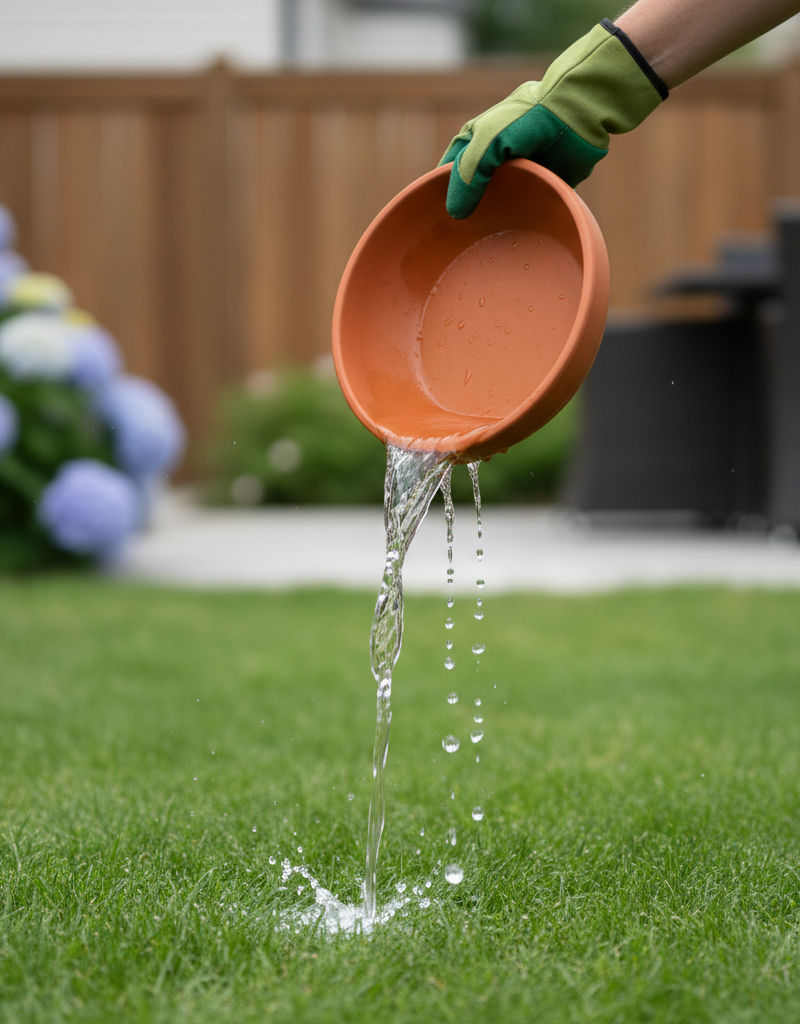
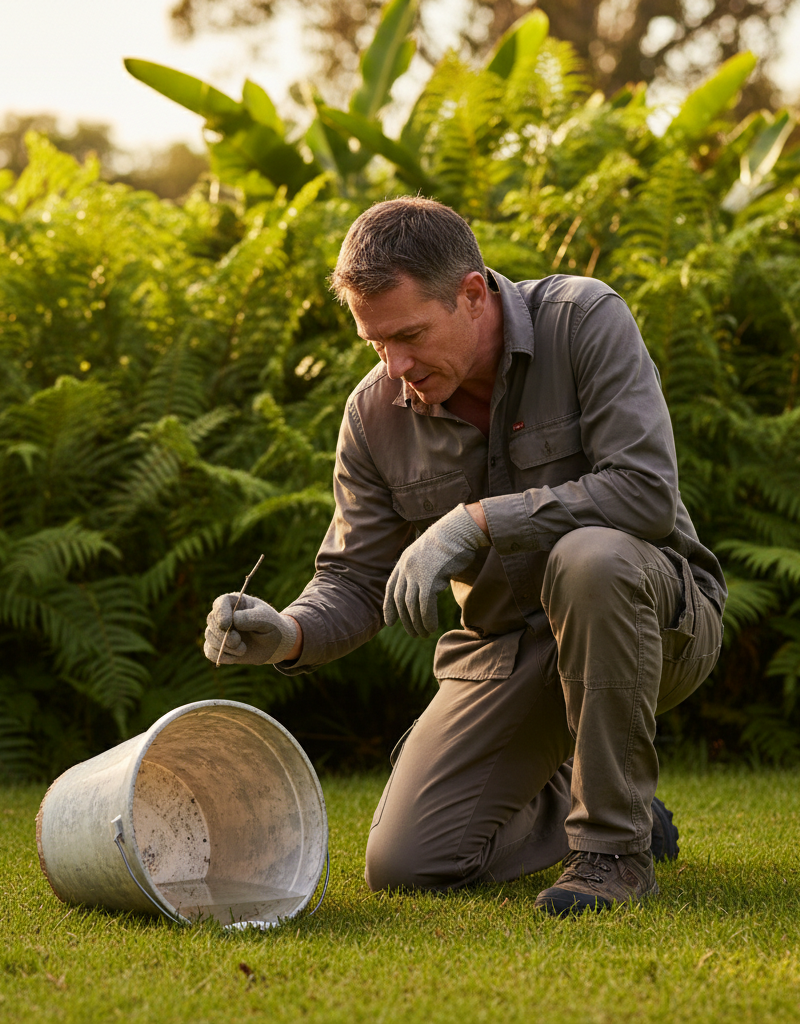
- Small Containers: Empty and scrub bird baths every 2-3 days. Turn over buckets, wheelbarrows, tarps, children's toys, and pet water bowls. Store unused items indoors or upside down.
- Clogged Gutters: Inspect and clean gutters frequently, especially after heavy rains. Clogged gutters create perfect, elevated breeding pools.
- Uneven Landscaping: Fill in low spots in your yard where puddles form after rain. Ensure proper drainage away from your home's foundation.
- Tires & Planters: Drill drainage holes in the bottom of tire swings or planters that hold water. Empty decorative pots and saucers regularly.
- A/C Condensate Pans: Check that your air conditioning unit's condensate pan is draining properly and not overflowing.
Landscaping · Deck or fence project
| Project category | Landscaping |
|---|---|
| Problem type | Deck or fence project |
| Trade required | Landscaping |
| Urgency | Planned project |
| Safety risk | Moderate safety risk |
| DIY suitability | DIY for experienced homeowners |
| Cost category | High cost |
| Typical timeline | Most builds 3–10 days depending on size |
| Contractor type | Landscaping contractor |
Repair option
Replace failed boards, posts, and hardware; reseal the surface.
Replacement option
Rebuild when framing or the ledger connection is unsafe.
Common causes
- Rot at posts and ledger
- Storm damage
- Adding outdoor living space
Relevant tools:home improvement material pricesproject cost estimator
Published May 11, 2026Last updated August 17, 2026
Tools & materials you'll need
Affiliate linksAs an Amazon Associate FixlyGuide earns from qualifying purchases — at no extra cost to you. Prices and availability are accurate as of publication and subject to change.
Quick Answer
Many homeowners struggle with backyard mosquitoes because they miss the most critical step: identifying and eliminating all sources of standing water. Mosquitoes can complete their life cycle in a shockingly small amount of water – think a bottle cap or a crumpled tarp. Once you've eradicated these breeding grounds, you can amplify your efforts with a multi-pronged natural approach, including specific plant choices, targeted biological controls, and smart yard maintenance to significantly reduce mosquito populations without resorting to harsh chemicals.
The Problem
You're tired of mosquitoes ruining your evenings, turning backyard barbecues into slappingspree events, and leaving you covered in itchy welts. The problem isn't just annoying; mosquitoes can transmit serious diseases like West Nile Virus, Zika, and Eastern Equine Encephalitis. While chemical sprays offer a quick (but often temporary and environmentally dubious) fix, many homeowners are rightly seeking natural, sustainable, and family-safe solutions that don't harm beneficial insects, pets, or local wildlife. The core issue often lies in overlooking the subtle ways mosquitoes find places to lay eggs, combined with a lack of understanding of their life cycle and natural deterrents.
How It Works
Understanding a mosquito's life cycle is key to natural control. It all starts with water. Female mosquitoes lay their eggs on the surface of standing water or on damp soil that will later be flooded. These eggs hatch into larvae, often called "wigglers," which live in the water, feeding on microorganisms. After about 5 to 7 days, the larvae develop into pupae, or "tumblers," which are non-feeding but still aquatic. Within a couple of days, the adult mosquito emerges from the pupal stage, ready to bite and reproduce within 24-48 hours. The entire cycle, from egg to adult, can take as little as 7 to 10 days in warm weather. This rapid reproduction means that even a small, overlooked puddle can churn out hundreds of mosquitoes in short order. Natural control methods target various stages of this cycle: eliminating standing water (eggs, larvae, pupae), introducing biological controls (larvae), and deterring adults (repellent plants, traps, yard maintenance). The goal is to break the cycle at multiple points, making your yard inhospitable to mosquitoes without introducing harmful chemicals.
Step-by-Step Fix
1. Eliminate All Standing Water Sources — The absolute most critical step to mosquito control.
Mosquitoes need only a tiny amount of water to lay their eggs. Walk your entire property, looking for any place water might collect. Be relentless in this search.
- Small Containers: Empty and scrub bird baths every 2-3 days. Turn over buckets, wheelbarrows, tarps, children's toys, and pet water bowls. Store unused items indoors or upside down.
- Clogged Gutters: Inspect and clean gutters frequently, especially after heavy rains. Clogged gutters create perfect, elevated breeding pools.
- Uneven Landscaping: Fill in low spots in your yard where puddles form after rain. Ensure proper drainage away from your home's foundation.
- Tires & Planters: Drill drainage holes in the bottom of tire swings or planters that hold water. Empty decorative pots and saucers regularly.
- A/C Condensate Pans: Check that your air conditioning unit's condensate pan is draining properly and not overflowing.
- Drainage Systems: Ensure outdoor drains, downspouts, and French drains are clear and allowing water to flow freely. Flush them if necessary.
2. Introduce Natural Larvicides to Unavoidable Water — For ponds, rain barrels, and fountains.
If you have standing water that you can't eliminate, like a decorative pond or rain barrel, use targeted natural solutions.
- Bacillus thuringiensis israelensis (BTI): This naturally occurring bacterium is toxic only to mosquito and black fly larvae. Look for products like "mosquito dunks" or "mosquito bits." Follow package instructions carefully.
- Application: Drop a dunk into bird baths, rain barrels, or ponds every 30 days. For smaller areas, mosquito bits can be sprinkled.
- Safety: BTI is safe for pets, fish, birds, and other wildlife. It does not harm beneficial insects like bees or butterflies.
- Oils (Avoid): While some oils can smother larvae, they can also harm beneficial aquatic life and create messy residue. Stick to BTI.
3. Strategic Planting for Repellence — Use plants to create a natural barrier.
Certain plants emit compounds that mosquitoes find unappealing. Place them strategically around seating areas and entry points.
- Citronella Grass (Cymbopogon nardus): The familiar scent from candles. Plant in pots near patios or entryways. Note: You need to crush the leaves to release the oils.
- Lemon Balm (Melissa officinalis): A vigorous herb in the mint family with a strong lemon scent. Plant in containers to prevent it from taking over your garden.
- Catnip (Nepeta cataria): Studies show catnip can be more effective than DEET in some cases. It's also very invasive, so plant in pots.
- Basil (Ocimum basilicum): Grows well in containers and repels mosquitoes when leaves are crushed. Enjoy the fresh herbs too!
- Marigolds (Tagetes spp.): Contain pyrethrum, a natural insecticide. Plant around vegetable gardens and near entryways.
- Garlic: While not a plant you'd typically scatter, consuming garlic might subtly deter mosquitoes for some individuals, though scientific evidence is mixed for its topical or area-repellent effects.
4. Encourage Natural Mosquito Predators — Let nature help fight your battle.
Create a welcoming environment for animals that feast on mosquitoes at various life stages.
- Dragonflies: Plant aquatic plants (like water lilies) in ponds to attract dragonflies, whose nymphs consume mosquito larvae and adults eat flying mosquitoes.
- Bats: Install a bat house. A single bat can eat hundreds of mosquitoes in an hour. Place the bat house 15-20 feet high, away from bright lights, and ensure it gets 6-8 hours of sunlight daily.
- Birds: Provide bird baths (cleaned regularly!) and feeders to attract insectivorous birds like purple martins, swallows, and wrens. While birds aren't primary mosquito predators, they do consume them as part of their diet.
- Fish: If you have a pond, introduce mosquito-eating fish like guppies, minnows, or even goldfish, which will happily devour mosquito larvae and pupae.
5. Optimize Yard Maintenance & Personal Protection — Reduce hiding spots and protect yourself.
Beyond water elimination and predators, smart yard care and personal choices make a difference.
- Mow Regularly: Keep your lawn trimmed. Mosquitoes prefer to rest in tall grasses and dense shrubbery during the day.
- Trim Shrubbery: Prune overgrown bushes and trees to increase air circulation and reduce shaded, humid resting spots.
- Outdoor Fans: Use large oscillating fans on patios. Mosquitoes are weak fliers and struggle against even a light breeze.
- Screen Repair: Ensure all window and door screens are in good repair to prevent indoor entry.
- Personal Repellents: For direct protection, use natural repellents containing oil of lemon eucalyptus (OLE), picaridin, or IR3535. Apply according to product instructions.
Common Causes
- Overlooked Standing Water: The single biggest culprit. Anything from a toy left in the yard to a subtle dip in a patio can become a breeding ground.
- Clogged Gutters: A prime, elevated location for mosquito larvae, often out of sight.
- Poor Drainage: Low spots in the lawn or around landscaping that collect water after rain.
- Rain Barrels/Bird Baths Not Maintained: Without BTI or frequent emptying, these become mosquito factories.
- Dense Shrubbery: Provides ideal cool, humid resting spots for adult mosquitoes during the day.
- Neglected Container Gardens: Plant saucers often hold just enough water for mosquito breeding.
Common Mistakes
- Only Treating the "Obvious" Water: Thinking you've emptied all standing water when hidden spots remain. Re-evaluate every week.
- Relying Only on Repellent Plants: While helpful, plants alone won't solve a severe mosquito problem if breeding grounds persist.
- Infrequent Bird Bath Cleaning: A bird bath, if not cleaned every 2-3 days, quickly becomes a mosquito nursery.
- Using Chemical Sprays as a First Resort: These often kill beneficial insects, harm the environment, and aren't sustainable or always safe for pets/children.
- Ignoring Landscape Drainage: Assuming your yard drains perfectly, instead of actively looking for low spots that collect water.
- Forgetting About Neighbor's Yards: While you can only control your property, be aware that nearby unaddressed breeding grounds can re-infest your space. Consider talking to neighbors about shared solutions.
Cost & Time Breakdown
| Task | DIY Cost | Pro Cost | Time |
|---|---|---|---|
| Water Source Elimination | $0–$10 | N/A | 1–2 hours |
| Mosquito Dunks (BTI) | $10–$25 | N/A | 5 minutes/month |
| Repellent Plants | $20–$100 | N/A | 30–60 mins |
| Bat House Installation | $30–$80 ($0 if DIY) | $100–$200 | 1–2 hours |
| Yard Maintenance (Mowing/Trimming) | $0 (if DIY) | $50–$150/visit | 1–2 hours/week |
| Screen Repair Materials | $10–$30 | N/A | 30–60 mins |
Tips & Prevention
- Weekly Water Patrol: Make it a habit to walk your property weekly and empty any standing water. This is the single most effective prevention.
- Maintain Landscape: Keep grass mowed and shrubbery trimmed to reduce resting spots for adult mosquitoes.
- Screen Check: Annually inspect all window and door screens for tears or gaps and repair them promptly.
- Consider a Fan: When spending time on your patio, use an outdoor fan. The breeze makes it difficult for mosquitoes to land.
- Timing Your Outdoor Activities: Mosquitoes are most active at dawn and dusk. Plan outdoor activities to avoid these peak times when possible.
- Wear Light-Colored Clothing: Mosquitoes are attracted to dark colors. Opt for light-colored clothing when outdoors, and wear long sleeves and pants particularly at dawn and dusk.
When to Call a Professional
While natural methods are highly effective for most homeowners, there are situations where professional help might be warranted. If you have a severe, persistent mosquito problem despite diligent application of natural controls, a professional pest management service can offer advanced solutions. They can identify less obvious breeding grounds, assess larger-scale drainage issues, or apply targeted, environmentally-conscious treatments that are beyond the scope of typical DIY efforts. For instance, if you have a very large property with extensive wetlands or hard-to-access water features, or if your region is experiencing a public health alert due to mosquito-borne diseases, a professional can provide integrated pest management strategies. Always choose a company that emphasizes eco-friendly approaches and can explain their methods in detail.
Related Articles
Keep troubleshooting with these hand-picked guides from FixlyGuide:
- The #1 Mosquito Mistake Homeowners Make (and 3 Natural Fixes) — Discover the biggest mistake homeowners make in mosquito control and learn three natural, effective fixes to reclaim your backyard without…
- The 3 Hidden Water Sources Breeding Mosquitoes in Your Yard (And How to Eliminate Them) — Naturally control mosquitoes in your backyard by targeting and eliminating hidden standing water sources where they breed, using simple, ec…
- The #1 Mistake Killing Your Lawn's Thickness (and How to Fix It for $50) — Overseeding can transform a thin, patchy lawn into a lush, vibrant carpet, but many homeowners miss a critical step, hindering success.
- The #1 Mistake Killing Your Thin Lawn (and How to Fix It in a Weekend) — Overseeding a thin lawn is crucial for a lush yard, but a common mistake can ruin your efforts before they even begin. Learn how to diagnos…
- The 3 Permanent Weed Killers No One Talks About (And How to Use Them Safely) — Discover three overlooked, highly effective methods for permanently eliminating weeds from your yard, moving beyond temporary fixes to long…
- The #1 Mistake Homeowners Make to Burst Pipes (and 5 Ways to Prevent It) — Learn the critical mistake most homeowners make when trying to prevent frozen pipes and discover five actionable strategies to protect your…
Should you do this yourself?
Answer five quick questions before you start. Safety outranks savings every time.
Your experience with work like this
How high do you have to work?
Does the job involve any of these?
Will it need a permit?
Specialty tools
Free and instant. Educational guidance only — not a quote, inspection, or professional diagnosis.
Frequently asked questions
How long does it take for mosquito eggs to hatch?+
Mosquito eggs can hatch into larvae in as little as 24-48 hours in warm conditions, and the entire life cycle from egg to adult can be completed in just 7-10 days.
Are mosquito dunks safe for pets and wildlife?+
Yes, mosquito dunks (which contain BTI) are specifically designed to target mosquito larvae and are safe for humans, pets, fish, birds, and other beneficial insects like bees and butterflies.
Can certain plants really repel mosquitoes?+
Yes, plants like citronella grass, lemon balm, catnip, and marigolds contain natural compounds that mosquitoes find unappealing. While they won't clear an infestation, strategic planting can significantly deter mosquitoes from specific areas.
What is the biggest mistake people make when trying to control mosquitoes?+
The biggest mistake is failing to thoroughly eliminate all sources of standing water. Mosquitoes can breed in incredibly small amounts of water, making comprehensive water removal the most crucial step.
When are mosquitoes most active?+
Mosquitoes are typically most active during dawn and dusk, when temperatures are cooler and humidity levels are often higher. Limiting outdoor activities during these times can help reduce bites.

Discussion
Loading comments…