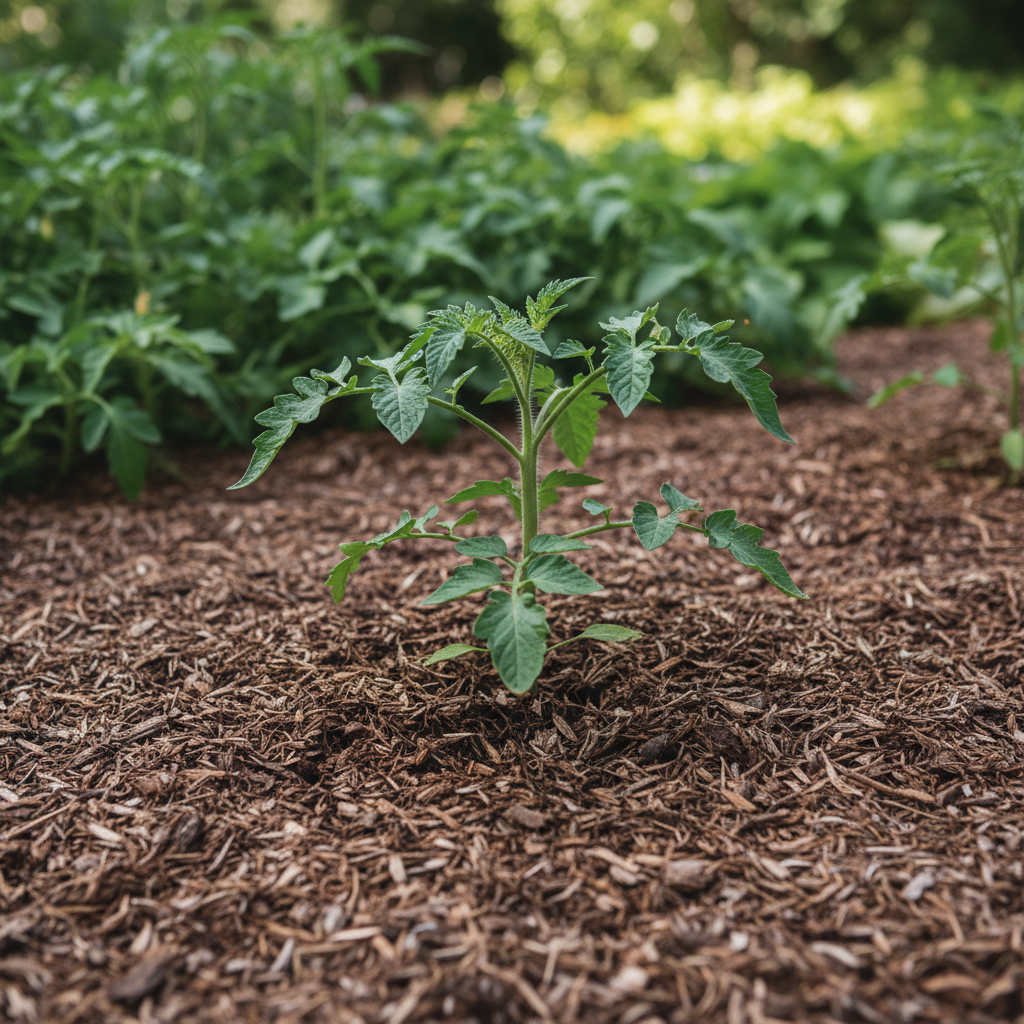
- Look for mulch piled up against the base of trees or shrubs, creating a cone shape.
- Check for signs of moisture trapped under thick mulch layers, dark discoloration on bark, or fungal growth.
- Visually inspect plants for stunted growth, yellowing leaves, or overall decline, which could be symptoms of improper mulching.
Landscaping · Deck or fence project
| Project category | Landscaping |
|---|---|
| Problem type | Deck or fence project |
| Trade required | Landscaping |
| Urgency | Planned project |
| Safety risk | Moderate safety risk |
| DIY suitability | DIY for experienced homeowners |
| Cost category | High cost |
| Typical timeline | Most builds 3–10 days depending on size |
| Contractor type | Landscaping contractor |
Repair option
Replace failed boards, posts, and hardware; reseal the surface.
Replacement option
Rebuild when framing or the ledger connection is unsafe.
Common causes
- Rot at posts and ledger
- Storm damage
- Adding outdoor living space
Relevant tools:home improvement material pricesproject cost estimator
Published May 16, 2026Last updated August 18, 2026
Tools & materials you'll need
Affiliate links- AmazonOrganic shredded bark mulch1-2 cubic yards · or similar organic material
As an Amazon Associate FixlyGuide earns from qualifying purchases — at no extra cost to you. Prices and availability are accurate as of publication and subject to change.
Quick Answer
Many gardeners inadvertently harm their plants by applying mulch incorrectly, often by creating a thick 'mulch volcano' around stems and trunks. This common mistake can lead to a host of problems including rot, pest infestations, and nutrient deficiencies. To mulch correctly, apply a uniform layer of organic material, typically 2-4 inches deep, ensuring it's kept several inches away from the base of plants and tree trunks. This method promotes healthy growth by retaining soil moisture, suppressing weeds, and regulating soil temperature without suffocating your beloved greens.
The Problem
The allure of a freshly mulched garden bed is undeniable: it looks tidy, suppresses weeds, and promises healthier plants. Yet, a silent killer lurks in many meticulously maintained landscapes: improperly applied mulch. The visual appeal often overshadows the crucial mechanics of how mulch interacts with your plants and soil. Homeowners, with good intentions, frequently apply mulch too thickly, especially around the base of trees and shrubs, creating what landscapers derisively call a 'mulch volcano.'
This seemingly harmless practice starves roots of oxygen, provides a haven for rodents and insects that chew on bark, and keeps the bark perpetually wet, leading to dreaded rot and disease. It's not just about aesthetics; it's about the very survival of your garden. You might notice yellowing leaves, stunted growth, or even outright plant death, all while assuming you're doing everything right. Understanding the specific mechanisms by which incorrect mulching causes these issues is key to transforming your garden from struggling to thriving.
How It Works
Mulch, at its core, is a protective layer applied to the soil surface. When applied correctly, it acts as a permeable barrier. It allows rainwater and irrigation to penetrate to the soil below, while simultaneously slowing down evaporation, thus conserving precious soil moisture. This consistency in moisture levels is critical for root health, preventing the stress that comes from cycles of drought and saturation. Furthermore, a proper mulch layer insulates the soil, keeping it cooler in summer and warmer in winter, which protects shallow roots from extreme temperature fluctuations.
Organic mulches, such as shredded bark, wood chips, or compost, offer additional benefits. As they slowly decompose, they enrich the soil with organic matter, improving its structure, aeration, and nutrient content. This biological activity also encourages a healthy soil microbiome, fostering beneficial fungi and bacteria essential for nutrient cycling. Weed suppression is another key function; a 2-4 inch layer blocks sunlight, preventing weed seeds from germinating and outcompeting your desirable plants for water and nutrients.
The 'mulch volcano' disrupts all these beneficial processes. When mulch is piled high against a plant's stem or tree trunk, it acts like a sponge, holding excessive moisture directly against the bark. Unlike roots, which are designed to be constantly moist, bark is meant to breathe and remain relatively dry. Persistent wetness leads to the proliferation of fungal diseases and bark rot, effectively girdling the plant and cutting off its ability to transport water and nutrients. This suffocates the plant, mimicking symptoms of drought or nutrient deficiency, confusing even experienced gardeners. The deep, dense layer also compacts the soil underneath, reducing oxygen flow to the roots, which require oxygen to perform vital functions like nutrient absorption.
Step-by-Step Fix
1. Assess the Damage First — Carefully examine your existing mulch application.
- Look for mulch piled up against the base of trees or shrubs, creating a cone shape.
- Check for signs of moisture trapped under thick mulch layers, dark discoloration on bark, or fungal growth.
- Visually inspect plants for stunted growth, yellowing leaves, or overall decline, which could be symptoms of improper mulching.
2. Remove Excess Mulch — Gently clear away the problematic mulch.
- Using a rake or gloved hands, pull back any mulch that is in direct contact with the base of your plants, shrubs, or tree trunks.
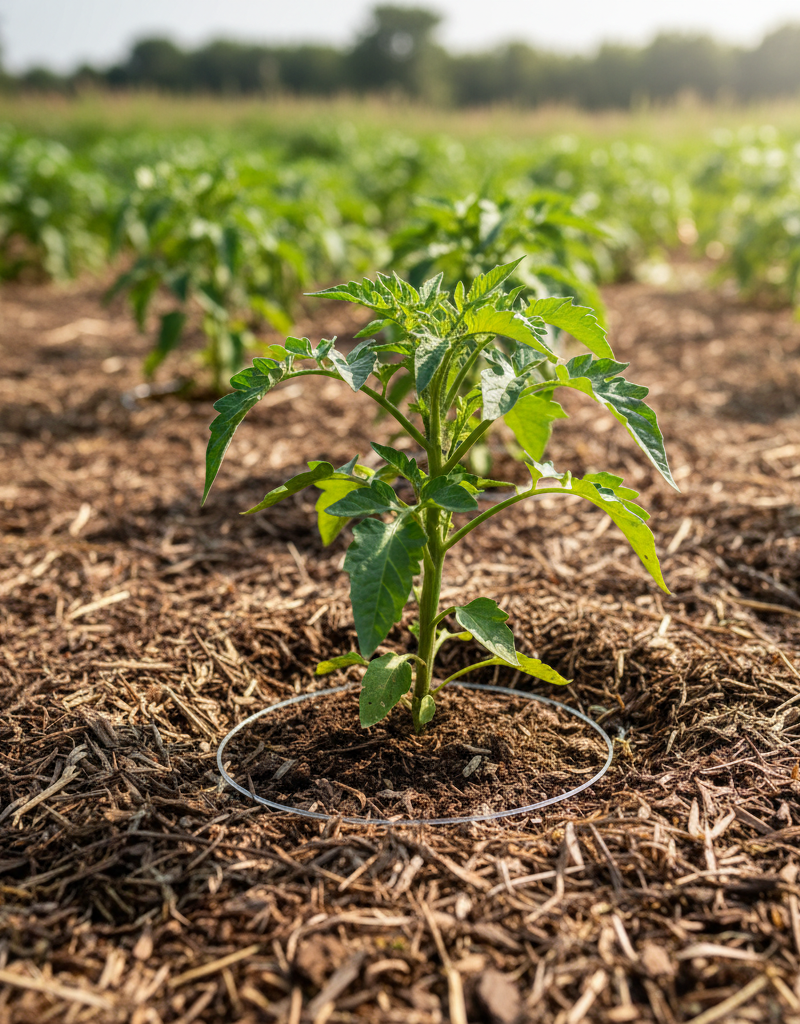
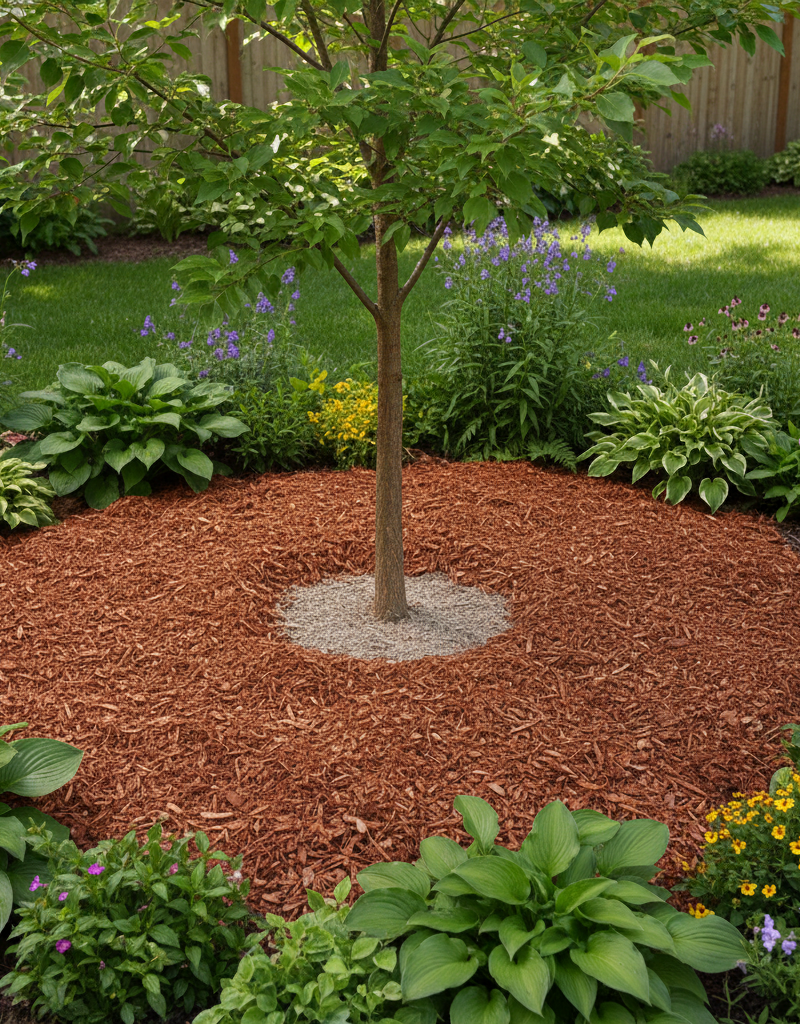
- Aim to create a mulch-free zone of at least 3-6 inches around the crown of herbaceous plants and 6-12 inches around the trunk of trees and large shrubs.
- Safety Note: Wear gardening gloves to protect your hands from splinters, thorns, or potential irritants in the mulch.
3. Inspect the Plant Base — Look for signs of rot or pest activity.
- Once the mulch is cleared, carefully examine the bark or stem base for any soft spots, discoloration, fungal growth, or insect damage.
- If you find significant rot or pest infestation, it may require further treatment or professional intervention. For mild cases, thoroughly dry the area and monitor.
4. Loosen Compacted Soil (If Necessary) — Improve aeration around the plant's base.
- If the soil beneath the excess mulch appears compacted and hard, use a hand trowel or small cultivator to gently loosen the top 1-2 inches of soil.
- Be extremely careful not to damage any shallow roots. Improved soil aeration is crucial for root health.
5. Redistribute Existing Mulch — Create a uniform, appropriate layer.
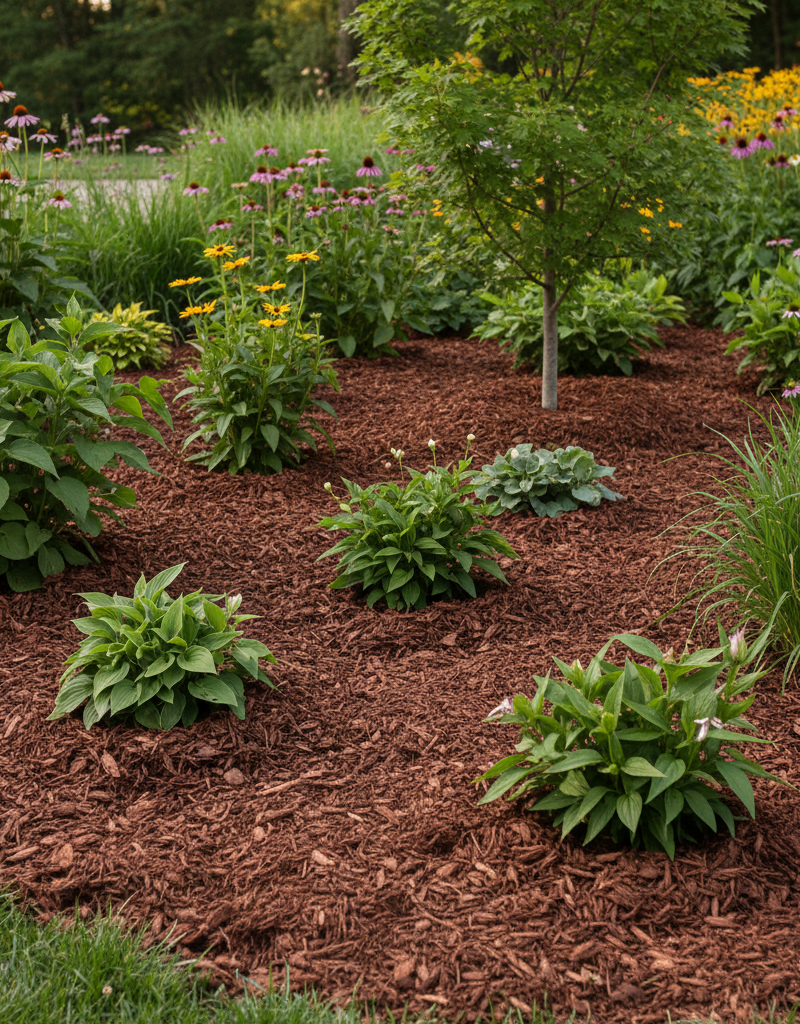
- Spread the removed mulch or additional new mulch evenly across the garden bed, aiming for a consistent depth of 2-4 inches.
- Ensure the mulch maintains at least a 3-6 inch gap from the crowns of smaller plants and a 6-12 inch gap from tree trunks – this is often called the 'donut' method.
6. Choose the Right Mulch — Select organic materials that decompose slowly.
- Opt for organic mulches like shredded bark, wood chips, pine straw, or compost. These break down over time, enriching the soil.
- Avoid dyed mulches containing unknown chemicals. For vegetable gardens, consider straw or leaf mold.
- If your plants are struggling despite proper mulching: Consider a soil test to rule out nutrient deficiencies or pH imbalances.
7. Check Mulch Depth Regularly — Maintain the ideal 2-4 inch layer.
- Periodically check the depth of your mulch. Over time, it will decompose and compact, so you may need to replenish it.
- Avoid the urge to add more mulch if the existing layer is still at a healthy depth. Too much of a good thing can quickly become a problem.
8. Apply Mulch in the Right Seasons — Timing matters for maximum benefit.
- Ideally, apply or refresh mulch in mid-to-late spring after the soil has warmed but before summer heat and weeds take hold.
- A fall application can help insulate roots during winter, but ensure it's not piled against stems, which could attract rodents seeking winter shelter.
Common Causes
- Misunderstanding Mulch's Purpose: Many homeowners view mulch primarily as a decorative element or a simple weed barrier, rather than a crucial component of soil health and plant welfare. This often leads to over-application in an attempt to achieve a 'cleaner' look or stronger weed suppression.
- Following Outdated or Incorrect Advice: Older landscaping practices sometimes recommended piling mulch high, especially around trees, contributing to the 'mulch volcano' myth.
- Desire for a Tidy Aesthetic: A uniform, deep layer of mulch, particularly around the neatly trimmed base of a tree, is often perceived as aesthetically pleasing, overriding practical horticultural considerations.
- Contractor Practices: Some professional landscapers, in a rush or due to lack of updated knowledge, may apply mulch too thickly or improperly, perpetuating the problem.
- Lack of Awareness of Risks: Many gardeners simply aren't aware of the specific dangers—such as rot, pest habitats, and root suffocation—associated with incorrect mulching techniques.
- Attempting to 'Kill' Weeds More Aggressively: Piling on extra mulch to combat persistent weeds seems logical but can backfire by creating a favorable environment for other plant health issues.
Common Mistakes
- Creating a 'Mulch Volcano': Piling mulch high against tree trunks or plant stems. This traps moisture, encourages bark rot, allows pests to tunnel undetected, and suffocates roots. Instead: Always leave a 3-6 inch (for small plants) or 6-12 inch (for trees/shrubs) mulch-free zone around the base, creating a donut shape.
- Applying Mulch Too Deeply: Exceeding the recommended 2-4 inch depth across the entire bed. A thick layer can compact soil, reduce oxygen to roots, prevent water penetration, and create habitat for rodents. Instead: Maintain a consistent 2-4 inch layer, checking depth annually.
- Using Synthetic or Inorganic Mulches Improperly: While useful for specific applications (like stone as drainage), using landscape fabric or heavy plastic as the sole weed barrier under organic mulch. These can prevent water and air from reaching the soil, break down over time, and make planting difficult. Instead: For general garden beds, opt for organic mulches that break down and enrich the soil. If using fabric, ensure it's permeable and intended for landscape use, but reconsider for long-term planting areas.
- Not Inspecting the Area Before Mulching: Applying fresh mulch over existing weeds, diseased plant material, or compacted soil. This can lock in problems or make them worse. Instead: Clear weeds, amend soil if necessary, and ensure plants are healthy before applying new mulch.
- Applying Mulch at the Wrong Time: Mulching too early in spring when the soil is still cold, which can delay soil warming. Or mulching too late in fall with a thick layer directly against trunks, which can attract rodents seeking winter shelter. Instead: Apply in late spring after soil has warmed, or in fall after the first hard frost, always maintaining the recommended distance from plant bases.
- Ignoring the Type of Mulch: Using wood chips in a perennial bed or fine compost in an area prone to blowing away. Different mulches have different properties. Instead: Match the mulch to the application; coarser mulches for trees/shrubs, finer for flower beds, and always consider decomposition rates and pH impacts.
Cost & Time Breakdown
| Task | DIY Cost | Pro Cost | Time |
|---|---|---|---|
| Removing and Redistributing Existing Mulch | $0–$10 (gloves/rake) | $150–$300 | 30–60 minutes per bed |
| Purchasing New Organic Mulch | $30–$80 per yard | Included in service | 0 (delivery time) |
| Inspecting Plant Bases | $0 | Included in service | 5–15 minutes per plant |
| Light Soil Aeration | $0 (hand trowel) | $50–$100 (if extensive) | 10–20 minutes per bed |
| Total (DIY, average small yard) | $30–$90 | $300–$600+ | 1–3 hours |
Tips & Prevention
- **The
Related Articles
Keep troubleshooting with these hand-picked guides from FixlyGuide:
- The 3 Mulching Mistakes That Are Secretly Killing Your Plants — Discover the three common mulching errors that inadvertently harm your garden plants and learn how to apply mulch correctly for thriving, h…
- The Mulching Mistake That Invites Pests (And How to Fix It in 3 Steps) — Discover the common mulching blunder that creates a haven for pests and learn a simple, three-step method to apply mulch correctly for heal…
- The #1 Summer Lawn Mistake Turning Your Grass Yellow (It's Not Overwatering) — Discover the most common, often overlooked reason your summer lawn is turning yellow despite your best efforts, and learn how to fix it.
- The #1 Mistake Killing Your Lawn's Grass (and How to Fix Patchy Spots) — Discover the most common reason for patchy grass and learn how to revive your lawn with targeted, easy-to-follow steps.
- The #1 Mowing Mistake That Leaves Your Lawn Brown and Patchy — Discover the most common mowing mistake homeowners make that leads to unhealthy, patchy grass and how to fix it for a vibrant lawn.
- Is Your Gutter Sagging After Every Storm? The Hidden Flaw Most Homeowners Miss — Discover the overlooked reason your gutters sag after every storm and learn the lasting fix that most homeowners miss.
Should you do this yourself?
Answer five quick questions before you start. Safety outranks savings every time.
Your experience with work like this
How high do you have to work?
Does the job involve any of these?
Will it need a permit?
Specialty tools
Free and instant. Educational guidance only — not a quote, inspection, or professional diagnosis.
Estimate your own project cost
National averages are a starting point. Enter your details for a range that fits your house.
Mulch & topsoil calculator
- Material cost (delivery extra)$45 – $90
Bulk delivery typically adds $50–$150 per trip but is cheaper than bagged for jobs over ~2 cu yd.
Educational estimate only — always confirm with written local bids.
What should this project cost?
Enter your project details for a realistic cost range before you call anyone.
Cost depends heavily on which system turns out to be the source.
- Regional adjustment
- National average
- Labor share (typical)
- ~$1,620
- Quotes to collect
- 3 written estimates
Educational estimate based on national averages — not a binding quote. Always confirm with written local estimates.
Before you start
Check the difficulty, permits, and safety risk — then decide whether to call a pro.
Free, no signup required. Estimates are educational guidance, not a quote or an inspection.
Frequently asked questions
How deep should mulch be around plants?+
For most garden beds and around established plants, mulch should be applied to a depth of 2-4 inches. Around the base of trees and shrubs, ensure a 'donut hole' of 3-6 inches (for smaller plants) or 6-12 inches (for trees) of clear space is maintained, meaning no mulch touches the stem or trunk directly.
Discussion
Loading comments…