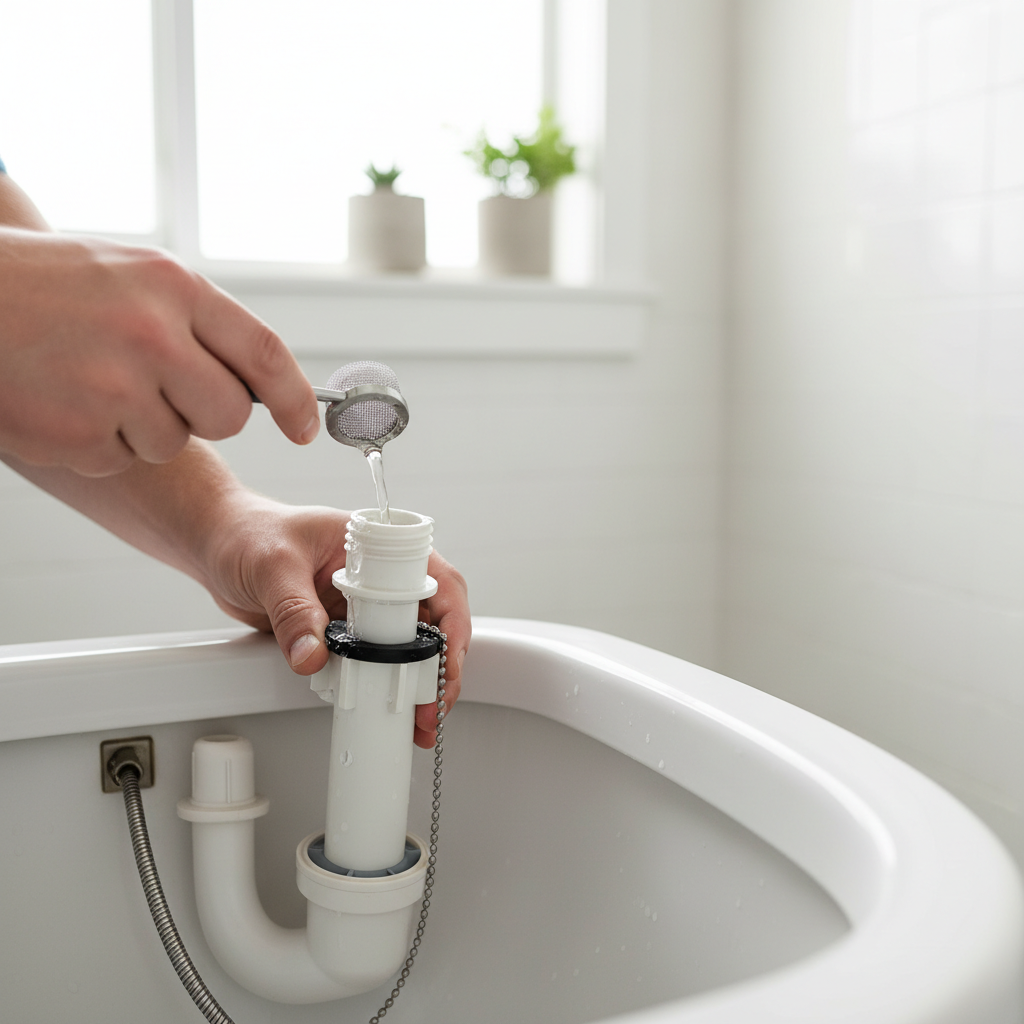
- Disconnect the Supply Line: Using an adjustable wrench, carefully loosen the nut connecting the water supply line to the fill valve on the underside of the tank. Have a small towel ready to catch any drips.
- Remove the Locknut: Inside the tank, beneath the fill valve, there's a large plastic locknut holding the valve in place. You might need channel-lock pliers or a basin wrench to unscrew this.
- Extract the Fill Valve: Once the locknut and supply line are disconnected, carefully lift the entire fill valve assembly out of the tank.
- Access the Filter Screen: At the very bottom of the fill valve where the water supply connects, you'll find a small mesh filter screen. This is often white or black.
- Reassemble: Once clean, place the filter back into the fill valve, reinsert the valve into the tank, tighten the locknut underneath, and reattach the supply line, ensuring a hand-tight seal followed by a quarter-turn with the wrench.
Plumbing · Leak
| Project category | Plumbing |
|---|---|
| Problem type | Leak |
| Trade required | Plumbing |
| Urgency | Emergency — act now |
| Safety risk | High safety risk |
| DIY suitability | DIY for experienced homeowners |
| Cost category | Low cost |
| Typical timeline | Shut water off now; repair usually same or next day |
| Contractor type | Licensed plumber |
Repair option
Isolate at the shutoff, replace the failed component, and dry the cavity fully.
Replacement option
Repipe the run or the branch when corrosion is widespread.
Common causes
- Failed supply line or shutoff valve
- Worn washers, cartridges, or P-trap connections
- Pinhole corrosion in older copper
Relevant tools:emergency checklistdiy or hire a pro
Published May 10, 2026Last updated August 17, 2026
Tools & materials you'll need
Affiliate linksAs an Amazon Associate FixlyGuide earns from qualifying purchases — at no extra cost to you. Prices and availability are accurate as of publication and subject to change.
Quick Answer
If your toilet tank is taking an eternity to refill after flushing, the most likely culprit is a restricted flow through the fill valve. This can be due to sediment buildup in the small filter screen located within the valve or a failing internal diaphragm. Most homeowners can fix this problem in under an hour by cleaning or replacing the fill valve, restoring quick and efficient flushes.
The Problem
You've flushed your toilet, but instead of the normal speedy refill, you're met with a trickle. The tank slowly, almost agonizingly, fills to the waterline, leaving you waiting for several minutes before the toilet is ready for its next use. This isn't just an inconvenience; it can indicate a problem with your toilet's water supply or internal components, specifically the fill valve, which can lead to unnecessary water waste and wear on other parts of your toilet. A consistent slow fill can escalate into a frustrating bottleneck in a busy household, or even result in an embarrassing overflow if the fill valve stops working correctly. Addressing this early can prevent more significant plumbing headaches down the line.
How It Works
When you flush a toilet, the flapper valve at the bottom of the tank opens, allowing water to rush into the bowl, creating the siphon action that carries waste away. As the tank empties, the float mechanism inside drops, which in turn activates the fill valve. The fill valve is the component responsible for refilling the toilet tank and bowl with fresh water. It's connected to your home's main water supply via a flexible supply line.
Modern fill valves are typically float-cup or float-arm designs. In a float-cup design, a plastic cup moves up and down a rod as water levels change. In a float-arm design, a floating ball or cup is attached to a lever. Both types of floats are designed to regulate water flow. As the tank refills, the float rises. Once the water reaches a predetermined level, the float mechanism signals the fill valve to shut off the water supply, preventing overfilling.
Inside the fill valve assembly, there's often a small filter screen near the water inlet. This screen's purpose is to catch sediment, rust particles, and other debris from your water supply before it can enter and potentially clog the more sensitive internal components of the valve, particularly the diaphragm or seals. Water pressure is crucial for efficient filling. If this filter screen becomes partially or completely blocked, or if the diaphragm hardens or becomes compromised, the flow of water into the tank will be significantly reduced, leading to a slow fill. The overflow tube, a vertical pipe in the tank, is also critical; it ensures that if the fill valve malfunctions and doesn't shut off, excess water drains into the bowl rather than overflowing onto your bathroom floor.
Step-by-Step Fix
Safety First: Always turn off the water supply to the toilet before performing any repairs. This prevents accidental flooding.
1. Turn Off Water Supply — Twist the shut-off valve at the wall behind your toilet clockwise until it’s tight. Flush the toilet to empty the tank as much as possible, holding the handle down to get most of the water out. Use a sponge or small cup to remove any remaining water.
2. Locate and Inspect the Fill Valve — The fill valve is the tall, vertical plastic assembly on the left side (as you face the toilet) of the toilet tank. It's connected to the water supply line at the bottom of the tank. Look for any obvious signs of damage or visible debris.
3. Clean the Fill Valve Filter — This is the most common fix.
- Disconnect the Supply Line: Using an adjustable wrench, carefully loosen the nut connecting the water supply line to the fill valve on the underside of the tank. Have a small towel ready to catch any drips.
- Remove the Locknut: Inside the tank, beneath the fill valve, there's a large plastic locknut holding the valve in place. You might need channel-lock pliers or a basin wrench to unscrew this.
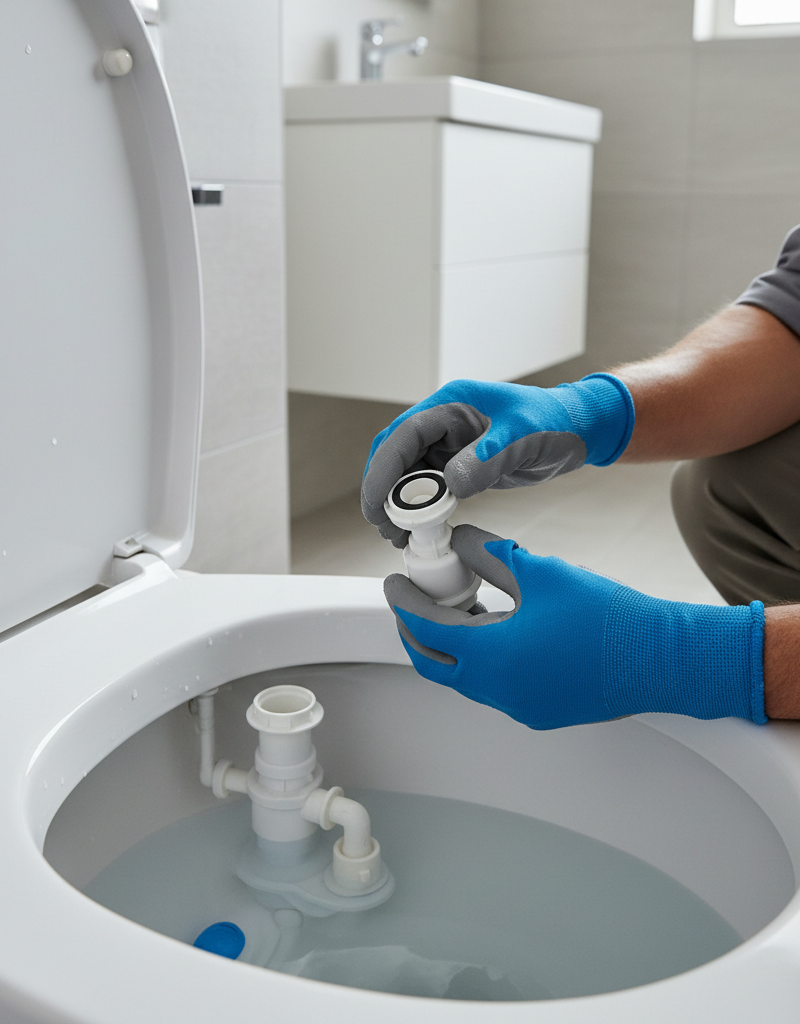
- Extract the Fill Valve: Once the locknut and supply line are disconnected, carefully lift the entire fill valve assembly out of the tank.
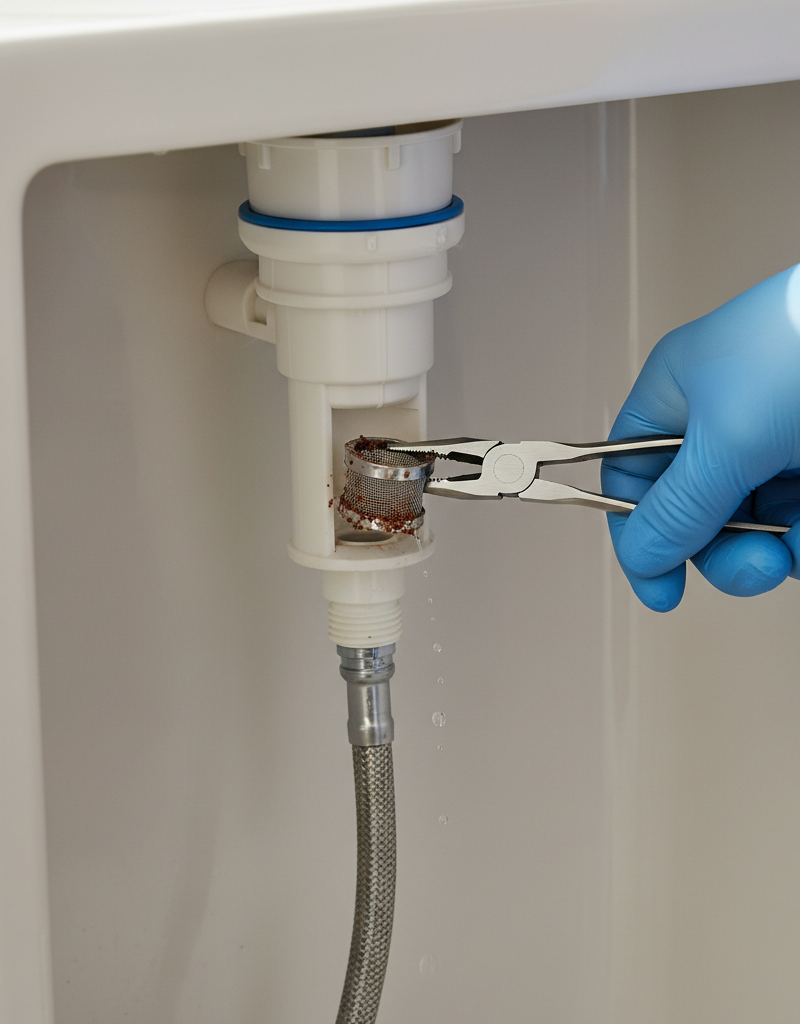
- Access the Filter Screen: At the very bottom of the fill valve where the water supply connects, you'll find a small mesh filter screen. This is often white or black.
- Clean: Use an old toothbrush or a small brush and running water to gently scrub away any accumulated sediment, rust, or debris from the filter screen. If the screen is heavily calcified, you can soak it in white vinegar for 15-30 minutes before scrubbing.
- Reassemble: Once clean, place the filter back into the fill valve, reinsert the valve into the tank, tighten the locknut underneath, and reattach the supply line, ensuring a hand-tight seal followed by a quarter-turn with the wrench.
4. Check for Internal Fill Valve Issues — If cleaning the filter doesn't work, there might be an issue with the valve's internal components.
- Disassemble the Top: Many fill valves allow you to twist off the cap to expose the diaphragm or seal underneath. Check your specific fill valve's instructions.
- Inspect Diaphragm: Look for any tears, hardening, or deformation of the rubber diaphragm or seal. A damaged diaphragm can restrict water flow or prevent proper shut-off.
- Rinse Internal Components: With the cap off, briefly turn the water supply back on for a second or two to flush out any potential debris within the main body of the valve. Be ready to turn it off instantly to prevent splashing.
- Reassemble: Replace the diaphragm (if applicable) and re-secure the cap.
5. Adjust the Fill Valve Float — An incorrectly adjusted float can sometimes lead to a weak fill if the valve is shutting off too early due to an incorrect water level setting.
- Locate the Adjustment Mechanism: Most fill valves have a vertical rod or a screw at the top to adjust the float cup or arm.
- Adjust: Follow the manufacturer's instructions. Generally, raising the float slightly allows more water into the tank before shut-off. Make small adjustments and re-test.
6. Replace the Fill Valve — If cleaning and internal inspection don't resolve the slow fill, the fill valve is likely beyond repair and needs replacement.
- Purchase a New Valve: Take your old valve to the hardware store to ensure you get a compatible replacement. Universal fill valves are widely available and relatively easy to install.
- Installation: Follow the reverse steps of removal. Ensure the new valve is properly seated, the locknut is securely tightened (hand-tight plus a quarter-turn with a wrench), and the supply line connection is snug but not overtightened. Do not overtighten plastic nuts, as they can crack.
- Test for Leaks: Slowly turn the water supply back on and check for any leaks around the supply line connection and the base of the fill valve.
Common Causes
- Clogged Fill Valve Filter Screen: This is by far the most frequent culprit. Sediment, rust, and mineral deposits from your water supply accumulate on this small mesh screen, restricting water flow into the tank. This is especially common in older homes or areas with hard water.
- Worn or Damaged Fill Valve Diaphragm/Seals: Over time, the rubber components inside the fill valve can harden, crack, or become distorted. This compromises the valve's ability to open fully or regulate water flow efficiently.
- Low Water Pressure (System-Wide): While less common for a toilet-specific issue, if you notice slow water flow from other fixtures in your house (faucets, showerheads) at the same time, you might have a general low water pressure problem in your home's plumbing system.
- Kinked or Obstructed Supply Line: The flexible hose connecting the wall shut-off valve to the toilet tank can sometimes become kinked or, less commonly, have internal debris obstructing flow.
- Partially Closed Shut-Off Valve: Make sure the shut-off valve behind the toilet is fully open (turned counter-clockwise until it stops). A partially closed valve will restrict water flow.
Common Mistakes
- Ignoring the Supply Line Valve: Many homeowners jump straight to disassembling the tank without first confirming the supply line valve is fully open. Always check this basic step first.
- Overtightening Plastic Nuts: When reconnecting the water supply line or tightening the fill valve locknut, avoid overtightening. Plastic components can easily crack, leading to leaks. Hand-tight plus a quarter-turn with a wrench is usually sufficient.
- Forgetting to Disconnect Water First: Attempting to remove the fill valve or its components with the water supply still on will lead to a messy flood. Always shut off the water and flush the toilet to empty the tank.
- Not Cleaning the Filter Thoroughly: A quick rinse might remove some debris, but stubborn mineral buildup often requires scrubbing with a brush or soaking in vinegar for effective cleaning.
- Buying the Wrong Replacement Part: While many fill valves are
Related Articles
Keep troubleshooting with these hand-picked guides from FixlyGuide:
- The Secret Culprit Behind Your Slow Toilet Fill (It's Not Clogs!) — A slow-filling toilet tank is usually caused by issues with the fill valve, not clogs, affecting both water pressure and flush efficiency.…
- The 3 Hidden Reasons Your Toilet Tank Fills Slowly (And How to Fix Each) — Discover the common culprits behind a slow-filling toilet tank, from crucial valve issues to subtle obstructions, and learn how to restore…
- The $2 Trick to Stop a Running Toilet (Plumbers Don't Want You to Know) — Discover the simple, two-dollar fix that can stop your running toilet in minutes, saving water and preventing costly repairs.
- The 4 Hidden Reasons Your Toilet Tank Fills Slowly (And How to Fix Them in Under an Hour) — A toilet tank that fills slowly is a common, annoying plumbing problem, often caused by easily fixable issues within the fill valve or wate…
- The $5 Secret to Silencing a Running Toilet (Plumbers Hope You Don't Know) — A running toilet is usually caused by a simple issue with the flapper or its chain, leading to constant water waste and higher utility bill…
- The 3 Hidden Reasons Your Gutters Fail in Heavy Rain (It’s Not Just Leaves) — Overflowing gutters during heavy rain often stem from a few common, yet overlooked, issues beyond simple leaf clogs, leading to potential s…
Should you do this yourself?
Answer five quick questions before you start. Safety outranks savings every time.
Your experience with work like this
How high do you have to work?
Does the job involve any of these?
Will it need a permit?
Specialty tools
Free and instant. Educational guidance only — not a quote, inspection, or professional diagnosis.
What should this project cost?
Enter your project details for a realistic cost range before you call anyone.
Common repairs run $150–$650; repipes and water-heater replacements reach $1,500–$4,500.
- Regional adjustment
- National average
- Labor share (typical)
- ~$754
- Quotes to collect
- 3 written estimates
Educational estimate based on national averages — not a binding quote. Always confirm with written local estimates.
Fixly Project Decision Box
- DIY difficulty
- Moderate
- Estimated time
- 30 minutes – half a day
- Cost level
- Moderate
Main tools / materials
- Adjustable wrench
- Plunger or drain auger
- Bucket and towels
- Thread tape
When to stop and call a pro
- Water you cannot shut off at the fixture or main
- Sewage backing up into more than one fixture
- Water near electrical panels or outlets
- Gas water heater work beyond relighting a pilot
Need professional help?
Get a Licensed PlumberFrequently asked questions
Why is my toilet tank filling so slowly?+
The most common reason for a slow-filling toilet tank is a clogged filter screen within the fill valve, or a worn-out diaphragm inside the valve itself. Sediment and mineral deposits accumulate over time, restricting water flow.

Discussion
Loading comments…