- The 12 Checks That Prevent 80% of Costly Home Repairs — Don't wait for a disaster. Our comprehensive monthly home maintenance checklist reveals the surprising, simple tasks that catch small issue…
- The 4 Critical Power Tools Every New Homeowner FORGETS to Buy (Don't Be One of Them) — New homeowners often overlook essential power tools that make common home repairs and maintenance tasks significantly easier. Learning whic…
- 7 Hidden Equity Drains Costing You Thousands Annually — Your home is an asset, but silent problems like minor leaks, poor insulation, and deferred maintenance can drain its value. Discover the se…
- The Hidden Reason Your AC Isn't Cooling (It's Not Just Freon) — A central AC system that isn't cooling your home can often be traced back to a surprising culprit: airflow obstruction, which mistakenly le…
- The Secret to Endless Hot Showers? It's Not Your Water Heater's Age — Inconsistent hot water or no hot water at all often points to a single, often overlooked culprit: the thermostat. Understanding its role is…
Plumbing · Leak
| Project category | Plumbing |
|---|---|
| Problem type | Leak |
| Trade required | Plumbing |
| Urgency | Emergency — act now |
| Safety risk | High safety risk |
| DIY suitability | DIY for experienced homeowners |
| Cost category | Low cost |
| Typical timeline | Shut water off now; repair usually same or next day |
| Contractor type | Licensed plumber |
Repair option
Isolate at the shutoff, replace the failed component, and dry the cavity fully.
Replacement option
Repipe the run or the branch when corrosion is widespread.
Common causes
- Failed supply line or shutoff valve
- Worn washers, cartridges, or P-trap connections
- Pinhole corrosion in older copper
Relevant tools:emergency checklistdiy or hire a pro
Published May 30, 2026Last updated August 17, 2026
Tools & materials you'll need
Affiliate linksAs an Amazon Associate FixlyGuide earns from qualifying purchases — at no extra cost to you. Prices and availability are accurate as of publication and subject to change.
Quick Answer
Many seemingly minor household annoyances, such as a dripping faucet, a loose doorknob, or drafty windows, are not just inconvenient—they're actively siphoning money from your wallet through wasted energy, increased wear on systems, or potential damage. Fortunately, most of these issues can be resolved with basic tools and a small investment of time, often preventing much larger and more costly professional repairs down the line. Proactive attention to these small details can significantly improve your home's efficiency, safety, and comfort.
The Problem
It's easy to overlook a slow drip from a faucet or a faint draft from a window, dismissing them as minor inconveniences. However, these small issues are rarely benign. A constantly dripping faucet can waste thousands of gallons of water per year, leading to higher water bills and potential water damage to your sink or vanity. A drafty window or door allows heated or cooled air to escape, forcing your HVAC system to work harder and increasing your energy consumption. A loose doorknob might seem trivial, but it can quickly escalate to a damaged door or a security vulnerability. Even a squeaky hinge, if ignored, can indicate excessive wear that could lead to a failing door or cabinet. The cumulative effect of these small neglects is what FixlyGuide calls a "money leak"—a steady, unnoticed drain on your finances that could be easily plugged with a few minutes and a few dollars.
How It Works
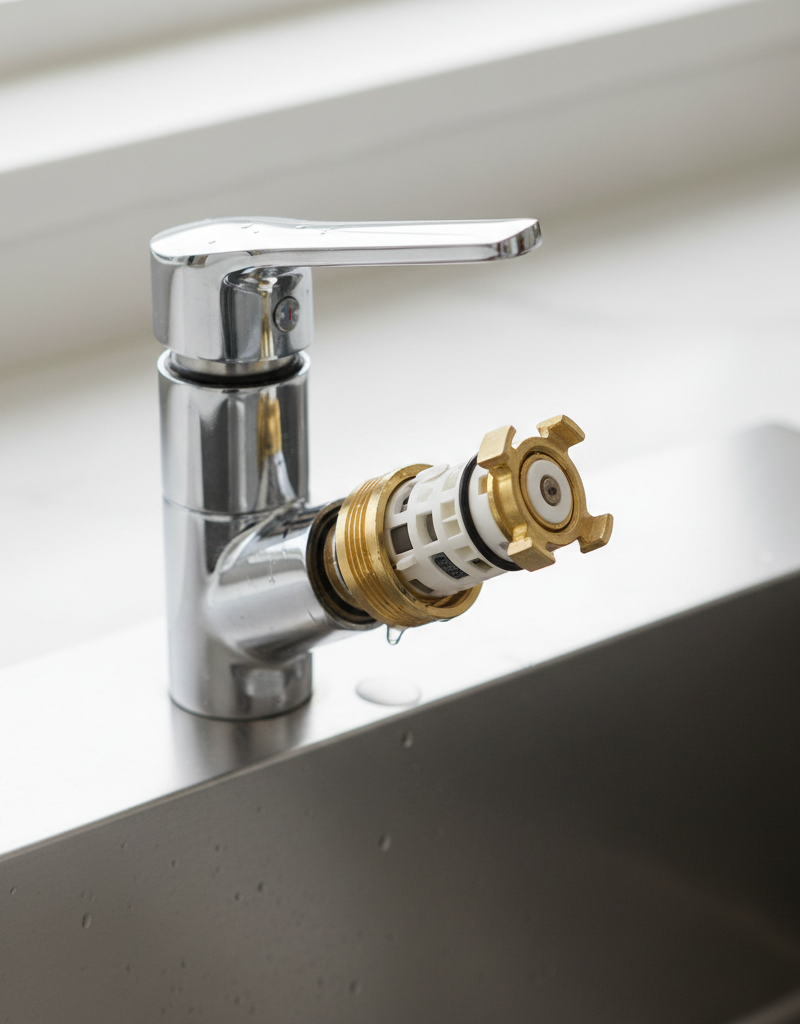
Understanding the mechanics behind these small problems helps in grasping their impact. Let's take the classic leaky faucet. Most modern faucets operate with ceramic disc cartridges, compression washers, or O-rings to control water flow. Over time, these seals degrade due to mineral deposits, wear, or even hot water exposure, creating tiny gaps that allow water to escape. Every drip, no matter how small, represents water that has been paid for but not used. Accumulate thousands of these drips over a year, and the cost becomes significant. Additionally, the constant moisture can lead to mold and mildew growth in sinks and cabinets, and can accelerate the deterioration of plumbing fixtures.
Similarly, drafty windows and doors are often the result of degraded weatherstripping or loose seals. Weatherstripping, typically made of foam, rubber, or silicone, is designed to create a tight barrier between the moving parts of a window or door and its frame, preventing air infiltration. When this material cracks, shrinks, or becomes compressed, it loses its ability to seal effectively. Air, like water, always seeks the path of least resistance. Cold air in winter and hot air in summer will exploit these gaps, leading to substantial heat transfer that directly impacts your heating and cooling bills. A draft can make a room feel noticeably colder or hotter, prompting you to adjust your thermostat to inefficient levels.
Another example is a loose electrical outlet. Outlets are secured to electrical boxes within the wall. Over time, constant plugging and unplugging can loosen the screws that hold the outlet to the box, or even the screws that hold the wires to the outlet terminals. A loose outlet isn't just an annoyance; it's a potential fire hazard. A wobbling outlet can cause arcing—tiny sparks—between the wire and the terminal, leading to overheating and igniting nearby combustible materials. It also poses a shock hazard if the internal wiring is exposed or compromised.
These seemingly insignificant components—washers, weatherstripping, screws—are critical to the overall efficiency, safety, and longevity of your home. When they fail, the system they support begins to falter, leading to wasted resources and increased risk.
Step-by-Step Fix
Fixing these small issues is often straightforward and gratifying. Here are a few common ones:
-
Silence a Squeaky Door Hinge – Eliminate that irritating squeak and prevent hinge wear.
- What you need: Penetrating oil (such as WD-40 or silicone spray), a rag.
- Open and close the door a few times to identify the exact hinge(s) making noise. Spray a small amount of penetrating oil directly onto the hinge pin and the knuckles of the hinge. Swivel the door back and forth several times to allow the oil to penetrate the mechanism. Wipe off any excess oil with a rag to prevent drips and stains. If the squeak persists, you might need to tap the hinge pin slightly upwards with a hammer and nail punch (or screwdriver and hammer) to expose the bottom, spray more oil, and then tap it back down.
-
Tighten a Loose Doorknob – Restore security and functionality to your doors.
- What you need: Phillips head screwdriver (and possibly a flathead for some older models).
- Many doorknobs have visible screws on the neck or on the side of the rosette (the round plate against the door). For others, you might need to find a small slot or hole, often on the underside of the neck, and insert a small flathead screwdriver or an Allen key to release a set screw, allowing you to remove one side of the knob and expose the mounting screws. Tighten all visible screws firmly, but don't overtighten, which can strip the screws or crack the hardware. Test the doorknob's operation. If the knob still feels loose, the internal mechanism might be worn, requiring replacement.
-
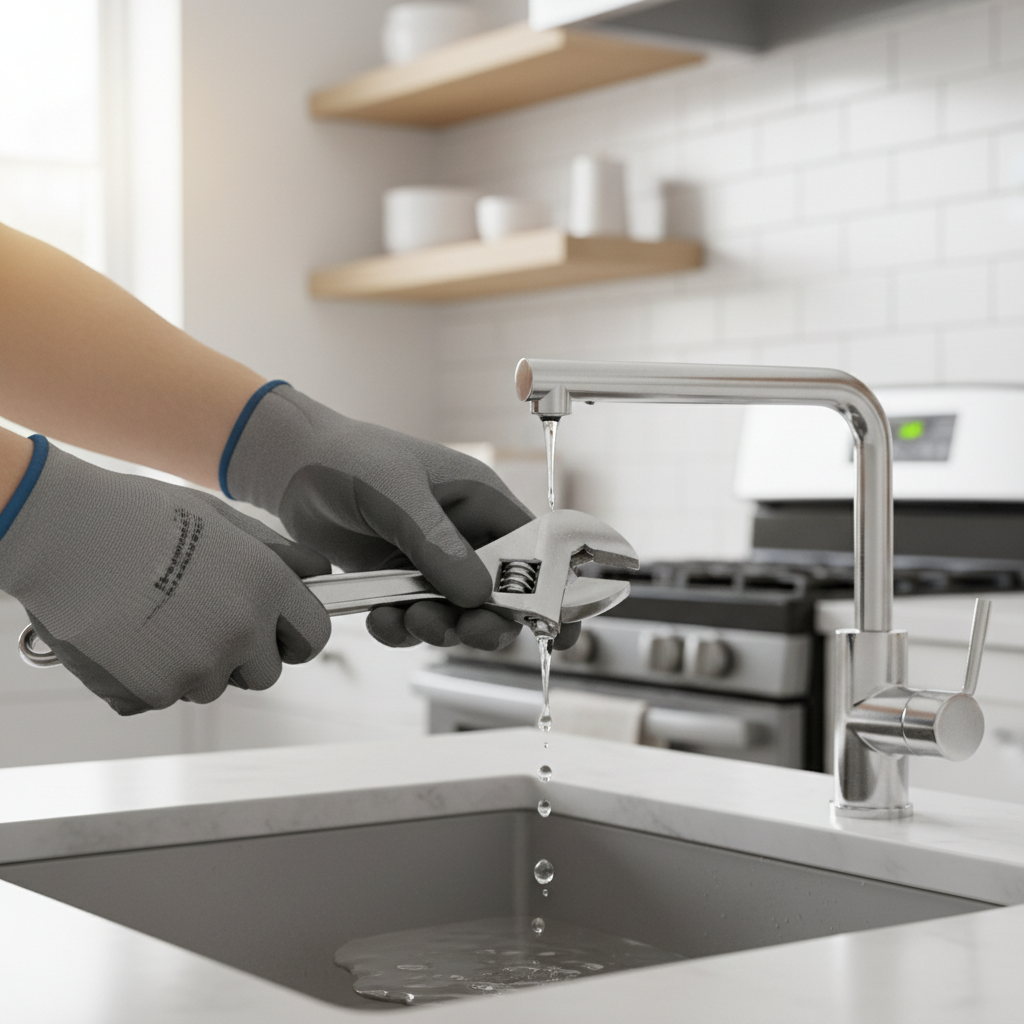
Stop a Dripping Faucet – Conserve water and avoid water damage.
- What you need: Adjustable wrench, flathead screwdriver, Phillips head screwdriver, faucet repair kit or replacement O-rings/washers (specific to your faucet brand and model), plumber's grease, rag.
- Safety first: Turn off the water supply to the faucet (usually a shut-off valve under the sink). Turn on the faucet to drain any remaining water. Use a flathead screwdriver to pry off the decorative cap on the handle, then use the Phillips head screwdriver to remove the handle screw and lift off the handle. Depending on your faucet type, you'll either see a packing nut (compression faucet) or a cartridge. Use an adjustable wrench to carefully loosen and remove the packing nut or cartridge. Replace the worn washer(s) or O-rings, or install a new cartridge. Apply a thin layer of plumber's grease to new O-rings for smooth operation. Reassemble the faucet in reverse order, ensuring all connections are snug. Turn the water supply back on slowly and check for leaks.
-
Seal Drafty Windows or Doors – Improve energy efficiency and comfort year-round.
- What you need: Self-adhesive foam weatherstripping, silicone caulk (with caulk gun), utility knife, cleaning supplies, hairdryer (for caulk removal).
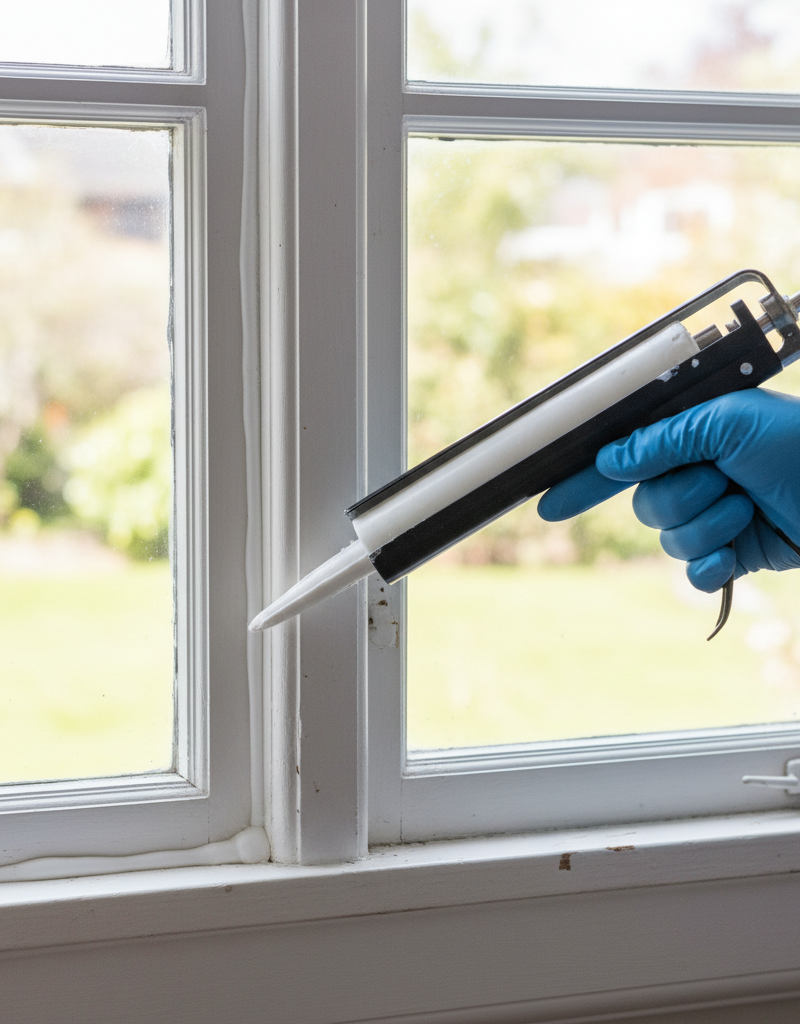
- Diagnose: Light a candle or incense stick and hold it near the edges of closed windows and doors on a breezy day. Where the flame flickers or smoke wavers, you have a draft. Clean the frame thoroughly where new weatherstripping will be applied. For gaps around the window or door frame where it meets the wall, apply a bead of exterior-grade silicone caulk. For drafts around the moving parts of the window or door, remove old, brittle weatherstripping using a utility knife and scraper. Cut new self-adhesive foam weatherstripping to size and press it firmly into place along the sash or door jamb, ensuring a tight seal when closed. For larger gaps, V-seal weatherstripping might be more effective. For doors, consider a door sweep for the bottom.
-
Tighten a Loose Electrical Outlet – Prevent fire hazards and ensure stable connections.
- What you need: Flathead screwdriver, Phillips head screwdriver, outlet shims (optional), non-contact voltage tester.
- BIG SAFETY NOTE: Always turn off the power to the circuit at your home's main electrical panel before working on any electrical outlet. Verify the power is off using a non-contact voltage tester. Loosen the screws holding the outlet cover plate and remove it. Loosen (but don't remove) the two screws that secure the outlet to the electrical box. If the box is recessed too far into the wall, use outlet shims behind the outlet mounting tabs to bring it flush with the wall surface. Tighten the mounting screws firmly. Also, check the screws that secure the wires to the outlet terminals and tighten them if they feel loose. Reinstall the cover plate. Turn the power back on and test the outlet.
-
Replace a Faulty GFI Outlet - Restore essential safety in wet areas.
- What you need: Replacement GFCI outlet, flathead screwdriver, Phillips head screwdriver, non-contact voltage tester.
- BIG SAFETY NOTE: Always turn off the power to the circuit at your home's main electrical panel before working on any electrical outlet. Verify the power is off using a non-contact voltage tester. Remove the old GFCI outlet by unscrewing the cover plate, then the mounting screws. Carefully disconnect the wires, noting which wires were connected to
Related Articles
Keep troubleshooting with these hand-picked guides from FixlyGuide:
- The 12 Checks That Prevent 80% of Costly Home Repairs — Don't wait for a disaster. Our comprehensive monthly home maintenance checklist reveals the surprising, simple tasks that catch small issue…
- The 4 Critical Power Tools Every New Homeowner FORGETS to Buy (Don't Be One of Them) — New homeowners often overlook essential power tools that make common home repairs and maintenance tasks significantly easier. Learning whic…
- 7 Hidden Equity Drains Costing You Thousands Annually — Your home is an asset, but silent problems like minor leaks, poor insulation, and deferred maintenance can drain its value. Discover the se…
- The Hidden Reason Your AC Isn't Cooling (It's Not Just Freon) — A central AC system that isn't cooling your home can often be traced back to a surprising culprit: airflow obstruction, which mistakenly le…
- The Secret to Endless Hot Showers? It's Not Your Water Heater's Age — Inconsistent hot water or no hot water at all often points to a single, often overlooked culprit: the thermostat. Understanding its role is…
- The Tiny Gap Behind Your Baseboards That Costs You $100s in Drafts — Discover why your baseboards are pulling away from the wall and the simple, inexpensive fixes that can seal drafts and improve your home's…
What should this project cost?
Enter your project details for a realistic cost range before you call anyone.
Outlet and switch work usually $150–$400; panel upgrades commonly $1,800–$4,200.
- Regional adjustment
- National average
- Labor share (typical)
- ~$709
- Quotes to collect
- 3 written estimates
Educational estimate based on national averages — not a binding quote. Always confirm with written local estimates.
Fixly Project Decision Box
- DIY difficulty
- Moderate
- Estimated time
- 30 minutes – half a day
- Cost level
- Moderate
Main tools / materials
- Adjustable wrench
- Plunger or drain auger
- Bucket and towels
- Thread tape
When to stop and call a pro
- Water you cannot shut off at the fixture or main
- Sewage backing up into more than one fixture
- Water near electrical panels or outlets
- Gas water heater work beyond relighting a pilot
Need professional help?
Get a Licensed PlumberGet the print-ready PDF of this guide
A clean, ad-free, printable version you can keep on your phone or pin to the workshop wall. Free with a FixlyGuide account.
- Print-optimized layout
- Tools, materials & every step included
- Saved to your account
This article was independently written by FixlyGuide based on the source topic.
Frequently asked questions
How much money can a dripping faucet really waste?+
A faucet dripping just once per second can waste over 3,000 gallons of water per year, enough to take more than 180 showers! This translates directly to higher water bills and unnecessary utility expenses.
Are loose electrical outlets dangerous?+
Yes, a loose electrical outlet can be very dangerous. It can cause arcing and overheating, leading to a fire hazard. It also increases the risk of electric shock if wires are exposed. Always address a loose outlet immediately and with power turned off.
How often should I check for drafts around windows and doors?+
It's a good practice to check for drafts at least once a year, typically before the heating season begins in the fall. You can use a simple candle or incense stick test on a breezy day to identify air leaks. Replacing worn weatherstripping can significantly improve energy efficiency.

Discussion
Loading comments…