- Inspect and Drain the Backflow Preventer — Carefully follow manufacturer instructions for your specific backflow preventer.
- Double Check (DC) Backflow Preventers: Similar to RPZs, close the supply-side valve, then open the test cocks. Open the downstream valve. Leave all valves and test cocks open. Ensure all water drains.
- Place a bucket under the test cocks to catch residual water. Ensure all water has drained. Failure to properly drain the backflow preventer is a common cause of freeze damage.
Landscaping · Deck or fence project
| Project category | Landscaping |
|---|---|
| Problem type | Deck or fence project |
| Trade required | Landscaping |
| Urgency | Planned project |
| Safety risk | Moderate safety risk |
| DIY suitability | DIY for experienced homeowners |
| Cost category | High cost |
| Typical timeline | Most builds 3–10 days depending on size |
| Contractor type | Landscaping contractor |
Repair option
Replace failed boards, posts, and hardware; reseal the surface.
Replacement option
Rebuild when framing or the ledger connection is unsafe.
Common causes
- Rot at posts and ledger
- Storm damage
- Adding outdoor living space
Relevant tools:home improvement material pricesproject cost estimator
Published May 2, 2026Last updated August 17, 2026
Tools & materials you'll need
Affiliate links- AmazonBlow-out Adapter/Fittings1 set · Specific to your irrigation system and compressor
As an Amazon Associate FixlyGuide earns from qualifying purchases — at no extra cost to you. Prices and availability are accurate as of publication and subject to change.
Quick Answer
Many homeowners underestimate the importance of complete water removal when winterizing their sprinkler systems. Even a small amount of residual water left in pipes, valves, or sprinkler heads can freeze and expand, leading to burst pipes, cracked components, and significant repair costs come spring. The most reliable method to prevent this costly damage is a proper 'blowout' using an air compressor to force all water out of the system, combined with draining backflow preventers and opening relevant drain valves.
The Problem
Winterizing a sprinkler system isn't just about turning off the water; it's about removing every last drop from the network of pipes, valves, and sprinkler heads buried beneath your lawn. As temperatures drop below freezing, water trapped in these components will turn to ice. When water freezes, it expands by about 9%. This seemingly small expansion generates incredible pressure—enough to easily crack rigid PVC pipes, damage delicate valve mechanisms, and rupture sprinkler heads. This damage often goes unnoticed until spring when the system is reactivated, revealing leaks, geysers, and non-functional zones. The resulting landscape damage and repair bills can be substantial, often costing hundreds or even thousands of dollars depending on the extent of the burst pipes and component replacement needed. Many homeowners attempt to simply 'drain' their system, not realizing that gravity alone rarely removes all water, especially from low spots, valve bodies, and riser pipes.
How It Works
An irrigation system consists of a main supply line connecting to a backflow preventer, which then distributes water to various zones through a manifold of valves. Each zone has a network of underground lateral pipes leading to individual sprinkler heads. To properly winterize, water must be cleared from all these sections. The process hinges on using compressed air to 'blow out' the system. An air compressor is connected to a designated point in the system, typically after the backflow preventer. As air is introduced, it pushes the water ahead of it, forcing it out through the open sprinkler heads. Different zones are typically opened sequentially, ensuring each section gets a complete flush. The pressure and volume of air are critical; too little pressure won't clear the water, and too much can damage components. The goal is a controlled, progressive blowout where each zone runs until only mist, then dry air, exits the heads. This method is far superior to gravity draining, which relies on slopes and drain valves that may not effectively clear all pockets of water, particularly in systems with undulating terrain or complex layouts. Some systems have manual or automatic drain valves, but these are often insufficient for complete water removal, especially in systems with varying elevations.
Step-by-Step Fix
Prioritize safety when working with compressed air. Always wear eye protection and hearing protection. Never stand directly over a sprinkler head during a blowout. Keep pets and children away from the area.
-
Shut Off the Main Water Supply — Locate and close your main irrigation shut-off valve.
- Typically found near your backflow preventer or where the sprinkler line taps into your home's main water supply. Turn it clockwise until completely closed. This prevents new water from entering the system.
-
Drain the Main Line — Open any manual drain valves on the main supply line.
- Some systems have a separate drain valve on the main sprinkler supply line, usually located at the lowest point between the main shut-off and the backflow preventer. Open this valve to allow water to gravity drain. Then close it.
-
Inspect and Drain the Backflow Preventer — Carefully follow manufacturer instructions for your specific backflow preventer.
- Reduced Pressure Zone (RPZ) Backflow Preventers: Typically have two shut-off valves and two test cocks. Close the supply-side shut-off valve first. Then, open the test cocks to drain the internal chamber. Finally, open the downstream shut-off valve. Leave all valves and test cocks open at a 45-degree angle for winter. For specific instructions consult the manufacturer's manual, as improper draining can damage internal components.
- Double Check (DC) Backflow Preventers: Similar to RPZs, close the supply-side valve, then open the test cocks. Open the downstream valve. Leave all valves and test cocks open. Ensure all water drains.
- Place a bucket under the test cocks to catch residual water. Ensure all water has drained. Failure to properly drain the backflow preventer is a common cause of freeze damage.
-
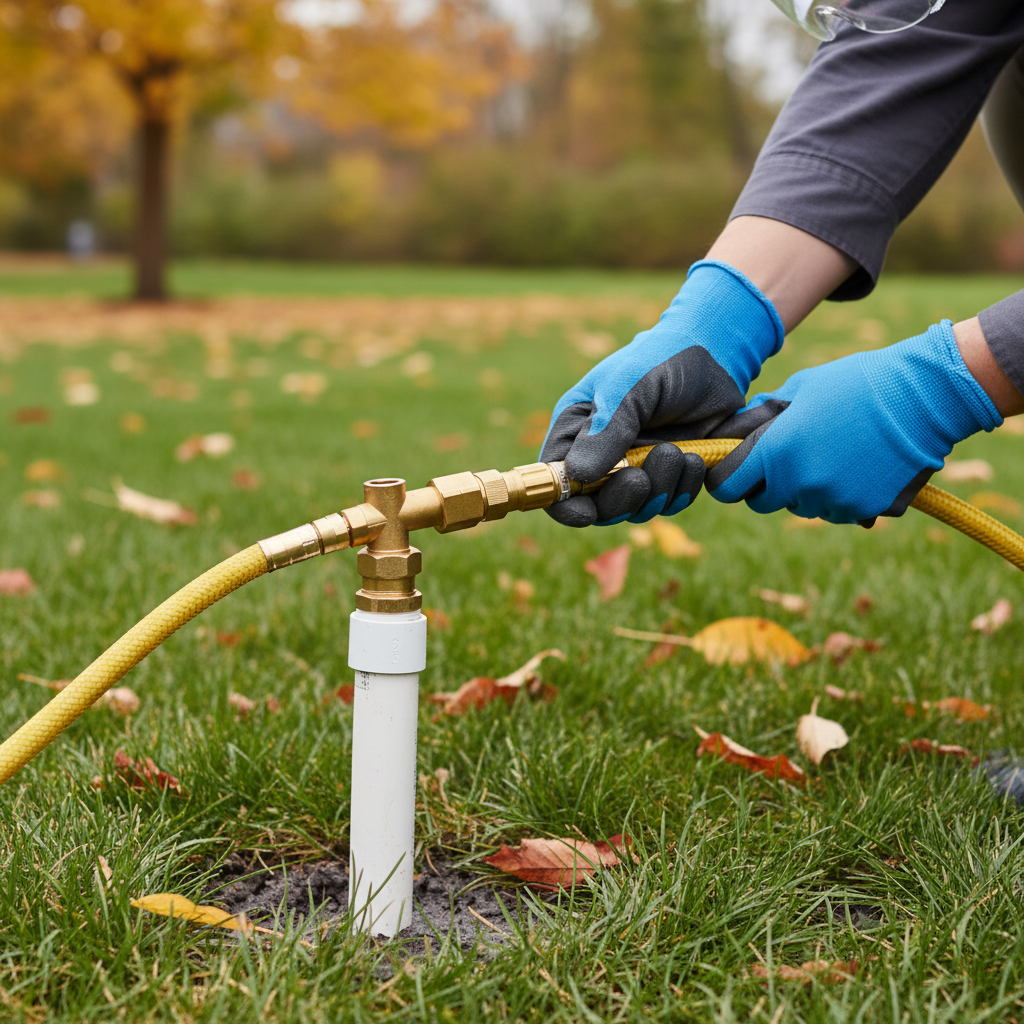
Connect the Air Compressor — Attach your air compressor to the system's designated blow-out port.
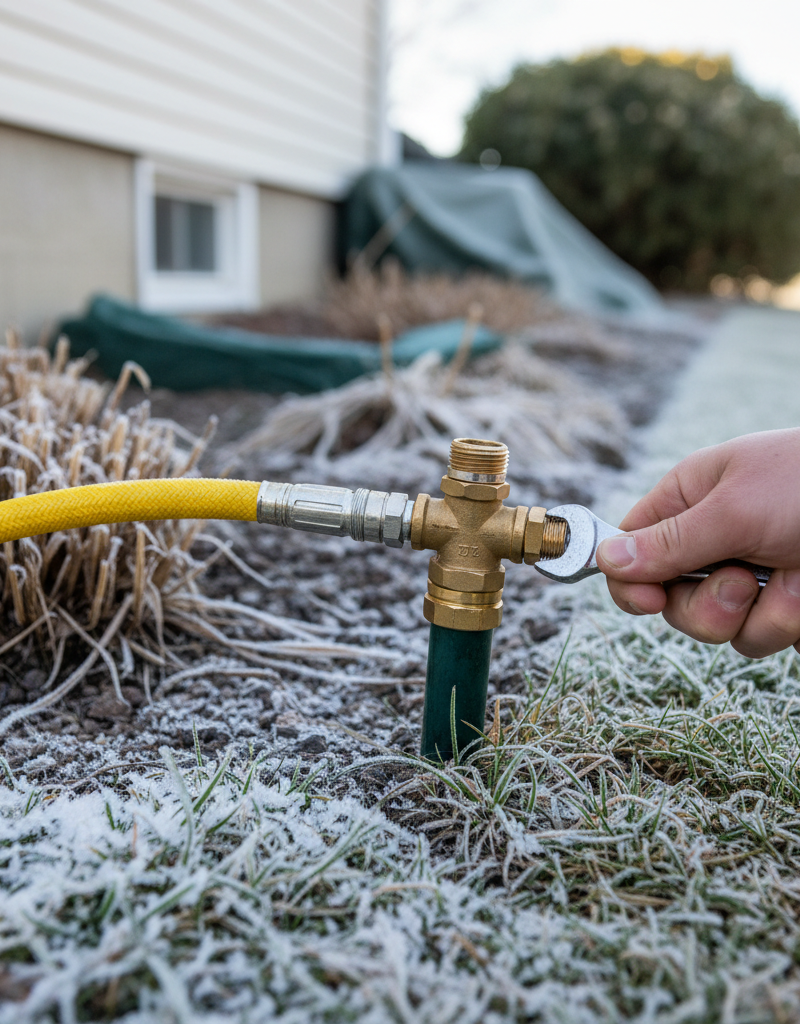
- Your irrigation system should have a blow-out port, often a capped pipe or a quick-connect fitting, located after the backflow preventer and before the zone valves. Use appropriate fittings (e.g., air compressor quick-connect to a garden hose adapter, then to the blow-out port) to create a secure, airtight connection. Ensure the connection is tight to prevent air leaks.
- Safety Note: Use an air compressor with a minimum flow rate of 10-20 CFM at 40-50 PSI for residential systems. NEVER exceed 50 PSI for PVC or 80 PSI for polyethylene systems to avoid damage. Start with lower pressure and gradually increase if needed.
-
Set the Air Compressor Pressure — Adjust the compressor's regulator to a safe and effective pressure.
- For most residential PVC systems, set the regulator to 25-50 PSI. For systems with polyethylene (P.E.) piping, you can go slightly higher, up to 70-80 PSI, but always err on the side of caution. Running the compressor at excessive pressure can damage sprinkler heads and internal valve components, leading to leaks.
-
Activate Zones and Blow Out Water — Sequentially open and blow out each zone from the furthest to the closest.
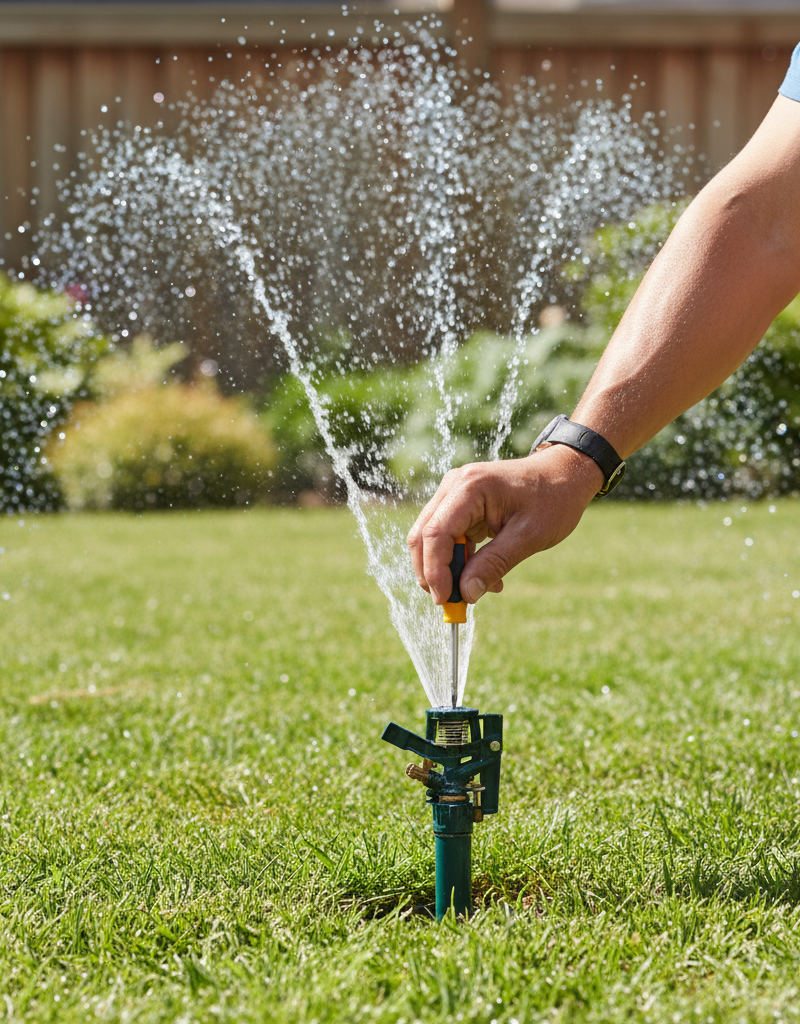
- Go to your sprinkler controller and manually activate a zone. Ideally, start with the zone furthest from the compressor connection. Allow the compressor to run, pushing air through the pipes. You'll see water spraying from the sprinkler heads, followed by a mist, and eventually, just air. Let each zone run for 1-2 minutes after only air is visible from all heads in that zone to ensure thorough drying. Repeat for each zone. Open only one zone at a time. If you have rotary heads, they may not pop up fully due to reduced pressure; this is normal. Just ensure air is exiting.
-
Address Difficult Zones/Low Spots — If some heads aren't clearing, allow more time or re-cycle.
- Some zones, especially those with low points or complex layouts, might take longer to clear. If a zone is still spitting significant water after 2-3 minutes, turn off the compressor, close the zone, wait a few minutes, and then re-activate it. The system needs to cool down slightly. This allows any residual water to consolidate before another blowout attempt. Repeat until only mist/air exits.
-
Disconnect and Verify — Turn off the compressor, disconnect, and double-check all components.
- Once all zones are blown out and only dry air is exiting, turn off the air compressor and disconnect it from the blow-out port. Leave all zone valves (at the manifold) in their open position (or as per manufacturer instructions) and ensure the isolation valves on the backflow preventer remain open at 45 degrees. This prevents any trapped air or remaining moisture from causing issues.
Common Causes
- Incomplete Water Removal: The most prevalent cause of winter damage. Homeowners either skip winterization entirely or mistakenly believe simply turning off the water or using gravity drains is sufficient. Low spots in piping are particularly vulnerable.
- Incorrect Air Compressor Use: Using an air compressor with insufficient CFM (Cubic Feet per Minute) to clear the system, or conversely, using excessively high PSI (Pounds per Square Inch) that damages delicate sprinkler components or internal valve seals. Too low pressure won't clear the water; too high pressure causes damage.
- Neglecting the Backflow Preventer: The backflow preventer, especially RPZ and DC types, has internal chambers and test cocks that must be drained properly. These devices are often expensive to replace and are highly susceptible to freeze damage if not attended to.
- Ignoring Local Climate: Winterization needs vary by region. In areas with unpredictable or consistently hard freezes, proper blowout is non-negotiable, even if some mild winters might seem to pass without incident. Don't gamble on a mild winter.
- Overlooking Small Details: Forgetting to drain a rain sensor, a drip irrigation filter, or a separate garden hose connection tied into the main irrigation line can lead to localized bursts.
Common Mistakes
- Assuming Gravity Draining is Enough: Many residential systems, especially those with uneven terrain or long pipe runs, will always retain water in low spots, making a full blowout essential for freeze protection.
- Using Too High Air Pressure: Exceeding 50 PSI for PVC pipes or 80 PSI for poly pipes can blow seals, crack heads, or damage underground fittings, leading to leaks and costly repairs in the spring. Always use a regulated compressor.
- Blowing Out Multiple Zones Simultaneously: Opening more than one zone at a time reduces air pressure across the system, making it ineffective at clearing water and potentially stressing the compressor.
- Not Draining the Backflow Preventer Separately: This critical component is often overlooked. Its internal mechanisms are particularly sensitive to freezing and replacement is expensive and requires a licensed plumber in many jurisdictions.
- Stopping Too Soon: If you still see significant spitting water or a heavy mist, the zone is not fully clear. Continue running air until only a fine mist or dry air is evident from all heads in that zone.
- Forgetting to Turn Off the Main Water: If the main water supply to the irrigation system is not completely shut off, the compressor will be fighting against incoming water, making the blowout ineffective and potentially flooding your yard.
Cost & Time Breakdown
| Task | DIY cost | Pro cost | Time |
|---|---|---|---|
| Air Compressor Rental (daily) | $40–$70 | N/A | 30 min (pickup) |
| Fittings | $10–$30 | N/A | 5 min |
| Hands-on Winterization | $0 | $75–$150 | 1–2 hours |
| Damaged Parts (if you skip) | $100–$Thousands | $300–$Thousands | N/A |
Tips & Prevention
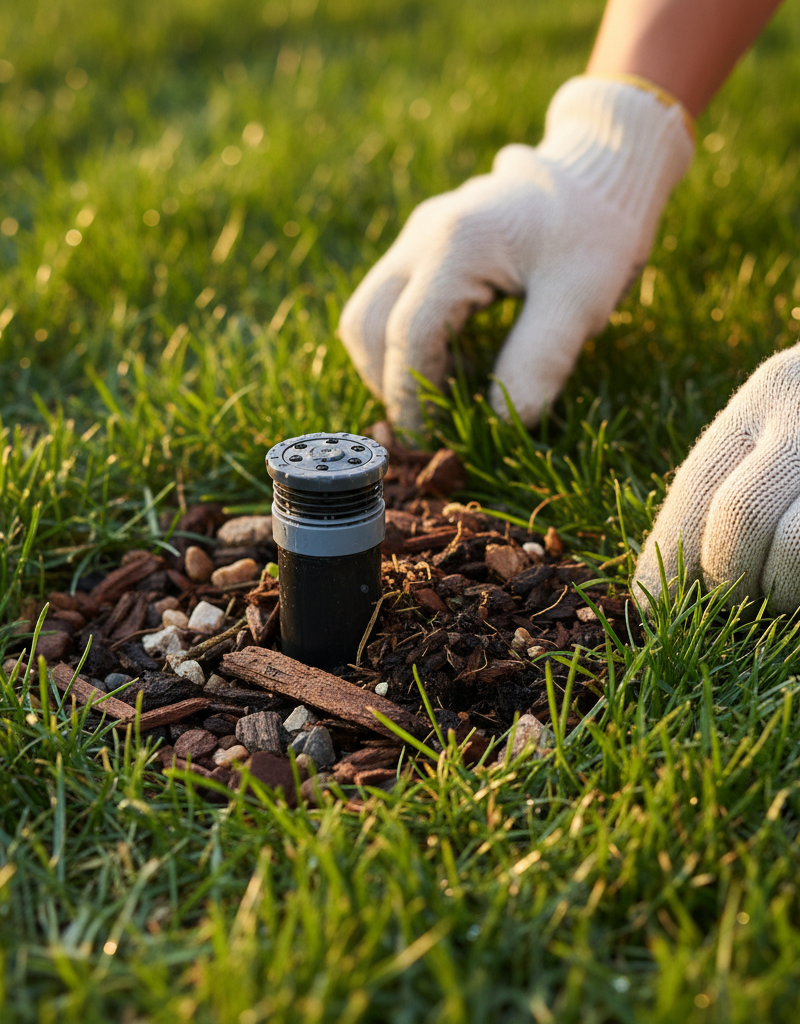
- Mark Your Valves: Use flags or painted stakes to easily locate all your backflow preventer valves, main shut-off valves, and blow-out ports before the ground freezes or is covered by snow.
- Regular Inspections: In the spring, before turning on your system, do a visual inspection for any visible damage. Cycle through each zone to check for leaks, stuck heads, or low pressure.
- Set Reminders: Mark your calendar or set a recurring digital reminder for early fall to perform winterization before the first hard freeze is predicted.
- Consider Automation: For truly worry-free winterization, some advanced irrigation systems offer automatic draining or even professional monitoring services. This is a higher upfront cost but can save long-term headaches.
- Educate Yourself: Understand your specific system's components (backflow type, valve locations) by consulting its original installation manual. This knowledge is invaluable for proper maintenance and troubleshooting.
- Annual Check-up: Even if you DIY, consider having a professional irrigation technician perform an annual check-up every few years to ensure everything is in top working order and catch potential issues early.
When to Call a Professional
While blowing out a sprinkler system can be a rewarding DIY task, there are specific situations where calling a licensed irrigation professional is not just advisable, but necessary. Firstly, if you do not own or cannot rent an air compressor with sufficient CFM and a pressure regulator, a professional has the right tools and expertise to prevent both under-pressuring (leaving water) and over-pressuring (damaging components). Secondly, if your backflow preventer is complex (like an RPZ or DC) and you're unsure how to properly drain it, a professional can ensure it's winterized correctly, preventing costly replacements that often require licensed plumbers. Lastly, if you have a very large, intricate system with many zones, significant elevation changes, or if you've never winterized it before and are hesitant, a professional can provide peace of mind that the job is done thoroughly and correctly, protecting your investment from potential freeze damage.
Related Articles
Keep troubleshooting with these hand-picked guides from FixlyGuide:
- The #1 Mistake Homeowners Make Winterizing Sprinklers (and How to Avoid Burst Pipes) — Discover the biggest mistake homeowners make when winterizing their sprinkler system and learn the proper steps to prevent costly burst pip…
- The #1 Sprinkler Winterizing Mistake That Leads to $1,000s in Damage — Learn how to properly winterize your sprinkler system and avoid costly damage from freezing temperatures with this comprehensive guide.
- The #1 Sprinkler Winterizing Mistake That Leads to $1,000+ in Spring Repairs — Discover the crucial mistake many homeowners make when winterizing sprinkler systems, leading to costly spring repairs, and learn the right…
- The #1 Mistake Homeowners Make Winterizing Sprinklers (And How to Avoid a Burst Pipe) — Learn the critical steps to properly winterize your sprinkler system and prevent costly burst pipes when temperatures drop below freezing.
- The #1 Mistake Homeowners Make When Sprinklers Won't Turn On — Discover the most common oversight when your sprinkler system fails to activate and learn simple troubleshooting steps to restore your irri…
- The #1 Mistake Homeowners Make After Finding Missing Shingles (And How to Fix It Right) — Discover the crucial steps to take after a storm rips shingles from your roof, ensuring a proper, lasting repair and preventing costly futu…
What should this project cost?
Enter your project details for a realistic cost range before you call anyone.
Common repairs run $150–$650; repipes and water-heater replacements reach $1,500–$4,500.
- Regional adjustment
- National average
- Labor share (typical)
- ~$754
- Quotes to collect
- 3 written estimates
Educational estimate based on national averages — not a binding quote. Always confirm with written local estimates.
Fixly Project Decision Box
- DIY difficulty
- Moderate
- Estimated time
- 30 minutes – half a day
- Cost level
- Moderate
Main tools / materials
- Adjustable wrench
- Plunger or drain auger
- Bucket and towels
- Thread tape
When to stop and call a pro
- Water you cannot shut off at the fixture or main
- Sewage backing up into more than one fixture
- Water near electrical panels or outlets
- Gas water heater work beyond relighting a pilot
Need professional help?
Get a Licensed PlumberGet the print-ready PDF of this guide
A clean, ad-free, printable version you can keep on your phone or pin to the workshop wall. Free with a FixlyGuide account.
- Print-optimized layout
- Tools, materials & every step included
- Saved to your account
Frequently asked questions
How much PSI do I need to blow out sprinklers?+
For most residential PVC sprinkler systems, you should use an air compressor set to 25-50 PSI. For systems with polyethylene pipes, you can go up to 70-80 PSI. It's crucial not to exceed these pressures to avoid damaging sprinkler heads, valves, or pipes. Always start with lower pressure and increase gradually if needed.
Can I winterize my sprinkler system without an air compressor?+
While some systems have manual drain valves, relying solely on gravity draining often leaves residual water in low spots, risers, and valve bodies, which can still freeze and cause damage. An air compressor 'blowout' is the only truly effective way to ensure all water is removed from the entire system and is highly recommended in freeze-prone areas.
What is the most vulnerable part of a sprinkler system to freezing?+
The backflow preventer, especially Reduced Pressure Zone (RPZ) and Double Check (DC) types, is often the most vulnerable and expensive component to replace if not properly drained. Its internal mechanisms are highly susceptible to freeze damage. Low spots in lateral lines and sprinkler heads also frequently suffer damage.
When should I winterize my sprinkler system?+
You should winterize your sprinkler system in the early fall, typically a few weeks before the first hard freeze is expected in your region. Check your local forecast for consistent overnight temperatures below 32°F (0°C). It's always better to be a bit early than too late.
Discussion
Loading comments…