- System-wide failure: No zones turn on. The issue is likely the water supply, backflow preventer, controller, or the mainline before the valves.
- Single-zone failure: One entire zone will not activate. This points directly to a problem with that zone's specific valve, solenoid, or wiring.
- Isolated head failure: One or two heads in a zone are not working correctly. The problem is localized to the heads themselves or the pipe feeding them.
Plumbing · Low water pressure
| Project category | Plumbing |
|---|---|
| Problem type | Low water pressure |
| Trade required | Plumbing |
| Urgency | Soon — within weeks |
| Safety risk | Low safety risk |
| DIY suitability | DIY friendly |
| Cost category | Low cost |
| Typical timeline | DIY checks in under an hour; PRV replacement a half day |
| Contractor type | Licensed plumber |
Repair option
Clean aerators, then test static pressure before replacing the PRV.
Replacement option
Repipe when scaling in galvanized lines is the cause.
Common causes
- Clogged aerators or fixture screens
- Failing pressure-reducing valve
- Partially closed main shutoff
- Galvanized pipe scaling in older homes
Relevant tools:diy difficulty
Published April 20, 2026Last updated August 17, 2026
Tools & materials you'll need
Affiliate linksAs an Amazon Associate FixlyGuide earns from qualifying purchases — at no extra cost to you. Prices and availability are accurate as of publication and subject to change.
How it works
Your automatic sprinkler system is an integrated network of plumbing and low-voltage electrical components designed to deliver water efficiently across your landscape. The system begins at a connection point to your home's main water line, immediately followed by a dedicated shut-off valve and a crucial backflow prevention device. This backflow preventer is a safety mechanism, mandated by code in most areas, that stops irrigation water from siphoning back into and contaminating your potable drinking water supply.
From the backflow preventer, a mainline pipe, which is under constant water pressure, runs underground to one or more valve boxes. Housed within these boxes are the zone control valves. Each valve corresponds to a specific "zone" in your yard. These normally-closed valves are the system's gatekeepers. The controller, or timer, is the brain of the operation. It sends a 24-volt AC electrical signal to a specific valve's solenoid. This signal energizes the solenoid, which lifts a small plunger, releasing water pressure from above a rubber diaphragm inside the valve. The higher pressure from the mainline below then forces the diaphragm up, opening the valve. Water flows from the valve into the secondary pipes, called lateral lines, which are only pressurized when the zone is active. These lateral lines terminate at the sprinkler heads, which pop up and distribute water according to their type—fixed sprays, rotating rotors, or drip emitters.
Step-by-Step Fix
Systematically diagnosing a sprinkler problem saves time and prevents unnecessary repairs. Follow these steps in order, moving from the simplest system-wide checks to more specific component-level fixes.
1. Perform a Full System Check — Before investigating specific parts, verify the basics. A simple oversight can mimic a major failure. Check that your controller is plugged in, the screen is active, and the dial or setting is on "Run" or "Auto." Confirm the date and time are correct. Most importantly, look for a "Rain Sensor" or "System Off" status that may be preventing operation. Next, locate the main water shut-off valve for the irrigation system (often near your water meter or where the water line enters your house) and ensure it is fully open. Then, find the backflow preventer (typically a set of brass valves above ground) and confirm its two handles are parallel to the pipe, in the open position.
2. Isolate the Issue with a Manual Test — Use the controller’s "Manual" or "Test" function to run each zone, one at a time, for a few minutes. Walk the property while each zone runs. This diagnostic step is critical as it tells you whether the problem affects the entire system, multiple zones, or is isolated to a single zone or a few sprinkler heads.
- System-wide failure: No zones turn on. The issue is likely the water supply, backflow preventer, controller, or the mainline before the valves.
- Single-zone failure: One entire zone will not activate. This points directly to a problem with that zone's specific valve, solenoid, or wiring.
- Isolated head failure: One or two heads in a zone are not working correctly. The problem is localized to the heads themselves or the pipe feeding them.
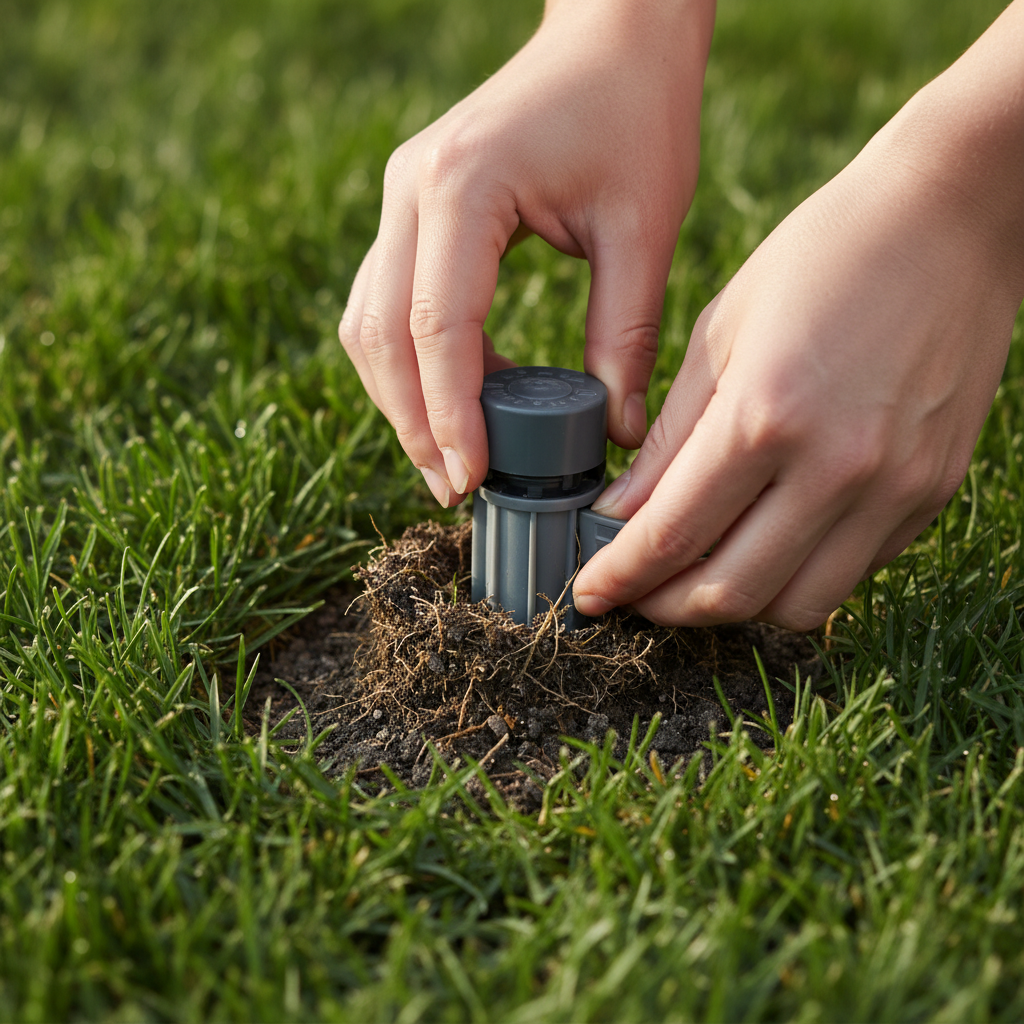
3. Inspect and Clean Clogged Sprinkler Heads — If a single head fails to pop up or has a weak, uneven spray, it is likely clogged with dirt or debris. Gently pull up the pop-up riser tube. While holding it up, unscrew the nozzle at the top. Look through the nozzle to see if it's blocked; clear it with a thin wire or a specialized sprinkler tool. Below the nozzle, pull out the small, cylindrical filter screen. Rinse it thoroughly under a faucet. Before reinstalling, allow water to flush through the riser for a few seconds by briefly running the zone (cover the opening with your hand or an empty can to prevent a geyser).
4. Adjust Heads for Proper Coverage and Flow — Poor coverage results in dry spots. For pop-up spray heads, you can change the spray pattern by purchasing and installing a different nozzle (e.g., swapping a 90-degree for a 180-degree). For rotor heads, use the manufacturer’s key to adjust the arc (the degrees of rotation) and the radius (the throw distance), which is typically done by turning a screw on top of the head. If a head sprays a fine mist, the system pressure may be too high; install a pressure-regulating sprinkler head.
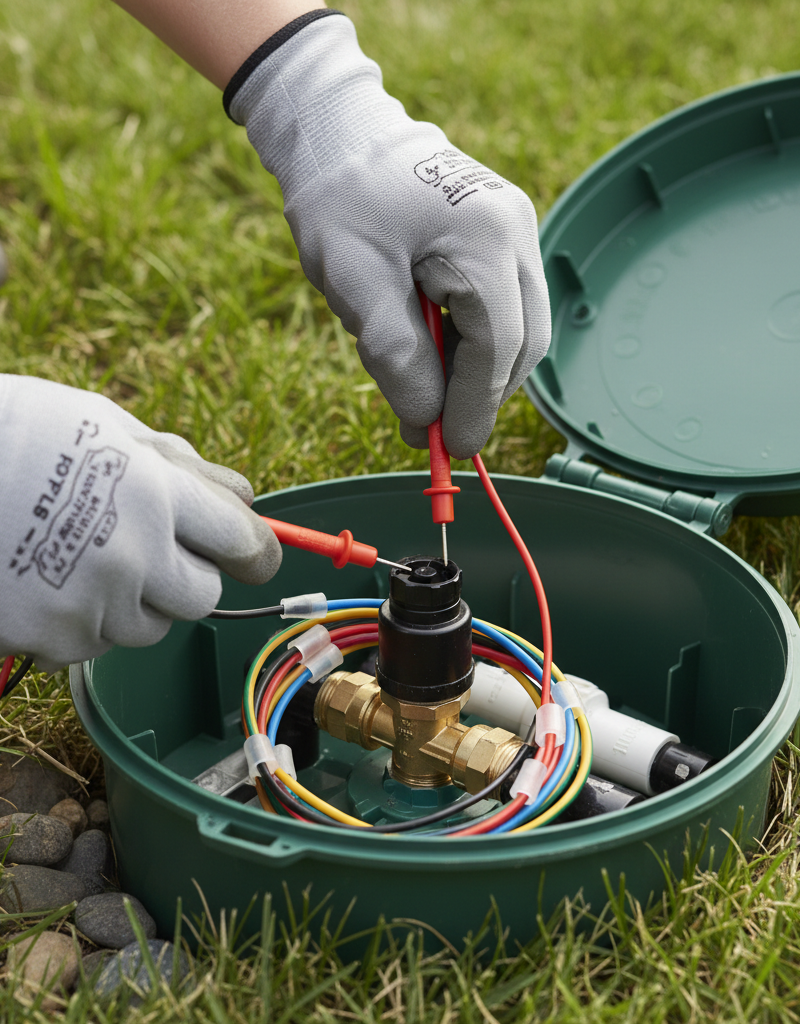
5. Investigate a Dead Zone at the Valve Box — When an entire zone fails to operate, the problem lies with the control valve. Locate the appropriate valve box, which is usually a green rectangular or round box flush with the ground. Open the lid and identify the valve for the malfunctioning zone (they are often labeled). Check for obvious issues like standing water (a sign of a leak), chewed or cut wires, or loose wire nuts. Ensure the wire connections are secure and free of corrosion.
- Safety First: Before touching any wiring, it is safest to unplug the controller or turn off the circuit breaker that powers it.
6. Manually Test the Zone Valve — All irrigation valves have a manual activation feature. Look for a small lever on the solenoid or a small bleed screw on the valve bonnet. Turn the solenoid counter-clockwise about a quarter-turn, or loosen the bleed screw slightly until you hear air and then water flowing. The zone should start watering.
- If the zone activates manually: This confirms the water supply is good and the valve's mechanical parts (diaphragm) work. The problem is electrical: either a bad solenoid or a faulty signal from the controller.
- If the zone does not activate manually: The issue is mechanical. There is either a blockage in the valve, a torn diaphragm, or a problem with the water supply upstream of the valve.
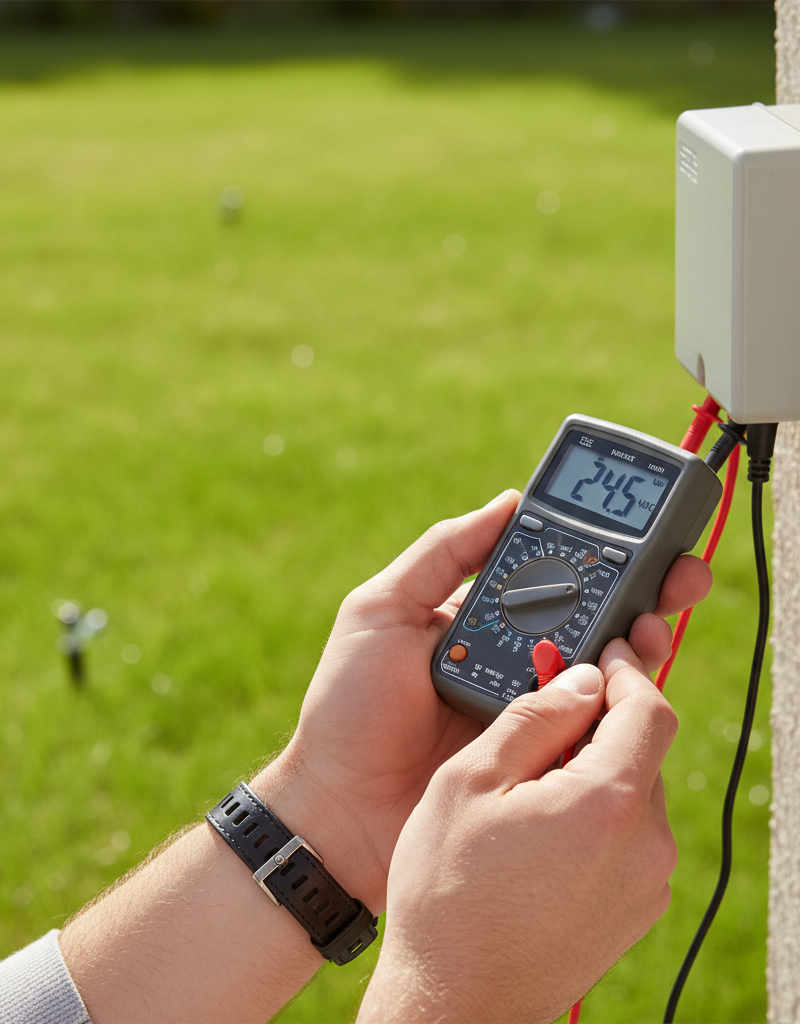
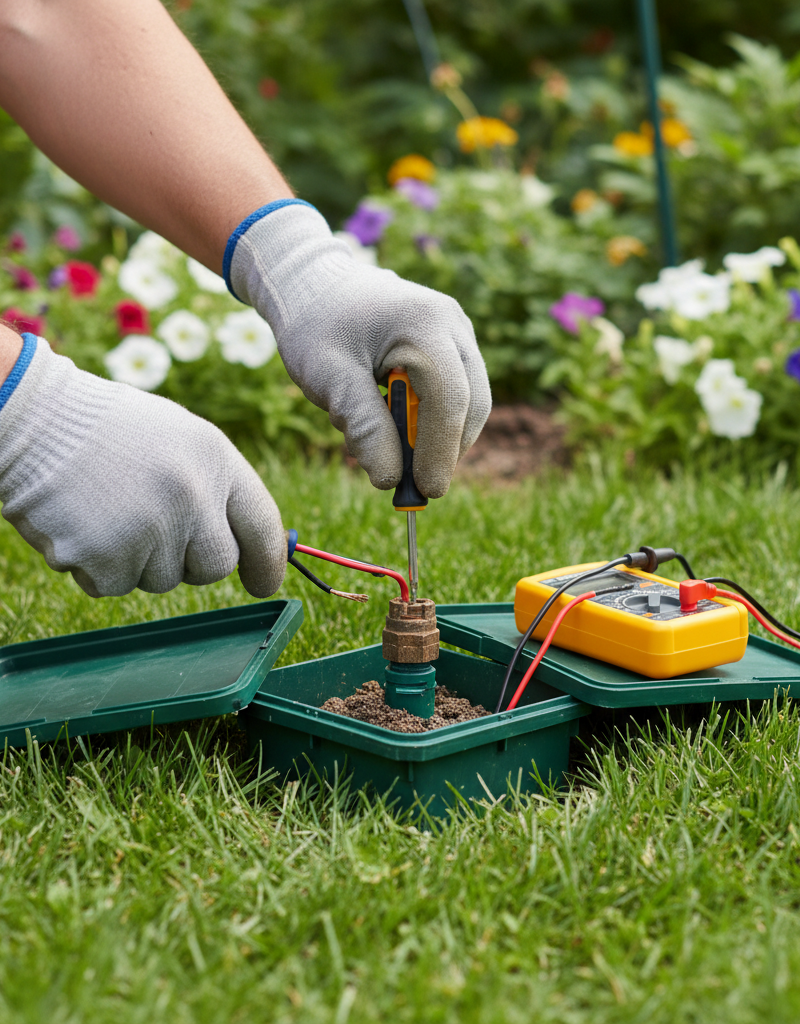
7. Test the Solenoid with a Multimeter — Disconnect the two wires leading to the non-working solenoid. Set your multimeter to test for resistance (Ohms, Ω). Touch one probe to each solenoid wire. A functional solenoid from major brands (Rain Bird, Hunter, Toro) will typically have a resistance between 20 and 60 Ohms.
- Infinite resistance (O.L.): The coil wire inside the solenoid is broken. The solenoid must be replaced.
- Zero or very low resistance: The solenoid has an internal short circuit and must be replaced.
- Correct resistance reading: The solenoid is likely good. The problem may be a broken wire between the controller and the valve, or a faulty terminal on the controller itself.
8. Replace a Faulty Solenoid — Turn off the main water supply to the irrigation system. Unscrew the old solenoid from the valve body (some water may leak out; this is normal). Screw the new solenoid on, hand-tightening only. Reconnect the wires, ensuring you use waterproof wire nuts to connect the solenoid wires to the field wires. These silicone-filled nuts are essential for preventing moisture from corroding the connection.
9. Service or Rebuild the Zone Valve — If a zone won't shut off, or if it won't turn on despite a good solenoid and wiring, the valve's internal diaphragm is likely the cause. Turn off the water supply. Relieve pressure by opening the bleed screw. Unscrew the screws or threaded bonnet on top of the valve. Carefully lift the top off, noting the exact orientation of the diaphragm and any springs or other parts. Inspect the diaphragm for tears, warping, or debris. Clean all parts and replace the diaphragm if it's damaged (rebuild kits are available). Reassemble carefully, ensuring the diaphragm is seated correctly before tightening the bonnet.
10. Diagnose and Locate Underground Leaks — Low pressure across a single zone often indicates a leak in its lateral line. Walk the path of the zone from the valve box to the last head. Look for tell-tale signs: exceptionally green or lush patches of grass, soft or muddy ground, erosion, or water bubbling to the surface. A perpetually wet sprinkler head that drips long after the system is off (known as "low-head drainage") is often mistaken for a leak, but is usually just water draining from the lowest point; a check valve can be added to the head to fix this. A true leak requires digging and pipe repair.
Common mistakes
- Using Indoor Wire Nuts Outdoors. Standard electrical wire nuts are not waterproof. In the damp environment of a valve box, they allow moisture to contact the copper wire, leading to corrosion and connection failure within months. Always use specialized silicone-filled, waterproof wire nuts for all outdoor low-voltage connections.
- Over-tightening Plastic Components. Sprinkler system parts are mostly made of PVC or ABS plastic. Using a wrench to aggressively tighten a sprinkler head into a fitting or a solenoid onto a valve body can easily crack the threads, causing persistent leaks. Hand-tighten parts, and then use a wrench for another quarter to half-turn only if needed. Use Teflon tape only on tapered male pipe threads (MPT), not on hose-threaded or O-ring sealed connections.
- Not Flushing Lines After a Repair. When you fix a broken pipe, dirt and small rocks inevitably enter the line. If you immediately turn the system on with all sprinkler heads installed, that debris will be forced into the small nozzles and filters, clogging them instantly. After a pipe repair, run the zone for a minute with the furthest sprinkler head removed to flush the debris out.
- Incorrectly Identifying a Leak Source. A large puddle of water in the yard doesn't always mean a broken pipe exactly at that spot. Water can travel underground and surface several feet away. Similarly, water constantly running from the lowest head in a zone is often just low-head drainage, not a leaking valve. A valve that is genuinely leaking will cause the zone to run 24/7, even when the system is off.
- Ignoring a Dripping Backflow Preventer. A slight, intermittent drip from your backflow preventer's test cocks or relief valve is not normal. It is an indication that internal seals or springs are fouled with debris or have failed. Because this device protects your drinking water, it should be inspected and repaired by a certified technician.
Cost & time breakdown
Costs are estimates and can vary by region and supplier. Professional costs include labor and standard parts markup.
| Task | DIY Cost | Pro Cost | Time |
|---|---|---|---|
| Replace a Spray Head | $3 - $15 | $90 - $150 | 15-30 minutes |
| Replace a Rotor Head | $15 - $30 | $100 - $175 | 20-40 minutes |
| Replace a Valve Solenoid | $15 - $25 | $120 - $200 | 20-30 minutes |
| Rebuild a Zone Valve Diaphragm | $10 - $20 | $150 - $250 | 30-60 minutes |
| Replace Irrigation Controller (8-zone) | $70 - $250+ | $250 - $450 | 30-60 minutes |
| Repair a Lateral Line Leak | $5 - $20 | $150 - $300 | 1-3 hours |
When to call a pro
While many sprinkler repairs are within reach for a determined DIYer, some situations warrant professional expertise and equipment. Call an irrigation specialist if you encounter any of the following:
- A Mainline Leak: If you discover a leak in the pipe between the water source and the zone valves, this is a mainline leak. It is under constant pressure and can waste enormous amounts of water and cause significant property damage or flooding. Repairing it often requires extensive excavation and plumbing knowledge.
- Complex Electrical Faults: If you have tested the controller and solenoids with a multimeter and they appear fine, but zones still fail to work, you may have a broken wire or short circuit underground. Professionals use specialized equipment like wire tracers and fault-finding locators to pinpoint the exact location of the break without having to dig up the entire line.
- Backflow Preventer Issues: These devices are legally mandated to protect public health. Any leaking, malfunctioning, or necessary replacement of a backflow preventer should be handled by a licensed plumber or a certified backflow assembly tester to ensure it is working correctly and complies with local codes.
- System-Wide Low Pressure: If every zone in your system suffers from low pressure and you've confirmed your main shut-off is fully open, the issue could be a crushed mainline, a failing backflow device, or a problem with the water supply itself. This requires a comprehensive system audit.
- Poor System Design: If your lawn has chronic dry spots and wet spots despite all heads working, the system may be poorly designed. Mismatched precipitation rates between heads, incorrect spacing, or undersized pipes can all lead to inefficient watering that can only be solved by a redesign.
Prevention & maintenance
Consistent maintenance is the best way to prevent emergency repairs and ensure your system operates efficiently for years.
- Perform Seasonal Tune-Ups: At the beginning of the watering season, conduct a full system inspection. Manually run each zone and walk the property. Look for clogged nozzles, damaged heads, leaks, and areas of poor coverage. Clean filters, adjust spray arcs, and trim any grass or shrubs obstructing the spray.
- Winterize in Cold Climates: This is the single most important preventive task in regions where temperatures drop below 32°F. Use an air compressor (at a regulated pressure of 40-60 PSI) to blow all water from the pipes, valves, and backflow preventer. Even a small amount of trapped water can freeze, expand, and crack rigid PVC pipes and valve bodies.
- Keep Valve Boxes Clean and Accessible: Once a year, open your valve boxes. Scoop out any dirt, roots, or debris that has accumulated. Check for insect or rodent nests. Ensure wires are still secure in their waterproof nuts. An accessible box makes future troubleshooting infinitely easier.
- Monitor Your Water Bill: During the irrigation season, pay close attention to your water usage. A sudden, unexplained spike in your water bill is a classic sign of a hidden underground leak. Investigating it early can save hundreds of dollars in wasted water.
- Mark Head and Pipe Locations: Before aerating, dethatching, or doing any significant digging in your yard, mark the location of all sprinkler heads and, if possible, the general path of the pipes. This simple step can prevent costly damage from shovels or lawn equipment.
- Clean Key Filters Annually: Beyond the small filters in each sprinkler head, some systems have a master filter installed right after the backflow preventer. If your system has one, or if you have older valves with internal filters, make a point to clean them annually to maintain optimal pressure and flow.
Related Articles
Keep troubleshooting with these hand-picked guides from FixlyGuide:
- The #1 Mistake Homeowners Make When Sprinklers Won't Turn On — Discover the most common oversight when your sprinkler system fails to activate and learn simple troubleshooting steps to restore your irri…
- Sprinkler System Not Working? Easy Troubleshooting Steps for Homeowners — If your sprinkler system isn't working, it can lead to a dry lawn and dead plants. This guide will help you identify common issues and prov…
- How Often to Water Your Lawn in Summer: A Homeowner's Guide — Watering your lawn correctly in summer is crucial for its health and appearance, preventing common issues like browning and shallow root gr…
- The 3 Hidden Reasons Your Sprinkler Hits the House (and the 5-Minute Fix) — Even a perfectly installed sprinkler system can go awry, throwing water onto your house, driveway, or non-lawn areas. Learn how to diagnose…
- The #1 Mistake Turning Your Green Lawn Brown After Watering — Watering your lawn should make it greener, but brown spots appearing afterward can signal common issues like overwatering, fungal disease,…
- The #1 Mistake Homeowners Make When Diagnosing Low Water Pressure — Discover the most common oversight homeowners make when troubleshooting low water pressure throughout their house and how to fix it with si…
Should you do this yourself?
Answer five quick questions before you start. Safety outranks savings every time.
Your experience with work like this
How high do you have to work?
Does the job involve any of these?
Will it need a permit?
Specialty tools
Free and instant. Educational guidance only — not a quote, inspection, or professional diagnosis.
What should this project cost?
Enter your project details for a realistic cost range before you call anyone.
Cost depends heavily on which system turns out to be the source.
- Regional adjustment
- National average
- Labor share (typical)
- ~$1,620
- Quotes to collect
- 3 written estimates
Educational estimate based on national averages — not a binding quote. Always confirm with written local estimates.
Before you start
Check the difficulty, permits, and safety risk — then decide whether to call a pro.
- Estimate this projectGet a cost range for your scope and ZIP before you call anyone.Open
- Get local estimatesSend one request and compare written estimates from vetted pros.Open
Free, no signup required. Estimates are educational guidance, not a quote or an inspection.
Frequently asked questions
Why is my sprinkler system not turning on at all?+
Check your controller for power, ensure it's not set to 'off' or 'rain delay,' and verify the main water supply to the system is open. A dead backup battery in the controller can also cause issues.
What causes low water pressure in a sprinkler system?+
Low water pressure is often caused by a partially closed main water valve, a significant leak in the mainline, or clogged sprinkler heads. Check each of these points systematically.
How do I fix a sprinkler head that isn't popping up?+
First, clear any debris or grass clippings from around the head. If it's still not working, the nozzle might be clogged, the spring could be broken, or the head itself may be damaged and require replacement.
Can I replace a sprinkler valve myself?+
Yes, homeowners can often replace a faulty sprinkler solenoid or the entire valve diaphragm. Ensure the main water supply is off, and disconnect the old components before installing new ones. If wiring is complex or you're unsure, consult a professional.
Discussion
Loading comments…