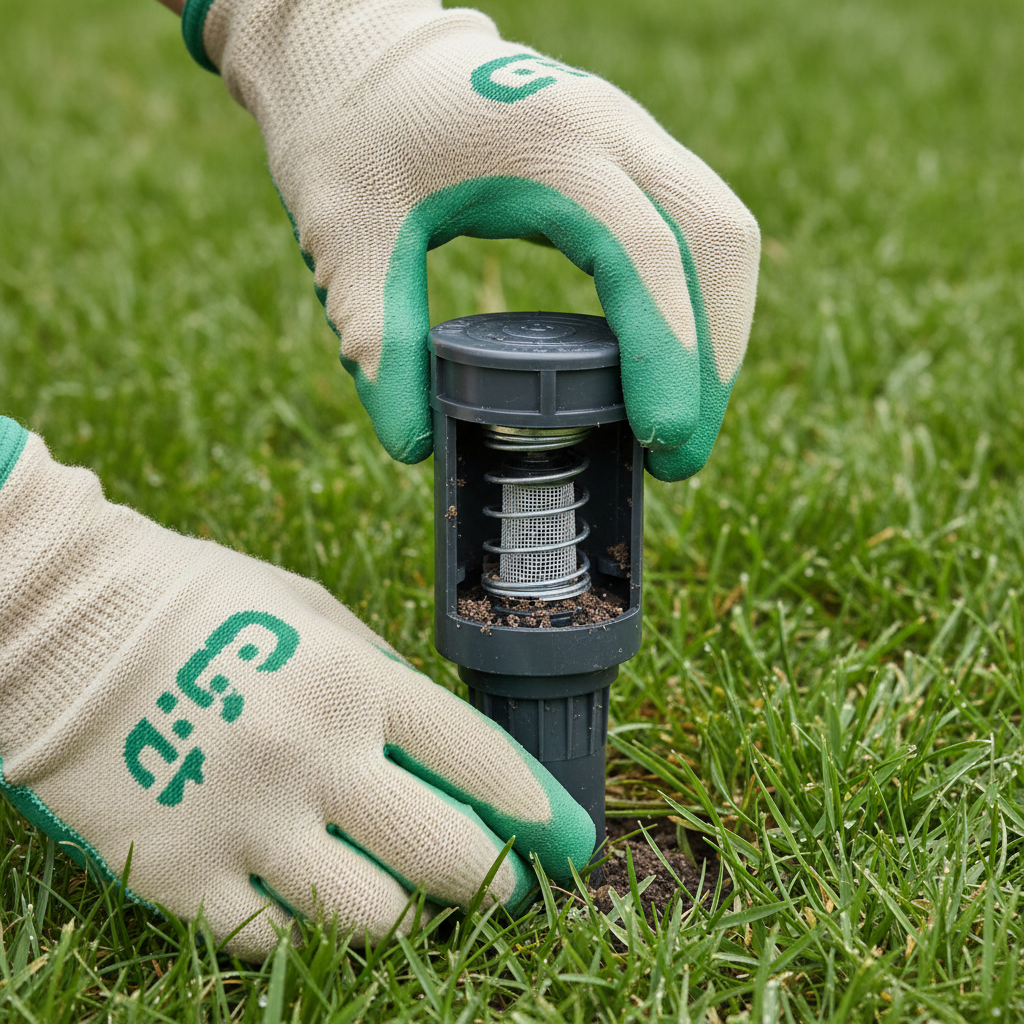
- Look for obvious obstructions: Is there grass, dirt, or mulch covering the top of the sprinkler head? Sometimes, the simplest answer is the correct one.
- Clear away any debris: Gently remove any material that might be physically preventing the head from rising. Use your hands or a small trowel.
- If this doesn't work: Proceed to check for water pressure or internal blockages.
Landscaping · Deck or fence project
| Project category | Landscaping |
|---|---|
| Problem type | Deck or fence project |
| Trade required | Landscaping |
| Urgency | Planned project |
| Safety risk | Moderate safety risk |
| DIY suitability | DIY for experienced homeowners |
| Cost category | High cost |
| Typical timeline | Most builds 3–10 days depending on size |
| Contractor type | Landscaping contractor |
Repair option
Replace failed boards, posts, and hardware; reseal the surface.
Replacement option
Rebuild when framing or the ledger connection is unsafe.
Common causes
- Rot at posts and ledger
- Storm damage
- Adding outdoor living space
Relevant tools:home improvement material pricesproject cost estimator
Published April 25, 2026Last updated August 17, 2026
Tools & materials you'll need
Affiliate linksAs an Amazon Associate FixlyGuide earns from qualifying purchases — at no extra cost to you. Prices and availability are accurate as of publication and subject to change.
Quick Answer
A sprinkler head that fails to pop up is usually suffering from one of three common issues: insufficient water pressure, a clogged nozzle or filter, or internal debris obstructing the riser. Addressing these problems often involves simply cleaning the sprinkler head, adjusting the water flow, or in some cases, replacing a damaged internal part. Most fixes are straightforward and can be completed by a homeowner with basic tools in under an hour, restoring your irrigation system to optimal performance.
The Problem
Few things are more disheartening than looking at your irrigation system only to see one, or several, sprinkler heads stubbornly refusing to emerge. Instead of a consistent spray, you might see water bubbling weakly around the base, no water at all, or a head that only partially rises before retracting. This unpopped sprinkler head creates dry spots in your lawn, wastes water, and can be a tell-tale sign of a deeper issue within your irrigation system. It's a common homeowner frustration, but fortunately, the causes are usually identifiable and fixable without needing to call a professional.
How It Works
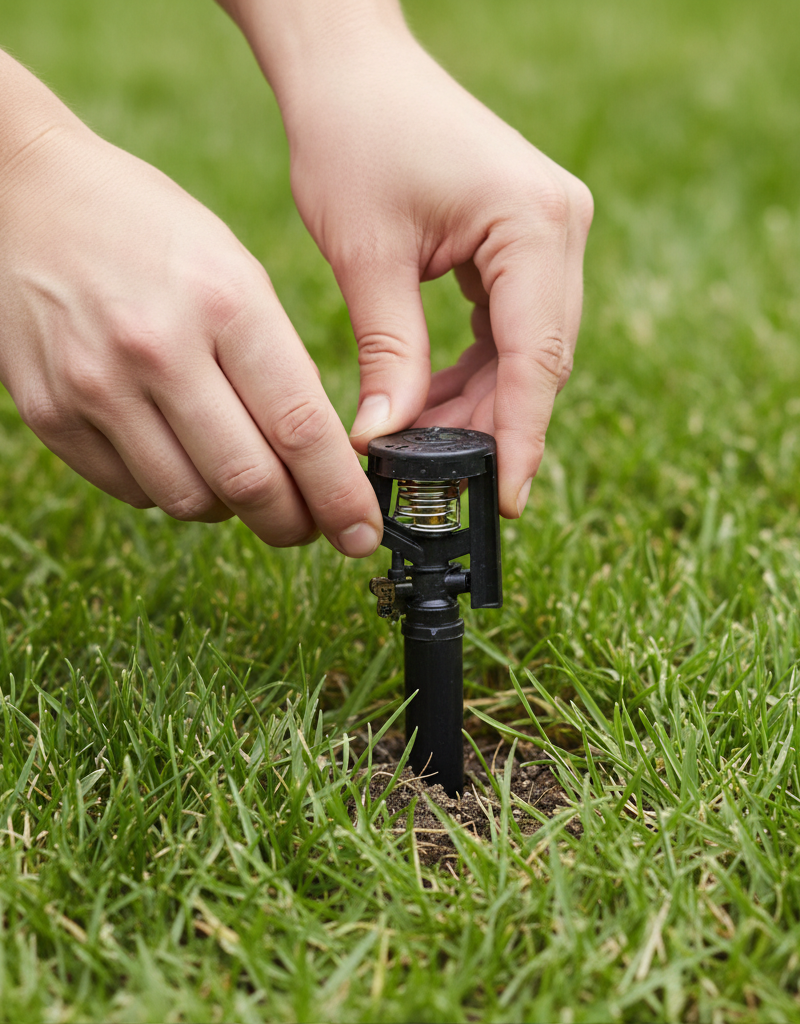
Understanding how a pop-up sprinkler head functions is key to diagnosing why it isn't working. Most modern pop-up sprinkler heads operate on water pressure. When the irrigation zone turns on, water flows through the piping to the sprinkler head. Inside the sprinkler body, this water pressure pushes against a sealed piston, or riser, causing it to extend upwards from its housing in the ground. A spring, typically made of stainless steel, is compressed as the riser elevates. This spring's job is to pull the riser back down into the housing when the water pressure drops (i.e., when the zone turns off), ensuring the head is out of the way for mowing and yard maintenance.
At the top of the riser is the nozzle, which dictates the spray pattern and water distribution. Many sprinkler heads also incorporate a small filter screen, or basket, at the base of the riser to catch sediment before it reaches the nozzle. Water flows up through this filter, through the riser, out the nozzle, and onto your landscape. Any interruption to this delicate balance – whether it's insufficient pressure to overcome the spring, a blockage at the nozzle or filter, or physical obstruction of the riser itself – will prevent the head from fully popping up and delivering water as intended.
Step-by-Step Fix
Safety First! Always ensure the irrigation system is turned off at the controller and the main water supply valve before attempting any repairs. Water pressure can be high and unexpected surges could cause injury or damage.
1. Inspect the Area – Identify initial clues around the head
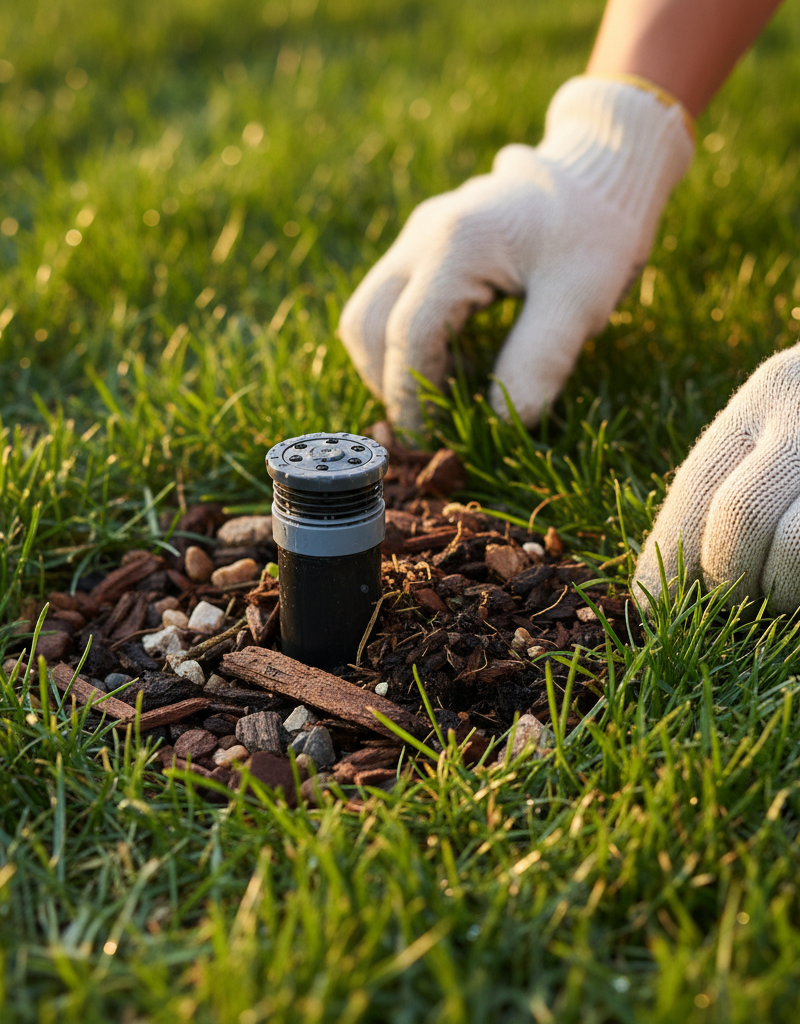
- Look for obvious obstructions: Is there grass, dirt, or mulch covering the top of the sprinkler head? Sometimes, the simplest answer is the correct one.
- Clear away any debris: Gently remove any material that might be physically preventing the head from rising. Use your hands or a small trowel.
- If this doesn't work: Proceed to check for water pressure or internal blockages.
2. Check for Low Water Pressure – Observe other heads and adjust
- Turn on the affected zone: Stand near the problematic sprinkler head and observe its behavior, as well as the behavior of other heads in the same zone.
- Look for signs of low pressure: If surrounding heads are also spraying weakly, or if the main problem head just sputters without fully rising, low pressure is likely the culprit.
- Adjust the supply valve: Locate your main irrigation water supply valve (often near your backflow preventer). Ensure it's fully open. A partially closed valve can restrict flow to the entire system or zone.
- Pressure regulator issues: If you have a pressure regulating valve for your irrigation system, it might be malfunctioning. Consult your system's manual for adjustment or replacement.
- If this doesn't work: Low pressure can also be caused by a leak in the line; look for consistently wet spots in your yard.
3. Clean the Nozzle and Filter – The most common clog point
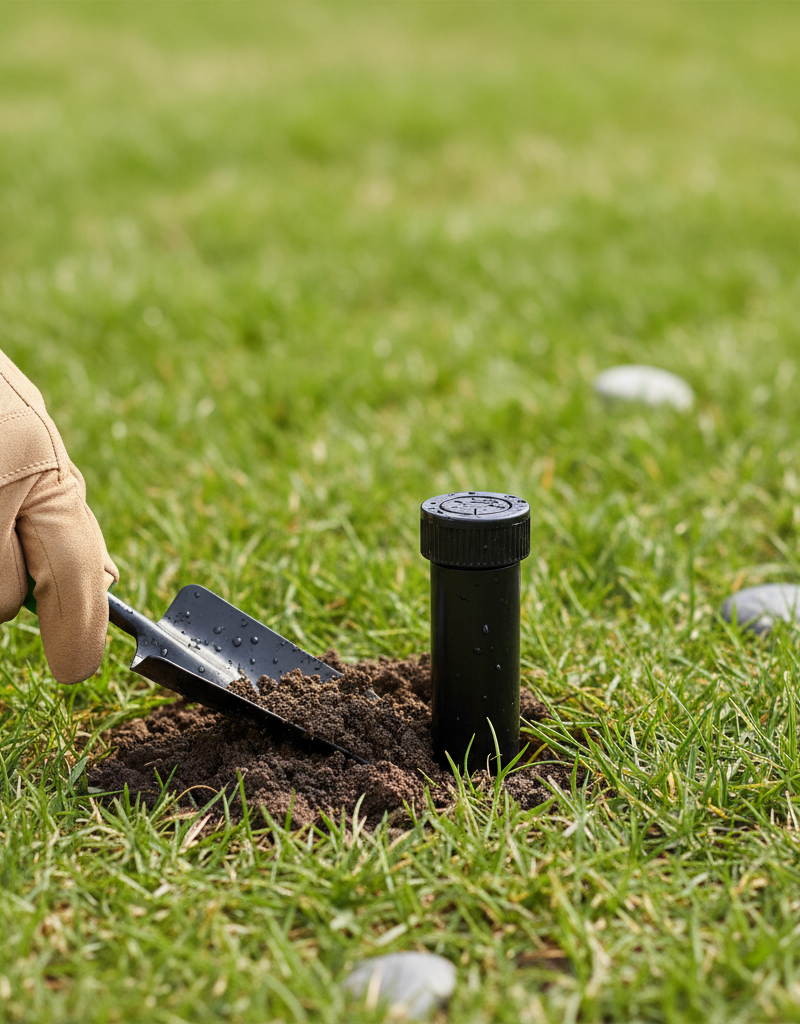
- Dig around the head: Carefully dig a shallow trench around the sprinkler head to expose the body. You only need enough room to grasp and twist it.
- Unscrew the top: With the water off, grasp the top of the sprinkler head (the part where the nozzle is) and turn it counter-clockwise to unscrew it from the body. You might need some force.
- Remove the riser assembly: Gently pull out the riser assembly, which includes the spring, shaft, and nozzle.
- Inspect the nozzle: Examine the small opening of the nozzle for grit, sand, or mineral deposits. Use a small, stiff brush (like a toothbrush) or a paperclip to clear any blockages.
- Clean the filter screen: At the bottom of the riser assembly, you'll find a small mesh filter screen. Rinse it thoroughly under running water to remove any trapped debris like dirt, grass clippings, or insect larvae. A toothbrush can help here too.
- Reassemble: Insert the clean riser assembly back into the sprinkler body, ensuring it seats correctly. Screw the top back on clockwise until it's hand-tight.
- Safety Note: Be gentle when handling the plastic parts to avoid stripping threads or breaking components.
4. Clear Internal Debris – When clogs are deeper
- Remove the entire head: If cleaning the nozzle and filter didn't work, you might need to remove the entire sprinkler body from the underground piping. Unscrew the head from the PVC fitting below.
- Flush the line: With the sprinkler head removed, momentarily turn on the water to that zone. This will flush out any dirt or debris that might be in the supply line itself. Be prepared for a gush of water and stand clear!
- Inspect the body: Look inside the empty sprinkler body for any larger pieces of gravel or sediment. Use a damp cloth or your fingers to remove anything you find.
- Replace the head: Screw the cleaned or new sprinkler head back onto the fitting, ensuring a watertight seal. Apply a few wraps of plumber's tape to the threads for a better seal if needed.
- If this doesn't work: Consider replacing the entire sprinkler head, as internal damage might be the issue.
5. Adjust or Replace a Damaged Head – Last resort for a stubborn sprinkler
- Test the spring: With the head disassembled (as in step 3), manually push down and release the spring. It should offer firm resistance and return the riser to its extended position smoothly. If it's weak or sticks, the spring is likely faulty.
- Inspect for cracks: Look for any cracks or damage on the plastic housing or riser, especially near the seals. Small cracks can cause pressure loss.
- Replace the head: If the spring is weak, components are cracked, or the head simply won't function after thorough cleaning, it's time for a replacement. Take the old head to a hardware store to ensure you get an identical replacement with the same pop-up height and connection type.
- Installation: Screw the new head onto the existing fitting, applying plumber's tape to the threads for a good seal.
- Tip: Always buy a direct replacement from the same manufacturer and model if possible to ensure compatibility and consistent spray patterns.
Common Causes
- Low Water Pressure: The most frequent culprit. If there isn't enough pressure, the water simply can't overcome the spring tension to push the riser up. This can be due to a partially closed main valve, a leak in the system, too many heads on one zone, or an issue with your home's overall water pressure.
- Clogged Nozzle or Filter: Sediment, dirt, grass clippings, or mineral deposits can accumulate in the small opening of the nozzle or the filter screen below it, reducing water flow and preventing the head from popping up.
- Debris in the Sprinkler Body: Larger pieces of grit, gravel, or even insect nests can get into the main body of the sprinkler and physically jam the riser mechanism.
- Damaged Internal Components: The spring mechanism can weaken or break over time, or the plastic seals and gearing (in rotor heads) can wear out, leading to improper function.
- Improper Installation or Burial: If a sprinkler head is buried too deep, surrounding soil or turf can impede its ability to rise fully.
Common Mistakes
- Ignoring Other Heads: Don't focus solely on the problematic head. If other heads in the same zone are also performing poorly, the issue is likely system-wide (e.g., low pressure) rather than a single faulty head.
- Over-tightening: When screwing parts back together, don't overtighten plastic components. This can strip threads, crack the housing, and lead to leaks. Hand-tight plus a quarter turn with a wrench is usually sufficient for pipe connections, and internal components are often just hand-tight.
- Forgetting to Flush the Line: If you remove the entire sprinkler head, it's crucial to briefly flush the line before installing a new head. Skipping this step means any debris in the pipe will simply get trapped in your new sprinkler head.
- Using the Wrong Replacement Head: All sprinkler heads are not created equal. Using a head with a different pressure rating, spray pattern, or pop-up height can lead to inefficient watering and compatibility issues. Always try to match the existing model.
- Calling a Pro Too Soon: Many common sprinkler head issues are simple DIY fixes. Understanding the basics can save you a significant service fee.
Cost & Time Breakdown
| Task | DIY Cost | Pro Cost | Time |
|---|---|---|---|
| Clear Physical Obstruction | $0 | $0–$50 | 5 minutes |
| Adjust Water Pressure | $0 | $50–$150 | 5–15 minutes |
| Clean Nozzle/Filter | $0 | $75–$150 | 15–30 minutes |
| Flush Supply Line | $0 | $75–$150 | 10–20 minutes |
| Replace Sprinkler Head | $5–$25 | $100–$250+ (per head) | 20–45 minutes |
Tips & Prevention
- Seasonal Checks: At the start of each irrigation season, turn on your system and inspect every head for proper operation. Early detection of issues prevents prolonged dry spots.
- Regular Cleaning: If you have hard water or a lot of sediment in your water supply, periodically remove and clean your sprinkler head filters (perhaps annually) even if they aren't malfunctioning.
- Mowing Practices: Be mindful when mowing or trimming around sprinkler heads. Raise your mower deck slightly or use string trimmers carefully to avoid damaging the heads or packing soil around them.
- Install Check Valves: If your system is on a slope, check valves can prevent water from draining out of lower heads when the system shuts off, which can suck debris into the heads.
- Flush Main Lines: Occasionally (e.g., once a year), open the flush caps at the ends of your irrigation lines, if present, to clear out accumulated sediment before it reaches your sprinkler heads.
When to Call a Professional
While many pop-up issues are DIY-friendly, certain situations warrant calling a licensed irrigation professional. If you suspect a major leak in your main supply line (indicated by consistently saturated areas of your lawn far from any heads), or if multiple zones are experiencing significant pressure loss, a professional has the specialized equipment to locate and repair these issues without extensive yard damage. Similarly, if you have tried all the troubleshooting steps and a sprinkler head still won't pop up, or if you discover damage to underground pipes, valves, or the irrigation controller itself, it's best to defer to an expert. They can diagnose complex electrical problems with controllers or identify faulty zone valves that might be impacting only a section of your system. DIY often saves money, but knowing when to call a pro prevents bigger headaches down the line. A professional can also optimize your system's design and ensure even water distribution, which can prevent future pop-up problems.
Related Articles
Keep troubleshooting with these hand-picked guides from FixlyGuide:
- Sprinkler System Not Working? Easy Troubleshooting Steps for Homeowners — If your sprinkler system isn't working, it can lead to a dry lawn and dead plants. This guide will help you identify common issues and prov…
- The 3 Hidden Mistakes That Make Landscape Edging Fail (And How to Fix Them) — Discover common mistakes homeowners make when installing landscape edging and learn the correct methods to achieve a durable, professional-…
- The #1 Mistake Homeowners Make When Sprinklers Won't Turn On — Discover the most common oversight when your sprinkler system fails to activate and learn simple troubleshooting steps to restore your irri…
- Your Sprinkler: Losing $1,000s in 5 Common Goofs? — Adjusting sprinkler spray patterns ensures efficient watering, prevents water waste, and promotes a healthy lawn by directing water precise…
- The #1 Mistake Killing Your Lawn's Clover—and the Easy fix That Spares Your Grass — Discover the most common mistake homeowners make when trying to eliminate clover, and learn how to remove it effectively without harming yo…
- The 3 Hidden Reasons Your Door Won't Latch (And the Easy Fixes) — Discover the surprising reasons your interior door isn't latching and how to quickly diagnose and fix the issue with simple tools.
Should you do this yourself?
Answer five quick questions before you start. Safety outranks savings every time.
Your experience with work like this
How high do you have to work?
Does the job involve any of these?
Will it need a permit?
Specialty tools
Free and instant. Educational guidance only — not a quote, inspection, or professional diagnosis.
What should this project cost?
Enter your project details for a realistic cost range before you call anyone.
Cost depends heavily on which system turns out to be the source.
- Regional adjustment
- National average
- Labor share (typical)
- ~$1,620
- Quotes to collect
- 3 written estimates
Educational estimate based on national averages — not a binding quote. Always confirm with written local estimates.
Fixly Project Decision Box
- DIY difficulty
- Moderate
- Estimated time
- 30 minutes – half a day
- Cost level
- Moderate
Main tools / materials
- Adjustable wrench
- Plunger or drain auger
- Bucket and towels
- Thread tape
When to stop and call a pro
- Water you cannot shut off at the fixture or main
- Sewage backing up into more than one fixture
- Water near electrical panels or outlets
- Gas water heater work beyond relighting a pilot
Need professional help?
Get a Licensed PlumberBefore you start
Check the difficulty, permits, and safety risk — then decide whether to call a pro.
- Estimate this projectGet a cost range for your scope and ZIP before you call anyone.Open
- Get local estimatesSend one request and compare written estimates from vetted pros.Open
Free, no signup required. Estimates are educational guidance, not a quote or an inspection.
Frequently asked questions
Why would a sprinkler head not pop up at all?+
A sprinkler head that doesn't pop up at all typically indicates very low water pressure in that zone, a complete blockage in the nozzle or filter, or a severely jammed riser mechanism due to debris. It could also mean the spring is broken or damaged, preventing the head from lifting.
Can I replace just the nozzle on a pop-up sprinkler head?+
Yes, in many cases, you can replace just the nozzle on a pop-up sprinkler head. Most manufacturers design their heads to allow for nozzle interchangeability, letting you change spray patterns or simply replace a clogged or damaged nozzle without replacing the entire sprinkler body.
How do I know if my sprinkler system has low water pressure?+
You can detect low water pressure by observing other sprinkler heads in the same zone. If they are also spraying weakly or not reaching their usual distance, it's a sign of low pressure. You might also notice a weak flow from outdoor spigots connected to the same water supply, or you can use a pressure gauge to test it directly at the source.
Discussion
Loading comments…