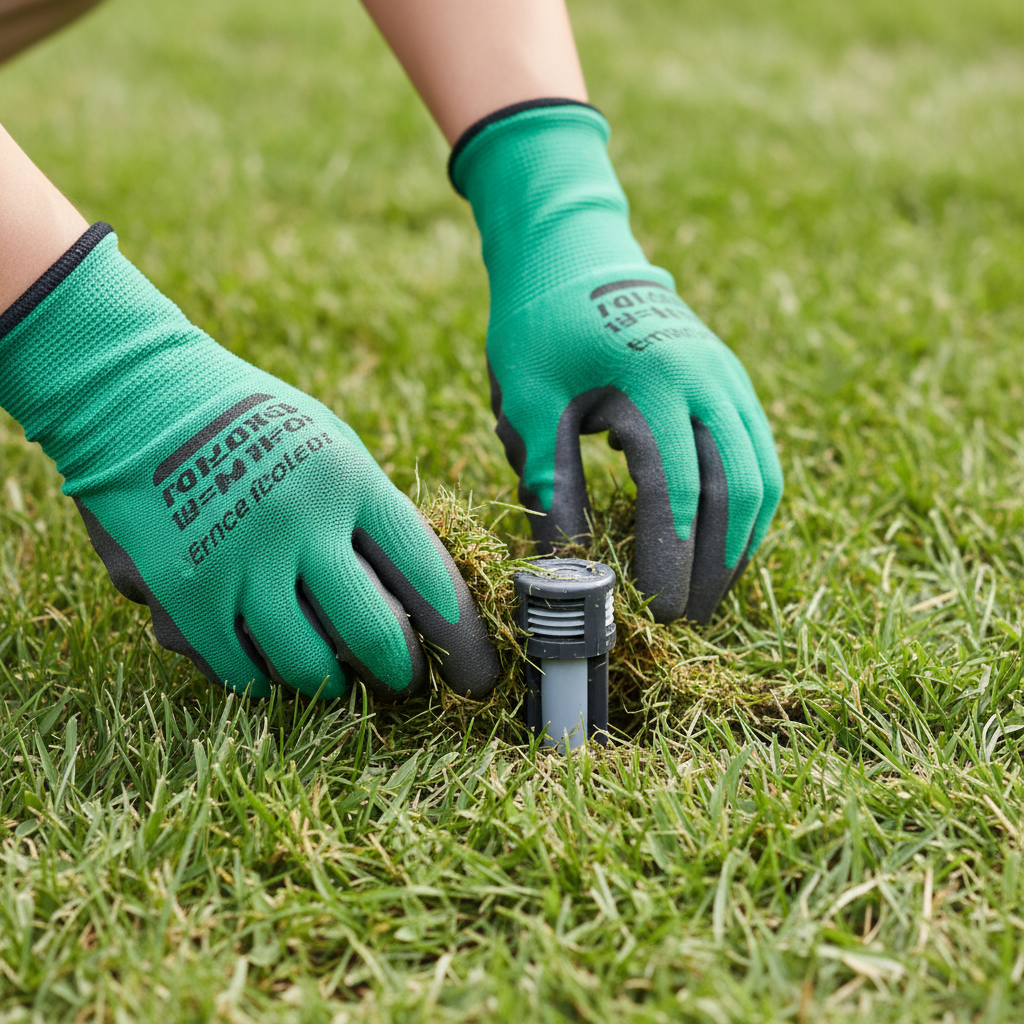
- Debris in the Nozzle or Riser: Dirt, sand, grass clippings, or mineral deposits are the most frequent culprits, obstructing water flow or the riser's movement.
- Low Water Pressure: Insufficient water pressure (due to main valve issues, backflow preventer problems, or leaks) can't overcome the spring to lift the head.
- Damaged Sprinkler Head: A broken spring, piston, or cracked riser can mechanically prevent the head from popping up.
- Over-tightened or Damaged Nozzle Set Screw: Restricts water flow, reducing the pressure needed for the head to pop up.
- Underground Leaks: A leak in the lateral line diverts water pressure, starved the sprinkler heads downstream.
Plumbing · Clog
| Project category | Plumbing |
|---|---|
| Problem type | Clog |
| Trade required | Plumbing |
| Urgency | Soon — within weeks |
| Safety risk | Low safety risk |
| DIY suitability | DIY friendly |
| Cost category | Low cost |
| Typical timeline | Same-day DIY attempt; pro visit within a day or two |
| Contractor type | Licensed plumber |
Repair option
Plunger, hand auger, or trap cleanout before chemicals.
Replacement option
Line replacement when clogs return in the same spot repeatedly.
Common causes
- Hair and soap buildup in the trap
- Grease cooling in the branch line
- Flushed wipes or foreign objects
Relevant tools:diy difficultydiy or hire a pro
Published May 6, 2026Last updated August 17, 2026
Tools & materials you'll need
Affiliate linksAs an Amazon Associate FixlyGuide earns from qualifying purchases — at no extra cost to you. Prices and availability are accurate as of publication and subject to change.
Quick Answer
If your sprinkler head isn't popping up, the most frequent culprits are a clogged nozzle or riser, insufficient water pressure, or a misaligned sprinkler head. Often, a quick clean or adjustment can resolve the issue, restoring proper irrigation to your lawn without needing a professional.
The Problem
Imagine a patchy, brown spot appearing in your otherwise lush green lawn. The culprit? A single, stubborn sprinkler head that refuses to rise and deliver water to its designated area. This isn't just an aesthetic issue; consistent under-watering in one zone can lead to stressed turf, increased susceptibility to disease, and even dead grass. A non-popping sprinkler head wastes water, as the system tries to compensate, leading to overwatering in other areas or runoff. More critically, an undetected issue can lead to significant water bill hikes if the system is running frequently with a compromised head. This guide will walk you through diagnosing and fixing the most common reasons a sprinkler head won't pop up, saving you money and keeping your lawn healthy.
How It Works
Understanding how a sprinkler head operates provides valuable context for troubleshooting. Most residential sprinkler systems use pop-up spray or rotor heads. When the automatic timer (or manual activation) sends a signal to a specific zone's solenoid valve, the valve opens, allowing pressurized water to flow into the lateral lines of that zone. This water pressure is key. As water enters a pop-up sprinkler head, it acts against a spring-loaded mechanism inside the riser. The pressure overcomes the spring's resistance, pushing the riser — and attached nozzle — upwards out of its casing, allowing water to spray. When the zone shuts off, the water pressure drops, and the spring retracts the riser back into the casing, keeping it flush with the ground and protected from lawnmowers and foot traffic. Factors like inadequate water pressure, physical obstructions, or mechanical failure of the spring or riser can prevent this pop-up action, leading to dry spots.
Step-by-Step Fix
1. Safety First — Before attempting any repairs, ensure the sprinkler system is turned off at the main controller. This prevents accidental activation and potential injury. Even low-pressure water can be surprising. Wear work gloves to protect your hands from dirt and sharp edges.
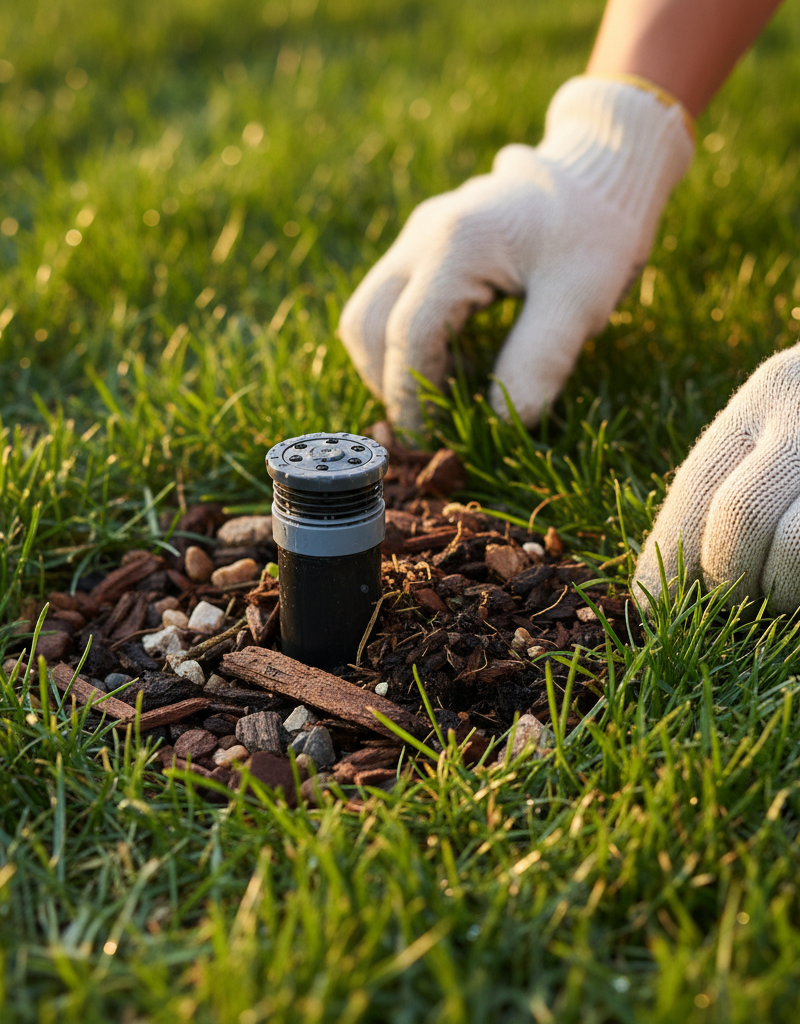
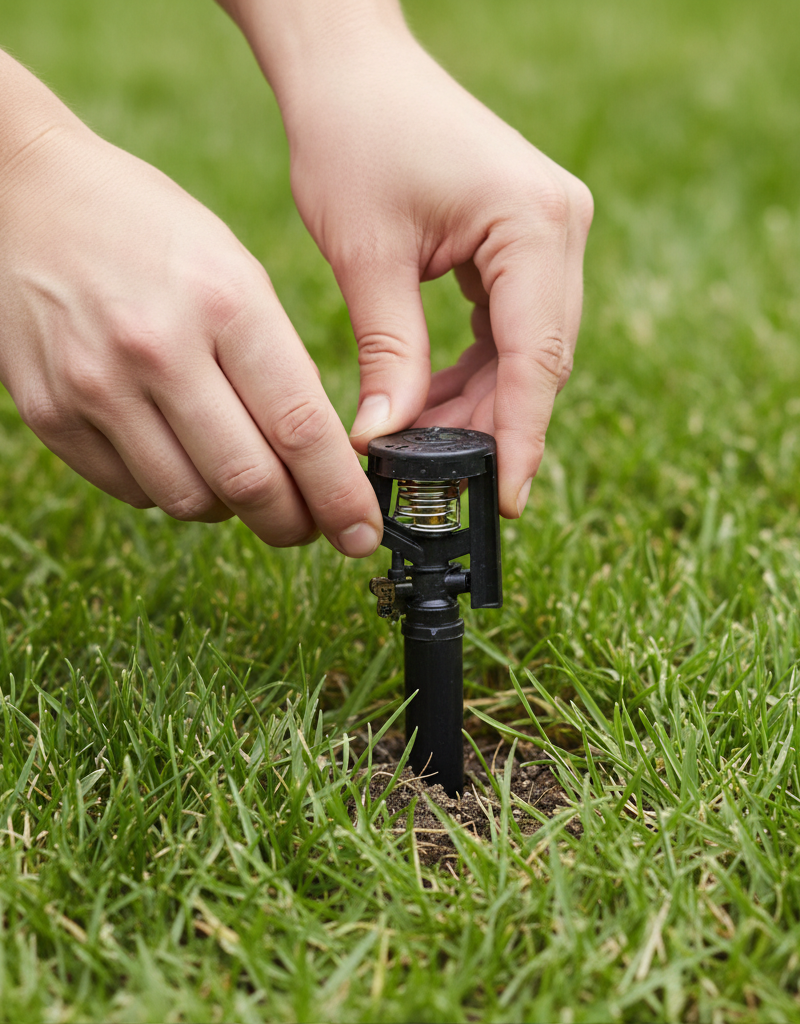
2. Inspect the Sprinkler Head for Obstructions — Clear visible debris around the head. Often, grass clippings, dirt, or small rocks can prevent the head from fully extending. Carefully dig around the base of the sprinkler head to expose the entire body. Remove any obvious obstructions. Try to manually pull up the riser (if possible with spray heads) to check for binding. If it feels gritty, it's likely dirt inside.
3. Check for a Clogged Nozzle — The smallest opening is the most vulnerable. With the system off, unscrew the nozzle from the top of the riser. You may need a small flathead screwdriver or the specific wrench provided by the manufacturer. Once removed, inspect the nozzle for dirt, sand, or mineral deposits. Use a small wire or a toothpick to clear any blockages. Rinse the nozzle under running water. If the nozzle is cracked or heavily damaged, replace it with a new one of the same make and model to ensure proper spray pattern and flow rate.
4. Flush the Sprinkler Line — Sometimes the clog is deeper. If the nozzle was relatively clean, the obstruction might be further down the riser or in the lateral line. With the nozzle removed and the riser pulled up, briefly turn on the zone for a few seconds. This will allow water to flush out any debris from the riser and the section of the lateral line. Be prepared for a gush of water and dirt. Turn off the system immediately afterward. Reinstall the cleaned or new nozzle.
5. Investigate Low Water Pressure — Insufficient force means no pop-up. Test other heads in the same zone. If multiple heads are struggling to pop up or have weak spray, low water pressure is a likely culprit. Check your main water shut-off valve to ensure it's fully open. Inspect the backflow preventer (if you have one) for any signs of leakage or partial closure. You can also use a water pressure gauge at an outdoor spigot to determine your home's static water pressure. Sprinkler systems typically require 20-60 PSI to operate effectively, depending on the head type. If pressure is consistently low, consult a professional, as it could indicate a larger issue with your main water supply, a partially closed main valve, or a faulty pressure reducing valve.
6. Adjust the Sprinkler Head's Set Screw — It might be too tight or too loose. Some sprinkler heads, especially rotary types, have a set screw on top of the nozzle that adjusts the flow. If this screw is overtightened, it can restrict water flow sufficiently to prevent the head from popping up. Try backing it out a quarter or half turn. Conversely, if it's too loose, the water might just trickle out. Consult your sprinkler head's manual for specific adjustment instructions.
7. Examine for a Broken Riser or Spring — Physical damage makes popping up impossible. If cleaning and pressure checks haven't worked, and the head still won't pop up, the internal mechanism might be damaged. Gently excavate around the head. With the water off, try to manually pull the riser up. Does it feel loose or does it not spring back down? A broken spring or a cracked riser stem will prevent proper pop-up. Replacing the entire sprinkler head is usually the easiest and most cost-effective solution in this scenario. Ensure you purchase an identical model (manufacturer, spray pattern, and GPM) to maintain system uniformity.
8. Check for Leaks in the Zone — A hidden leak can steal pressure. If only one (or a few) heads in a zone are affected and you've ruled out clogs and individual head issues, a leak in the underground piping of that zone could be diverting water pressure. Look for unusually wet spots in your lawn, lush green areas that don't receive direct irrigation, or sudden drops in water pressure when that zone is active. Pinpointing underground leaks can be challenging and often requires professional help or specialized listening equipment.
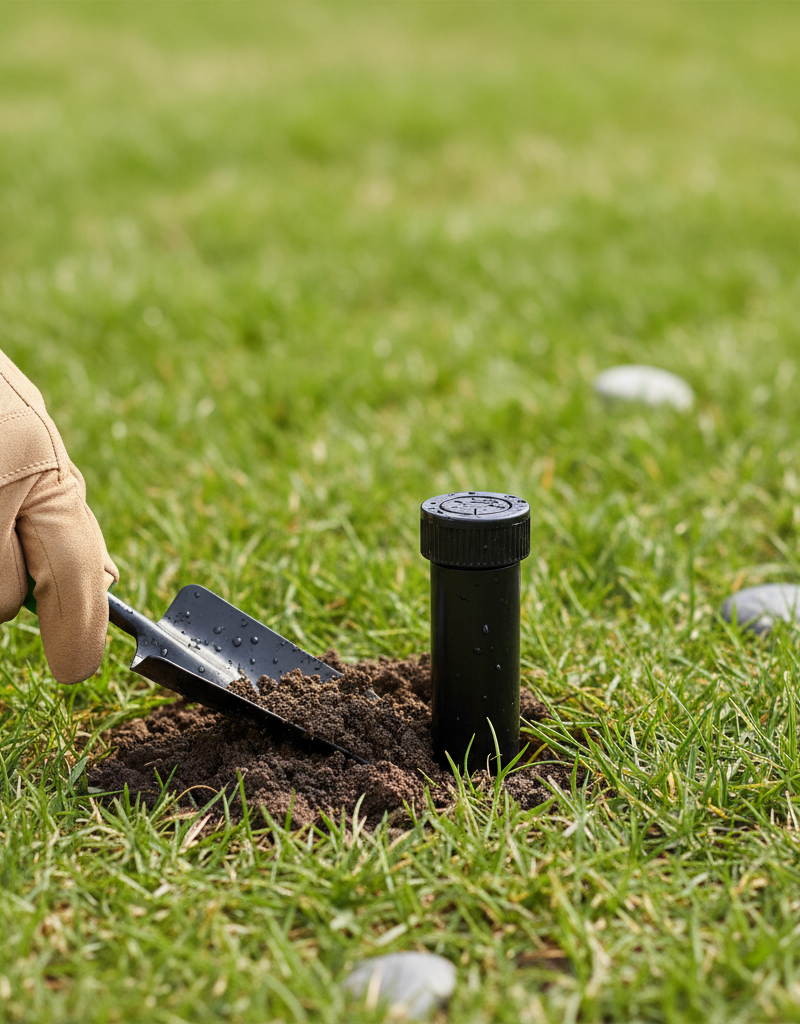
9. Replace the Entire Sprinkler Head — If all else fails, a new head is often the solution. If you've gone through all the above steps and the head still refuses to pop up, it's time for a replacement. Dig around the head to expose the fitting where it connects to the lateral line. Unscrew the old head, being careful not to get dirt into the open pipe. Wrap plumber's tape clockwise around the threads of the new head and screw it hand-tight into the fitting, then give it another half-turn with a wrench. Ensure the head is level with the ground to prevent tripping hazards and ensure proper spray distribution.
Common Causes
- Debris in the Nozzle or Riser: Dirt, sand, grass clippings, or mineral deposits are the most frequent culprits, obstructing water flow or the riser's movement.
- Low Water Pressure: Insufficient water pressure (due to main valve issues, backflow preventer problems, or leaks) can't overcome the spring to lift the head.
- Damaged Sprinkler Head: A broken spring, piston, or cracked riser can mechanically prevent the head from popping up.
- Over-tightened or Damaged Nozzle Set Screw: Restricts water flow, reducing the pressure needed for the head to pop up.
- Underground Leaks: A leak in the lateral line diverts water pressure, starved the sprinkler heads downstream.
- Misadjusted Flow Control Valve (on some heads): If fully closed or heavily restricted, the head won't receive enough water.
Common Mistakes
- Ignoring the Problem: Leaving a non-popping head unaddressed leads to dry spots, turf damage, and potentially higher water bills from an overcompensating system.
- Over-tightening New Heads: Threading a new head too tightly can crack the riser or the underground fitting, creating a new leak. Hand-tight plus a half turn with a wrench is generally sufficient.
- Using the Wrong Replacement Nozzle/Head: Different nozzles have varying spray patterns, distances, and flow rates (GPM). Using an unmatched nozzle or an entirely different head model in a zone will lead to uneven watering and poor system performance.
- Not Flushing the Line: Simply replacing a clogged nozzle without flushing the line can lead to the new nozzle quickly becoming clogged again by existing debris.
- Assuming the Head is Broken Immediately: Most non-popping issues are due to simple clogs or pressure problems that can be fixed without replacing the entire unit.
- Forgetting to Turn Off the Water: Attempting repairs with the system pressurized can lead to sudden sprays, getting soaked, and disturbing accumulated dirt into the line.
Cost & Time Breakdown
| Task | DIY Cost | Pro Cost | Time |
|---|---|---|---|
| Check/Clear Debris/Nozzle | $0 | $50–$100 | 10–20 minutes |
| Adjust Nozzle Set Screw | $0 | $50–$100 | 5–10 minutes |
| Replace Nozzle | $2–$8 | $50–$100 | 10–20 minutes |
| Replace Sprinkler Head | $5–$25 | $75–$150 | 20–30 minutes |
| Assess Water Pressure/Leaks | $0–$20 (gauge) | $100–$250+ | 30–60 minutes |
Tips & Prevention
- Regular Inspections: Periodically (monthly during irrigation season) run your system and visually inspect all heads for proper pop-up and spray patterns. Catch issues early.
- Winterization/Start-up: Proper winterization (blowing out lines) and spring start-up prevent cold-weather damage and ensure the system is clear of debris before the season begins.
- Clean Cut Grass: Ensure your lawnmower doesn't shred grass directly onto sprinkler heads, which can push clippings into the nozzles.
- Install Filter Systems: If you have well water or known sediment issues, consider installing an in-line filter for your irrigation system to prevent clogs.
- Avoid Over-Mowing: Mowing too close to the ground can expose heads to more dirt and physical damage.
- Mark Head Locations: Use flags or markers to note the location of buried heads during heavy landscaping or if you have a known history of lost heads.
When to Call a Professional
While many non-popping sprinkler head issues are DIY-friendly, certain situations warrant calling a licensed irrigation specialist. If you've explored all the troubleshooting steps and the problem persists, especially if multiple heads in a zone are affected, it could indicate a larger, more complex issue. A professional has specialized tools to diagnose and repair underground leaks, which can be difficult to locate and fix without proper equipment. Persistent low water pressure across multiple zones, even after checking your main supply, suggests a problem with your backflow preventer, main line, or even an issue with your utility's water supply – all of which require expert attention. Additionally, if the issue involves the main irrigation controller, electrical wiring, or significant re-piping due to widespread damage, it's best to rely on a trained professional to prevent further complications or potential electrical hazards. They can efficiently pinpoint the root cause and ensure your entire system operates at peak efficiency.
Related Articles
Keep troubleshooting with these hand-picked guides from FixlyGuide:
- The 3 Hidden Reasons Your Sprinkler Head Won't Pop Up (And How to Fix Them) — Frustrated by a sprinkler head that won't rise? Discover the top three culprits behind this common irrigation issue and how to resolve them…
- The #1 Sprinkler Winterizing Mistake That Leads to $1,000s in Damage — Discover the crucial mistake homeowners make when winterizing sprinkler systems and how to avoid costly freeze damage with a simple, effect…
- The #1 Sprinkler Winterization Mistake That Costs Homeowners Thousands — Discover the crucial mistake many homeowners make winterizing sprinklers and how to avoid costly freeze damage with proper blowout techniqu…
- The #1 Summer Lawn Mistake Turning Your Grass Yellow (and How to Fix It) — Discover the most common summer lawn mistake that causes yellowing grass and learn the simple steps to revive your lawn.
- The #1 Pruning Mistake That Chokes Your Shrubs (And How to Fix It Right Now) — Discover the most common pruning error homeowners make and how to correct it for healthier, more vigorous shrub growth.
- The #1 Gutter Mistake That Causes Overflow (And How to Fix It in 20 Minutes) — Overflowing gutters during heavy rain are usually caused by a readily fixable clog, often due to a common cleaning mistake.
What should this project cost?
Enter your project details for a realistic cost range before you call anyone.
Cost depends heavily on which system turns out to be the source.
- Regional adjustment
- National average
- Labor share (typical)
- ~$1,620
- Quotes to collect
- 3 written estimates
Educational estimate based on national averages — not a binding quote. Always confirm with written local estimates.
Fixly Project Decision Box
- DIY difficulty
- Moderate
- Estimated time
- 30 minutes – half a day
- Cost level
- Moderate
Main tools / materials
- Adjustable wrench
- Plunger or drain auger
- Bucket and towels
- Thread tape
When to stop and call a pro
- Water you cannot shut off at the fixture or main
- Sewage backing up into more than one fixture
- Water near electrical panels or outlets
- Gas water heater work beyond relighting a pilot
Need professional help?
Get a Licensed PlumberFrequently asked questions
Why would a sprinkler head stop popping up?+
The most common reasons a sprinkler head stops popping up include clogs in the nozzle or riser from dirt, sand, or debris; insufficient water pressure within the system; or physical damage to the internal spring or riser mechanism of the head.
Can I replace a sprinkler head myself?+
Yes, replacing a sprinkler head is a common DIY task. You'll need to dig around the old head, unscrew it from the lateral line, and replace it with a new one of the same make and model, ensuring it's level with the ground.
How do I increase water pressure to my sprinkler system?+
Check if your main water shut-off valve is fully open and inspect the backflow preventer for issues. Sometimes, low pressure is due to leaks in the system that need to be identified and repaired. For persistent low pressure, a licensed plumber or irrigation specialist may need to assess your main water supply or pressure regulator.
What tools do I need to fix a non-popping sprinkler head?+
Basic tools include a small trowel or shovel for excavation, a small flathead screwdriver or nozzle adjustment tool, work gloves, and potentially plumber's tape for replacing a head. A wire or toothpick can help clear clogged nozzles.
How often should I clean my sprinkler heads?+
While there's no fixed schedule, it's good practice to inspect and clean your sprinkler heads as needed, especially if you notice reduced spray or a head not popping up. A thorough visual check once a month during the active irrigation season is recommended.
Discussion
Loading comments…