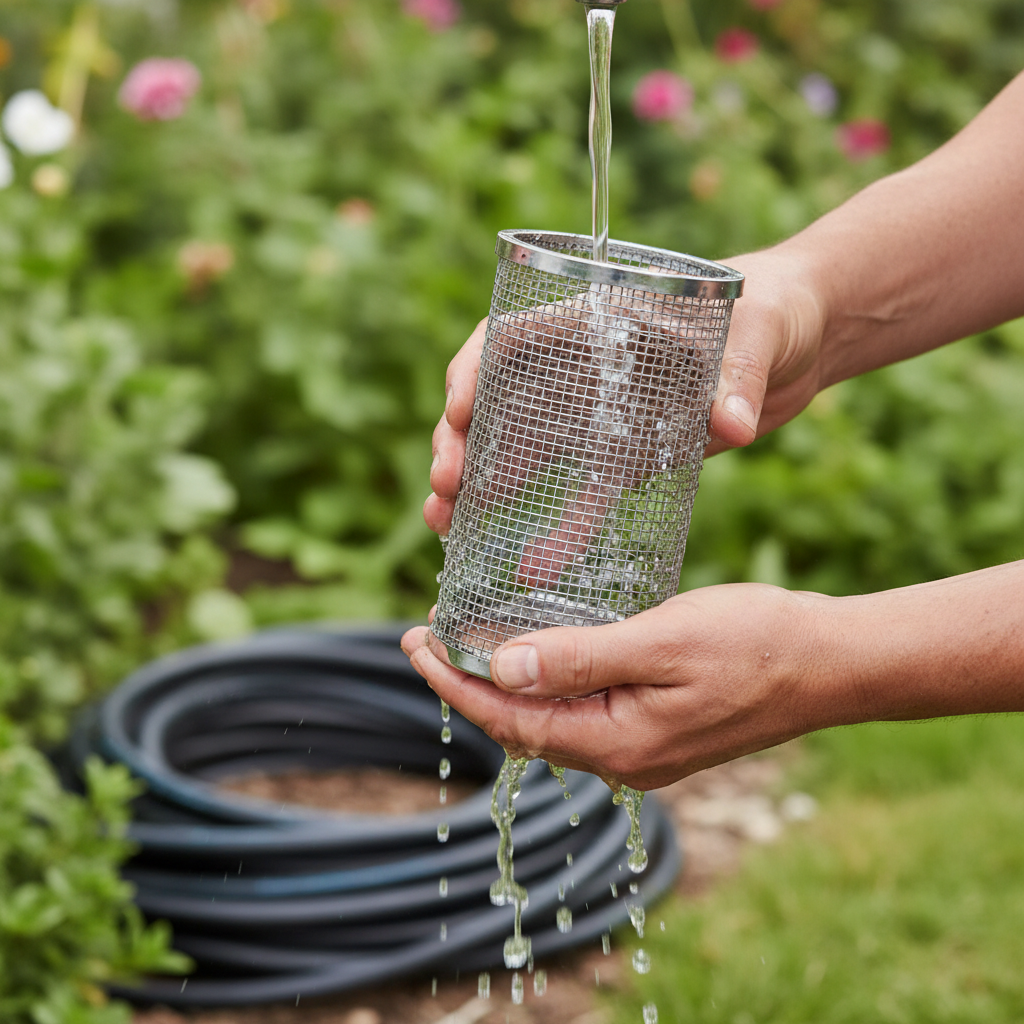
- Locate your filter, usually between the backflow preventer and the pressure regulator. It's often a Y-filter or an in-line screen filter.
- Turn off the water supply.
- Unscrew the filter housing. Carefully remove the screen or disk filter cartridge.
- Rinse the filter thoroughly under a strong stream of water. Use an old toothbrush or stiff brush to dislodge any stubborn debris, algae, or mineral buildup.
- Inspect the screen for tears or damage. If damaged, replace it.
Landscaping · Deck or fence project
| Project category | Landscaping |
|---|---|
| Problem type | Deck or fence project |
| Trade required | Landscaping |
| Urgency | Planned project |
| Safety risk | Moderate safety risk |
| DIY suitability | DIY for experienced homeowners |
| Cost category | High cost |
| Typical timeline | Most builds 3–10 days depending on size |
| Contractor type | Landscaping contractor |
Repair option
Replace failed boards, posts, and hardware; reseal the surface.
Replacement option
Rebuild when framing or the ledger connection is unsafe.
Common causes
- Rot at posts and ledger
- Storm damage
- Adding outdoor living space
Relevant tools:home improvement material pricesproject cost estimator
Published May 21, 2026Last updated August 17, 2026
Tools & materials you'll need
Affiliate links- AmazonAdjustable crescent wrenchFor tightening fittings
- AmazonOld toothbrush or stiff brushFor cleaning filter screens
- AmazonSmall bucketFor flushing lines
- AmazonPressure gauge (low-pressure)Optional, but highly recommended for diagnostics
- AmazonUtility knife or tubing cutterFor clean cuts on tubing repairs
As an Amazon Associate FixlyGuide earns from qualifying purchases — at no extra cost to you. Prices and availability are accurate as of publication and subject to change.
Quick Answer
Many homeowners troubleshoot drip irrigation issues by immediately looking for individual clogs or broken emitters. However, the most frequent overarching problem is a system-wide loss of pressure, which leads to inadequate watering for all plants. This pressure drop is often due to a clogged filter, a leak in the mainline, or simply exceeding the system's capacity by adding too many emitters. Addressing these root causes rather than individual symptoms will almost always restore your drip system to peak performance.
The Problem
You've noticed your prize-winning tomatoes are wilting, the petunias look parched, and the water flow from your drip emitters is more of a trickle than a consistent drip—or worse, nothing at all. While an isolated clogged emitter is possible, if multiple plants are showing signs of insufficient water, your problem is likely a systemic one: low water pressure. This isn't just an inconvenience; it can severely impact plant health, leading to stunted growth, disease susceptibility, and even plant death. Trying to fix individual emitters without addressing the underlying pressure issue is like bailing water from a sinking boat without patching the hole.
How It Works
Drip irrigation systems operate by delivering water directly to the plant root zone at low pressure and low volume, typically between 10-25 PSI (pounds per square inch). This precise delivery minimizes evaporation and runoff, making them highly efficient. Water enters the system from your spigot or main line, usually passing through a backflow preventer to protect your potable water supply, and then a pressure regulator to drop the pressure to the ideal range. Next, it flows through a filter, which removes sediment and debris that could clog emitters. From there, the water enters your mainline tubing, typically 1/2-inch or 3/4-inch, which carries it to various zones. Smaller diameter distribution tubing (1/4-inch) branches off the mainline, connecting to individual emitters, micro-sprayers, or soaker hoses. Each emitter has a tiny orifice designed to release water at a specific rate (e.g., 0.5 GPH - gallons per hour). This whole system relies on maintaining consistent pressure and clean water. If the pressure drops too low, or if the water is obstructed at any point, the emitters won't function correctly, and your plants won't get the water they need.
Step-by-Step Fix
1. Assess Systemic Symptoms — Confirm it's a pressure issue, not an isolated clog.
Walk your entire drip system. Are all or most emitters performing poorly (trickling, no flow)? If only one or two are affected, it might be a simple individual clog. If it's widespread, you're looking at a pressure problem. Feel the mainline tubing; it should feel slightly firm when the water is on. If it's soft and pliable, pressure is low.
2. Check the Water Source First — Ensure adequate supply from the spigot.
Safety Note: Always turn off the water before disconnecting any components.
- Turn off your drip system.
- Disconnect the pressure regulator and filter assembly from the spigot.
- Turn on the spigot. Is the water flow strong and unimpeded? If not, the problem might be with your spigot, a kinked garden hose leading to the system, or your home's main water supply. If the flow is good, reconnect the spigot directly to the mainline (temporarily bypassing the regulator and filter) and observe the flow. This helps isolate where the pressure drop is occurring.
3. Inspect and Clean the Filter — The most common culprit for system-wide pressure loss.
- Locate your filter, usually between the backflow preventer and the pressure regulator. It's often a Y-filter or an in-line screen filter.
- Turn off the water supply.
- Unscrew the filter housing. Carefully remove the screen or disk filter cartridge.
- Rinse the filter thoroughly under a strong stream of water. Use an old toothbrush or stiff brush to dislodge any stubborn debris, algae, or mineral buildup.
- Inspect the screen for tears or damage. If damaged, replace it.
- Reassemble the filter. Turn on the water and check the system.
4. Examine the Pressure Regulator — Ensure it's functioning correctly.
If cleaning the filter didn't help, the pressure regulator might be faulty. These are typically non-adjustable and designed to reduce incoming pressure to a specific output (e.g., 25 PSI).
- With the water off, disconnect the regulator from the filter output.
- Temporarily connect a pressure gauge (available at most hardware stores for under $20) to the output side of the regulator.
- Turn on the water briefly and observe the reading. If it's wildly inaccurate or shows no pressure, the regulator needs replacing.
- Consider installing a small pressure gauge permanently after the regulator for easy future checks.
5. Check the Mainline for Leaks or Kinks — Leaks directly reduce downstream pressure.
Walk the entire length of your main drip tubing. Look for:
- Visible Leaks: Puddles, wet spots, spray, or geysers indicate a puncture or a loose fitting.
- Kinks: Tubing can get kinked by garden tools, foot traffic, or settling soil. Gently straighten kinks. For punctures, use a repair coupling. For loose fittings, tighten them or replace damaged O-rings.
- Animal Damage: Rodents or other animals can chew through tubing. Repair with a coupling.
6. Assess Emitter Overload — Too many emitters demand too much water.
Every drip system has a maximum flow rate it can support, limited by your water source and pipe diameter. If you've expanded your garden or added many new emitters over time, you might have outstripped your system's capacity.
- Add up the GPH (gallons per hour) ratings of all your emitters.
- Compare this total to the recommended maximum flow rate for your mainline tubing type and length. A single 1/2-inch poly mainline typically supports around 200-250 GPH before significant pressure loss occurs.
- If you're over capacity, consider splitting your system into multiple zones with separate valves, or upgrading your mainline diameter if feasible. Alternatively, reduce the number of emitters by combining plants under a single zone if appropriate.
7. Flush the System Thoroughly — Clear out any remaining debris.
Even after cleaning the filter, small particles can get trapped in the lines.
- Turn off the water.
- At the ends of your mainline and any major sub-lines, remove the end caps or flush valves.
- Place a bucket under each open end.
- Turn on the water full blast for 30-60 seconds, allowing dirty water to flush out.
- Turn off the water, replace the end caps, and re-evaluate system performance.
8. Inspect Individual Emitters and Fittings — The final diagnostic step for stubborn issues.
If, after all these steps, some emitters are still not working, the problem might indeed be isolated.
- Clogged Emitters: Use a small piece of wire or emitter-cleaning tool to clear the orifice. Some emitters are designed to be disassembled for cleaning. If heavily clogged with mineral deposits, replacement is often easier.
- Damaged Emitters: Replace any emitters that appear cracked or broken.
- Loose Fittings: Push fittings need to be fully seated. Twist-on fittings should be hand-tightened. Replace any fittings that leak consistently after tightening.
Common Causes
- Clogged Filter: By far the most common cause. Sediment, algae, or mineral deposits accumulate in the filter, restricting water flow to the entire system.
- Faulty Pressure Regulator: The regulator can fail to reduce pressure correctly, either applying too much or too little pressure, or failing entirely.
- Mainline Leaks or Kinks: Punctures from garden tools, animal damage, or sharp bends in the tubing cause water to escape or flow to be restricted.
- System Overload: Too many emitters added over time, exceeding the system's ability to maintain adequate pressure and flow.
- Dirty Water Source: Well water or irrigation water with high sediment content can quickly clog filters and emitters.
- Algae or Mineral Buildup: Over time, algae can grow in the tubing, or mineral deposits (especially from hard water) can narrow flow paths and clog emitters.
Common Mistakes
- Only Checking Individual Emitters: Many homeowners immediately assume a single emitter is clogged and miss the bigger, systemic pressure problem.
- Ignoring the Filter: Overlooking the filter cleaning is a frequent oversight, leading to recurring issues even after other 'fixes' are tried.
- Not Flushing the Lines: Failing to flush the system after repairs or periodically allows debris to remain and cause future clogs.
- Using the Wrong Pressure Regulator: Installing a regulator with the wrong PSI output for your specific drip components can cause poor performance or even damage emitters.
- Over-Expanding the System: Adding too many emitters or extending lines too far without considering the system's hydraulic limitations. Always calculate your total GPH needs.
- Skipping Backflow Prevention: Not installing a backflow preventer can contaminate your home's potable water supply, which is a serious health risk.
Cost & Time Breakdown
| Task | DIY Cost | Pro Cost | Time |
|---|---|---|---|
| Filter cleaning/replacement | $0–$20 | $50–$100 | 10–20 minutes |
| Pressure regulator replacement | $15–$35 | $100–$150 | 15–30 minutes |
| Mainline leak repair | $5–$25 | $75–$125 | 20–40 minutes |
| System flush | $0 | $50–$75 | 10–20 minutes |
| Emitter replacement | $1–$5 per | $60–$100 | 5–10 minutes per |
| System assessment/diagnosis | $0 | $100–$200 | 30–60 minutes |
Tips & Prevention
- Regular Filter Cleaning: Clean your drip filter monthly during the irrigation season, or more often if you notice reduced flow or have well water.
- Seasonal Flush: Perform a full system flush at the beginning and end of each irrigation season to clear out accumulated sediment and debris.
- Install a Pressure Gauge: A small inline pressure gauge after your regulator provides continuous monitoring, alerting you to pressure drops early.
- Check for Leaks: Periodically walk your system, especially after heavy winds or gardening activities, to spot and repair leaks promptly.
- Plan System Expansions: Before adding new plants or emitters, calculate the additional GPH demand to ensure your current system can handle it. Consider adding another zone if needed.
- Winterize Properly: In freezing climates, ensure your system is fully drained to prevent ice damage to tubing and components.
When to Call a Professional
While many drip irrigation issues are DIY-friendly, some situations warrant calling a licensed professional. If you've systematically worked through all the troubleshooting steps and still can't identify the cause of significant pressure loss, a pro can use specialized tools and expertise for a deeper diagnostic. This is especially true if you suspect an issue with your main water supply pressure, if the problem involves complex valve manifold repairs, or if you need to redesign your system for increased capacity. Professionals can efficiently locate hidden leaks, diagnose intricate component failures, and ensure your system is optimized for water efficiency and plant health. Don't hesitate to call if you're feeling overwhelmed or if the problem persists after your best efforts.
Related Articles
Keep troubleshooting with these hand-picked guides from FixlyGuide:
- Is One Drip Emitter Starving? The Secret Culprit (It's Not Clogging) — A single drip emitter refusing to hydrate your plants can be frustrating, but the fix is often simpler than you think and rarely a clog.
- Is Your Drip System Failing? The #1 Overlooked Cause of Uneven Watering — Uneven watering in drip irrigation is often caused by clogged emitters, but the real secret to a healthy system lies in proper pressure reg…
- The 3 Hidden Reasons Your Sprinkler Head Won't Pop Up (And How to Fix Them) — Frustrated by a sprinkler head that won't rise? Discover the top three culprits behind this common irrigation issue and how to resolve them…
- The #1 Mowing Mistake That Leaves Your Lawn Brown and Patchy — Discover the most common mowing mistake homeowners make that leads to unhealthy, patchy grass and how to fix it for a vibrant lawn.
- The 3 Hidden Reasons Your Tree Leaves Turn Brown (and the Easy Fixes) — Discover the often-overlooked environmental stressors and specific diseases that cause tree leaves to brown, and learn simple, actionable s…
- The Secret to Lush Raised Beds? It's Not Just About How You Water — Smart irrigation for raised garden beds isn't just about automation; it's about delivering the right amount of water precisely when your pl…
Should you do this yourself?
Answer five quick questions before you start. Safety outranks savings every time.
Your experience with work like this
How high do you have to work?
Does the job involve any of these?
Will it need a permit?
Specialty tools
Free and instant. Educational guidance only — not a quote, inspection, or professional diagnosis.
What should this project cost?
Enter your project details for a realistic cost range before you call anyone.
Cost depends heavily on which system turns out to be the source.
- Regional adjustment
- National average
- Labor share (typical)
- ~$1,620
- Quotes to collect
- 3 written estimates
Educational estimate based on national averages — not a binding quote. Always confirm with written local estimates.
Fixly Project Decision Box
- DIY difficulty
- Moderate
- Estimated time
- 30 minutes – half a day
- Cost level
- Moderate
Main tools / materials
- Adjustable wrench
- Plunger or drain auger
- Bucket and towels
- Thread tape
When to stop and call a pro
- Water you cannot shut off at the fixture or main
- Sewage backing up into more than one fixture
- Water near electrical panels or outlets
- Gas water heater work beyond relighting a pilot
Need professional help?
Get a Licensed PlumberBefore you start
Check the difficulty, permits, and safety risk — then decide whether to call a pro.
- Estimate this projectGet a cost range for your scope and ZIP before you call anyone.Open
- Get local estimatesSend one request and compare written estimates from vetted pros.Open
Free, no signup required. Estimates are educational guidance, not a quote or an inspection.
Frequently asked questions
How do you increase water pressure in a drip irrigation system?+
To increase water pressure in a drip irrigation system, first check for and clean any clogged filters, as this is the most common cause of pressure loss. Next, inspect the mainline for leaks or kinks and repair them. Ensure your pressure regulator is functioning correctly and hasn't failed. Finally, verify that you haven't overloaded the system with too many emitters, exceeding its design capacity.
Why is my drip irrigation not dripping?+
If your drip irrigation isn't dripping, the likely culprits are a clogged filter restricting water flow to the entire system, a faulty pressure regulator, a significant leak in the mainline reducing pressure, or individual emitters being clogged with sediment or mineral deposits. Work through the system components methodically to identify the blockage or failure point.
Should I have low pressure in my drip irrigation?+
Yes, drip irrigation systems are designed to operate at low pressure, typically between 10-25 PSI, significantly lower than standard household water pressure. This low pressure allows for slow, targeted water delivery. However, 'low pressure' in this context refers to the *designed* low pressure, not an *unintended* drop causing poor performance.
How do you flush a drip irrigation line?+
To flush a drip irrigation line, turn off the water supply to the system. Locate and remove the end caps or flush valves at the furthest points of your mainline and any major sub-lines. Place a bucket under the open ends. Turn on the water full blast for 30-60 seconds, allowing any accumulated sediment, dirt, or debris to be expelled. Turn off the water, replace the caps, and restore normal operation.
How often should I clean my drip filter?+
You should clean your drip irrigation filter at least once a month during the active irrigation season. If you live in an area with hard water, use well water, or notice frequent issues with clogged emitters, you may need to clean it more often, perhaps every two weeks, to prevent sediment and mineral buildup from disrupting water flow.
Discussion
Loading comments…