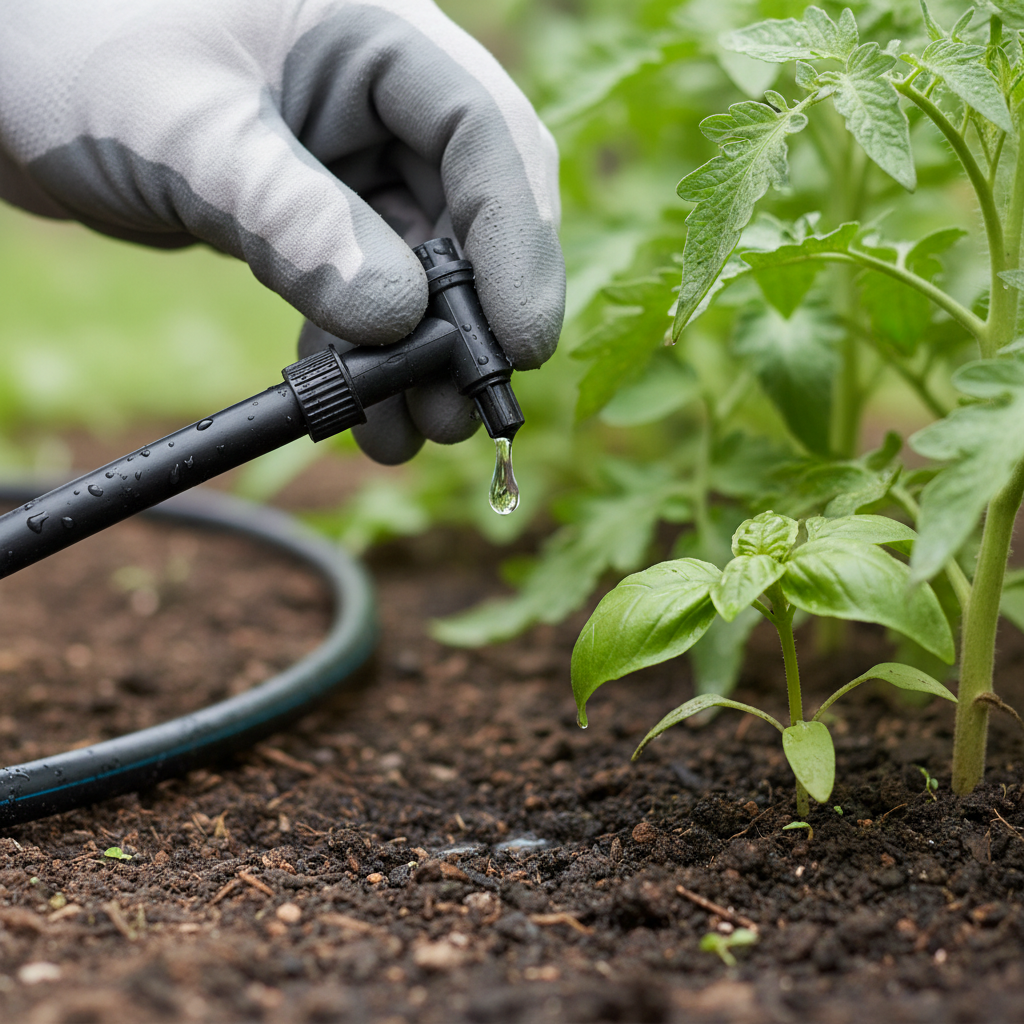
- Kinks or crimps in the supply tubing: Restricts water flow to a single point.
- Improperly seated or damaged emitter: Prevents proper pressure isolation or water discharge.
- Partially open flush valve or loose end cap: Diverts pressure from the entire zone, affecting lower-flow emitters first.
- Sediment buildup: Small particles accumulate inside the emitter or tubing, reducing flow.
- Aging or faulty pressure regulator: Can lead to inconsistent system-wide pressure, making individual emitters starve.
Plumbing · Clog
| Project category | Plumbing |
|---|---|
| Problem type | Clog |
| Trade required | Plumbing |
| Urgency | Soon — within weeks |
| Safety risk | Low safety risk |
| DIY suitability | DIY friendly |
| Cost category | Low cost |
| Typical timeline | Same-day DIY attempt; pro visit within a day or two |
| Contractor type | Licensed plumber |
Repair option
Plunger, hand auger, or trap cleanout before chemicals.
Replacement option
Line replacement when clogs return in the same spot repeatedly.
Common causes
- Hair and soap buildup in the trap
- Grease cooling in the branch line
- Flushed wipes or foreign objects
Relevant tools:diy difficultydiy or hire a pro
Published May 19, 2026Last updated August 17, 2026
Tools & materials you'll need
Affiliate linksAs an Amazon Associate FixlyGuide earns from qualifying purchases — at no extra cost to you. Prices and availability are accurate as of publication and subject to change.
Quick Answer
If a single drip emitter isn't working, the most common issue is uneven pressure distribution due to kinks in the line, improperly seated emitters, or a slightly open flush valve. Start by inspecting the tubing for kinks or damage, then reseat or replace the emitter, and finally, check for any open end caps or flush valves that might be diverting water pressure. While true clogs can happen, they're often secondary to these more subtle pressure problems.
The Problem
You've nurtured your garden, planned your drip irrigation layout, and yet, one particular plant looks parched. You check the emitter, and it's either completely dry, dribbling weakly, or worse, spraying erratically while all its neighbors are delivering water perfectly. This isolated issue can be incredibly frustrating. It's easy to jump to the conclusion that the emitter is hopelessly clogged with debris, but experience often shows the real culprit is a more subtle pressure problem or a minor installation flaw. A single starving emitter can lead to uneven growth, stressed plants, and wasted water as you compensate by overwatering nearby areas.
How It Works
Drip irrigation operates on the principle of delivering water slowly and directly to the plant's root zone, typically at low pressure (10-25 PSI). Water flows from your main supply, through a pressure regulator (essential for drip systems), and then into main poly tubing. Smaller feeder lines (1/4-inch) branch off this main line, connecting to individual emitters. Each emitter is designed with a tortuous path or labyrinth inside that reduces the water pressure and slows its flow, creating a consistent drip rate (e.g., 0.5 GPH, 1 GPH). The system relies on relatively uniform pressure throughout the entire network to ensure all emitters receive adequate flow. If pressure drops even slightly at a specific point—due to a kink, a loose connection, or an inadvertent leak—the emitter at that point will receive less water than its counterparts. This is why a partially blocked flush valve at the end of a line, or a poorly seated emitter, can disproportionately affect a single emitter's performance, drawing water away or preventing sufficient pressure buildup for that specific output.
Step-by-Step Fix
1. Inspect the Tubing for Kinks and Damage — Begin by methodically tracing the 1/4-inch supply line leading to the problematic emitter, and then the larger main line it connects to. Look for any bends, crimps, or tight turns that could be restricting water flow. Small animals can also chew on lines, creating tiny leaks that bleed off pressure.
- Tools: None (visual inspection)
- If this doesn't work: If you find a severe kink that can't be straightened, you might need to cut the tubing and insert a barbed splice connector.
2. Reseat or Replace the Emitter — Often, an emitter isn't fully seated into the main poly tubing, or its internal mechanism has shifted. Carefully pull the emitter out of the 1/4-inch tubing or main line connection point. Inspect the barb for any debris and if it looks intact, firmly reinsert it. If it still underperforms, replace it with a new, identical emitter.
- Tools: Emitter tool (optional, for easier insertion/removal), new emitter
- Safety: Wear gloves if working with sharp plastic edges.
3. Check for Open Flush Valves or End Caps — Many drip irrigation zones have a flush valve or an end cap at the furthest point of the main tubing run. These are designed to be opened periodically to flush out sediment. A flush valve that's even slightly open or an end cap that's not securely closed will dramatically reduce pressure in the entire line, disproportionately affecting the emitters furthest from the water source or those with slightly higher flow resistance. Ensure all manual flush valves are fully closed and all end caps are securely crimped or threaded.
- Tools: None (visual inspection, hand tightening)
- Pro Tip: If you have automatic flush valves, ensure they are functioning correctly and not stuck in a partially open position.
4. Examine the Pressure Regulator — While less likely to affect just one emitter, an aging or faulty pressure regulator can lead to system-wide pressure inconsistencies that might manifest at the weakest point (your problematic emitter). Check if other emitters also show signs of uneven flow. If so, your regulator might be delivering too little or fluctuating pressure.
- Tools: Pressure gauge (for irrigation systems)
- If this doesn't work: A simple test is to briefly attach a pressure gauge directly after the regulator to verify it's maintaining the correct PSI range (usually 15-30 PSI for drip systems).
5. Flush the Drip Line — Even without a full clog, sediment can accumulate. Open the end cap or flush valve at the end of the problematic zone's main line. Let the water run for 1-2 minutes until it runs clear. This can dislodge small particles that might be impeding the emitter's flow.
- Tools: Bucket (optional, to catch flush water)
- Safety: Be mindful of where the water is flushing to avoid creating muddy areas.
6. Clean or Replace the Emitter Filter (if applicable) — Some drip emitters, particularly spray emitters or bubblers, have tiny integrated filters or screens. If your emitter type allows, remove and clean this filter. If it's permanently clogged, replacement is the best option.
- Tools: Small brush, pick tool (if disassemblable emitter), new emitter
- Pro Tip: Not all emitters are designed to be opened or cleaned; forcing them open can damage them.
7. Address Root Intrusion — Over time, fine roots can sometimes grow into cracks or poorly sealed connections in the tubing, particularly if there's a slow leak providing a constant water source. While rare for individual emitters, it's worth considering if the problem persists even after replacing the emitter and flushing. This usually requires replacing the section of tubing.
- Tools: Small shovel, utility knife, barbed splices, new poly tubing
- Pro Tip: This is more common in older, less robust systems or areas with aggressive root growth.
Common Causes
- Kinks or crimps in the supply tubing: Restricts water flow to a single point.
- Improperly seated or damaged emitter: Prevents proper pressure isolation or water discharge.
- Partially open flush valve or loose end cap: Diverts pressure from the entire zone, affecting lower-flow emitters first.
- Sediment buildup: Small particles accumulate inside the emitter or tubing, reducing flow.
- Aging or faulty pressure regulator: Can lead to inconsistent system-wide pressure, making individual emitters starve.
- Root intrusion: Fine roots can grow into the tubing, creating blockages (less common for single emitters).
Common Mistakes
- Assuming it's always a clog: Many homeowners immediately assume a clog, when often it's a pressure issue related to kinks, loose connections, or open flush valves. Check these first.
- Not checking the entire line: Focusing only on the emitter without tracing the tubing back to the main line can miss obvious kinks or leaks further upstream.
- Over-tightening connections: Forcing emitters or fittings can crack tubing and create new leaks, exacerbating the problem.
- Ignoring the pressure regulator: If multiple emitters (not just one) are underperforming, the regulator could be the primary issue.
- Using mismatched emitters: Mixing emitters with vastly different GPH ratings on the same line can lead to uneven watering, as higher-flow emitters will 'starve' lower-flow ones when pressure is borderline.
- Failing to flush the system regularly: Sediment buildup is preventable with routine flushing of the main lines at the end of each zone.
Cost & Time Breakdown
| Task | DIY cost | Pro cost | Time |
|---|---|---|---|
| Inspecting the line | $0 | N/A | 10–20 minutes |
| Reseating/replacing emitter | $1–$5 | N/A | 5–10 minutes |
| Checking flush valves | $0 | N/A | 5 minutes |
| Flushing the drip line | $0 | N/A | 5–10 minutes |
| Replacing section of tubing | $5–$15 | N/A | 15–30 minutes |
| System-wide diagnostic (pro) | N/A | $100–$250 | 30–60 minutes |
Tips & Prevention
- Regular Flushing: Periodically (e.g., once a month during peak season, or before/after winterization) open the flush valves at the end of each main line to clear out sediment.
- Filter Maintenance: If your system has a main filter (at the spigot or main line), clean it regularly. This prevents most particulate clogs.
- Proper Installation: Ensure all emitters are inserted correctly and securely. Avoid sharp bends in tubing that could lead to kinks over time.
- Protect Tubing: Bury drip lines where possible, or cover them with mulch, to protect against UV degradation, animal damage, and accidental kinks.
- Monitor Pressure: Consider a simple pressure gauge to periodically check your system's output pressure, ensuring your regulator is functioning correctly.
- Zone Appropriately: Design your drip zones so that emitters within a single zone have similar water requirements and are relatively consistent in their GPH output.
When to Call a Professional
While a single starving emitter is typically a DIY fix, there are situations where a professional irrigation technician can save you time and prevent further issues. If you've systematically worked through all the troubleshooting steps—inspecting for kinks, replacing the emitter, checking flush valves, and flushing the system—and the problem persists, it may indicate a deeper issue. This could include a failing pressure regulator that's subtly affecting only certain parts of your system, extensive root intrusion throughout your lines, or a complex leak within buried components that's difficult to locate. Additionally, if you have a large, intricate drip system with multiple zones and specialized components, and you're new to irrigation troubleshooting, calling a pro for a diagnostic can be a wise investment to ensure the long-term health of your entire system. They have specialized tools to quickly identify pressure drops, leaks, and other hidden problems you might miss.
Related Articles
Keep troubleshooting with these hand-picked guides from FixlyGuide:
- The #1 Sprinkler Winterization Mistake That Leads to $1,000s in Damage — Discover the crucial mistake many homeowners make when winterizing sprinklers and how to properly blow out your system to prevent costly fr…
- Is Your Drip System Failing? The #1 Overlooked Cause of Uneven Watering — Uneven watering in drip irrigation is often caused by clogged emitters, but the real secret to a healthy system lies in proper pressure reg…
- The 3 Hidden Reasons Your Sprinkler Head Won't Pop Up (And How to Fix It Fast) — Uncovering why your sprinkler head isn't popping up often comes down to three common, easily fixable issues, helping you restore your lawn'…
- The #1 Mowing Mistake That Leaves Your Lawn Brown and Patchy — Discover the most common mowing mistake homeowners make that leads to unhealthy, patchy grass and how to fix it for a vibrant lawn.
- The 3 Hidden Reasons Your Sprinkler Head Won't Pop Up (And How to Fix Them) — Frustrated by a sprinkler head that won't rise? Discover the top three culprits behind this common irrigation issue and how to resolve them…
- The 5-Minute Trick to Restore Your Kitchen Sink Sprayer's Lost Pressure — Restore your kitchen sink sprayer's low pressure with a quick, simple trick that often takes less than five minutes and requires no special…
Should you do this yourself?
Answer five quick questions before you start. Safety outranks savings every time.
Your experience with work like this
How high do you have to work?
Does the job involve any of these?
Will it need a permit?
Specialty tools
Free and instant. Educational guidance only — not a quote, inspection, or professional diagnosis.
What should this project cost?
Enter your project details for a realistic cost range before you call anyone.
Cost depends heavily on which system turns out to be the source.
- Regional adjustment
- National average
- Labor share (typical)
- ~$1,620
- Quotes to collect
- 3 written estimates
Educational estimate based on national averages — not a binding quote. Always confirm with written local estimates.
Frequently asked questions
Why is only one of my drip emitters not working?+
The most common reasons a single drip emitter fails are a kink in its supply line, the emitter being improperly seated, or a nearby flush valve slightly open, which diverts pressure from the system. True clogs are less frequent than these pressure-related issues.
How do I increase water flow to a single drip emitter?+
To increase water flow, first, ensure the supply tubing to the emitter has no kinks or damage. Then, remove and firmly reinsert the emitter, or replace it if it appears faulty. Also, verify that all end caps and flush valves in that zone are completely closed to maintain system pressure.
Can I clean a clogged drip emitter?+
Some drip emitters, especially those with removable caps or filters, can be cleaned by rinsing out debris. However, many standard drip emitters are sealed and are more difficult to clean effectively. In most cases, it's more efficient and cost-effective to simply replace a truly clogged emitter, as they are inexpensive.
Discussion
Loading comments…