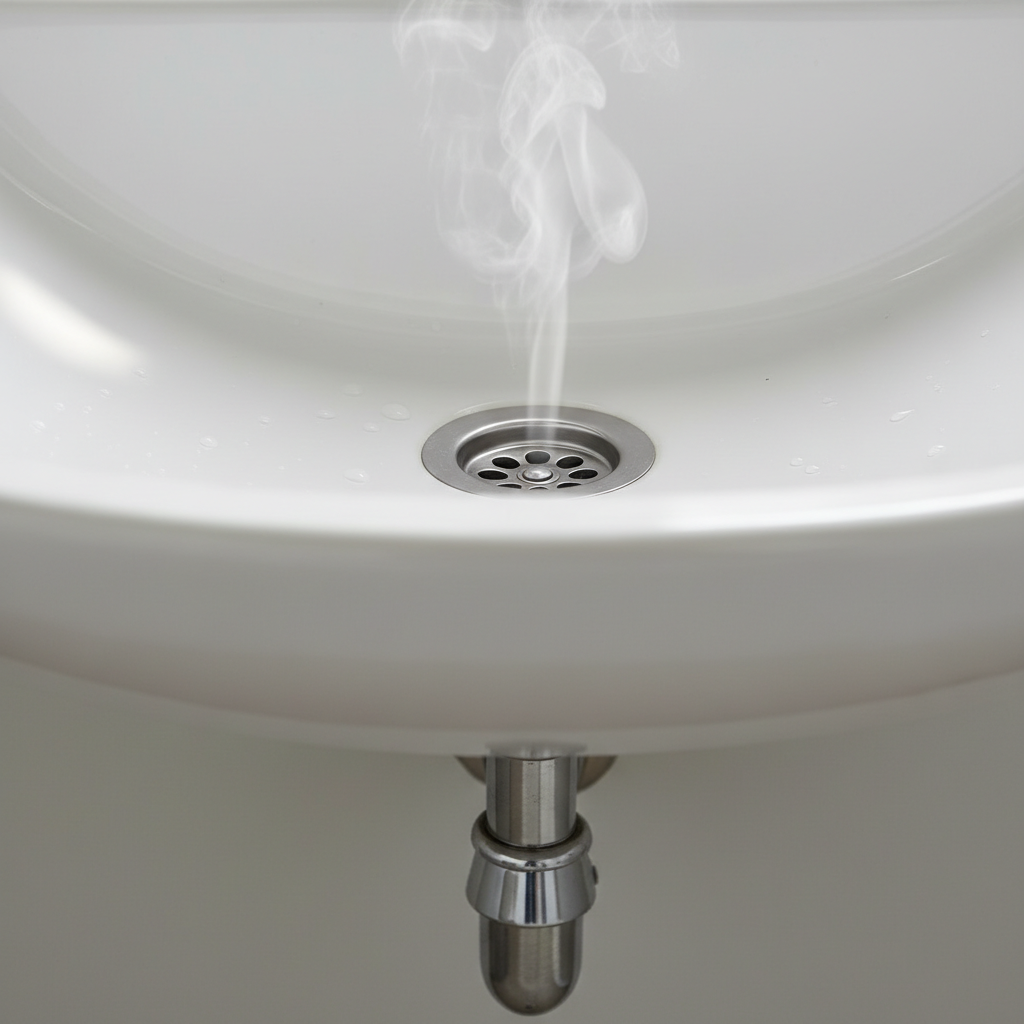
- Ignoring the overflow drain: Many homeowners focus only on the main drain opening, forgetting the overflow port is also a source of biofilm and odors. A small brush or targeted baking soda/vinegar can often solve this.
- Not fully clearing the P-trap: If you only use boiling water or baking soda/vinegar, you might only loosen the gunk without fully removing it. Physical removal with pliers, a zip-it tool, or a snake is often necessary for a lasting fix.
- Overlooking a dry P-trap: Assuming all smells are clogs can lead to frustration. If the sink isn't used often, simply running water for 30 seconds can often re-establish the water seal and eliminate the odor.
- Failing to reassemble the pop-up stopper correctly: If the stopper isn't seated properly or the pivot rod connection is loose, it can lead to leaks or restrict proper drainage, contributing to future smells.
- Overtightening PVC pipe connections: When reassembling P-traps or drain components, overtightening PVC can crack the plastic, leading to leaks and the need for replacement.
Plumbing · Clog
| Project category | Plumbing |
|---|---|
| Problem type | Clog |
| Trade required | Plumbing |
| Urgency | Soon — within weeks |
| Safety risk | Low safety risk |
| DIY suitability | DIY friendly |
| Cost category | Low cost |
| Typical timeline | Same-day DIY attempt; pro visit within a day or two |
| Contractor type | Licensed plumber |
Repair option
Plunger, hand auger, or trap cleanout before chemicals.
Replacement option
Line replacement when clogs return in the same spot repeatedly.
Common causes
- Hair and soap buildup in the trap
- Grease cooling in the branch line
- Flushed wipes or foreign objects
Relevant tools:diy difficultydiy or hire a pro
Published July 10, 2026Last updated August 17, 2026
Tools & materials you'll need
Affiliate linksAs an Amazon Associate FixlyGuide earns from qualifying purchases — at no extra cost to you. Prices and availability are accurate as of publication and subject to change.
Quick Answer
A bad smell emanating from your bathroom sink drain is a common, unpleasant issue often caused by a combination of factors: the accumulation of biofilm—a slimy, odor-producing layer of bacteria, soap scum, and hair—within the drainpipe, or a dry P-trap allowing sewer gases to escape. Less frequently, it could indicate issues with your plumbing vent system or even a bacterial problem in the overflow drain. Tackling the biofilm with a combination of household cleaners like baking soda and vinegar, followed by hot water, or by physically removing the gunk with a drain snake, is usually the first line of defense. Ensuring your P-trap always contains water is crucial for preventing sewer gases from entering your home.
The Problem
That persistent, foul odor wafting up from your bathroom sink drain isn't just an annoyance; it's a clear signal that something isn't right within your plumbing system. While it's easy to assume every drain smell is a sign of a deep, impenetrable clog, the reality is often more nuanced. We're talking about a smell reminiscent of rotten eggs, sewage, or simply a damp, musky, unpleasant staleness that permeates your bathroom. This isn't just about trapped food particles (though those can contribute); it's frequently the result of organic matter decomposing in places you can't easily see, or a breach in your home's defense against sewer gases.
This stench is more than just a nuisance; it can suggest an environment ripe for mold and mildew, or even indicate a compromised plumbing system that could allow truly noxious (and potentially dangerous) gases into your living space. Ignoring it won't make it go away; in fact, the problem, and the smell, will likely only intensify over time. Understanding the common culprits and tackling the issue proactively can save you from more extensive repairs later.
How It Works
To understand why your sink smells, it helps to know how a drain system is designed. Every sink drain has two critical components that act as a barrier against sewer gases: the P-trap and the vent system.
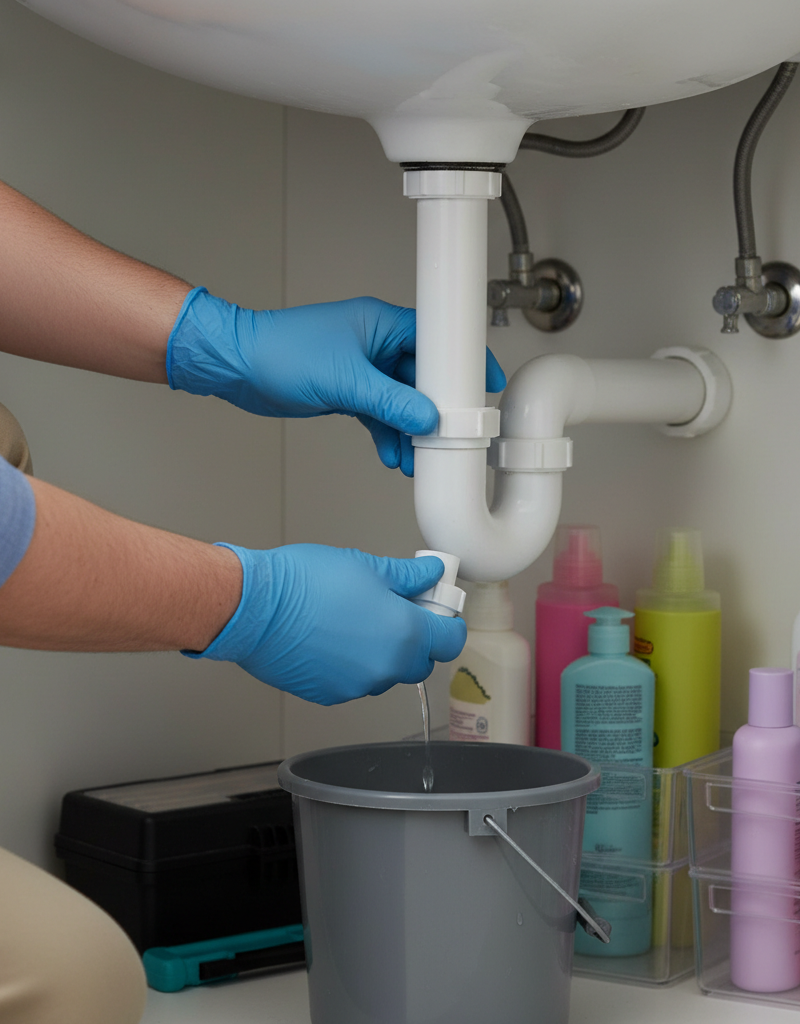
The P-trap is the U-shaped section of pipe directly under your sink. Its design is ingenious in its simplicity: it always retains a small amount of water. This water creates a physical seal, preventing foul-smelling sewer gases from traveling up from the main drain line into your home. When you run water down the drain, it flows through the P-trap, refreshing this water seal. If the P-trap dries out—due to infrequent use, evaporation, or a leak—that water barrier disappears, and sewer gases have a direct path into your bathroom.
The vent system is a network of pipes that extends from your main drain lines through your roof. Its primary purpose isn't to remove odors, but rather to equalize air pressure within the plumbing system. As water drains, it creates a vacuum that needs to be broken. The vent allows air into the system, preventing siphoning (which could pull water out of your P-trap) and ensuring smooth drainage. If a vent pipe is clogged, it can lead to pressure imbalances, causing P-traps to siphon dry or slowing drainage, which then allows organic matter to accumulate and decompose, leading to odors.
Within the drain lines themselves, especially in areas with slow drainage or rough surfaces, a phenomenon called biofilm forms. This is a slimy, tenacious layer made up of bacteria, fungi, yeast, soap scum, hair, toothpaste residue, and other organic debris. These microorganisms feed on the organic matter, producing gases as a byproduct of their digestion. These gases are often what you perceive as a foul odor, particularly the rotten-egg smell of hydrogen sulfide. The overflow drain, though often overlooked, can also be a significant source of biofilm buildup, as it rarely gets flushed with enough water to prevent accumulation.
Step-by-Step Fix
1. Inspect the P-Trap and Overflow Drain — Identify the potential source.
Begin by visually inspecting the P-trap under your sink for any visible leaks or signs of a dried-out trap. For the overflow, look inside with a flashlight. If you see visible scum or black mold, that's a likely culprit. Remember to wear rubber gloves for this and subsequent steps. * If your P-trap is dry or leaking: Tighten any loose connections. If it's still dry after running water, you may have a vent issue (see 'When to Call a Professional'). * Safety Note: Always wear appropriate personal protective equipment, including eye protection and rubber gloves, when working with drains and chemicals.
2. Flush with Boiling Water — A simple first defense against mild buildup.
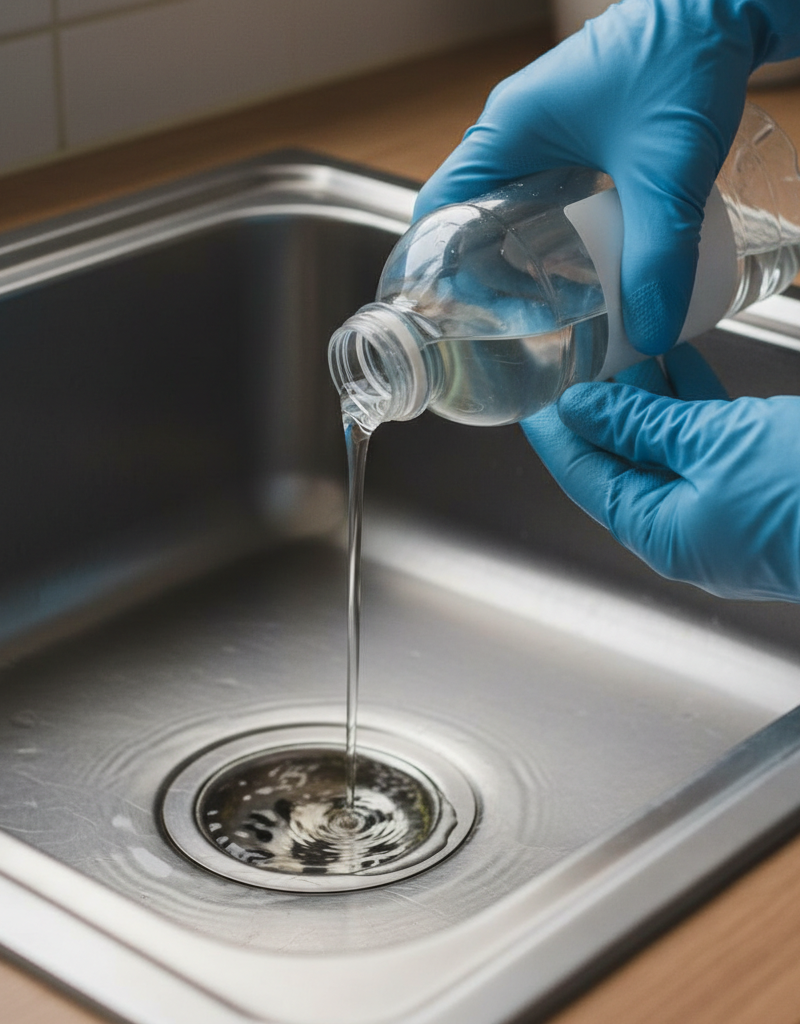
Carefully pour several cups of boiling water down the drain. This can dissolve some grease, soap scum, and loosen biofilm. Repeat a couple of times, allowing 5-10 minutes between flushes. * Caution: Avoid boiling water if you have older PVC pipes, as extreme heat can sometimes damage them. Use very hot tap water instead.
3. The Vinegar & Baking Soda Attack — Natural, effective odor neutralizers.
First, pour ½ cup of baking soda down the drain, followed immediately by ½ cup of white vinegar. You'll hear fizzing as the two react. This creates a scrubbing action that helps break down organic matter and biofilm. Let it sit for at least 30 minutes, or even a few hours for stubborn smells. Follow with a flush of hot water. * Tip: For the overflow drain, you might need to use a funnel to get the baking soda and vinegar into the small opening. You can also try a small bottle brush or an old toothbrush to scrub inside the overflow opening.
4. Clear Visible Hair & Debris — Manual removal of common culprits.
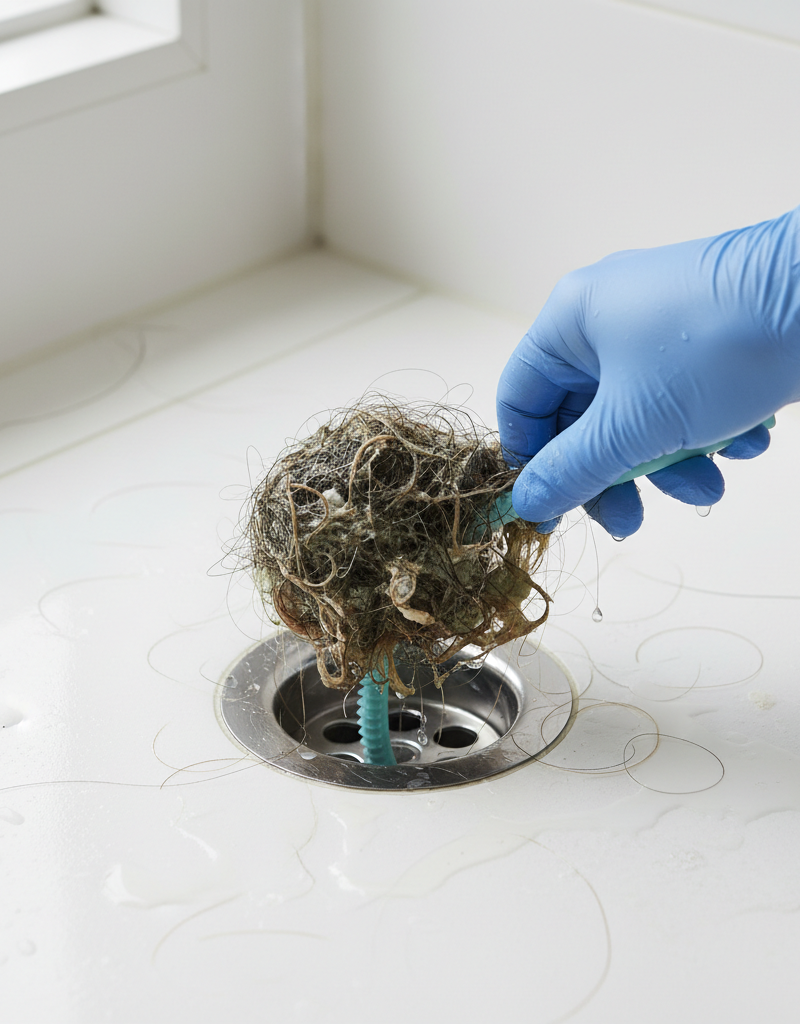
If the smell persists, much of the problem is likely trapped hair and soap scum. Insert a pair of needle-nose pliers or a hooked tool (like a zip-it drain cleaner or a piece of bent wire) into the drain opening and carefully pull out any hair, soap scum, and other debris you can reach. You'll be surprised how much gunk can accumulate just below the stopper. * If this doesn't work: Consider removing the pop-up stopper assembly (see step 5).
5. Remove and Clean the Pop-Up Stopper — A common hidden source of gunk.
Most bathroom sinks have a pop-up stopper that can be easily removed. Look under the sink for a small nut on the back of the drainpipe where the stopper rod enters. Unscrew this nut, pull out the pivot rod, and then lift the stopper straight up from the top of the sink. Thoroughly clean the stopper and the inside of the drain opening with an old toothbrush, dish soap, and hot water. Reinstall in reverse order, ensuring a snug but not overtightened connection. * Safety Note: Be careful not to lose any small parts during disassembly. Have a bucket or towel underneath to catch any drips.
6. Tackle Deeper Buildup with a Drain Snake — For persistent odor and slow drains.
If the smell and drainage issues continue, a drain snake (sometimes called an auger) can reach deeper into the P-trap and beyond. Insert the snake into the drain opening, feeding it slowly until you meet resistance. Rotate the handle to break up or hook onto blockages, then slowly withdraw it, pulling out any accumulated debris. Repeat as needed until no more debris is retrieved. Flush with hot water afterward. * Caution: Be gentle when using a snake, especially in older or PVC pipes, to avoid scratching or damaging the plumbing.
7. Test and Re-prime P-Trap — Verify the smell is gone and the seal is intact.
After completing the cleaning steps, run hot water down the drain for several minutes. This helps to flush away any loosened debris and ensures the P-trap is full of fresh water, re-establishing its sewer gas barrier. * If the smell returns quickly: The issue might be a more complex plumbing problem, such as a clogged vent pipe, a cracked pipe, or a main sewer line issue. See 'When to Call a Professional'.
Common Causes
- Biofilm Buildup: This is the most frequent culprit. A sticky, slimy mixture of hair, soap scum, toothpaste, skin flakes, and bacteria coats the inside of drainpipes, particularly in the P-trap and around the stopper assembly. These bacteria digest the organic matter and produce foul-smelling gases.
- Dry P-Trap: The P-trap beneath your sink relies on a water seal to block sewer gases. If a sink isn't used frequently, the water can evaporate, allowing gases from the sewer system to enter your home. This can also happen if the P-trap is siphoned dry due to improper venting.
- Overflow Drain Buildup: The small hole near the top of your sink basin, designed to prevent overflows, can accumulate the same biofilm as the main drain. Because it rarely gets a thorough flush, it's a prime breeding ground for odor-producing bacteria.
- Clogged Vent Pipe: Your plumbing system has vent pipes that extend through the roof, allowing air into the drain lines and preventing siphoning of P-traps. If a vent pipe becomes blocked (e.g., by a bird's nest, leaves, or even snow/ice), it can disrupt the pressure balance, causing your P-trap to lose its water seal.
- Main Sewer Line Issues: Less common for a single sink, but if multiple drains in your home smell or drain slowly, it could indicate a partial blockage or a breach in the main sewer line, allowing gases to escape.
- Cracked or Loose Drain Pipes: Any damage or loose connections in the drain piping under the sink or in the wall can allow sewer gases to leak out into your bathroom.
Common Mistakes
- Relying solely on chemical drain cleaners: While tempting, these harsh chemicals can damage pipes (especially older ones), harm the environment, and often only provide a temporary fix by burning through a partial clog, leaving odor-producing biofilm behind. They don't address the root cause and can be dangerous.
- Ignoring the overflow drain: Many homeowners focus only on the main drain opening, forgetting the overflow port is also a source of biofilm and odors. A small brush or targeted baking soda/vinegar can often solve this.
- Not fully clearing the P-trap: If you only use boiling water or baking soda/vinegar, you might only loosen the gunk without fully removing it. Physical removal with pliers, a zip-it tool, or a snake is often necessary for a lasting fix.
- Overlooking a dry P-trap: Assuming all smells are clogs can lead to frustration. If the sink isn't used often, simply running water for 30 seconds can often re-establish the water seal and eliminate the odor.
- Failing to reassemble the pop-up stopper correctly: If the stopper isn't seated properly or the pivot rod connection is loose, it can lead to leaks or restrict proper drainage, contributing to future smells.
- Overtightening PVC pipe connections: When reassembling P-traps or drain components, overtightening PVC can crack the plastic, leading to leaks and the need for replacement.
Cost & Time Breakdown
| Task | DIY Cost | Pro Cost | Time |
|---|---|---|---|
| Baking Soda & Vinegar | $5–$10 | N/A | 15 mins (active) |
| Drain Snake/Zip-It Tool | $10–$30 | N/A | 30–60 mins |
| Cleaning Pop-Up Stopper | $0 | N/A | 15–30 mins |
| P-Trap Replacement | $10–$25 | $75–$150 (labor) | 30–60 mins |
| Minor Vent Cleaning (Roof) | $0–$10 (tool rental) | $150–$300 | 1–2 hours |
| Diagnosing & Clearing Main Clog | N/A | $150–$400+ | 1–3 hours |
Tips & Prevention
- Flush your drains regularly: Even if there's no smell, once a month, pour ½ cup of baking soda down the drain, followed by ½ cup of white vinegar. Let it sit for 15-30 minutes, then flush with hot water. This helps prevent biofilm buildup.
- Keep P-traps primed: For rarely used sinks, run water for 30 seconds once a week to ensure the P-trap water seal doesn't evaporate.
- Use a drain protector/hair catcher: These inexpensive devices fit over your drain and significantly reduce the amount of hair and debris that enters your pipes, preventing many clogs and odors.
- Clean the pop-up stopper: Make it a habit to remove and clean your pop-up stopper assembly every few months, even if there's no smell, to prevent buildup.
- Avoid pouring grease down the drain: Grease solidifies in pipes, acting as a sticky magnet for hair and other debris, rapidly creating clogs and ideal conditions for odor-producing bacteria.
- Ensure proper ventilation: If you notice consistent slow drainage or gurgling sounds, it could indicate a vent issue. Addressing this sooner rather than later can prevent P-trap siphoning and lingering odors.
When to Call a Professional
While many stinky drain issues are manageable for a DIY enthusiast, there are clear signs you should stop and call a licensed plumber. If you've tried the common fixes—cleaning the P-trap, clearing visible hair, and using baking soda and vinegar—and the smell persists or returns quickly, it's time for a professional. Persistent gurgling sounds from the drain, especially when other fixtures are used, often indicate an issue with your plumbing vent system, which can be tricky and dangerous to access safely on a roof. If multiple drains in your home are slow or smelly, this could point to a clog in the main sewer line, a problem beyond the scope of typical DIY. Finally, if you ever smell actual sewage or suspect a broken pipe within a wall or under the floor, a licensed plumber has the diagnostic tools and expertise to pinpoint the problem without causing further damage and ensure the repair is up to code. They can use specialized cameras to inspect interior pipes and safely address complex venting or main line clogs.
Related Articles
Keep troubleshooting with these hand-picked guides from FixlyGuide:
- The Nasty Truth: Is Your Bathroom Sink's Stink Coming From a Hidden Biofilm? — A persistent, foul odor from your bathroom sink drain often signals a hidden biofilm buildup, not just a simple clog, demanding specific cl…
- The Nasty Truth: Your Bathroom Sink Smells Bad (And It's Not the Drainpipe) — A foul odor wafting from your bathroom sink often signals an issue beyond a simple clog, usually stemming from biofilm or a dry P-trap.
- The Nasty Truth About Your Smelly Bathroom Sink — And the 2-Ingredient Trick to Fix It — Uncover the hidden reasons behind that foul odor wafting from your bathroom sink drain and learn a simple, two-ingredient solution to banis…
- The 5-Minute Trick to Clear Any Shower Drain Clog (Without Nasty Chemicals) — Learn how to quickly and safely clear a shower drain clog using simple tools and techniques, avoiding harsh chemical drain cleaners.
- The Nasty Truth About Your Slow Shower Drain (And the DIY Fix) — A slow shower drain is more than an annoyance; it's often a sign of a blockage that chemical solutions can worsen. Learn how to clear it sa…
- The #1 Gutter Mistake You're Making (And 3 Hidden Causes of Overflow) — Overflowing gutters in heavy rain are often a sign of a deeper issue than just debris, leading to potential foundation damage and costly re…
Should you do this yourself?
Answer five quick questions before you start. Safety outranks savings every time.
Your experience with work like this
How high do you have to work?
Does the job involve any of these?
Will it need a permit?
Specialty tools
Free and instant. Educational guidance only — not a quote, inspection, or professional diagnosis.
What should this project cost?
Enter your project details for a realistic cost range before you call anyone.
Common repairs run $150–$650; repipes and water-heater replacements reach $1,500–$4,500.
- Regional adjustment
- National average
- Labor share (typical)
- ~$754
- Quotes to collect
- 3 written estimates
Educational estimate based on national averages — not a binding quote. Always confirm with written local estimates.
Fixly Project Decision Box
- DIY difficulty
- Moderate
- Estimated time
- 30 minutes – half a day
- Cost level
- Moderate
Main tools / materials
- Adjustable wrench
- Plunger or drain auger
- Bucket and towels
- Thread tape
When to stop and call a pro
- Water you cannot shut off at the fixture or main
- Sewage backing up into more than one fixture
- Water near electrical panels or outlets
- Gas water heater work beyond relighting a pilot
Need professional help?
Get a Licensed PlumberFrequently asked questions
Why does my bathroom sink drain smell like rotten eggs?+
A rotten egg smell usually indicates the presence of hydrogen sulfide gas, which is produced by anaerobic bacteria feeding on organic matter (like hair and soap scum) in your drain's biofilm. It can also be a sign of a dry P-trap allowing sewer gases to enter.
Can a dry P-trap cause drain odor?+
Yes, absolutely. The P-trap is designed to hold a small amount of water to create a seal against sewer gases. If the water evaporates from infrequent use or is siphoned out due to a vent issue, sewer gases including foul odors can pass directly into your bathroom.
Is it safe to pour baking soda and vinegar down the drain?+
Yes, baking soda and vinegar are generally safe for most plumbing systems. Their reaction creates a gentle fizzing action that helps break down organic matter and neutralize odors. They are a much safer alternative to harsh chemical drain cleaners.
How often should I clean my bathroom sink drain to prevent smells?+
To prevent odors, aim to flush your drain with baking soda and vinegar once a month. Additionally, regularly remove and clean the pop-up stopper every few months, and use a drain protector to minimize hair and debris accumulation.
When should I call a plumber for a stinky drain?+
Call a plumber if the smell persists after trying all DIY methods, if you notice gurgling sounds, slow drainage in multiple fixtures, or if you suspect a deeper issue like a main sewer line clog, a broken pipe, or a blocked plumbing vent that's inaccessible.
Discussion
Loading comments…