- Wait: Let it sit for 30 minutes to an hour (or even overnight for stubborn odors). The chemical reaction helps to break down organic matter.
- Flush: Follow up by flushing with a generous amount of hot water.
- If this doesn't work: Consider a second application, or move on to mechanical removal methods.
Plumbing · Leak
| Project category | Plumbing |
|---|---|
| Problem type | Leak |
| Trade required | Plumbing |
| Urgency | Emergency — act now |
| Safety risk | High safety risk |
| DIY suitability | DIY for experienced homeowners |
| Cost category | Low cost |
| Typical timeline | Shut water off now; repair usually same or next day |
| Contractor type | Licensed plumber |
Repair option
Isolate at the shutoff, replace the failed component, and dry the cavity fully.
Replacement option
Repipe the run or the branch when corrosion is widespread.
Common causes
- Failed supply line or shutoff valve
- Worn washers, cartridges, or P-trap connections
- Pinhole corrosion in older copper
Relevant tools:emergency checklistdiy or hire a pro
Published June 26, 2026Last updated August 17, 2026
Tools & materials you'll need
Affiliate linksAs an Amazon Associate FixlyGuide earns from qualifying purchases — at no extra cost to you. Prices and availability are accurate as of publication and subject to change.
Quick Answer
That foul smell emanating from your bathroom sink drain often points to one of two primary issues: either a dry P-trap, which allows sewer gases to escape into your home, or a buildup of organic matter (hair, soap scum, toothpaste) within the drain or overflow mechanism. Rectify the problem by first flushing the drain with water, then cleaning the overflow opening, and if the odor persists, performing a thorough cleaning of the P-trap assembly.
The Problem
The most common complaint about a bathroom sink is that persistent, unpleasant odor wafting up from the drain. This isn't just a minor annoyance; it's a clear indicator that something isn't quite right with your plumbing system. Depending on the smell – whether it’s a sulfuric “rotten egg” stench, a musty mildew odor, or a generalized sewer gas smell – the underlying cause can vary. A dry P-trap, a clogged overflow, or accumulated gunk in the drain can all contribute to this unsanitary and unwelcome aroma. Ignoring it won't make it go away; in fact, these issues can worsen, potentially leading to slow drains, complete clogs, and unhygienic conditions in your bathroom. This article will guide you through diagnosing and fixing the most common culprits behind a smelly bathroom sink drain, ensuring you can restore freshness and proper function to your fixture.
How It Works
To understand why your sink smells, it's crucial to grasp a bit about how your drain system functions. Every sink, tub, and shower in your home has a P-trap – the U-shaped bend in the pipe directly beneath the drain. This trap isn't just a quirky design; it plays a critical role in your home's sanitation. Water constantly sits in this U-bend, forming a barrier that prevents noxious sewer gases from traveling up from the main drain lines and into your living space. This water seal is your primary defense against unpleasant odors and potentially harmful gases. If this water evaporates or is siphoned out (due to improper venting or infrequent use), the seal breaks, and sewer gas can freely enter your bathroom.
Beyond the P-trap, another common site for odor buildup is the overflow channel. Most bathroom sinks have a small hole near the top of the basin – this is the overflow. Its purpose is to prevent water from spilling onto the floor if the faucet is left on and the stopper is closed. This overflow channel connects to the main drainpipe before the P-trap. Because this channel is rarely flushed with large volumes of water, it's an ideal breeding ground for mold, mildew, and bacteria as soap scum, toothpaste residue, and organic debris accumulate there over time. These microbial colonies release volatile organic compounds, resulting in that distinct musty or foul smell you detect. Understanding these two key areas – the P-trap's water seal and the often-neglected overflow channel – is vital for effectively troubleshooting and eliminating drain odors.
Step-by-Step Fix
1. Test the P-Trap Seal — Pour several cups of water down the drain. This is the simplest fix and often resolves odors from infrequently used sinks. If the P-trap has dried out due to evaporation, refilling it will restore the water seal and block sewer gases. Wait a few hours to see if the smell dissipates.
2. Clean the Overflow Channel — This hidden area is a common culprit. Fill the sink with hot water mixed with a cup of white vinegar or a quarter cup of baking soda, letting it sit for 10-15 minutes. While the sink is full, use a small bottle brush or a zip-tie to aggressively scrub inside the overflow hole. Push the brush in and out repeatedly, working it around the channel. The goal is to dislodge accumulated gunk, hair, and soap scum that breeds odor-causing bacteria. Repeat if necessary.
- Safety Note: Never mix vinegar with bleach. The combination creates dangerous chlorine gas.
3. Flush the Drain with Hot Water — Run the hottest water you can from the faucet for 5-10 minutes. This can help dislodge some minor buildups and rinse away lingering smell-causing debris further down the drain. It's a good first step before resorting to more invasive methods.
4. Use Baking Soda and Vinegar Treatment — A natural, effective way to tackle minor clogs and odors. Pour 1/2 cup of baking soda into the drain, followed by 1 cup of white vinegar. The mixture will fizz vigorously.
- Wait: Let it sit for 30 minutes to an hour (or even overnight for stubborn odors). The chemical reaction helps to break down organic matter.
- Flush: Follow up by flushing with a generous amount of hot water.
- If this doesn't work: Consider a second application, or move on to mechanical removal methods.
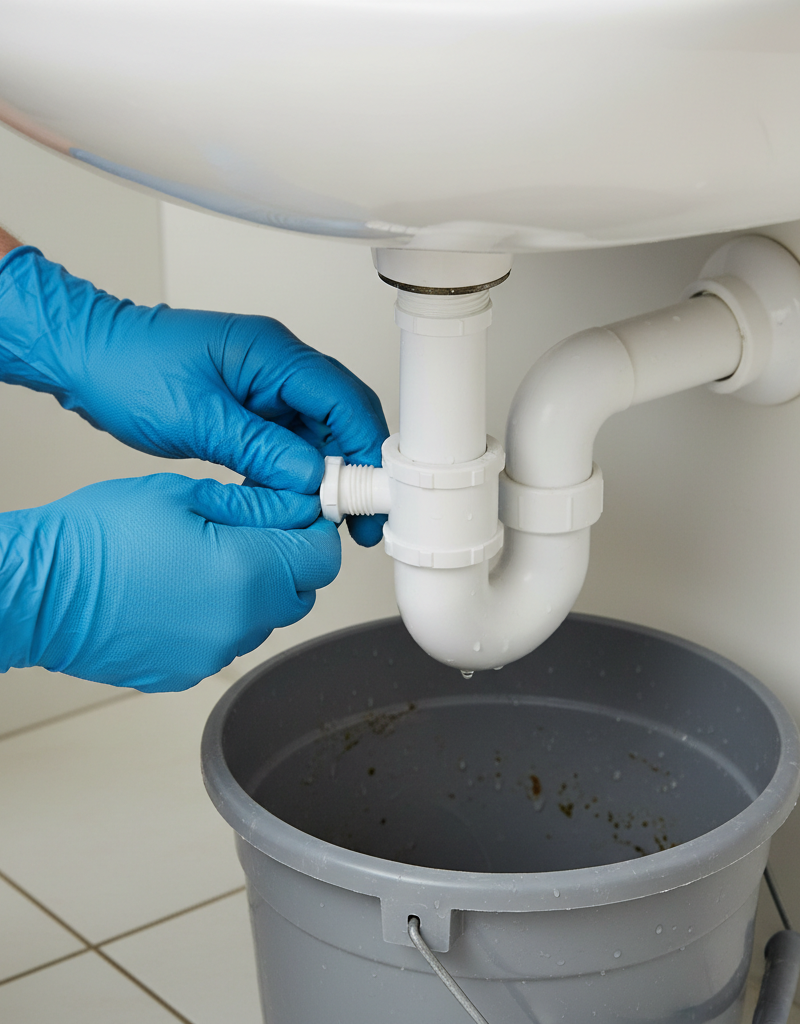
5. Remove and Clean the Pop-Up Stopper — A significant amount of gunk, hair, and soap scum collects on the pop-up stopper assembly. Unscrew the pivot rod nut (located on the backside of the drain pipe under the sink) and pull out the pivot rod and stopper. Clean off all accumulated debris with paper towels, an old toothbrush, and warm soapy water.
- Tools: Pliers (optional, for pivot nut), paper towels, old toothbrush.
- Reassembly: Ensure the pivot rod and stopper are reinserted correctly and the nut is hand-tightened to prevent leaks.
6. Disassemble and Clean the P-Trap — This is the most thorough cleaning you can do.
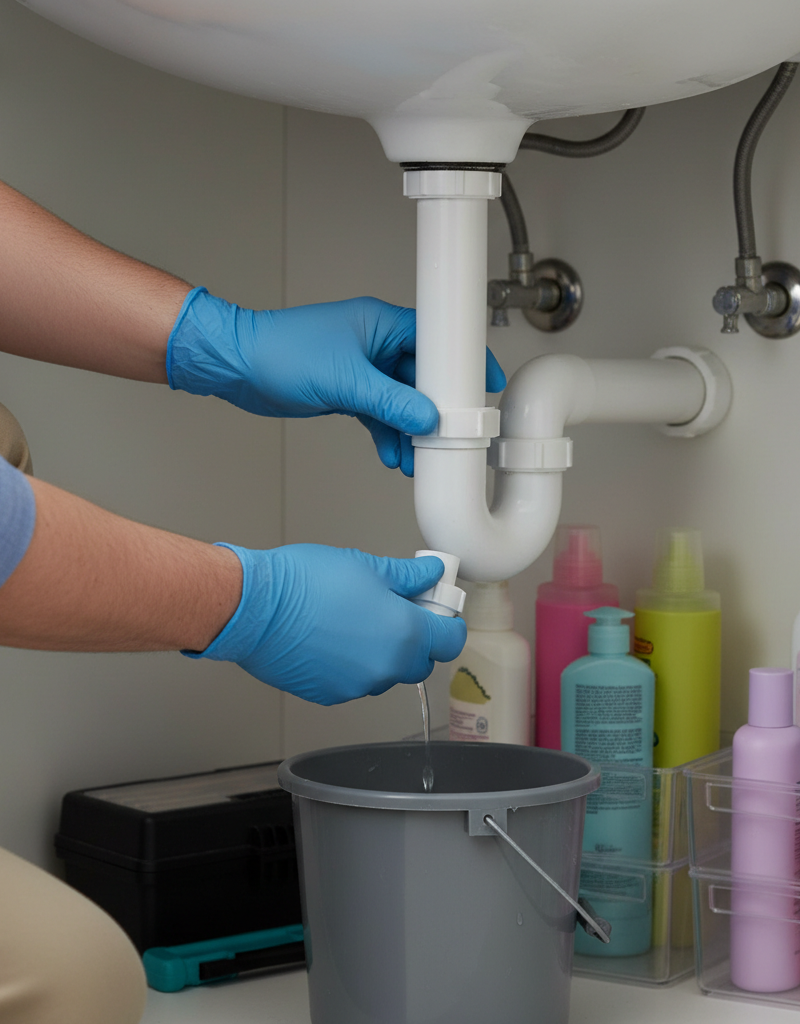
- Preparation: Place a bucket directly underneath the P-trap to catch residual water and debris.
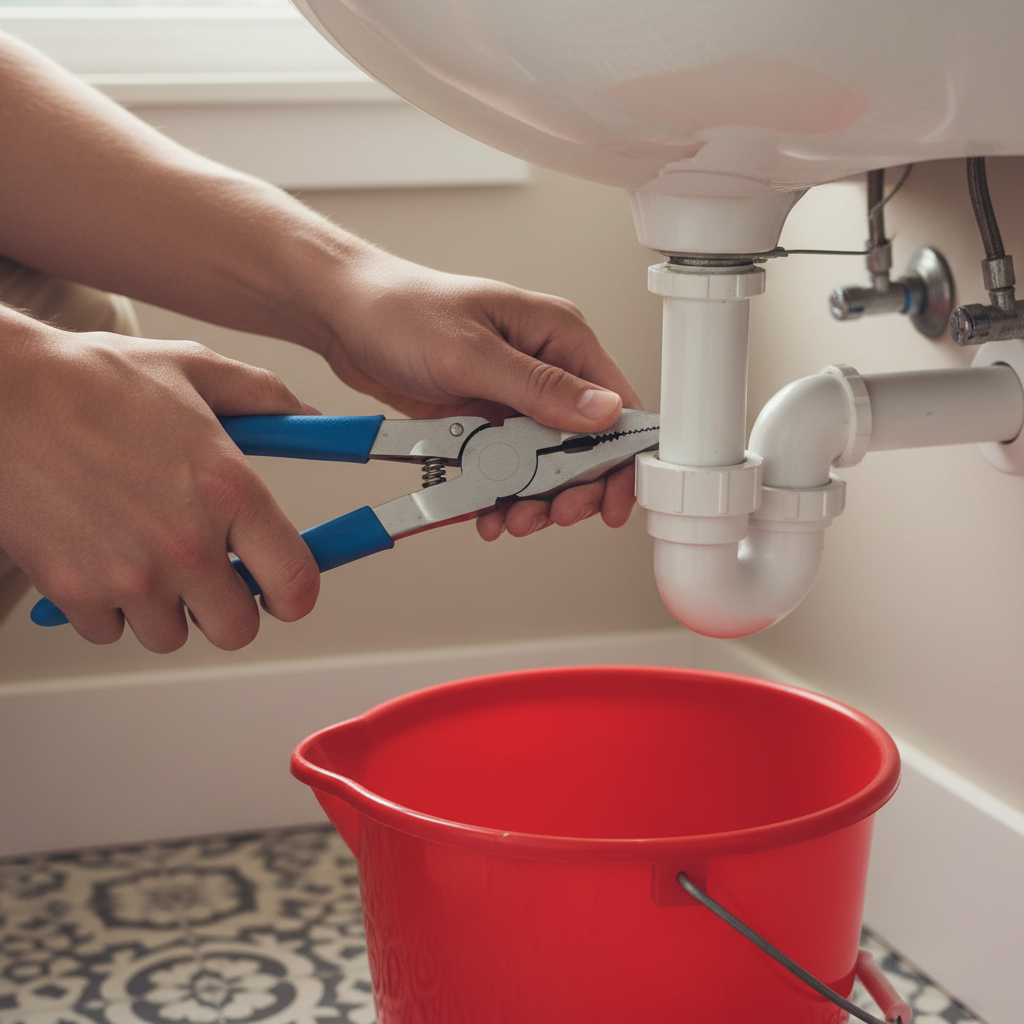
- Disassembly: Use slip-joint pliers to loosen the two large slip nuts on either side of the P-trap. These are typically hand-tightened, but a gentle turn with pliers may be needed. Once loose, slide the nuts down and carefully remove the P-trap.
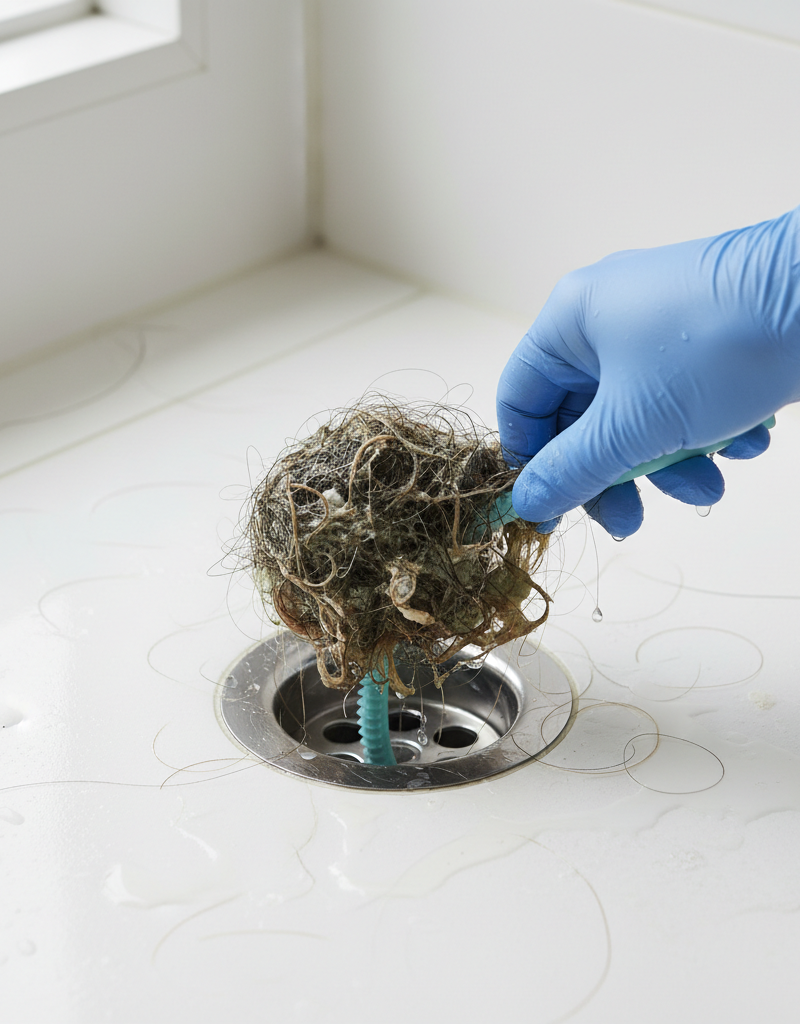
- Cleaning: Use an old toothbrush, a bottle brush, or a coat hanger bent into a hook to meticulously clear out any hair, soap scum, and other gunk from the inside of the P-trap and the drain arm leading to the wall.
- Inspection: Check the rubber or plastic washers for damage. Replace them if they are flattened, cracked, or missing.
- Reassembly: Re-attach the P-trap, ensuring the slip nuts are hand-tightened. Over-tightening can crack plastic pipes.
- Test for Leaks: Run water into the sink for several minutes, checking carefully for any drips around the slip nuts. Tighten slightly if needed.
7. Use a Drain Snake or Zip-It Tool — If the odor persists after cleaning the P-trap and pop-upstopper, the blockage might be further down the drain line.
- Procedure: A small, flexible drain snake (or a plastic
Related Articles
Keep troubleshooting with these hand-picked guides from FixlyGuide:
- The #1 Mistake Homeowners Make with a Slow Kitchen Drain (and the Real Fix) — Before you reach for harsh chemicals, learn the right way to fix a slow kitchen sink drain and prevent future clogs.
- The Nasty Truth About Your Smelly Bathroom Sink — And the $5 Fix — A persistent foul odor from your bathroom sink drain is often caused by a forgotten gunk buildup that's easy to eliminate with basic househ…
- The 5-Minute Trick to Restore Your Kitchen Sink Sprayer's Lost Pressure — Restore your kitchen sink sprayer's low pressure with a quick, simple trick that often takes less than five minutes and requires no special…
- The Nasty Truth: Is Your Bathroom Sink's Stink Coming From a Hidden Biofilm? — A persistent, foul odor from your bathroom sink drain often signals a hidden biofilm buildup, not just a simple clog, demanding specific cl…
- The Nasty Truth About Your Smelly Bathroom Sink — And the 2-Ingredient Trick to Fix It — Uncover the hidden reasons behind that foul odor wafting from your bathroom sink drain and learn a simple, two-ingredient solution to banis…
- The #1 Gutter Mistake You're Making (And 3 Hidden Causes of Overflow) — Overflowing gutters in heavy rain are often a sign of a deeper issue than just debris, leading to potential foundation damage and costly re…
Should you do this yourself?
Answer five quick questions before you start. Safety outranks savings every time.
Your experience with work like this
How high do you have to work?
Does the job involve any of these?
Will it need a permit?
Specialty tools
Free and instant. Educational guidance only — not a quote, inspection, or professional diagnosis.
What should this project cost?
Enter your project details for a realistic cost range before you call anyone.
Common repairs run $150–$650; repipes and water-heater replacements reach $1,500–$4,500.
- Regional adjustment
- National average
- Labor share (typical)
- ~$754
- Quotes to collect
- 3 written estimates
Educational estimate based on national averages — not a binding quote. Always confirm with written local estimates.
Fixly Project Decision Box
- DIY difficulty
- Moderate
- Estimated time
- 30 minutes – half a day
- Cost level
- Moderate
Main tools / materials
- Adjustable wrench
- Plunger or drain auger
- Bucket and towels
- Thread tape
When to stop and call a pro
- Water you cannot shut off at the fixture or main
- Sewage backing up into more than one fixture
- Water near electrical panels or outlets
- Gas water heater work beyond relighting a pilot
Need professional help?
Get a Licensed PlumberFrequently asked questions
Why does my bathroom sink drain smell like rotten eggs?+
A rotten egg smell (sulfur) usually indicates hydrogen sulfide gas, which can be produced by bacteria growing on collected organic matter in your drain or, more commonly, by sewer gas escaping a dry P-trap. Ensure your P-trap has water in it by running the faucet, and clean out any gunk.
Can a clogged overflow cause my sink to smell?+
Yes, absolutely. The overflow channel on your sink rarely gets flushed with water and can accumulate soap scum, toothpaste, hair, and bacteria. This organic buildup breaks down and creates foul odors. Cleaning the overflow with a bottle brush and vinegar is a common fix.
Is it safe to use chemical drain cleaners for drain odors?+
It's best to avoid harsh chemical drain cleaners. They can damage pipes, are bad for the environment, and often don't address the root cause of odors. Instead, use natural solutions like baking soda and vinegar, or mechanical methods like a drain snake or disassembling the P-trap.
How often should I clean my bathroom sink drain to prevent smells?+
For frequently used sinks, a monthly flush with hot water and an occasional baking soda/vinegar treatment can help prevent odors. Cleaning the pop-up stopper and overflow channel every few months, or whenever an odor becomes noticeable, is also a good preventative measure.
Discussion
Loading comments…