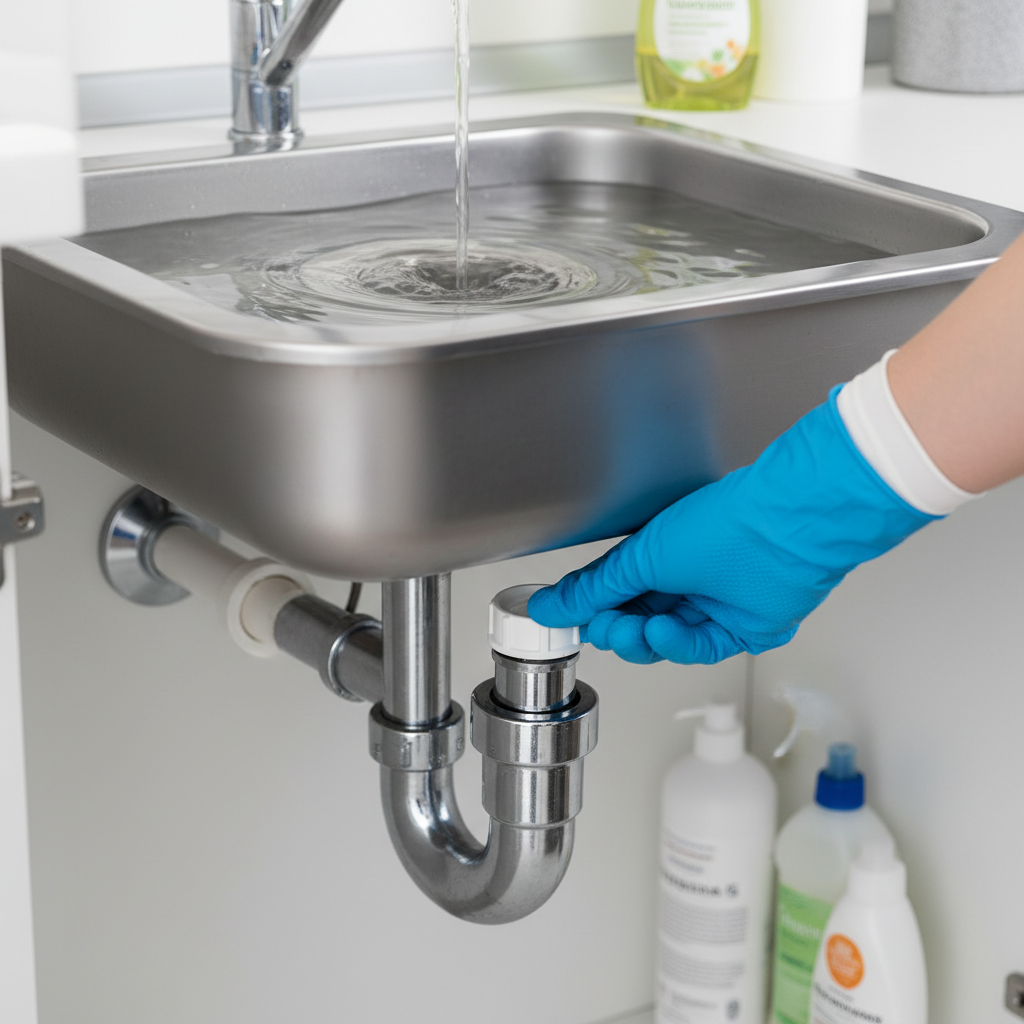
- Safety: Always wear gloves and have a bucket ready.
- Tools: Bucket, channel-lock pliers, old rag, wire brush (optional).
- If this doesn't work: The clog is likely further down the drain line beyond the P-trap.
Plumbing · Leak
| Project category | Plumbing |
|---|---|
| Problem type | Leak |
| Trade required | Plumbing |
| Urgency | Emergency — act now |
| Safety risk | High safety risk |
| DIY suitability | DIY for experienced homeowners |
| Cost category | Low cost |
| Typical timeline | Shut water off now; repair usually same or next day |
| Contractor type | Licensed plumber |
Repair option
Isolate at the shutoff, replace the failed component, and dry the cavity fully.
Replacement option
Repipe the run or the branch when corrosion is widespread.
Common causes
- Failed supply line or shutoff valve
- Worn washers, cartridges, or P-trap connections
- Pinhole corrosion in older copper
Relevant tools:emergency checklistdiy or hire a pro
Published May 11, 2026Last updated August 18, 2026
Tools & materials you'll need
Affiliate linksAs an Amazon Associate FixlyGuide earns from qualifying purchases — at no extra cost to you. Prices and availability are accurate as of publication and subject to change.
Quick Answer
A A slow kitchen sink drain is most often caused by a buildup of grease, soap scum, and food particles in the P-trap or drainpipe. Locating and clearing these blockages with common household tools like a plunger, drain snake, or by disassembling the P-trap can usually resolve the issue, restoring proper drainage.
The Problem
There's little more frustrating in a kitchen than a sink that refuses to drain properly. You wash dishes, rinse vegetables, or simply run the tap, and instead of disappearing quickly, the water lingers, slowly swirling down the drain or, worse, backing up into the basin. This isn't just an inconvenience; it can be a breeding ground for bacteria, lead to unpleasant odors, and, if left unaddressed, eventually cause a complete clog. While many homeowners immediately suspect a hairball (common in bathroom sinks), kitchen sink clogs have a unique profile, primarily due to the type of waste they handle: greasy food particles, coffee grounds, and sticky soap scum. The problem isn't always deep within your plumbing system; often, the culprit is lurking much closer to the surface, in the easily accessible parts of your drain assembly.
How It Works
Understanding how your kitchen sink drain works can demystify the troubleshooting process. When water goes down your sink, it first passes through the sink strainer, which is designed to catch larger food particles. Below the strainer, it enters the drain tailpiece, a vertical pipe. From there, it flows into the P-trap, a U-shaped bend in the pipe directly beneath your sink. The P-trap serves two critical functions: it holds a small amount of water, creating a seal that prevents sewer gases from entering your home, and it's also where heavier debris and most clogs tend to accumulate. After the P-trap, the pipe connects to a branch drain line, which typically runs horizontally and eventually connects to your home's main waste stack. Vent pipes, connected to the drain system and extending through your roof, ensure proper air pressure, which is essential for smooth drainage. Without adequate venting, water would drain slowly due to a vacuum effect. Most slow drains in the kitchen become apparent when this delicate balance is disrupted, usually by a buildup within the P-trap or the initial section of the branch drain, constricting the flow and causing water to back up. Grease solidifies, food particles adhere to the pipe walls, and over time, the opening shrinks, leading to a noticeable slowdown.
Step-by-Step Fix
1. Clear the Initial Obstruction — Address surface-level debris in the sink opening.
- Tools: Gloves, paper towels.
- Action: Put on gloves. Remove the sink stopper or strainer. Visually inspect the drain opening and use your fingers (or pliers if needed) to pull out any readily visible food scraps, hair, or gunk. This simple step can sometimes be all it takes.
2. Plunge with Purpose — Create hydraulic pressure to dislodge clogs in the P-trap.
- Tools: Cup plunger (or a flat-bottomed sink plunger), old rag.
- Action: Fill the sink with 2-3 inches of hot water, which can help soften some greasy clogs. If you have a double sink, block the second drain opening tightly with an old rag or a stopper to ensure proper suction. Place the plunger firmly over the drain, ensuring a good seal. Plunge vigorously for 20-30 seconds, maintaining the seal, then quickly pull the plunger up to break the suction. Repeat this process 5-10 times. Listen for whooshing sounds, indicating the clog might be moving. If water drains faster, flush with hot water for several minutes.
- If this doesn't work: The clog might be too dense for plunger pressure alone, or it's further down the drainpipe.
3. Inspect and Clean the P-Trap — The most common location for kitchen sink clogs.
- Safety: Always wear gloves and have a bucket ready.
- Tools: Bucket, channel-lock pliers, old rag, wire brush (optional).
- Action: Place a bucket directly underneath the P-trap to catch any water and debris. Using channel-lock pliers (or by hand if fittings are loose enough), carefully loosen the slip nuts on both ends of the P-trap. Twist the nuts counter-clockwise. Once the nuts are loose, gently remove the P-trap. Be prepared for a rush of water. Empty the contents of the P-trap into the bucket. Use a wire brush or an old rag to thoroughly clean the inside of the P-trap, removing all grease, food particles, and sludge. Inspect the connections for any worn washers that might need replacement.
- Reassembly: Reinstall the P-trap, ensuring the washers are properly seated. Hand-tighten the slip nuts, then use pliers for a final quarter-turn snugness – do not overtighten. Run water slowly at first to check for leaks, then run at full pressure for several minutes.
- If this doesn't work: The clog is likely further down the drain line beyond the P-trap.
4. Snake the Drain Line — Tackle clogs deeper in the branch drain.
- Tools: Drain snake (also called a auger, 15-25 ft household size), gloves, bucket, old towels.
- Action: After removing the P-trap (as in Step 3), identify the open pipe extending into the wall (this is your branch drain). Feed the coiled end of the drain snake into this pipe. Push it gently until you feel resistance. Once you hit a clog, twist the handle of the snake to engage the clog with the auger's tip. Push and pull the snake several times to break up or retrieve the obstruction. Continue feeding the snake until you've gone as far as it allows or until you're sure you've cleared the blockage. Slowly retract the snake, carefully pulling out any debris that comes with it. Have your bucket and towels ready.
- Clean Up: Once the snake is fully retracted, clean off any gunk. Reassemble the P-trap and run hot water for several minutes to flush the drain.
- If this doesn't work: The clog might be deeper in the main line, requiring a longer snake or professional intervention.
5. Consider a Natural Drain Cleaner (Caution) — For lingering odor or minor residue.
- Safety: Never mix different commercial drain cleaners, and always follow product instructions carefully. Avoid chemical drain cleaners if you've recently used another type of cleaner or if you suspect a full blockage, as they can cause chemical reactions or sit stagnantly in pipes, causing damage.
- Tools: Baking soda, white vinegar, boiling water.
- Action (Natural Method): Pour one cup of baking soda down the drain, followed immediately by one cup of white vinegar. The mixture will fizz and bubble. Let it sit for 30 minutes to an hour (or even overnight for stubborn clogs). Then, flush the drain with a kettle of boiling water. This method is effective for dissolving grease and odors but is usually not strong enough for a solid blockage.
Common Causes
- Grease Buildup: The primary culprit. When hot grease goes down the drain, it eventually cools and solidifies, coating the inside of pipes and trapping other debris.
- Food Particles: Coffee grounds, rice, pasta, vegetable peelings (even small ones), and eggshells can accumulate and contribute to blockages, especially when mixed with grease.
- Soap Scum: Over time, soap residue, especially from dish detergent, can cling to pipe walls, adding to the clog's bulk.
- Minor Vent Issues: A partially blocked vent pipe can slow drainage by preventing air from entering the system, causing a vacuum effect.
- Improper P-Trap Installation: If the P-trap is incorrectly aligned or has a sag, it can encourage debris accumulation.
- Worn or Damaged Strainer Basket: A broken or missing strainer allows larger particles to enter the drain system more easily.
Common Mistakes
- Using Chemical Drain Cleaners Repeatedly: These can corrode older pipes (especially cast iron or PVC), damage septic systems, and are rarely effective for dense kitchen clogs. If they don't work, they sit in your pipes, making it dangerous for plumbers to work on.
- Ignoring the P-Trap: Many homeowners go straight for a chemical cleaner or deep snake without checking the P-trap, which is the most common and easiest place to clear a kitchen clog.
- Overtightening P-Trap Nuts: Using excessive force when reassembling the P-trap can crack plastic fittings or strip threads, leading to leaks.
- Not Protecting Other Drains in a Double Sink: When plunging, failing to seal off the second sink opening prevents the plunger from creating effective pressure on the clogged drain.
- Forcing a Drain Snake: Aggressively pushing a drain snake can damage pipes, especially older or plastic ones. Gentle twisting and pulling are more effective and safer.
- Pouring More Grease Down the Drain: A common habit that directly contributes to future clogs. Even small amounts accumulate over time.
Cost & Time Breakdown
| Task | DIY Cost | Pro Cost | Time |
|---|---|---|---|
| Plunging | $0 | N/A | 10–20 minutes |
| P-Trap Removal & Cleaning | $0–$10 | N/A | 30–60 minutes |
| Drain Snaking (DIY) | $0 (tool) | N/A | 60–90 minutes |
| Professional Drain Cleaning | N/A | $150–$350 | 1–2 hours |
| Natural Drain Cleaner | $2–$5 | N/A | 1–4 hours (set) |
Tips & Prevention
- Scrape Plates Thoroughly: Before rinsing, scrape all food scraps into the trash or compost, even small ones. This is the single most effective preventive measure.
- Never Pour Grease Down the Drain: Collect cooking grease in an old can or jar, let it solidify, and then dispose of it in the trash. Even small amounts add up.
- Run Hot Water After Each Use: For 15-30 seconds, run hot water after washing dishes to help flush away any remaining grease or food particles.
- Weekly Hot Water Flush: Once a week, pour a large pot of boiling water down the drain to help melt and flush away minor grease and soap scum buildup.
- Install a Quality Sink Strainer: Ensure your sink has a fine-mesh strainer to catch food particles before they enter the drain.
- Regular P-Trap Check: Periodically, if you're comfortable, remove and clean your P-trap every 6-12 months as a preventive measure, especially if you cook frequently.
When to Call a Professional
While many slow kitchen sink drains can be resolved with DIY efforts, there are clear indicators when it's time to call a licensed plumber. If you've diligently followed the steps outlined above – plunging, cleaning the P-trap, and snaking the branch line – and the drain still remains slow or completely clogged, the issue likely lies deeper within your plumbing system. This could mean a blockage in the main drain line that connects to multiple fixtures, or even a problem with your home's vent system. Another critical sign is if multiple drains in your home (e.g., a toilet, shower, or another sink) are also draining slowly or backing up simultaneously. This points to a main line clog, which requires specialized equipment like a heavy-duty sewer auger that most homeowners don't possess. Additionally, if you notice foul sewer odors emanating from the drain even after cleaning, it could indicate a deeper problem with sewer gases or your drain-waste-vent system. Finally, if you're uncomfortable disassembling plumbing components, or if your pipes are older and fragile, attempting advanced DIY fixes could lead to costly damage. A professional plumber has the expertise, tools, and experience to quickly diagnose and safely resolve stubborn and complex drain issues without risking further damage to your home's plumbing infrastructure.
Related Articles
Keep troubleshooting with these hand-picked guides from FixlyGuide:
- The #1 Mistake Homeowners Make with a Slow Kitchen Drain (And the Simple Fix) — A slow kitchen sink drain is frustrating, but often an easy fix if you avoid common mistakes and know where to look first.
- The #1 Mistake Homeowners Make When Their Kitchen Sink Drains Slowly — A slow draining kitchen sink is a common problem, often caused by grease and food buildup, but many homeowners make a crucial mistake attem…
- The 90-Second Trick to Unclogging Any Shower Drain (No Chemicals Needed) — Learn how to quickly and safely clear a clogged shower drain using simple tools and household items, avoiding harsh chemicals.
- The Nasty Truth: Your Bathroom Sink Smells Bad (And It's Not the Drainpipe) — A foul odor wafting from your bathroom sink often signals an issue beyond a simple clog, usually stemming from biofilm or a dry P-trap.
- The #1 Mistake Homeowners Make When Their AC Drain Clogs (And The $5 Fix) — Discover the most common error homeowners make when tackling a clogged AC drain line and learn a simple, inexpensive solution to prevent co…
- The 3 Hidden Reasons Your Sprinkler Head Won't Pop Up (And How to Fix Them) — Frustrated by a sprinkler head that won't rise? Discover the top three culprits behind this common irrigation issue and how to resolve them…
Frequently asked questions
Why is my kitchen sink draining slowly but not clogged?+
A slowly draining sink, even without a complete clog, usually indicates a partial obstruction. This is commonly caused by a gradual buildup of grease, soap scum, and small food particles coating the inside of the drainpipes, narrowing the passageway for water.
Can baking soda and vinegar clear a slow kitchen sink drain?+
Yes, a mix of baking soda and vinegar can help with minor clogs and odors. The fizzing action can loosen grease and scum. Pour 1 cup of baking soda, follow with 1 cup of white vinegar, let sit for 30 minutes to an hour, then flush with hot water. It's less effective for dense, solid clogs.
Should I use chemical drain cleaner for a slow kitchen sink?+
It's generally not recommended. Chemical drain cleaners can corrode pipes, especially older ones, and are often ineffective against kitchen grease clogs. If they don't clear the clog, they sit in the pipes, posing a hazard for anyone working on them later. Natural alternatives or mechanical methods are safer and often more effective.
How often should I clean my kitchen sink P-trap?+
For preventive maintenance, consider cleaning your kitchen sink P-trap every 6-12 months, especially if you cook frequently. If you're experiencing recurring slow drainage, checking it every few months might be beneficial.
What's the best way to prevent slow kitchen sink drains?+
The best prevention involves scraping all food scraps into the trash (not the drain), never pouring cooking grease down the drain, regularly flushing the drain with hot water, and using a quality sink strainer to catch remaining particles.
Discussion
Loading comments…