- Organic Buildup: This is the big one. Hair, soap scum, skin cells, toothpaste, and other personal care products combine to form a slimy, odor-producing sludge in the P-trap and drainpipe. It's literally decomposing goo.
- Bacteria in the Overflow: The overflow opening in your sink basin (the small hole near the top of the bowl) can also collect mold, mildew, and bacteria that generate odors. While not directly from the drain, the smell can seem like it is.
- Faulty Drain Stopper Assembly: If the pop-up stopper isn't sealing properly or is heavily caked with gunk, it can trap more debris and contribute to the smell right at the top of the drain.
- Sewer Line Problems: Less common for just one sink, but a cracked sewer pipe or a severe blockage further down the main line can manifest as odors in individual fixtures. This is definitely a
Plumbing · Leak
| Project category | Plumbing |
|---|---|
| Problem type | Leak |
| Trade required | Plumbing |
| Urgency | Emergency — act now |
| Safety risk | High safety risk |
| DIY suitability | DIY for experienced homeowners |
| Cost category | Low cost |
| Typical timeline | Shut water off now; repair usually same or next day |
| Contractor type | Licensed plumber |
Repair option
Isolate at the shutoff, replace the failed component, and dry the cavity fully.
Replacement option
Repipe the run or the branch when corrosion is widespread.
Common causes
- Failed supply line or shutoff valve
- Worn washers, cartridges, or P-trap connections
- Pinhole corrosion in older copper
Relevant tools:emergency checklistdiy or hire a pro
Published July 29, 2026Last updated August 17, 2026
Tools & materials you'll need
Affiliate linksAs an Amazon Associate FixlyGuide earns from qualifying purchases — at no extra cost to you. Prices and availability are accurate as of publication and subject to change.
Quick Answer
That rotten-egg smell wafting up from your bathroom sink drain isn't just unpleasant; it's a clear signal that something's festering down there. Most of the time, I've found it's a buildup of hair, soap scum, and other organic gunk clinging to the inside of your P-trap or the first bend of the drainpipe. This stuff just sits there, slowly decomposing and releasing those nasty sewer gases right into your bathroom. The good news? You can usually clear it out yourself with some basic tools and a bit of elbow grease.
The Problem
When a homeowner calls me about a stinky sink, I know almost instantly what I'm going to find. It's not usually a major plumbing disaster, but it sure can make your bathroom an unpleasant place to be. The smell is often described as a rotten-egg odor, a musty stench, or even something vaguely sweet but sickeningly foul. This isn't just some phantom smell; it's the gaseous byproduct of bacteria breaking down organic material that's trapped in your drain system. We're talking about a cocktail of hydrogen sulfide, methane, and other delightful compounds. My wife, bless her heart, once swore she smelled a dead animal in our guest bathroom. Turns out, it was just the P-trap under the sink.
Your bathroom sink drain is a magnet for all sorts of things: hair, skin flakes, toothpaste residue, soap scum, shaving cream, even bits of mouthwash. Over time, these materials combine, creating a sticky, slimy film on the inside of your drainpipes. This film acts like a buffet for anaerobic bacteria, which thrive in oxygen-poor environments. As they feast, they release the very gases you're smelling. Sometimes, a dry P-trap can also be the culprit – if the water seal evaporates, sewer gases can come straight up. But that's usually only in sinks that aren't used for a really long time, like a guest bathroom that only gets used twice a year.
How It Works
To understand why your sink stinks, you gotta know a little bit about how your drain system actually works. Every fixture in your house – sinks, tubs, toilets – has a trap. For sinks, it's that U-shaped or S-shaped pipe section directly underneath the basin called a P-trap. This trap is designed to hold a small amount of water, creating a water seal that prevents sewer gases from escaping your home. Think of it like a liquid plug. Without that water seal, those lovely smells from the main sewer line would have a direct expressway into your bathroom.
Beyond the P-trap, your drainpipe connects to a vent system. This vent system, visible as pipes extending through your roof, allows air into the drain lines, preventing a vacuum from forming when water drains. It also allows sewer gases, that do get past the P-trap, to escape safely outside your home instead of backing up into your living space. If your vent gets clogged – say, by a bird's nest or leaves – it can mess with the pressure, sometimes siphoning water out of your P-trap and breaking that all-important water seal. More commonly, though, especially in a frequently used bathroom sink, the problem is right there in the trap. Hair is the biggest culprit. It acts as a net, snagging everything else that goes down, building up a nasty, sludgy mass that stinks to high heavens. I've pulled out some truly impressive hairballs, some nearly a foot long, from client's P-traps. It's definitely not for the faint of heart, but you'll feel better once it's clean, I promise you.
Step-by-Step Fix
Alright, let's get your sink smelling fresh again. Most of the time, the fix involves cracking open that P-trap and giving it a good clean. Here’s how I’d tackle it:
-
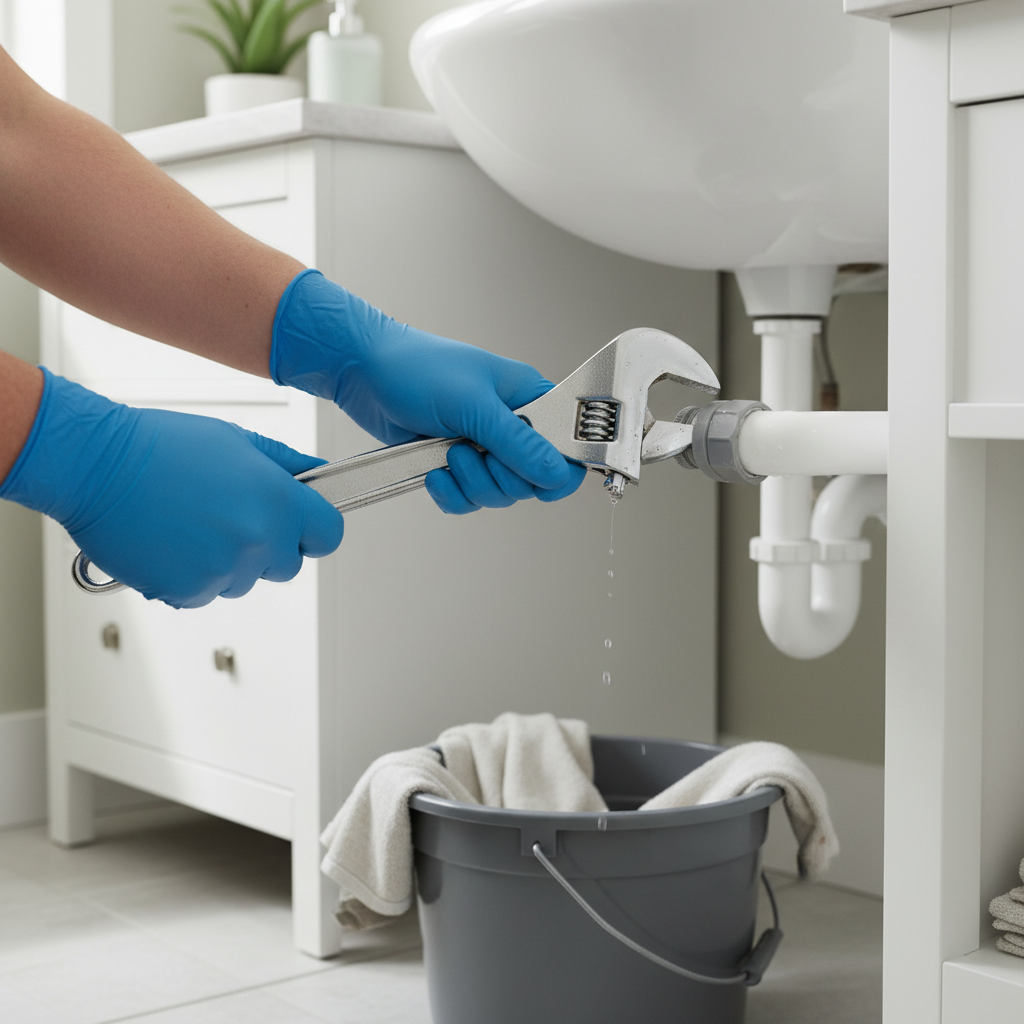
Prep Your Workspace — Grab your bucket and old towels. Put the bucket directly under the P-trap to catch any water or debris that'll come out. Lay down those old towels in case of spills. You don't want a watery mess on your nice vanity cabinet.
-
Clear Under the Sink — Empty out anything stored under the sink vanity. You'll need plenty of room to work, and you don't want cleaning supplies or toiletries getting soaked.
-
Inspect for Leaks (and Potential Problems) — Before you touch anything, quickly scan the P-trap and connections for any obvious leaks or cracks. If you see any, you might want to consider replacing the trap rather than just cleaning it. Sometimes the old plastic traps get brittle. If it's a chromed brass trap, check the slip nuts for corrosion.
-
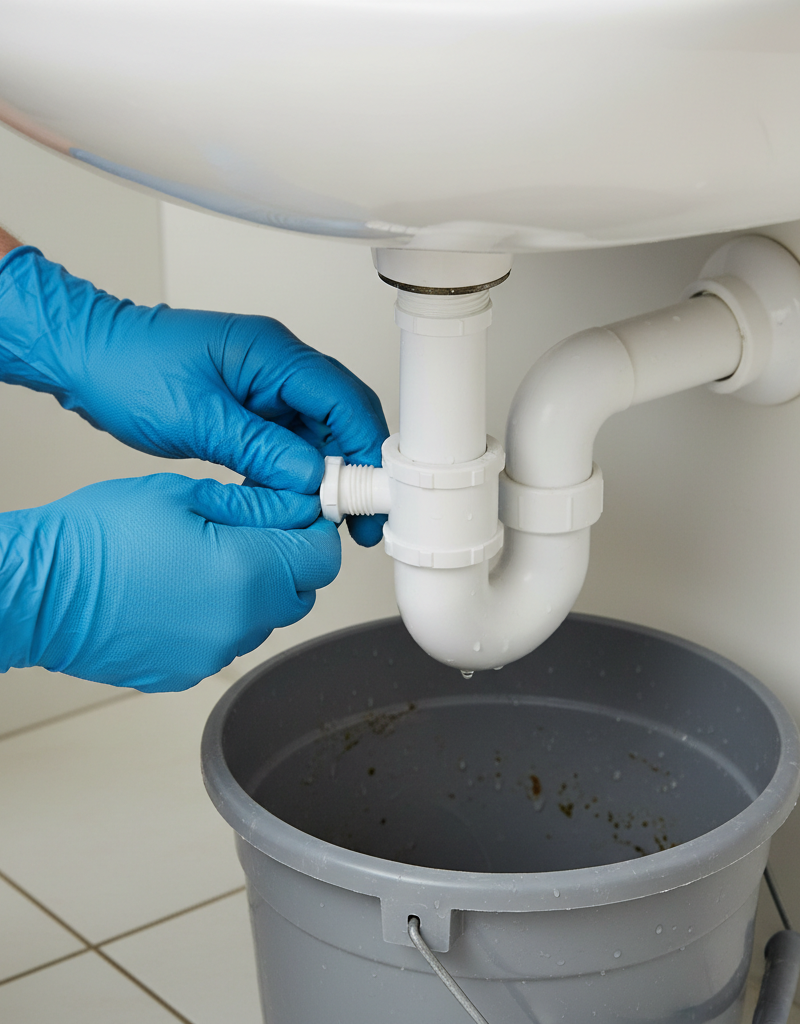
Disconnect the Slip Nuts — Using your adjustable wrench or channel locks, carefully loosen the slip nuts on both ends of the P-trap. One nut connects it to the tailpiece of the sink drain, and the other connects it to the drainpipe that goes into the wall. Don't crank on them too hard; older plastic can crack. If they're really stuck, a little penetrating oil can help, but gently is the key. You'll hear the last bit of water drain into your bucket as it comes loose.
-
Remove the P-Trap — Once both slip nuts are loose, gently twist and pull the P-trap away from the drain assembly. Be prepared for some grungy water and gunk to spill out. That's why you have the bucket! Sometimes gravity helps a lot here – you just have to lower it a bit and slide it out. Don't lose the rubber or plastic washers found inside the slip nuts; they're critical for a good seal.
-
Clean the P-Trap — Take the disconnected P-trap over to another utility sink or outside with a garden hose. Use your bottle brush or an old toothbrush to aggressively scrub the inside of the trap. Get rid of all that slimy buildup, hair, and soap residue. Flush it thoroughly with hot water. I've had to use a small coat hanger to fish out hairballs sometimes. You want that sucker squeaky clean.
-
Clean the Tailpiece and Wall Drain — While the P-trap is off, take a look at the tailpiece (the pipe coming straight down from the sink drain) and the opening of the drainpipe leading into the wall. Use your bottle brush or a bent wire to clear out any gunk you can reach from those areas too. Sometimes a good flush with hot water works wonders here. Pour a kettle of boiling water down the open wall drain before you reconnect the trap. Just be careful not to splash yourself.
-
Re-install the P-Trap — Carefully put the P-trap back in place, making sure those washers are seated correctly in the slip nuts. Hand-tighten the slip nuts first. Then, use your wrench or channel locks for a final quarter-turn tightening – just snug, not gorilla tight. Over-tightening can crack plastic or strip threads.
-
Test for Leaks — Turn on the hot water and let it run for a few minutes. Fill the sink up about halfway, and then pull the stopper to let it drain quickly. While it's draining, visually inspect all the connections on the P-trap for any drips or leaks. Feel around with a dry paper towel. If you see any, tighten the slip nuts a little more, but again, don't overdo it. If it still leaks after tightening, you might need new washers or a new trap. If you've got compression fittings it's usually the washers that are the issue, if it's threaded brass then sometimes the threads themselves can be corroded.
-
Run Hot Water & Odor Check — Once you're sure there are no leaks, run hot water down the drain for 5-10 minutes. This helps flush out any remaining bits and can also help dissipate lingering odors. If the smell persists, you might have a deeper clog or vent issue, which is when I'd start thinking about other options.
Common Causes
- Organic Buildup: This is the big one. Hair, soap scum, skin cells, toothpaste, and other personal care products combine to form a slimy, odor-producing sludge in the P-trap and drainpipe. It's literally decomposing goo.
- Dry P-Trap: If a sink isn't used for a long time (like in a guest bathroom or vacant property), the water in the P-trap can evaporate, breaking the water seal and allowing sewer gas to enter. This happened to a house I bought in the Elmwood Park area once – the seller hadn't used the guest bath in about two years!
- Vent Pipe Issues: A clogged or improperly installed vent pipe means your drain system can't properly equalize air pressure. This might cause water to be siphoned out of your P-trap, or it prevents gases from escaping the roof, leading to odors backing up. Think bird nests, leaves, or even sometimes construction debris.
- Bacteria in the Overflow: The overflow opening in your sink basin (the small hole near the top of the bowl) can also collect mold, mildew, and bacteria that generate odors. While not directly from the drain, the smell can seem like it is.
- Faulty Drain Stopper Assembly: If the pop-up stopper isn't sealing properly or is heavily caked with gunk, it can trap more debris and contribute to the smell right at the top of the drain.
- Sewer Line Problems: Less common for just one sink, but a cracked sewer pipe or a severe blockage further down the main line can manifest as odors in individual fixtures. This is definitely a
Related Articles
Keep troubleshooting with these hand-picked guides from FixlyGuide:
- The Nasty Truth About Your Smelly Bathroom Sink — And the 2-Ingredient Trick to Fix It — Uncover the hidden reasons behind that foul odor wafting from your bathroom sink drain and learn a simple, two-ingredient solution to banis…
- The 3 Hidden Reasons Your Bathroom Sink Stinks (And the 20-Minute Fix) — Uncover the surprising causes behind a foul-smelling bathroom sink drain and learn a simple, effective fix in just 20 minutes.
- The Nasty Truth: 3 Hidden Reasons Your Bathroom Sink Stinks (and the Easy Fix) — Unpleasant odors from your bathroom sink drain are often caused by common household culprits that are simple to identify and fix.
- The Nasty Truth About Your Smelly Bathroom Sink: It's Not Always the Drain — Uncover the surprising culprits behind your stinky bathroom sink and learn how to banish those foul odors with simple, effective troublesho…
- The Secret Culprit Behind Your Slow Sink Drain (It's Not Always Hair) — Uncover the surprising reasons your kitchen sink drains slowly and learn actionable steps to fix common clogs yourself.
- The $5 Part That Stops Your Dryer From Heating (And How to Replace It in 30 Min) — Discover the most common, inexpensive culprit behind a dryer not heating up and learn how to quickly diagnose and replace it yourself.
Should you do this yourself?
Answer five quick questions before you start. Safety outranks savings every time.
Your experience with work like this
How high do you have to work?
Does the job involve any of these?
Will it need a permit?
Specialty tools
Free and instant. Educational guidance only — not a quote, inspection, or professional diagnosis.
What should this project cost?
Enter your project details for a realistic cost range before you call anyone.
Common repairs run $150–$650; repipes and water-heater replacements reach $1,500–$4,500.
- Regional adjustment
- National average
- Labor share (typical)
- ~$754
- Quotes to collect
- 3 written estimates
Educational estimate based on national averages — not a binding quote. Always confirm with written local estimates.
Fixly Project Decision Box
- DIY difficulty
- Moderate
- Estimated time
- 30 minutes – half a day
- Cost level
- Moderate
Main tools / materials
- Adjustable wrench
- Plunger or drain auger
- Bucket and towels
- Thread tape
When to stop and call a pro
- Water you cannot shut off at the fixture or main
- Sewage backing up into more than one fixture
- Water near electrical panels or outlets
- Gas water heater work beyond relighting a pilot
Need professional help?
Get a Licensed PlumberBefore you start
Check the difficulty, permits, and safety risk — then decide whether to call a pro.
- Estimate this projectGet a cost range for your scope and ZIP before you call anyone.Open
- Get local estimatesSend one request and compare written estimates from vetted pros.Open
Free, no signup required. Estimates are educational guidance, not a quote or an inspection.
Get the print-ready PDF of this guide
A clean, ad-free, printable version you can keep on your phone or pin to the workshop wall. Free with a FixlyGuide account.
- Print-optimized layout
- Tools, materials & every step included
- Saved to your account
Frequently asked questions
Why does my bathroom sink smell like rotten eggs?+
That rotten-egg smell is usually hydrogen sulfide gas, a byproduct of anaerobic bacteria breaking down organic matter (like hair and soap scum) trapped in your P-trap or drainpipe. It's essentially decaying biological waste emitting gas directly into your bathroom.
Can a dry P-trap cause a bad smell?+
Yes, absolutely. The P-trap is designed to hold a small amount of water, creating a seal against sewer gases. If a sink isn't used for a long time, this water can evaporate, breaking the seal and allowing sewer odors to waft directly into your home. Running water for a minute or two can often fix this in rarely used sinks.
Is pouring bleach down the drain a good idea for smells?+
I don't recommend bleach. While it might temporarily mask odors, it doesn't effectively break down physical clogs, and it can actually damage some pipes or seals over time. Mixing bleach with other cleaners is also extremely dangerous. Stick to mechanical cleaning or enzymatic cleaners designed for drains.
What tools do I need to clean a P-trap?+
You'll primarily need a bucket, old towels, an adjustable wrench or channel locks, and a bottle brush or old toothbrush for scrubbing. Sometimes a pair of gloves can be handy too, as it can be a bit messy.
How often should I clean my bathroom sink drain to prevent smells?+
For heavily used bathroom sinks, I'd suggest a quick cleaning of the P-trap every 6-12 months. Regular flushing with hot water and baking soda/vinegar solutions can help maintain it between deeper cleans. For really problematic sinks, try every three months.
What is the overflow hole on my sink for, and can it cause smells?+
The overflow hole is a safety feature to prevent the sink from overflowing if the main drain is plugged and the faucet is left on. Yes, it can definitely cause smells! Gunk, mold, and mildew can build up inside the overflow channel, creating a musty odor that seems like it's coming from the drain itself. A small bottle brush or a shot of enzymatic cleaner can help here.
When should I call a plumber for a smelly sink?+
If you've cleaned the P-trap and the smell persists, or if you suspect a deeper issue like a clogged vent pipe, a cracked drainpipe, or a main sewer line problem, it's time to call a pro. Persistent bubbling, gurgling from multiple drains, or smells coming from various fixtures are also red flags.
Are chemical drain cleaners effective for odors?+
While some chemical drain cleaners can dissolve organic matter, I generally advise against them. They're harsh, can damage pipes (especially older ones), and often don't fully remove the source of the odor. Plus, if they don't work, you're left with caustic chemicals sitting in your pipes, making the plumber's job harder and more dangerous.
Can food disposal cleaner work for a bathroom sink?+
Some drain cleaners are safe for both kitchen and bathroom sinks, especially enzymatic ones. However, specific garbage disposal cleaners are often designed for food waste and may not be as effective against hair and soap scum in a bathroom sink. Always check the product label.
How can I prevent future sink odors?+
Regular maintenance is key. Try pouring a cup of baking soda followed by a cup of white vinegar down the drain once a month – let it sit for 30 minutes, then flush with hot water. Use a drain protector to catch hair, and avoid rinsing heavy grease or oils down the sink. Occasional flushing with boiling water can also help break down minor buildup.
Discussion
Loading comments…