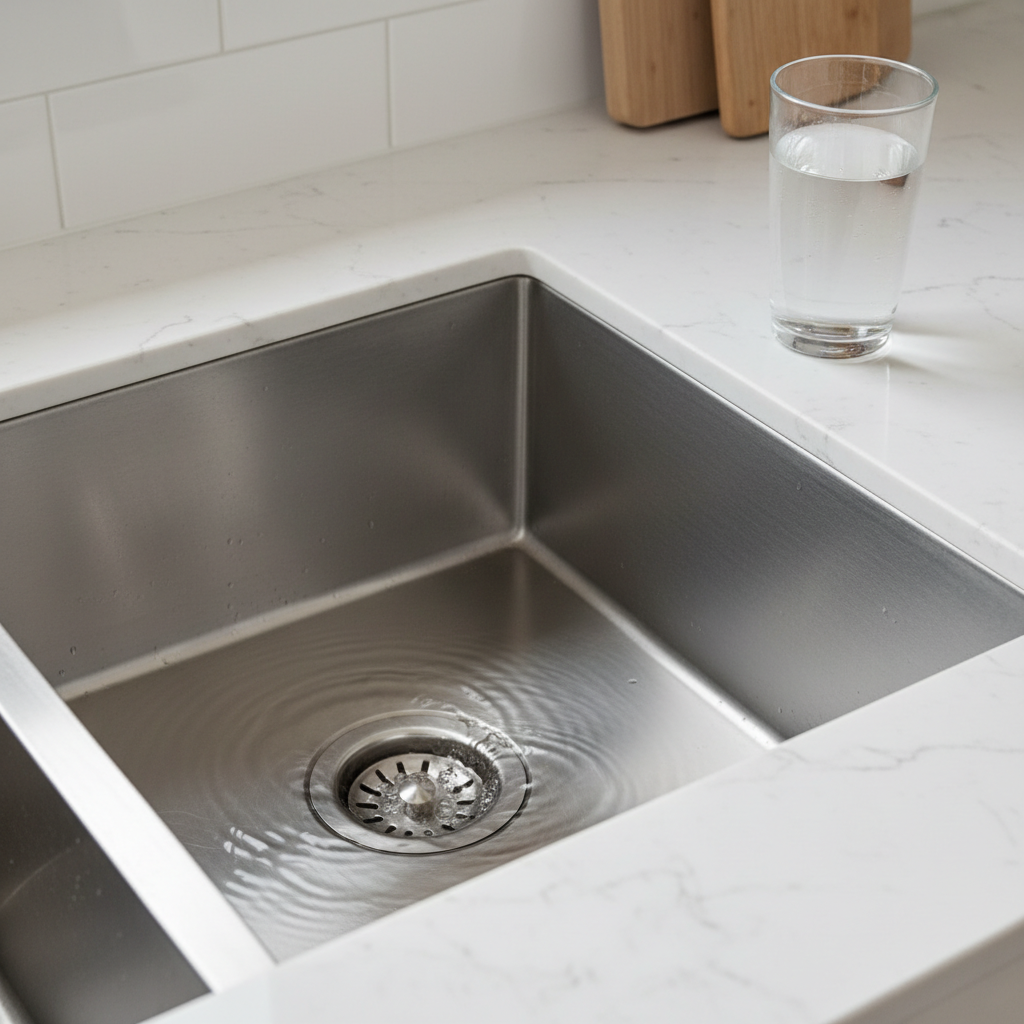
- Boiling Water Flush – A quick and easy first try
- Safety Note: Don’t splash boiling water on yourself.
- If this doesn't work: Move on to plunging.
Plumbing · Clog
| Project category | Plumbing |
|---|---|
| Problem type | Clog |
| Trade required | Plumbing |
| Urgency | Soon — within weeks |
| Safety risk | Low safety risk |
| DIY suitability | DIY friendly |
| Cost category | Low cost |
| Typical timeline | Same-day DIY attempt; pro visit within a day or two |
| Contractor type | Licensed plumber |
Repair option
Plunger, hand auger, or trap cleanout before chemicals.
Replacement option
Line replacement when clogs return in the same spot repeatedly.
Common causes
- Hair and soap buildup in the trap
- Grease cooling in the branch line
- Flushed wipes or foreign objects
Relevant tools:diy difficultydiy or hire a pro
Published August 3, 2026Last updated August 17, 2026
Tools & materials you'll need
Affiliate links- AmazonOld towels2-3
As an Amazon Associate FixlyGuide earns from qualifying purchases — at no extra cost to you. Prices and availability are accurate as of publication and subject to change.
Quick Answer
If your kitchen sink is taking its sweet time to drain, nine times out of ten it’s a partial clog. Usually it’s grease, food bits, and soap scum building up inside the pipe like barnacles on a hull. Before you panic and call a plumber, there are a few simple things you can try yourself to get that water moving again. Most of the time, it’s a quick fix and you won’t need fancy tools — but every now and then, you’ve gotta dig a little deeper.
The Problem
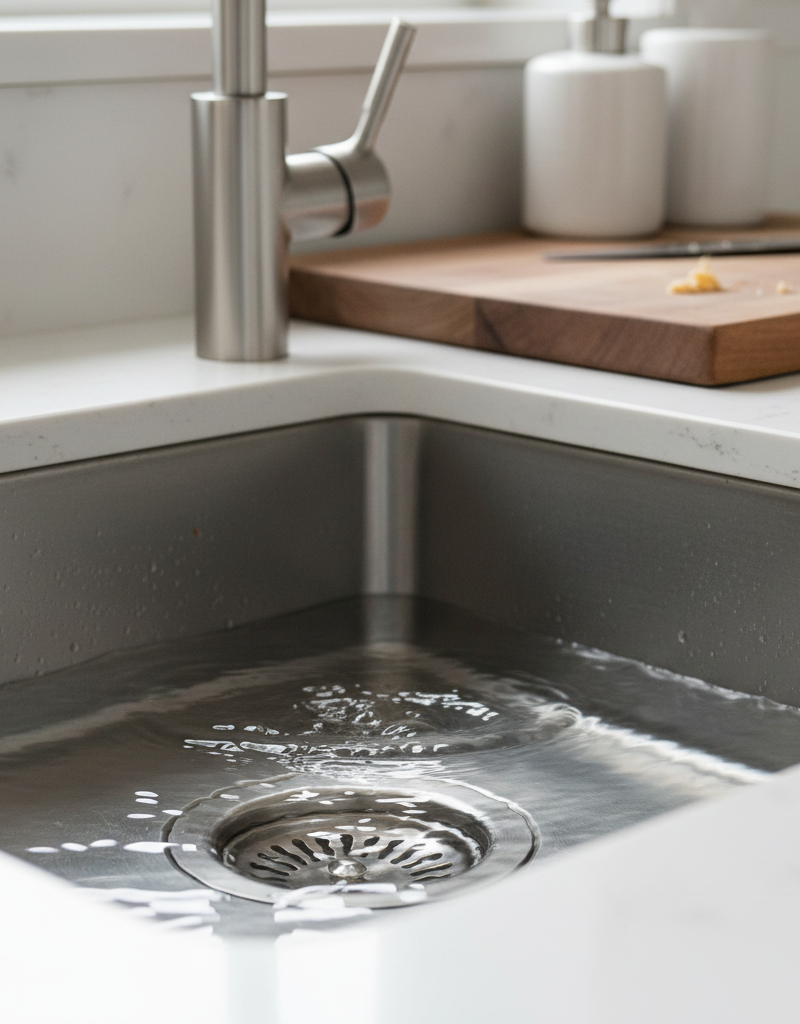
Picture this: you’ve just finished dinner, scraped the plates, and now you’re rinsing up. You pull the stopper, and the water just sits there. Or it swirls forever before finally, grudgingly, going down. That’s a slow-draining kitchen sink, and it’s one of the most common calls I get. It’s not just annoying; it’s a warning sign. Leave it alone, and that slow drain turns into a full blockage, then you’re dealing with standing water, possible overflows, and a much bigger mess. It can also start smelling awful and turn into a nice little bacteria factory. Real pleasant, right?
Now, most folks immediately think, "I've got a clog!" And yeah, you probably do. But the type of clog, and where it’s sitting, changes everything. Sometimes it’s right in the P-trap, easy to clean out. Other times it’s farther down the line, in the main branch, or it’s just a venting issue making the whole thing gurgle and crawl. Ignoring it won't make it better; it'll only give that grease and gunk more time to harden up and make your life harder.
How It Works
To really get why your sink is draining slow, you gotta have a basic handle on how the plumbing works. It ain’t rocket science, but there are a few moving parts. When you pour water down your sink, it goes through the drain opening, then the tailpiece, and into the P-trap. That P-trap is the U-shaped bend under the sink, and it does two jobs: first, it holds a little water that blocks sewer gas from coming back up into your kitchen. Second, it’s often where heavier junk like rings or small toys gets caught — which can be a blessing in disguise sometimes. From there, the water keeps moving down a branch drain line, then into the bigger main drain stack. That main stack carries wastewater from the whole house to the sewer or septic system.
Here’s the part folks miss: drainage isn’t just about water going down, it’s also about air getting in. As water flows, it creates negative pressure. If that pressure siphons the water out of your P-trap, you lose the seal and sewer gas comes along for the ride. That’s why plumbing needs venting. Vent pipes run up through the roof and let air into the system. If one gets blocked — leaves, a bird nest, whatever — air can’t get in, and now the sink starts gurgling and draining like molasses. Some homes, especially additions or island sinks, use an Air Admittance Valve (AAV) instead of a traditional vent pipe. That little mechanical cap opens to let air in when water drains, then closes to keep odors out. If it fails, it can act just like a slow drain.
So when your sink is slow, it’s usually one of two things: a physical clog, or a venting problem creating a vacuum. Knowing that helps you figure out where to start instead of just poking around and hoping for the best.
Step-by-Step Fix
Before you start, grab a couple old towels or a bucket. Trust me, you’ll be glad you did. And safety first: check for leaks and shut off your garbage disposal if you’ve got one before you stick your hands anywhere near the drain.
-
Boiling Water Flush – A quick and easy first try
Start with the easiest fix. Boil a big pot of water — about a gallon. If there’s standing water in the sink, bail out as much as you can first. Pour the boiling water down the drain slowly in two or three rounds, waiting a few minutes between pours. Sometimes that melts minor grease buildup right away. I’ve seen this clear bacon grease gunk in no time. Don’t use this method if you have PVC pipes and a complete blockage, since very hot water sitting there too long could cause damage, though a quick flush is usually fine.- Safety Note: Don’t splash boiling water on yourself.
- If this doesn't work: Move on to plunging.
-
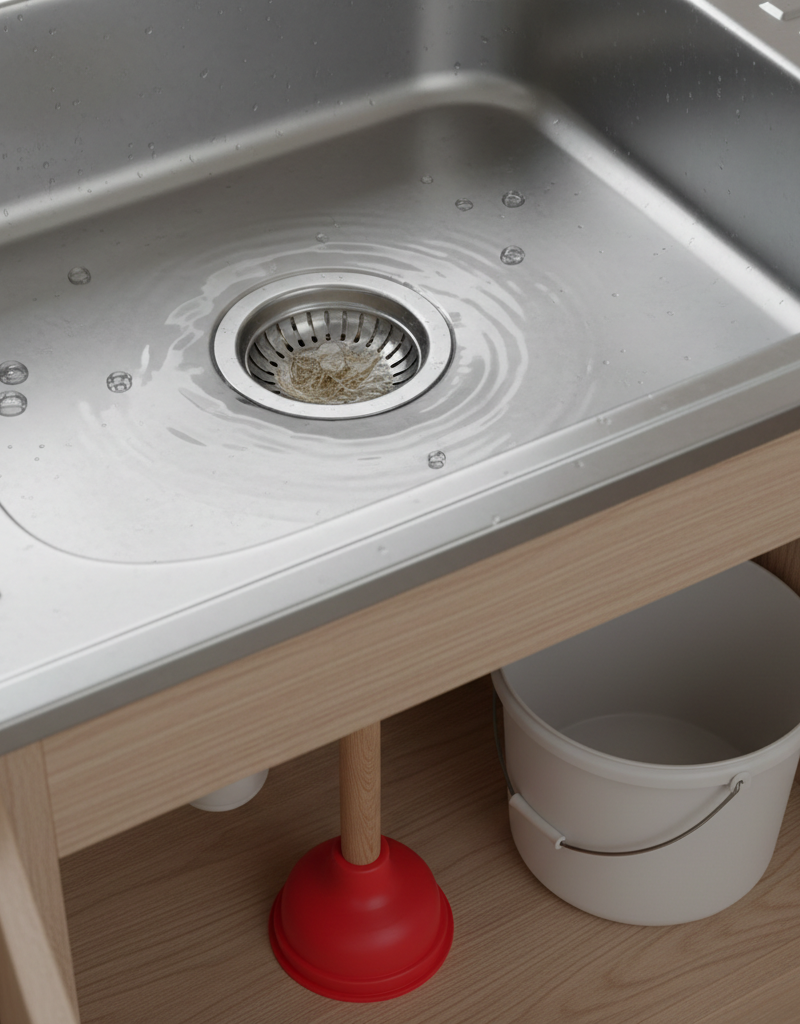
Plunger Power – The old reliable
For a kitchen sink, use a cup-style plunger, not the toilet kind. If you have a double sink, plug the other drain opening tight — a wet rag works, or a helper’s hand in a pinch. Fill the sink with an inch or two of hot water. Set the plunger square over the drain and make sure you’ve got a good seal. Plunge hard for 15-20 seconds, keep the seal, then yank it up quick to break the suction. Do that 3-4 times. You’re trying to jar the clog loose with pressure.- Tip: A little petroleum jelly around the plunger rim can help seal things up.
- If it still drains slow: The clog’s probably tougher or farther down.
-
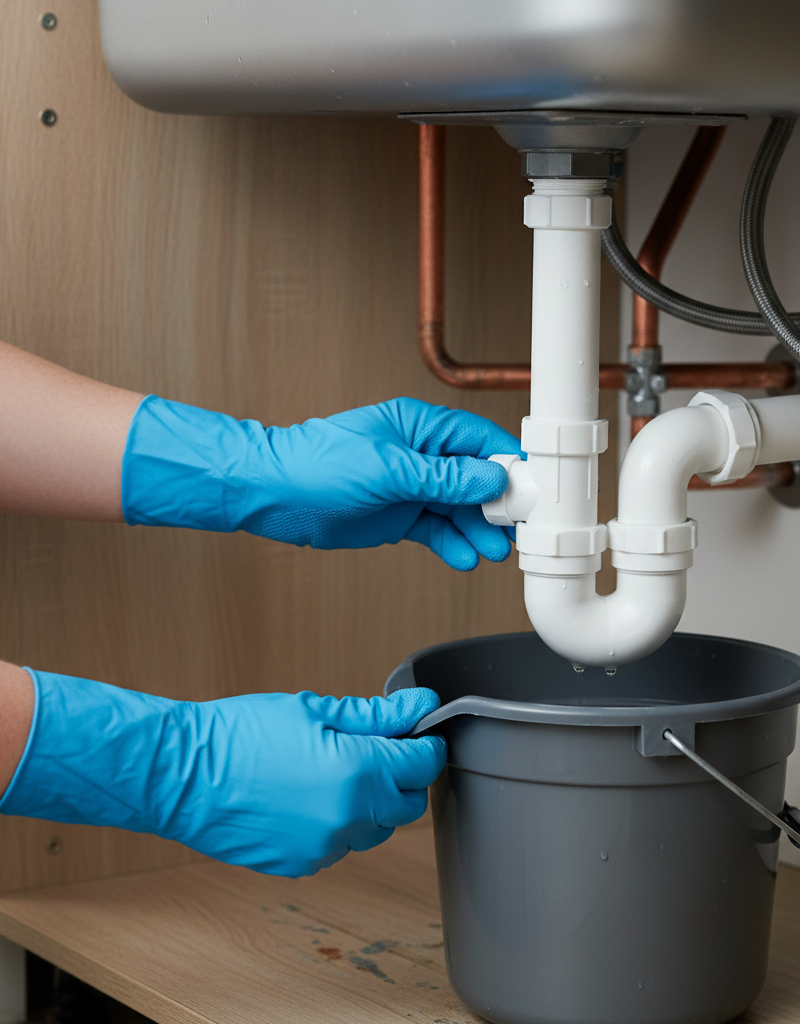
Clean the P-Trap – Where most kitchen clogs hang out
A big chunk of kitchen sink clogs live right here. Put a bucket directly under the P-trap. Use channel locks or an adjustable wrench to loosen the slip nuts on both ends. Most of these are plastic, so don’t crank them down like you’re tightening lug nuts later. Once they’re loose, remove the P-trap carefully. Be ready — there’s usually some nasty-smelling water and sludge in there. Use a stiff wire brush or an old toothbrush to clean out any gunk inside the trap and the connecting pipes. Put it back together, hand-tighten the nuts, then give them a quarter turn with your wrench. Run water and check for leaks.- Tools: Bucket, channel locks or adjustable wrench, wire brush.
- If you're squeamish: Rubber gloves help a lot.
- Important: Make sure the washers are seated right when you reassemble it, or you’ll be chasing leaks.
-
Snake the Drain (Kitchen Auger) – Reaching deeper clogs
If the P-trap looked fine or cleaning it didn’t help, the clog’s deeper in the drain line. You’ll need a drain snake, also called a hand auger. You can usually get a decent 25-foot one for about $20. Pull the P-trap off again. Feed the snake cable into the wall drain opening. Push it in until you hit resistance — that’s probably your clog. Tighten the thumbscrew on the snake to lock the cable, then crank the handle clockwise so the auger head bores through or grabs the blockage. Pull the cable back slow and see if it brings the mess with it. Sometimes you’ve gotta do that a few times.- Safety: Wear gloves. Don’t force the snake; if it binds up, back it out a bit and try again.
- If you hit serious resistance: You may be dealing with a main line issue.
-
Check the Garbage Disposal – Often overlooked culprit
If you’ve got a garbage disposal, it’s a usual suspect. First thing, kill the power at the breaker — seriously, do it. Shine a flashlight down into the disposal. If you see something obvious, like a spoon or fruit pit, pull it out with pliers or tongs. NEVER use your hand. If nothing’s visible, look for the reset button on the bottom of the unit, usually red. Push it. If it still hums but won’t grind, grab the hex wrench that came with it, or a 1/4-inch Allen wrench, and turn the flywheel manually from the center hole on the bottom.- Signs of a disposal issue: Grinding noise but no draining, humming with no action, or weird smells.
- If it's still not working: The motor may be burned out, or the clog’s farther downstream.
-
Assess the Air Admittance Valve (AAV) – The silent saboteur
If you’ve tried everything else and the sink is still slow, maybe gurgling too, the AAV could be bad. These are usually under the sink, tied into the drain line, or sometimes tucked in the wall. They look like a small mushroom cap. They’re supposed to open and let air in when water drains, then close up to keep sewer gas out. If one sticks shut, it creates a vacuum and the sink drains slow. To check it, you can tap it gently and see if it frees up. Better yet, unscrew it — usually hand-tight or with a pipe wrench — and see if the drain improves without it. If it does, the AAV’s toast and needs replacement. They’re cheap enough, usually around $15-$30, and they screw right on.- Tools: Pipe wrench (optional, for stubborn AAVs).
- Caution: Don’t leave the AAV off permanently, or sewer gas will come right into the house.
-
Consider Enzyme Cleaners (Carefully) – Not a magic bullet
I usually tell folks to stay away from chemical drain cleaners. They’re harsh, dangerous, and they often don’t fix a real clog anyway — sometimes they make the mess worse. Enzyme cleaners are different. They use bacteria that literally "eat" organic material like grease and food particles over time. They won’t bust through a sudden full blockage, but if you’re dealing with a sink that keeps slowing down from grease buildup, they can help maintain flow after you’ve cleared the main clog. Follow the directions exactly, which usually means pouring it in and letting it sit overnight.- Pro Tip: Use these once a month as prevention after things are flowing again.
- Don’t mix: Never use enzyme cleaners right before or after chemical drain cleaners; that can get ugly fast.
Common Causes
- Grease Buildup: This is the big one in kitchens. Hot grease goes down liquid, but once it cools, it hardens and sticks to the pipe walls, slowly choking off the flow. Then it grabs food particles, soap scum, and hair, and now you’ve got a sticky mess. I pulled a grease plug out of a sink in Northfield, MN, that was almost three feet long — looked like a candle made inside the pipe. Took me a good 45 minutes to get that thing out.
- Food Particles: Coffee grounds, rice, pasta, vegetable peels — even tiny bits add up. Disposals help, sure, but they don’t turn everything into soup, and those bits get trapped in grease.
- Soap Scum: Dish soap and hard water minerals can form a sticky coating that narrows the pipe over time.
- Foreign Objects: Bottle caps, toy pieces, utensils — they fall down there more often than you’d think and get hung up in the P-trap or farther out.
- Hair: Yep, even in the kitchen. Pet hair from washing dishes, or long human hair, can tangle up with grease and make a nasty clog.
- Vent Pipe Blockage: Like I said earlier, a blocked vent pipe from leaves, nests, or even ice in cold climates keeps air out of the system and makes the sink gurgle and drain slow. Older homes get hit with this a lot.
- Failing Air Admittance Valve (AAV): If your setup uses an AAV, it can wear out or stick, and that creates a vacuum in the drain line that looks like a clog.
- Damaged or Improperly Pitched Pipes: Not as common with a sudden slow drain, but older corroded pipes or pipes with bad slope won’t drain right and they’ll keep clogging up. That’s usually a pro job.
Common Mistakes
- Pouring Chemical Drain Cleaners Down Repeatedly: Big mistake. Those harsh chemicals can damage your pipes, especially older ones, and they’re nasty dangerous if they splash back. And if they don’t work, now you’ve just made a toxic stew for the plumber. Skip that headache.
- Ignoring the Smell: A slow drain that stinks usually means organic stuff is rotting in there. Ignore it long enough and it gets worse, plus it can bring pests around.
- Not Protecting Other Drains: When you plunge a double sink and don’t block the other side, you’re just moving air back and forth. Same thing with a dishwasher line tied to the disposal — seal that off temporarily.
- Over-tightening Plumbing Nuts: When you put the P-trap back together, it’s easy to overdo it with plastic slip nuts and crack them. Hand-tight, then a quarter turn with a wrench is usually enough.
- Using the Wrong Tools: A toilet auger won’t do the trick on a kitchen drain. You need a drain snake with a smaller, more flexible cable.
- Forcing a Drain Snake: If the snake hits a wall, don’t just muscle it harder. You could damage the pipe or get the snake stuck. Back it out, rotate it, or call somebody who does this all day.
Cost & Time Breakdown
| Task | DIY Cost | Pro Cost | Time |
|---|---|---|---|
| Boiling Water Flush | $0 | N/A | 5–10 min |
| Plunging | $0 (if you have one) | N/A | 10–15 min |
| P-Trap Cleaning | $0–$5 (for brush) | $150–$250 | 20–30 min |
| Snaking the Drain | $20–$30 (for auger) | $200–$400 | 45–90 min |
| Garbage Disposal Troubleshooting | $0 | $100–$200 | 15–30 min |
| AAV Replacement | $15–$30 | $180–$300 | 20–40 min |
Tips & Prevention
- Scrape Plates Thoroughly: First line of defense. Scrape all the food scraps into the trash or compost before you rinse the plates. Think of your drain as something that can't chew.
- Avoid Pouring Grease: Never, ever dump cooking grease or oil down the drain. Let it cool, harden, and scrape it into the trash. That’s the biggest cause of kitchen clogs, hands down. I tell homeowners around Minnetonka that this one habit alone can save them hundreds, if not thousands, in plumbing bills over the years.
- Use a Drain Strainer: A simple mesh strainer catches bigger food bits before they ever reach the P-trap. Clean it out regularly.
- Run Hot Water After Use: After you wash dishes, let hot water run for about 30 seconds to a minute. It helps move leftover particles and keeps grease liquid longer so it can keep traveling.
- Regular Enzyme Treatment: Think about using an enzyme-based drain cleaner once a month as prevention, especially if you’ve got an older home or you’ve fought slow drains before. These products slowly break down organic matter.
- Baking Soda and Vinegar Flush (Maintenance): This isn’t a clog remover, but it’s a decent maintenance trick. Pour 1/2 cup of baking soda down the drain, then 1/2 cup of white vinegar. Let it fizz for 15-20 minutes, then flush with hot water. It helps freshen things up and can loosen minor buildup.
- Know Your Venting: If you keep hearing gurgling and the drains are slow, especially in an addition, the venting system may be the real issue. A simple roof vent check for blockages can make a world of difference.
When to Call a Professional
Look, I’m all for DIY, but there are times when you need to set the wrench down and call a pro. If you’ve already gone through the steps above — plunging, cleaning the P-trap, snaking the drain — and the water is still draining slowly, or not draining at all, it’s time to get help. If you think the clog is deep in the main drain line, or you’re seeing slow drainage in multiple fixtures like a slow kitchen sink and a slow bathroom sink, that usually points to a main line blockage. That calls for bigger equipment like a heavy-duty auger or hydro-jetting. And if you’re not comfortable working under the sink, or you’ve got persistent gurgling you can’t trace to an AAV, a licensed plumber can figure out vent problems or pipe issues like corrosion or bad slope. Don’t wait for a full backup; calling early can save you a bigger mess and a lot more money later.
Related Articles
Keep troubleshooting with these hand-picked guides from FixlyGuide:
- The Secret Culprit Behind Your Slow Sink Drain (It's Not Always Hair) — Uncover the surprising reasons your kitchen sink drains slowly and learn actionable steps to fix common clogs yourself.
- The #1 Mistake Homeowners Make with a Slow Kitchen Drain (And the Easy Fix) — A slow kitchen sink drain is frustrating, but often it's a simple fix homeowners overlook by focusing on the wrong culprits.
- The #1 Mistake Homeowners Make with a Slow Kitchen Sink (And Its Dead Simple Fix) — Before you reach for harsh chemicals, learn the most common, easily fixable reason your kitchen sink is draining slowly and how to fix it y…
- The #1 Mistake Homeowners Make with a Slow Kitchen Drain (and How to Undo It) — A slow kitchen sink drain is a common and frustrating problem, but often stems from a single preventable mistake that's easily fixed with t…
- The #1 Mistake Homeowners Make with a Slow Kitchen Drain (And the Simple Fix) — A slow kitchen sink drain is frustrating, but often an easy fix if you avoid common mistakes and know where to look first.
- That Ceiling Stain Isn't a Leak: 5 Hidden Causes — A mysterious ceiling stain can be alarming, especially when there's no active leak. The real culprits are often hidden issues like attic co…
What should this project cost?
Enter your project details for a realistic cost range before you call anyone.
Common repairs run $150–$650; repipes and water-heater replacements reach $1,500–$4,500.
- Regional adjustment
- National average
- Labor share (typical)
- ~$754
- Quotes to collect
- 3 written estimates
Educational estimate based on national averages — not a binding quote. Always confirm with written local estimates.
Fixly Project Decision Box
- DIY difficulty
- Moderate
- Estimated time
- 30 minutes – half a day
- Cost level
- Moderate
Main tools / materials
- Adjustable wrench
- Plunger or drain auger
- Bucket and towels
- Thread tape
When to stop and call a pro
- Water you cannot shut off at the fixture or main
- Sewage backing up into more than one fixture
- Water near electrical panels or outlets
- Gas water heater work beyond relighting a pilot
Need professional help?
Get a Licensed PlumberGet the print-ready PDF of this guide
A clean, ad-free, printable version you can keep on your phone or pin to the workshop wall. Free with a FixlyGuide account.
- Print-optimized layout
- Tools, materials & every step included
- Saved to your account
Frequently asked questions
Why is my kitchen sink draining slowly but not completely clogged?+
A slow drain usually means there's a partial blockage. This is often a buildup of grease, food particles, and soap scum that has narrowed the inside of your pipes, allowing some water through but slowing down the flow significantly.
Can boiling water fix a slow kitchen drain?+
Sometimes! Boiling water can melt minor grease buildups and dislodge small obstructions. Pouring a gallon of boiling water in stages can often clear a slight slowdown, but it won't work on major clogs. Be cautious with PVC pipes and complete blockages.
What's the most common cause of a slow kitchen sink drain?+
Without a doubt, it's grease and food particle accumulation. Over time, cooking grease solidifies in your pipes, acting like a magnet for other debris like coffee grounds, rice, and soap scum, creating a stubborn clog.
Should I use chemical drain cleaners for a slow drain?+
I strongly advise against chemical drain cleaners. They're corrosive, can damage your pipes (especially older ones), and often don't solve the real problem. If they don't work, you're left with dangerous chemicals in your drain that a plumber then has to deal with.
How do I know if my garbage disposal is causing the slow drain?+
If your sink drains slowly only when you use the disposal, or if the disposal hums but doesn't grind, it's a good sign it's contributing. Check for jams by turning off the power and looking inside, or try hitting the reset button on the bottom of the unit.
What's an Air Admittance Valve (AAV) and how can it affect drainage?+
An AAV is a mechanical vent that lets air into your drain system to prevent a vacuum, then closes to block sewer gas. If it fails and gets stuck closed, it starves the drain of air, leading to gurgling and very slow drainage, mimicking a clog.
When should I call a plumber for a slow kitchen drain?+
If you've tried plunging, cleaning the P-trap, snaking the drain, and troubleshooting your disposal and AAV, and the problem persists, it's time for a pro. Also, if multiple drains in your home are slow, it often indicates a main line issue requiring specialized equipment.
Can baking soda and vinegar clear a slow drain?+
Baking soda and vinegar create a fizzing reaction that can help loosen minor buildups and deodorize your drain. It's more effective as a preventative maintenance step or for very minor clogs, rather than a solution for a significant slow drain.
How can I prevent my kitchen sink from draining slowly in the future?+
Scrape all food scraps into the trash before rinsing dishes, and *never* pour cooking grease down the drain – let it cool and dispose of it in the trash. Using a drain strainer and running hot water after each use also helps prevent buildup.
Discussion
Loading comments…