- Tools: Standard cup plunger (for single-bowl sinks) or a specialized kitchen plunger with a flat bottom.
- Fill the sink with enough water to cover the plunger cup. This creates a seal.
- If you have a double sink, block the other drain securely with a stopper or a wet rag to ensure maximum suction.
- If you have a dishwasher connected to the garbage disposal or drain, seal off the air gap or dishwaser connection at the sink to avoid pushing water out of it.
- Place the plunger firmly over the drain, ensuring a good seal. Pump vigorously for 15-20 seconds, maintaining the seal.
Plumbing · Leak
| Project category | Plumbing |
|---|---|
| Problem type | Leak |
| Trade required | Plumbing |
| Urgency | Emergency — act now |
| Safety risk | High safety risk |
| DIY suitability | DIY for experienced homeowners |
| Cost category | Low cost |
| Typical timeline | Shut water off now; repair usually same or next day |
| Contractor type | Licensed plumber |
Repair option
Isolate at the shutoff, replace the failed component, and dry the cavity fully.
Replacement option
Repipe the run or the branch when corrosion is widespread.
Common causes
- Failed supply line or shutoff valve
- Worn washers, cartridges, or P-trap connections
- Pinhole corrosion in older copper
Relevant tools:emergency checklistdiy or hire a pro
Published April 25, 2026Last updated August 17, 2026
Tools & materials you'll need
Affiliate linksAs an Amazon Associate FixlyGuide earns from qualifying purchases — at no extra cost to you. Prices and availability are accurate as of publication and subject to change.
Quick Answer
A slow kitchen sink drain is most frequently caused by a clog of grease, food debris, and soap scum accumulating in the P-trap or further down the drain line. While frustrating, many homeowners can resolve this issue with a few simple diagnostic steps and common tools. The most effective DIY solutions include manually clearing the P-trap, using a small drain snake to clear blockages, or applying an enzymatic drain cleaner. It's crucial to avoid corrosive chemical drain cleaners, as they rarely solve the deep-rooted problem and can damage your pipes.
The Problem
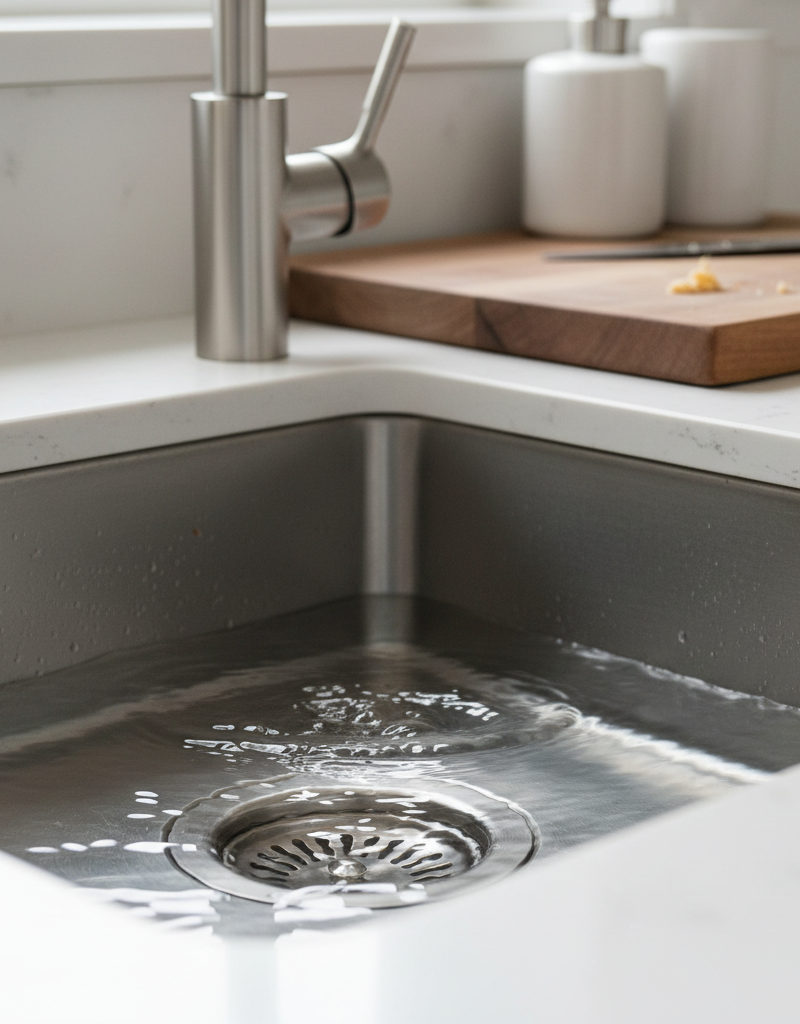
You know the drill: you’re washing dishes, and the water starts to pool in the sink, taking ages to disappear. A slow kitchen drain isn’t just an annoyance; it’s a warning sign. Left unaddressed, it can escalate into a complete clog, leading to overflowing sinks, potential water damage, and a much more complicated, costly repair. The typical culprit is an accumulation of organic matter – grease from cooking, bits of food, coffee grounds, and hardened soap scum – that gradually coats the interior of your drainpipes, narrowing the passageway until water struggles to pass through. This isn’t a sudden event; it’s a slow stranglehold on your plumbing.
How It Works
Understanding your kitchen sink drainage system is key to troubleshooting. When water leaves your sink basin, it first enters the drain opening, often protected by a strainer. It then flows down into the tailpiece, which connects to the P-trap. The P-trap is the U-shaped section of pipe directly under the sink. Its primary function is to hold a small amount of water, creating a seal that prevents sewer gases from entering your home. This is also where many clogs initially form and accumulate because heavy debris settles in the bend.
After the P-trap, the drain line connects to a horizontal branch drain that eventually ties into the main waste stack of your home. This branch drain carries wastewater from your kitchen (and sometimes other fixtures like a dishwasher, which often drains into the same line via an air gap or direct connection) to the main sewer line. All these pipes rely on gravity to move water and waste efficiently. Any impediment – be it a fatty globule of grease, a rogue piece of food, or a build-up of mineral deposits and soap scum – reduces the internal diameter of the pipe, increasing friction and slowing the flow. Dishwashers, in particular, contribute to this problem as they often introduce fine food particles and hot, greasy water into the system, which can cool and solidify further down the line, exacerbating existing blockages or creating new ones. The type of piping also plays a role; older cast iron pipes, for instance, have rougher interior surfaces that can trap debris more easily than smoother PVC pipes.
Step-by-Step Fix
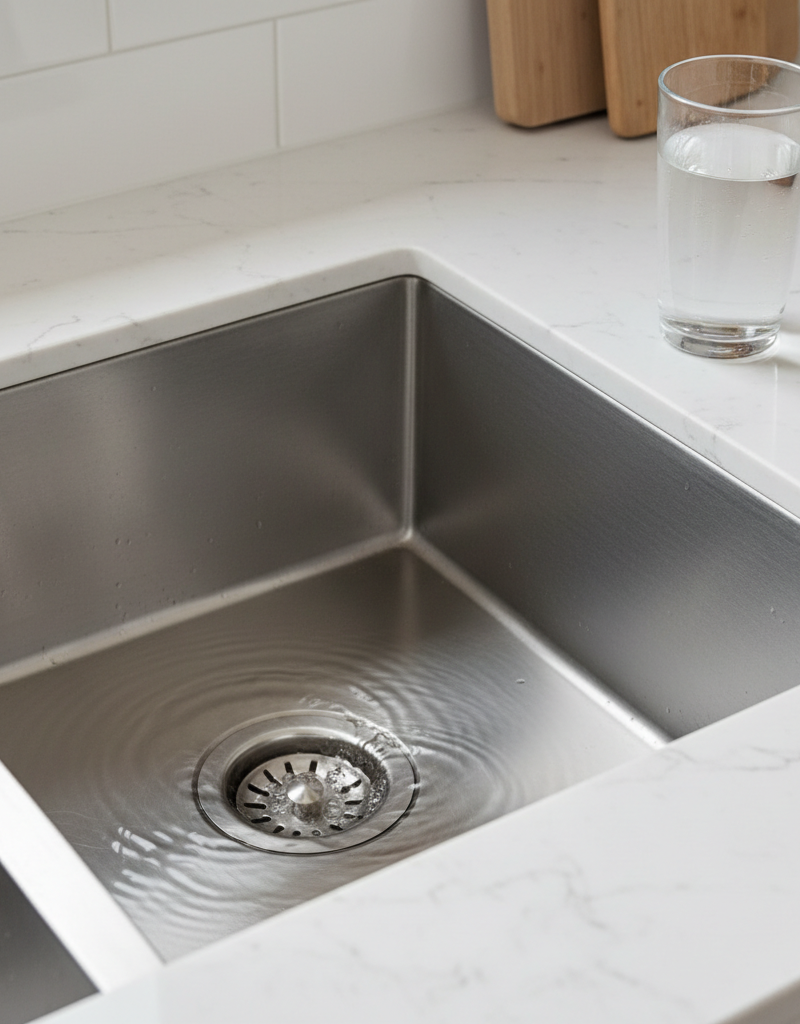
1. Clear the Strainer and Drain Opening — Start with the simplest potential issue.
- Remove any visible debris like food particles, hair, or congealed grease from the sink strainer and around the drain opening. Use gloves if necessary.
- Run hot water for a minute to see if a minor blockage dislodges. This often works for very fresh, small clogs.
2. Plunge the Drain — A trusty plunger can dislodge many common clogs.
- Tools: Standard cup plunger (for single-bowl sinks) or a specialized kitchen plunger with a flat bottom.
- Fill the sink with enough water to cover the plunger cup. This creates a seal.
- If you have a double sink, block the other drain securely with a stopper or a wet rag to ensure maximum suction.
- If you have a dishwasher connected to the garbage disposal or drain, seal off the air gap or dishwaser connection at the sink to avoid pushing water out of it.
- Place the plunger firmly over the drain, ensuring a good seal. Pump vigorously for 15-20 seconds, maintaining the seal.
- Quickly pull the plunger up to break the seal. Check if the water drains faster. Repeat several times if needed.
- If this doesn't work: The clog is likely beyond the immediate reach of the plunger, or it's too dense.
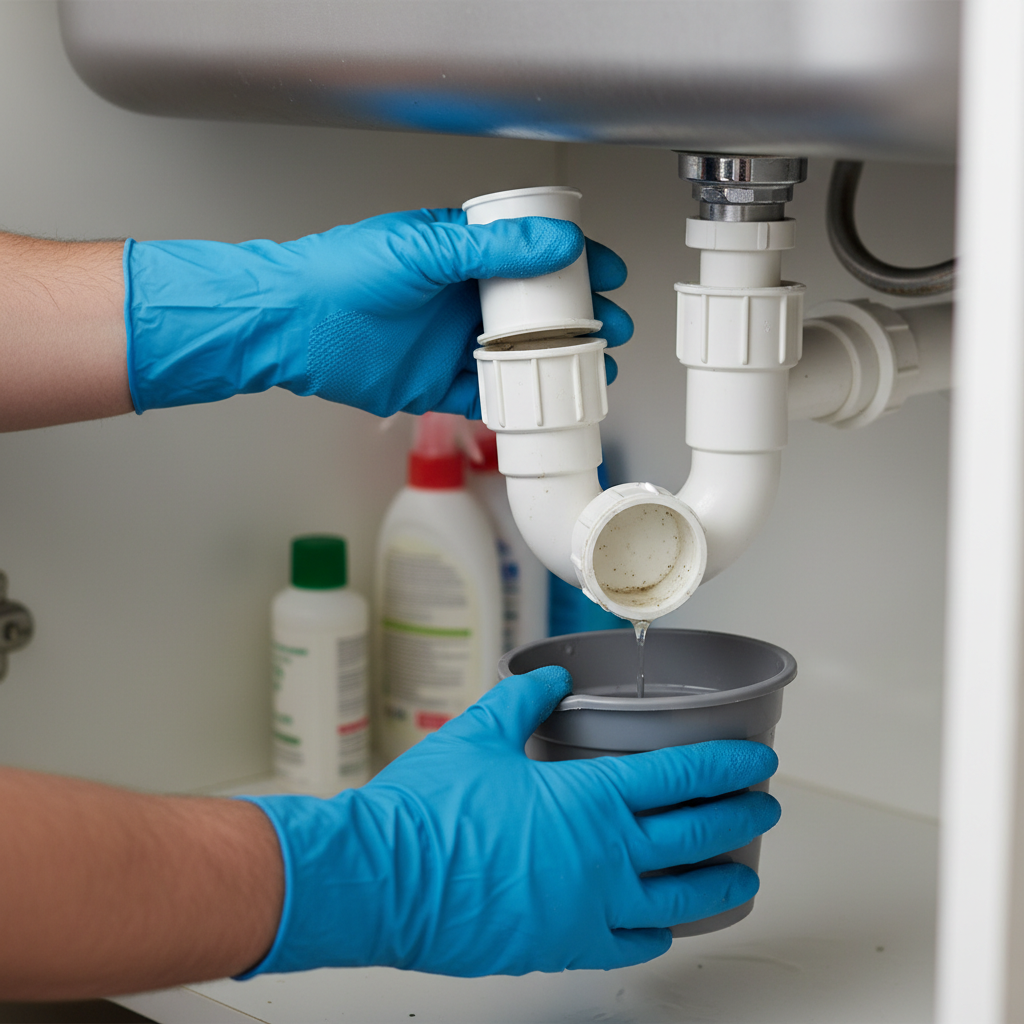
3. Clean the P-Trap — The P-trap is a common collection point for clogs.
- Safety First: Place a bucket and old towels directly underneath the P-trap to catch any water and debris. Wear rubber gloves to protect your hands.
- Tools: Slip-joint pliers or adjustable wrench.
- Locate the P-trap, the U-shaped pipe directly below the sink. If you have a garbage disposal, it will be after the disposal, connecting to the main drain.
- Carefully loosen the slip nuts on both ends of the P-trap using slip-joint pliers or an adjustable wrench. Some modern P-traps are hand-tightened.
- Slowly remove the P-trap, allowing the water and debris to drain into the bucket.
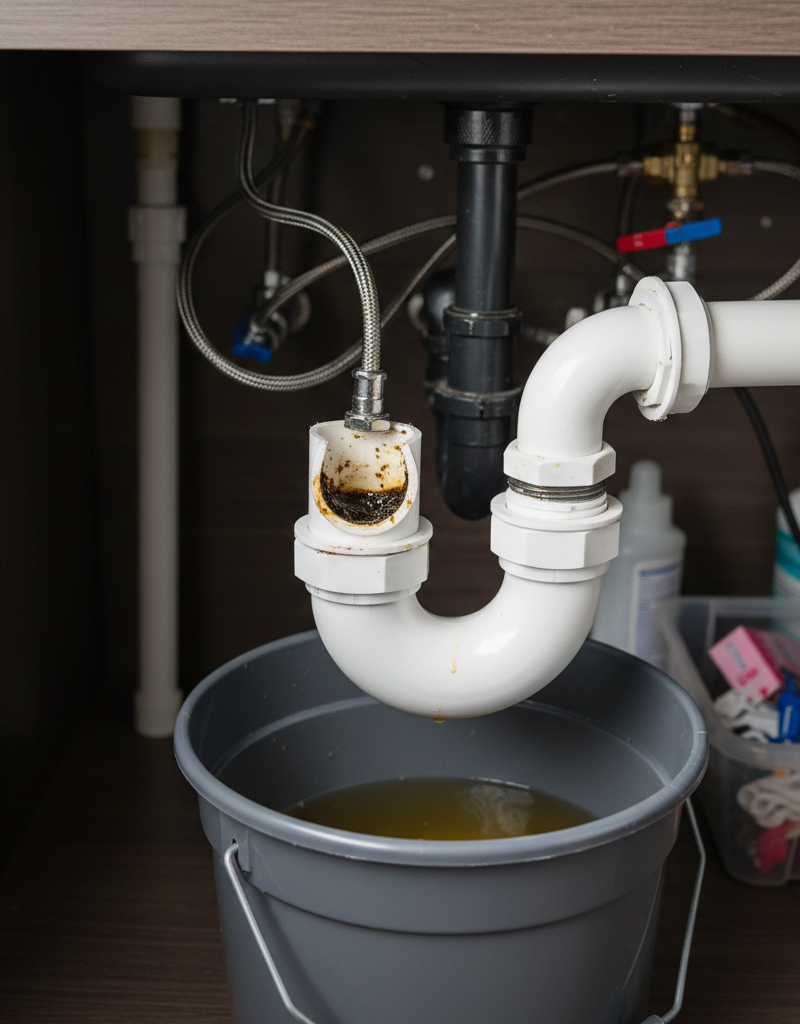
- Inspect the inside of the P-trap and the connecting pipes for clogs. Use a wire coat hanger, screwdriver, or stiff brush to dislodge and remove any accumulated grease, food, or other gunk.
- Clean the P-trap thoroughly with hot, soapy water.
- Reconnect the P-trap, ensuring the slip nuts are hand-tightened, then gently snugged with pliers – do not overtighten, as this can crack plastic pipes or strip threads.
- Run water slowly at first to check for leaks, then increase flow.
- If this doesn't work: The clog is further down the drain line.
4. Use a Drain Snake (Hand Auger) — For deeper clogs beyond the P-trap.
- Safety First: Wear work gloves and eye protection. Clear the area around the sink.
- Tools: Small hand auger or drain snake (1/4-inch by 25-foot is usually sufficient for kitchen sinks).
- If you haven't already, remove the P-trap to gain direct access to the drain opening leading into the wall.
- Feed the snake's cable into the drain opening. Push it gently until you feel resistance, which indicates the clog.
- Once you hit the clog, tighten the setscrew on the snake to lock the cable. Crank the handle clockwise, pushing and rotating the snake to break up or hook the clog.
- Continue feeding, rotating, and pulling back the cable, slowly working through the blockage. You might feel the snake breaking through the obstruction.
- Once you believe the clog is clear, slowly pull the snake out, cleaning any debris off the cable as you go.
- Reassemble the P-trap and run hot water for several minutes to flush the line.
- If this doesn't work: The clog is either very stubborn, too far down the line for a hand snake, or a more serious blockage.
5. Try an Enzymatic Drain Cleaner (Last Resort for DIY) — A safer alternative to chemical drain cleaners.
- Safety First: Read and follow all manufacturer instructions carefully. Wear gloves and eye protection.
- This method is best for slow drains caused by organic buildup, not hard clogs. It uses beneficial bacteria and enzymes to break down organic matter over several hours or overnight.
- Pour the recommended amount of enzymatic cleaner down the drain, typically before bed, and avoid using the sink for 6-8 hours.
- Flush with hot water in the morning.
- If this doesn't work: It's time to consider professional help.
Common Causes
- Grease Accumulation: The most prevalent cause. Hot grease poured down the drain cools and solidifies, coating pipe interiors and trapping other debris.
- Food Particles: Small scraps of food, particularly fibrous items, coffee grounds, and starchy foods like pasta or rice, can accumulate and swell, forming stubborn clogs.
- Soap Scum and Detergent Residue: Over time, soap and detergent residues combine with minerals in the water, forming a sticky film that traps other debris.
- Garbage Disposal Misuse: Overloading the disposal, putting in non-disposable items (like coffee grounds, eggshells, or fibrous vegetables), or not running enough water can lead to clogs.
- Hard Water Deposits: In areas with hard water, mineral deposits can build up inside pipes, narrowing the drain and catching debris.
- Foreign Objects: Accidental dropping of small utensils, bottle caps, or other non-food items can create an instant blockage.
Common Mistakes
- Using Chemical Drain Cleaners: These harsh chemicals often don't fully clear the clog, can damage pipes (especially older ones or those with rubber seals), corrode drain components like garbage disposals, and pose significant safety risks. They can also make subsequent professional repair more hazardous for the plumber.
- Ignoring a Slow Drain: Waiting until the drain is completely blocked makes the problem much harder to resolve. Address slow drainage promptly.
- Running Too Little Water with a Garbage Disposal: Always run a strong stream of cold water for at least 30 seconds before, during, and after using your garbage disposal to ensure all food particles are flushed adequately down the drain.
- Overtightening P-Trap Nuts: When reassembling, overtightening plastic slip nuts can cause them to crack, leading to leaks. Snug them by hand, then a quarter-turn with pliers.
- Forcing the Drain Snake: If the snake encounters significant resistance, don't force it. You could damage the pipe or get the snake stuck. Gently rotate and work it, or try pulling it back slightly and re-feeding.
- Pouring Grease Down the Drain: Even small amounts of liquid grease will solidify. Collect grease in a disposable container and throw it in the trash.
Cost & Time Breakdown
| Task | DIY Cost | Pro Cost | Time |
|---|---|---|---|
| Plunging the drain | $0 | N/A | 5-10 minutes |
| Clearing the P-trap | $0 | $75–$150 | 20–40 minutes |
| Hand auger/snaking the drain | $0–$30 | $150–$300 | 30–60 minutes |
| Enzymatic cleaner application | $15–$25 | Included in pro service | 8–12 hours (inactive) |
| Main line hydro-jetting | N/A | $300–$600+ | 1–3 hours |
Tips & Prevention
- Scrape Plates Thoroughly: Before washing dishes, scrape all food scraps into the trash or compost, not down the drain.
- Manage Grease: Never pour cooking grease, fats, or oils down the drain. Let them cool and solidify, then scrape them into the trash.
- Use Strainers: Always use a sink strainer to catch food particles, coffee grounds, and other debris before they enter the drain.
- Regular Hot Water Flush: Periodically (e.g., once a week), run very hot water down your drain for a few minutes, especially after using the garbage disposal, to help flush away minor grease buildup.
- Ice and Salt for Disposals: Grind ice cubes and a cup of rock salt in your garbage disposal once a month. This helps to scour the blades and interior walls, preventing buildup. Follow with a cold water flush.
- Consider Enzymatic Maintenance: For older homes or those prone to slow drains, a monthly or bimonthly application of an enzymatic drain cleaner can help maintain clear pipes.
When to Call a Professional
While many slow kitchen drains can be fixed by the homeowner, there are clear indicators when it's time to call a licensed plumber. If you've followed all the steps above – plunging, clearing the P-trap, and using a hand auger – and the drain remains slow or completely blocked, the clog is likely further down the main branch line or even in the household's main sewer line. This can be complex, requiring specialized equipment like a much longer power auger or hydro-jetting to clear. Additionally, if you notice slow drains in multiple fixtures throughout your home (bathroom sinks, tubs, toilets), it strongly suggests a main sewer line blockage, which is definitely a job for a professional. Persistent foul odors, gurgling sounds from other drains when the kitchen sink drains, or visible sewage backup are also critical signs that you need expert intervention. A plumber can accurately diagnose the issue without damaging your pipes and provide a lasting solution.", meta_title="The #1 Mistake with a Slow Kitchen Drain (And the Simple Fix)", meta_description="Discover why your kitchen sink drains slowly and the simple fixes homeowners often overlook. Avoid common mistakes and learn how to clear clogs safely.", keywords=["slow kitchen drain", "kitchen sink clog", "fix slow drain", "clear p-trap", "drain snake kitchen", "grease clog", "kitchen drain troubleshooting", "enzymatic drain cleaner"], faq=[default_api.CreateArticleFaq(question="Why is my kitchen sink draining slowly but not completely clogged?", answer="A slow drain indicates a partial blockage, typically from grease, food particles, and soap scum that have built up over time, narrowing the pipe
Related Articles
Keep troubleshooting with these hand-picked guides from FixlyGuide:
- Dishwasher Not Draining? Easy Fixes for a Clogged Drain — A dishwasher that won't drain at the end of a cycle is a common problem, often caused by simple clogs or blockages that homeowners can fix…
- Refrigerator Leaking Water? Easy Fixes for Common Causes — A refrigerator leaking water on the floor is a common household problem often caused by a clogged defrost drain or a misaligned drain pan,…
- The #1 Mistake Homeowners Make When Their AC Drain Clogs (And The $5 Fix) — Discover the most common error homeowners make when tackling a clogged AC drain line and learn a simple, inexpensive solution to prevent co…
- The Nasty Truth About Your Smelly Bathroom Sink — And the $5 Fix — A persistent foul odor from your bathroom sink drain is often caused by a forgotten gunk buildup that's easy to eliminate with basic househ…
- Toilet Keeps Clogging? Common Causes & Easy Fixes for Homeowners — A toilet that clogs frequently can be a frustrating and unsanitary problem, often indicating an underlying issue from flushing habits to pl…
- The #1 Mistake Homeowners Make When Their Dryer Isnt Drying (And How to Fix It Free) — Most homeowners assume a slow dryer means a broken dryer, but the most common culprit is a simple, often overlooked maintenance issue that'…
Should you do this yourself?
Answer five quick questions before you start. Safety outranks savings every time.
Your experience with work like this
How high do you have to work?
Does the job involve any of these?
Will it need a permit?
Specialty tools
Free and instant. Educational guidance only — not a quote, inspection, or professional diagnosis.
Frequently asked questions
Why is my kitchen sink draining slowly but not completely clogged?+
A slow drain indicates a partial blockage, typically from grease, food particles, and soap scum that have built up over time, narrowing the pipe's diameter but still allowing some water to pass. It's an early warning sign before a complete blockage.
Are chemical drain cleaners safe for my kitchen pipes?+
No. Chemical drain cleaners are generally not safe and can be detrimental. They often contain harsh acids or lye that can corrode pipes, especially older ones, damage garbage disposals, and release toxic fumes. They also make future plumbing work potentially hazardous for professionals. Enzymatic cleaners are a safer alternative for organic clogs.
How often should I clean my P-trap under the kitchen sink?+
You generally don't need to clean your P-trap on a regular schedule unless you experience slow drainage. If you notice your sink slowing down, clearing the P-trap is one of the first and most effective DIY steps to take, usually every 6-12 months if problems persist.
Can I prevent slow kitchen sink drains?+
Yes, prevention is key. Always scrape food scraps into the trash, never pour grease down the drain, use sink strainers, and run plenty of cold water with your garbage disposal. Periodic hot water flushes or enzymatic cleaner applications can also help maintain clear pipes.
Discussion
Loading comments…