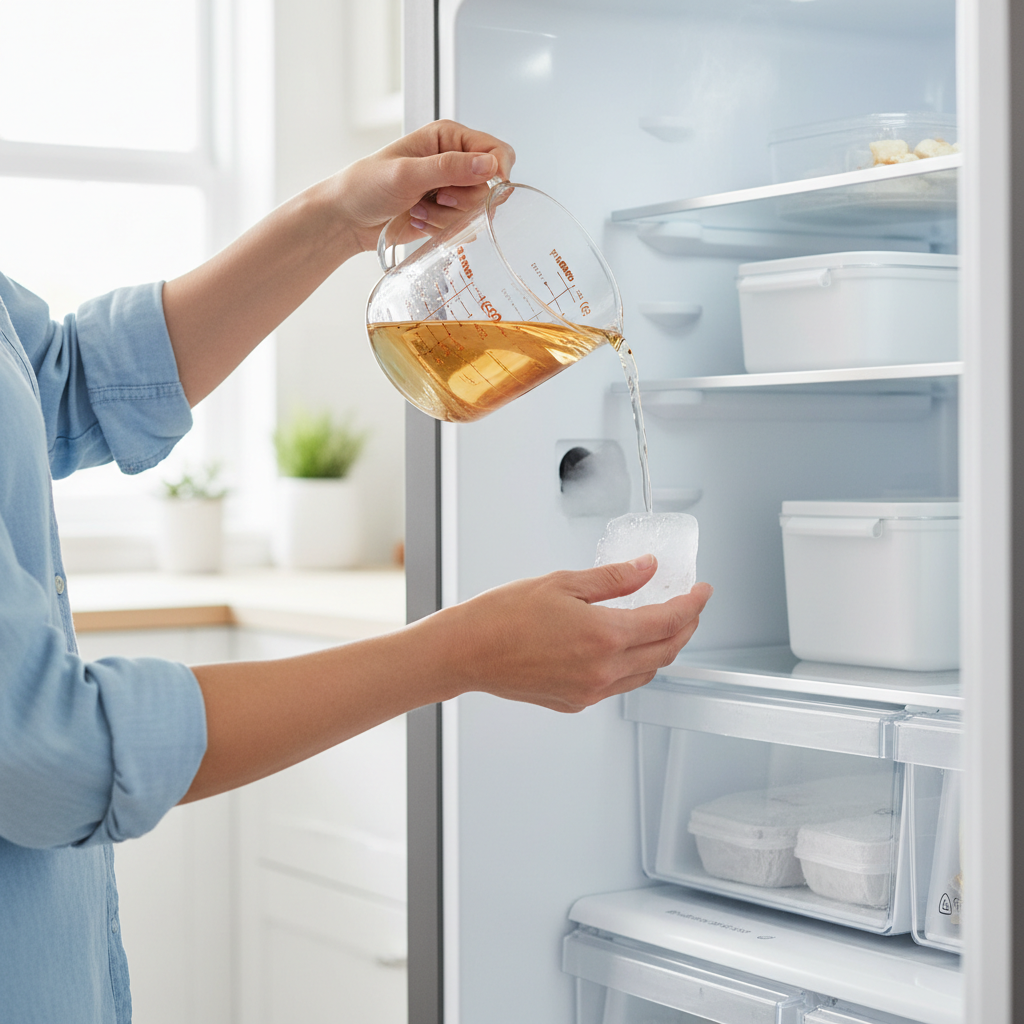
- Identify the Leak's Location — The leak's position provides the most critical clue. Carefully inspect the area to determine the origin.
- Water pooling inside the refrigerator: If water is on the floor and inside the fresh food compartment (often under the crisper drawers), the problem is almost certainly a clogged defrost drain.
- Water dripping from the back: A leak localized to the rear of the unit strongly suggests an issue with the water supply line, the water inlet valve, or a cracked/overflowing drain pan.
Plumbing · Leak
| Project category | Plumbing |
|---|---|
| Problem type | Leak |
| Trade required | Plumbing |
| Urgency | Emergency — act now |
| Safety risk | High safety risk |
| DIY suitability | DIY for experienced homeowners |
| Cost category | Low cost |
| Typical timeline | Shut water off now; repair usually same or next day |
| Contractor type | Licensed plumber |
Repair option
Isolate at the shutoff, replace the failed component, and dry the cavity fully.
Replacement option
Repipe the run or the branch when corrosion is widespread.
Common causes
- Failed supply line or shutoff valve
- Worn washers, cartridges, or P-trap connections
- Pinhole corrosion in older copper
Relevant tools:emergency checklistdiy or hire a pro
Published April 24, 2026Last updated August 17, 2026
Tools & materials you'll need
Affiliate linksAs an Amazon Associate FixlyGuide earns from qualifying purchases — at no extra cost to you. Prices and availability are accurate as of publication and subject to change.
How it works
Modern refrigerators operate on a closed-loop cooling system, but they also manage water in two distinct ways: through the defrost cycle and, if equipped, through a water dispenser and ice maker system. Understanding these systems is key to diagnosing a leak.
The primary source of interior water is the automatic defrost cycle. Frost naturally builds up on the evaporator coils, a radiator-like component typically located behind a panel in the freezer. To prevent this frost from impeding airflow and cooling efficiency, a defrost timer or main control board periodically activates a defrost heater. This heater warms the coils, melting the accumulated frost into water. This meltwater, or condensate, drips into a collection trough or funnel located directly beneath the coils. From here, it is directed into a small opening—the defrost drain hole. A flexible tube, the defrost drain line, carries this water via gravity down the back of the refrigerator and deposits it into a shallow drain pan located at the bottom of the unit, near the warm compressor. The heat generated by the compressor and condenser coils evaporates this water into the surrounding air, completing the cycle. A clog anywhere in this drain path forces water to back up, overflow the collection trough, and leak into the fresh food compartment or onto the floor.
The second water system involves the supply line for an ice maker or dispenser. This system connects to your home's cold water plumbing, typically with a ¼-inch flexible tube (copper or braided steel). An electrically operated water inlet valve at the back of the refrigerator acts as a gatekeeper, opening to allow water flow when the ice maker calls for it. Any crack, loose fitting, or malfunction in this line or valve can cause a persistent leak at the rear of the refrigerator.
Step-by-Step Fix
Follow these steps methodically to diagnose and resolve the most common causes of refrigerator leaks. The primary focus is the defrost drain system, followed by the water supply line.
-
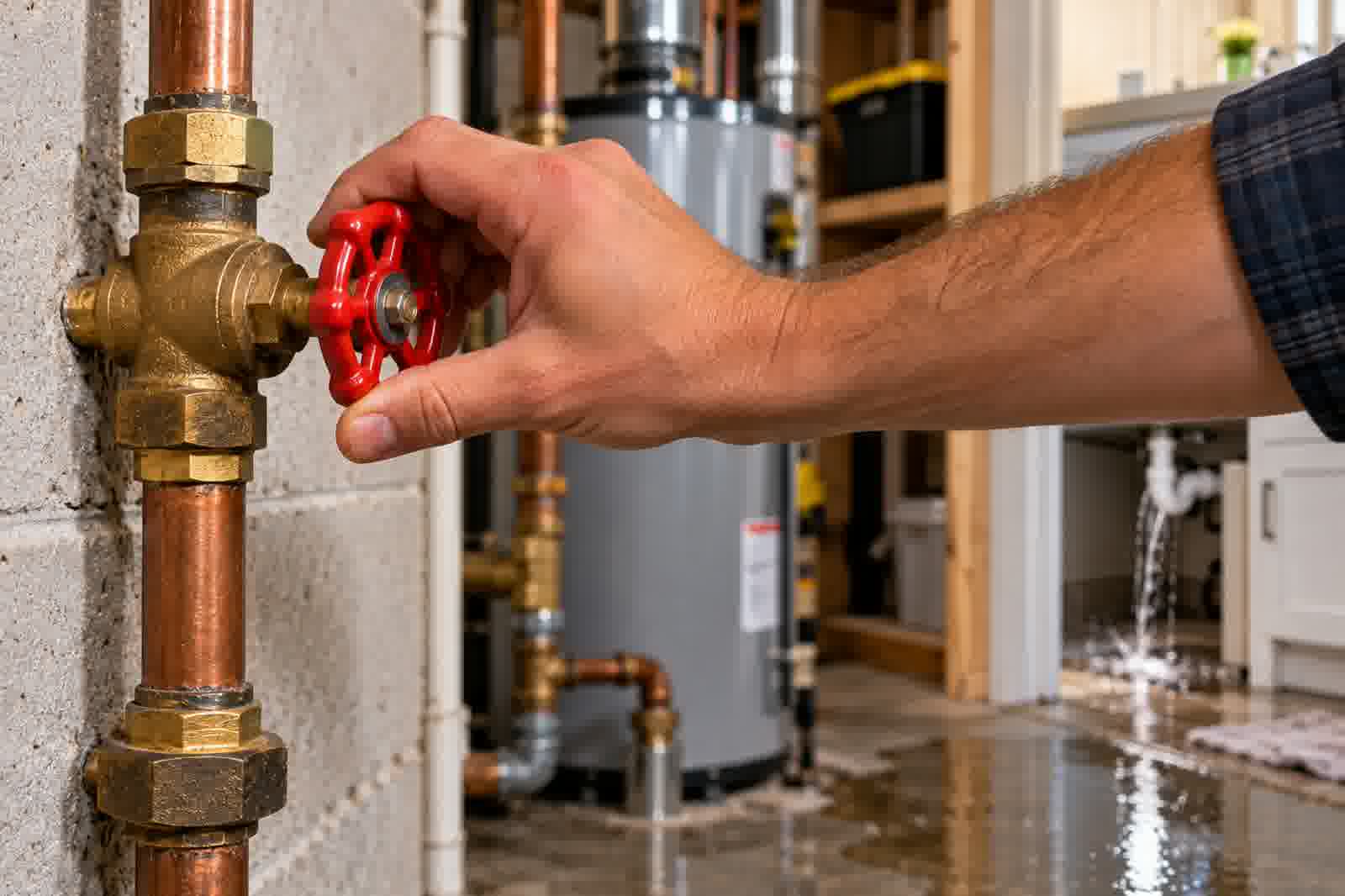
Safety First: Disconnect Power and Water — Before any inspection or repair, protect yourself from electrical shock and potential water damage. Pull the refrigerator away from the wall to access the power cord and unplug it from the outlet. If your model has an ice maker or water dispenser, locate the water shutoff valve (usually a small valve on the cold water pipe under a nearby sink or in the basement) and turn it clockwise to close it.
- Tools: None required for this step.
- Safety: This is a mandatory first step. Never work on a refrigerator while it is connected to power. Have old towels ready to absorb any spilled water.
-
Identify the Leak's Location — The leak's position provides the most critical clue. Carefully inspect the area to determine the origin.
- Water pooling inside the refrigerator: If water is on the floor and inside the fresh food compartment (often under the crisper drawers), the problem is almost certainly a clogged defrost drain.
- Water pooling only under the refrigerator: If the leak appears confined to the floor, it could be either a clogged defrost drain causing an overflow from the drain pan at the rear, or a problem with the water supply line or drain pan itself.
- Water dripping from the back: A leak localized to the rear of the unit strongly suggests an issue with the water supply line, the water inlet valve, or a cracked/overflowing drain pan.
-
Access the Defrost Drain in the Freezer — The defrost drain is located inside the freezer compartment. You will need to remove items to access it. Empty the freezer of all food. Remove all shelves, bins, and the ice maker assembly if it is in the way. The drain is typically behind a rear interior panel.
- Tools: Phillips or hex-head nut driver (usually ¼-inch or 5/16-inch) for the panel screws.
- Procedure: The panel is often held by 2-6 screws. Once the screws are removed, the panel may be frozen in place. Be gentle; you may need to let it thaw for 15-20 minutes or carefully use a hairdryer on a low setting around the edges to release it without causing damage.
-
Clear Ice and Debris from the Drain Opening — With the rear panel removed, you will see the evaporator coils and, at the bottom, the drain trough and hole. It is common to find this area encased in a solid block of ice.
- Tools: Hairdryer, turkey baster, warm water, soft cloths.
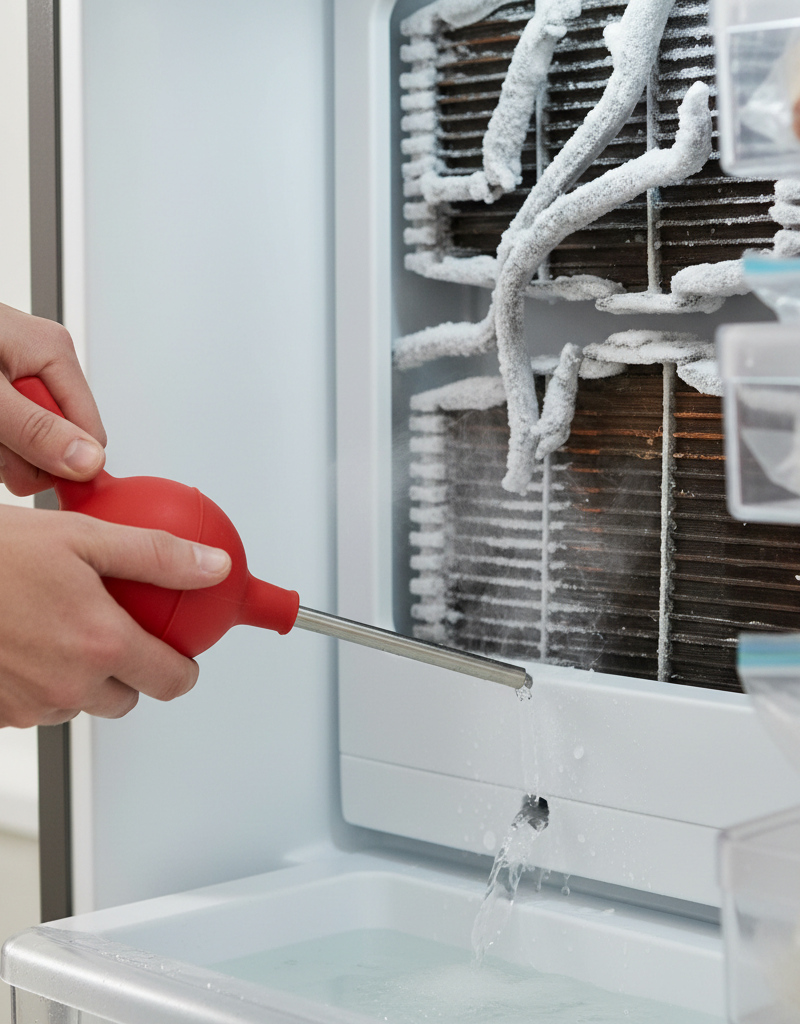
- Instructions: Use a hairdryer on a low to medium heat setting to melt the ice. Keep the hairdryer moving and at least 6-8 inches away from any plastic parts to avoid warping them. As the ice melts, use towels to soak up the water. Once the drain hole is visible, use the turkey baster to squirt hot (not boiling) water directly into the trough to melt any remaining ice within the hole itself.
-
Flush the Defrost Drain Line — Once the opening is clear of ice, you must ensure the entire length of the tube is clear of the gunk and algae that likely caused the blockage.
- Tools: Turkey baster or small funnel, warm water, distilled white vinegar or baking soda.
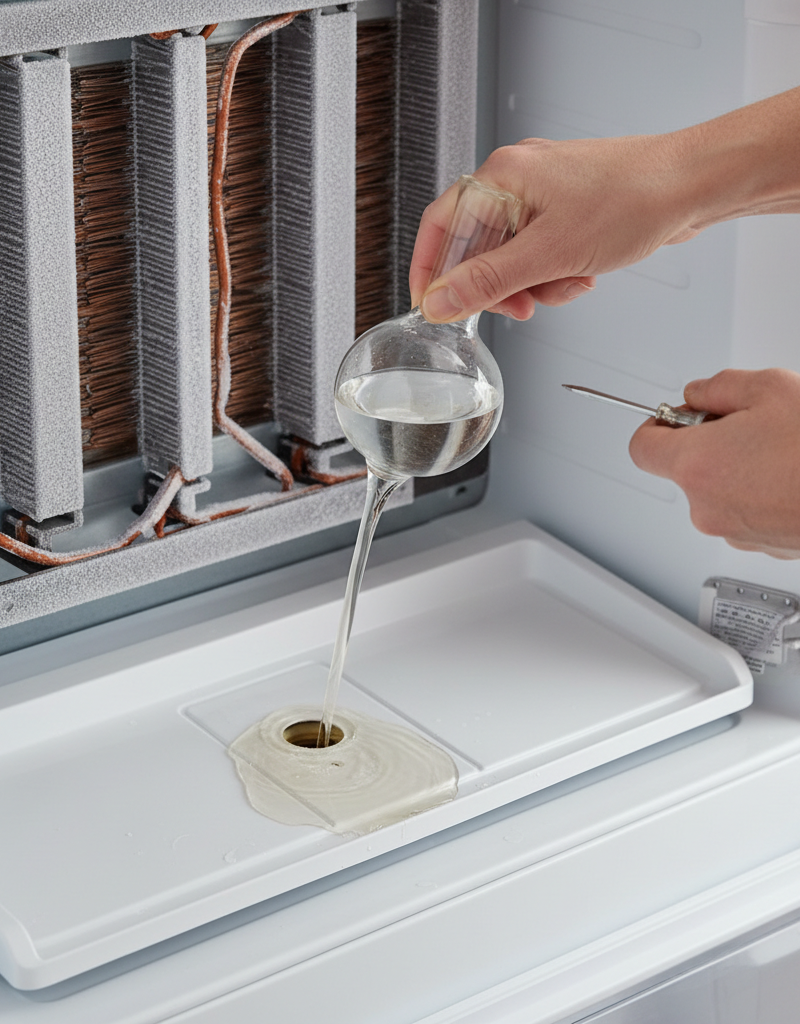
- Instructions: Mix a solution of 2 cups of hot water with 2-3 tablespoons of baking soda or a 50/50 solution of hot water and white vinegar. Using the turkey baster, forcefully inject this solution into the drain hole. The goal is to flush the debris down into the drain pan. It may take several applications.
- Verification: Have a partner watch the drain pan at the bottom rear of the refrigerator to confirm that the water is flowing through. If water drains slowly or not at all, proceed to the next step.
-
Mechanically Clear a Stubborn Clog — If flushing fails, a physical obstruction is lodged in the drain tube. Do not use a coat hanger or sharp object, which can easily puncture the tube and lead to a costly repair.
- Tools: Refrigerator drain cleaning brush, or a 5-6 foot length of stiff-but-flexible ¼-inch PEX tubing or heavy-gauge trimmer line.
- Instructions: Gently feed the cleaning tool or tubing down into the drain hole from inside the freezer. Push it slowly, working it back and forth as you meet resistance. Continue until you feel it break through the clog. You should be able to push it several feet until it bottoms out in the drain pan. Follow up with another hot water flush to clear the dislodged debris.
-
Inspect and Clean the Drain Pan — While the unit is pulled out, address the drain pan. This pan is designed to evaporate water, not to be emptied, so if it's full enough to spill, it confirms a drainage or evaporation problem.
- Tools: Sponge, soap, water, and possibly a bleach solution.
- Instructions: The drain pan is located at the very bottom of the refrigerator, usually on the left or right side of the compressor. Some slide out, while others are clipped in place. Carefully remove it. If it contains water, empty it in a sink. Clean the pan thoroughly with soap and water to remove slime, mold, or mineral deposits. A 10:1 water-to-bleach solution can be used to kill persistent mold. Dry the pan and reinstall it securely.
-
Inspect Water Supply Lines and Valve — If your refrigerator has a water dispenser or ice maker, and the leak appeared at the back, inspect this system closely. The unit should still be unplugged.
- Tools: Flashlight, dry paper towel.
- Instructions: Visually inspect the entire length of the ¼-inch water line from the wall to the refrigerator. Look for kinks, wear, or cracks. Check the compression fittings at both ends for tightness. Then, locate the water inlet valve at the bottom rear of the refrigerator where the line connects. Wipe the valve and its connections with a dry paper towel and check for any sign of moisture. A cracked valve body is a common failure point. If a leak is found here, the valve will need to be replaced.
-
Reassemble the Freezer Interior — Once the drain is clear and other components are inspected, carefully reinstall the rear panel in the freezer. Ensure it is seated correctly and that no wires are pinched. Replace the screws, shelves, ice maker, and any other components you removed.
-
Level the Refrigerator — Before pushing the unit back, check its level. Most refrigerators should be level side-to-side but tilted slightly backward (about a ¼-inch incline from front to back). This uses gravity to help the doors swing shut and encourages defrost water to flow toward the drain.
- Tools: Level, wrench or pliers for adjusting the feet.
- Instructions: Place the level on top of the refrigerator, first side-to-side, then front-to-back. Adjust the front leveling feet or wheels according to your owner's manual until the desired tilt is achieved.
-
Restore Power and Water — Push the refrigerator back into position, leaving a few inches of clearance for air circulation. Plug the power cord back into the outlet. If you shut off the water supply, turn the valve counter-clockwise to slowly restore water flow. Check for immediate leaks at the connections.
-
Monitor for 24-48 Hours — The repair is not confirmed until the refrigerator has run through several defrost cycles. Monitor the floor and the inside of the fresh food compartment over the next two days to ensure no new water appears.
Common mistakes
Avoiding these common errors will increase your chance of a successful, one-time repair and prevent damage to your appliance.
- Using a Coat Hanger to Clear the Drain: Never use a wire coat hanger, screwdriver, or other sharp, rigid object to clear the drain line. These tools can easily puncture the soft vinyl or rubber tube, creating a new, much more difficult-to-repair leak inside the insulated walls of the refrigerator. Always use a flexible tool like dedicated brush or a piece of PEX tubing.
- Melting Plastic Components with a Hairdryer: Applying high, direct heat from a hairdryer can warp or melt the plastic liner of the freezer, the drain trough, or nearby wire insulation. Always use the lowest effective heat setting, keep the nozzle moving, and maintain a distance of at least 6-8 inches from all surfaces.
- Assuming the Clog is Cleared Without Verification: Pouring water down the drain is not enough. You must confirm that a healthy stream of water is successfully reaching the drain pan at the bottom of the unit. Without this verification, you may reassemble the entire unit only to have it leak again during the next defrost cycle.
- Forgetting to Clean the Drain Pan: A clogged drain often leaves behind a sludge of mold, mildew, and debris in the drain pan. If this is not cleaned out, it can create a foul odor and become a source for new clogs as the gunk can get drawn back up into the drain tube end through capillary action or splashing.
- Misdiagnosing a Water Line Leak as a Defrost Issue: If the leak is a slow, persistent drip at the very back of the unit, it is more likely related to the ice maker supply line or inlet valve. Focusing only on the internal defrost drain will not solve the problem and wastes significant time and effort. Always perform a thorough initial diagnosis.
- Not Leveling the Refrigerator After Moving It: When you pull a refrigerator out for service, it's easy to disrupt its level. If the unit is tilted forward or to one side, defrost condensate may not flow correctly to the drain opening, pooling and leaking even if the drain is perfectly clear. Always re-level the unit as a final step.
Cost & time breakdown
Costs are estimates and can vary by location and appliance model. Pro costs include a service call fee plus labor.
| Task | DIY cost | Pro cost | Time |
|---|---|---|---|
| Leak Diagnosis & Inspection | $0 | $80 - $130 | 30-60 minutes |
| Clearing Clogged Defrost Drain | $0 - $25 (for a brush/snake) | $125 - $225 | 1-2 hours |
| Replacing a Cracked Drain Pan | $30 - $60 (part cost) | $150 - $200 | 30 minutes |
| Replacing a Faulty Water Inlet Valve | $25 - $70 (part cost) | $175 - $275 | 45-60 minutes |
| Replacing a Leaking Water Supply Line | $20 - $40 (braided steel line kit) | $150 - $220 | 30 minutes |
When to call a pro
While many refrigerator leaks are simple DIY fixes, certain situations require the expertise and specialized tools of a qualified appliance repair technician. Call a professional if you encounter any of the following:
- The leak persists after all DIY steps. If you have thoroughly flushed the drain line, confirmed it is clear, cleaned the drain pan, and verified the water supply lines are intact, yet the leak continues, there may be a more complex issue, such as a cracked drain trough or a problem with the refrigerator's internal housing.
- The substance is oily or has a chemical smell. Water is the only liquid that should leak from a refrigerator. If you find a greasy, oily substance, it could be oil from the compressor or refrigerant from the sealed system. This is a hazardous situation that requires immediate professional service. Do not attempt to repair it yourself.
- You suspect an electrical component failure. If the defrost cycle isn't running at all (indicated by heavy, persistent frost on the evaporator coils), the problem could be a failed defrost heater, bimetal thermostat, or main control board. These repairs involve diagnosing live electrical circuits and are best left to a professional.
- The leak is accompanied by cooling problems. If your refrigerator is leaking and not staying cold, the issues are likely related to a major system failure, such as a faulty compressor or a sealed system leak, which are not DIY-level repairs.
- The drain line appears to be frozen deep within the unit. If you cannot clear an ice blockage with a hairdryer and hot water, it might be frozen solid deep inside the insulated cabinet, a problem that can be difficult to resolve without professional techniques.
Prevention & maintenance
A few routine checks can prevent most refrigerator leaks and extend the life of your appliance.
- Ensure Food is Properly Packaged: Prevent small food particles, crumbs, and twist-ties from falling onto the freezer floor where they can be washed into the defrost drain during a defrost cycle and cause a clog. Use sealed containers and bags.
- Perform an Annual Drain Flush: Once a year, use a turkey baster to flush the defrost drain with a solution of hot water and baking soda or vinegar. This preventative flush helps dissolve any nascent algae or slime buildup before it can form a hard blockage.
- Inspect Water Lines and Drain Pan Biannually: Every six months, pull the refrigerator out from the wall. Visually inspect the ice maker's water supply line for any signs of brittleness, cracking, or discoloration. Check the fittings for drips. At the same time, inspect the drain pan for excessive water or heavy sediment buildup and clean it if necessary.
- Maintain Proper Leveling: After cleaning or moving your refrigerator, always use a level to ensure it tilts slightly back (about ¼ inch). This simple adjustment ensures gravity aids both door closure and the proper flow of condensate to the drain.
- Replace Water Filters on Schedule: If your refrigerator has a water dispenser, follow the manufacturer's recommended replacement schedule for the water filter (typically every six months). An old, clogged filter can cause pressure fluctuations in the water system that may stress the lines and valves over time.
Related Articles
Keep troubleshooting with these hand-picked guides from FixlyGuide:
- The Secret Culprit Behind Your Leaking Refrigerator (It’s Not Always a Big Fix) — Discover the most common and often overlooked reasons why your refrigerator is leaking water on the floor, and how to fix them yourself.
- The Secret Culprit Behind Your Leaky Refrigerator (It’s Not Always the Water Line) — Discover the most common, often overlooked, reasons your refrigerator is leaking water and how to fix them with simple DIY steps.
- The Surprising Culprit Behind Your Refrigerator's Water Leak (It's Not Always the Ice Maker) — Discover the most common, often overlooked reason your refrigerator is leaking water and how to fix it with simple steps.
- The 3 Hidden Reasons Your Refrigerator Leaks Water (And How to Fix Them in 30 Minutes) — Discover the most common culprits behind a leaking refrigerator and learn how to diagnose and fix them quickly with this comprehensive guid…
- Dishwasher Not Draining? Easy Fixes for a Clogged Drain — A dishwasher that won't drain at the end of a cycle is a common problem, often caused by simple clogs or blockages that homeowners can fix…
- The 4 Hidden Reasons Your Entire Home Has Low Water Pressure (And the Easy Fixes) — Low water pressure throughout your entire home can be a frustrating and often misunderstood problem, with several common culprits. Learn to…
Should you do this yourself?
Answer five quick questions before you start. Safety outranks savings every time.
Your experience with work like this
How high do you have to work?
Does the job involve any of these?
Will it need a permit?
Specialty tools
Free and instant. Educational guidance only — not a quote, inspection, or professional diagnosis.
Questions to ask before you sign
Ask every contractor the same questions and the cheapest bid stops looking cheapest. Check them off as you go — your progress is saved on this device.
Free, no signup. Bring this to every walkthrough so you compare bids on the same terms.
What should this project cost?
Enter your project details for a realistic cost range before you call anyone.
Common repairs run $150–$650; repipes and water-heater replacements reach $1,500–$4,500.
- Regional adjustment
- National average
- Labor share (typical)
- ~$754
- Quotes to collect
- 3 written estimates
Educational estimate based on national averages — not a binding quote. Always confirm with written local estimates.
Fixly Project Decision Box
- DIY difficulty
- Moderate
- Estimated time
- 30 minutes – half a day
- Cost level
- Moderate
Main tools / materials
- Adjustable wrench
- Plunger or drain auger
- Bucket and towels
- Thread tape
When to stop and call a pro
- Water you cannot shut off at the fixture or main
- Sewage backing up into more than one fixture
- Water near electrical panels or outlets
- Gas water heater work beyond relighting a pilot
Need professional help?
Get a Licensed PlumberHandle this before it gets worse
First steps that limit damage, then a way to reach a qualified pro.
- Emergency repair checklistThe first steps that limit damage before a pro arrives.Open
- Get local estimatesSend one request and compare written estimates from vetted pros.Open
- Estimate this projectGet a cost range for your scope and ZIP before you call anyone.Open
Free, no signup required. Estimates are educational guidance, not a quote or an inspection.
Get the print-ready PDF of this guide
A clean, ad-free, printable version you can keep on your phone or pin to the workshop wall. Free with a FixlyGuide account.
- Print-optimized layout
- Tools, materials & every step included
- Saved to your account
Frequently asked questions
Why is my refrigerator leaking water inside?+
Water leaking inside your refrigerator or freezer is most often due to a clogged defrost drain. Ice or debris blocks the drain, causing meltwater to back up and overflow into the fridge compartment.
How do I find the defrost drain in my refrigerator?+
The defrost drain is typically located at the back of the freezer compartment, often near the bottom or behind an access panel. You may need to remove shelves or a cover to see it.
Can a clogged defrost drain in a refrigerator be fixed easily?+
Yes, clearing a clogged defrost drain is usually a straightforward DIY fix. It involves unplugging the fridge, locating the drain, and flushing it with warm water and baking soda, or carefully clearing it with a slender tool.
Discussion
Loading comments…