- Exterior Walls: PEX or copper lines running along outside walls, especially in kitchens, bathrooms, or laundry rooms.
- Crawl Spaces & Basements: Any exposed pipes, particularly those near outside vents or unfinished areas.
- Attics: Water supply lines for upper-level bathrooms or HVAC condensation lines.
- Garages: Pipes leading to utility sinks or outdoor hose bibs in unheated attached or detached garages.
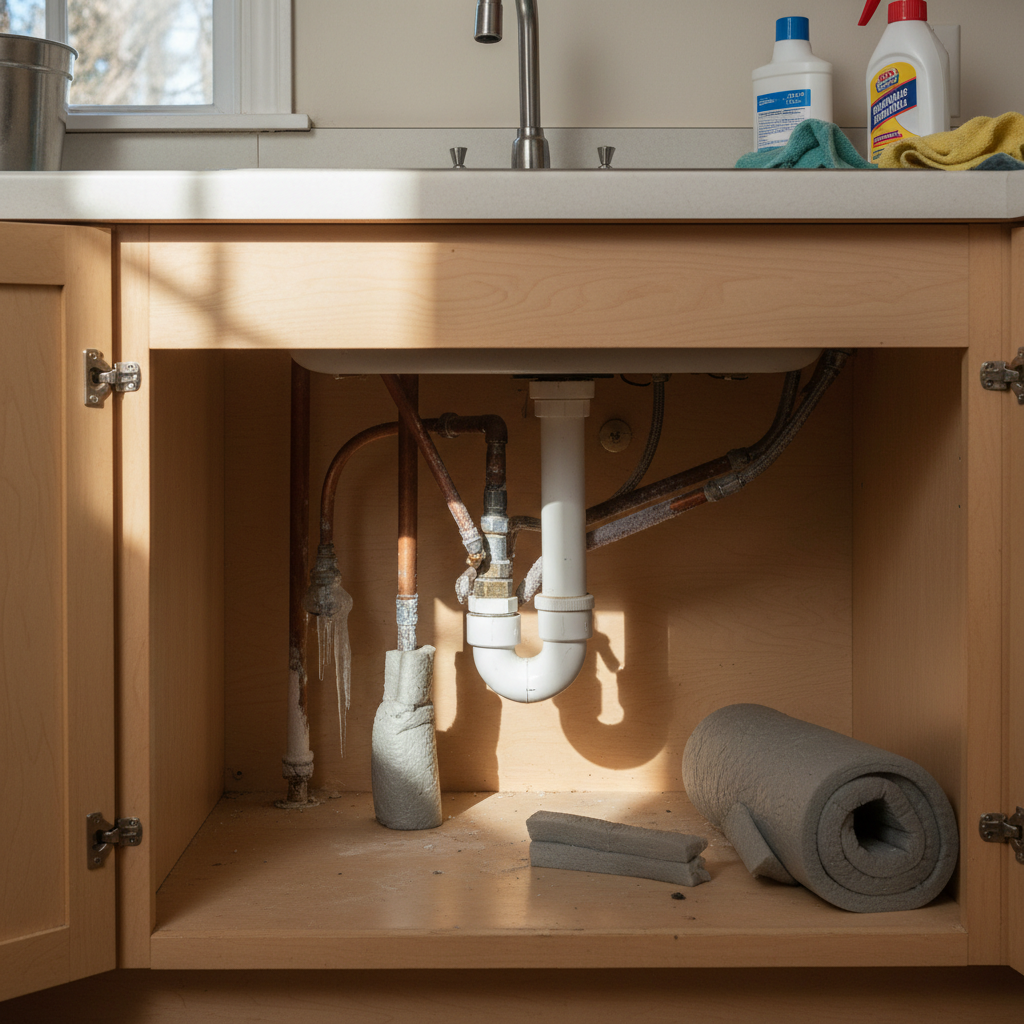
- Under Sinks: Pipes running through cabinets against exterior walls.
Plumbing · Pipe damage
| Project category | Plumbing |
|---|---|
| Problem type | Pipe damage |
| Trade required | Plumbing |
| Urgency | Emergency — act now |
| Safety risk | High safety risk |
| DIY suitability | Licensed pro only |
| Cost category | High cost |
| Typical timeline | Emergency shutoff now; repipes commonly 2–5 days |
| Contractor type | Licensed plumber |
Repair option
Cut out and replace the damaged section with a coupling or new run.
Replacement option
Whole-home repipe when the material itself is the problem.
Common causes
- Freeze-thaw expansion in an uninsulated run
- Corrosion in aging galvanized or polybutylene
- Shifting foundation stressing a slab line
Relevant tools:emergency checklistcompare quotes
Published July 19, 2026Last updated September 4, 2026
Tools & materials you'll need
Affiliate linksAs an Amazon Associate FixlyGuide earns from qualifying purchases — at no extra cost to you. Prices and availability are accurate as of publication and subject to change.
Quick Answer
Preventing frozen pipes is crucial for avoiding extensive water damage and expensive repairs. The most effective strategy involves a combination of insulation, sealing air leaks, and judicious use of dripping faucets during severe cold snaps. Homeowners often overlook key areas like utility rooms, unheated garages, and exterior hose bibs, which are highly susceptible to freezing. Focusing on these vulnerable spots, along with proper attic and crawl space insulation, can save you thousands in potential damage.
The Problem
Every winter, thousands of homeowners face the nightmare of frozen and burst pipes. When water freezes, it expands with immense force—up to 10% in volume—creating pressures exceeding 2,000 pounds per square inch. This pressure can easily rupture metal or plastic pipes, leading to significant water leaks once the ice thaws. The problem isn't just the visible pipes in your basement; it's often the less obvious ones running through poorly insulated walls, crawl spaces, attics, or unheated garages that are most at risk. A single burst pipe can release hundreds of gallons of water per hour, causing structural damage, ruined possessions, mold growth, and a massive headache. The true danger lies not just in the freeze itself, but in the thaw, when the expanded ice melts and escapes through the ruptured pipe.
How It Works
Water pipes freeze when their internal temperature drops below 32°F (0°C). This typically happens when ambient air temperatures remain consistently below freezing for extended periods, especially in areas with inadequate insulation or significant cold air infiltration. Heat naturally moves from warmer areas to colder areas. In your home, warm air tries to escape through walls, ceilings, and floors, while cold air infiltrates through cracks, gaps, and poorly sealed openings. Pipes running through these unconditioned or poorly insulated spaces are directly exposed to the cold.
Consider an exterior wall: If a water supply line runs inside this wall, and the wall cavity is not properly insulated or has an air leak from the outside, the metal or plastic pipe will rapidly lose its heat to the cold exterior. The water inside eventually reaches freezing point. Water flow plays a role too; stagnant water in pipes cools faster than constantly moving water. This is why even a slow drip can sometimes prevent freezing by introducing warmer water into the line. Factors like wind chill can accelerate heat loss from exposed pipes. The plumbing system is a pressurized loop, and when a section freezes, the ice creates a blockage. As water continues to freeze upstream from this blockage, the pressure builds between the ice blockage and the closed faucet, eventually leading to a burst. The burst doesn't necessarily occur at the point of freezing, but often at a weaker point in the pipe under intense pressure.
Step-by-Step Fix
1. Identify Vulnerable Pipes — Walk around your home and identify all pipes that are in unheated areas.
- Exterior Walls: PEX or copper lines running along outside walls, especially in kitchens, bathrooms, or laundry rooms.
- Crawl Spaces & Basements: Any exposed pipes, particularly those near outside vents or unfinished areas.
- Attics: Water supply lines for upper-level bathrooms or HVAC condensation lines.
- Garages: Pipes leading to utility sinks or outdoor hose bibs in unheated attached or detached garages.
- Under Sinks: Pipes running through cabinets against exterior walls.
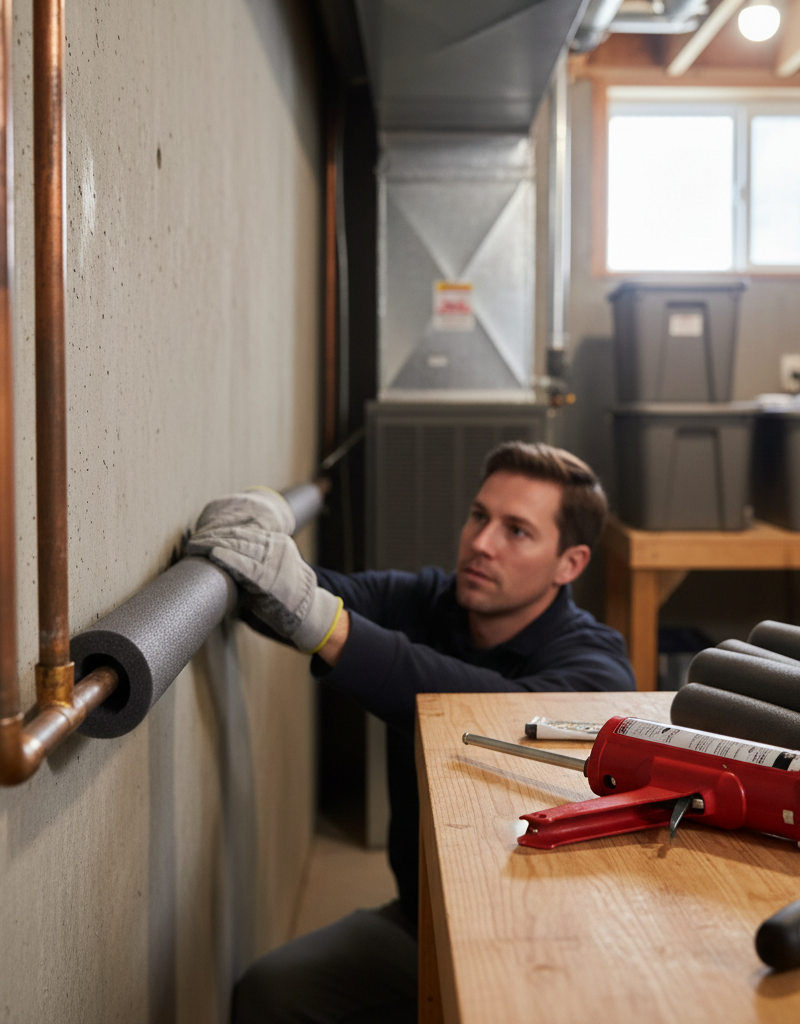
2. Insulate Exposed Pipes — Wrap all identified vulnerable pipes with insulation.
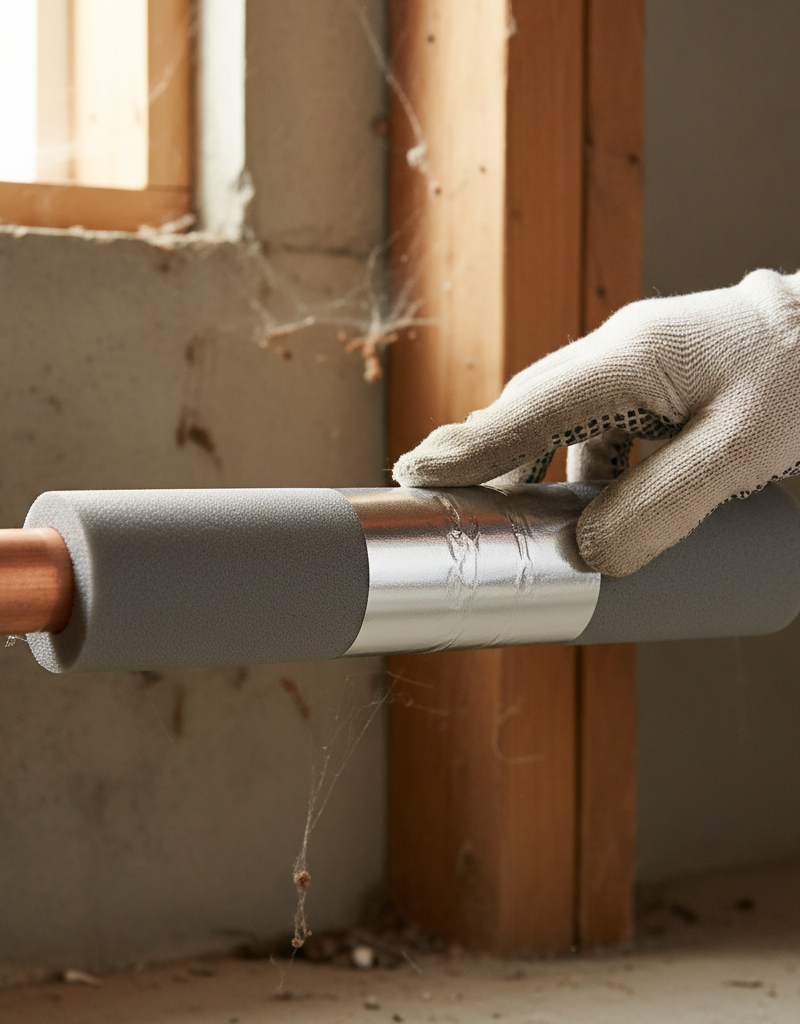
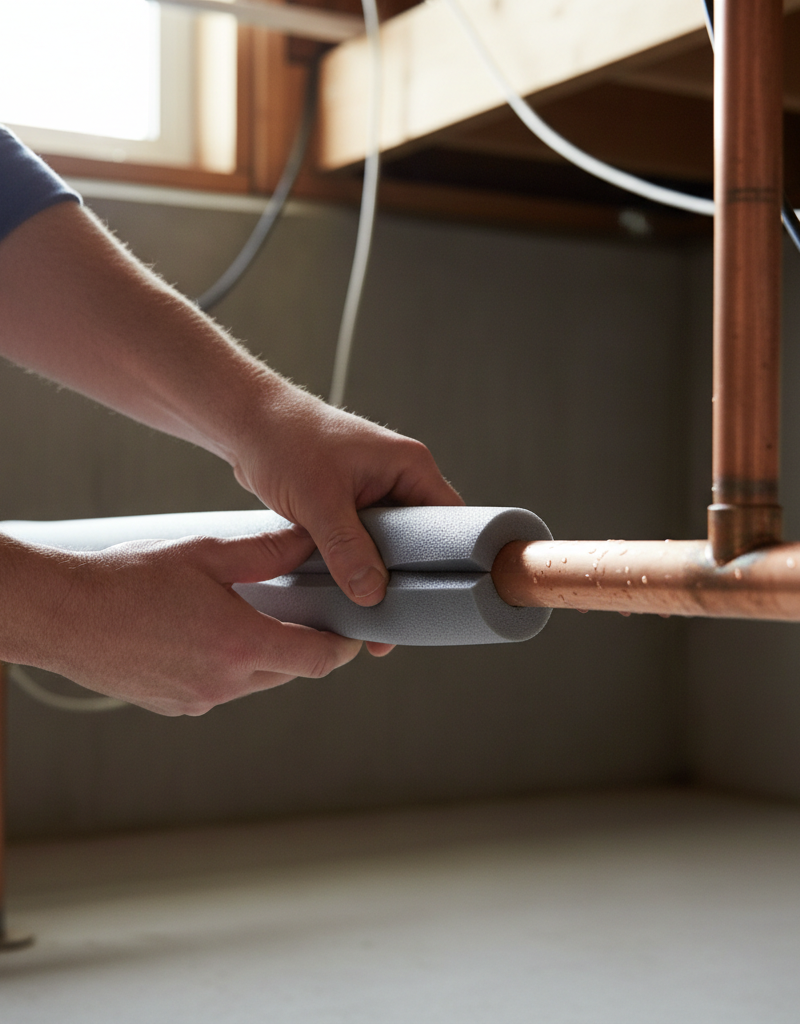
- Materials: Use foam pipe insulation sleeves (pre-slit for easy installation), fiberglass insulation wrap, or heat tape. Pipe sleeves are generally the easiest for DIY. Ensure the insulation fits snugly without gaps.
- Application: For foam sleeves, simply open the slit and snap it around the pipe. Secure with duct tape or zip ties every 1-2 feet. For fiberglass, wrap it spirally and secure with tape.
- Layering: In extremely cold climates, consider a second layer of foam insulation or combining foam with heat tape.
- Safety Note: If using electric heat tape, follow manufacturer instructions rigorously. Never overlap heat tape unless explicitly allowed, as this can create a fire hazard. Use only products approved for plumbing applications and plug into a GFCI outlet.
3. Seal Air Leaks — Prevent cold air from reaching pipes by sealing drafts.
- Locate Leaks: Check around pipes where they penetrate walls, floors, or ceilings. Look for gaps around dryer vents, electrical conduits, and utility cutouts.
- Sealants: Use caulk for smaller gaps (up to 1/4 inch) and expanding foam sealant for larger openings. Ensure sealants are rated for indoor/outdoor use and suitable for the materials they are applied to.
- Weatherstripping: Check and replace worn weatherstripping around basement windows, garage doors, and exterior doors that might lead into areas with plumbing.
4. Disconnect and Drain Outdoor Hoses — This is a critical step many homeowners forget.
- Disconnect: Remove all garden hoses from outdoor spigots (hose bibs). Even a frost-free spigot can freeze and burst if a hose is left connected, as it traps water in the spigot beyond its internal shut-off valve.
- Drain: If your home has separate shut-off valves for outdoor spigots, close them. Then, open the outdoor spigots to drain any remaining water from the line.
5. Open Cabinet Doors — Allow warmer air to reach pipes under sinks against exterior walls.
- When to Do It: During prolonged cold snaps or unusually severe drops in temperature.
- How: Simply open the cabinet doors for kitchen and bathroom sinks, particularly those on exterior walls, to let your home's heated air circulate around the pipes.
6. Keep Garage Doors Closed — Maintain a warmer temperature in attached garages with plumbing.
- Impact: Even an unheated garage will retain some warmth from the adjacent house. Keeping the door closed prevents extreme cold from entering and chilling any water lines.
- Insulation: If your garage is attached and has water lines, consider insulating the garage door and any exterior walls that contain plumbing.
7. Drip Faucets Strategically — Only during extreme cold, for specific vulnerable fixtures.
- Purpose: A slow, continuous drip (pencil-lead thin stream) relieves pressure in the pipe system and introduces warmer water into the line, making freezing less likely.
- Which Faucets: Prioritize faucets on exterior walls, especially those that have frozen before or are known to be vulnerable. Both hot and cold lines should drip.
- Caution: This uses water and can increase your water bill. Use sparingly and only when temperatures are expected to be severely cold for an extended period (e.g., below 20°F / -6°C).
8. Maintain Home Temperature — Never let your home get too cold, even when away.
- Minimum Temp: If you're going away for vacation, set your thermostat to no lower than 55°F (13°C). This ensures enough residual heat circulates to keep pipes from dipping below freezing.
- Extended Vacancies: For very long absences, consider draining your entire plumbing system, but this is an advanced task that might be best left to a professional to avoid airlocks or damage.
9. Locate Main Water Shut-off — Know where it is and how to use it.
- Why: In case a pipe does burst, quickly shutting off the main water supply minimizes damage while you wait for repairs.
- Practice: Ensure you can easily access and operate the valve. If it's stiff, lubricate it or have a plumber inspect it.
Common Causes
- Lack of Insulation: Pipes in unheated areas (crawl spaces, attics, garages, exterior walls) without proper insulation are the leading cause of freezing.
- Air Leaks & Drafts: Gaps and cracks in your home's exterior or foundation allow cold air to directly contact pipes.
- Exterior Hose Neglect: Leaving garden hoses connected to outdoor spigots traps water, causing the spigot itself or the supply line behind it to freeze and burst.
- Power Outages: In extreme cold, prolonged power outages can lead to home temperatures dropping below freezing, putting all pipes at risk.
- Poorly Insulated Foundation Vents: In crawl spaces, open or uninsulated foundation vents can allow frigid air to circulate freely around pipes.
- Infrequent Water Use: Pipes in guest bathrooms or utility sinks that see little use are more prone to freezing due to stagnant water cooling rapidly.
Common Mistakes
- Only Insulating Visible Pipes: Many DIYers insulate only the easily accessible pipes in the basement, forgetting the critical lines in exterior walls, attics, or behind cabinets.
- Ignoring Exterior Hose Bibs: This is perhaps the most common and easily preventable mistake. Forgetting to disconnect and drain garden hoses voids the protection of 'frost-free' spigots.
- Thinking 'Frost-Free' Means Invincible: Frost-free hose bibs are designed to drain water from the valve body when closed, but this mechanism is compromised if a hose is left attached.
- Setting Thermostat Too Low When Away: Trying to save a few dollars by turning the heat off or too low (e.g., below 50°F / 10°C) during winter vacations can lead to catastrophic pipe bursts.
- Improper Heat Tape Installation: Overlapping non-self-regulating heat tape or not plugging into a GFCI outlet can be dangerous and ineffective. Always read and follow specific product instructions.
- Not Sealing Air Leaks: Insulation alone isn't enough if cold air is constantly blowing directly onto the pipes through unsealed gaps. Address both insulation and air sealing.
Cost & Time Breakdown
| Task | DIY Cost | Pro Cost | Time |
|---|---|---|---|
| Pipe Insulation | $30–$100 | $150–$300 (small areas) | 1–3 hours |
| Air Sealing (Caulk/Foam) | $10–$50 | Included w/ general weatherization | 30 mins–1 hour |
| Disconnect Hoses | $0 | $0 | 2 minutes |
| Drip Faucets (during cold) | $5–$20 (water bill) | $0 | Ongoing |
| Main Water Shut-off Check | $0 | $50–$100 (inspection) | 5 minutes |
| Total (DIY prevention) | $40–$150 | $200–$400+ | ~2–5 hours |
| Cost of burst pipe repair | $500–$1,500+ (parts/tool rental) | $1,000–$5,000+ (plumber, restoration) | Days to weeks |
Tips & Prevention
- Annual Inspection: Before winter hits, do a walk-through of your home, especially the basement, crawl space, and attic, to identify any new vulnerabilities or areas where insulation might have shifted or degraded.
- Upgrade Old Spigots: If you don't have frost-free hose bibs, consider having a plumber install them. They are a worthwhile investment for preventing exterior pipe freezes.
- Foundation Vent Covers: In colder regions, consider temporary covers for your crawl space foundation vents during the coldest months to reduce cold air infiltration, but ensure proper ventilation once spring arrives.
- Circulate Air: In particularly cold rooms or those with known pipe vulnerabilities, consider using a small fan to gently circulate air, which can help prevent cold spots where pipes are prone to freezing.
- Know Your Home's Cold Spots: Pay attention to which areas of your home feel coldest or have experienced issues in previous winters. These are your priority zones for prevention.
- Emergency Kit: Have a space heater, towels, and the number for a trusted plumber readily available in case a pipe does freeze. Never use an open flame to thaw a pipe.
When to Call a Professional
While many pipe freezing prevention tactics are DIY-friendly, certain situations warrant calling a licensed professional. If you suspect a pipe has already frozen and burst, immediately shut off your main water supply and call a plumber. This is critical to minimize water damage. You should also consult a professional if you have extensive uninsulated piping in difficult-to-access areas like behind finished walls or in inaccessible crawl spaces, as specialized insulation or rerouting may be required. If your outdoor spigots are leaking after being winterized, or if you're unsure about properly draining complex irrigation systems, a plumber can ensure these systems are correctly prepared for winter to prevent costly damage. For very old homes with antiquated plumbing or persistent freezing issues despite DIY efforts, a professional can conduct a comprehensive assessment and recommend permanent solutions.
Related Articles
Keep troubleshooting with these hand-picked guides from FixlyGuide:
- The #1 Mistake Homeowners Make When Protecting Pipes From Freezing — Preventing frozen pipes is crucial in winter; many homeowners make a common mistake that leaves their plumbing vulnerable.
- The #1 Mistake Homeowners Make to Burst Pipes (and 5 Ways to Prevent It) — Learn the critical mistake most homeowners make when trying to prevent frozen pipes and discover five actionable strategies to protect your…
- The #1 Mistake Homeowners Make When Protecting Pipes From Freezing — Preventing frozen pipes is crucial for winter home maintenance. Learn the common mistakes and effective strategies to safeguard your plumbi…
- The 7 Critical Mistakes That Lead to Burst Pipes (And How to Stop Them Now) — Learn the seven critical mistakes homeowners make that lead to burst pipes and discover actionable steps to prevent this costly winter disa…
- The #1 Mistake Homeowners Make When Protecting Pipes From Freezing — Preventing frozen pipes is crucial for winter home maintenance. Learn the key mistake homeowners make and how to properly prepare your plum…
- The #1 Hidden Culprit Behind Your Whole-House Low Water Pressure (It's Not Your City!) — Discover the most common, often overlooked cause of low water pressure throughout your entire home and how to fix it yourself.
Should you do this yourself?
Answer five quick questions before you start. Safety outranks savings every time.
Your experience with work like this
How high do you have to work?
Does the job involve any of these?
Will it need a permit?
Specialty tools
Free and instant. Educational guidance only — not a quote, inspection, or professional diagnosis.
What should this project cost?
Enter your project details for a realistic cost range before you call anyone.
Common repairs run $150–$650; repipes and water-heater replacements reach $1,500–$4,500.
- Regional adjustment
- National average
- Labor share (typical)
- ~$754
- Quotes to collect
- 3 written estimates
Educational estimate based on national averages — not a binding quote. Always confirm with written local estimates.
Fixly Project Decision Box
- DIY difficulty
- Moderate
- Estimated time
- 30 minutes – half a day
- Cost level
- Moderate
Main tools / materials
- Adjustable wrench
- Plunger or drain auger
- Bucket and towels
- Thread tape
When to stop and call a pro
- Water you cannot shut off at the fixture or main
- Sewage backing up into more than one fixture
- Water near electrical panels or outlets
- Gas water heater work beyond relighting a pilot
Need professional help?
Get a Licensed PlumberBefore you start
Check the difficulty, permits, and safety risk — then decide whether to call a pro.
- Estimate this projectGet a cost range for your scope and ZIP before you call anyone.Open
- Get local estimatesSend one request and compare written estimates from vetted pros.Open
Free, no signup required. Estimates are educational guidance, not a quote or an inspection.
Frequently asked questions
How cold does it have to be for pipes to freeze?+
Pipes typically start freezing when the ambient temperature drops below 32°F (0°C). However, the actual time it takes depends on factors like insulation, pipe exposure to cold winds, and sustained sub-freezing temperatures. Pipes in unheated spaces can freeze even when outdoor temperatures are only slightly below freezing, especially if drafts are present.
Should I drip both hot and cold faucets to prevent freezing?+
Yes, if you choose to drip faucets during extreme cold, you should drip both the hot and cold water sides. This ensures that both supply lines leading to that fixture have moving water, preventing them from freezing solid. A very slow, pencil-lead-thin stream is sufficient.
Can insulating pipes alone prevent freezing?+
Pipe insulation significantly reduces heat loss, making pipes much less likely to freeze. However, it's most effective when combined with air sealing to prevent cold drafts and maintaining a reasonable indoor temperature (above 55°F) during winter, especially for pipes in unheated or exterior wall cavities. Extremely cold, prolonged temperatures can still challenge even insulated pipes.
What should I do if my pipes are already frozen?+
If you suspect a pipe is frozen (no water from a faucet, frost on an exposed pipe), immediately shut off the main water supply to your home. Locate the frozen section and try to thaw it gently with a hairdryer, heat lamp, or towels soaked in hot water. Never use an open flame. If a pipe has burst (water leaking), keep the main water off and call a plumber immediately. Continued thawing could cause further damage or flooding.
Do 'frost-free' outdoor spigots really prevent freezing?+
Frost-free hose bibs are designed with a shut-off valve deep inside your heated home, allowing water to drain out of the spigot body when closed. They effectively prevent the spigot itself from freezing. However, if you leave a garden hose attached, water remains trapped in the spigot and the portion of the hose bib inside the wall, bypassing the frost-free mechanism and making it vulnerable to freezing and bursting.
Discussion
Loading comments…