- Garbage Disposal Issues: A jammed grinding plate, worn-out impellers, or accumulation of fibrous foods (like celery or potato peels) within the disposal itself can restrict flow through the unit and into the drain.
- Blocked P-Trap: The U-shaped pipe directly under the sink is designed to trap debris. While beneficial for preventing sewer gas, it's also the most common point for clogs to form due to its shape and proximity to the sink.
- Partial Clog in Branch Drain Line: Beyond the P-trap, the horizontal branch drain line leading to the main stack can accumulate debris, especially if the slope is insufficient or there are rough spots in older pipes.
- Blocked Plumbing Vent: As discussed, a blocked vent pipe prevents air from entering the drain system, leading to negative pressure that hinders water flow and causes gurgling.
- Improper Pipe Installation/Aging Pipes: Less common, but sometimes pipes are installed with insufficient slope, or old cast iron pipes have corroded and scaled interiors, making them prone to recurring clogs.
Plumbing · Clog
| Project category | Plumbing |
|---|---|
| Problem type | Clog |
| Trade required | Plumbing |
| Urgency | Soon — within weeks |
| Safety risk | Low safety risk |
| DIY suitability | DIY friendly |
| Cost category | Low cost |
| Typical timeline | Same-day DIY attempt; pro visit within a day or two |
| Contractor type | Licensed plumber |
Repair option
Plunger, hand auger, or trap cleanout before chemicals.
Replacement option
Line replacement when clogs return in the same spot repeatedly.
Common causes
- Hair and soap buildup in the trap
- Grease cooling in the branch line
- Flushed wipes or foreign objects
Relevant tools:diy difficultydiy or hire a pro
Published July 9, 2026Last updated August 17, 2026
Tools & materials you'll need
Affiliate links- AmazonOld RagsFor sealing double sinks or cleanup
As an Amazon Associate FixlyGuide earns from qualifying purchases — at no extra cost to you. Prices and availability are accurate as of publication and subject to change.
Quick Answer
A slow kitchen sink drain is typically a sign of a partial obstruction preventing water from flowing freely through the pipes. The most common culprits include grease and food particle buildup in the P-trap or drain line, issues with your garbage disposal, or a blocked plumbing vent. You can often resolve these issues yourself by clearing the P-trap, using a sink snake, or addressing basic garbage disposal problems. If these methods don't work, a professional plumber may be needed to clear deeper clogs or inspect vent pipes.
The Problem
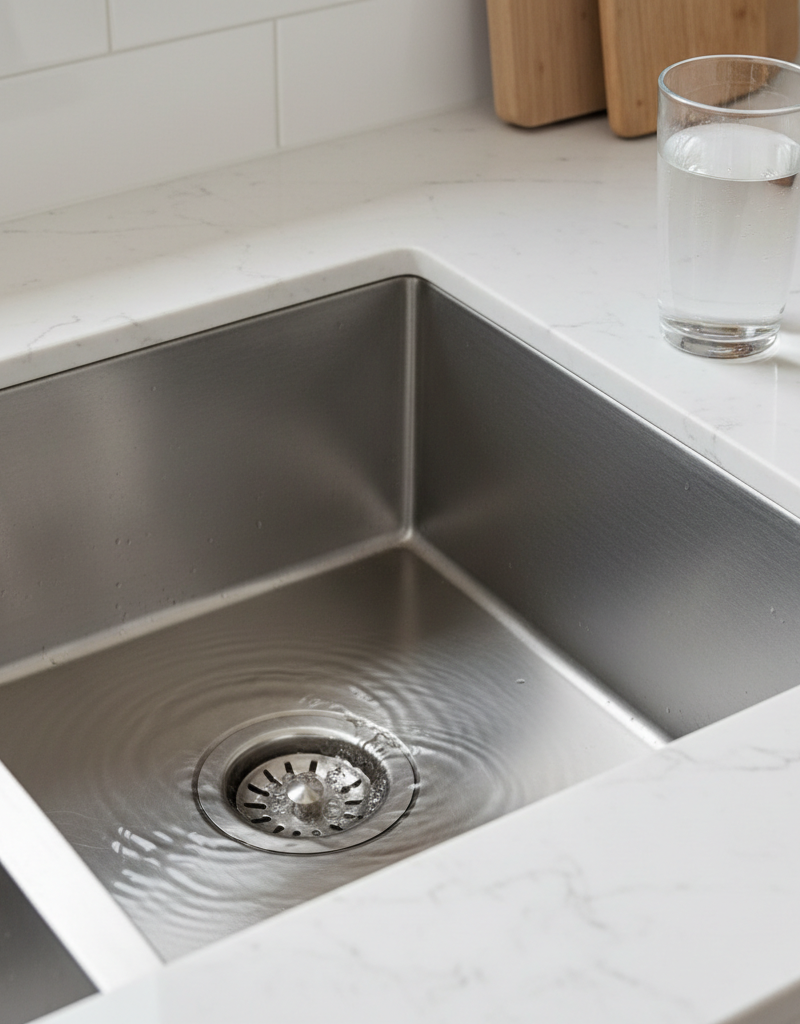
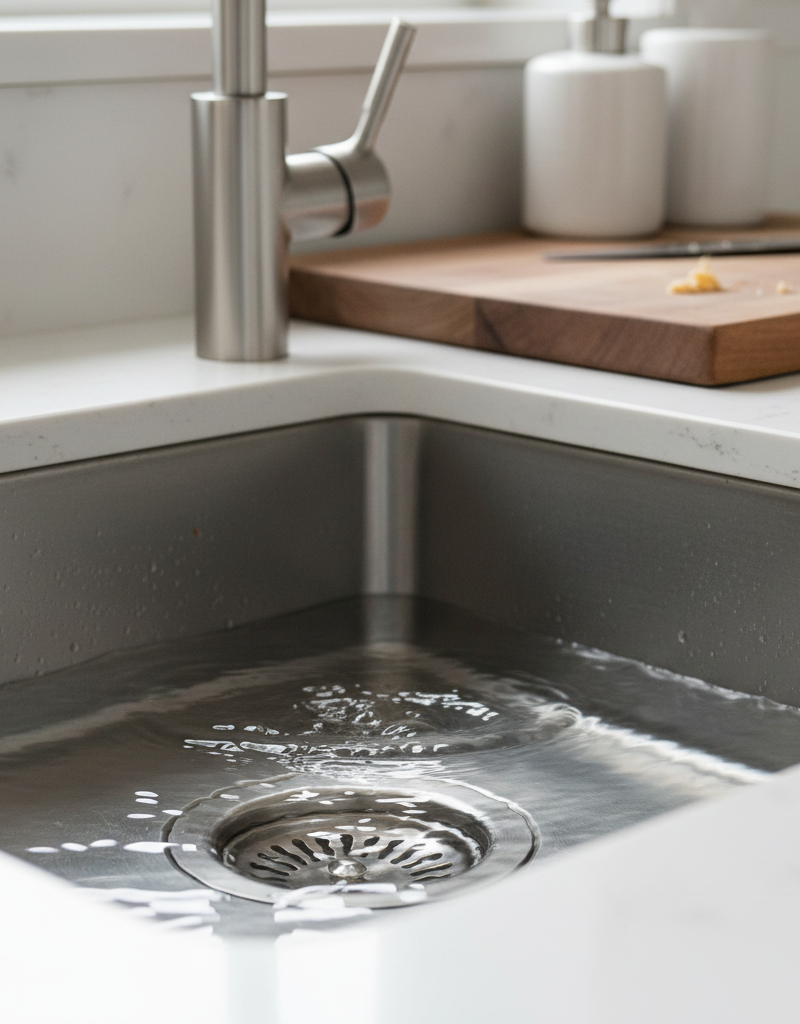
There's that familiar gurgle, followed by a frustratingly slow swirl as water reluctantly disappears down your kitchen sink. It's not completely stopped, but it's far from the quick, efficient drainage you expect. This common household annoyance isn't just an inconvenience; a persistently slow drain can eventually lead to a complete clog, foul odors, and even potential water damage if left unaddressed. While the immediate assumption is often a simple clog, the truth can be more complex, involving system components you might not immediately consider, such as the plumbing vent or even a compromised garbage disposal.
The pain points for homeowners are clear: wasted time waiting for water to drain, unsanitary conditions with standing greywater, and the nagging worry that a minor issue could escalate into a major, costly repair. Understanding the root causes and having a systematic approach to troubleshooting can save you money on plumber call-outs and keep your kitchen running smoothly.
How It Works
To understand why your kitchen sink drains slowly, it's helpful to grasp the basic mechanics of your drain system. When you turn on the faucet, water flows into the sink basin. Below the basin, attached to the drain opening, is a drain flange and strainer. If you have a garbage disposal, this is where it integrates into the system. From there, water enters the P-trap, a U-shaped pipe designed to hold a small amount of water, creating a seal that prevents sewer gases from entering your home. After the P-trap, the drain line connects to a branch drain, which then leads to the main house drain.
A crucial, often overlooked component is the plumbing vent system. Vent pipes extend from your drain lines up through the roof, allowing air to enter the drain system. This air pressure is essential; without it, draining water would create a vacuum, leading to slow drainage, gurgling sounds, and even siphoning water from P-traps. Think of it like pouring liquid from a sealed bottle – it gurgles and pours slowly because air can't easily replace the liquid. A clear vent allows for smooth, rapid drainage. Any obstruction in this carefully balanced system – be it grease in the P-trap, a jammed disposal, or a blocked vent – can disrupt the flow and cause that irritating slow drain.
Step-by-Step Fix
1. Clear the Garbage Disposal — Start by addressing potential issues with your food waste disposer.
If your slow drain is accompanied by unusual grinding noises or no noise at all when the disposal is turned on, the unit might be clogged or jammed. Always ensure the disposal is off and unplugged before reaching inside. Use a flashlight to look down into the drain opening and use needle-nose pliers or tongs to carefully remove any visible objects like silverware, fruit pits, or excessive food waste. If the motor hums but doesn't spin, press the red reset button usually located on the bottom of the disposal unit. If that doesn’t work, use the hex key (often provided with the disposal) to manually turn the impeller blades from the bottom center hole. Run cold water and turn on the disposal for 30 seconds to flush it out.
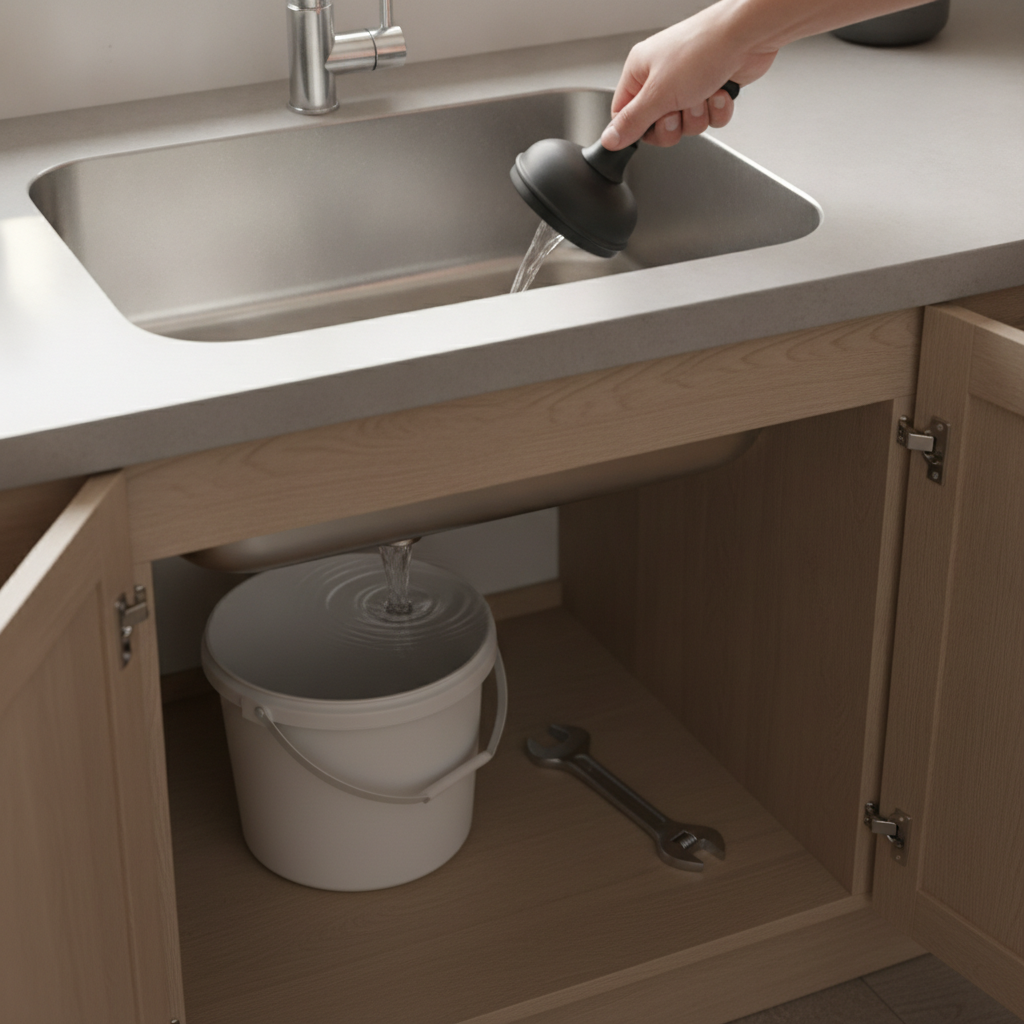
2. Plunge the Drain — A simple, effective first step for many clogs.
Before plunging, remove any strainer or stopper. If you have a double-basin sink, seal the second drain opening tightly with a wet rag or a separate stopper to create a good seal for plunging. Fill the affected sink with enough water to cover the bell of the plunger. Place the plunger firmly over the drain, ensuring a tight seal. Make 10-15 rapid, vigorous up-and-down strokes, keeping the plunger submerged. On the last stroke, pull the plunger up sharply to break the vacuum. Repeat this process 2-3 times. If the water still drains slowly, move to the next step.
- Safety Note: Never use chemical drain cleaners after plunging or immediately before using other tools, as splashing caustic chemicals can cause severe burns.
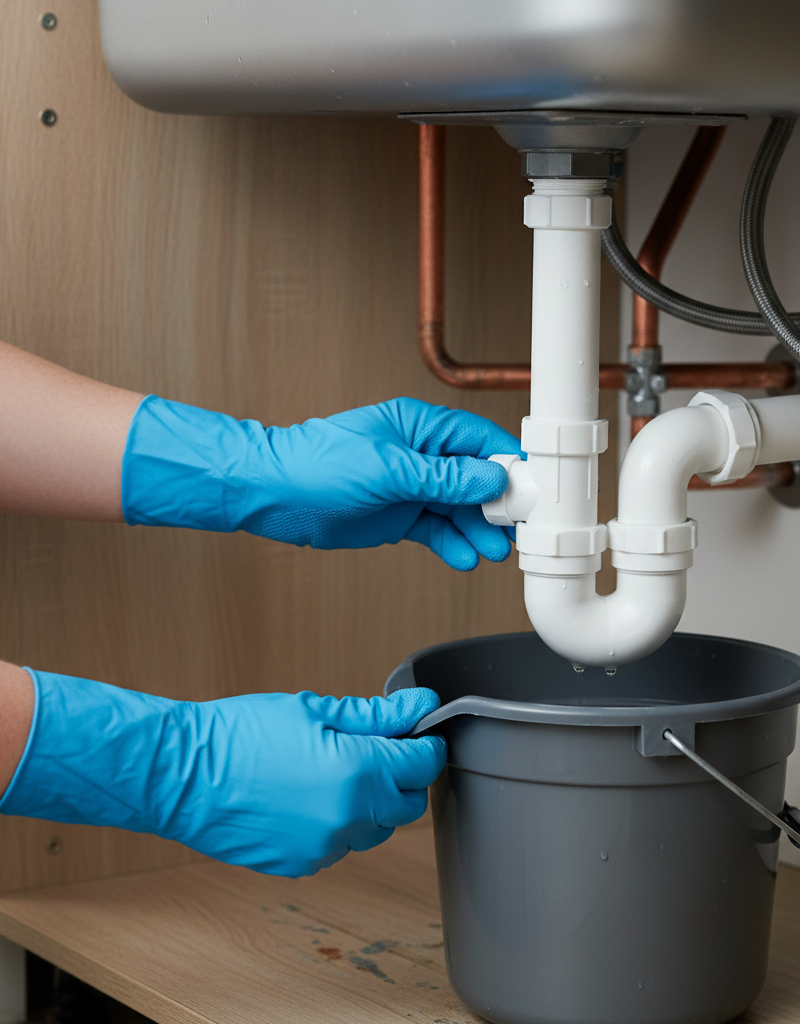
3. Clean the P-Trap — The most common location for kitchen sink clogs.
Place a bucket beneath the P-trap to catch any water and debris. Using adjustable pliers, loosen the slip nuts on both ends of the P-trap. You may need to use a small wrench for older metal traps. Carefully remove the P-trap, tilting it to empty its contents into the bucket. Use a stiff brush, coat hanger wire, or a bottle brush to thoroughly clean the inside of the P-trap, removing any grease, hair, and food particles. Inspect the horizontal pipe section leading from the wall for any visible obstructions. Reassemble the P-trap, ensuring the slip nuts are hand-tightened first, then a quarter-turn with pliers to prevent leaks. Run water to check for leaks and proper drainage.
4. Use a Drain Snake (Hand Auger) — Reach deeper into the drain line.
After cleaning the P-trap, if the drain is still slow, the clog is deeper in the branch line. Carefully feed the end of a small hand auger (or sink snake) into the drain opening in the wall where the P-trap connects. Push the snake forward until you feel resistance, indicating a clog. Lock the thumbscrew on the snake and crank the handle clockwise to work the auger head into the clog. Once you feel the clog break apart or when the auger pulls out material, slowly retract the snake. Be prepared for foul odors and debris. Repeat this process until the snake moves freely. Flush the drain with hot water for several minutes to clear any remaining debris.
- If this doesn't work: The clog might be further down the main house drain, requiring a larger auger or professional intervention.
5. Clear the Air Gap (Dishwasher Drain) — Often overlooked, especially with a dishwaher.
If your kitchen sink has a dishwasher, it might have an air gap device on the countertop near the faucet (a small cylindrical cap). If the air gap itself becomes clogged with food particles, it can restrict the dishwasher's drain line and, in some cases, affect the sink's drainage. Remove the cap and cover, then clear any visible debris from inside the air gap assembly. Ensure the small hoses connected to it are clear. This is less common for slow sinks but worth checking if you have a dishwasher connected to your drain system.
6. Check the Plumbing Vent — A common, but tougher-to-diagnose issue.
If your sink is draining slowly and you hear gurgling noises from other drains in the house, or if the problem seems to come and go, a blocked plumbing vent could be the culprit. Vent stacks can become clogged with leaves, bird nests, or even animal carcasses. This is a job that often requires working on the roof. Visually inspect the vent pipe opening on your roof for obstructions. You can try flushing water down the vent using a garden hose (with a helper watching the sink below for overflow). If you suspect a deeper vent clog or are uncomfortable working on the roof, call a professional plumber. Safety Note: Working on roofs can be dangerous. Use extreme caution, proper fall protection, or hire a professional.
Common Causes
- Grease and Food Particle Buildup: The number one offender in kitchen sinks. Over time, fats, oils, and grease (FOG) congeal on pipe walls, especially in the P-trap and initial drain line sections. Food scraps, coffee grounds, and soap scum cling to this grease, gradually narrowing the pipe's diameter and slowing drainage.
- Garbage Disposal Issues: A jammed grinding plate, worn-out impellers, or accumulation of fibrous foods (like celery or potato peels) within the disposal itself can restrict flow through the unit and into the drain.
- Blocked P-Trap: The U-shaped pipe directly under the sink is designed to trap debris. While beneficial for preventing sewer gas, it's also the most common point for clogs to form due to its shape and proximity to the sink.
- Partial Clog in Branch Drain Line: Beyond the P-trap, the horizontal branch drain line leading to the main stack can accumulate debris, especially if the slope is insufficient or there are rough spots in older pipes.
- Blocked Plumbing Vent: As discussed, a blocked vent pipe prevents air from entering the drain system, leading to negative pressure that hinders water flow and causes gurgling.
- Improper Pipe Installation/Aging Pipes: Less common, but sometimes pipes are installed with insufficient slope, or old cast iron pipes have corroded and scaled interiors, making them prone to recurring clogs.
Common Mistakes
- Using Chemical Drain Cleaners Regularly: While they might offer a temporary fix, chemical drain cleaners are highly corrosive. They can damage pipes (especially older PVC or steel), harm septic systems, and pose significant safety risks if they splash back or mix with other chemicals. They often just eat a small hole in a clog, allowing it to reform quickly.
- Ignoring the Second Sink Basin: If you have a double sink, failing to plug the non-affected basin when plunging prevents you from creating a proper seal, making plunging ineffective.
- Not Unplugging the Garbage Disposal: Attempting to clear a jammed disposal without first unplugging it from its power source is extremely dangerous and can lead to severe injury.
- Over-tightening P-Trap Nuts: When reassembling the P-trap, over-tightening the plastic slip nuts can crack them, leading to leaks. Hand-tighten, then give a quarter-turn with pliers.
- Pouring Grease Down the Drain: This is a primary cause of kitchen sink clogs. Always dispose of cooking grease, oils, and fats in the trash after they cool and solidify.
- Flushing Inappropriate Items: Coffee grounds, eggshells, fibrous vegetables, pasta, and rice should not go down the drain, even with a garbage disposal. They can accumulate and create stubborn clogs.
Cost & Time Breakdown
| Task | DIY Cost | Pro Cost | Time |
|---|---|---|---|
| Plunger | $0–$25 | N/A | 5–15 min |
| P-trap Cleaning | $0–$10 (supplies) | $100–$250 | 30–60 min |
| Hand Auger / Drain Snake | $20–$50 | $150–$350 | 1–2 hours |
| Garbage Disposal Reset/Clear | $0 | $100–$200 | 10–20 min |
| Air Gap Clearing | $0 | $75–$150 | 15–30 min |
| Vent Pipe Clearing (DIY) | $0–$10 (hose) | $200–$500+ (complex) | 1–3 hours (roof) |
Tips & Prevention
- Regular Hot Water Flush: Once a week, run very hot water down your kitchen drain for a few minutes. This can help melt and flush away minor grease buildups before they become significant clogs.
- Use a Drain Strainer: Install a mesh drain strainer in your sink to catch food particles, coffee grounds, and other debris before they enter the drainpipe. Empty it regularly into the trash.
- Proper Grease Disposal: Never pour cooking grease, oil, or fat down the drain. Allow it to cool and solidify, then scrape it into the trash.
- Ice and Citrus for Disposal: Regularly run ice cubes through your garbage disposal, followed by a cut-up lemon or lime. The ice helps to scour the grinding plates, and the citrus freshens the disposal and helps cut through grease.
- Baking Soda and Vinegar: As a natural, non-corrosive drain freshener and mild clog preventative, pour 1/2 cup of baking soda down the drain, followed by 1/2 cup of white vinegar. Let it sit for 15-30 minutes, then flush with hot water. Do this monthly.
- Mind What Goes Down: Be mindful of what you put down your drain or disposal. Avoid fibrous foods, pasta, rice (which expand with water), eggshells (which can create a gritty paste), and excessive coffee grounds.
When to Call a Professional
You should call a professional plumber if, after attempting the steps above, your kitchen sink continues to drain slowly or becomes completely clogged. Specifically, if a hand auger doesn't clear the obstruction, or if you suspect the clog is deep within your main drain line, it's time for a pro. Additionally, if you notice slow drainage or gurgling in multiple fixtures throughout your home (e.g., toilets, showers, or other sinks), this often indicates a problem with the main house drain or plumbing vent, which requires specialized equipment and expertise to diagnose and resolve safely. Avoid attempting to clear main line clogs yourself, as this can lead to further damage or messy back-ups. Plumbers have industrial-strength augers, hydro-jetting equipment, and video inspection cameras to accurately locate and clear stubborn obstructions, including significant vent blockages.
Related Articles
Keep troubleshooting with these hand-picked guides from FixlyGuide:
- The Secret Culprit Behind Your Slow Sink Drain (It's Not Always Hair) — Uncover the surprising reasons your kitchen sink drains slowly and learn straightforward fixes to restore flow without calling a plumber.
- The #1 Mistake Homeowners Make with a Slow Kitchen Drain (And the Simple Fix) — A slow kitchen sink drain is frustrating, but often an easy fix if you avoid common mistakes and know where to look first.
- The #1 Mistake Homeowners Make with a Slow Kitchen Drain (And the Easy Fix) — A slow kitchen sink drain is frustrating, but often it's a simple fix homeowners overlook by focusing on the wrong culprits.
- The #1 Mistake Homeowners Make with a Slow Kitchen Drain (and the Real Fix) — Before you reach for harsh chemicals, learn the right way to fix a slow kitchen sink drain and prevent future clogs.
- The Secret Reason Your Dishwasher Won't Drain (And How to Fix It in 20 Minutes) — Discover the hidden culprits behind a non-draining dishwasher and learn how to resolve common issues in under 30 minutes, saving you a cost…
- The #1 Hidden Culprit Behind Your Whole-House Low Water Pressure (It's Not Your City!) — Discover the most common, often overlooked cause of low water pressure throughout your entire home and how to fix it yourself.
What should this project cost?
Enter your project details for a realistic cost range before you call anyone.
Common repairs run $150–$650; repipes and water-heater replacements reach $1,500–$4,500.
- Regional adjustment
- National average
- Labor share (typical)
- ~$754
- Quotes to collect
- 3 written estimates
Educational estimate based on national averages — not a binding quote. Always confirm with written local estimates.
Fixly Project Decision Box
- DIY difficulty
- Moderate
- Estimated time
- 30 minutes – half a day
- Cost level
- Moderate
Main tools / materials
- Adjustable wrench
- Plunger or drain auger
- Bucket and towels
- Thread tape
When to stop and call a pro
- Water you cannot shut off at the fixture or main
- Sewage backing up into more than one fixture
- Water near electrical panels or outlets
- Gas water heater work beyond relighting a pilot
Need professional help?
Get a Licensed PlumberFrequently asked questions
Why is my kitchen sink draining slowly but not clogged?+
A slow-draining kitchen sink that isn't completely stopped can often be attributed to a partial clog of grease and food particles, a problem with your garbage disposal, or a blocked plumbing vent. The vent allows air into the drain system, and without it, water struggles to flow freely, creating negative pressure.
Can a blocked vent cause a slow kitchen sink drain?+
Yes, absolutely. A blocked plumbing vent pipe is a common cause of slow drains and gurgling noises. The vent pipe allows air into the drainage system, preventing a vacuum from forming. If blocked by debris on the roof, water cannot flow smoothly and will drain very slowly, sometimes even siphoning water from P-traps.
How do I clear a slow kitchen sink drain naturally?+
For a natural approach, avoid harsh chemicals. First, try plunging the drain. If that doesn't work, clean the P-trap directly under the sink. For general maintenance, a mixture of 1/2 cup baking soda followed by 1/2 cup white vinegar can be poured down the drain, left for 30 minutes, and then flushed with hot water. This can help break down minor buildups and deodorize.
When should I call a plumber for a slow kitchen sink drain?+
You should call a plumber if you've attempted basic troubleshooting steps (plunging, P-trap cleaning, snaking) and the drain remains slow or completely clogged. Also, if multiple drains in your home are slow or gurgling, it indicates a main line or vent stack issue beyond typical DIY fixes, requiring professional tools and expertise.
Can my garbage disposal cause a slow drain?+
Yes, a garbage disposal can definitely cause a slow drain. If the unit is jammed, has food waste accumulated around the grinding plates, or if its drain hose is partially clogged, it will restrict water flow from the sink. Always check the disposal first if you have one.
Discussion
Loading comments…