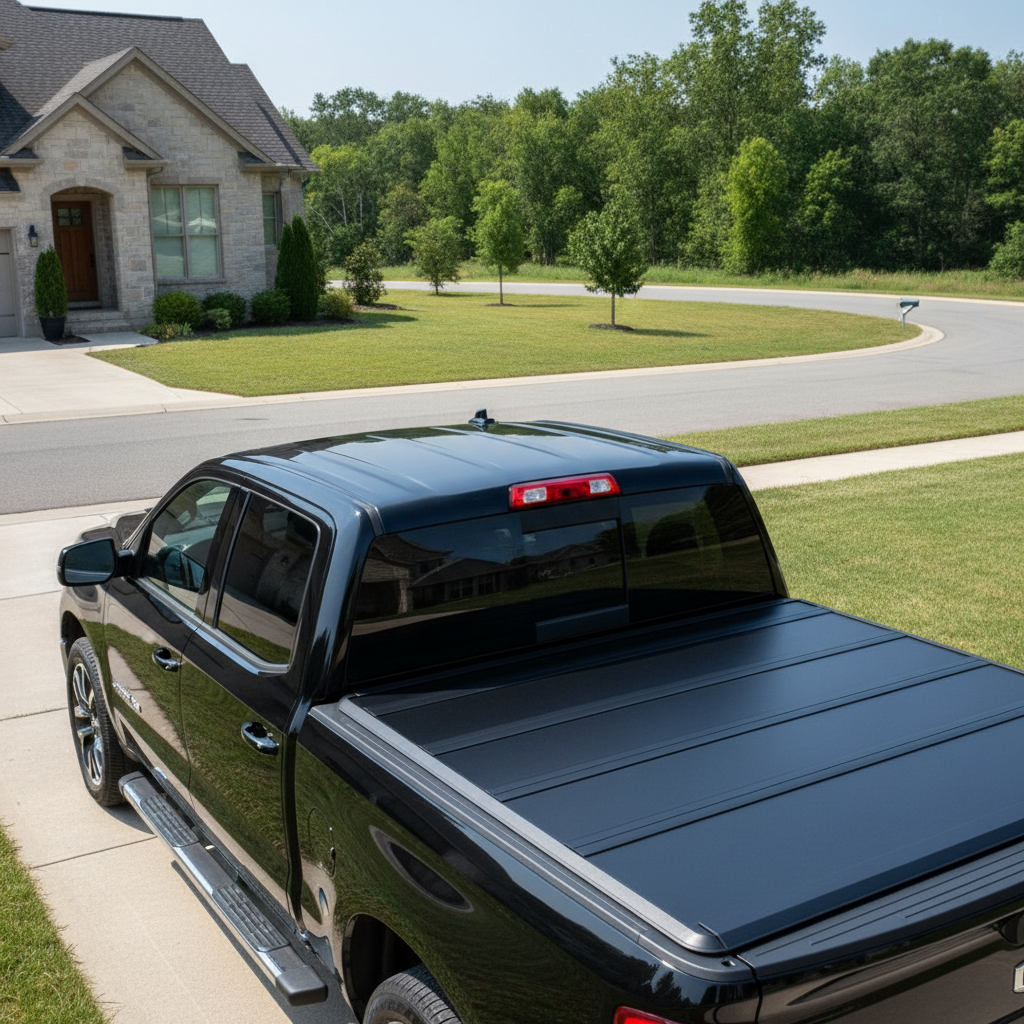
- Using the provided clamps, attach the side rails to the truck's bed rails. Start by loosely attaching one clamp near the cab and one near the tailgate on each side.
- Pro Tip: Ensure the rails are perfectly parallel to the truck bed and level. Use a measuring tape to check the distance from the top of the rail to the bed floor at several points along each side.
- Add remaining clamps, spacing them evenly, and then progressively tighten all clamps, working from front to back, ensuring even pressure. Do not overtighten, as this can deform the bed rails.
Published June 18, 2026Last updated August 17, 2026
Tools & materials you'll need
Affiliate linksAs an Amazon Associate FixlyGuide earns from qualifying purchases — at no extra cost to you. Prices and availability are accurate as of publication and subject to change.
Quick Answer
Installing a tonneau cover on your truck bed offers a trifecta of benefits: superior protection from weather and theft, a noticeable improvement in fuel efficiency by streamlining aerodynamics, and long-term preservation of your truck bed's finish against UV damage and abrasive debris. It's a quick, high-impact upgrade that pays dividends in both convenience and savings.
The Problem
Most truck owners buy a pickup for its utility – the ability to haul gear, materials, or recreational equipment. However, an open truck bed exposes your cargo to a host of vulnerabilities. Rain, snow, and ice can damage sensitive items, while dust and road grime can accumulate, making your bed perpetually dirty. Furthermore, an uncovered bed acts as a giant scoop for air, creating drag that siphons fuel economy, especially at highway speeds. Perhaps most critically, an open bed is an invitation for opportunists to pilfer tools, groceries, or any items left unattended, transforming your truck into a tempting target. Even when empty, the bed's paint and surface are constantly assaulted by UV radiation and road debris, leading to fading, scratches, and eventual rust.
How It Works
A tonneau cover fundamentally transforms an open truck bed into a secure, enclosed storage area. The principle is simple: it provides a physical barrier over the bed opening. Most covers utilize a rail system that clamps or bolts to the inside of the truck bed rails, offering a sturdy mounting point without requiring modifications to the truck body itself. The cover material, whether it be vinyl, aluminum, or fiberglass, then spans across this opening.
Retractable covers often use spring-loaded canisters or electric motors to roll or fold the cover into a compact unit stored at the front of the bed, near the cab. This allows for full bed access when needed. Folding covers, on the other hand, typically consist of multiple hinged panels that fold up towards the cab. Soft roll-up covers use a series of bows or tension systems to keep the vinyl taut and roll up manually.
The aerodynamic benefit comes from smoothing the airflow over the entire vehicle. Without a cover, air rushes into the truck bed, creating a turbulent vortex of low pressure and drag. This 'air brake' effect forces the engine to work harder to maintain speed, consuming more fuel. A tonneau cover eliminates this turbulence, allowing air to flow smoothly over the truck's rear, much like a sedan. Security is achieved through various locking mechanisms integrated into the cover, often syncing with the truck's tailgate lock or featuring independent key locks. This transforms your truck bed into a large, secure trunk. Finally, by shielding the bed from direct sunlight and precipitation, the cover prevents UV degradation of the bed liner or painted surface and keeps water from pooling, which is a major cause of rust and corrosion.
Step-by-Step Fix
1. Prepare Your Truck Bed — Give your truck bed a thorough cleaning before installation.
- Use an all-purpose cleaner and a stiff brush to remove all dirt, dust, and debris from the bed rails and bulkheads.
- Ensure the bed rails are completely dry afterward to ensure proper adhesion for any weather stripping.
2. Install Front Bulkhead Seal (If Applicable) — Some covers require a seal along the bulkhead (the wall closest to the cab).
- Peel the backing off the weatherstripping provided in your kit.
- Carefully align and press the seal along the top edge of the bulkhead, ensuring a tight, continuous seal from one side to the other.
3. Position Side Rails — Place the cover's side rails onto the truck bed rails.
- Lay the driver and passenger side rails loosely on top of your truck's bed rails, ensuring they are oriented correctly (often marked 'front' or 'cab' side).
- Do not tighten any clamps yet; just get them into position.
4. Clamp Down Side Rails — Secure the rails to your truck bed.
- Using the provided clamps, attach the side rails to the truck's bed rails. Start by loosely attaching one clamp near the cab and one near the tailgate on each side.
- Pro Tip: Ensure the rails are perfectly parallel to the truck bed and level. Use a measuring tape to check the distance from the top of the rail to the bed floor at several points along each side.
- Add remaining clamps, spacing them evenly, and then progressively tighten all clamps, working from front to back, ensuring even pressure. Do not overtighten, as this can deform the bed rails.
5. Install the Cover System — Depending on the type, this involves rolling out or setting the cover.
- For roll-up covers: Carefully unroll the vinyl or fabric across the bed, ensuring it's centered. Secure the front section to the bulkhead bar or rail.
- For folding covers: Place the folded cover section onto the installed rails at the bulkhead. Slowly unfold each panel, making sure the hinges align and the cover sits flush.
6. Adjust Tension/Fit — Fine-tune the cover for a snug, weather-tight fit.
- Many soft roll-up covers have a tension adjustment at the rear or sides to keep the vinyl taut. Adjust this until the cover is firm but not overly stretched.
- For folding covers, ensure all latches engage securely along the side rails. Check for any gaps or unevenness.
7. Test for Leaks — A crucial step to ensure protection.
- Use a garden hose to thoroughly spray down the truck bed cover, focusing on seams and edges.
- Visually inspect the inside of the truck bed for any water intrusion. Address any leaks by repositioning seals or tightening clamps in that area.
- If this doesn't work: Some minor leaks are normal, especially near the tailgate. Consider adding a tailgate seal kit for enhanced water resistance.
8. Final Checks — Verify everything is secure and operating correctly.
- Open and close the cover several times to ensure smooth operation and proper latching.
- Confirm all clamps are tight and the cover feels secure. Read through your specific cover's manual for any model-specific checks or breaking-in procedures.
Common Causes
The need for a tonneau cover often stems from several common homeowner scenarios:
- Regular Hauling of Valuables: Transporting tools, luggage, groceries, or sports equipment frequently, demanding protection from theft and weather.
- Outdoor Lifestyle: Frequent camping, fishing, or hunting trips where gear needs to be kept dry, clean, and secure.
- Desire for Improved Fuel Economy: Recognizing the truck bed's aerodynamic drag and seeking ways to mitigate it for better gas mileage, especially during long commutes or road trips.
- Preservation of Truck Resale Value: Understanding that a well-maintained, rust-free bed significantly increases a truck's market value.
- Construction/Trade Work: Carrying materials, lumber, and tools to job sites, requiring security and protection from rain and debris.
Common Mistakes
- Not Cleaning the Bed Properly: Failing to thoroughly clean and dry the bed rails before installation can lead to poor adhesion of seals and potential leaks.
- Overtightening Clamps: Excessively tightening the bed rail clamps can warp or damage the truck's sheet metal, leading to leaks or improper cover function.
- Ignoring Tension Adjustments: For soft covers, not properly adjusting the tension can cause the cover to flap in the wind, leading to premature wear or even detachment.
- Skipping the Leak Test: Assuming the cover is waterproof without testing it can lead to damaged cargo during the first rainstorm.
- Incorrect Rail Alignment: Installing the side rails crooked or unevenly will lead to a cover that doesn't sit flush, opens/closes poorly, and can compromise weather sealing.
- Using Abrasive Cleaners: Cleaning the tonneau cover with harsh, abrasive chemicals can damage the material, fade the color, or degrade protective coatings.
Cost & Time Breakdown
| Task | DIY Cost | Pro Cost | Time |
|---|---|---|---|
| Entry-Level Soft Cover | $200–$400 | N/A | 30–60 minutes |
| Mid-Range Hard Folding | $600–$1,200 | N/A | 60–90 minutes |
| Retractable/Electric | $1,500–$2,500+ | N/A | 90–120 minutes |
| Professional Install | Labor only, $0 | $100–$300 | 1–2 hours |
| Tailgate Seal Kit | $20–$50 | $20–$50 + labor | 15–30 minutes |
Tips & Prevention
- Regular Cleaning: Clean your tonneau cover regularly with mild soap and water, especially after heavy rain or off-road use, to prevent dirt and grime buildup.
- UV Protectant: Apply a UV protectant specifically designed for your cover's material (vinyl, plastic, fiberglass) every few months to prevent fading and cracking.
- Check Tension: For soft covers, periodically check and adjust the tension to keep the cover taut and prevent flapping, which extends its lifespan.
- Inspect Seals: Annually inspect all rubber seals and weatherstripping for cracks, tears, or compression that could lead to leaks. Replace as needed.
- Lubricate Moving Parts: For retractable or folding covers, lubricate rails, hinges, and moving parts with a silicone-based spray to ensure smooth operation.
- Close Securely: Always ensure the cover is fully closed and latched when driving to prevent it from opening unexpectedly or damaging items in the bed.
When to Call a Professional
While most tonneau cover installations are designed for theDIYer, there are specific situations where calling a professional is recommended. If you encounter significant difficulties with rail alignment that could damage your truck bed, or if the cover mechanism is complex and requires specialized tools or knowledge you don't possess, a professional installer can ensure proper function. Additionally, if you have a bed liner that requires modifications (cutting) that you're uncomfortable performing, or if you prefer the peace of mind of a guaranteed, watertight installation, a professional can handle it efficiently and correctly, often offering a warranty on their work. This ensures your investment is protected and your truck bed is properly sealed against the elements and theft. Most truck accessory shops offer installation services for a reasonable fee.
Related Articles
Keep troubleshooting with these hand-picked guides from FixlyGuide:
- The Secret Window AC Trick That Slashes Your Summer Electric Bill By 30% — Mastering simple window AC maintenance can significantly reduce your cooling costs and extend the life of your unit, often by more than 30%.
- The Surprising Reason Your House Ticks and Pops At Night (And What It Means) — That unsettling ticking or popping sound in your house at night is usually normal thermal expansion and contraction, but sometimes it signa…
- The Surprising Yard Tool That Vaporizes Weeds (No Chemicals Needed) — A weed torch offers an efficient, chemical-free method for removing unwanted plants from hardscaped areas like driveways, patios, and grave…
- The 3 Hidden Ways Your — Uncover the surprising habits and hidden household issues that are silently increasing your homeownership costs and learn how to fix them.
- 7 Hidden Equity Drains Costing You Thousands Annually — Your home is an asset, but silent problems like minor leaks, poor insulation, and deferred maintenance can drain its value. Discover the se…
- That Heavy Mirror? It Needs More Than Just a Nail — Stop guessing with drywall anchors; the physics of shear force and toggle bolt ratings are the secret to keeping your heavy mirror securely…
What should this project cost?
Enter your project details for a realistic cost range before you call anyone.
Cost depends heavily on which system turns out to be the source.
- Regional adjustment
- National average
- Labor share (typical)
- ~$1,620
- Quotes to collect
- 3 written estimates
Educational estimate based on national averages — not a binding quote. Always confirm with written local estimates.
This article was independently written by FixlyGuide based on the source topic.
Frequently asked questions
Do tonneau covers really improve gas mileage?+
Yes, tonneau covers can improve gas mileage by creating a smoother airflow over the truck bed, reducing aerodynamic drag, especially at highway speeds. The amount of savings varies but typically ranges from 5% to 10%.
Are tonneau covers waterproof?+
While most quality tonneau covers are highly water-resistant and designed to keep the vast majority of water out, they are rarely 100% waterproof. Minor leaks can sometimes occur around the tailgate or at the edges during heavy downpours, but they offer substantial protection.
What type of tonneau cover is best?+
The 'best' type depends on your needs. Soft roll-up covers are economical and easy to use. Hard folding covers offer better security and durability. Retractable covers provide the most convenience with electric options, while one-piece painted covers offer a sleek, finished look and maximum protection.


Discussion
Loading comments…