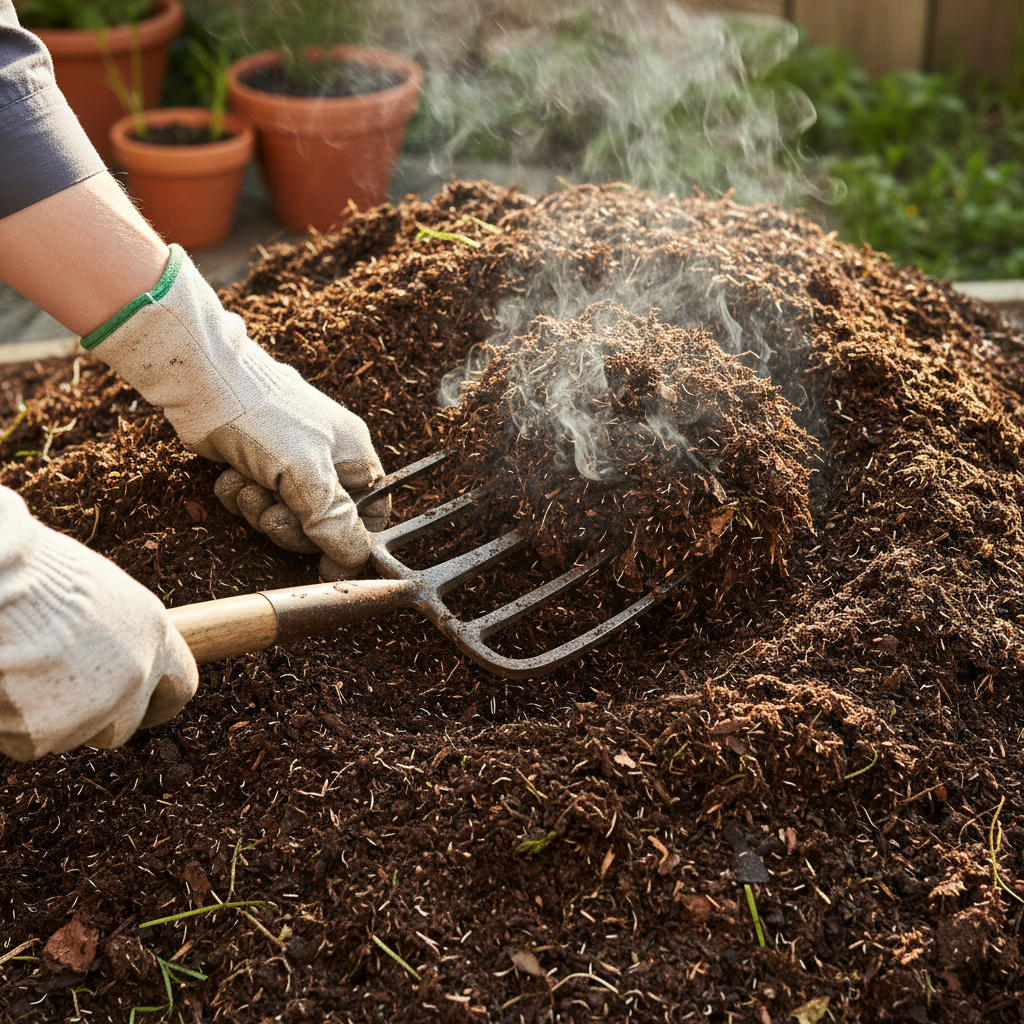
- Too Wet & Smelly (ammonia-like or rotten egg): Likely too much nitrogen (greens) and not enough carbon (browns), or it's too compacted and anaerobic.
- Dry & Cold/Inactive: Too much carbon (browns), not enough moisture, or a lack of nitrogen to fuel microbial activity.
- Active but Slow/Slimey: Needs more aeration or a better carbon/nitrogen balance.
Landscaping · Deck or fence project
| Project category | Landscaping |
|---|---|
| Problem type | Deck or fence project |
| Trade required | Landscaping |
| Urgency | Planned project |
| Safety risk | Moderate safety risk |
| DIY suitability | DIY for experienced homeowners |
| Cost category | High cost |
| Typical timeline | Most builds 3–10 days depending on size |
| Contractor type | Landscaping contractor |
Repair option
Replace failed boards, posts, and hardware; reseal the surface.
Replacement option
Rebuild when framing or the ledger connection is unsafe.
Common causes
- Rot at posts and ledger
- Storm damage
- Adding outdoor living space
Relevant tools:home improvement material pricesproject cost estimator
Published June 7, 2026Last updated August 17, 2026
Tools & materials you'll need
Affiliate linksAs an Amazon Associate FixlyGuide earns from qualifying purchases — at no extra cost to you. Prices and availability are accurate as of publication and subject to change.
Quick Answer
If your compost pile isn't breaking down, the most common issue is an imbalance in its carbon-to-nitrogen ratio. This imbalance prevents the essential microorganisms from thriving and decomposing organic matter. To fix this, identify if your pile is too "green" (too much nitrogen) or too "brown" (too much carbon) and adjust by adding the appropriate materials, ensuring proper moisture and aeration.
The Problem
You meticulously gathered your kitchen scraps, yard waste, and even some fallen leaves, layering them with optimistic intent. Weeks, perhaps months, have passed, and instead of a rich, dark, earthy-smelling humus, you're looking at a static pile of recognizable food waste, intact leaves, and maybe some moldy, putrid mess. Your compost isn't composting. This frustrating standstill is a common issue for many new and even experienced composters, and it almost always boils down to one or two fundamental imbalances within the pile's carefully constructed ecosystem. Without proper decomposition, your efforts are wasted, and your garden misses out on the incredible benefits of homemade compost.
How It Works
Composting is essentially a controlled process of decomposition, orchestrated by a vast army of microscopic organisms – bacteria, fungi, and actinomycetes – along with macroscopic helpers like earthworms and insects. These decomposers thrive on organic matter, breaking it down into simpler compounds. For them to work efficiently, they need four key ingredients: carbon, nitrogen, oxygen, and water.
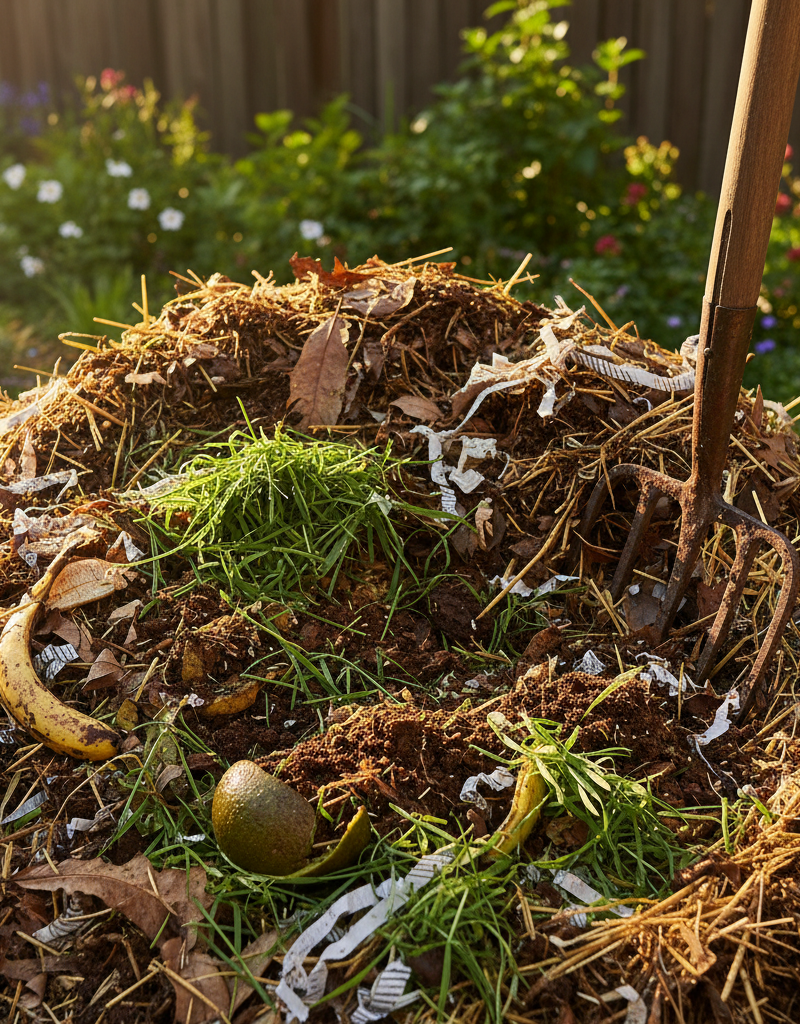
Carbon provides the energy source for these organisms, while nitrogen provides the protein to build their bodies. A healthy compost pile needs a carbon-to-nitrogen (C:N) ratio of approximately 25-30 parts carbon to 1 part nitrogen. "Brown" materials like dried leaves, wood chips, straw, and cardboard are rich in carbon. "Green" materials such as grass clippings, kitchen scraps, and manure are rich in nitrogen. When this ratio is off, the microorganisms either don't have enough energy (too much carbon) or not enough building blocks (too much nitrogen) to multiply and consume the organic waste effectively. Too much nitrogen, for instance, can lead to an anaerobic (oxygen-lacking) environment, causing putrid smells, while too much carbon will simply sit there, breaking down incredibly slowly. Oxygen is crucial for aerobic decomposition, which is the fastest and most odor-free method. Regular turning introduces oxygen. Finally, moisture, like a wrung-out sponge, is essential; too dry, and microbial activity grinds to a halt; too wet, and the pile becomes waterlogged and anaerobic.
Step-by-Step Fix
1. Assess Your Pile's Character — Determine if your compost is too wet/dry or too 'green'/'brown'.
Dig into the center of your pile. What does it look like? What does it smell like?
- Too Wet & Smelly (ammonia-like or rotten egg): Likely too much nitrogen (greens) and not enough carbon (browns), or it's too compacted and anaerobic.
- Dry & Cold/Inactive: Too much carbon (browns), not enough moisture, or a lack of nitrogen to fuel microbial activity.
- Active but Slow/Slimey: Needs more aeration or a better carbon/nitrogen balance.
2. Adjust Moisture Levels — Ensure your compost has the consistency of a wrung-out sponge.
- If too dry: Lightly spray the pile with water as you turn it. Don't drench it. A garden hose with a spray nozzle works best.
- If too wet: Add dry, carbon-rich materials like shredded newspaper, dry leaves, or straw. Turn the pile thoroughly to mix and introduce air.
3. Balance the Carbon-to-Nitrogen Ratio — Add the right ingredients to kickstart decomposition.
- If too 'green' (smelly, slimy, not breaking down): This means you have too much nitrogen. Add significant amounts of "brown" materials like dried leaves, shredded cardboard, straw, wood chips, or sawdust. Aim for a 2:1 or 3:1 brown-to-green ratio initially for correction.
- If too 'brown' (dry, cold, nothing happening): This indicates a lack of nitrogen. Add "green" materials such as fresh grass clippings (in thin layers to prevent matting), kitchen scraps (fruit/vegetable peels, coffee grounds), or even a handful of nitrogen-rich organic fertilizer (like blood meal) if you need a quick boost. Cut larger pieces into smaller ones to speed up decomposition.
4. Aerate Thoroughly — Introduce oxygen to fuel aerobic bacteria.
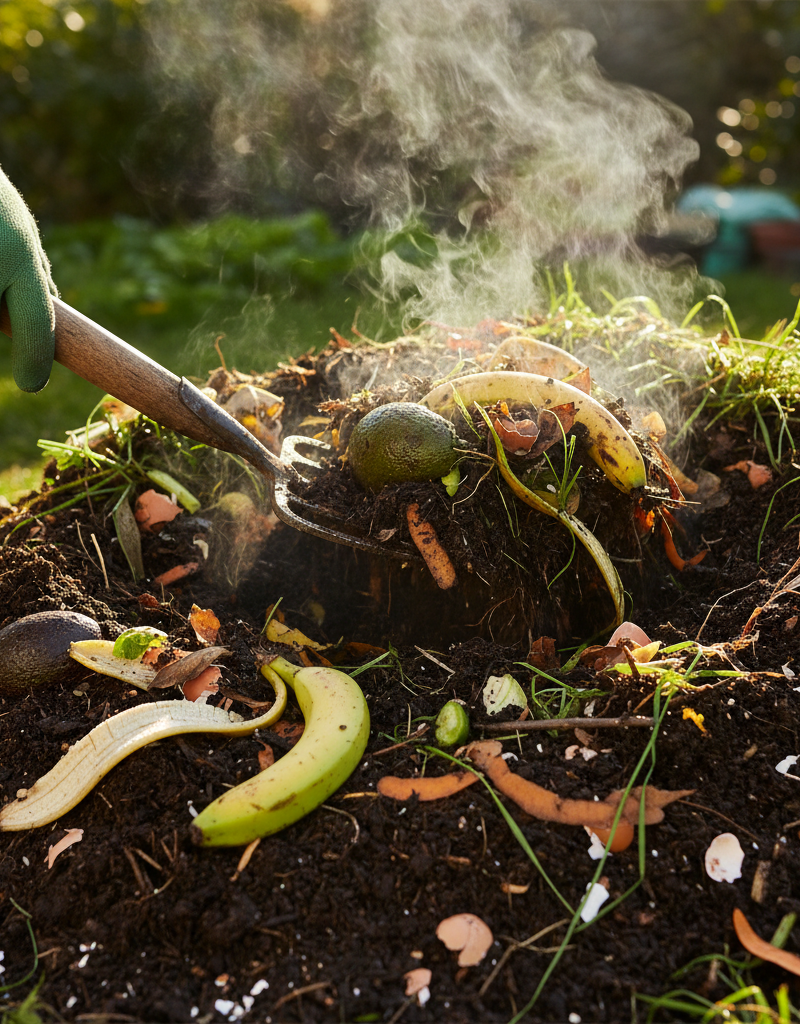
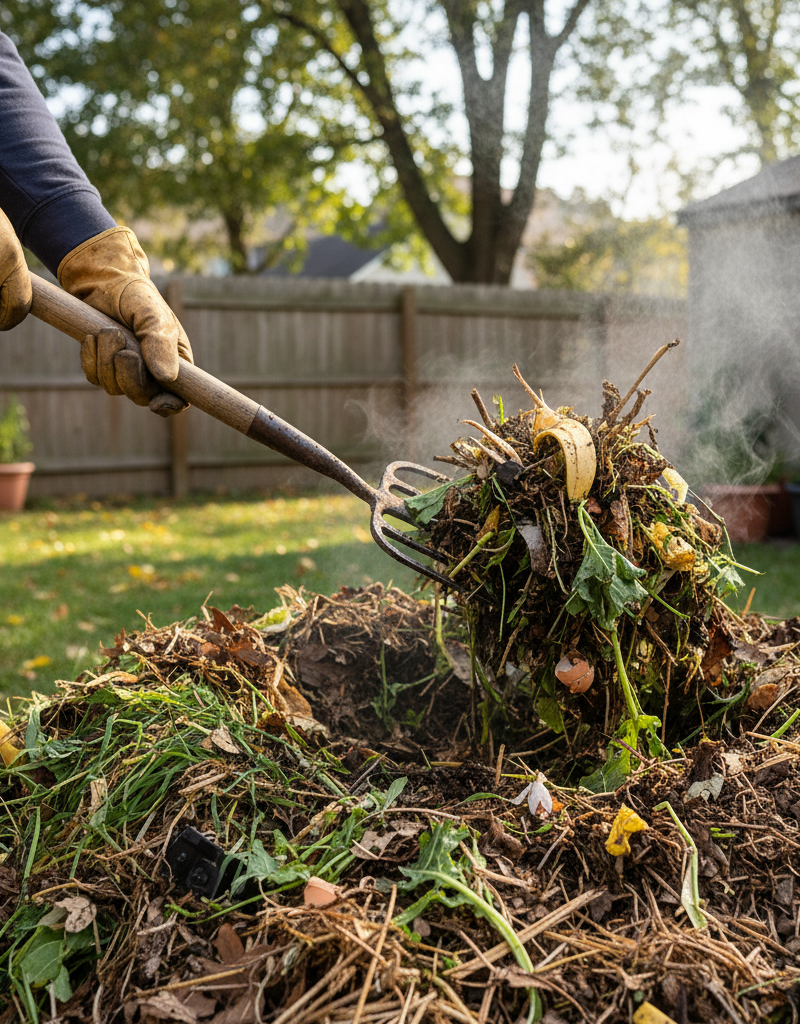
Using a pitchfork or a specialized compost aerator, turn the entire pile every few days, or at least once a week. This mixes the materials, ensures even moisture distribution, and, most importantly, provides much-needed oxygen to the aerobic microbes. If your pile is small, simply tossing it with a shovel will suffice. Ensure you reach the center, where much of the heat and activity occur.
5. Break Down Large Pieces — Smaller pieces decompose faster.
Scan your pile for any large chunks of organic material, such as thick branches, whole fruit peels, or large vegetable scraps. Break them into smaller pieces (1-2 inches) to increase their surface area, making it easier for microbes to access and break them down. This can be done with garden shears, a shovel, or even by stomping on more brittle items.
6. Monitor and Maintain — Regular checks ensure consistent decomposition.
After making adjustments, check your pile every few days. Look for signs of activity: a slight warmth in the center, a reduction in volume, and a pleasant earthy smell. Continue to turn and monitor moisture. Aim for a temperature of 130-160°F (54-71°C) in the core, though this isn't strictly necessary for a casual backyard pile.
Common Causes
- Incorrect Carbon-to-Nitrogen Ratio: This is the overwhelming primary cause. Too many greens lead to a slimy, smelly mess; too many browns lead to a dry, inactive pile. Aim for roughly 2 parts brown to 1 part green by volume for a good start.
- Lack of Aeration: Without enough oxygen, anaerobic bacteria take over, leading to slow decomposition and foul odors (rotten eggs, ammonia). Piles need regular turning.
- Insufficient Moisture: Composting microbes need water to survive and function. A pile that's too dry will simply sit there, doing nothing.
- Excessive Moisture: A waterlogged pile displaces oxygen, creating anaerobic conditions, slowing decomposition, and causing putrefaction.
- Large Particle Size: Big chunks of organic matter have less surface area for microbes to work on, significantly slowing down the decomposition process.
- Lack of Diversity: A limited range of materials can lead to an imbalance. A good mix encourages a wider range of microbes.
Common Mistakes
- Adding Too Many "Greens" at Once: Dumping a huge load of fresh grass clippings without balancing with browns will quickly lead to a stinky, matted, anaerobic mess. Always layer greens with browns.
- Not Including Enough "Browns": Many beginners focus only on kitchen scraps and fresh yard waste, neglecting the crucial carbon source from dry leaves, cardboard, or wood chips, resulting in an overly wet and slow pile.
- Forgetting to Turn the Pile: A static pile quickly runs out of oxygen in its core. Regular turning (at least once a week) is vital for efficient, odor-free composting.
- Letting the Pile Dry Out: A common oversight, especially in hot, dry climates. If the pile is crunchy or dusty, it's too dry and decomposition will halt. Water it lightly!
- Adding Problematic Materials: Meat, dairy, oily foods, diseased plants, and pet waste can attract pests, create foul odors, and introduce pathogens. Stick to approved compostable materials.
- Impatience: Composting takes time, especially with passive methods. Don't expect finished compost in a week. Active piles can finish in a few months, while passive ones take 6-12 months.
Cost & Time Breakdown
| Task | DIY cost | Pro cost | Time |
|---|---|---|---|
| Assessing and Turning Pile | $0 | $100–$250 | 20–30 mins |
| Adding Browns (e.g., leaves, cardboard) | $0–$10 | — | 10–20 mins |
| Adding Greens (e.g., scraps, grass) | $0 | — | 10–20 mins |
| Aerator/Pitchfork (initial purchase) | $20–$60 | Included | — |
| Ongoing Monitoring/Maintenance | $0 | $100–$250/visit | 10–15 mins/week |
Tips & Prevention
- Layering is Key: When adding new materials, aim to alternate layers of greens and browns, like making a lasagna. This helps maintain a balanced C:N ratio from the start.
- Chop It Up: Smaller pieces decompose faster. Aim to shred or chop materials into 1-2 inch pieces before adding them to the pile.
- Maintain Moisture: Periodically check the moisture level, especially during dry spells. The pile should feel like a damp, wrung-out sponge. If it's dry, spray it lightly with water.
- Turn Regularly: Make it a habit to turn your compost pile at least once a week. This keeps it aerated and speeds up decomposition. Consider a compost tumbler for easier turning if you have limited space or physical ability.
- Variety is the Spice of Life (for microbes): Incorporate a wide range of materials. Don't just stick to grass clippings; add leaves, shredded paper, fruit peels, vegetable scraps, coffee grounds, and even sawdust (in moderation).
- "Browns" Storage: Keep a supply of dry "brown" materials (like dry leaves in bags or shredded cardboard in a bin) readily available. This makes it easy to balance the pile when you add a lot of "greens."
- Heat Check: An active pile will often feel warm or hot in the center. Use a compost thermometer if you want to be precise, or just feel it with your hand after turning. Warmth indicates healthy microbial activity.
- Don't Overload: Avoid adding huge quantities of any single material, particularly fresh grass clippings, all at once. Distribute additions evenly over time.
When to Call a Professional
Composting is generally a very DIY-friendly activity. However, if you are struggling to manage persistent odors that are impacting neighbor relations, or if you suspect your compost pile is attracting significant rodent or pest infestations that you cannot control with the recommended fixes (like burying food scraps and balancing the pile), you might consider consulting a local landscaping or composting service. They can offer personalized advice, help you properly site your compost system to minimize issues, or even provide removal services for a problematic, stagnant pile. For most common issues like slow decomposition or imbalanced ratios, the solutions are well within the grasp of the average homeowner with the right materials and consistent effort. However, if you're dealing with extensive mold from improper decomposition affecting a large area, or if you fear contamination of your garden beds from a poorly managed pile, a professional can offer guidance on safe practices and soil remediation.
Related Articles
Keep troubleshooting with these hand-picked guides from FixlyGuide:
- The #1 Mistake Killing Your Compost Pile (and How to Fix It in 10 Minutes) — If your backyard compost pile isn't breaking down, the most common culprit is an imbalance of 'greens' and 'browns,' easily remedied with p…
- The #1 Beginner Composting Mistake (And How to Fix It in Your Backyard) — Avoid the most common composting pitfall and learn how to create a thriving backyard compost pile with simple steps for nutrient-rich soil.
- Your Compost Pile is a Stinky Mess: The 7-Day Trick to Fix It — Discover the surprising reasons your backyard compost smells bad and how a simple 7-day approach can transform it into rich, odor-free soil…
- The 3 Compost Pile Mistakes Sabotaging Your Soil (And How to Fix Them) — Unlock nutrient-rich soil by avoiding common composting errors and learn the simple steps to a thriving backyard compost pile.
- The 3 Compost Pile Mistakes Even Experienced Gardeners Make — Avoid common pitfalls and build a thriving backyard compost pile with the right mix of greens, browns, and proper aeration for nutrient-ric…
- The #1 Mistake Homeowners Make When Caulking a Bathroom Sink (And How to Fix It) — Discover the most common caulk mistake homeowners make around bathroom sinks and follow simple steps to achieve a lasting, watertight seal.
Should you do this yourself?
Answer five quick questions before you start. Safety outranks savings every time.
Your experience with work like this
How high do you have to work?
Does the job involve any of these?
Will it need a permit?
Specialty tools
Free and instant. Educational guidance only — not a quote, inspection, or professional diagnosis.
What should this project cost?
Enter your project details for a realistic cost range before you call anyone.
Cost depends heavily on which system turns out to be the source.
- Regional adjustment
- National average
- Labor share (typical)
- ~$1,620
- Quotes to collect
- 3 written estimates
Educational estimate based on national averages — not a binding quote. Always confirm with written local estimates.
Before you start
Check the difficulty, permits, and safety risk — then decide whether to call a pro.
- Estimate this projectGet a cost range for your scope and ZIP before you call anyone.Open
- Get local estimatesSend one request and compare written estimates from vetted pros.Open
Free, no signup required. Estimates are educational guidance, not a quote or an inspection.
Frequently asked questions
Why is my compost pile not breaking down?+
The most common reason a compost pile isn't breaking down is an imbalanced carbon-to-nitrogen ratio. It could also be too dry, too wet, or lack sufficient aeration (oxygen) for the microbes to work effectively.
How do I fix a smelly compost pile?+
A smelly compost pile usually means it's too wet and has too much nitrogen (greens), leading to anaerobic conditions. To fix it, add dry, carbon-rich materials like shredded leaves, straw, or cardboard, and turn the pile thoroughly to introduce oxygen.
What's the ideal carbon-to-nitrogen ratio for compost?+
An ideal carbon-to-nitrogen (C:N) ratio is roughly 25-30 parts carbon to 1 part nitrogen. Practically, this often translates to about 2-3 parts 'brown' materials (carbon) to 1 part 'green' materials (nitrogen) by volume.
How often should I turn my compost pile?+
For active composting, turn your pile every few days, or at least once a week. This provides oxygen to the microbes and ensures even decomposition. Less frequent turning will still work but will slow down the composting process.
Can I add too much water to my compost pile?+
Yes, adding too much water suffocates the beneficial aerobic bacteria by filling air pockets, leading to an anaerobic, smelly, and slow decomposition process. The pile should feel like a wrung-out sponge, not drenched.
Discussion
Loading comments…