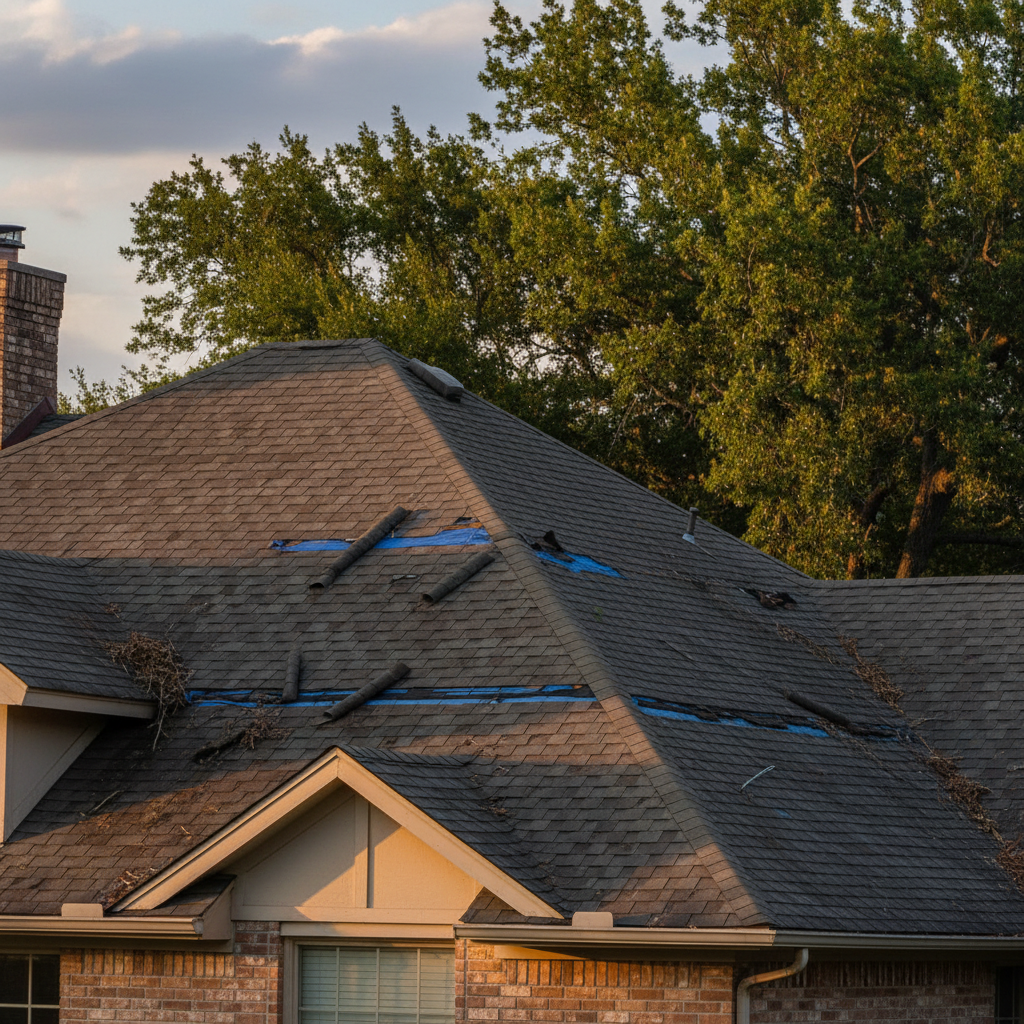
- Straight-line wind and tornado damage
- Hurricane (with separate windstorm deductible on the coast)
- Falling objects (trees, branches, debris)
Roofing · Aging roof
| Project category | Roofing |
|---|---|
| Problem type | Aging roof |
| Trade required | Roofing |
| Urgency | Planned project |
| Safety risk | Low safety risk |
| DIY suitability | Pro recommended |
| Cost category | High cost |
| Typical timeline | Plan 4–12 weeks ahead for scheduling and material lead time |
| Contractor type | Licensed roofing contractor |
Repair option
Maintenance repairs to buy a season or two while you budget.
Replacement option
Planned replacement, which is almost always cheaper than a leak-driven emergency.
Common causes
- Normal weathering past the shingle service life
- Poor attic ventilation cooking the shingles from below
- Repeated repairs on the same slopes
Relevant tools:repair or replace roofproject cost estimatorhome improvement material prices
Published May 22, 2026Last updated September 4, 2026Last reviewed May 22, 2026 by Marcus Hale, Master Tradesman, 22 yrs
If you own a home in Texas, your roof has a target on it. Hail, straight-line winds, hurricane remnants, and the occasional ice storm mean most Texas roofs will see at least one major insurance claim during their lifetime. Knowing exactly what your policy covers—and how to file—can be the difference between a free new roof and a $15,000 out-of-pocket headache.
This guide is built specifically for Texas homeowners in 2026 and covers what's covered, what isn't, how to file, and how to handle a denial.
The Short Answer
Yes, standard Texas homeowners insurance (HO-3 or HO-5) covers roof replacement when the damage is caused by a sudden, accidental event. That includes:
- Hail
- Straight-line wind and tornado damage
- Hurricane (with separate windstorm deductible on the coast)
- Falling objects (trees, branches, debris)
- Fire and lightning
- Vandalism
It does not cover:
- Normal wear and tear
- Age-related deterioration
- Neglected maintenance (rotted decking, prior leaks ignored)
- Damage from leaks that have been happening for months
- Cosmetic-only damage in some newer policies
- Damage during a roof you knew was already failing
How Texas Roof Claims Actually Work
A typical claim runs through five stages.
Stage 1: Document the Damage
Take photos before you call anyone. Capture:
- Wide shots of each roof slope from the ground
- Close-ups of damaged shingles
- Any interior water staining
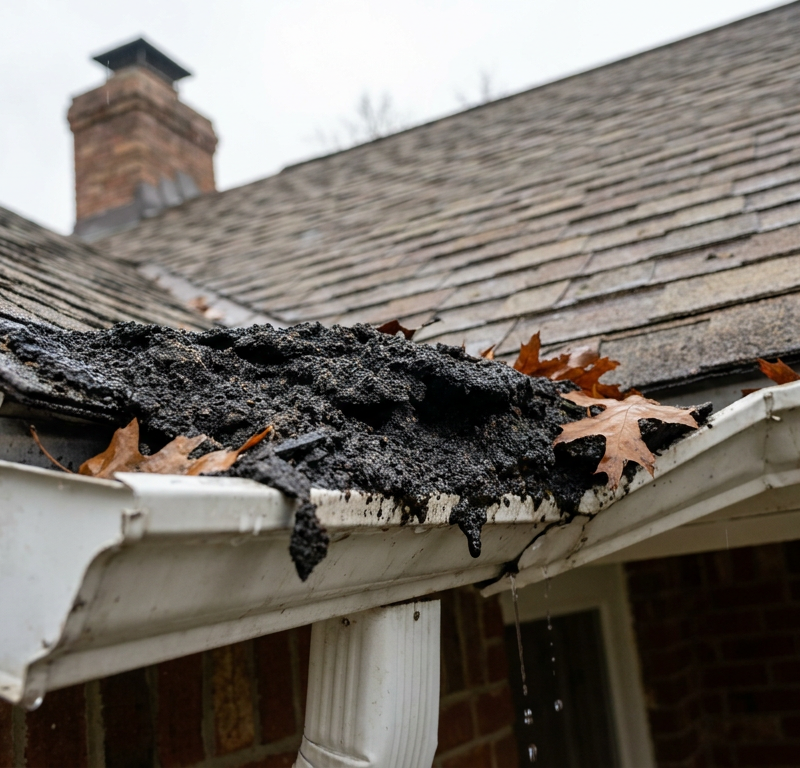
- Gutters with granules
- Dented soft metals (gutters, downspouts, AC fins, mailbox)—these prove hail size
Date-stamped phone photos are accepted by every Texas carrier.
Stage 2: Call the Carrier (Not Just a Roofer)
File the claim directly with your insurance company first. You'll get a claim number and an adjuster assignment within 24–72 hours. Avoid the trap of letting a roofer file for you—Texas law (House Bill 2102) now prohibits roofers from acting as public adjusters unless licensed.
Stage 3: Adjuster Inspection
The adjuster will climb the roof, mark hail hits, and write an estimate. You—or your roofer—should be present. Adjusters miss damage about 30% of the time, especially on the leeward side of the home. Have your roofer "shadow" the inspection so missed hits get added.
Stage 4: The Estimate (ACV vs. RCV)
Your settlement check has two parts:
- Actual Cash Value (ACV): replacement cost minus depreciation, paid up front
- Recoverable Depreciation (RCV holdback): the rest, paid after the work is done and invoiced
Example on a $16,000 roof, 10-year-old shingles:
- Replacement Cost Value: $16,000
- Depreciation (10/20 years): $8,000
- Your deductible: $3,000
- First check (ACV): $5,000
- Final check after invoice: $8,000
- Your true out-of-pocket: $3,000 (the deductible)
If you have an Actual Cash Value only policy (more common on older homes or rental properties), you get the $5,000 and that's it—you cover the rest.
Stage 5: Replacement and Final Payment
The roofer does the work, sends final invoice to the carrier, and the depreciation check is released within 7–30 days.
What Counts as "Damage" (and What Doesn't)
This is where most disputes happen. Texas adjusters use the 8 hits per 10x10 test square standard for hail damage. If they find 8 or more functional hits in a 100 sq ft test area, the slope qualifies for full replacement. Anything less and they may approve only repair.
Functional damage = granule loss exposing the mat, bruising you can feel, or punctures through the shingle.
Cosmetic damage = a mark you can see but that hasn't compromised the shingle's waterproofing. As of 2018, many Texas policies exclude cosmetic-only damage. Read your "Endorsement WS-30" or similar wind/hail endorsement.
Deductibles: The Texas Twist
Most Texas homeowners policies now carry a separate wind and hail deductible, expressed as a percentage of your dwelling coverage rather than a flat dollar amount.
- Dwelling coverage: $300,000
- Wind/hail deductible: 2%
- Your deductible on a roof claim: $6,000
This is much higher than the "all other perils" deductible (usually $1,000–$2,500). Check your declarations page now—knowing the number changes whether a claim makes financial sense.
Age and Roof Condition Matter
Carriers have tightened standards. Many will:
- Require roof inspection before binding a new policy if the roof is 10+ years old
- Drop ACV coverage to "schedule depreciation" after year 15
- Refuse renewal on roofs over 20 years old
- Pay only ACV (not RCV) on roofs over 15 years even with active claim
If your roof is 15+ years old, you may want to replace before the next storm so you're insurable.
What If My Claim Is Denied?
Denials happen for legitimate reasons (no covered damage, wear and tear) and dubious ones (adjuster missed hits, low-balled the estimate). You have options.
1. Request a Re-inspection
Free, fast, and effective when you have a roofer documenting damage the adjuster missed.
2. Hire a Public Adjuster
Texas-licensed public adjusters work for you (not the insurance company) and typically take 10–20% of any additional settlement. Worth it on disputed claims above $10,000.
3. Invoke Appraisal
Your policy almost certainly includes an appraisal clause. Each side hires an appraiser; the two pick an umpire; the resulting figure is binding. This is the fastest route on unresolved disputes.
4. File a TDI Complaint
The Texas Department of Insurance (TDI) takes complaints at tdi.texas.gov. Carriers respond faster when TDI is involved.
5. Sue
Texas allows insurance bad-faith claims. Most reputable attorneys take these on contingency. Save this for clear denial of valid damage.
Special Cases
Cosmetic-only endorsements: If you signed away cosmetic damage coverage to lower your premium, you may get nothing for hail dents that haven't broken through. Re-add the coverage at renewal if your roof is exposed.
Roof maintenance endorsements: Newer policies include "roof surfaces" endorsements that limit payouts on roofs over 10 years old. Read your policy carefully.
Wind exclusions on the coast: Galveston, Brazoria, and other coastal counties require separate TWIA windstorm policies. Verify your coverage before hurricane season.
How to Maximize Your Texas Claim
- File within 30 days of the storm—the closer to the event, the harder for the carrier to argue "old damage"
- Always have a roofer present at the adjuster inspection
- Photograph everything the day of the storm
- Save weather reports showing hail size and wind speed (NOAA Storm Events Database is free)
- Don't pay a deductible "discount" offered by a roofer—it's illegal in Texas under HB 2102
- Get the RCV check by completing the work within your policy's window (usually 180 days)
The Bottom Line
If your Texas roof has sudden storm damage, insurance almost always covers replacement minus your deductible. If your roof is just old and worn out, it doesn't. The biggest mistakes homeowners make are waiting too long to file, accepting the first adjuster estimate without a second opinion, and signing with storm-chaser roofers who promise to "eat the deductible" (which is fraud).
Document early, file fast, get a reputable local roofer to advocate during the inspection, and you'll come out the other side with a new roof and only your deductible spent.
Need help filing or want a free inspection before you call your carrier? Connect with a vetted Fort Worth roofer →
Repair or replace your roof?
Plug in four numbers and see which choice holds up financially.
Free and instant. Educational guidance only — not a quote, inspection, or professional diagnosis.
Estimate your own project cost
National averages are a starting point. Enter your details for a range that fits your house.
Roof replacement cost
- Per square (installed)$604 – $866
Add $500–$2,500 if decking is rotten and needs replacement. Storm damage may be covered by insurance.
Educational estimate only — always confirm with written local bids.
What should this project cost?
Enter your project details for a realistic cost range before you call anyone.
Spot repairs commonly run $400–$1,800; full replacement typically $9,000–$18,000 for an average home.
- Regional adjustment
- National average
- Labor share (typical)
- ~$2,948
- Quotes to collect
- 3 written estimates
Educational estimate based on national averages — not a binding quote. Always confirm with written local estimates.
Fixly Project Decision Box
- DIY difficulty
- Professional Recommended
- Estimated time
- Inspection 1–2 hours · repairs 1–3 days
- Cost level
- High
Main tools / materials
- Binoculars for a ground-level look
- Flashlight for attic checks
- Moisture meter
- Roofing cement (temporary patch only)
When to stop and call a pro
- Active leak near lights, fans, or any wiring
- Sagging, bulging, or water-filled ceiling
- Steep, wet, or two-story roof — do not climb it
- Storm or hail damage you plan to claim on insurance
Need professional help?
Free roof assessment first — no phone calls until you ask for them.
Get Local Roofing HelpDecide what your roof needs
Two minutes of questions turns "something is wrong up there" into a clear next step.
- Repair or replace your roof?Answer 10 questions about age, leaks, and damage to get a clear next step.Open
- Compare contractor quotesScore up to four bids on price, warranty, licensing, and timeline.Open
- Get local estimatesSend one request and compare written estimates from vetted pros.Open
Free, no signup required. Estimates are educational guidance, not a quote or an inspection.
Frequently asked questions
Will my insurance cover a 20-year-old roof?+
If the damage is from a covered event (hail, wind, fallen tree), age alone doesn't disqualify a claim. But most carriers will pay only Actual Cash Value (ACV)—replacement minus depreciation—on roofs over 15–20 years old.
How long do I have to file a claim?+
Texas law requires claims be filed within 1 year of the date of loss. Many carriers shorten this to 6 months in the policy. File as soon as possible.
Will filing a claim raise my rates?+
In Texas, your rates can increase 10–25% after a roof claim, even if it's not your fault. However, most carriers don't penalize for one weather-related claim in a 5-year window.
What if my claim is denied?+
You can request a re-inspection, hire a public adjuster, or file an appraisal demand. Texas law allows you to dispute denial through the Department of Insurance.
Discussion
Loading comments…