- Stay inside until the storm passes completely
- Don't go on the roof in any conditions—wet, dark, or windy
- Listen for active leaks dripping into the attic or upper floors
- Place buckets under any active drips
- Move valuables away from leak areas
Roofing · Aging roof
| Project category | Roofing |
|---|---|
| Problem type | Aging roof |
| Trade required | Roofing |
| Urgency | Planned project |
| Safety risk | Low safety risk |
| DIY suitability | Pro recommended |
| Cost category | High cost |
| Typical timeline | Plan 4–12 weeks ahead for scheduling and material lead time |
| Contractor type | Licensed roofing contractor |
Repair option
Maintenance repairs to buy a season or two while you budget.
Replacement option
Planned replacement, which is almost always cheaper than a leak-driven emergency.
Common causes
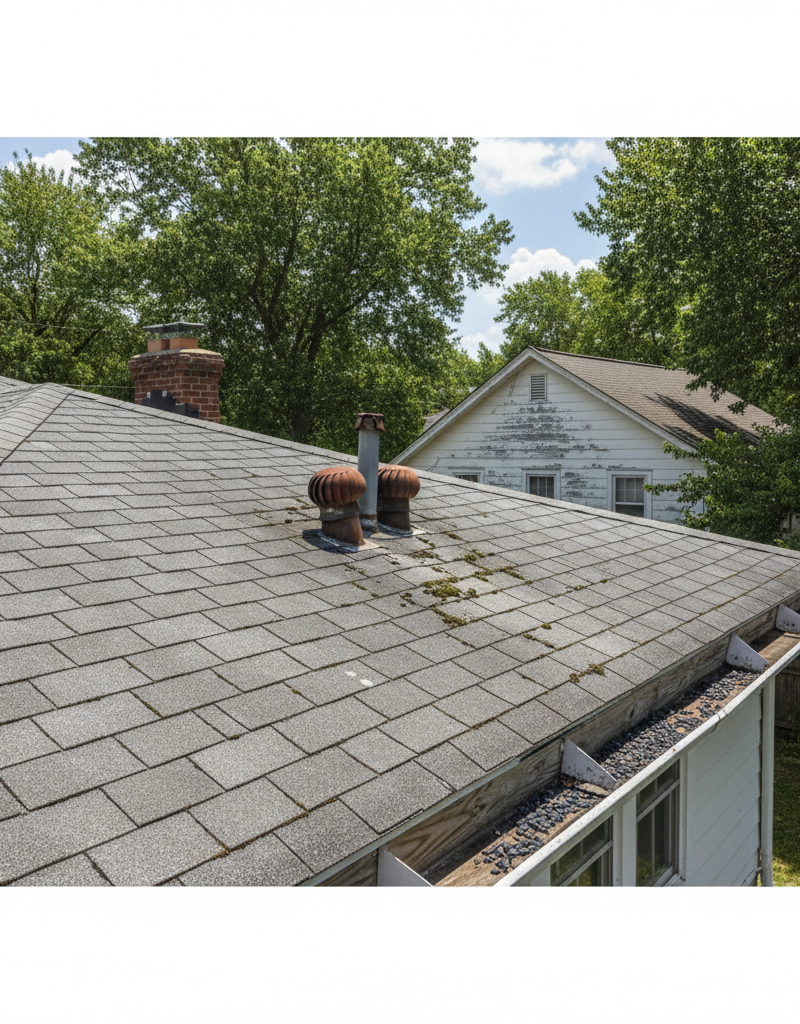
- Normal weathering past the shingle service life
- Poor attic ventilation cooking the shingles from below
- Repeated repairs on the same slopes
Relevant tools:repair or replace roofproject cost estimatorhome improvement material prices
Published May 22, 2026Last updated September 4, 2026Last reviewed May 22, 2026 by Marcus Hale, Master Tradesman, 22 yrs
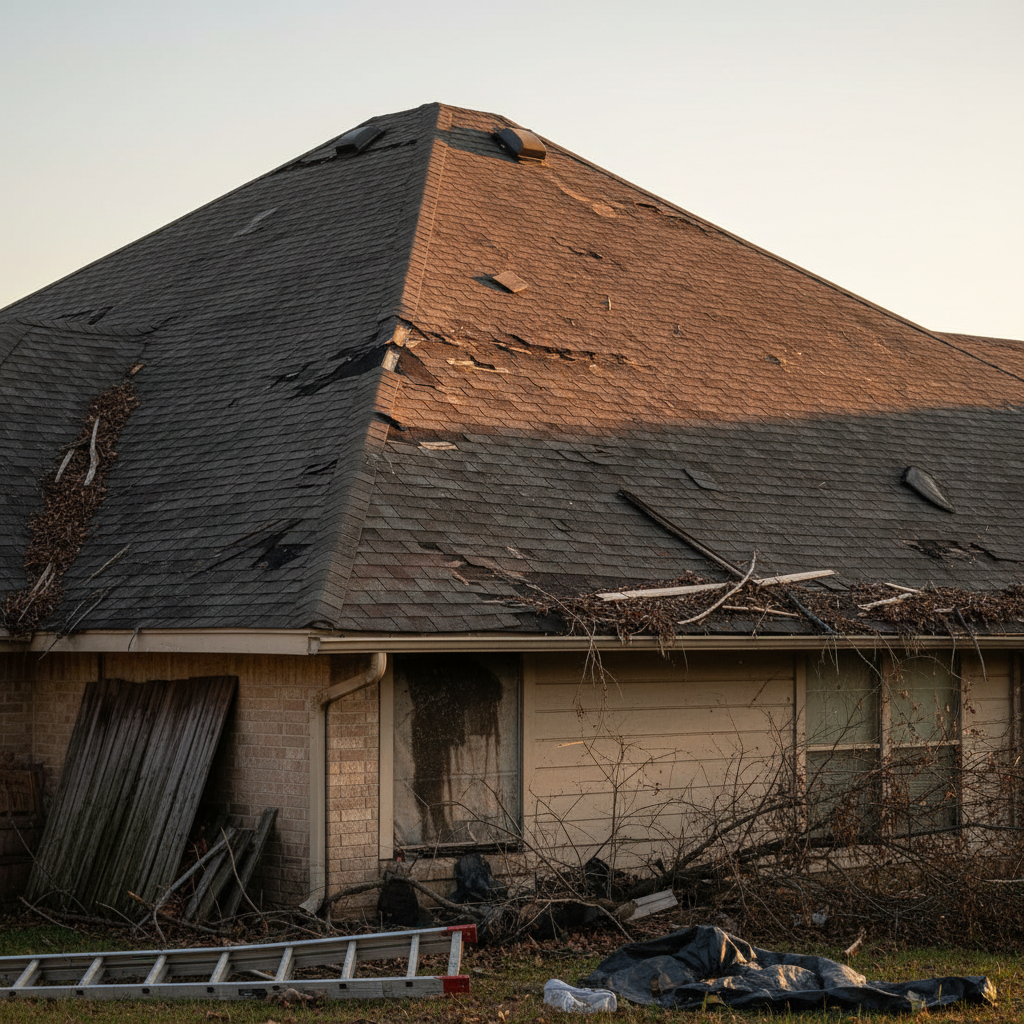
A serious storm rolls through North Texas every spring and fall. Hail the size of golf balls, straight-line winds over 70 mph, tornadoes touching down in Tarrant County—the damage they leave on your roof can range from invisible to catastrophic. What you do in the first 72 hours determines whether you get full insurance payout, a partial settlement, or a denied claim.
This guide is your action plan for any major Texas storm event, in the order to do it.
Hour 0–4: Safety First
While the storm is still active or just ending:
- Stay inside until the storm passes completely
- Don't go on the roof in any conditions—wet, dark, or windy
- Listen for active leaks dripping into the attic or upper floors
- Place buckets under any active drips
- Move valuables away from leak areas
- Take dated phone photos of any interior water entry
If water is actively pouring in or you can see significant structural damage, call your insurance company's emergency claims line. Most have 24/7 lines for major weather events.
Hour 4–48: Document Everything
This is the most important window. Insurance claims hinge on documentation timing.
Outside Documentation (Ground Level Only)
Walk the entire perimeter of your home and photograph:
- All four sides of the roof from the ground (wide shots)
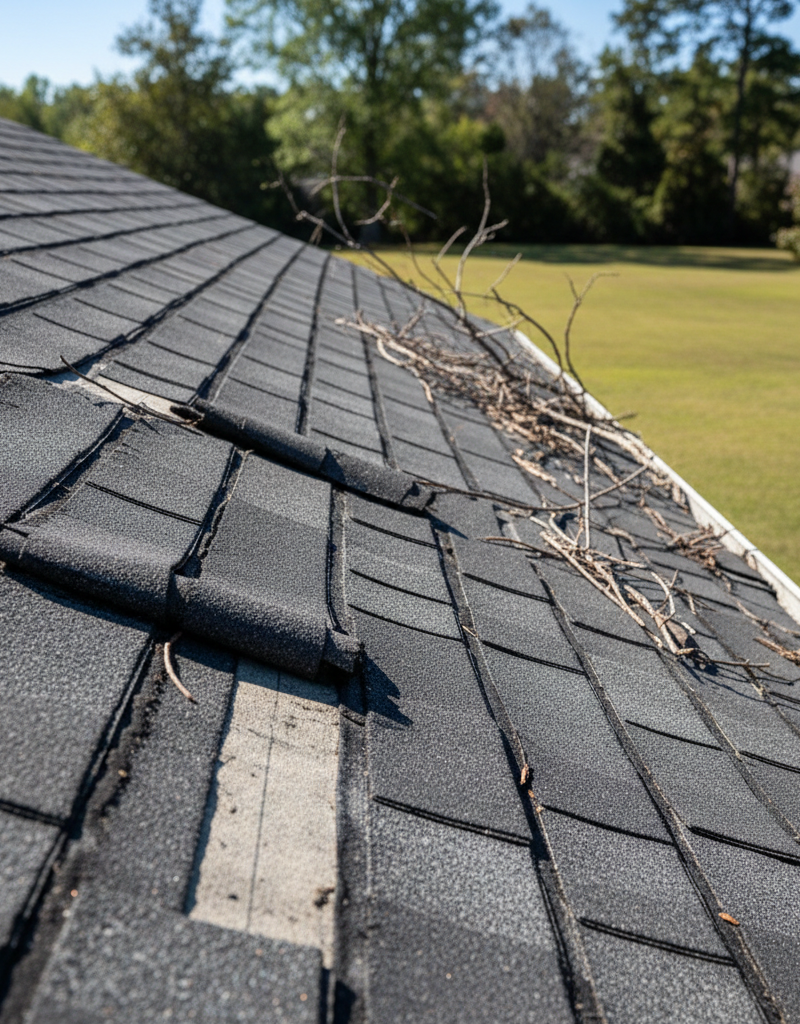
- Any visibly damaged shingles, ridge caps, or vents
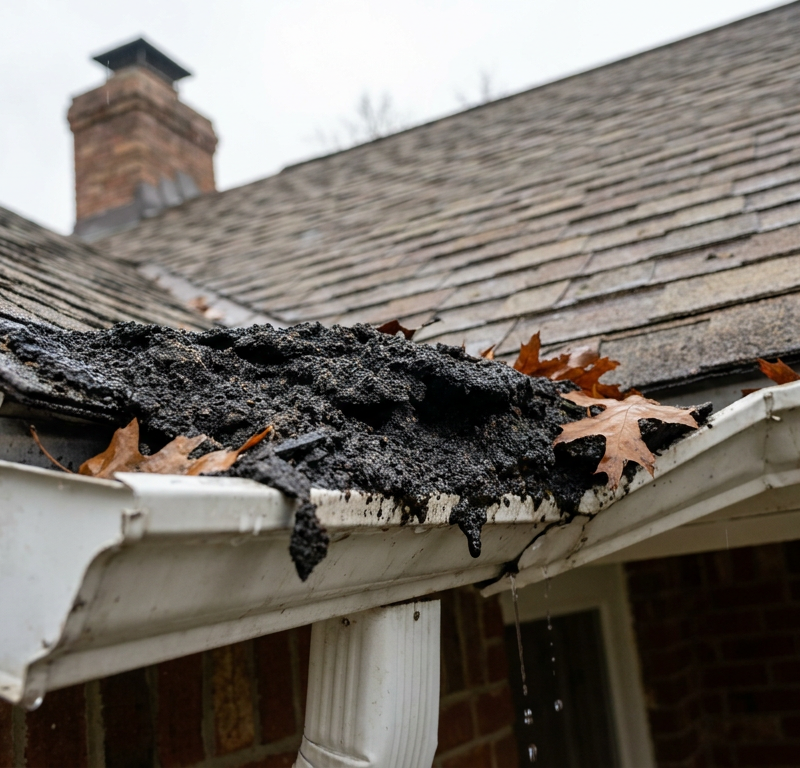
- Gutters with dents, dings, or granule deposits
- Downspouts with hail dents
- AC condenser fins (dented = proof of hail)
- Patio furniture, grills, mailboxes—any soft metal that took hits
- Window screens (torn or warped = wind/hail evidence)
- Fence pickets (especially on the storm-facing side)
- Driveway and sidewalks (round impact marks on grass and concrete)
- Any tree branches down, especially on the roof
Date stamps on phone photos are accepted by every Texas carrier. Don't move anything yet unless it's an immediate safety hazard.
Indoor Documentation
- Wide shots of every ceiling stain
- Close-ups of water entry points
- Photos of any wet drywall, ceiling tiles, insulation, or flooring
- Damaged contents (furniture, electronics, carpet)
- Attic photos showing any daylight, wet decking, or active drips
Get the NOAA Storm Report
Within 48 hours, download the official NOAA Storm Events report for your ZIP code from ncdc.noaa.gov. This single document proves a storm occurred and lists reported hail size and wind speed. Insurance adjusters use this as their starting point.
Hour 48–168 (Days 2–7): File the Claim
Step 1: Call Your Insurance Carrier First
Always file directly with your insurance company, not through a roofer. Texas HB 2102 makes it illegal for roofers to act as public adjusters unless licensed.
You'll get:
- A claim number
- An adjuster assignment
- An estimated inspection date (usually 3–10 days after major storms; longer after big events)
Step 2: Schedule a Local Roofer Inspection
Independent of insurance, get a written inspection from a locally-based licensed roofer. They will:
- Climb the roof and photograph every slope
- Mark hail hits with chalk circles
- Document granule loss, soft mat, and shingle splits
- Identify damaged flashing, valleys, and ridge caps
- Produce a written report
Bring this report to the adjuster inspection. Adjusters miss damage about 30% of the time, especially on back slopes or under shade.
Step 3: Be Present at the Adjuster Inspection
Have your roofer "shadow" the adjuster on the roof. When the adjuster misses hits, your roofer can point them out. This single step is worth thousands in many claims.
Step 4: Get the Estimate
The carrier sends an estimate showing:
- Replacement Cost Value (full cost to replace)
- Depreciation (deducted based on roof age)
- Deductible (your wind/hail deductible, typically 1–2% of dwelling)
- First check (ACV): Replacement Cost − Depreciation − Deductible
You'll get the depreciation back once the work is completed and invoiced (if you have RCV coverage).
See our complete Texas insurance coverage guide →
What If the Claim Is Denied or Underpaid?
You have options:
Re-Inspection
Request another inspection with your roofer present. Free, fast, often successful.
Public Adjuster
Texas-licensed public adjusters work for you (not the carrier) and take 10–20% of additional settlement. Worth it on disputed claims over $10,000.
Appraisal
Your policy includes an appraisal clause. Both sides hire appraisers; an umpire decides if they disagree. Binding and faster than litigation.
TDI Complaint
File at tdi.texas.gov. Insurance companies respond faster when the Texas Department of Insurance is involved.
Storm-Chaser Scams to Avoid
Within 24–72 hours of any major Texas storm, dozens of out-of-state crews flood the area. Watch for:
- Door-to-door pitches with "we noticed damage from the road"
- Pressure to sign a contract on the spot
- Offers to "eat your deductible" or "give you a kickback" (illegal in Texas under HB 2102)
- Out-of-state license plates on company trucks
- No physical Texas office, only a PO box
- Asking to take your insurance check directly
- "We'll handle everything with insurance for you"
- Reviews only from the last 60 days
The bigger the storm, the worse this gets. Stick with locally based roofers with verifiable Texas addresses and at least 5 years of reviews.
Emergency Tarping
If you have active water entry, tarp the affected area immediately. Most local roofers will:
- Respond within 24 hours for emergency tarping
- Cost $200–$600 for professional installation
- Provide 30–60 days of protection before permanent repair
Insurance typically covers emergency tarp costs as part of your claim. Keep the receipt.
What NOT to Do
- Don't sign over your insurance check to any roofer—this is "assignment of benefits" and creates major problems
- Don't pay the deductible "discount" offered by a roofer (illegal kickback)
- Don't repair before the adjuster inspects unless safety requires it (and document everything if you do)
- Don't accept a verbal estimate—everything in writing
- Don't let an unlicensed crew work on your house—insurance won't cover their damage
Timing: The Window Matters
| Days After Storm | What's Easy | What Gets Harder |
|---|---|---|
| 0–7 days | Easy attribution to specific storm | Adjuster availability backed up |
| 7–30 days | Standard claim window | Some damage starts to weather |
| 30–90 days | Still routine | Carrier may push back on attribution |
| 90+ days | Possible but harder | Need strong storm date evidence |
| 6+ months | Policy time limits often kick in | Many claims denied |
| 12+ months | Legally barred under Texas Insurance Code | Claim usually unrecoverable |
The strongest claims are filed within 30 days of the storm with photos taken within 48 hours.
After the Claim Pays
Once you have a settlement and a contractor:
- Verify the contractor's quote matches the insurance estimate
- Insurance estimates use a standardized pricing tool (Xactimate); reputable roofers know how to read it
- Supplements (additional damage discovered during work) get billed back to insurance—your roofer handles this
- Final invoice triggers the depreciation check
- Your only out-of-pocket should be the deductible (assuming RCV coverage)
The Bottom Line
Texas storms damage roofs every year, and insurance covers most of it—but only if you document early, file fast, get an independent inspection, and stay clear of out-of-state storm chasers. The 72 hours after the storm matter most.
Need an honest local storm inspection? Connect with a vetted Fort Worth roofer →
Should you do this yourself?
Answer five quick questions before you start. Safety outranks savings every time.
Your experience with work like this
How high do you have to work?
Does the job involve any of these?
Will it need a permit?
Specialty tools
Free and instant. Educational guidance only — not a quote, inspection, or professional diagnosis.
Questions to ask before you sign
Ask every contractor the same questions and the cheapest bid stops looking cheapest. Check them off as you go — your progress is saved on this device.
Free, no signup. Bring this to every walkthrough so you compare bids on the same terms.
What should this project cost?
Enter your project details for a realistic cost range before you call anyone.
Spot repairs commonly run $400–$1,800; full replacement typically $9,000–$18,000 for an average home.
- Regional adjustment
- National average
- Labor share (typical)
- ~$2,948
- Quotes to collect
- 3 written estimates
Educational estimate based on national averages — not a binding quote. Always confirm with written local estimates.
Fixly Project Decision Box
- DIY difficulty
- Professional Recommended
- Estimated time
- Inspection 1–2 hours · repairs 1–3 days
- Cost level
- High
Main tools / materials
- Binoculars for a ground-level look
- Flashlight for attic checks
- Moisture meter
- Roofing cement (temporary patch only)
When to stop and call a pro
- Active leak near lights, fans, or any wiring
- Sagging, bulging, or water-filled ceiling
- Steep, wet, or two-story roof — do not climb it
- Storm or hail damage you plan to claim on insurance
Need professional help?
Free roof assessment first — no phone calls until you ask for them.
Get Local Roofing HelpGet help with your roof now
Stay off the roof. These free tools help you protect the house and reach the right professional fast.
- Emergency repair checklistThe first steps that limit damage before a pro arrives.Open
- Repair or replace your roof?Answer 10 questions about age, leaks, and damage to get a clear next step.Open
- Get local estimatesSend one request and compare written estimates from vetted pros.Open
Free, no signup required. Estimates are educational guidance, not a quote or an inspection.
Frequently asked questions
How soon should I inspect my roof after a storm?+
Within 48 hours from the ground, and have a professional roof inspection within 7–14 days. Damage gets harder to attribute to the storm as time passes.
What counts as storm damage?+
Hail impact, wind uplift of shingles, fallen trees or branches, lightning, and water intrusion from any storm event. Texas insurance also covers tornadoes and hurricane damage.
Should I let a storm chaser inspect my roof?+
No. Stick with locally-based, licensed roofing companies with verifiable Texas addresses and 5+ years of reviews.
How long do I have to file a storm claim in Texas?+
Texas law allows up to 1 year, but most policies shorten this to 6 months. File within 30 days for the strongest claim.
Discussion
Loading comments…