- Ignoring a Thorough Cleaning: Many homeowners jump straight to pitch adjustment without ensuring the gutters and downspouts are absolutely free of debris. A hidden clog can mimic a pitch problem, so always clean first.
- Guessing the Pitch: Adjusting by eye often leads to further problems. Always use a level to confirm the correct 1/16 to 1/8 inch per 10 feet slope. Even a slight inaccuracy can impact drainage over a long run.
- Over-tightening Hangers: While securing hangers is important, over-tightening can deform the gutter, creating new low spots or even cracking the material, especially with plastic gutters.
- Not Checking Downspout Connections: The point where the gutter meets the downspout is a common area for hidden clogs or disconnections. Neglecting to check this interface can lead to continued overflow even after other fixes.
- Setting Pitch Too Steeply: While theoretically ensuring fast drainage, an excessively steep pitch can cause water to overshoot the downspout opening, especially during intense downpours, leading to splashing and ineffective drainage.
Plumbing · Clog
| Project category | Plumbing |
|---|---|
| Problem type | Clog |
| Trade required | Plumbing |
| Urgency | Soon — within weeks |
| Safety risk | Low safety risk |
| DIY suitability | DIY friendly |
| Cost category | Low cost |
| Typical timeline | Same-day DIY attempt; pro visit within a day or two |
| Contractor type | Licensed plumber |
Repair option
Plunger, hand auger, or trap cleanout before chemicals.
Replacement option
Line replacement when clogs return in the same spot repeatedly.
Common causes
- Hair and soap buildup in the trap
- Grease cooling in the branch line
- Flushed wipes or foreign objects
Relevant tools:diy difficultydiy or hire a pro
Published May 17, 2026Last updated August 18, 2026
Tools & materials you'll need
Affiliate links- AmazonSturdy extension ladderRated for your weight plus any tools
- AmazonGarden hose with high-pressure nozzle
- Amazon4-foot carpenter's levelEssential for accurate pitch measurement
- AmazonCordless drill with appropriate bitsPhillips or square drive, depending on hanger screws
- AmazonSmall scooping trowel or gutter scoopFor debris removal
- AmazonMeasuring tape
- AmazonChalk line (optional)For marking long runs
- AmazonHeavy-duty work glovesFor hand protection
As an Amazon Associate FixlyGuide earns from qualifying purchases — at no extra cost to you. Prices and availability are accurate as of publication and subject to change.
Quick Answer
Overflowing gutters during heavy rain are most often caused by improper gutter pitch, rather than just clogs. While debris can exacerbate the issue, if your gutters consistently spill over even after cleaning, the underlying problem is likely an insufficient slope that prevents water from flowing efficiently towards the downspouts. Adjusting the pitch can often resolve the problem without expensive repairs, ensuring water is properly diverted away from your home's foundation.
The Problem
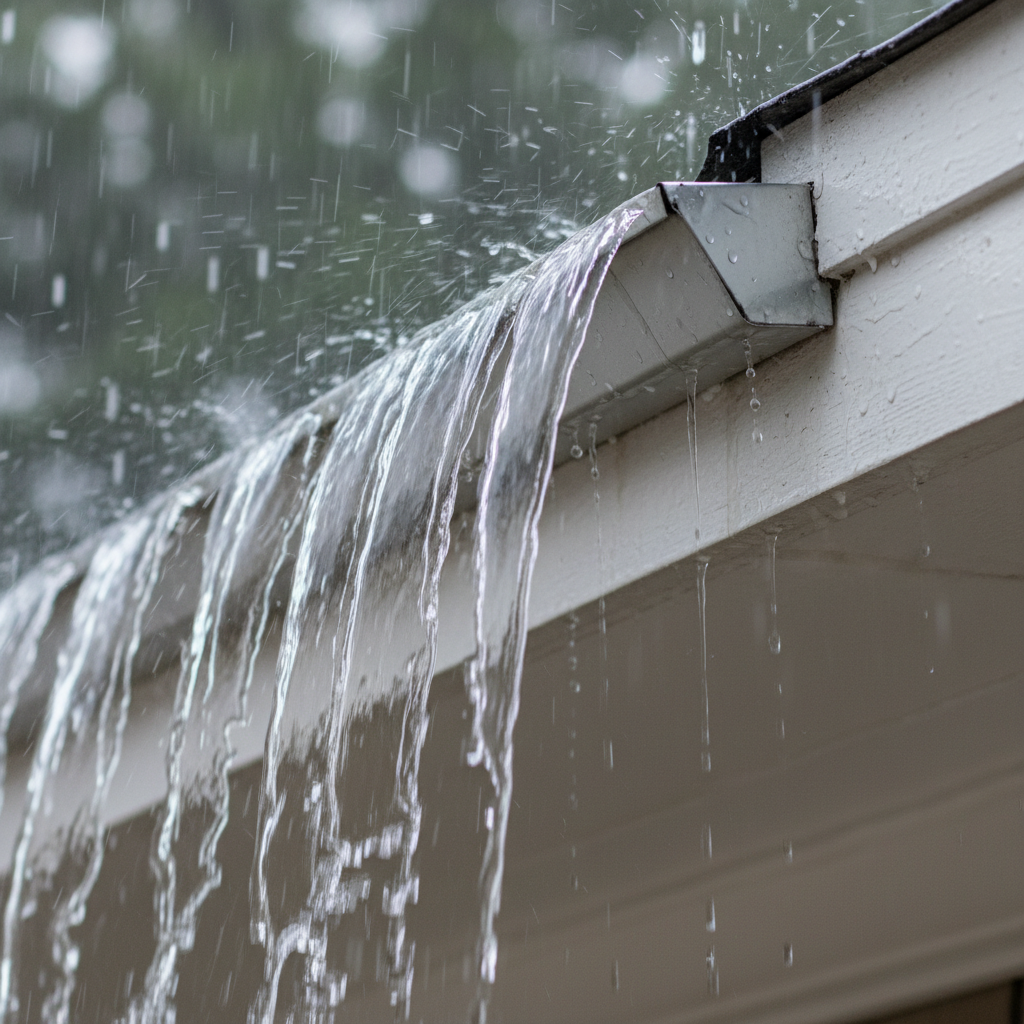
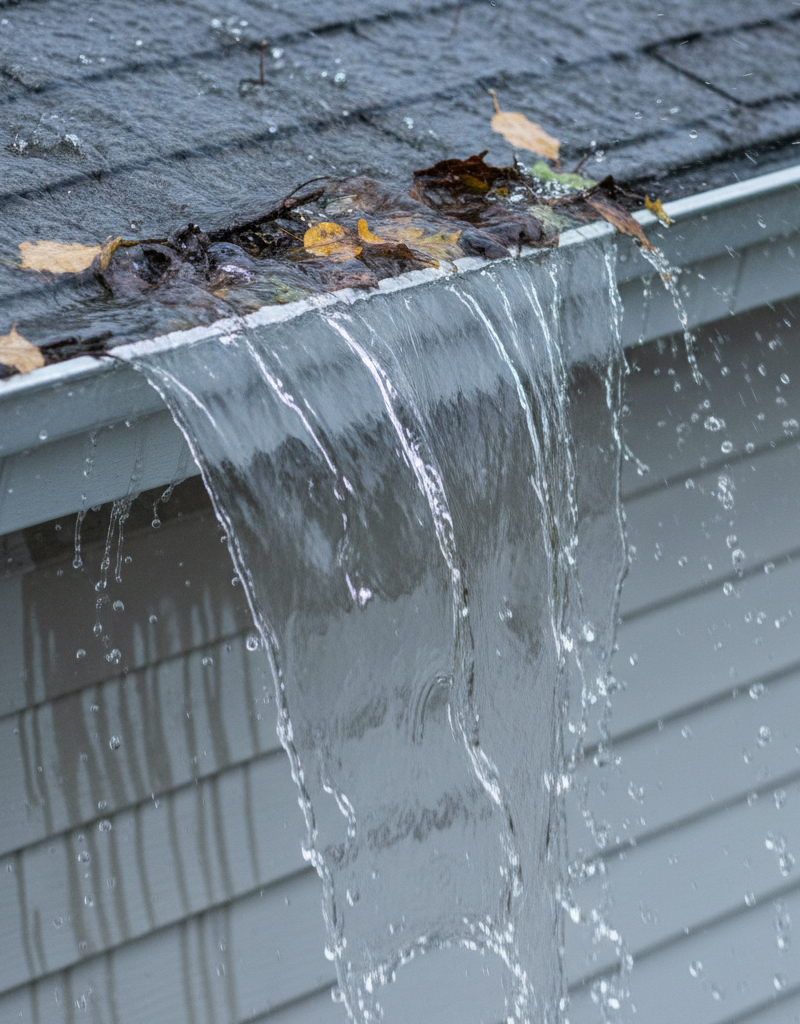
There's a torrential downpour, and you watch in frustration as cascades of water spill over the sides of your gutters, creating miniature waterfalls around your home. You've cleaned them diligently, flushing out leaves and gunk, yet the problem persists, especially during the heaviest rains. This isn't just an unsightly nuisance; chronic gutter overflow can lead to serious and costly damage over time, including compromised foundations, eroded landscaping, water intrusion into basements, wood rot on fascia boards, and even pest infestations. Many homeowners assume persistent overflow means a perpetually clogged system, but the real culprit often lies in a more fundamental issue: the gutter's slope, or 'pitch.' Without the correct pitch, gravity can't do its job, and water pools or flows too slowly, eventually overwhelming the system and spilling over. Identifying and correcting this underlying problem is key to protecting your home's structural integrity.
How It Works
Gutters are designed as a gravity-fed drainage system. When rain falls on your roof, it collects at the eaves and is channeled into the gutter troughs. For this system to work effectively, the gutters must have a slight, continuous downward slope – the 'pitch' – towards the nearest downspout. The industry standard recommendation for gutter pitch is typically 1/16 to 1/8 inch of drop for every 10 feet of gutter length. So, a 40-foot section of gutter should ideally drop 1/4 to 1/2 inch from its highest point to its lowest point at the downspout.
Water naturally seeks the lowest point. With the correct pitch, rainwater flows steadily and predictably along the gutter, gaining momentum as it approaches the downspout, and then efficiently empties into the downspout, away from your foundation. If the pitch is too shallow or, worse, angled away from the downspout (a 'negative pitch'), water will pool in sections of the gutter. This standing water not only becomes a breeding ground for mosquitoes and accelerates corrosion but also reduces the gutter's effective capacity. When heavy rain hits, these already partially filled sections quickly become overwhelmed, leading to the dreaded overflow. Even a small dip or sag in an otherwise well-pitched gutter can act as a dam, holding water and causing localized overflow. Conversely, a pitch that is too steep can cause water to rush past downspouts, especially if the downspout opening isn't wide enough, leading to splashing and ineffective drainage, though this is less common than insufficient pitch.
Step-by-Step Fix
1. Safety First – Always ensure your ladder is stable on level ground. Have a spotter if possible. Never work on a ladder during strong winds or rain. Wear heavy-duty gloves to protect your hands from sharp edges and debris.
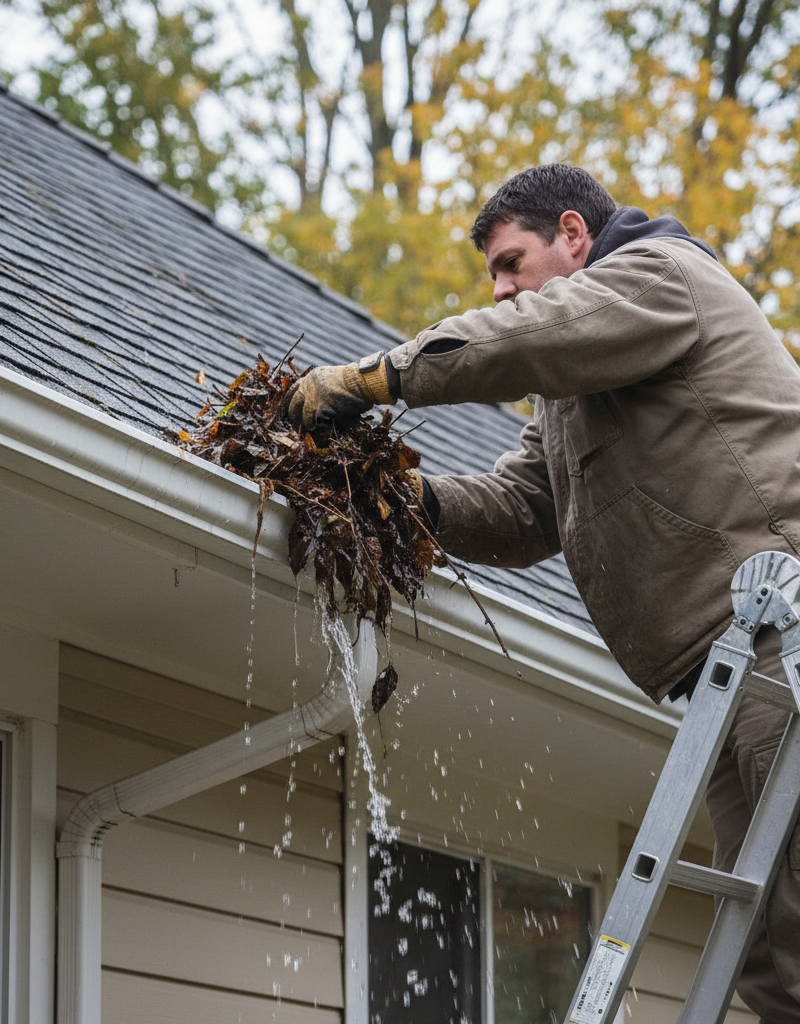
2. Clear Existing Debris – Before assessing pitch, ensure your gutters are thoroughly clean. Remove all leaves, twigs, and sediment. Use a garden hose to flush out the gutter and ensure the downspout is clear. Look for any blockages at the downspout entry or in the downspout itself. A clogged downspout can mimic a pitch problem.
- Tools: Sturdy ladder, heavy-duty work gloves, small scooping tool or trowel, garden hose with strong nozzle.
- If this doesn't work: If water still overflows after a thorough cleaning, proceed to pitch inspection.
3. Inspect Gutter Pitch – With clean gutters, pour a bucket of water (or use a hose) into the gutter at the end furthest from the downspout. Observe how the water flows. It should move steadily towards the downspout without pooling or getting hung up. If water sits in sections or flows sluggishly, your pitch is incorrect. For a more precise measurement, use a carpenter's level or a level app on your smartphone.
- Tools: Sturdy ladder, bucket of water or garden hose, 4-foot carpenter's level.
- How to use the level: Place the level on the bottom edge of the gutter. If the bubble is centered, the gutter is level (which is bad). If it's towards the downspout side, you have a positive pitch. If it's towards the other end, you have a negative pitch.
4. Locate Gutter Hangers/Brackets – Gutters are typically attached to the fascia board using hangers or brackets. These are usually spaced every 2-3 feet and are responsible for holding the gutter in place and defining its pitch. You'll need to locate these along the entire length of the gutter section you're working on.
- Tools: None (visual inspection).
5. Loosen Hangers Strategically – Starting from the highest point (furthest from the downspout), carefully loosen the screws or fasteners on the gutter hangers. You don't need to remove them entirely, just enough to allow the gutter to be gently manipulated. Work your way along the gutter section, loosening hangers as needed. Do this slowly and systematically to avoid bending or damaging the gutter.
- Tools: Cordless drill with appropriate bit (often Phillips or square drive), or a screwdriver.
6. Adjust the Pitch – Using a helper if available, gently lift or lower sections of the gutter to achieve the desired slope. Aim for a drop of 1/16 to 1/8 inch for every 10 feet of length towards the downspout. You can use your level as you go. Start by setting the highest point correctly, then work your way down towards the downspout, establishing the pitch with each subsequent hanger. Re-tighten each hanger once the desired pitch is achieved.
- Tools: Sturdy ladder, 4-foot carpenter's level, cordless drill/screwdriver.
- Tip: It can be helpful to mark the desired height on the fascia board using a chalk line or pencil, especially for longer runs.
7. Test the New Pitch – Once all hangers are tightened, re-test the gutter with a bucket of water or a hose. Observe the flow carefully. Water should flow smoothly and entirely out of the downspout without pooling. If you still see pooling, make small, incremental adjustments to the offending sections.
- Tools: Bucket of water or garden hose.
8. Check Downspout Connection – Ensure the downspout is securely connected and not obstructed. Sometimes, minor blockages can occur where the gutter meets the downspout, even if the main gutter is clear. Also, verify that the downspout extends far enough away from the foundation (ideally 6-8 feet) to prevent water from collecting around your home's base.
- Tools: Screwdriver for downspout clips, measuring tape.
- If this doesn't work: Consider adding a downspout extension or diverter.
Common Causes
- Incorrect Gutter Pitch: This is the most prevalent cause. If the gutter doesn't slope adequately (1/16 to 1/8 inch per 10 feet) towards the downspout, water will sit or flow too slowly, overwhelming the system during heavy rain. A negative pitch (sloping away from the downspout) is particularly problematic.
- Clogged Gutters and Downspouts: While not the only cause, debris like leaves, twigs, shingle grit, and even bird nests are constant threats. Blockages reduce the gutter's carrying capacity and can completely obstruct downspouts, causing water to back up and overflow.
- Sagging Gutters: Over time, especially with heavy snow loads or prolonged water accumulation, gutter hangers can loosen or become damaged, leading to sections of the gutter sagging. These sags create low points where water pools, effectively reducing the functional pitch and causing localized overflow.
- Undersized Gutters: In areas with exceptionally heavy rainfall or on roofs with very large surface areas (especially steep pitches), 5-inch gutters may not be sufficient. Larger 6-inch gutters might be necessary to handle the sheer volume of water.
- Too Few Downspouts: Each downspout can handle a certain volume of water. If a long gutter run only has one downspout, it can become overwhelmed during heavy rain, regardless of pitch or cleanliness. Adding an additional downspout can be a solution.
- Damaged or Dented Gutters: Physical damage, such as dents from ladders or falling branches, can create irregular surfaces or low spots that disrupt water flow, leading to pooling and overflow.
Common Mistakes
- Ignoring a Thorough Cleaning: Many homeowners jump straight to pitch adjustment without ensuring the gutters and downspouts are absolutely free of debris. A hidden clog can mimic a pitch problem, so always clean first.
- Guessing the Pitch: Adjusting by eye often leads to further problems. Always use a level to confirm the correct 1/16 to 1/8 inch per 10 feet slope. Even a slight inaccuracy can impact drainage over a long run.
- Over-tightening Hangers: While securing hangers is important, over-tightening can deform the gutter, creating new low spots or even cracking the material, especially with plastic gutters.
- Not Checking Downspout Connections: The point where the gutter meets the downspout is a common area for hidden clogs or disconnections. Neglecting to check this interface can lead to continued overflow even after other fixes.
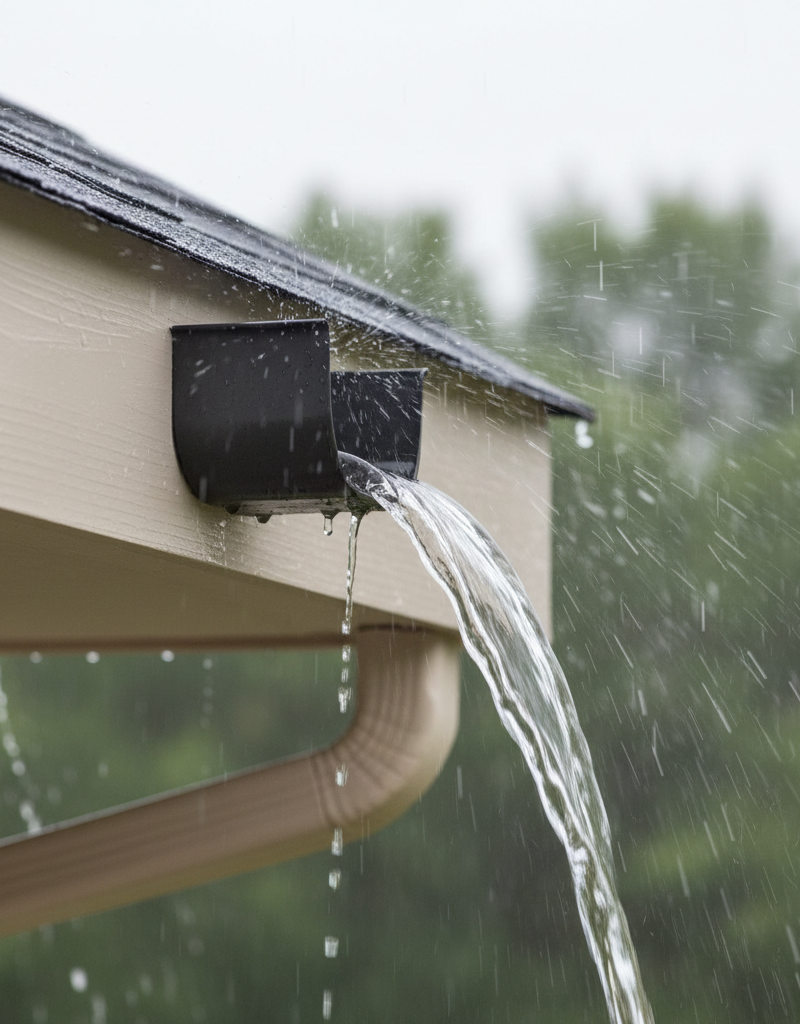
- Setting Pitch Too Steeply: While theoretically ensuring fast drainage, an excessively steep pitch can cause water to overshoot the downspout opening, especially during intense downpours, leading to splashing and ineffective drainage.
- Forgetting About the Downspout Extension: Even perfectly functioning gutters will cause foundation issues if the downspout discharges water right next to the house. Always ensure downspout extensions direct water at least 6-8 feet away from the foundation.
Cost & Time Breakdown
| Task | DIY cost | Pro cost | Time |
|---|---|---|---|
| Gutter Cleaning (DIY) | $0–$10 | $100–$250 | 1–2 hours |
| Gutter Pitch Adjustment (DIY) | $0–$20 | $150–$400 | 1–3 hours |
| Adding Downspout Extension | $15–$50 | $50–$100 | 15–30 min |
| Replace Single Gutter Section | $30–$80 | $100–$250 | 1–2 hours |
| Replace Gutter Hangers | $10–$30 | $50–$100 | 30–60 min |
| Full Gutter/Downspout Install | $1,000–$3,000 | $1,500–$5,000 | 1–3 days |
Tips & Prevention
- Routine Cleaning: Clean your gutters at least twice a year, ideally in late spring after tree pollen has fallen and in late fall after leaves have dropped. In heavily treed areas, more frequent cleaning may be necessary.
- Install Gutter Guards: While not foolproof, quality gutter guards (mesh or perforated) can significantly reduce the amount of debris entering your gutters, extending cleaning intervals and preventing common clogs. Regular inspection and occasional cleaning above the guards are still necessary.
- Inspect Hangers Annually: During your cleaning routine, visually inspect all gutter hangers for signs of rust, damage, or loosening. Tighten any loose screws. Replace damaged hangers promptly to prevent sagging.
- Check Downspout Discharge: Ensure downspout extensions are always in place and directing water well away from the foundation, ideally at least 6-8 feet. Consider adding splash blocks or underground drainage systems for optimal water diversion.
- Trim Overhanging Branches: Ttrimming branches that overhang your roof will significantly reduce the amount of leaves, twigs, and sap falling into your gutters.
- Monitor for Sagging: After heavy rains or snow, take a moment to look at your gutters from the ground. Any noticeable dips or sags indicate a potential pitch problem or failing hangers that need immediate attention.
When to Call a Professional
While adjusting gutter pitch is a manageable DIY project for most homeowners, there are specific situations where calling a licensed professional is the wisest course of action. If your home has multiple stories, very steep roof pitches, or if you are uncomfortable working on a ladder at heights, a professional can complete the job safely and efficiently. Furthermore, if you suspect the issue stems from significantly damaged or corroded gutters, faulty fascia boards, or if the problem persists after multiple DIY attempts, a gutter specialist can provide a thorough diagnosis and execute more extensive repairs or replacements. They can also assess if your current gutter system is adequately sized for your home and local rainfall, recommending larger gutters or additional downspouts if necessary. Neglecting to address severe or persistent gutter issues can lead to expensive foundation or water damage, making a professional assessment a smart investment.
Related Articles
Keep troubleshooting with these hand-picked guides from FixlyGuide:
- The #1 Gutter Mistake That Causes Overflow (And How to Fix It in 20 Minutes) — Overflowing gutters during heavy rain are usually caused by a readily fixable clog, often due to a common cleaning mistake.
- The #1 Gutter Mistake That Causes Overflow (It's Not Clogs!) — Discover the most common, overlooked reason your gutters overflow in heavy rain, and learn practical steps to fix it for good.
- The Secret Reason Your Gutters Overflow (It's Not Always Clogs) — Discover the hidden culprits behind overflowing gutters during heavy rain and how to diagnose and fix them before they cause serious home d…
- The 3 Hidden Reasons Your Gutters Fail in Heavy Rain (It’s Not Just Leaves) — Overflowing gutters during heavy rain often stem from a few common, yet overlooked, issues beyond simple leaf clogs, leading to potential s…
- The #1 Gutter Mistake Worsening Your Roof Damage (And The Easy Fix) — Overflowing gutters in heavy rain are typically caused by blockages, incorrectly sloped sections, or undersized gutters, leading to potenti…
- The Secret Culprit Behind Your Leaky Chimney (It's Not Always the Roof) — Discover the often-overlooked causes of a leaky chimney during rain and how to fix them, from flashing issues to masonry problems.
What should this project cost?
Enter your project details for a realistic cost range before you call anyone.
Spot repairs commonly run $400–$1,800; full replacement typically $9,000–$18,000 for an average home.
- Regional adjustment
- National average
- Labor share (typical)
- ~$2,948
- Quotes to collect
- 3 written estimates
Educational estimate based on national averages — not a binding quote. Always confirm with written local estimates.
Fixly Project Decision Box
- DIY difficulty
- Professional Recommended
- Estimated time
- Inspection 1–2 hours · repairs 1–3 days
- Cost level
- High
Main tools / materials
- Binoculars for a ground-level look
- Flashlight for attic checks
- Moisture meter
- Roofing cement (temporary patch only)
When to stop and call a pro
- Active leak near lights, fans, or any wiring
- Sagging, bulging, or water-filled ceiling
- Steep, wet, or two-story roof — do not climb it
- Storm or hail damage you plan to claim on insurance
Need professional help?
Free roof assessment first — no phone calls until you ask for them.
Get Local Roofing HelpDecide what your roof needs
Two minutes of questions turns "something is wrong up there" into a clear next step.
- Repair or replace your roof?Answer 10 questions about age, leaks, and damage to get a clear next step.Open
- Compare contractor quotesScore up to four bids on price, warranty, licensing, and timeline.Open
- Get local estimatesSend one request and compare written estimates from vetted pros.Open
Free, no signup required. Estimates are educational guidance, not a quote or an inspection.
Frequently asked questions
How much pitch should a gutter have?+
Gutters should have a pitch of 1/16 to 1/8 inch drop for every 10 feet of gutter length towards the downspout. This slight slope ensures water flows effectively by gravity.
Can clogged downspouts cause gutters to overflow?+
Yes, absolutely. A clogged downspout is a very common cause of gutter overflow. Even if the main gutter trough is clean, a blockage in the downspout will prevent water from draining, causing it to back up and spill over the top.
How often should I clean my gutters?+
It is recommended to clean your gutters at least twice a year: once in late spring after significant pollen drop and again in late fall once most leaves have fallen. Homes in heavily treed areas may require more frequent cleaning.
What happens if gutters are not pitched correctly?+
If gutters are not pitched correctly, water will not drain efficiently. It will pool in low spots, overflow during heavy rains, and can lead to issues like foundation damage, wood rot, basement leaks, and accelerated gutter corrosion.
Discussion
Loading comments…