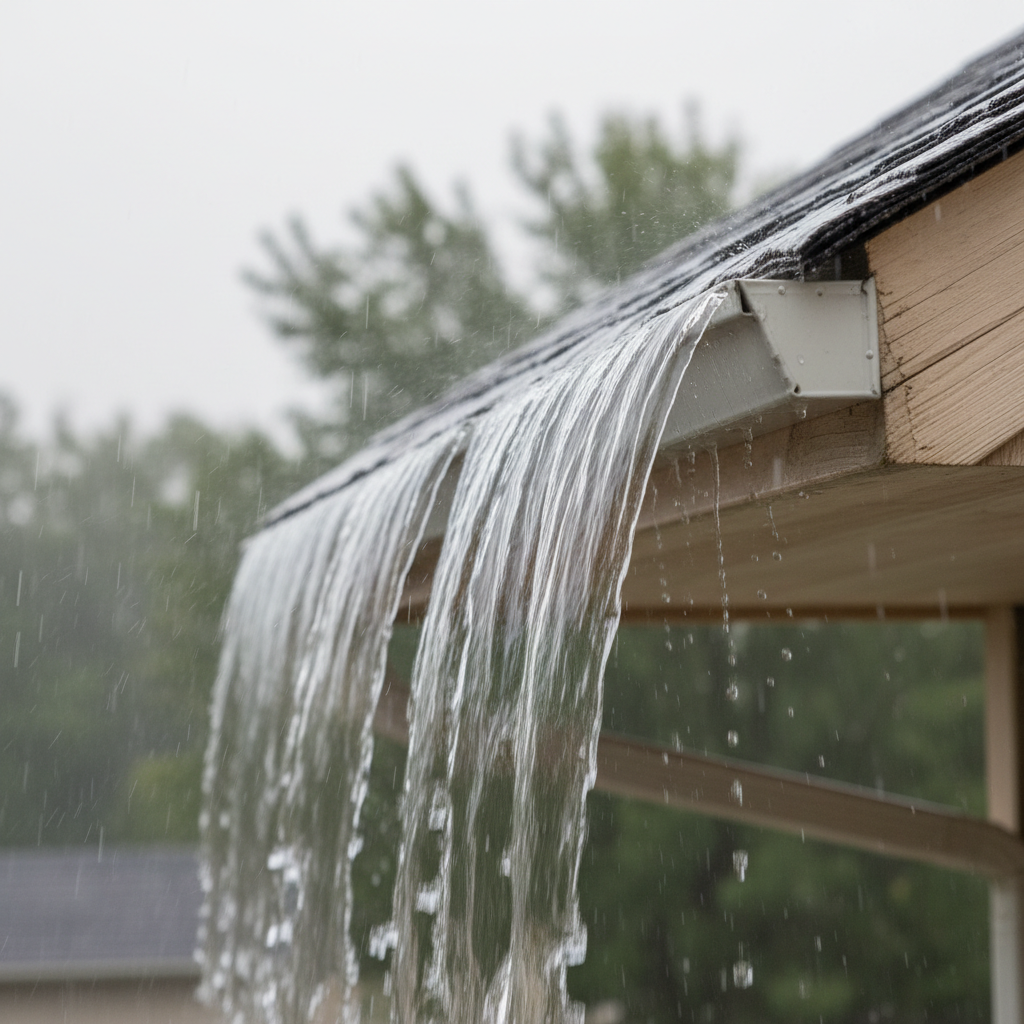
- Incorrect Gutter Pitch: This is often the primary culprit. If gutters don't slope adequately toward the downspouts, water will pool and overflow, even if the gutters are clean.
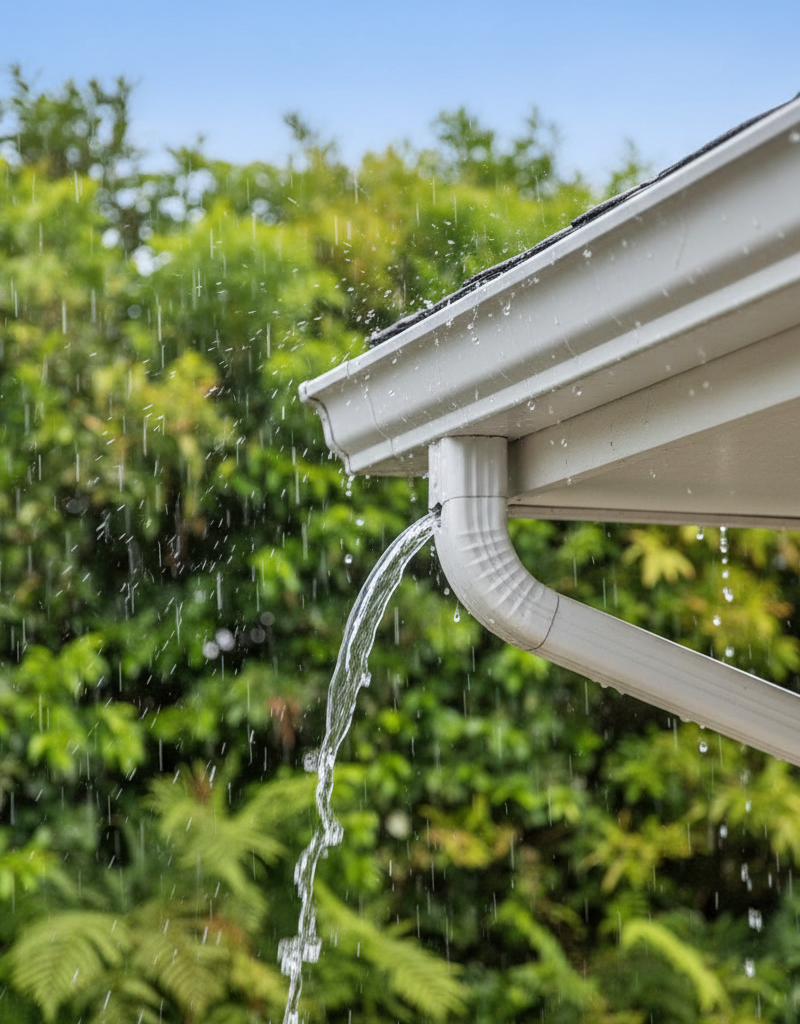
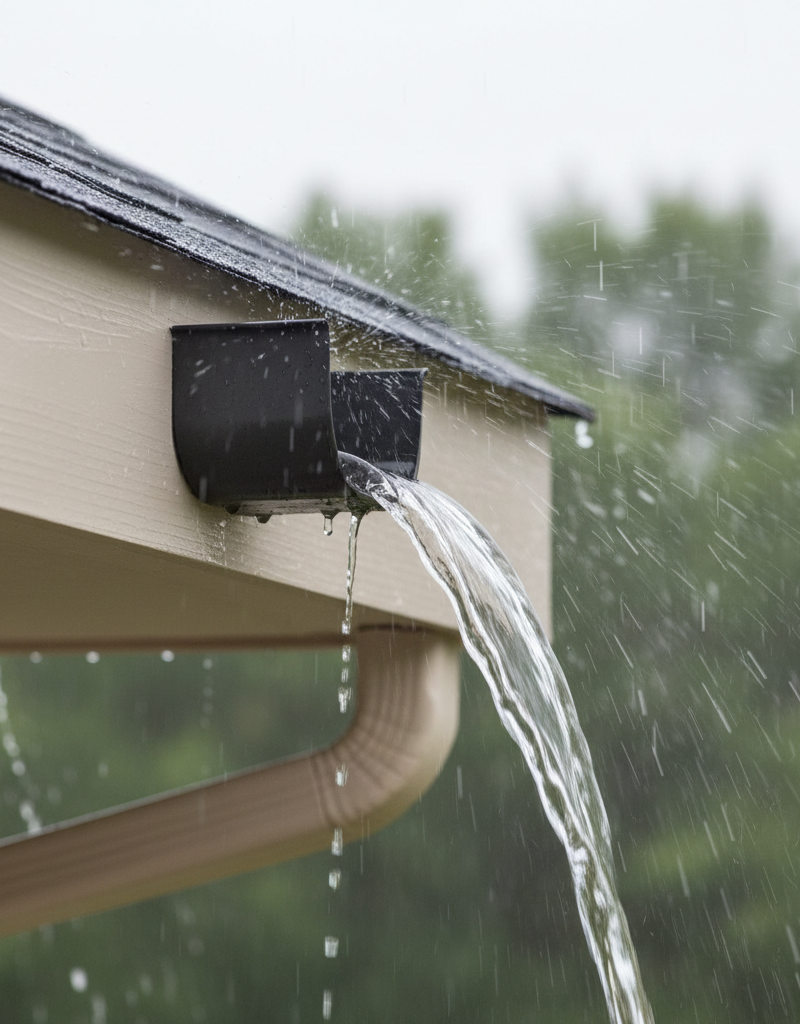
- Undersized or Too Few Downspouts: The downspouts are the bottlenecks. If they can't handle the sheer volume of water coming off the roof during heavy rain, the gutters will back up and spill over.
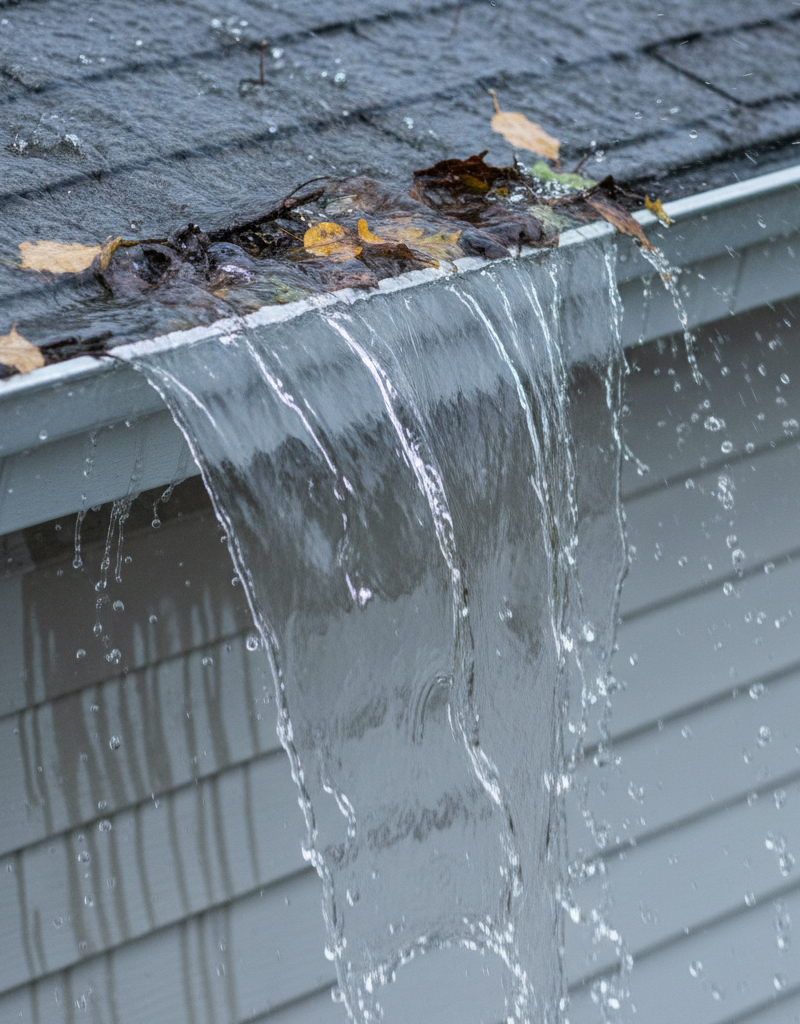
- Clogged Gutters and Downspouts: While not the only cause, accumulated leaves, shingle grit, and other debris restrict water flow, reducing the gutter's capacity and exacerbating other issues.
- Sagging Gutters: Loose or broken hangers can cause sections of the gutter to sag, creating low points where water collects and overflows.
- Improperly Sloped Fascia Board: If the fascia board behind the gutter isn't perfectly plumb, it can make it difficult to install the gutter with the correct pitch.
Plumbing · Clog
| Project category | Plumbing |
|---|---|
| Problem type | Clog |
| Trade required | Plumbing |
| Urgency | Soon — within weeks |
| Safety risk | Low safety risk |
| DIY suitability | DIY friendly |
| Cost category | Low cost |
| Typical timeline | Same-day DIY attempt; pro visit within a day or two |
| Contractor type | Licensed plumber |
Repair option
Plunger, hand auger, or trap cleanout before chemicals.
Replacement option
Line replacement when clogs return in the same spot repeatedly.
Common causes
- Hair and soap buildup in the trap
- Grease cooling in the branch line
- Flushed wipes or foreign objects
Relevant tools:diy difficultydiy or hire a pro
Published May 20, 2026Last updated August 17, 2026
Tools & materials you'll need
Affiliate links- AmazonSturdy extension ladderRated for your weight plus tools
- AmazonGarden hose with spray nozzle
- AmazonGutter scoop or small trowel
- Amazon4-foot level or string level
- AmazonCordless drill/driverWith appropriate bits for gutter screws/fasteners
- AmazonOptional: Plumber's auger or powerful leaf blower
As an Amazon Associate FixlyGuide earns from qualifying purchases — at no extra cost to you. Prices and availability are accurate as of publication and subject to change.
Quick Answer
Overflowing gutters during heavy rain are most frequently the result of an incorrectly pitched gutter system or downspouts that are too few or too small for your roof's square footage, rather than simply clogs. While debris certainly exacerbates the problem, a gutter system designed or installed without proper water flow in mind will consistently fail to divert large volumes of water effectively. Addressing these foundational issues is critical for preventing costly water damage to your home's foundation, siding, and landscaping.
The Problem
Imagine a torrential downpour, and instead of water gracefully exiting your downspouts, it's sheeting over the sides of your gutters like a waterfall. This isn't just an annoying aesthetic; it's a serious indicator of a failing drainage system. Uncontrolled water runoff can lead to a cascade of expensive problems: eroded landscaping, damaged foundation plantings, stained siding, rotting fascia boards, and, most critically, water infiltration into your basement or crawl space, potentially causing structural damage and mold growth. While many homeowners immediately assume a clogged gutter, the truth is often more complex, involving the very physics of water flow and the design of your gutter system. It's a hidden problem that silently threatens your home's integrity with every significant rainstorm.
How It Works
Your home's gutter system is designed to act as a precisely engineered channel, capturing rainwater cascading off your roof and directing it safely away from your foundation. This seemingly simple task relies on a delicate balance of factors. First, the gutters themselves must be pitched at a slight, consistent downward slope toward the downspouts – typically about 1/16 to 1/8 inch for every 10 feet of run. This subtle gradient allows gravity to pull the water efficiently along the trough. Without this slope, or if it's incorrect, water pools, stagnates, and eventually overflows. Second, the downspouts are the critical arteries of this system. Their size and number must be adequate to handle the maximum volume of water your roof can shed during its heaviest rain. A general rule of thumb is one 2x3-inch downspout for every 20-30 feet of gutter run, and one 3x4-inch downspout for every 30-40 feet of run, depending on local rainfall intensity and roof size. If downspouts are undersized, too few, or become clogged, they create a bottleneck, causing water to back up in the gutters until they overflow. Finally, the overall cleanliness is paramount. Leaves, twigs, shingle grit, and even bird nests act like dams, obstructing the flow and reducing the effective capacity of gutters and downspouts, compromising even a perfectly pitched system.
Step-by-Step Fix
Safety First — Always exercise extreme caution when working on ladders. Ensure the ladder is firmly placed on level ground, extend it at least three feet above the gutter line, and have a spotter if possible. Wear sturdy work gloves to protect against sharp edges and debris.
Diagnose the Overflow Point — Before climbing, try to observe where the overflow occurs during a light rain or by using a garden hose to simulate rain. Note specific sections where water spills over the edge.
Clear Major Debris — Using a sturdy ladder and work gloves, carefully remove large accumulations of leaves, twigs, and other debris from the gutters. Pay close attention to downspout openings, as these are common choke points. If a downspout is visibly clogged, try flushing it with a garden hose from the top down. If water doesn't flow freely, you may need a plumber's auger or a powerful leaf blower (used in reverse) to dislodge the blockage from the bottom up. For stubborn clogs, a professional may need to disconnect the downspout sections.
Check and Adjust Gutter Pitch — After cleaning, use a 4-foot level or a string level to check the gutter's slope. Place the level on the bottom of the gutter section, starting near a downspout. You should see a slight incline towards the downspout. If the bubble is centered or slopes away from the downspout, adjustment is needed. For string level, tie a string taut from one end of a gutter run to the other, ensuring it's level. Measure down from the string at various points; the measurement should gradually decrease by about 1/16 to 1/8 inch per 10 feet as you approach the downspout.
Tighten and Re-position Hangers — Loose or damaged gutter hangers can cause sections to sag, disrupting the pitch. Use a cordless drill or screwdriver to tighten existing hangers. If hangers are broken or missing, install new ones, ensuring they support the gutter uniformly and maintain the correct slope. Space hangers every 2-3 feet.
Ensure Proper Downspout Function — Verify that downspout elbows are free of debris and correctly angled to direct water into the main downspout. Check downspout extensions at ground level; they should direct water at least 5-10 feet away from the foundation and be clear of obstructions.
Consider Downspout Capacity Upgrade — If your gutters clog frequently even after cleaning and pitching, or if you have very long gutter runs and experience overflow, your downspouts might simply be too small or too few. Consult a gutter professional to assess if adding more downspouts or upgrading to larger 3x4-inch downspouts is necessary for your roof's square footage and local rainfall intensity.
Install Gutter Guards (Optional but Recommended) — Once your gutters are clean and correctly pitched, consider installing gutter guards. While no guard is 100% maintenance-free, they significantly reduce the amount of debris entering your gutters, especially from trees, keeping them flowing more freely.
Common Causes
- Incorrect Gutter Pitch: This is often the primary culprit. If gutters don't slope adequately toward the downspouts, water will pool and overflow, even if the gutters are clean.
- Undersized or Too Few Downspouts: The downspouts are the bottlenecks. If they can't handle the sheer volume of water coming off the roof during heavy rain, the gutters will back up and spill over.
- Clogged Gutters and Downspouts: While not the only cause, accumulated leaves, shingle grit, and other debris restrict water flow, reducing the gutter's capacity and exacerbating other issues.
- Sagging Gutters: Loose or broken hangers can cause sections of the gutter to sag, creating low points where water collects and overflows.
- Improperly Sloped Fascia Board: If the fascia board behind the gutter isn't perfectly plumb, it can make it difficult to install the gutter with the correct pitch.
- Overhanging Trees: Trees that shed a lot of leaves or needles directly into the gutters will lead to frequent clogging.
Common Mistakes
- Ignoring the Pitch: Many homeowners clean their gutters religiously but never check the slope, missing the root cause of persistent overflow.
- Over-reliance on Gutter Guards: Thinking gutter guards eliminate all maintenance. While helpful, they still need occasional clearing of fine debris that can build up, and some types of guards can even exacerbate overflow if not maintained.
- Using a Pressure Washer Carelessly: While effective for cleaning, high-pressure water can damage shingles, dislodge fascia, or even warp gutters if not used correctly.
- Attaching Downspouts Directly to Drainage Systems Without a Cleanout: Burying downspout extensions directly into ground drainage without an accessible cleanout makes clearing deep blockages exceptionally difficult.
- Postponing Repairs: Small issues like a loose hanger can quickly escalate into major problems like water damage to your foundation if not addressed promptly.
- Assuming All Overflow is a Clog: Jumping straight to cleaning without considering other potential causes like pitch or downspout capacity can lead to recurring problems and frustration.
Cost & Time Breakdown
| Task | DIY cost | Pro cost | Time |
|---|---|---|---|
| Gutter Cleaning (1-story) | $0–$10 | $100–$250 | 1–2 hours |
| Gutter Cleaning (2-story+) | $10–$20 | $200–$500 | 2–4 hours |
| Adjust Pitch/Tighten Hangers | $0–$30 | $150–$350 | 1–3 hours |
| Downspout Unclogging | $0–$50 | $100–$300 | 30–90 minutes |
| Install New Downspout (DIY) | $30–$80 per | $150–$400 per | 1–2 hours per |
| Install Gutter Guards | $200–$800 | $500–$2,000+ | 4–8 hours |
Tips & Prevention
- Regular Cleaning Schedule: Aim to clean your gutters twice a year, typically in late spring after tree pollen and seeds fall, and again in late fall after leaves have dropped. If you have many trees, you might need to clean more frequently.
- Extend Downspouts Away: Ensure all downspout extensions direct water at least 5-10 feet away from your home's foundation to prevent water pooling and foundation damage.
- Trim Overhanging Branches: Prune trees with branches that hang directly over your gutters to reduce the amount of debris falling into them.
- Inspect Gutters Annually: Do a visual inspection of your gutters, hangers, and downspouts at least once a year, looking for sagging sections, loose fasteners, cracks, or signs of rust.
- Consider Larger Downspouts: If your area experiences very heavy rainfall, or if your roof has a large surface area, consider upgrading to 3x4-inch downspouts or adding more downspouts to improve water handling capacity.
- Watch for Warning Signs: Pay attention to dripping or staining on your home's siding, puddles near the foundation during rain, or water in your basement/crawl space – these are all indicators of gutter system failure.
When to Call a Professional
While identifying and fixing basic gutter clogs or loose hangers is a manageable DIY project, knowing when to call a professional can save you significant time, money, and potential damage. If you struggle to adjust the gutter pitch correctly, if your gutters are mounted too high or too low, or if you suspect they are undersized for your roof's needs, a professional has the expertise and specialized tools to perform a comprehensive assessment. Persistent overflowing after cleaning and minor adjustments, multiple broken hangers, severe sagging over long runs, or significant water damage already present on your home's fascia or foundation are strong indicators that you need professional intervention. They can accurately calculate the required downspout capacity for your roof, correct complex pitch issues, and perform seamless repairs or replacements that ensure your entire drainage system functions optimally, protecting your most valuable asset – your home.
Related Articles
Keep troubleshooting with these hand-picked guides from FixlyGuide:
- The #1 Gutter Mistake You're Making (And 3 Hidden Causes of Overflow) — Overflowing gutters in heavy rain are often a sign of a deeper issue than just debris, leading to potential foundation damage and costly re…
- The 3 Hidden Reasons Your Gutters Fail in Heavy Rain (It’s Not Just Leaves) — Overflowing gutters during heavy rain often stem from a few common, yet overlooked, issues beyond simple leaf clogs, leading to potential s…
- Is Your Gutter Sagging After Every Storm? The Hidden Flaw Most Homeowners Miss — Discover the overlooked reason your gutters sag after every storm and learn the lasting fix that most homeowners miss.
- The #1 Mistake Homeowners Make After Finding Missing Shingles (And How to Fix It Right) — Discover the crucial steps to take after a storm rips shingles from your roof, ensuring a proper, lasting repair and preventing costly futu…
- The #1 Gutter Mistake That Causes Overflow (It's Not Clogs!) — Discover the most common, overlooked reason your gutters overflow in heavy rain, and learn practical steps to fix it for good.
- The 7 Critical Spring Home Tasks Most Homeowners Forget (And Why You Shouldn't) — Don’t just prune bushes; tackle these often-overlooked spring maintenance items to protect your home’s value and prevent costly repairs.
What should this project cost?
Enter your project details for a realistic cost range before you call anyone.
Spot repairs commonly run $400–$1,800; full replacement typically $9,000–$18,000 for an average home.
- Regional adjustment
- National average
- Labor share (typical)
- ~$2,948
- Quotes to collect
- 3 written estimates
Educational estimate based on national averages — not a binding quote. Always confirm with written local estimates.
Fixly Project Decision Box
- DIY difficulty
- Professional Recommended
- Estimated time
- Inspection 1–2 hours · repairs 1–3 days
- Cost level
- High
Main tools / materials
- Binoculars for a ground-level look
- Flashlight for attic checks
- Moisture meter
- Roofing cement (temporary patch only)
When to stop and call a pro
- Active leak near lights, fans, or any wiring
- Sagging, bulging, or water-filled ceiling
- Steep, wet, or two-story roof — do not climb it
- Storm or hail damage you plan to claim on insurance
Need professional help?
Free roof assessment first — no phone calls until you ask for them.
Get Local Roofing HelpDecide what your roof needs
Two minutes of questions turns "something is wrong up there" into a clear next step.
- Repair or replace your roof?Answer 10 questions about age, leaks, and damage to get a clear next step.Open
- Compare contractor quotesScore up to four bids on price, warranty, licensing, and timeline.Open
- Get local estimatesSend one request and compare written estimates from vetted pros.Open
Free, no signup required. Estimates are educational guidance, not a quote or an inspection.
Frequently asked questions
Why do my gutters overflow even when they seem clean?+
Even clean gutters can overflow if they are not pitched correctly toward the downspouts or if the downspouts themselves are too small or too few for the volume of water coming from your roof during heavy rain. The design and installation play a crucial role beyond just cleanliness.
How much slope should gutters have?+
Gutters should ideally have a downward slope of 1/16 to 1/8 inch for every 10 feet of gutter run towards the nearest downspout. This subtle pitch ensures gravity effectively guides water out of the system.
Can undersized downspouts cause gutters to overflow?+
Yes, absolutely. If your downspouts are too small or there aren't enough of them to handle the maximum amount of rainwater your roof sheds during a heavy downpour, water will back up in the gutters and spill over the sides.
How often should I clean my gutters?+
A general recommendation is twice a year – once in late spring after tree pollen and seeds have fallen, and again in late fall after most leaves have dropped. Homes surrounded by many trees may require more frequent cleaning.
When should I call a professional for overflowing gutters?+
Call a professional if you can't accurately diagnose the cause, if the problem persists after cleaning and minor adjustments, if you suspect incorrect pitch or undersized downspouts are the core issue, or if you notice significant water damage to your home's siding or foundation. They can offer specialized solutions and ensure proper system function.
Discussion
Loading comments…