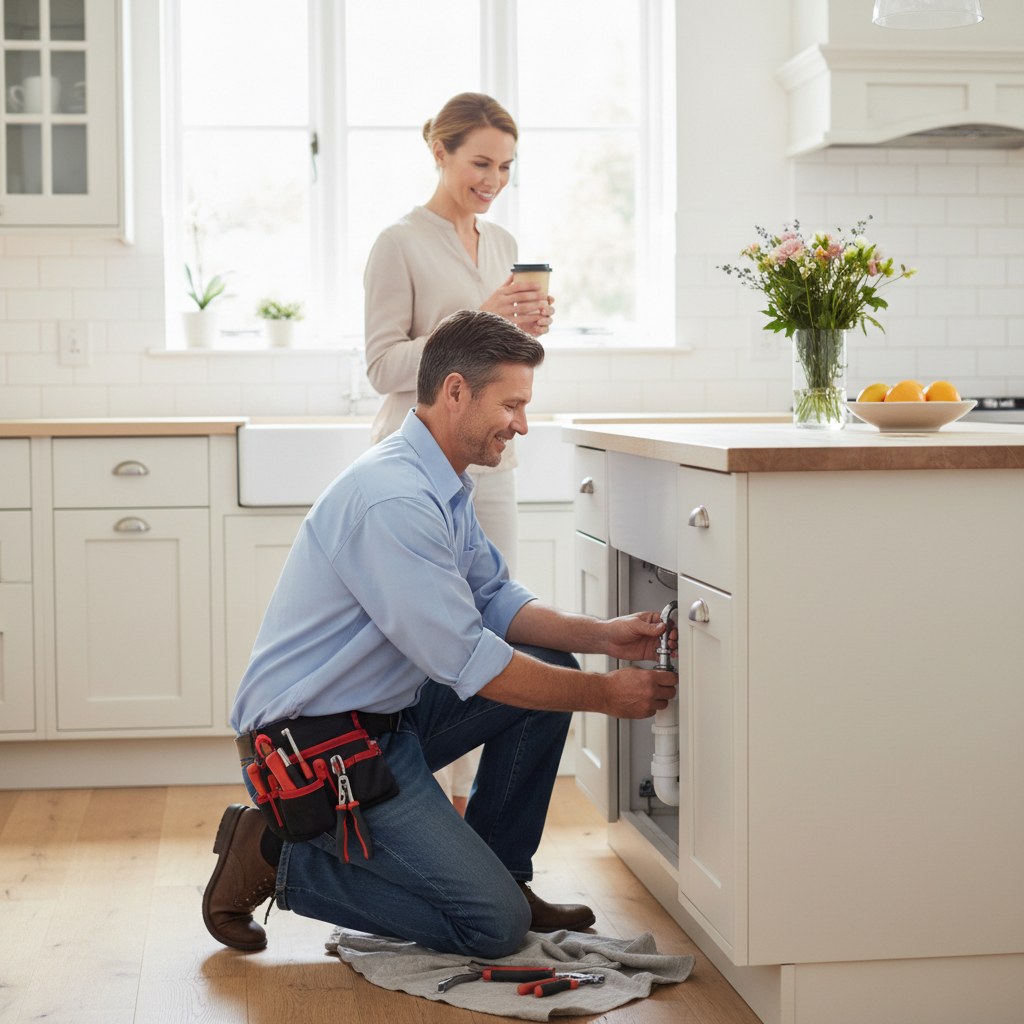
- Clear the Work Area — Give them room to work safely and efficiently.
- Pro Tip: Lay down old sheets or drop cloths if the work might be messy, even if they bring their own.
- If this doesn't work: If an item is too heavy to move alone, mention it when booking the appointment; some services include a helper for a fee.
Published June 1, 2026Last updated August 17, 2026
Tools & materials you'll need
Affiliate linksAs an Amazon Associate FixlyGuide earns from qualifying purchases — at no extra cost to you. Prices and availability are accurate as of publication and subject to change.
Quick Answer
Ensuring a smooth, efficient, and cost-effective handyman visit hinges on preparation and clear communication. By clearing the work area, securing pets, providing easy access to necessary utilities, and clearly articulating the problem and your expectations, you create an environment where the professional can work effectively. This not only shows respect for their time and expertise but often results in a better quality repair and can even save you money.
The Problem
Many homeowners invite a handyman into their home without fully understanding the unwritten expectations and practical considerations of an in-home service call. This isn't about being rude intentionally; it's often a simple lack of awareness regarding how certain actions or inactions can impact the efficiency, safety, and even the final cost of a repair. From cluttered work areas to unclear instructions, these oversights can lead to wasted time, frustration for both parties, and potentially repeat visits or higher labor charges. Imagine a handyman struggling to navigate around furniture, or spending valuable time tracking down an electrical panel because it wasn't mentioned or made accessible. These seemingly small issues compound, making a routine repair more difficult than it needs to be.
How It Works
When you schedule a handyman, you're not just hiring someone to perform a task; you're bringing a skilled professional into your personal space to diagnose and fix a problem. Their process typically involves several key stages: arrival and assessment, preparation of the work area, actual repair, testing, and cleanup. For this sequence to unfold smoothly, the environment needs to be conducive to efficient work.
Before they even begin, the handyman needs to understand the problem fully. This means listening to your description, asking clarifying questions, and often performing their own diagnostic tests. If you provide vague information or aren't available to answer questions, this initial assessment takes longer.
Once they have a clear understanding, they'll need access to the specific area of concern. This might be under a sink, behind an appliance, or in a crawl space. If the path to this area is blocked by personal items, or if the space itself is cluttered, they have to spend time moving things. This isn't part of the repair; it's preparatory work you could have done.
Additionally, most home repairs require access to basic utilities: water for plumbing jobs, electricity for electrical work or power tools, and sometimes even a clear path to an outdoor spigot or a waste disposal area. If these aren't readily available or you don't know where the main shut-offs are, it adds more time to the service call.
Finally, the handyman typically aims to complete the job cleanly and efficiently. Unsupervised children or pets can be a safety hazard, a distraction, and can inadvertently interfere with tools or materials. By understanding this workflow and proactively addressing potential friction points, homeowners can significantly contribute to a more positive and productive service experience.
Step-by-Step Fix
Here's how to ensure your home is ready for a handyman visit, making the process smoother for everyone involved:
-
Clear the Work Area — Give them room to work safely and efficiently. Before the handyman arrives, completely clear out the immediate vicinity around where they need to work. This means moving furniture, removing decorative items, and clearing any clutter. If they're working under a sink, empty the cabinet. For wall repairs, move pictures and clear shelving. A clear, unobstructed space allows them to set up tools, access the problem, and move freely without worrying about damaging your belongings or tripping.
- Pro Tip: Lay down old sheets or drop cloths if the work might be messy, even if they bring their own.
- If this doesn't work: If an item is too heavy to move alone, mention it when booking the appointment; some services include a helper for a fee.
-
Secure Pets and Supervise Children — Prioritize safety and minimize distractions. For the duration of the visit, ensure all pets are secured in a separate room or crated. Even the friendliest dog can become anxious or protective with a stranger in the house, creating a distraction or a potential safety hazard. Similarly, keep children away from the work area. Curious kids can easily get in the way of tools, materials, or the professional's focused work, leading to accidents or delays. Explain to older children that the worker needs space to concentrate.
-
Consolidate Your Questions and Concerns — Respect their time by being organized. Before the handyman arrives, make a concise list of all the issues you want them to address. If you have multiple small tasks, group them by location or type. When the handyman arrives, review this list with them upfront. This allows them to allocate their time effectively, ensuring all your concerns are noted, and they can prioritize or inform you if certain tasks will require a separate visit or additional time. Avoid springing new tasks on them mid-job, as it can disrupt their schedule.
- What NOT to do: Don't follow them around the house, pointing out every tiny scratch or asking questions while they are actively working on a focused task.
-
Provide Context and Access to Utilities — Help them diagnose and fix efficiently. Be prepared to explain the problem clearly: when it started, what you've observed, and any troubleshooting you've already attempted. Also, know the location of your main water shut-off, electrical panel, and gas shut-off (if applicable). Point these out or ensure easy access to them, even if you don't think they'll be needed. For example, if it's a leaky faucet, they'll likely need to turn off the water at the fixture, but knowing where the main shut-off is provides a vital backup.
- Safety Note: Never attempt to touch or repair gas lines or electrical panels yourself unless you are a qualified and licensed professional. Always direct your handyman to these locations and allow them to operate them if needed. If there's a gas leak, evacuate and call 911 immediately!
-
Offer Basic Amenities (Optional, but Appreciated) — A little hospitality goes a long way. While not mandatory, offering a bottle of water, a glass of iced tea, or access to a restroom can be a thoughtful gesture, especially on a hot day or for a longer job. This isn't expected, but it demonstrates appreciation and can foster a more pleasant working relationship. Remember, they are working hard in your home, and a small act of kindness can make their day better.
Common Causes
Many common issues during handyman visits stem from a lack of conscious preparation from the homeowner's perspective. Here are some underlying causes:
- Underestimating Task Complexity: Homeowners often view a handyman's task as simple, not realizing the tools, space, and focus required for even seemingly minor repairs.
- Lack of Communication: Vague descriptions of problems or saving additional tasks until the handyman is already working can cause delays and frustration.
- Safety Oversight: Not securing pets or children, or not clearing out trip hazards, creates an unsafe environment for the professional.
- Assumption of Knowledge: Expecting the handyman to instantly know the location of emergency shut-offs or where to find specific parts without being told.
- Time Mismanagement: Booking an appointment without ensuring the necessary access or homeowner availability, leading to wasted time waiting or rescheduling.
Common Mistakes
Homeowners often unknowingly make these mistakes that can hinder a handyman's work:
- Not Clearing the Work Zone: Expecting the handyman to move heavy furniture, clear cluttered counters, or empty cabinets before they can even start the actual repair. This eats into their billable time and can delay the job.
- Hovering and Micromanaging: Standing over the handyman's shoulder, offering unsolicited advice, or constantly asking
Related Articles
Keep troubleshooting with these hand-picked guides from FixlyGuide:
- The 7 Critical Household Filters You're Forgetting (And What They Cost You) — Neglected household filters are quietly costing you money, diminishing air quality, and paving the way for expensive repairs. Discover the…
- The 4 Critical Power Tools Every New Homeowner FORGETS to Buy (Don't Be One of Them) — New homeowners often overlook essential power tools that make common home repairs and maintenance tasks significantly easier. Learning whic…
- 7 Inspection Red Flags That Secretly Signal a $20,000 Bill — Don't let your dream home become a money pit. Many buyers and even some inspectors overlook subtle home inspection red flags that lead to f…
- The Surprising Yard Tool That Vaporizes Weeds (No Chemicals Needed) — A weed torch offers an efficient, chemical-free method for removing unwanted plants from hardscaped areas like driveways, patios, and grave…
- The Secret to Endless Hot Showers? It's Not Your Water Heater's Age — Inconsistent hot water or no hot water at all often points to a single, often overlooked culprit: the thermostat. Understanding its role is…
- The Invisible War Beneath Your Sidewalk: 5 Signs Tree Roots Are Winning (and What to Do) — Tree roots lifting your sidewalk can create trip hazards and damage property, but understanding the signs and solutions can save you money…
Questions to ask before you sign
Ask every contractor the same questions and the cheapest bid stops looking cheapest. Check them off as you go — your progress is saved on this device.
Free, no signup. Bring this to every walkthrough so you compare bids on the same terms.
What should this project cost?
Enter your project details for a realistic cost range before you call anyone.
Cost depends heavily on which system turns out to be the source.
- Regional adjustment
- National average
- Labor share (typical)
- ~$1,620
- Quotes to collect
- 3 written estimates
Educational estimate based on national averages — not a binding quote. Always confirm with written local estimates.
Check these numbers against your project
National averages are a starting point. These tools narrow it to your scope and ZIP.
- Estimate this projectGet a cost range for your scope and ZIP before you call anyone.Open
- Get local estimatesSend one request and compare written estimates from vetted pros.Open
Free, no signup required. Estimates are educational guidance, not a quote or an inspection.
Get the print-ready PDF of this guide
A clean, ad-free, printable version you can keep on your phone or pin to the workshop wall. Free with a FixlyGuide account.
- Print-optimized layout
- Tools, materials & every step included
- Saved to your account
This article was independently written by FixlyGuide based on the source topic.
Frequently asked questions
Should I offer my handyman a drink?+
While not required, offering a bottle of water, coffee, or a cold drink, especially on a hot day, is a thoughtful gesture of hospitality that can be appreciated. It's a small way to show respect for their hard work.


Discussion
Loading comments…