- Lack of Pre-Visit Communication: Not clarifying the scope of work or estimated costs beforehand creates ambiguity.
- Unprepared Work Environment: Cluttered spaces, unlocked pets, or unmoving furniture directly impede efficiency.
- Assumptions: Assuming the handyman knows your specific preferences without communicating them.
- Distractions: Excessive conversation, hovering, or children/pets interfering with the work.
- Payment Misunderstandings: Unclear billing structures or delayed payment creating friction.
Published June 2, 2026Last updated August 17, 2026
Tools & materials you'll need
Affiliate linksAs an Amazon Associate FixlyGuide earns from qualifying purchases — at no extra cost to you. Prices and availability are accurate as of publication and subject to change.
Quick Answer
When a handyman works in your home, common courtesies and clear communication prevent misunderstandings and ensure a smooth, efficient service. Prepping the work area, securing pets, and being available for questions are key. Respecting their time and discussing payment transparently fosters a positive relationship and ensures the job is done right.
The Problem
You've hired a handyman for a repair, expecting a quick and efficient fix. However, without clear understanding of homeowner responsibilities during the visit, situations can quickly turn awkward, inefficient, or even costly. Unattended pets might interfere, uncommunicated expectations can lead to rework, or a cluttered workspace can slow down the entire process. These seemingly small social missteps can sometimes derail a project, leading to frustration for both the homeowner and the professional.
How It Works
Think of a handyman visit as a temporary professional collaboration within your personal space. The handyman is bringing a specialized skill set and tools to solve a specific problem in your home. For them to work effectively, they need a safe, clear, and accessible environment. This isn't just about physical space; it's also about a respectful working relationship built on clear communication and mutual understanding. They are guests in your home, but they are also there to perform a service you are paying for. Their efficiency directly impacts your wallet. Understanding this dynamic helps you prepare your home and your interactions to facilitate their work, rather than hinder it. They are typically paid by the hour or by the job, so anything that slows them down—like having to move furniture or wait for decisions—can add to your final bill. They also carry insurance, but avoiding incidents that might test that insurance is always preferable. Respecting their professional boundaries, like not hovering excessively or offering unsolicited advice on their technique, allows them to concentrate and complete the task proficiently. Conversely, they understand they are in your home and should be respectful of your property and privacy.
Step-by-Step Fix
1. Prepare the Work Area — Clear out clutter and create an accessible space.
Before the handyman arrives, identify the specific area where they will be working. Remove any furniture, decorative items, rugs, or personal belongings that might obstruct their access or get damaged. Imagine if you were working in that space; what would make it easier and safer for you? This step alone can save considerable time, as the handyman won't have to spend your paid time moving your belongings. If the work involves water, lay down old towels or tarps. If it's dusty work, consider covering nearby furniture with drop cloths.
2. Secure Pets and Children — Safety first for everyone involved.
Even the friendliest pets can be a distraction or a safety hazard. Loud noises from tools can startle animals, leading to unpredictable behavior. Secure pets in a separate room or a crate away from the work area for the entire duration of the visit. The same applies to small children; explain to older children the importance of giving the professional space. This prevents accidents, ensures the handyman can focus, and protects your loved ones from potential harm or stress.
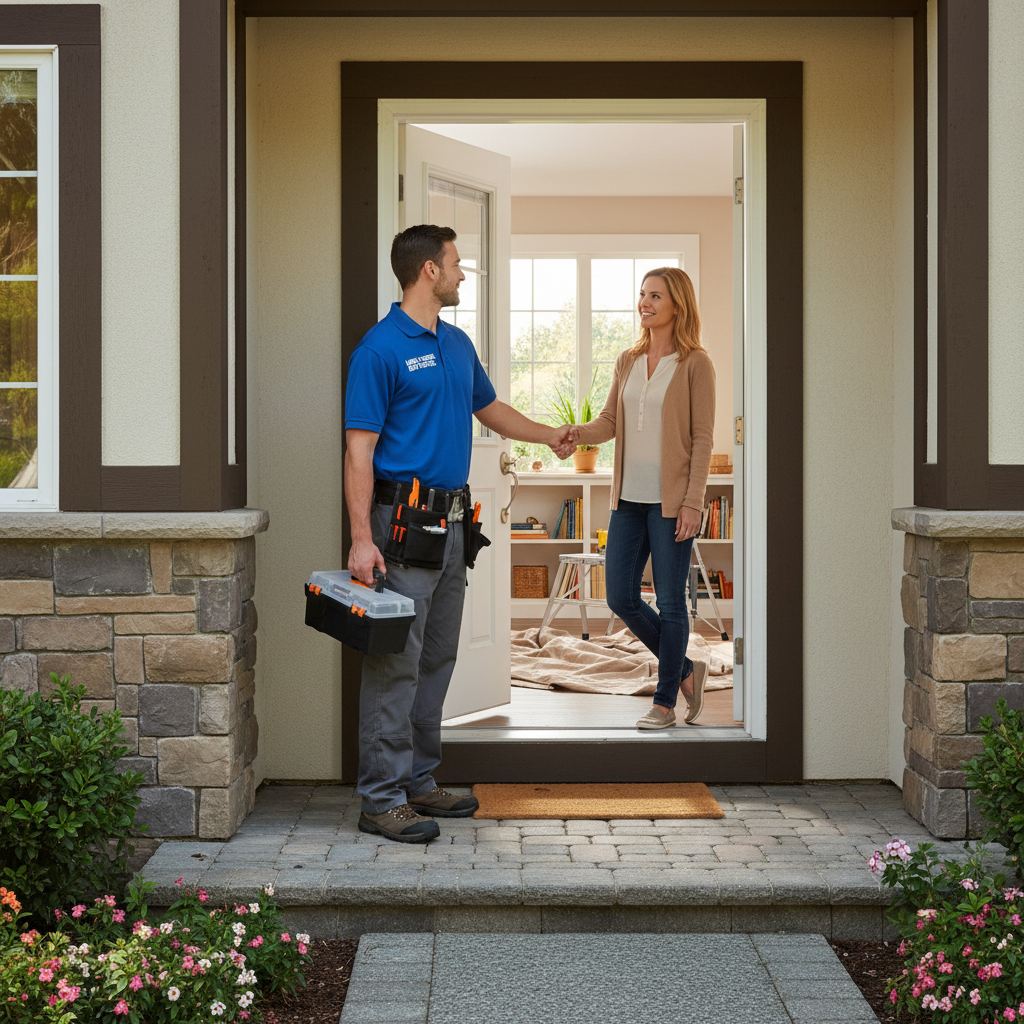
3. Communicate Clearly and Respectfully — Be precise about the problem and your expectations.
When the handyman arrives, concisely explain the issue you need addressed. Show them the problem firsthand and answer any questions they have. If you have specific expectations for the repair or notice, such as a preference for a certain type of material or a particular finish, communicate these at the outset. Avoid vague descriptions; instead, be specific: "The faucet leaks from the base when turned on," rather than "The sink is broken." If you have photos or videos of the problem occurring, they can be helpful. This ensures everyone is on the same page and avoids misunderstandings later on.
4. Be Available for Questions — Stay accessible without hovering.
During the job, the handyman might have questions, need a decision on a material, or encounter an unexpected issue. Stay within earshot or ensure you can be reached quickly by phone. However, avoid hovering directly over them while they work. Give them space to concentrate and perform their tasks. Find a balance between being available for crucial input and allowing them to work independently. Excessive hovering can make a professional feel micro-managed and uncomfortable, potentially slowing them down.
5. Offer Basic Hospitality (Optional but Appreciated) — A small gesture goes a long way.
While not required, offering a glass of water, coffee, or access to a restroom (if you're comfortable with it) is a thoughtful gesture. These small acts of kindness can foster a more positive working relationship. It demonstrates respect and appreciation for their effort. It's important to offer, but not insist, and understand if they decline.
6. Discuss Payment and Future Work Respectfully — Clarity prevents confusion.
Before they start, confirm the payment structure—hourly rate or flat fee—and any estimated costs. When the job is complete, review the work together. If you have questions about the bill or the finished product, ask them politely and directly. If you're considering additional projects, this is a good time to discuss them. Avoid haggling or negotiating mid-job, unless a clear change in scope has occurred. Pay promptly according to your agreed terms. If you had a positive experience, consider asking for their business card for future reference or offering to write a review.
7. Provide Feedback (Constructive and Timely) — Help them improve and reinforce good service.
If the work was excellent, a simple "thank you" or a positive online review is incredibly helpful for a small business. If there are minor concerns, address them respectfully before the handyman leaves, giving them an opportunity to rectify the issue. Constructive feedback, delivered calmly and clearly, helps them improve their service and demonstrates you value their professionalism. Avoid waiting days or weeks to complain about something that could have been resolved on the spot.
Common Causes
- Lack of Pre-Visit Communication: Not clarifying the scope of work or estimated costs beforehand creates ambiguity.
- Unprepared Work Environment: Cluttered spaces, unlocked pets, or unmoving furniture directly impede efficiency.
- Assumptions: Assuming the handyman knows your specific preferences without communicating them.
- Distractions: Excessive conversation, hovering, or children/pets interfering with the work.
- Payment Misunderstandings: Unclear billing structures or delayed payment creating friction.
- Lack of Presence: Being unavailable for critical questions or decisions during the repair process.
Common Mistakes
- Not clearing the work area: Homeowners often underestimate the space a professional needs, forcing the handyman to spend billable time moving items, which increases your cost and project length.
- Letting pets roam free: Even friendly pets can be a distraction, a tripping hazard, or an escape risk when a door is left open, leading to stress for both the pro and the homeowner. Always secure your pets.
- Hovering over the professional: While being available for questions is good, constantly watching or providing unsolicited advice can make the handyman uncomfortable and hinder their concentration.
- Waiting to discuss concerns: If you have questions about the work or the bill, address them respectfully before the handyman leaves, instead of letting minor issues fester or escalating after the fact.
- Assuming tools or materials: Don't assume the handyman has every obscure tool or specific material on hand. Clarify if you need specific parts supplied or if you're providing them.
- Delaying payment: Always pay promptly according to the agreed-upon terms. Delayed payment can damage the professional relationship and make it harder to hire them again.
Cost & Time Breakdown
| Task | DIY cost | Pro cost | Time |
|---|---|---|---|
| Preparing work area | $0 | $0 (your time) | 15–30 minutes |
| Securing pets/children | $0 | $0 (your time) | 5–10 minutes |
| Explaining problem/expectations | $0 | $0 (your time) | 5–15 minutes |
| Being available for questions | $0 | $0 (your time) | Intermittent |
| Reviewing work/payment | $0 | $0 (your time) | 10–20 minutes |
Tips & Prevention
- Get it in Writing: For larger jobs, always get a written estimate or contract detailing the scope of work, materials, and total cost before any work begins.
- **Show, Don
Related Articles
Keep troubleshooting with these hand-picked guides from FixlyGuide:
- The Secret to Lush Raised Beds? It's Not Just About How You Water — Smart irrigation for raised garden beds isn't just about automation; it's about delivering the right amount of water precisely when your pl…
- The Hidden Reason Your GFCI Trips (It's Not Always a Faulty Outlet) — A continuously tripping GFCI outlet is a critical safety warning, often indicating moisture, a faulty appliance, or a wiring problem that r…
- The 3-Ingredient Secret to Sparking Clean Carpets (That Most Don't Know) — Unlock the secret to brilliantly clean carpets with a simple, potent three-ingredient homemade solution that effectively tackles stains and…
- The Hidden Reason Your GFCI Trips (It’s Not Always a Bad Outlet) — A tripping GFCI outlet is a safety mechanism doing its job, often indicating a problem like moisture, a faulty appliance, or a wiring issue…
- The 6 Cleaning Secrets Hiding in Your Power Drill (Plus Attachments to Master) — Your power drill isn't just for DIY projects; with the right attachments, it's a powerful and efficient cleaning tool for tackling tough gr…
- The #1 Mistake Homeowners Make When Spotting Soffit Damage — Ignoring early signs of soffit and fascia damage can lead to costly structural issues. Learn to identify and fix common problems the right…
What should this project cost?
Enter your project details for a realistic cost range before you call anyone.
Cost depends heavily on which system turns out to be the source.
- Regional adjustment
- National average
- Labor share (typical)
- ~$1,620
- Quotes to collect
- 3 written estimates
Educational estimate based on national averages — not a binding quote. Always confirm with written local estimates.
This article was independently written by FixlyGuide based on the source topic.
Frequently asked questions
Should I offer a handyman food or drink?+
It is not required, but offering a glass of water, coffee, or even access to a restroom is a kind and appreciated gesture that can foster a positive working relationship. Always offer, but do not insist if they decline.
How do I secure my pets during a handyman visit?+
The safest approach is to secure pets in a completely separate room or a crate away from the work area for the entire duration of the visit. This prevents distractions, potential accidents, and stress for your animal.
Is it okay to watch the handyman work?+
While it's good to be available for questions, avoid hovering directly over the handyman. Give them space to concentrate and perform their tasks. You should be accessible if they need to ask you something, but don't micro-manage their process.
What if I'm not happy with the handyman's work?+
If you have concerns about the quality of the work, address them politely and directly with the handyman before they leave. This gives them an opportunity to rectify any issues on the spot. Clear, constructive feedback is important.
Do I need to clean my house before a handyman comes?+
You don't need to deep clean your entire house, but you should clear clutter and personal items from the specific work area. This provides the handyman with a clear, safe space to work and saves you money by preventing them from spending billable time on cleanup.

Discussion
Loading comments…