- Environmental Exposure: Constant exposure to sun, rain, wind, ice, and temperature fluctuations degrade roofing materials, caulking, paint, and siding over time.
- Water Intrusion: Undetected leaks from plumbing, roof damage, or improper drainage can lead to rot, mold, foundation damage, and pest infestations.
- Settling & Movement: Homes naturally settle over time, leading to minor cracks. However, significant foundation movement due to soil expansion/contraction, poor drainage, or nearby construction can cause serious structural issues.
- Pest Activity: Termites, rodents, and other pests can cause extensive damage to wood structures, insulation, and electrical wiring, often in hidden areas.
- Material Lifespan: Every component of your home—from shingles to water heaters to HVAC systems—has a finite lifespan. Ignoring these limits can lead to sudden, expensive failures.
General remodeling · Renovation planning
| Project category | General remodeling |
|---|---|
| Problem type | Renovation planning |
| Trade required | General contracting |
| Urgency | Planned project |
| Safety risk | Low safety risk |
| DIY suitability | Pro recommended |
| Cost category | Major investment |
| Typical timeline | Design and permitting often 2–4 months before work starts |
| Contractor type | General contractor |
Repair option
Phase the work and fix the building envelope first.
Replacement option
Full renovation with permits, design, and a general contractor.
Common causes
- Space no longer fits how the household lives
- Resale preparation
- Deferred maintenance stacking up
Relevant tools:project cost estimatorcompare quoteshome improvement material prices
Published May 22, 2026Last updated August 17, 2026
Tools & materials you'll need
Affiliate links- AmazonSturdy Extension LadderFor safe access to gutters and roof perimeter views.
- AmazonPowerful FlashlightEssential for attics, crawl spaces, and dark corners.
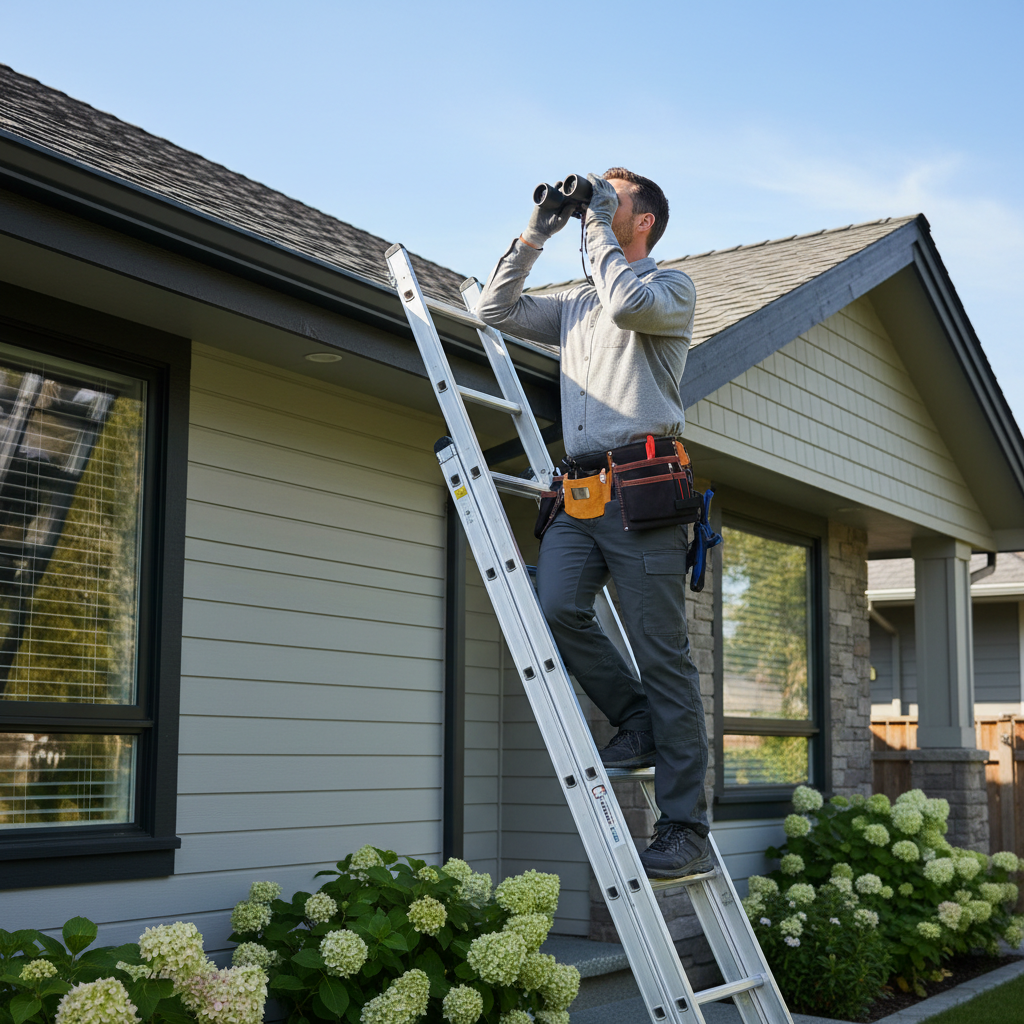
- AmazonBinocularsFor safe, close-up inspection of roof from the ground.
- AmazonNotepad and Pen / SmartphoneFor taking notes and photos of identified issues.
- AmazonNon-Contact Voltage TesterFor simple checks of outlets and switches (do NOT open electrical panel).
- AmazonGlovesProtects hands from dirt, splinters, and sharp edges.
- AmazonDust Mask / RespiratorFor attic and crawl space work, protecting against dust and mold spores.
- AmazonSafety GlassesEye protection for all inspection tasks.
- AmazonKnee PadsFor comfort and protection in crawl spaces or when examining low areas.
As an Amazon Associate FixlyGuide earns from qualifying purchases — at no extra cost to you. Prices and availability are accurate as of publication and subject to change.
Quick Answer
Many homeowners overlook crucial areas or signs of wear during their annual home inspections, leading to undetected problems that escalate into expensive repairs. A comprehensive annual inspection ensures early problem detection, safeguards your home's structural integrity, and maintains its value, focusing on areas often missed. By following a detailed annual checklist that extends beyond common visual checks, you can identify hidden issues with the roof, foundation, HVAC, plumbing, and electrical systems before they become major headaches.
The Problem
Homeowners often believe that a professional inspection every few years or a quick visual scan is sufficient for maintaining their property. However, the truth is that a home is a dynamic environment, constantly exposed to weather, daily wear and tear, and insidious hidden issues like slow leaks, pest invasions, or deteriorating wiring. The problem isn't usually a lack of intent, but rather a lack of knowledge about what to look for, where to look, and the significance of subtle clues. This leads to common inspection mistakes: focusing only on obvious cosmetic issues, ignoring less accessible areas like attics and crawl spaces, misunderstanding the warning signs of system failures, or postponing checks until a noticeable problem arises. These oversights can cost thousands in emergency repairs, diminish energy efficiency, and even pose safety risks, eroding the value and comfort of your most significant investment.
How It Works
An annual home inspection isn't just a walkthrough; it's a systematic assessment of your home's major systems and components to gauge their condition, identify potential issues, and predict future maintenance needs. Think of your home as a complex organism with interdependent systems: the roof protects the structure from the elements; the foundation bears the load; the HVAC system regulates climate; plumbing delivers fresh water and removes waste; and electrical wiring powers everything. Each of these systems has a typical lifespan and warning signs of impending failure or deterioration. For instance, a small roof leak, if caught early, might be a simple patch. Undetected, it can lead to rotted sheathing, damaged insulation, mold growth, and compromised ceilings within the house. Similarly, a minor foundation crack might indicate normal settling, but if it's expanding or accompanied by interior wall cracks, it could signal a more serious structural issue requiring professional assessment. Your annual inspection acts as preventive medicine, checking the pulse of each system. You're looking for deviations from the norm—unusual sounds from the furnace, slow drains, flickering lights, damp spots in the attic, or subtle changes in siding. Understanding how these systems should function provides the context to recognize when they aren't, empowering you to address issues proactively rather than reactively.
Step-by-Step Fix
1. Gear Up for Safety and Access — Before you start, gather your tools and prioritize safety, especially when working in attics, crawl spaces, or on ladders.
- Safety First: Always use a stable ladder, wear gloves, a dust mask, and safety glasses. If you're uncomfortable with heights or confined spaces, delegate those parts of the inspection to a professional.
- Tools: Flashlight, knee pads, a notepad and pen or a smartphone for photos, a small mirror for tight spaces, and a voltage tester (non-contact type is sufficient for basic checks).
2. Master the Roof & Gutters Scan — The roof is your home's first line of defense; inspect it for damage and ensure proper water diversion.
- Visual Roof Check: From the ground with binoculars, or safely from a stable ladder (avoid walking on most residential roofs unless experienced and comfortable). Look for missing, cracked, curled, or blistering shingles. Check for excessive granule loss, especially near downspouts. Identify any rust on flashing around chimneys, vents, and skylights.
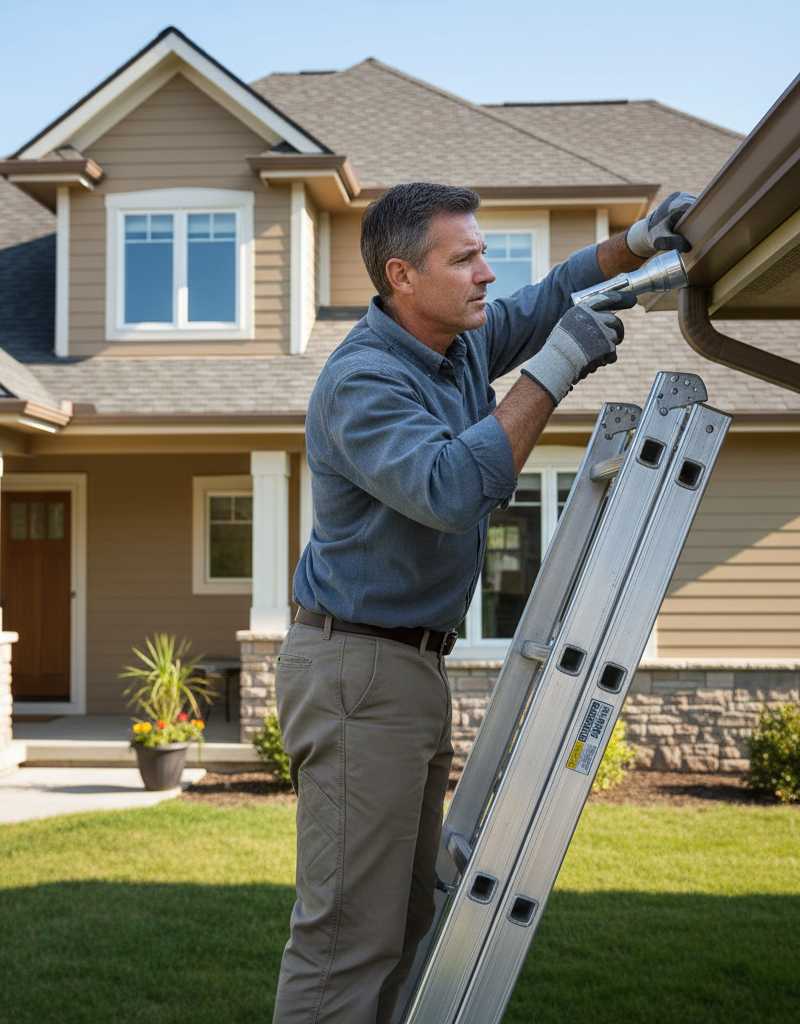
- Gutter & Downspout Performance: Ensure gutters are clear of debris. Check for proper slope (should drain towards downspouts). Verify downspouts extend away from the foundation by at least 5 feet. Clogged or improperly sloped gutters can cause water to back up, leading to fascia damage, foundation issues, and basement leaks.
3. Foundation & Exterior Integrity Deep Dive — Scrutinize the very base of your home and its protective shell for signs of instability or water intrusion.
- Foundation Examination: Walk around the entire perimeter of your home. Look for cracks in the foundation walls, especially horizontal or stair-step cracks, which can indicate structural movement. Minor hairline vertical cracks are often normal settlement, but monitor them. Check for bowing or bulging. Ensure proper drainage away from the foundation (ideally a 6-inch drop over the first 10 feet).
- Exterior Walls & Trim: Inspect siding, stucco, or brick for cracks, loose sections, rot, or signs of pest activity (e.g., termite mud tubes). Pay attention to areas around windows, doors, and utility penetrations for caulk deterioration or gaps. Check paint for peeling or blistering, indicating moisture issues.
4. Attic & Crawl Space Revelation — These often-ignored spaces can hide major problems with insulation, ventilation, and pests.
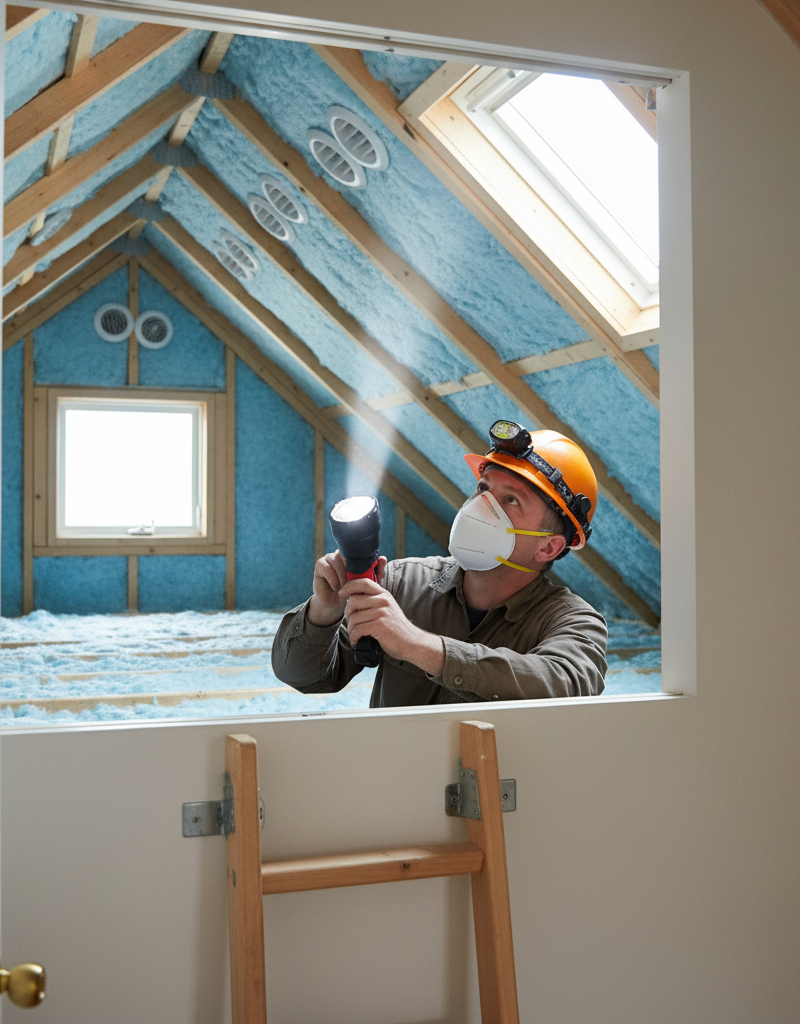
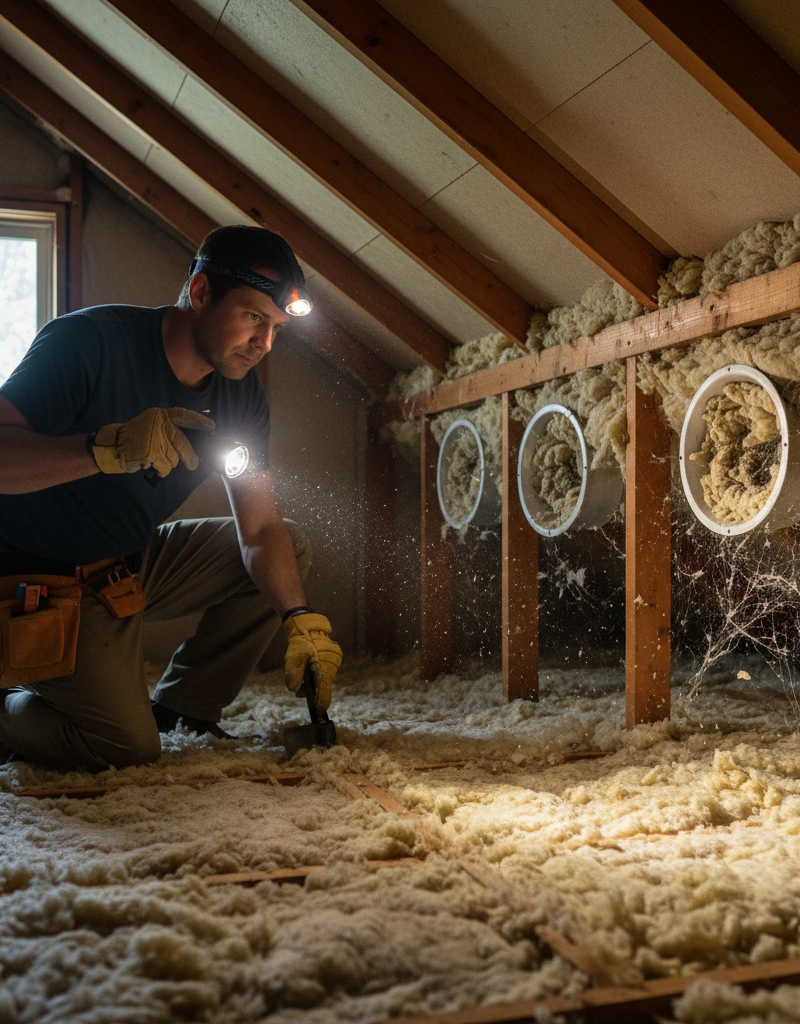
- Attic Assessment: With a powerful flashlight, look for water stains on the underside of the roof deck or insulation, which signal leaks. Check insulation for proper depth (R-value appropriate for your climate) and signs of compaction or moisture. Ensure soffit and ridge vents are clear and unobstructed. Look for signs of pests like rodent droppings, nests, or chewed wiring.
- Crawl Space Inspection (if applicable): Enter with extreme caution. Use your flashlight to check for standing water, excessive moisture, mold growth on wood joists, or musty odors. Look for signs of pest intrusion. Ensure foundation vents are open and screens are intact. Verify vapor barrier is in place and undamaged.
5. HVAC System Sanity Check — A well-maintained HVAC system is crucial for comfort and energy efficiency.
- Furnace/AC Unit: Visually inspect the outdoor AC unit for debris accumulation. Inside, check the furnace filter monthly and replace it every 1-3 months. Listen for unusual noises during operation. Ensure the condensate drain line is clear and not overflowing (a clogged line can shut down the AC). For gas furnaces, never attempt DIY repairs; leave gas appliance issues to professionals.
- Thermostat Functionality: Test the thermostat by setting it to heat and cool to ensure both systems kick on. Check programmable settings for accuracy.
6. Plumbing Under Pressure — Prevent water damage and ensure efficient supply and drainage.
- Leak Detection: Check under all sinks, toilets, and around water heaters for signs of leaks, water stains, or dampness. Flush toilets and run faucets, observing for slow drainage or drips. Inspect supply lines for corrosion or bulges.
- Water Heater Check: Look for rust or leakage around the base of the water heater. Test the temperature and pressure relief (TPR) valve annually by carefully lifting the lever (place a bucket underneath). If it doesn't close completely or leaks, it needs replacement. Safety Note: Water heaters can store very hot water and pressure. If you are unsure, call a professional.
7. Electrical System & Safety Audit — Identify potential hazards and ensure proper function of your home's power grid.
- Outlets & Switches: Test several GFCI (Ground Fault Circuit Interrupter) outlets (found in bathrooms, kitchens, and outdoors) by pressing the 'test' button, then 'reset'. Ensure they trip. Check all outlets for loose connections (plugs falling out), burn marks, or warmth to the touch. Test light switches and ensure all lights work.
- Service Panel (Breaker Box): Visually inspect the main electrical panel. Look for any signs of scorching, rust, or tripped breakers. Ensure the panel door is securely closed. Safety Note: Do NOT open the main electrical panel yourself. High voltage is extremely dangerous. If you suspect an issue, call a licensed electrician.
Common Causes
- Environmental Exposure: Constant exposure to sun, rain, wind, ice, and temperature fluctuations degrade roofing materials, caulking, paint, and siding over time.
- Water Intrusion: Undetected leaks from plumbing, roof damage, or improper drainage can lead to rot, mold, foundation damage, and pest infestations.
- Settling & Movement: Homes naturally settle over time, leading to minor cracks. However, significant foundation movement due to soil expansion/contraction, poor drainage, or nearby construction can cause serious structural issues.
- Pest Activity: Termites, rodents, and other pests can cause extensive damage to wood structures, insulation, and electrical wiring, often in hidden areas.
- Material Lifespan: Every component of your home—from shingles to water heaters to HVAC systems—has a finite lifespan. Ignoring these limits can lead to sudden, expensive failures.
- Lack of Maintenance: Skipping routine tasks like gutter cleaning, filter replacement, or dryer vent cleaning allows small problems to grow into large ones.
- DIY Mistakes: Improperly executed home repairs or installations can create new issues, exacerbate existing ones, or pose safety hazards.
Common Mistakes
- Ignoring the Attic & Crawl Space: These
Related Articles
Keep troubleshooting with these hand-picked guides from FixlyGuide:
- The 7 Critical Home Inspection Mistakes Almost Every Homeowner Makes — Don't wait for a costly surprise; learn the common mistakes homeowners make with annual inspections and how to build a smart, proactive mai…
- The 7 Critical Home Inspection Checks Most Homeowners Miss (and How to Do Them Yourself) — Discover the essential annual home inspection checks many homeowners overlook and learn how to perform them yourself to prevent costly repa…
- The 7 Critical Inspection Points Most Homeowners Miss (And Your $100 Fixes) — Uncover the hidden annual home inspection points that prevent costly repairs and maintain your home's value, often with simple DIY fixes.
- The 3 Critical Mistakes Homeowners Make Inspecting Their Roof (From the Ground) — Learn how to spot damaging roof problems safely from the ground, avoiding common pitfalls and knowing exactly what to look for.
- The 4 Hidden Signs Your Soffit & Fascia Are Failing (And What To Do) — Spotting early signs of soffit and fascia damage can prevent costly repairs and protect your home's structure from water and pest intrusion.
- The #1 Gutter Mistake You're Making (And 3 Hidden Causes of Overflow) — Overflowing gutters in heavy rain are often a sign of a deeper issue than just debris, leading to potential foundation damage and costly re…
Your seasonal maintenance checklist
The small jobs that prevent the expensive repairs. Tick them off — progress saves on this device.
Free, no signup. Skip anything that requires roof access or working near live electrical.
Estimate your own project cost
National averages are a starting point. Enter your details for a range that fits your house.
Roof replacement cost
- Per square (installed)$604 – $866
Add $500–$2,500 if decking is rotten and needs replacement. Storm damage may be covered by insurance.
Educational estimate only — always confirm with written local bids.
What should this project cost?
Enter your project details for a realistic cost range before you call anyone.
Minor crack sealing $800–$2,500; pier and beam stabilization $10,000–$30,000+.
- Regional adjustment
- National average
- Labor share (typical)
- ~$4,961
- Quotes to collect
- 3 written estimates
Educational estimate based on national averages — not a binding quote. Always confirm with written local estimates.
Fixly Project Decision Box
- DIY difficulty
- Professional Recommended
- Estimated time
- Inspection 1–2 hours · repairs 1–3 days
- Cost level
- High
Main tools / materials
- Binoculars for a ground-level look
- Flashlight for attic checks
- Moisture meter
- Roofing cement (temporary patch only)
When to stop and call a pro
- Active leak near lights, fans, or any wiring
- Sagging, bulging, or water-filled ceiling
- Steep, wet, or two-story roof — do not climb it
- Storm or hail damage you plan to claim on insurance
Need professional help?
Free roof assessment first — no phone calls until you ask for them.
Get Local Roofing HelpDecide what your roof needs
Two minutes of questions turns "something is wrong up there" into a clear next step.
- Repair or replace your roof?Answer 10 questions about age, leaks, and damage to get a clear next step.Open
- Compare contractor quotesScore up to four bids on price, warranty, licensing, and timeline.Open
- Get local estimatesSend one request and compare written estimates from vetted pros.Open
Free, no signup required. Estimates are educational guidance, not a quote or an inspection.
Recommended for DIYers & woodworkers
Sponsored
The Top 20 Tools for Workshops of Any Budget
No stationary machines or power tools required — plus 3 fundamental tools that can't be bought at any price.
Get the free guide
Ted's Woodworking — The #1 Woodworking Resource
Detailed instructions, dimensioned drawings, materials & cutting lists, and 3D schematics for every skill level.
See the plansSponsored: links above are affiliate links. FixlyGuide may earn a commission on qualifying purchases — at no extra cost to you.
Frequently asked questions
How often should a homeowner perform an inspection?+
Homeowners should perform a thorough visual inspection of their home annually. Key systems like HVAC filters should be checked monthly, and a professional inspection is recommended every 3-5 years or before buying/selling.
What are the most common overlooked areas in a home inspection?+
The most commonly overlooked areas include the attic (for leaks, insulation, ventilation), crawl spaces (for moisture, pests, structural issues), the roof (from close range for shingle damage, flashing integrity), and the interior of electrical panels (which requires a professional).
Can I do my own annual home inspection?+
Yes, many aspects of an annual home inspection can be safely and effectively performed by a homeowner with basic tools and knowledge. However, for complex systems like gas appliances, high-voltage electrical, or structural concerns, it's always best to call a licensed professional.
What are the signs of a serious foundation problem?+
Serious foundation problems can be indicated by horizontal or stair-step cracks larger than 1/4 inch in the foundation walls, bowing or bulging walls, doors and windows sticking or not closing properly, cracks in interior drywall, and significant sloping floors.
When should I call a professional home inspector?+
You should call a professional home inspector if you're buying or selling a home, if you discover significant issues during your own inspection (like major structural cracks, persistent leaks, or electrical concerns), or if you simply prefer an expert's comprehensive assessment and report.
Discussion
Loading comments…